Honda
Honda pairs reliability with genuinely enjoyable driving. Browse our reviewed Honda models.
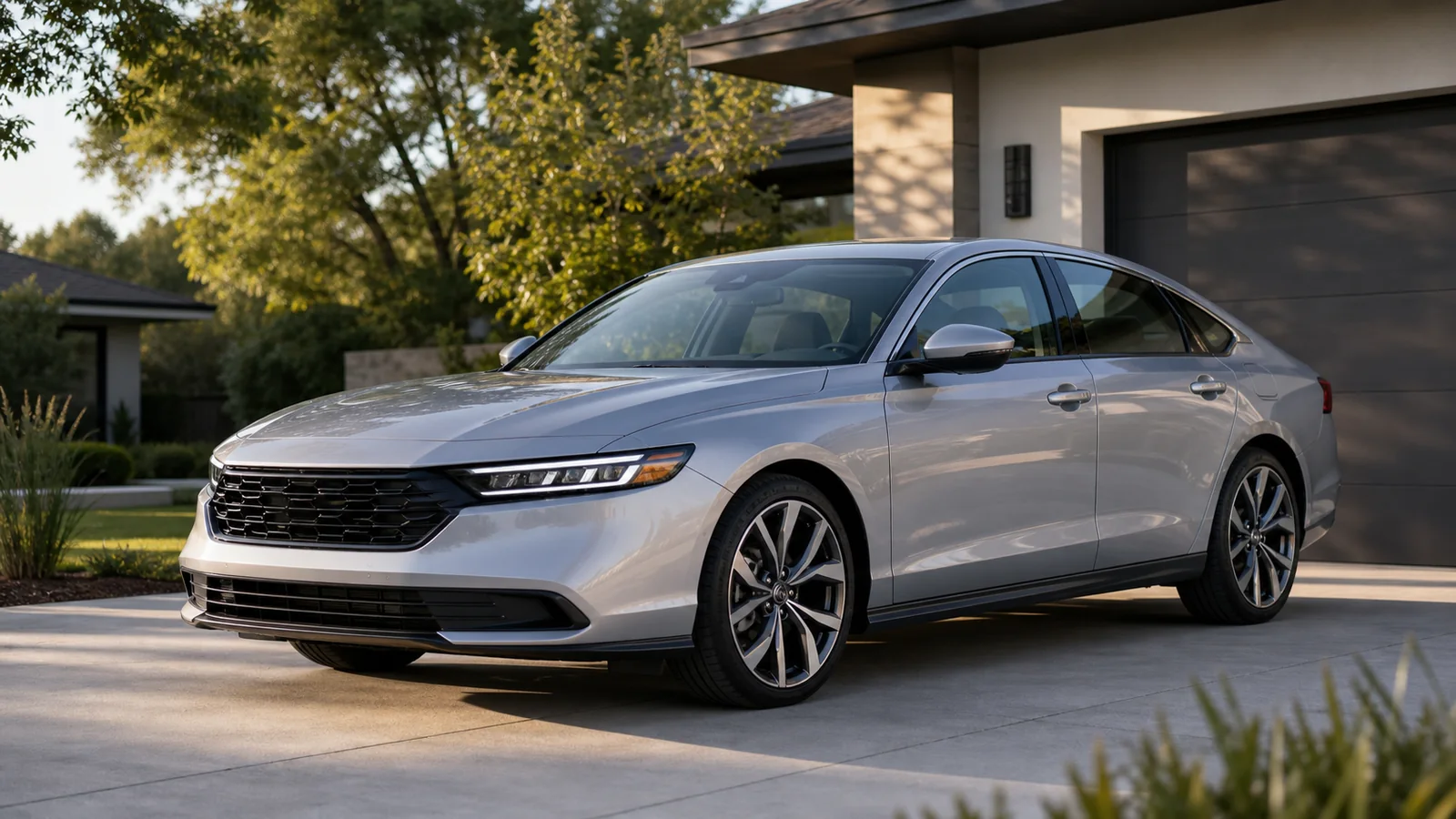
Honda Accord
Accord · $29,000-$40,000The Honda Accord is the midsize sedan for buyers who still care how a practical car drives. The gas LX and SE…
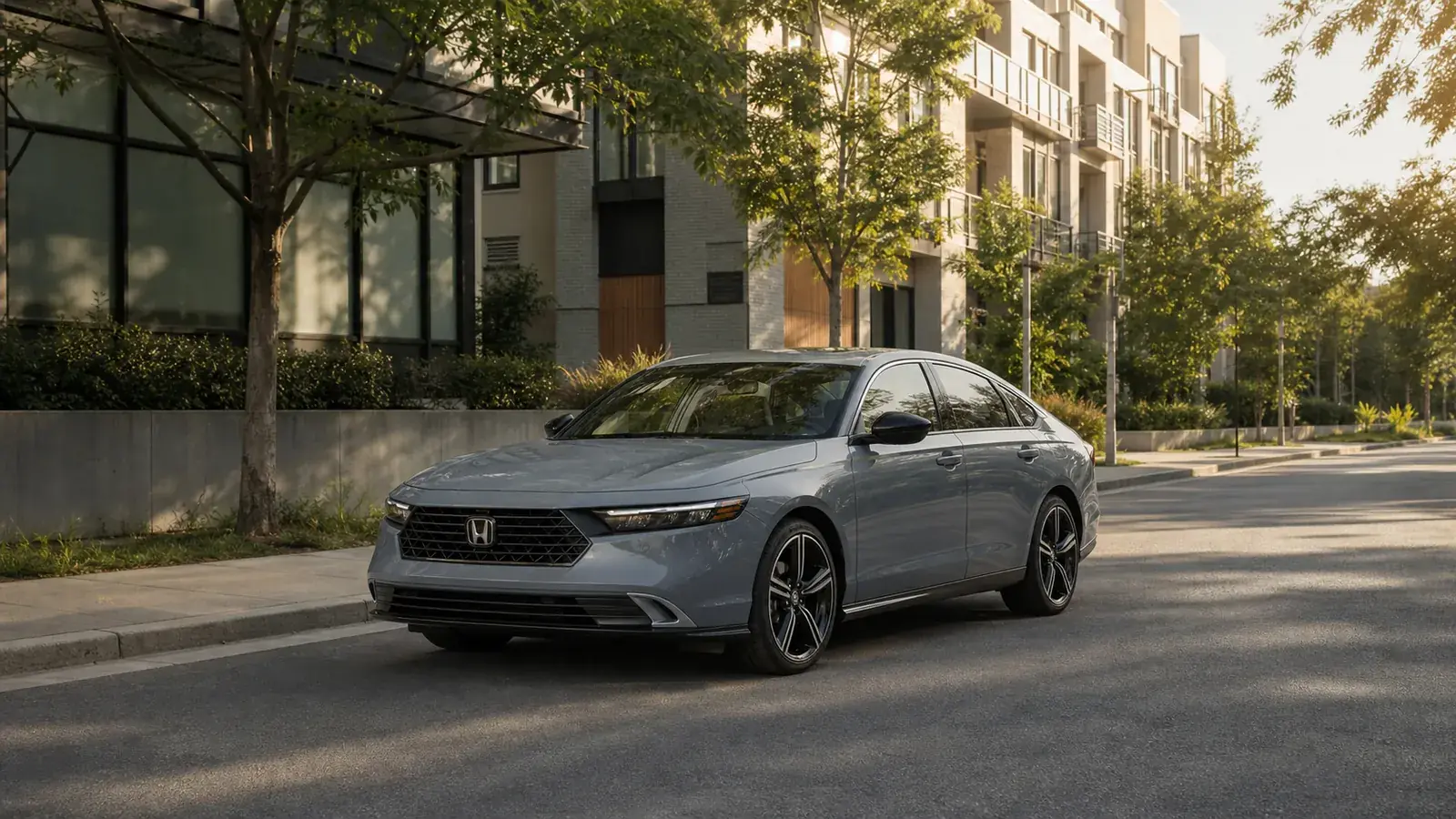
Honda Accord Hybrid
Accord Hybrid · $33,795-$39,495The 2026 Honda Accord Hybrid pairs a 204-hp two-motor system with 44 to 48 mpg combined and a full…
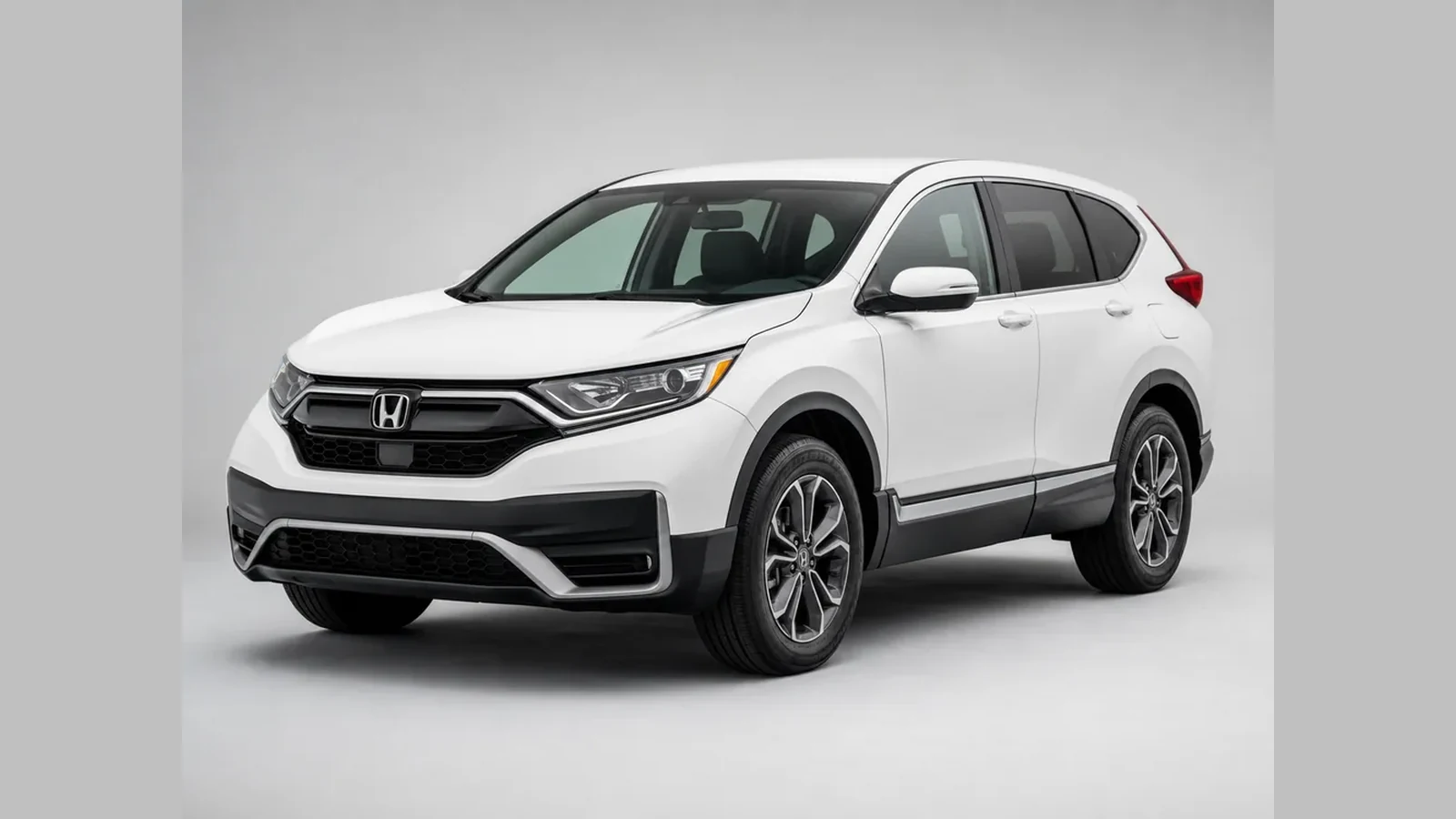
Honda CR-V
CR-V · $30,920-$42,550The Honda CR-V is the compact SUV to check first when cargo room and comfort matter more than rugged…
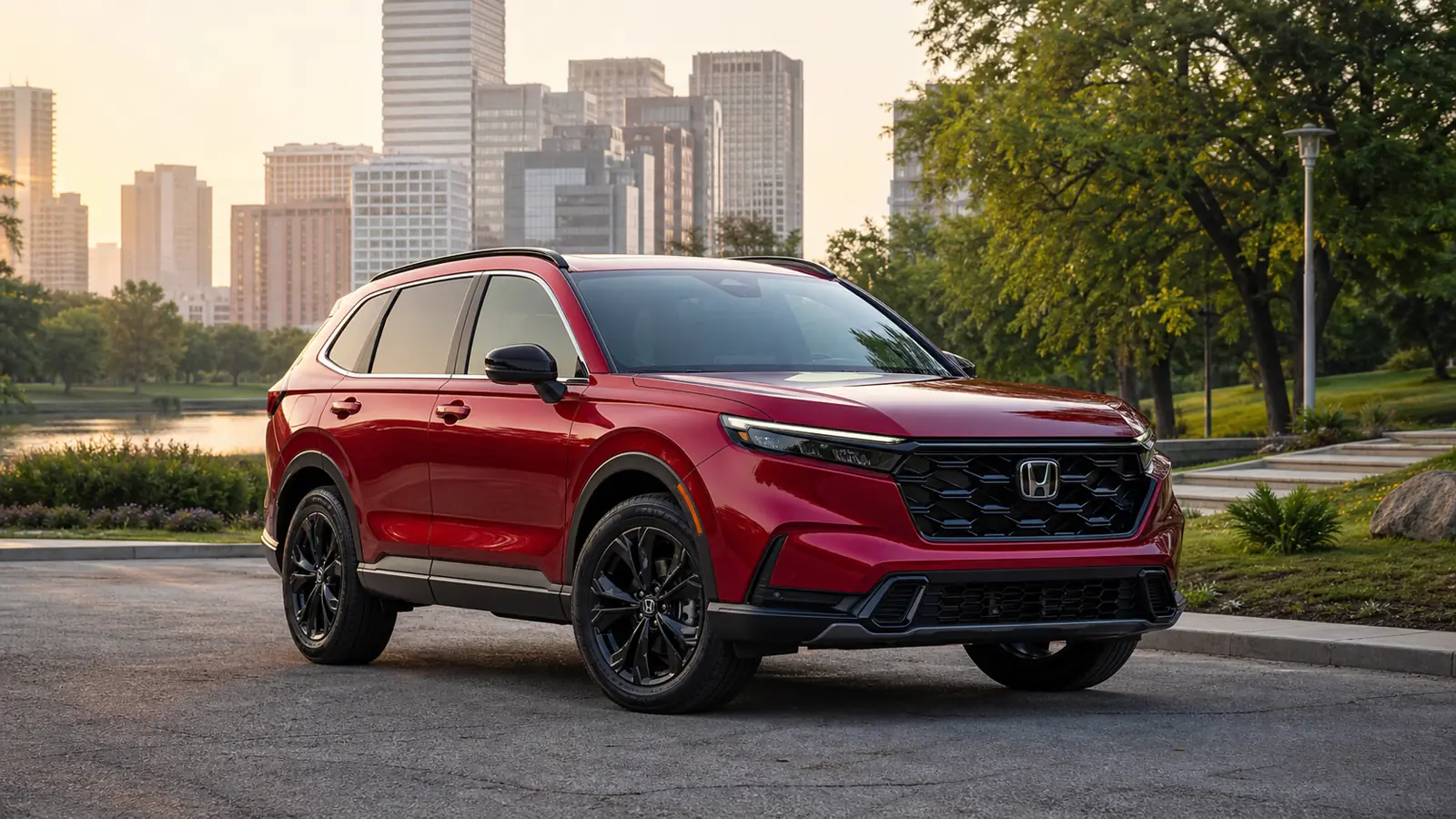
Honda CR-V Hybrid
CR-V Hybrid · $35,630-$42,550The 2026 Honda CR-V Hybrid costs more than the gas CR-V but adds 204 hp, quicker low-speed response, and up…
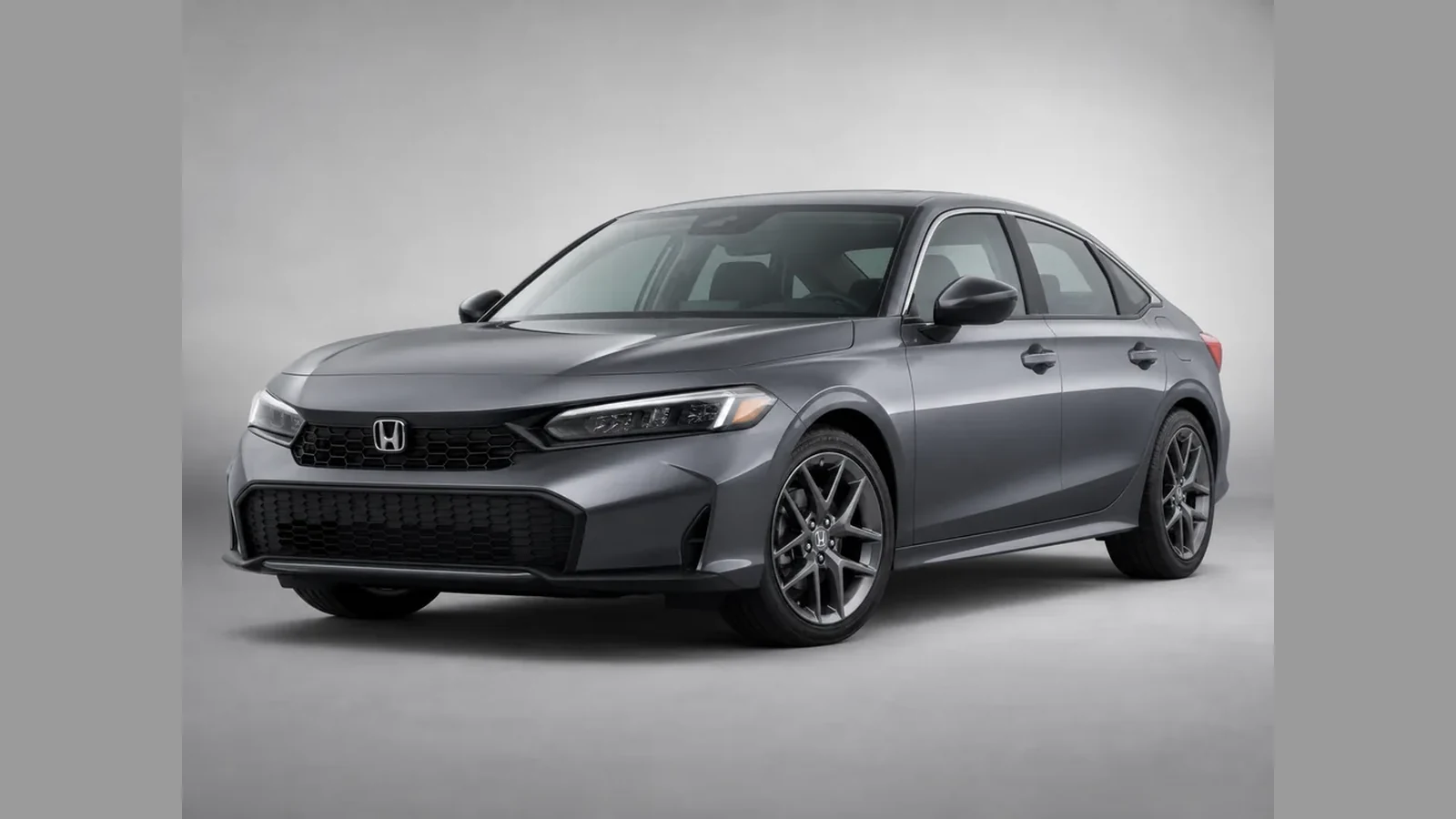
Honda Civic
Civic · $24,695-$32,395The Honda Civic works because it does not feel like a penalty box. It is affordable, roomy for a compact…
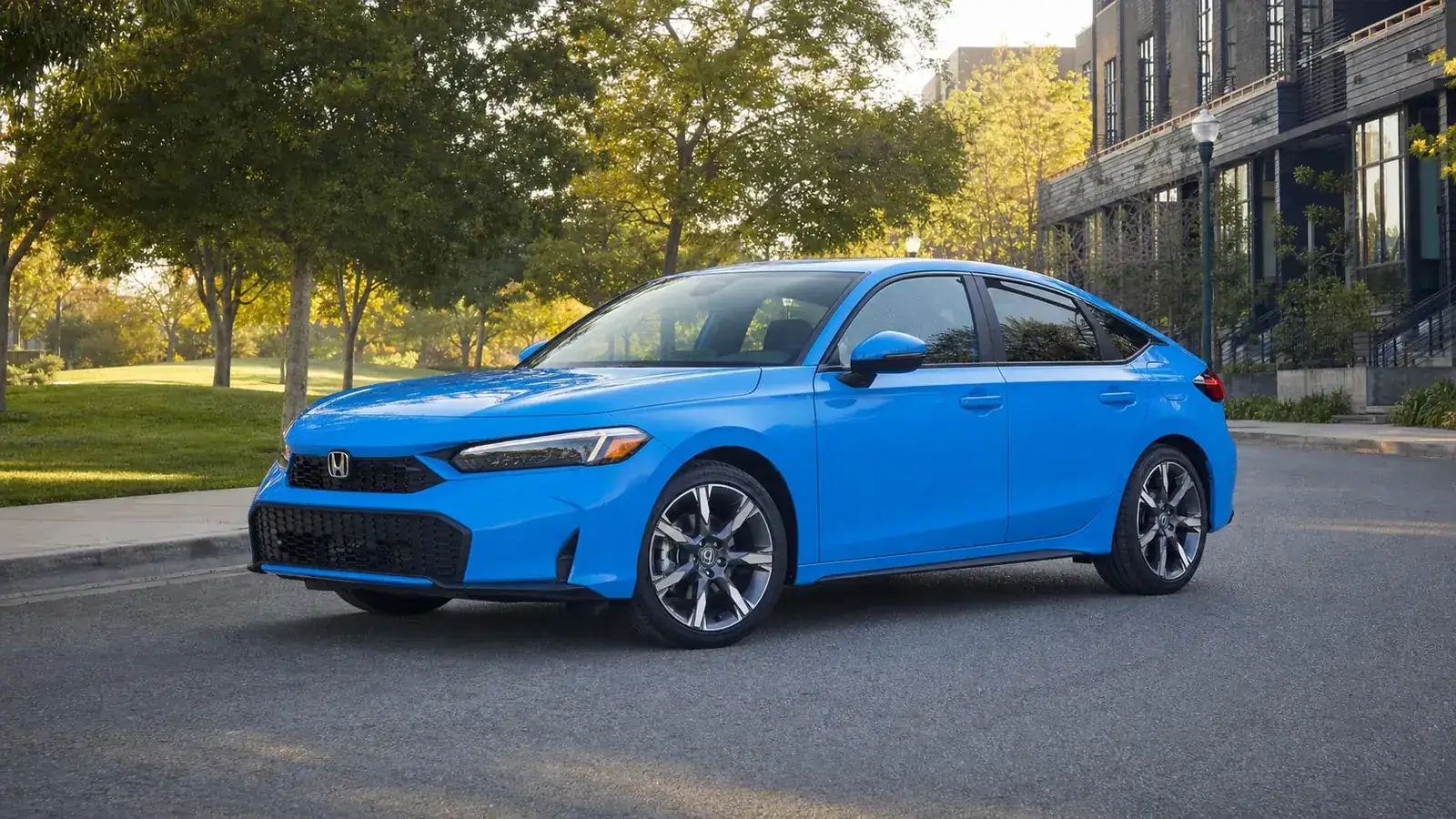
Honda Civic Hatchback
Civic Hatchback · $27,895-$33,595The 2026 Honda Civic Hatchback combines a 24.5-cubic-foot cargo area with a 150-hp gas engine or a 200-hp…
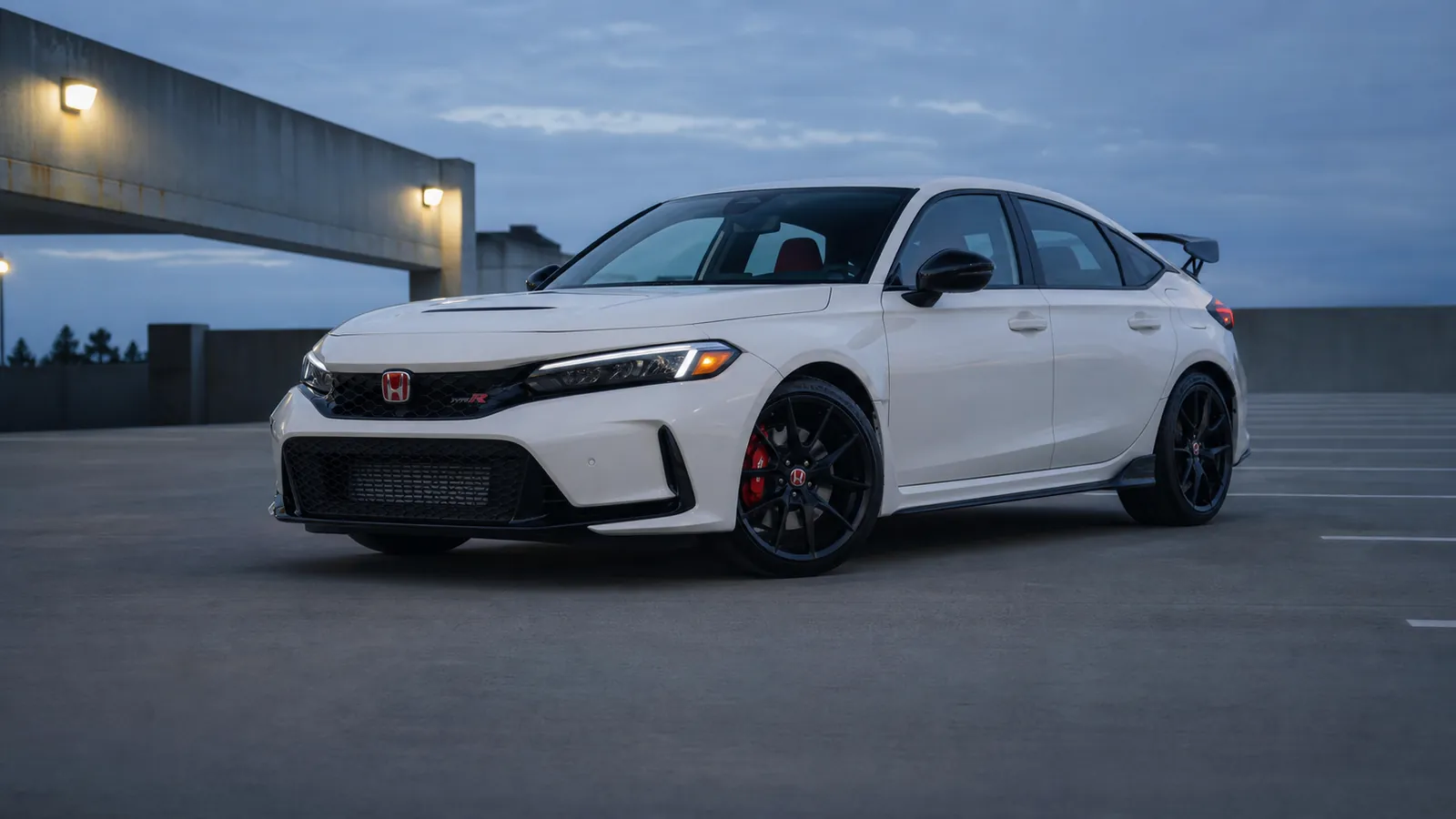
Honda Civic Type R
Civic Type R · $47,395The 2026 Honda Civic Type R combines 315 hp, a six-speed manual, adaptive dampers, 19-inch summer tires, and…
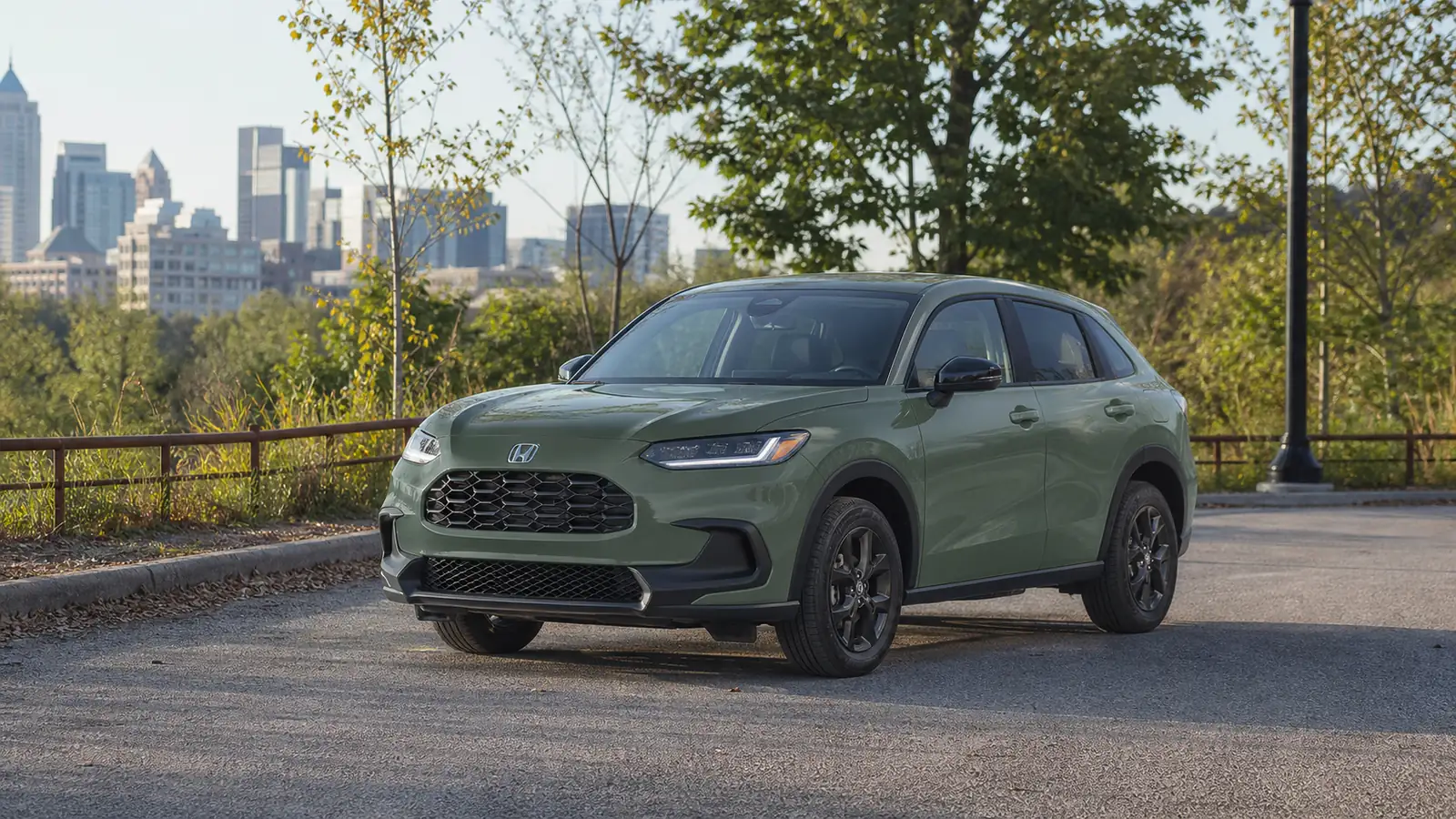
Honda HR-V
HR-V · $26,500-$30,350The 2026 Honda HR-V is a roomy small SUV with 24.4 cubic feet behind the rear seat, simple controls…
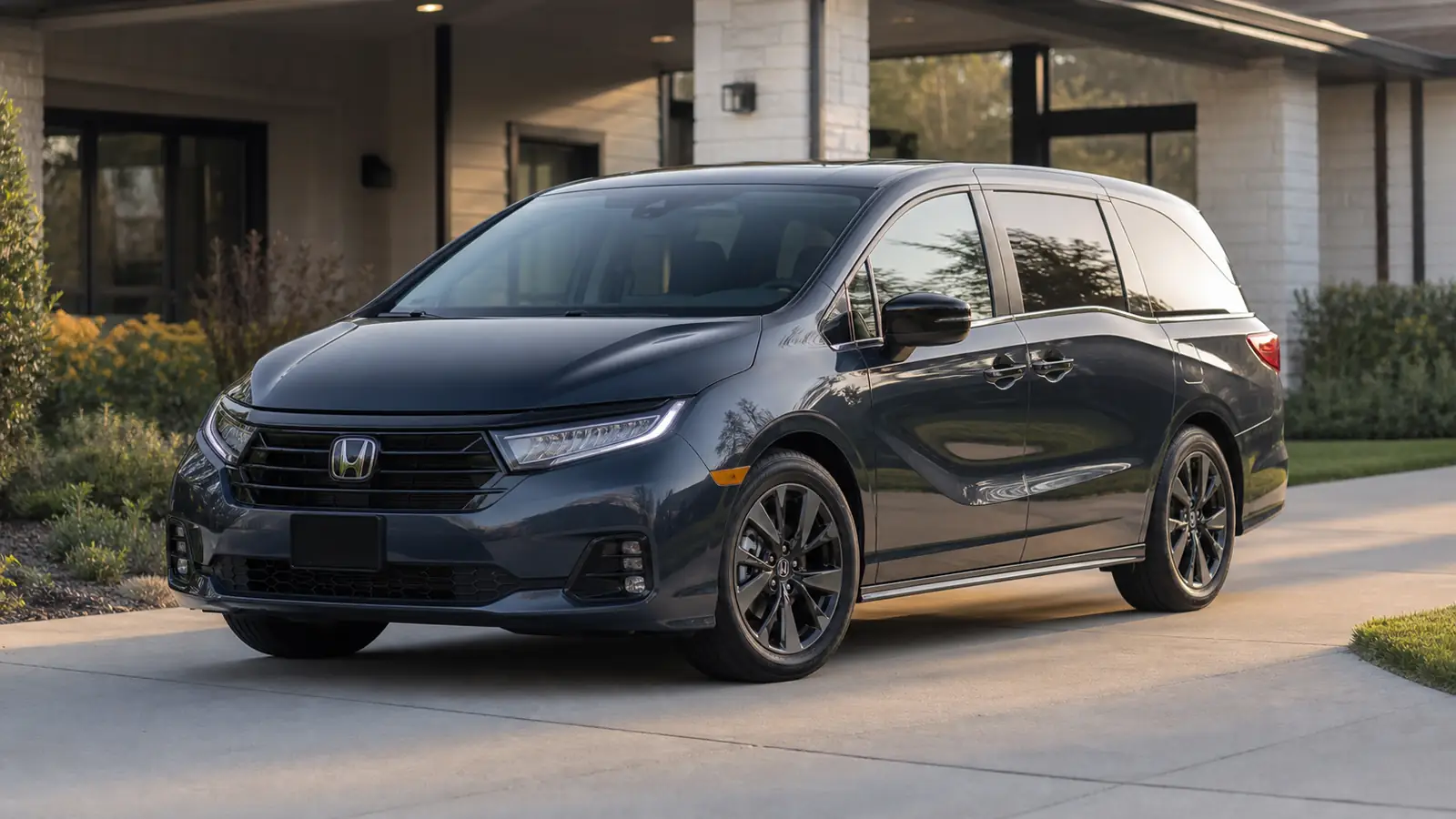
Honda Odyssey
Odyssey · $42,795-$51,695The 2026 Honda Odyssey remains one of the easiest vehicles for moving children and adults because sliding…
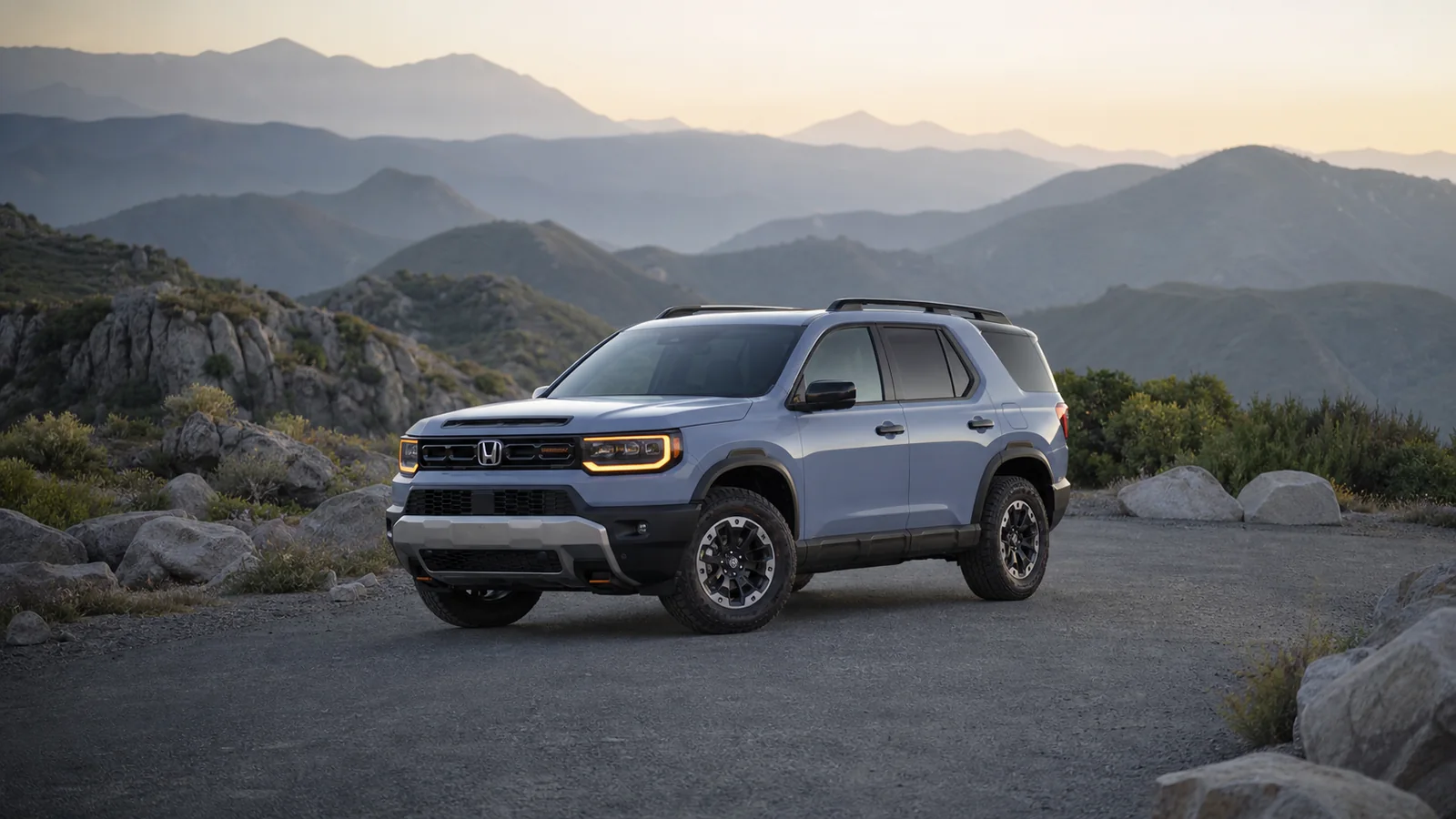
Honda Passport
Passport · $44,950-$52,650The redesigned 2026 Honda Passport uses a 285-hp V6, 10-speed automatic, standard torque-vectoring AWD, and a…
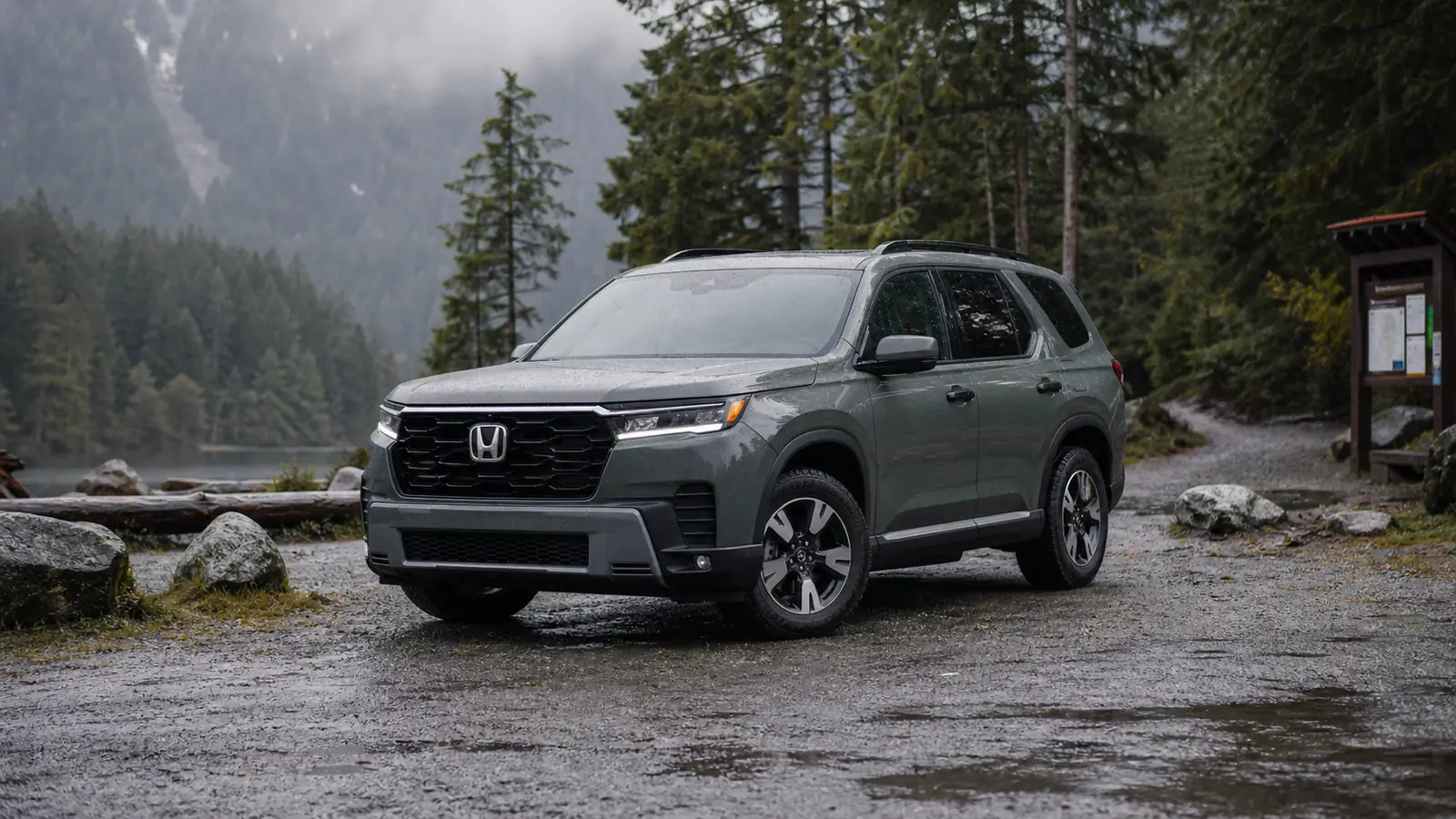
Honda Pilot
Pilot · $42,395-$55,195The 2026 Honda Pilot is a roomy three-row SUV with a 285 hp V6, seating for seven or eight, and up to 113.7…
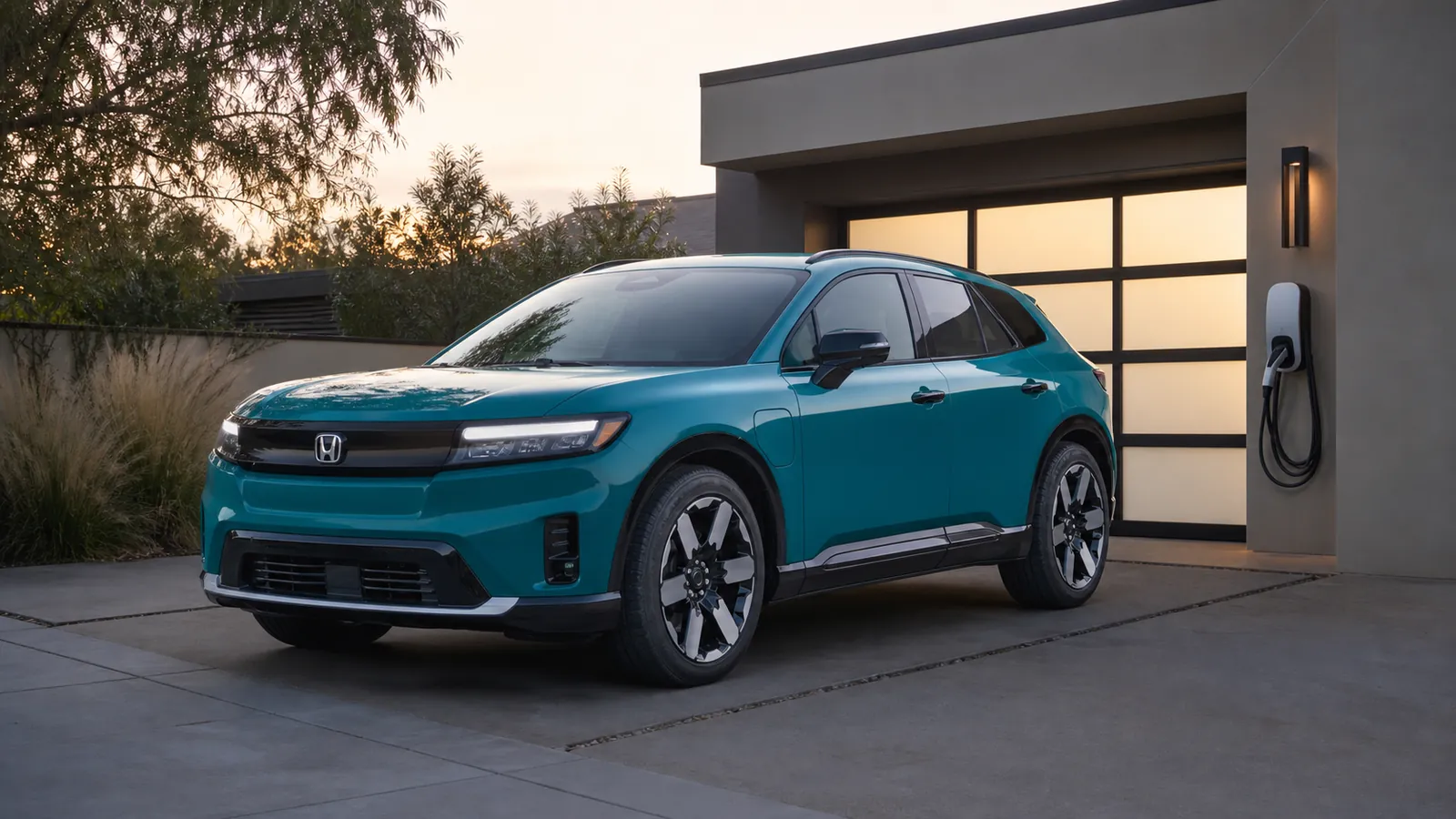
Honda Prologue
Prologue · $39,900-$50,400The 2026 Honda Prologue uses an 85-kWh battery, offers 220-hp FWD or 300-hp AWD, and reaches 308 EPA-rated…
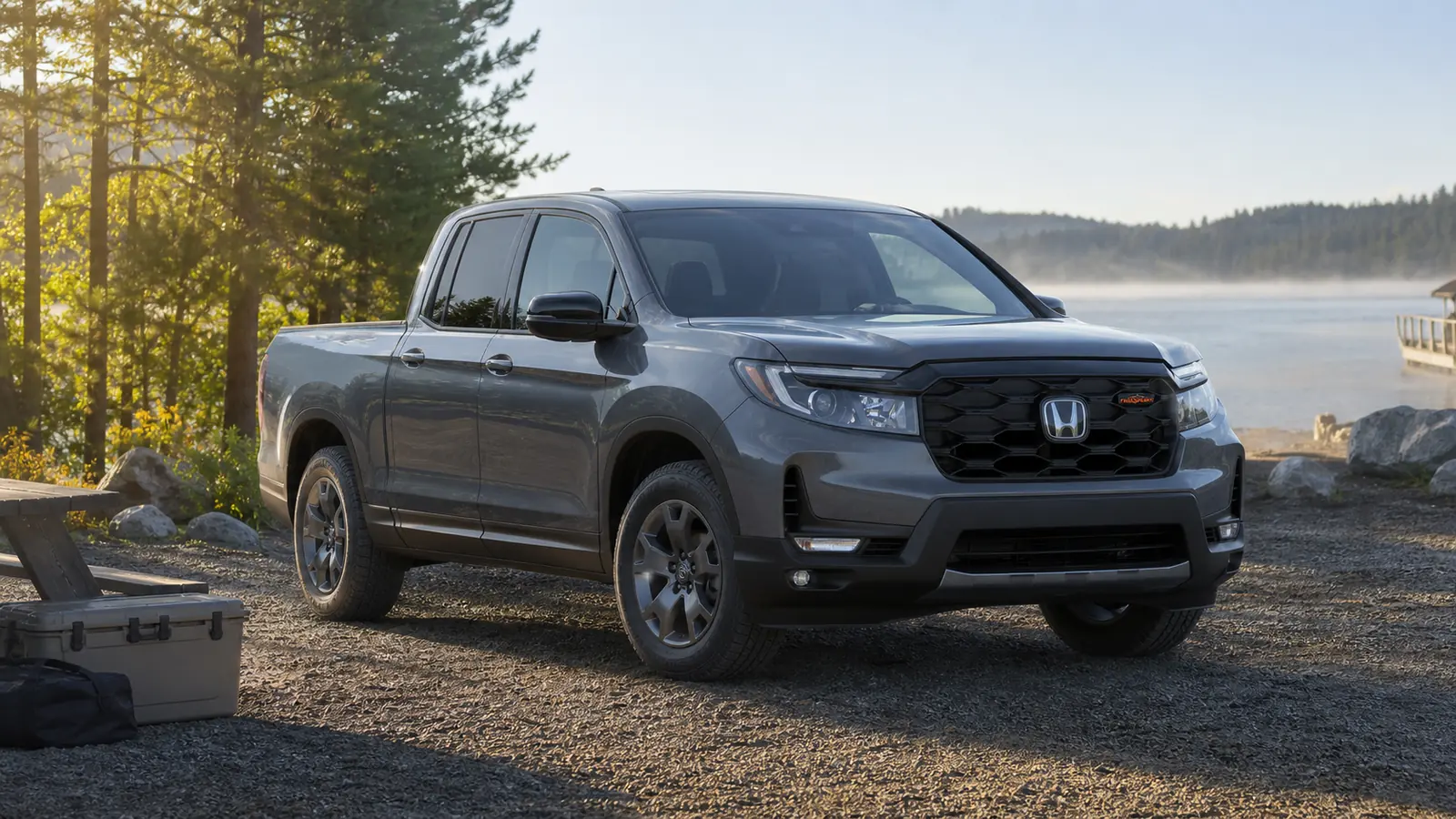
Honda Ridgeline
Ridgeline · $40,795-$47,395The 2026 Honda Ridgeline is a 280-hp AWD crew-cab pickup with independent suspension, a dual-action tailgate…
Honda builds cars that feel alive on the road and still start every morning a decade later. The badge carries much of the same reliability and resale strength that sells Toyotas, but Honda tunes its steering and suspension with the driver in mind.
That mix is why the Civic, Accord, and CR-V keep landing on short lists across three different classes. Here is what each Honda does best, and where a rival earns a second look.
Why a Honda drives better than its reputation suggests
Most cars this dependable ask you to give up driving feel for peace of mind. Honda declines that trade.
Honda engineers give the Civic quick, honest steering and a body that stays flat through a bend, and that same tuning carries up through the Accord and even the taller CR-V.
A Honda hands you Toyota-grade dependability with the sharper steering and body control a keen driver actually notices.
You feel it most on a back road, where the Honda turns in cleanly and holds its line instead of leaning and washing wide.
The cost of that focus is a firmer ride and a little more road noise than the softest rivals. Buyers who want a cabin that floats over broken pavement should test one back to back with a Toyota before deciding.
The Civic and Accord set the sedan benchmark
When magazines pick a class leader among affordable sedans, a Honda is usually in the frame.
The Civic starts at $24,695 and reads like a car from a class above, with a clean dashboard and a back seat adults can actually use. As a hybrid it returns up to 50 mpg in the city, so the running cost stays low.
The Accord stretches the same idea into a midsize body priced from about $29,000 to $40,000.
The Accord hybrid returns up to 51 mpg city, rare economy for a car this roomy and this quiet at highway speed.
Both sedans reward a driver who cares how a car steers. If that is you, the Civic against the Toyota Camry shows where each brand leads, and both earn a place on our most fun-to-drive cars list.
The CR-V anchors the family-SUV class
The CR-V is the compact SUV that other compact SUVs get measured against.
The CR-V runs from $30,920 to $42,550 and returns 28 mpg city and 33 mpg highway in gas form, with a hybrid option for buyers who cover more miles.
What makes the CR-V the yardstick is packaging: a wide rear door, a flat back seat, and a square cargo hold that swallows a stroller and a full grocery run without fuss.
It also drives with more precision than most rivals, which is why the CR-V anchors our best family SUVs shortlist. Cross-shop it against the hybrid class leader in the CR-V versus the RAV4 Hybrid, or scan the CR-V alternatives to see the wider field.
Pick the Honda that fits your driving
The three core Hondas split cleanly by job. Choose the Civic, the Accord, or the CR-V by how you actually drive rather than by trim name.
| Model | Best for | Body |
|---|---|---|
| Civic | First car, lowest running cost | Sedan |
| Accord | Roomy, quiet midsize commuter | Sedan |
| CR-V | The default family hauler | SUV |
A student or a solo commuter is well served by the Civic. A buyer who spends hours on the highway will value the roomier, quieter Accord.
A family with car seats and gear should start with the CR-V.
Match that body to your real weekly driving, because the Honda that fits your family costs less to run than the one you talk yourself into.
Honda hybrids versus the Toyota standard
Honda's two-motor hybrid is smooth and genuinely quick, and it now powers the Civic, Accord, and CR-V. In each of those three, the electric motor does most of the low-speed work.
The hybrid pulls away quietly and returns economy a plain gas engine cannot touch.
Where Honda trails is breadth. Toyota has sold hybrids longer and offers the system across more of its range, with a deeper record of high-mileage durability behind it.
Pros
- Hybrid drive is smooth and quick off the line
- Sharper steering and handling than most rivals
- Strong reliability and resale on the core models
Cons
- Fewer hybrid models than Toyota offers
- Firmer ride than the softest competitors
- No full electric model in the core lineup here
If a low fuel bill is your single priority and you want the widest hybrid choice, weigh Honda against Toyota before you sign.
What a Honda costs to keep
Honda ownership math is friendly in the places that matter: repairs, resale, and fuel.
The core models post strong long-term reliability, so unplanned repairs stay rare. A used Civic, Accord, or CR-V holds its price better than most mainstream rivals of the same age and mileage.
Routine Honda service is conventional and handled almost anywhere, so shop labor rarely runs a premium.
Add up fuel, repairs, and resale and a Honda usually lands among the cheaper cars to own in its class, even when the sticker is not the lowest.
Honda's factory warranty runs 3 years or 36,000 miles overall and 5 years or 60,000 miles on the powertrain, so confirm hybrid battery coverage on the exact model you want.
How we review Hondas
Every Honda profile here is scored on the same measures as its rivals: real fuel economy, reliability history, safety scores, and five-year cost to own. We read EPA and NHTSA data alongside long-term reliability records.
A reviewing expert signs off on every Honda model's buying advice before it goes live.
Start with the model that fits the job above, or read a head-to-head like the Civic against the Camry to see how narrow the gap between the top brands really is.
Frequently Asked Questions
Is a Honda as reliable as a Toyota?
Which Honda should I buy?
Does Honda make hybrids?
Civic or Accord: which sedan is better?
Should I buy a Honda or a Toyota?
See how Honda stacks up
Put these models against their rivals side by side, then read the full research-first review before you buy.
Compare cars