Which Honda CR-V Alternative Fits Your Space and Fuel Needs?
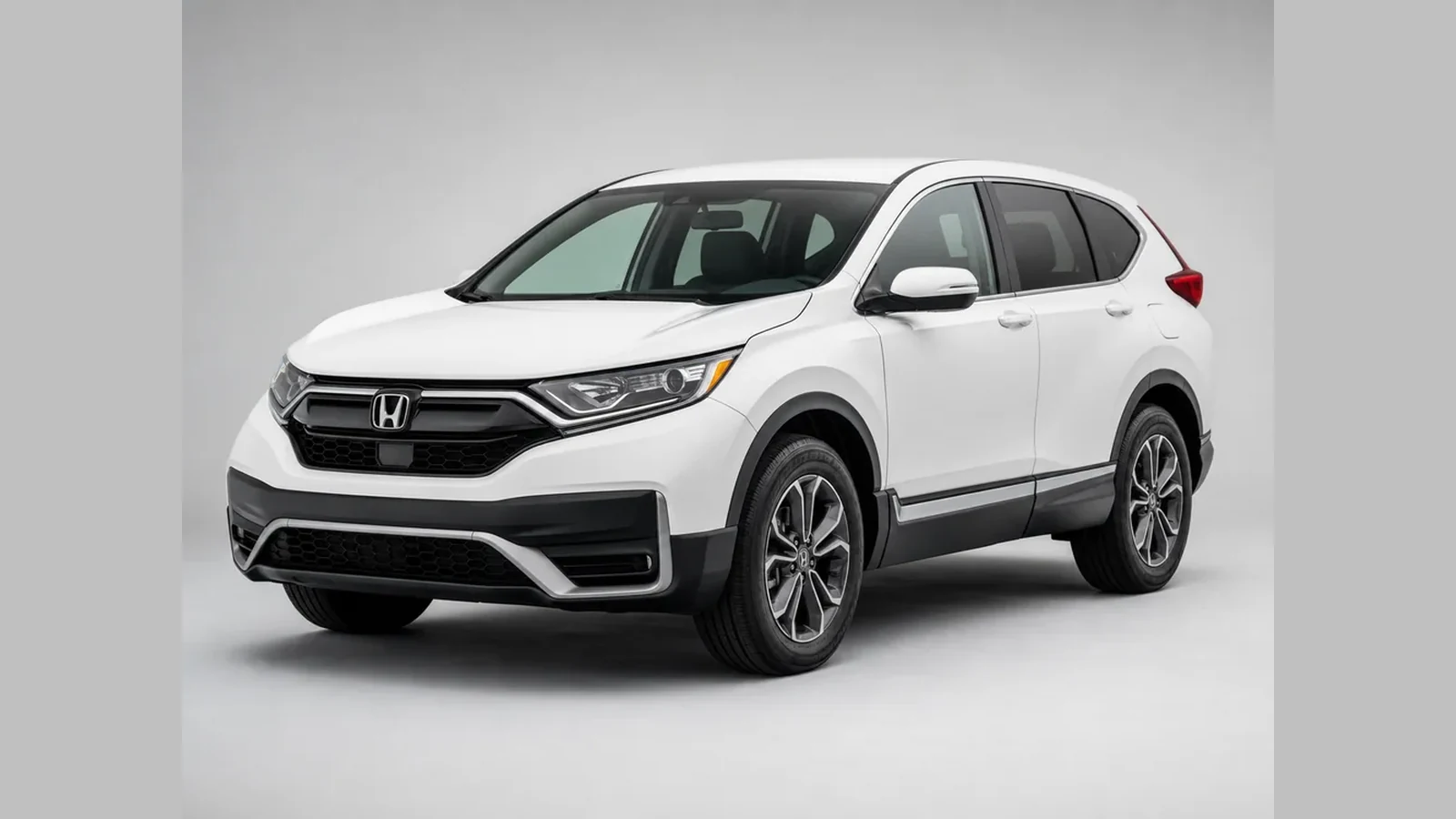
The Honda CR-V is the roomy compact SUV benchmark, but it is not the only smart answer. Some buyers should trade it for better hybrid mpg, standard all-wheel drive, more outdoor utility, an EV cabin, or a minivan that handles family life better.
Best practice: keep the CR-V if cargo space, comfort, and easy daily use are the main goals. Move away from it only when another vehicle solves a sharper job.
Which CR-V alternative should you start with?
Start with the weakness you are trying to fix. The Toyota RAV4 Hybrid is the first stop for fuel economy and standard AWD.
The Subaru Outback is the outdoor and snow alternative. The Hyundai Ioniq 5 is the EV answer if charging works.
The Toyota Sienna is the family answer when sliding doors matter more than SUV styling.
The CR-V is still the safest default for many shoppers. It has a wide cargo opening, adult-friendly rear seat, simple controls, and broad dealer support.
A rival needs to earn the switch.
| Buyer problem | Better first alternative | Why it may beat the CR-V |
|---|---|---|
| Hybrid mpg and AWD | Toyota RAV4 Hybrid | Strong efficiency with standard AWD |
| Snow and outdoor cargo | Subaru Outback | Standard AWD and wagon utility |
| Electric commute | Hyundai Ioniq 5 | Roomy EV cabin and fast charging hardware |
| Three-row family use | Toyota Sienna | Sliding doors and more passenger flexibility |
| Lower sedan cost | Honda Civic | Cheaper if SUV cargo height is not needed |
Toyota RAV4 Hybrid: when is mpg the deciding factor?
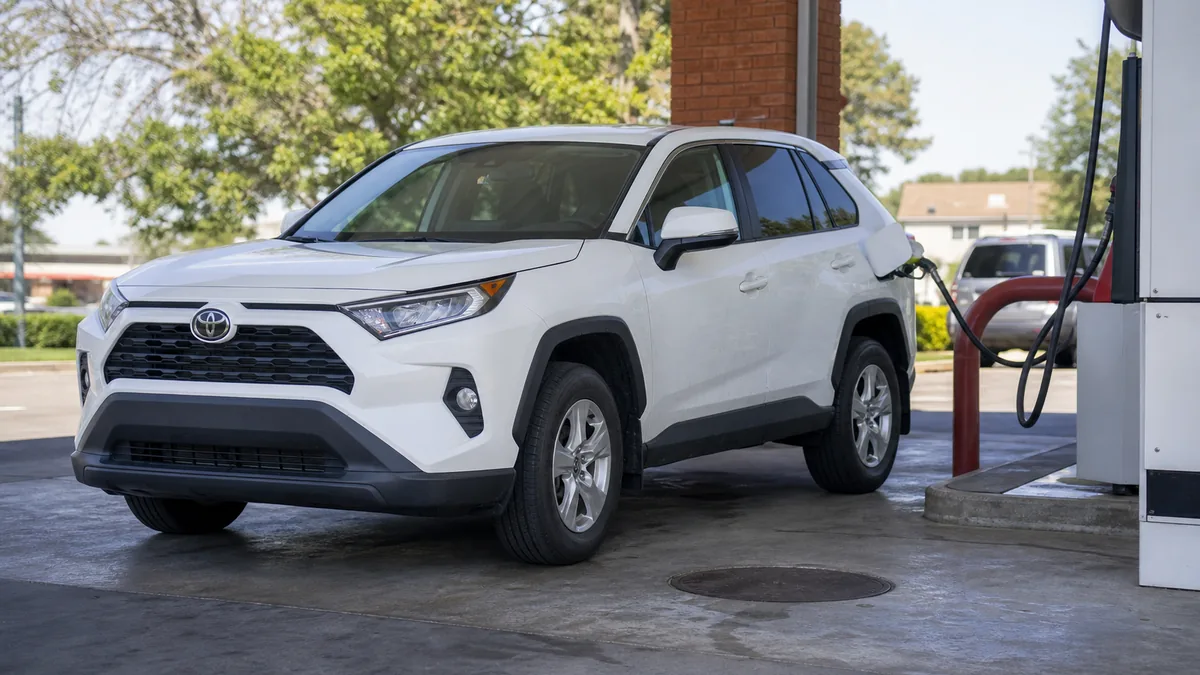
The RAV4 Hybrid is the CR-V alternative for buyers who want fuel savings and all-weather traction in one simple package. It is not as relaxed inside as the CR-V, but the efficiency case is strong if you drive a lot.
Choose it if city driving, snow, and resale matter. Stay with the CR-V if ride comfort, cargo loading, and cabin calm matter more than chasing the better mpg number.
Subaru Outback: when do you need a wagon instead of an SUV?
The Outback is the alternative for buyers who use roof racks, drive in snow, carry dogs, or want a lower cargo floor. It feels less like a conventional SUV and more like a long all-weather wagon.
The CR-V is easier for normal family errands. The Outback is stronger when the road, weather, or gear is part of the reason you are shopping.
Hyundai Ioniq 5: when should the alternative be electric?
The Ioniq 5 is not a normal CR-V rival on fuel type, but it is a real rival on cabin space. It gives you a flat floor, quiet EV driving, and fast-charge capability when the station supports it.
It only works if charging is practical. If home or work charging is weak, the CR-V or RAV4 Hybrid will be easier to live with.
If charging is solved, the Ioniq 5 can feel more modern and roomier than its footprint suggests.
Toyota Sienna: when is a minivan the better SUV alternative?
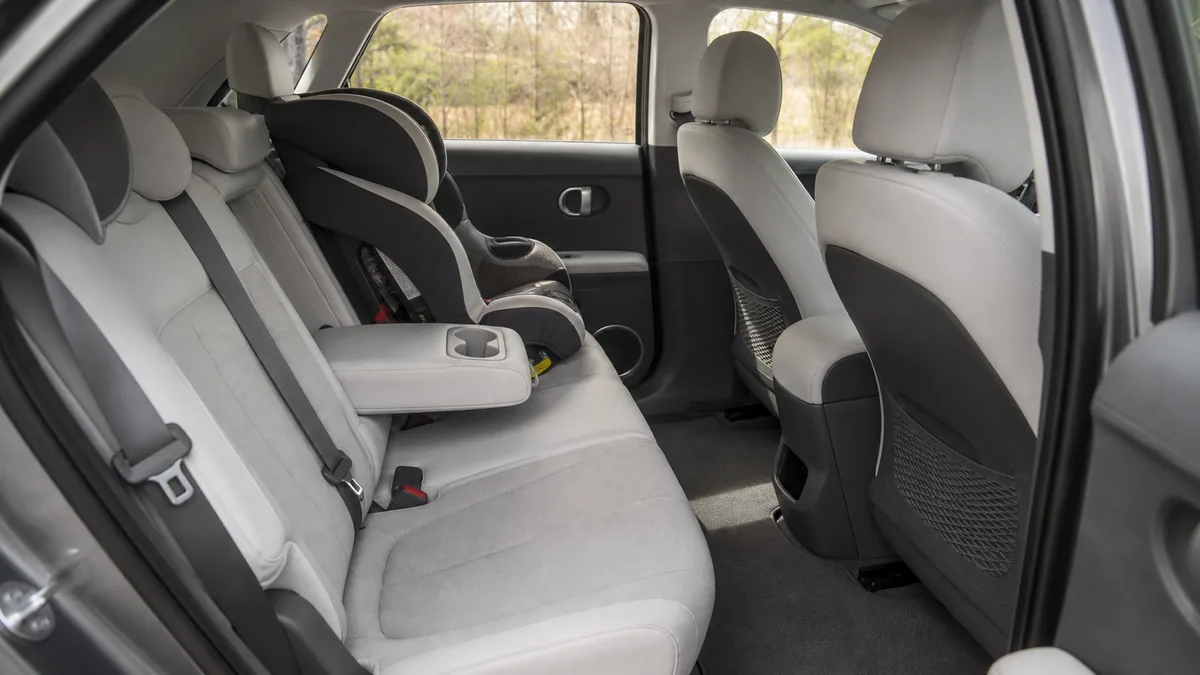
The Sienna is the answer if the CR-V is being asked to do too much family work. Three rows, sliding doors, child-seat access, and cargo behind passengers are minivan strengths that compact SUVs cannot match.
The Sienna costs more and is larger, but it can replace the wish for a bigger SUV. For families with two kids, grandparents, strollers, sports bags, and tight parking lots, the sliding doors alone can change the week.
Honda Civic: what if you do not need an SUV?
Some CR-V shoppers want a reliable Honda but do not actually need SUV cargo height. The Civic is cheaper, easier to park, more efficient in many trims, and more fun to drive.
The Civic loses the CR-V's cargo opening and rear-seat height. That matters if you carry strollers, dogs, bulky gear, or passengers who prefer easier entry.
If those needs are rare, a Civic can save real money.
What should you test before leaving the CR-V?
Use the CR-V as the baseline. Load the same stroller, cooler, dog crate, or work bin into every alternative.
Drive the same rough road and highway merge.
Quote insurance and tire cost before deciding.
- Test cargo with the second row in your normal passenger position
- Check AWD and tire cost together
- Confirm charging before choosing the Ioniq 5
- Compare the CR-V vs RAV4 Hybrid decision if mpg is the main issue
- Use the SUV buying guide if body style is still unclear
Which CR-V alternatives are safest used?
The safest used alternative depends on why you are leaving the CR-V. A RAV4 Hybrid can be a strong used buy if the price gap from new is real and the hybrid system has clean records.
An Outback can be smart in snow states, but matching tires and underbody condition matter. An Ioniq 5 needs charging history and tire inspection more than a gas-SUV checklist.
The Sienna is often expensive used because families hold onto good ones.
Do not assume used is automatically cheaper in real life. If the used Sienna price is close to new, the full warranty and clean history may matter more than the small discount.
If you are still unsure, rent or borrow the body style for a day before buying. A tall cargo opening, sliding door, or EV charging stop can feel very different after normal errands than it does during a short test drive.
That one-day reality check is cheaper than switching cars again.
Used CR-V alternative checks
- RAV4 Hybrid
- Hybrid smoothness, tire wear, service history
- Outback
- AWD tires, roof-rack wear, suspension noise
- Ioniq 5
- Charging plan, battery warranty, tire condition
- Sienna
- Sliding doors, hybrid operation, interior wear
- Civic
- Whether sedan cargo is enough for your week
Which CR-V alternative has the lowest ownership risk?
The RAV4 Hybrid is usually the lowest-risk alternative if you still want a compact SUV. It is efficient, familiar to Toyota shops, and easy to understand as a long-term ownership bet.
The CR-V may ride more comfortably, but the RAV4 Hybrid makes a stronger fuel-cost case.
The Outback is a good risk only when you need its AWD and wagon shape. If you do not use those advantages, you are accepting Subaru-specific tire and AWD concerns without getting enough benefit.
The Ioniq 5 is a different kind of risk. It can be excellent when charging is solved, but public-charging dependence can make it feel worse than a gas SUV.
For family hauling, the Sienna is not a direct CR-V replacement. It is the answer when the CR-V has become too small.
If you need that much space, the bigger purchase price may be easier to justify than forcing a compact SUV to handle minivan work.
Honda CR-V alternatives verdict
Choose the RAV4 Hybrid for efficiency, the Outback for weather and gear, the Ioniq 5 for an EV routine, the Sienna for family space, and the Civic if you do not need an SUV.
Stay with the CR-V if your real priority is a roomy, comfortable, easy compact SUV with fewer ownership surprises.
The efficiency and standard-AWD alternative for buyers who want lower fuel cost than a gas CR-V.
The all-weather wagon alternative for roof gear, dogs, snow, and lower cargo loading.
The electric alternative for buyers with home or work charging and a taste for a roomier EV cabin.
The family alternative when sliding doors, three rows, and child-seat access beat compact-SUV style.
Back to the Honda CR-V review