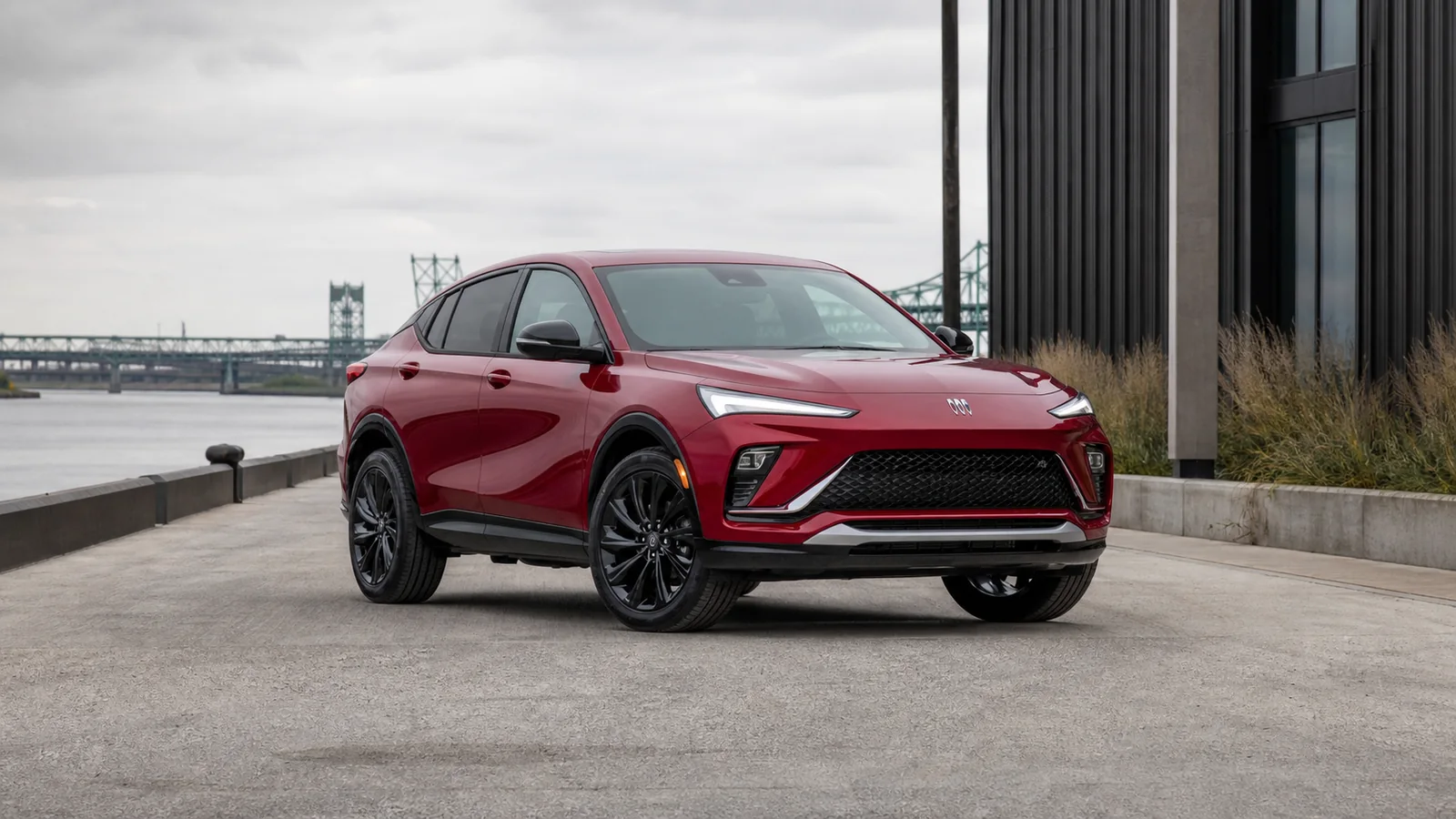
How far the Ioniq 5 goes and how fast 800 volts refills it
Most Ioniq 5 shoppers ask the range and charging question before anything else, so we answer that first. A rear-drive Long Range car covers up to 318 miles on a full charge, and the dual-motor all-wheel-drive trims trade some of that distance for grip and a 4.4-second sprint to 60 mph.
Read the range as a planning tool, not a promise. Highway speed, cold air, big wheels, and cabin heat all pull the real number down, the way they do on any electric car.
The charging half of the answer is where this Hyundai pulls ahead. Its 800-volt E-GMP platform can move the battery from 10 to 80 percent in about 18 minutes on a strong DC charger, quicker than almost any rival near its price.
That 18-minute figure only shows up when the charger power, the battery temperature, and the state of charge all line up. Plug into a slow or cold station and the same car takes far longer, so treat the brochure number as a ceiling.
Efficiency backs up the range. At 114 MPGe the Ioniq 5 uses energy well for a car this roomy, which keeps home charging cheap and stretches each session.
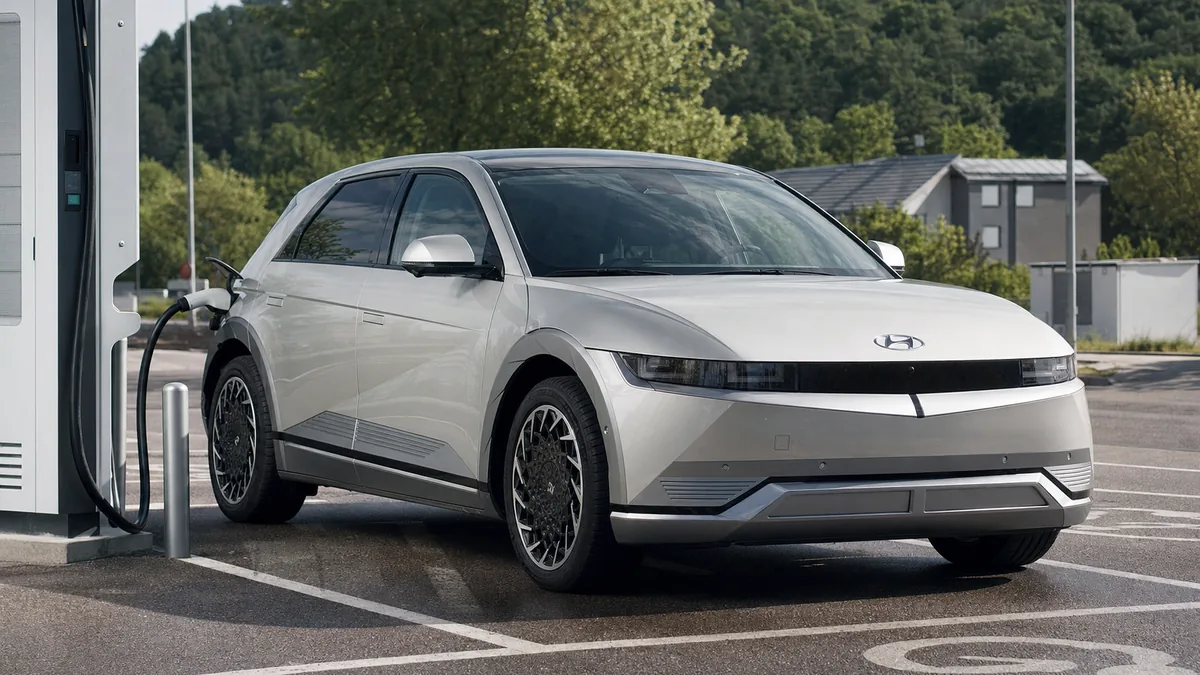
On a road trip the smart move is a short top-up rather than a wait for a full pack, because the battery drinks power fastest when it is fairly empty. A 20-minute stop that reliably works beats a peak figure you chase across town.
On the road the single-speed drivetrain gives instant, quiet response with no gears to hunt through. The ride leans relaxing rather than sporty, which fits the comfort-first buyer this SUV is built for.
For a direct look at the numbers, our Ioniq 5 vs Model 3 comparison weighs this charging speed against the extra range of the sedan. The Ioniq 5 wins on charging speed and gives up a little outright range, which is the trade at the center of the whole decision.
The retro shell that turns heads and hides its size
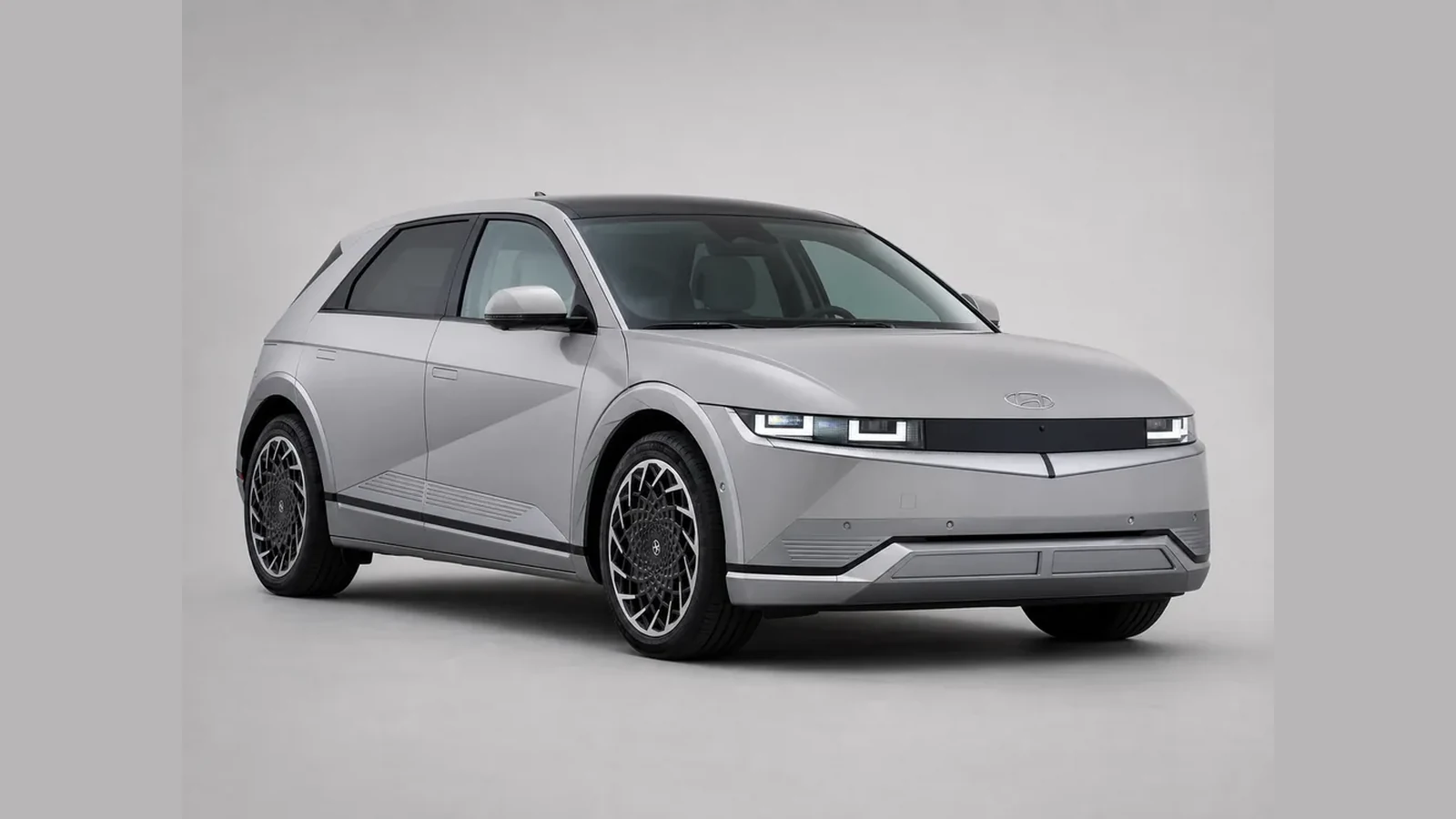
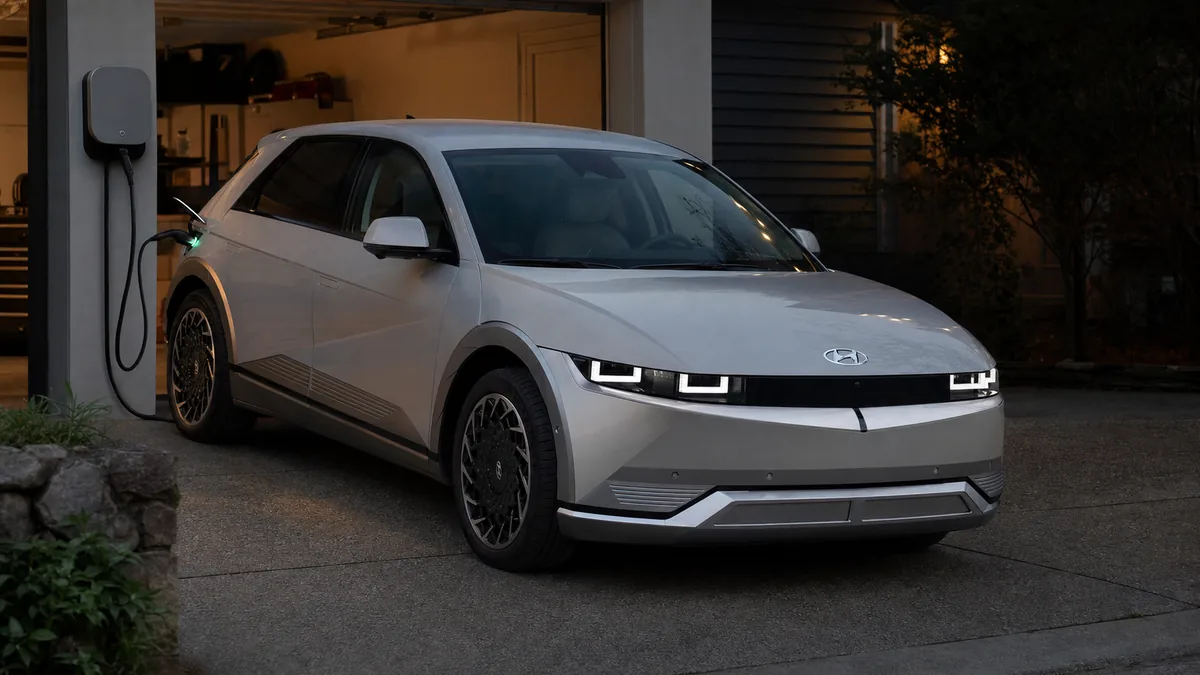
Design is the second thing buyers react to, and the Ioniq 5 leans into it hard. The pixel lights, clean creases, and flat panels make it look like a concept car that slipped into a showroom, and that shape does real work beyond the photos.
The car is short on the outside for the room it gives you inside. Its long wheelbase pushes the wheels to the corners, so the body looks compact in a parking spot while the cabin feels a class larger.
That mix of a bold face and a practical box is rare. Many buyers cross-shop it against softer-looking rivals and pick the Ioniq 5 because it stands out without giving up daily usefulness.
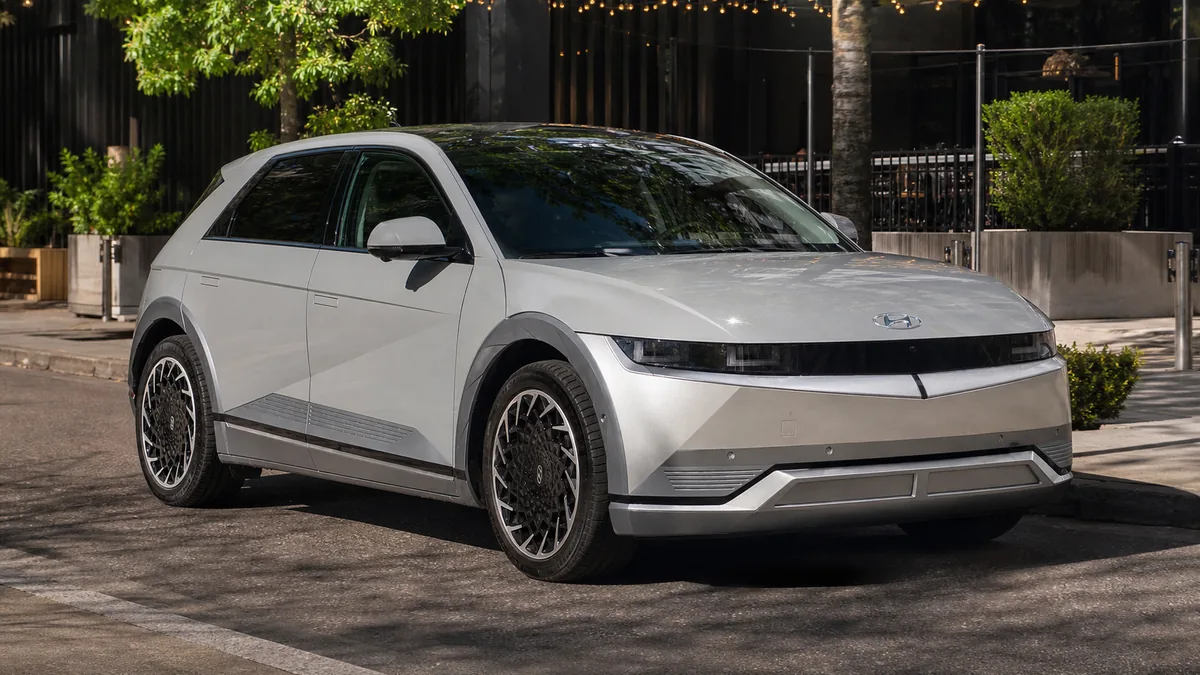
The styling also ages differently than a fast-changing tech look. Clean lines and simple surfaces tend to stay likable, which matters when you plan to keep a premium EV for years and want the Hyundai lineup to still feel current at trade-in.
The upright glass and tall roofline hand you good outward views as well, which many low, swooping EVs give up for a sleeker profile. Around town that visibility makes parking and lane changes easier than the concept-car look suggests.
If curb appeal ranks high for you, drive it back to back with the shapes on our best fun-to-drive cars list. The Ioniq 5 is calm to drive rather than sporty, so its draw is the look and the space, not lap times.
A flat-floor lounge you can also plug your gear into
Step inside and the Ioniq 5 stops feeling like a compact SUV. The flat floor, the sliding console, and the wide door openings turn the cabin into something closer to a small lounge, with rear legroom that reads more like a limousine than a family hauler.
That space is the car's real moat. Child seats fit without a fight, tall adults sit comfortably in the second row, and the open floor makes loading bags and pets easier than in many gas SUVs.
Interior highlights
- Seating
- 5 with a flat rear floor
- Rear seat
- Slides for legroom or cargo
- Console
- Slides fore and aft
- Cabin feel
- Lounge-like, wide door openings
The Ioniq 5 also carries vehicle-to-load power, so it can run a normal plug from the car. That turns the SUV into a giant battery for a campsite, a tailgate, or a power cut, which is a use case a gas crossover cannot match without a separate generator.
Because that outlet pulls from the main battery, heavy use trims your driving range, so treat it as a weekend and emergency tool rather than a daily habit. The sliding console between the seats also lets a front passenger pass items to the second row without climbing around.
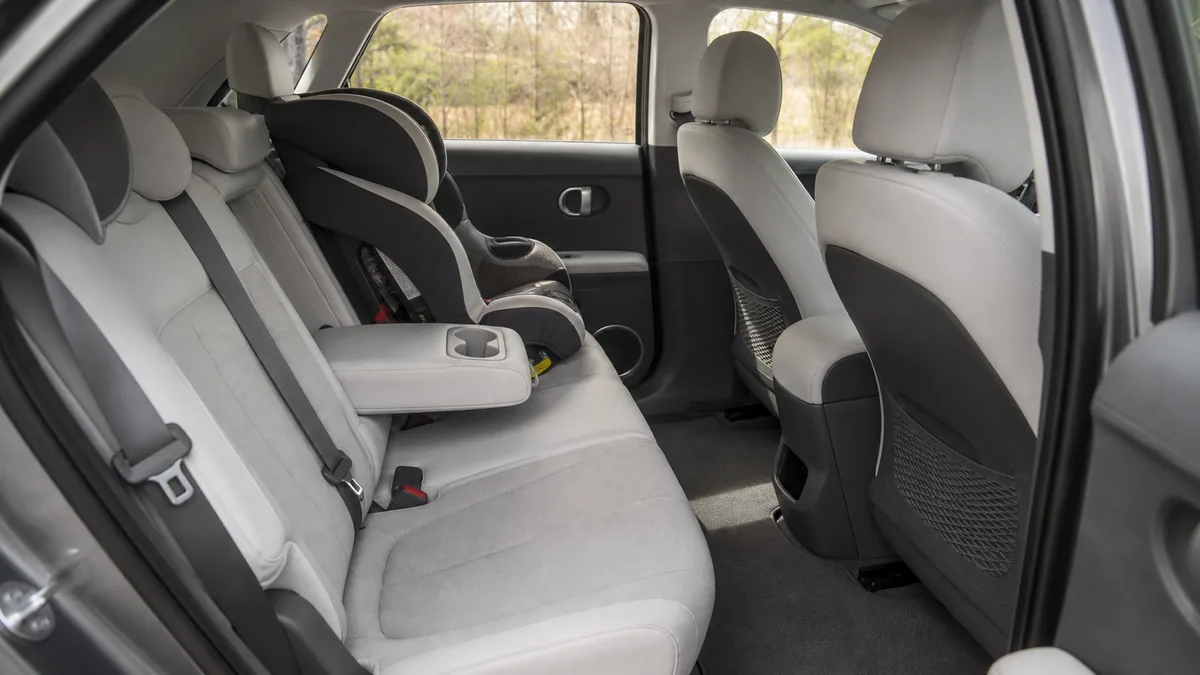
Bring your own test to the dealer, because the numbers on paper hide how the room actually feels. We suggest a simple check when you shop family EVs:
- Fit your real child seat and see how the flat floor helps
- Sit an adult behind your own driving position
- Load your stroller or cooler through the wide door
That kind of hands-on check is why our best family SUVs roundup tells you to carry the same gear to every car.
If you are still deciding between body styles, the how to choose an SUV guide walks through the space questions that matter most.
For families, the roomy flat-floor cabin is the strongest reason to pick the Ioniq 5 over a tighter EV sedan.
Rear drive, all-wheel drive, and which battery to buy
Trim choice on the Ioniq 5 comes down to three questions: how far you drive, whether you need all-wheel drive, and how much battery you want to pay for. Get those in order and the badge sorts itself out.
Rear-drive Long Range is the value and range pick, since a single motor sips less energy and returns that 318-mile buffer most shoppers want. Dual-motor all-wheel drive adds winter traction and a much quicker launch, but it uses more energy and shortens the range.
| Choice | Best use | Tradeoff |
|---|---|---|
| RWD Long Range | Most range and lower cost | Less bad-weather traction |
| AWD Long Range | Snow, steep roads, quick response | Lower range and higher price |
| Smaller battery trim | Lower entry price | Less road-trip buffer |
Power spans a wide band, from 168 hp on the entry setup to 320 hp on the dual-motor car, so the trim you pick changes the whole personality. The base car is easygoing, and the all-wheel-drive version feels genuinely fast when you ask for it.
The full 0-60 band runs from about 7.9 seconds on the entry setup to 4.4 seconds on the dual motor, and pricing spans roughly $43,000 to $56,000.
That spread means the trim decision swings both the stopwatch and the monthly payment. Test drive one rear-drive and one all-wheel-drive car back to back, because the difference in step-off and range buffer is easier to feel than to read.
The smaller battery trims tempt you with a lower sticker, yet they cut into the road-trip buffer. They fit a local driver who charges at home most nights and rarely leaves town, and they frustrate anyone who counts on long highway legs.
Wheel size belongs in the decision too. Bigger wheels sharpen the look and raise both tire cost and the hit to range, while smaller wheels ride better and protect your miles.
A well-equipped Ioniq 5 sits in the premium price band, which puts it next to a Tesla Model Y that trades some cabin calm for a taller cargo hold. Cross-shop the wider premium EV field before you lock a trim, because the right battery and drivetrain matter more here than the trim name on the window sticker.
What ultra-fast charging really asks of your week
The 800-volt headline is only as good as the plugs near you, so the charging plan matters more than the spec sheet. A quick-charging car with no dependable place to charge can feel worse to own than a slower EV that matches your parking.
Home Level 2 charging is the cleanest setup by far. Plug in overnight and you leave every morning full, which turns the range question into a non-issue for daily driving and keeps fuel cost low.
Public fast charging is the road-trip tool, not the daily one. It costs more per mile than home electricity, and site reliability swings a lot, so save the stations you trust rather than the fastest ones on a map.
The plug standard is a live shopping question right now. The Ioniq 5 has moved through a charging-network transition, so the connector and adapter path can differ by model year on the same lot.
- 2022Ioniq 5 launches in the U.S. on the E-GMP 800V platform with its fast-charge reputation
- 2023 to 2024Software and charging updates become part of the ownership story
- 2025 to 2026The NACS connector transition makes charger access a key shopping question
Check the exact model year for its plug standard and adapter path before you sign. A 2026 answer may not match an older used car, which is why our EV charging basics guide is worth reading before you commit to a badge.
Renters have one more call to make. Ask the landlord about a home charger before you shop, because losing the overnight plug is what turns cheap EV fuel into a weekly public-charging chore.
Workplace charging can rescue an apartment dweller who has no home plug, as long as the spots are reliable and not always taken.
Confirm that access is real and not a perk on paper before you count on it for daily miles.
The charging plan should decide the Ioniq 5 before the trim does.
Ioniq 5 against the Tesla Model Y and Model 3
Most Ioniq 5 shoppers also look at a Tesla, so it helps to name where each one wins. The honest split is comfort and charging speed on the Hyundai against range and network simplicity on the Tesla.
The Tesla Model 3 posts more highway range and rides on the easiest fast-charging network to road-trip on, so it fits a driver who covers long rural legs with little planning. Its sedan cabin is tighter than the Ioniq 5, and its screen-first controls suit some drivers and annoy others.
Pros
- Roomier, calmer cabin than either Tesla
- Faster 10 to 80 percent charging on a strong DC plug
- Vehicle-to-load power a Tesla sedan cannot match
Cons
- Less highway range than the Model 3
- Charging network takes more route planning
- Higher insurance in many ZIP codes
Against the Tesla Model Y, the fight is closer because both are electric SUVs. The Model Y offers a taller cargo hold and the Supercharger network, and the Ioniq 5 answers with a calmer ride, a flatter rear floor, and quicker peak charging when the plug supports it.
The Model Y also runs a little more efficient on the highway and swallows more cargo behind the rear seats, so a buyer who ranks cargo height above cabin calm may lean Tesla. A buyer who spends more time carrying passengers than boxes usually ends up back at the Ioniq 5.
The deciding question is your road-trip pattern. If you drive long routes through areas with weak charging, the Tesla network can matter more than the Ioniq 5 cabin, and our Ioniq 5 vs Model 3 comparison lays that trade out with your kind of trips in mind.
Shoppers who want a taller-riding electric SUV with a different flavor can also weigh a Mustang Mach-E, which keeps the electric drivetrain while driving with more of a sporty lean. Start from your charging access and your weekly miles, then let the badge follow.
What it costs to run, from tires to incentives
Running costs are where the Ioniq 5 shines, but only when charging is cheap and predictable. Home electricity often runs an EV for a fraction of pump prices, and there are no oil changes, spark plugs, or exhaust parts to budget for.
The savings are real, yet they are not the whole picture. Insurance runs higher than many buyers expect, because EV repairs, sensors, body panels, and battery-related work cost more to fix.
Quote the exact VIN before you treat fuel savings as guaranteed monthly savings. A number that looks great in a fuel calculator can shrink once the insurance quote lands.
Tires are the cost buyers underrate. EV weight and instant torque wear them faster, and a dual-motor car driven hard makes that line item louder, so keep it on sensible wheels and hold the tire pressure habit that protects both tread and range.
Charging hardware is a first-year cost of its own. A Level 2 charger, a permit, an electrician, and a possible panel upgrade can turn a cheap fuel plan into a real upfront bill, so get an estimate before you compare monthly costs.
Incentives move the math too. Federal, state, and utility offers change quickly, and leasing has often made the federal EV credit easier to apply, so confirm the current rule at purchase and read our lease vs buy guide before you decide.
Depreciation is harder to predict than on a gas mainstream SUV, because EV prices, incentives, and charging standards can move used values fast.
A five-year budget should fold in the home-charger install, registration, cabin air filters, and brake fluid, not electricity alone.
Skip those line items and the fuel-savings math looks better on a spreadsheet than it will in your driveway.
Cheap home charging plus a fair purchase price is what makes the Ioniq 5 cost less to own than the gas SUV it replaces.
Reliability, used-car checks, and who should skip it
Early reliability looks solid, and a long warranty backs it up. Hyundai covers the battery for 10 years, with a 5-year, 60,000-mile limit on the rest of the car, which softens the risk of a new drivetrain.
EV reliability has a different shape than gas reliability. You skip oil changes and belts, and you pay attention to software updates, the low-voltage battery, tire wear, and charge-port behavior instead.
The early complaints on the Ioniq 5 were electronic, not mechanical. Occasional 12-volt battery drain and early charging-software quirks showed up, and updates largely fixed both while the motors and high-voltage battery stayed trouble-free.
When you shop a used one, inspect it like an EV and like a normal car at the same time:
- Ask for charging history and whether the car lived on DC fast charging
- Confirm software campaigns were completed and no 12-volt work is pending
- Check tire age, wheel rash, glass, door seals, and suspension noises
- Test the charge port at home and, if allowed, at a public DC station
A public-charger test teaches you more than another acceleration run. Watch that the connector seats cleanly and charging starts without repeated errors, because a clean screen full of green icons does not replace that check.
Cold weather changes the answer too, since range drops and charging slows when the battery is cold. A weekend road-tripper crossing rural routes with weak plugs may be happier with the Tesla network or a hybrid like the Toyota RAV4 Hybrid.
A Long Range trim keeps enough buffer for freezing mornings when a smaller battery would leave you watching the gauge on the way to work. Budget a little extra charging time in the cold and the winter range surprise mostly disappears.
A first-time EV buyer should set the inspection bar with our new vs used cars guide, then scan the wider best electric cars list to see where the Ioniq 5 leads and trails. It leads on cabin comfort and charging speed, and trails a bit on outright range.
Do not buy the Ioniq 5 as an abstract EV statement. Buy it as a household tool that fits your parking, your electricity price, and your road-trip pattern, and the comfort and fast charging become easy to enjoy.