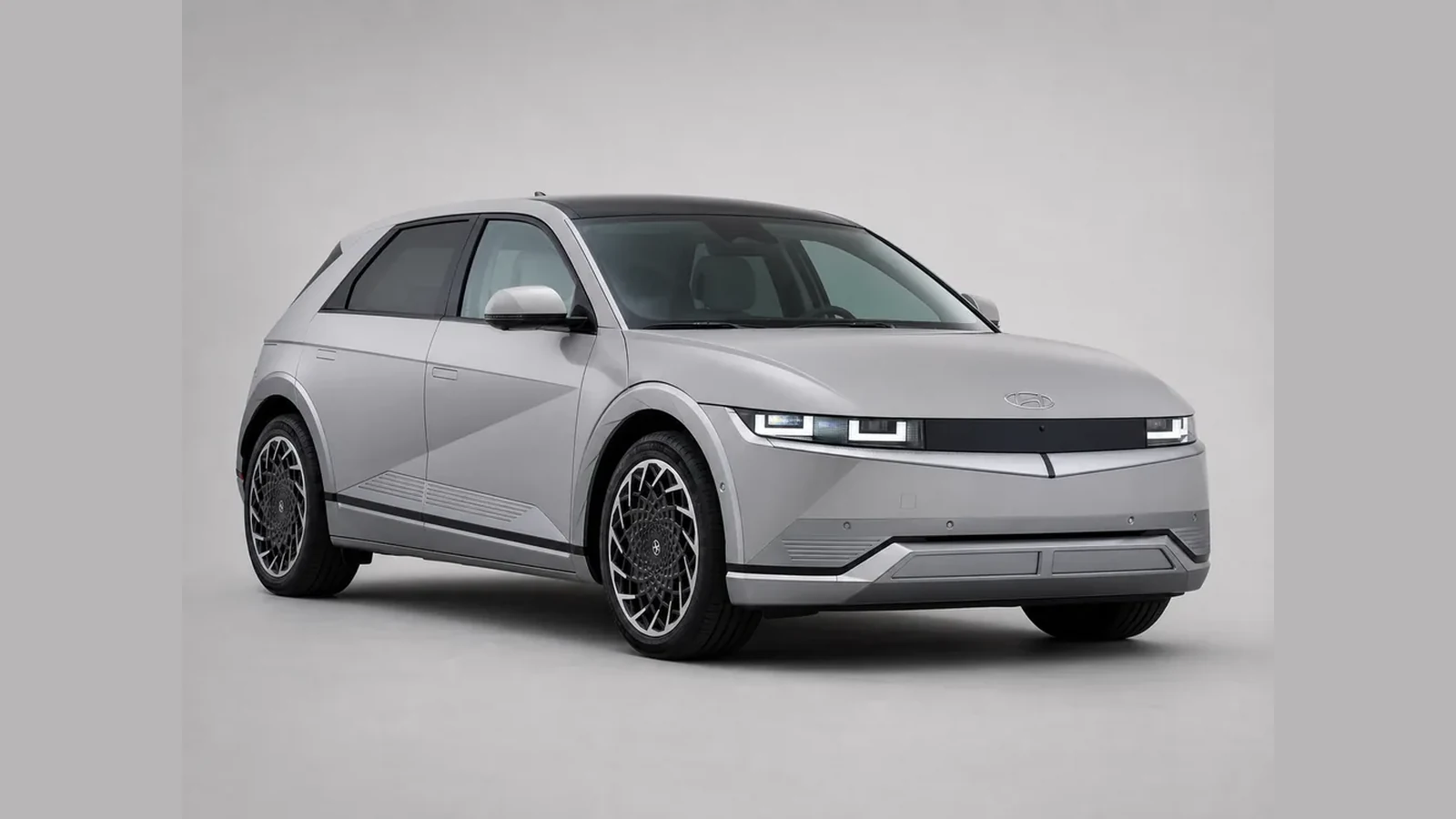
The Tesla Model 3 is the better EV if range, route simplicity, and software convenience matter most. The Hyundai Ioniq 5 is the better EV if cabin space, ride comfort, hatchback cargo access, and ultra-fast compatible charging matter more.
Best practice: pick the Model 3 for road-trip confidence, pick the Ioniq 5 for family comfort and easier everyday loading.
Pick by charging life first
The right answer depends less on brand and more on where you charge. The Tesla Model 3 works best for buyers who road-trip often, want a simple charging app experience, and value long range.
The Hyundai Ioniq 5 works best for buyers who have home charging, need more cabin room, and want a crossover shape.
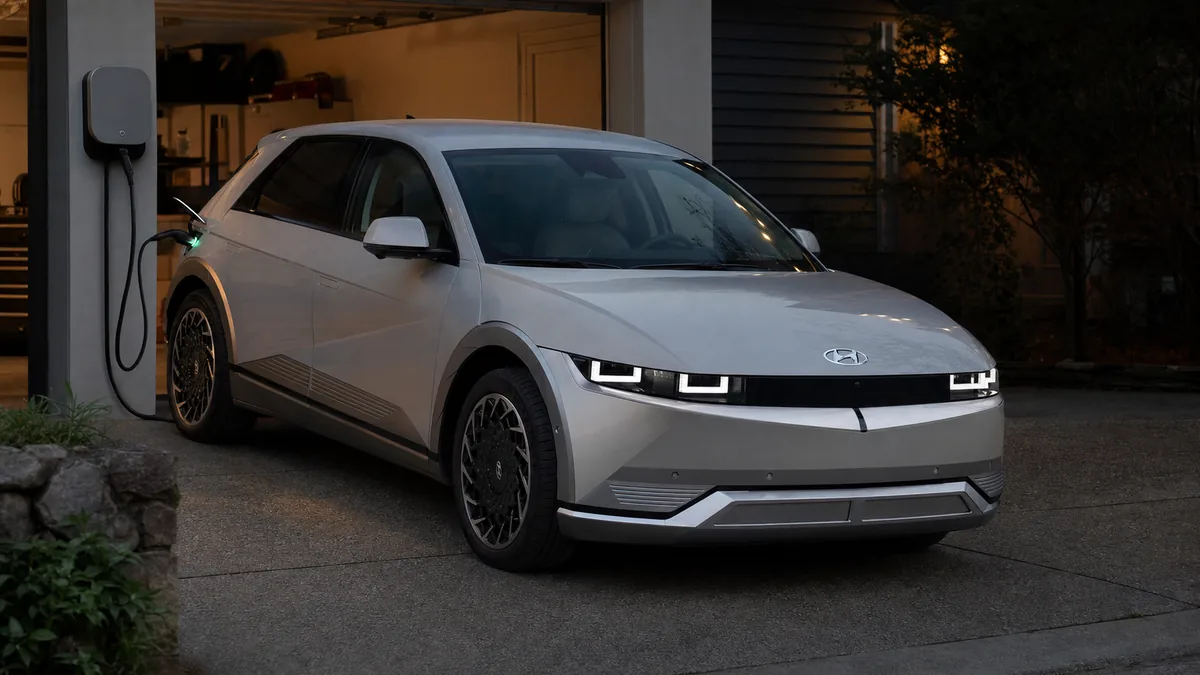
If you cannot charge at home, Tesla's network advantage matters more. If you can charge at home and most trips stay local, the Ioniq 5's comfort and hatchback body can matter more than the network gap.
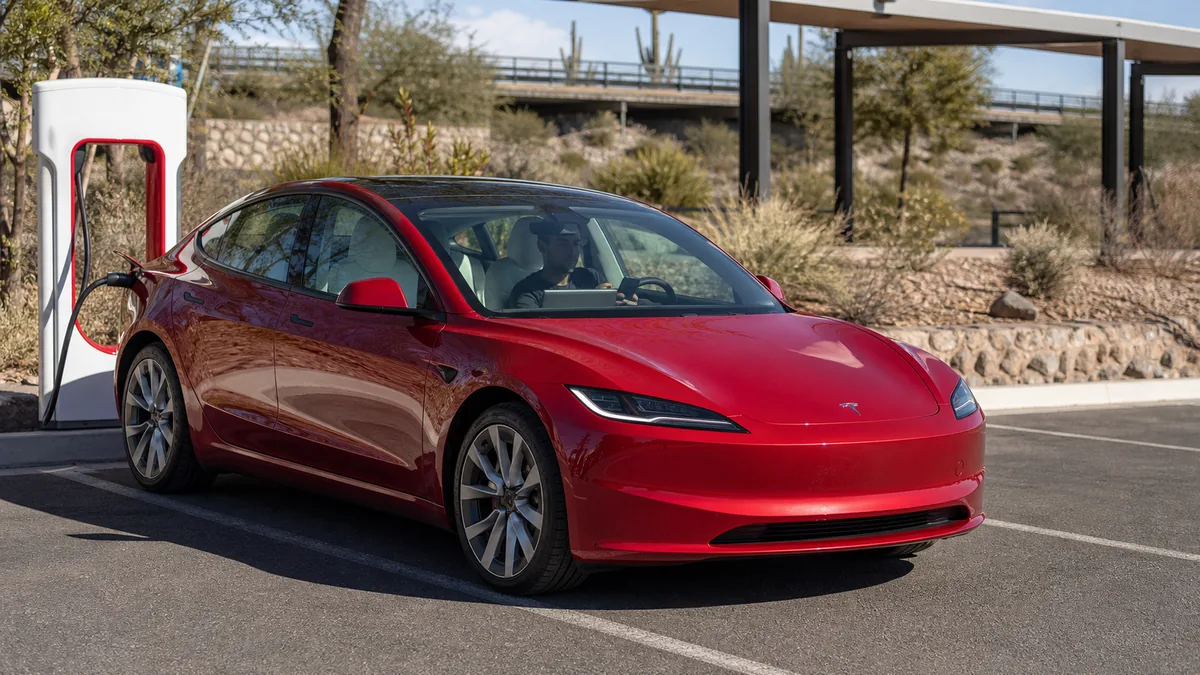
Which EV has the better range and charging story?
The Model 3 has the cleaner range story. Long-range versions can travel farther on a full charge, and Tesla's Supercharger experience still reduces road-trip stress.
The car, app, charger routing, and payment flow feel like one system.
Charging is the sharpest difference. The Model 3 uses the Supercharger network, still the most reliable way to fast-charge on a road trip, while the Ioniq 5's 800-volt system can add range faster when it finds a capable station.
The Tesla wins for predictable trips; the Hyundai wins for raw charging speed when the hardware cooperates.
The Ioniq 5 has the hardware headline. Its 800-volt architecture can post very quick 10 to 80 percent charging times when the charger supports it.
The catch is charger quality. A great Ioniq 5 stop can be faster than a Model 3 stop, but the site has to deliver the power.
| Question | Model 3 | Ioniq 5 |
|---|---|---|
| Longest range | Stronger | Good, but usually lower |
| Easiest road trips | Stronger | Depends more on charger quality |
| Peak fast charging | Strong | Very strong on compatible 800V equipment |
| Home charging routine | Easy | Easy |
| Charging learning curve | Lower | Slightly higher for new EV owners |
New EV owners should read EV charging basics before comparing monthly payments. Charging fit can matter more than a trim feature you notice only on the test drive.
Which one is easier to live with every day?
The Ioniq 5 feels bigger inside because it uses a tall body, flat floor, and wide-opening doors. Rear passengers sit more naturally, cargo loading is easier, and the cabin feels more lounge-like than sedan-like.
Range favors the Tesla on paper, at up to 363 miles against the Ioniq 5's 318, and the Model 3 is also more efficient per mile. The Ioniq 5 answers with packaging: a flat floor, wider door openings, and a roomier back seat make it the better car to carry people and cargo, even though it travels fewer miles between charges.
The Model 3 counters with efficiency and a smaller footprint. It slips into parking spaces more easily and feels quick even without chasing the performance version.
The tradeoff is the sedan trunk opening and the screen-led control layout.
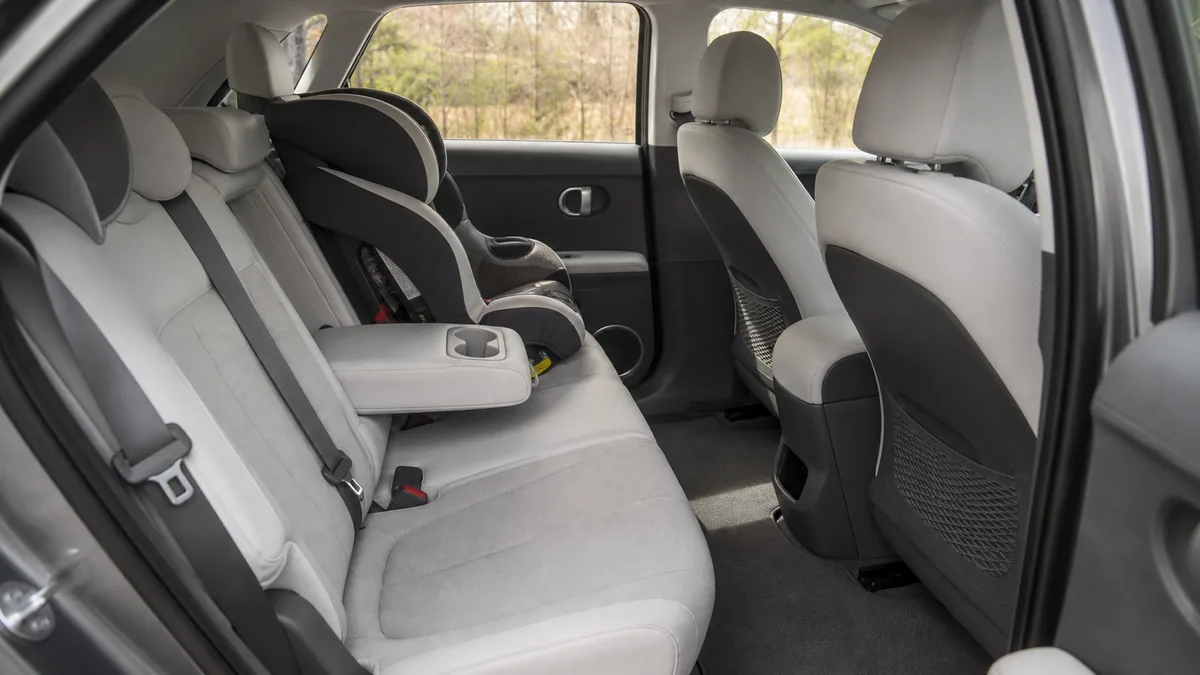
If this is replacing a family crossover, the Ioniq 5 deserves the first drive. If this is replacing a commuter sedan, the Model 3 probably feels more natural.
What ownership costs can surprise you?
Both EVs can be cheap to fuel if you charge at home, but neither is automatically cheap to own.
Tires matter because EV weight and torque wear them faster than many gas-car shoppers expect.
Insurance can also be higher than expected, especially on quick trims.
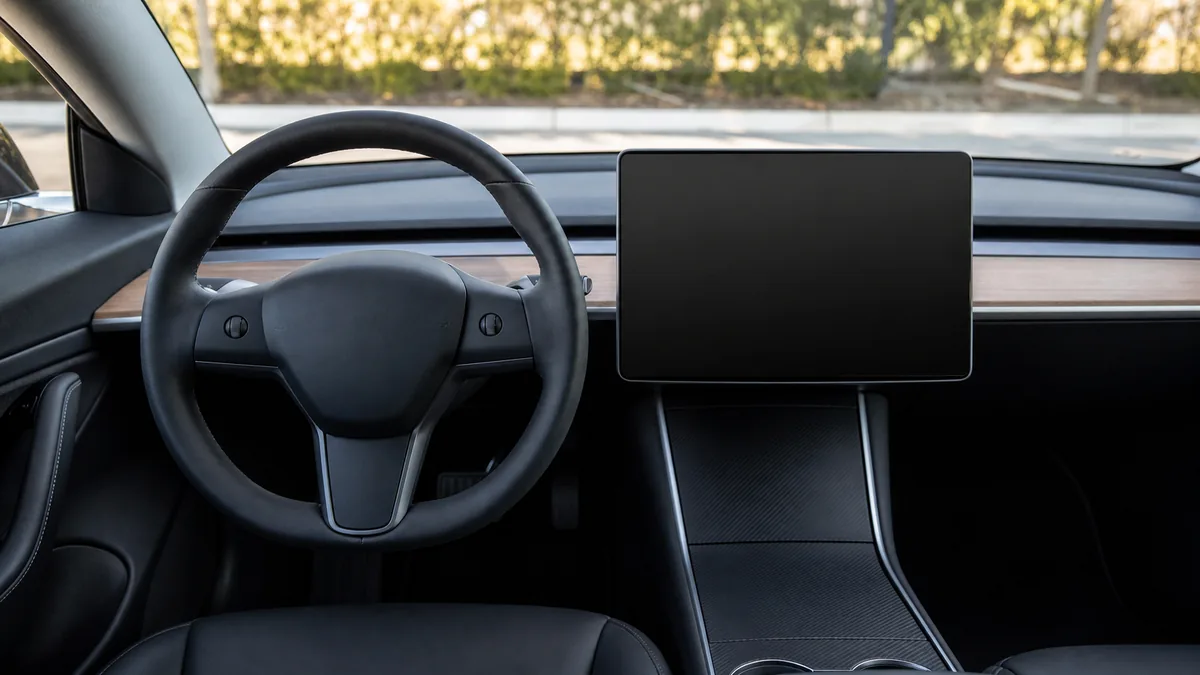
The cabins split buyers cleanly. The Model 3 puts nearly every control on a central screen, which some drivers love and others find distracting on the move.
The Ioniq 5 keeps more physical buttons and a calmer layout. Sit in both before deciding, because this difference shapes daily life with the car more than the range figure does.
Tesla adds a resale and repair-network question. The Model 3 is common, which helps used supply, but body repairs and insurance quotes can vary sharply by ZIP code.
Hyundai adds a charging-standard and dealer-experience question. The warranty is long, but local dealer EV experience matters.
The lease versus buy guide is useful here because EV incentives, resale values, and charging standards can move faster than gas-car values. Leasing can protect some buyers from that uncertainty.
Which cabin control layout will annoy you less?
The Model 3 asks you to accept a screen-centered interior. Many owners adapt quickly, but some drivers dislike using the screen for routine functions.
You should test that before being dazzled by acceleration.
The Ioniq 5 feels more conventional. It still has screens, but the cabin layout gives more physical reference points and a roomier seating position.
That makes it easier for drivers who are coming from a normal SUV or hatchback.
- Try climate, mirrors, wipers, and drive modes during the test drive
- Put a rear passenger behind the driver before deciding
- Load the same stroller, suitcase, or work bag into both cars
- Check tire replacement prices for the exact wheel size
How do these EVs compare with gas and hybrid alternatives?
This matchup should not happen in a vacuum. A buyer moving from a gas sedan may find the Model 3 easy because the footprint feels familiar and the operating cost can drop with home charging.
A buyer moving from a compact SUV may find the Ioniq 5 easier because the seating height, hatch opening, and rear space feel closer to what they already use.
If charging still feels uncertain, compare both EVs with a hybrid before committing. The Toyota Camry gives sedan efficiency without plugs, and the Toyota RAV4 Hybrid gives crossover practicality with standard AWD.
That does not make either EV weaker. It keeps the decision honest if your home, apartment, or road-trip pattern makes charging inconvenient.
Gas-to-EV cross-check
- Sedan replacement
- Model 3 is the cleaner first drive
- SUV replacement
- Ioniq 5 is the more natural cabin fit
- Charging doubt
- Compare a hybrid before signing
- Long commute
- Price home electricity and tires together
Final verdict
The Model 3 is the best-practice pick for a driver who wants the least stressful electric road-trip setup. Range, software, and charging integration make the ownership routine easier for people who often leave their home charger behind.
Choose the Model 3 for the most reliable road-trip charging and the longest range, and the Ioniq 5 for the roomier cabin and calmer controls. Both are strong EVs, so the decision comes down to whether you prioritize charging confidence on trips or space and comfort every day.
The Ioniq 5 is the best-practice pick for a household that wants an EV to behave like a roomy family crossover. Its cabin, ride, and charging hardware make it feel friendlier in daily use, as long as charging access is sorted.
Choose the EV that fits your charging life first.
Range numbers matter, but a charging routine you can trust matters more.
For a wider list, compare our best electric cars ranking and the electric car hub.
Sources and methodology
We weighted official range claims, charging hardware, public charging ease, home charging needs, cabin packaging, insurance risk, and ownership uncertainty. The comparison also pulls from our Ioniq 5 review, Model 3 review, and model-specific cost sections.
What if you live without home charging?
Without home charging, the Model 3 becomes the safer default for most buyers. The Supercharger network, route planning, and payment flow reduce the number of things you have to manage when the battery is low.
That matters more than peak charging speed.
Without home charging, the Model 3 is the safer pick because the Supercharger network makes a public routine more predictable.
The Ioniq 5 can still work, but only if you have tested fast chargers near home that are free and working when you need them.
Map that routine before buying either.
The Ioniq 5 can still work without home charging if your local stations are reliable, convenient, and fast enough for its 800-volt hardware.
Test that before you buy. Visit the same charger at normal hours, not just on a quiet weekend morning.
Which EV is better for passengers?
The Ioniq 5 is the passenger-first EV here. Rear-seat room, door openings, a flat floor, and the hatchback shape make it easier for families, tall passengers, and cargo.
It feels less like a small sedan and more like a compact lounge.
The Ioniq 5 is the better car for carrying people. Its flat floor, wide doors, and reclining rear seats make the back seat genuinely comfortable, where the Model 3's lower roof and firmer seats are less accommodating on a long trip.
For a family that fills the back regularly, the Hyundai is the kinder choice.
Ownership cost splits too. The Model 3 has cheaper, more available service through Tesla's network but pricier collision repair, while the Ioniq 5 uses conventional dealer service that most buyers already understand.
Price insurance and a tire set on the exact trim of each before deciding, because both are heavy and quick enough to wear tires faster than a gas car.
The Model 3 is better when the driver values range confidence, software familiarity, and a simple charging plan.
Its cabin is clean, but the screen-led control layout is a real filter.
Some drivers like it within a day.
Others never stop missing physical controls.
| Need | Better fit | Reason |
|---|---|---|
| Rear-seat space | Ioniq 5 | Flatter floor and wider openings |
| Road-trip charging | Model 3 | Easier network planning |
| Simple controls | Ioniq 5 | More conventional cabin actions |
| Efficiency | Model 3 | Lower sedan shape helps range |
What should decide the final EV choice?
Choose the EV that fits your charging routine first, then choose the body style. A car with the better spec can still be worse if the charger you need is unreliable or far away.
Start with where you will charge, then test both cabins. If charging is solved at home, the choice is about space and control layout, and the Ioniq 5 often wins.
If you rely on public charging or take frequent long trips, the Model 3's network and range make it the more relaxing car to own.
If both charging plans work, the decision gets easier. Buy the Ioniq 5 for cabin space, ride comfort, and hatchback usefulness.
Buy the Model 3 for range confidence, charging ease, and a more predictable road-trip routine.