How we ranked electric cars
We ranked EVs around the ownership routine. Range matters, but charging access, efficiency, cabin fit, tire cost, insurance, and resale uncertainty decide whether the car stays easy after the first month.
We also weighted how a car behaves when charging does not go to plan. Every EV works when the home charger is installed and the road-trip stations are healthy.
The better family EV is the one that stays usable on the day the charger is broken or the trip runs long, which is why real range and network reliability count more here than a fast zero-to-sixty time.
That is why this list starts with two different answers.
The Tesla Model 3 is the road-trip and network pick. The Hyundai Ioniq 5 is the comfort and family-space pick.
| Factor | Why it matters | What we rewarded |
|---|---|---|
| Home charging | Makes EV ownership easy | Predictable nightly charging |
| Road-trip charging | Reduces travel stress | Reliable fast-charger access |
| Cabin fit | EVs package space differently | Usable rear seats and cargo |
| Tire cost | EV torque wears tires | Reasonable wheel sizes |
| Resale risk | EV values can move fast | Strong demand and clear warranty |
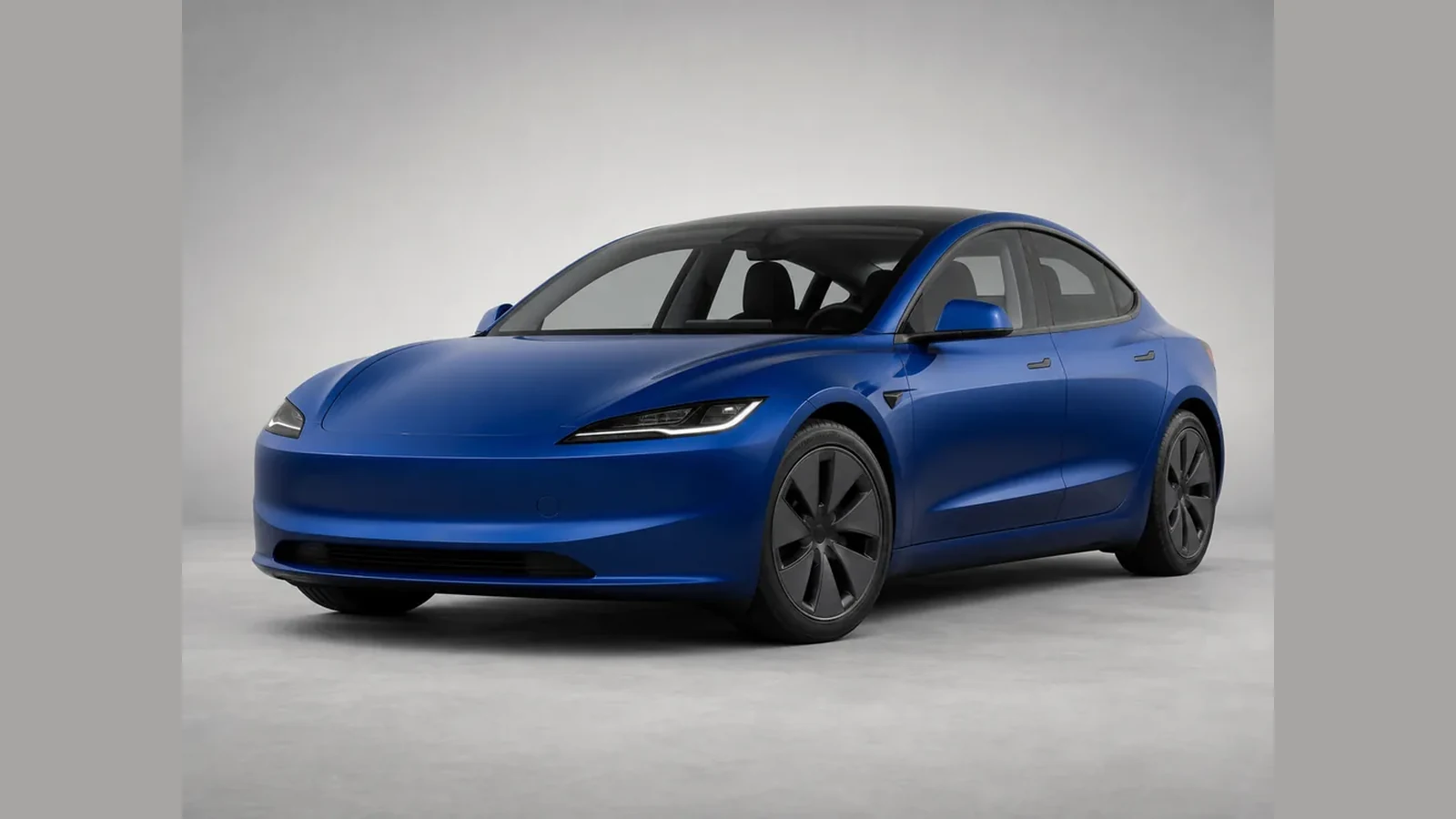
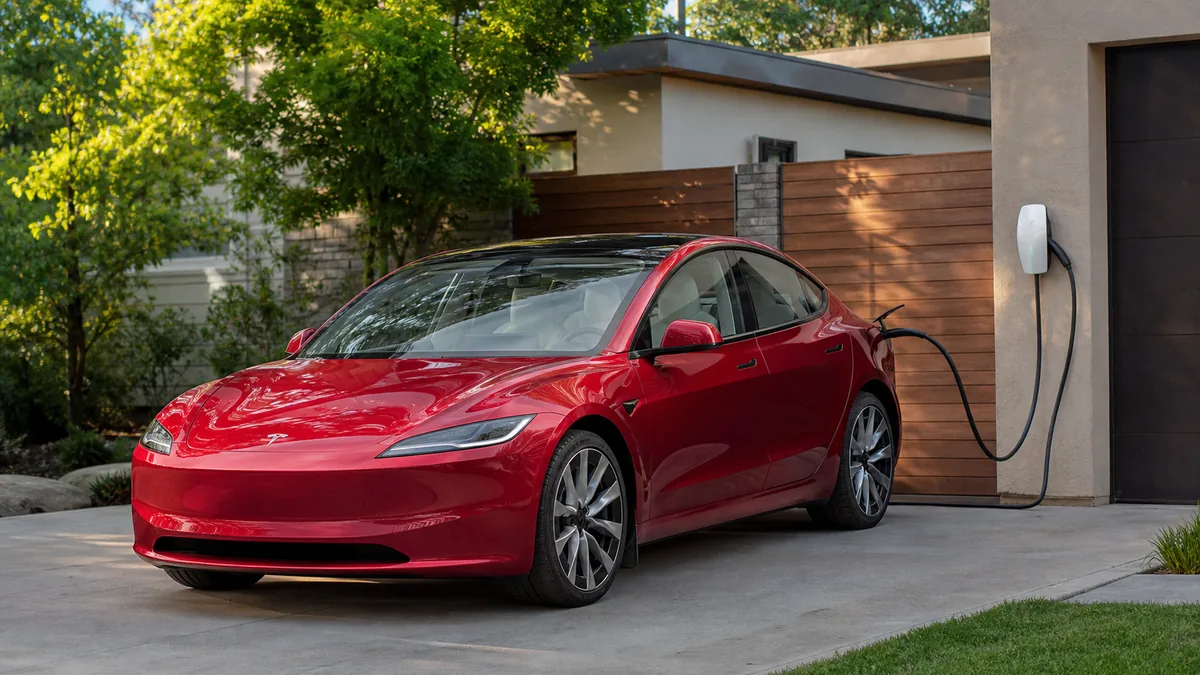
Best overall EV, Tesla Model 3
The Model 3 wins because it makes the electric routine simple for many buyers. Range is strong, fast charging is easy to route, and the ownership app experience is mature.
Efficiency is the quiet reason it wins. The Model 3 uses less energy per mile than most rivals, so the same range costs less to charge and the car recovers range faster on a given charger.
Over a few years of ownership that efficiency shows up as a smaller electricity bill, not just a spec-sheet number.
The Model 3 also has the deepest used market of any EV, which helps a first-time electric buyer compare condition instead of chasing one rare listing. Check the battery's range against its original rating on any used example, because a car that has lost significant range is worth less even if it looks perfect.
It is not the roomiest EV here, and the screen-led cabin is a real buyer filter. Still, the Model 3 remains the cleanest answer if you road-trip or rely on public charging more than a few times a year.
Read the Model 3 review and how it compares with the Ioniq 5 if you are deciding between range confidence and cabin space.
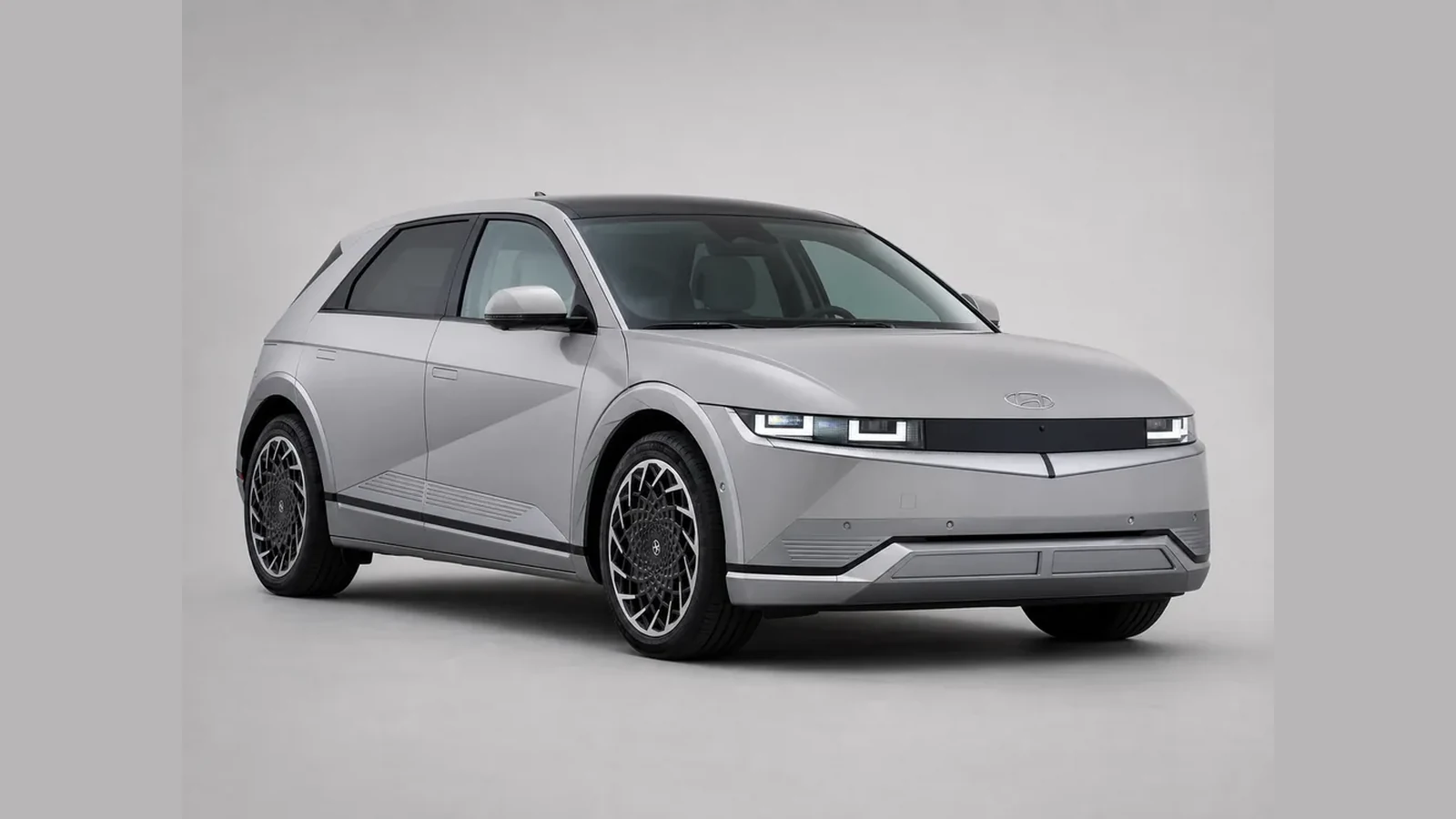
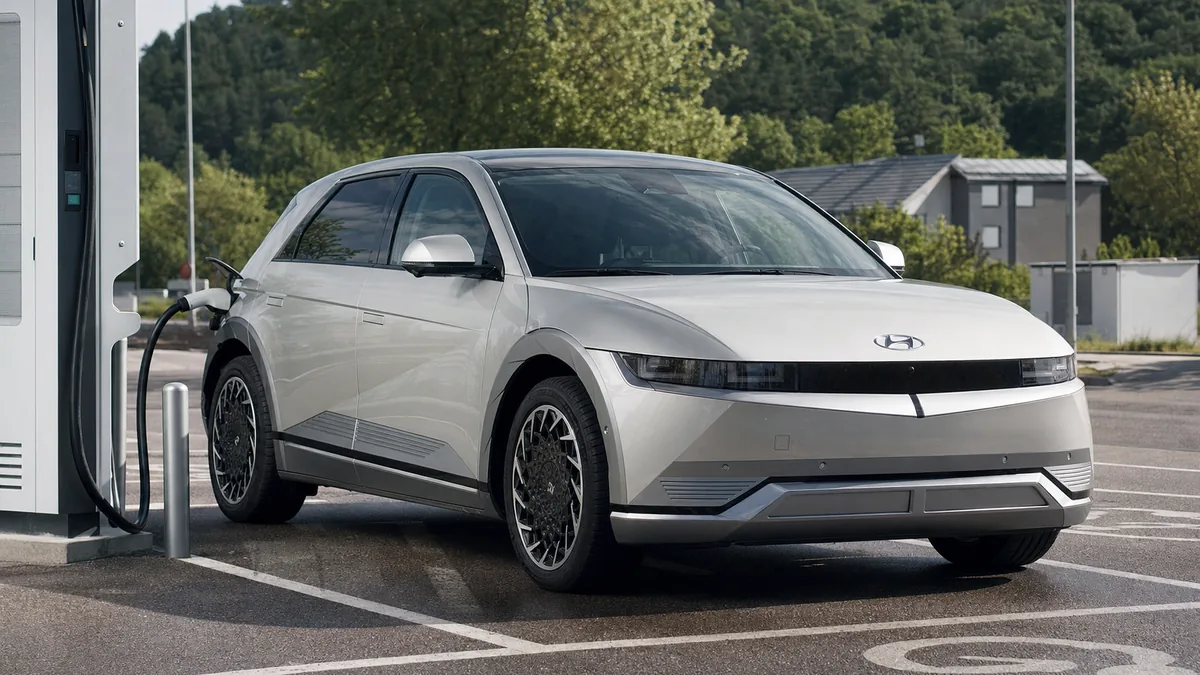
Best comfort EV, Hyundai Ioniq 5
The Ioniq 5 is the EV to drive if the Model 3 feels too sedan-like or too screen-focused. It has a calm ride, wide-opening doors, a flat-floor cabin, and a hatchback shape that works better for family gear.
The Ioniq 5 shares its mechanicals with the EV6 but trades some of that car's sharpness for a calmer, roomier cabin. For buyers who value space and quiet over driving feel, that is the right trade, and it is why the two Hyundai-group EVs sit in different places on this list.
Its 800-volt charging hardware is excellent on compatible equipment. The reason it sits behind the Tesla overall is network consistency.
The car can charge very quickly, but the public charger has to cooperate.
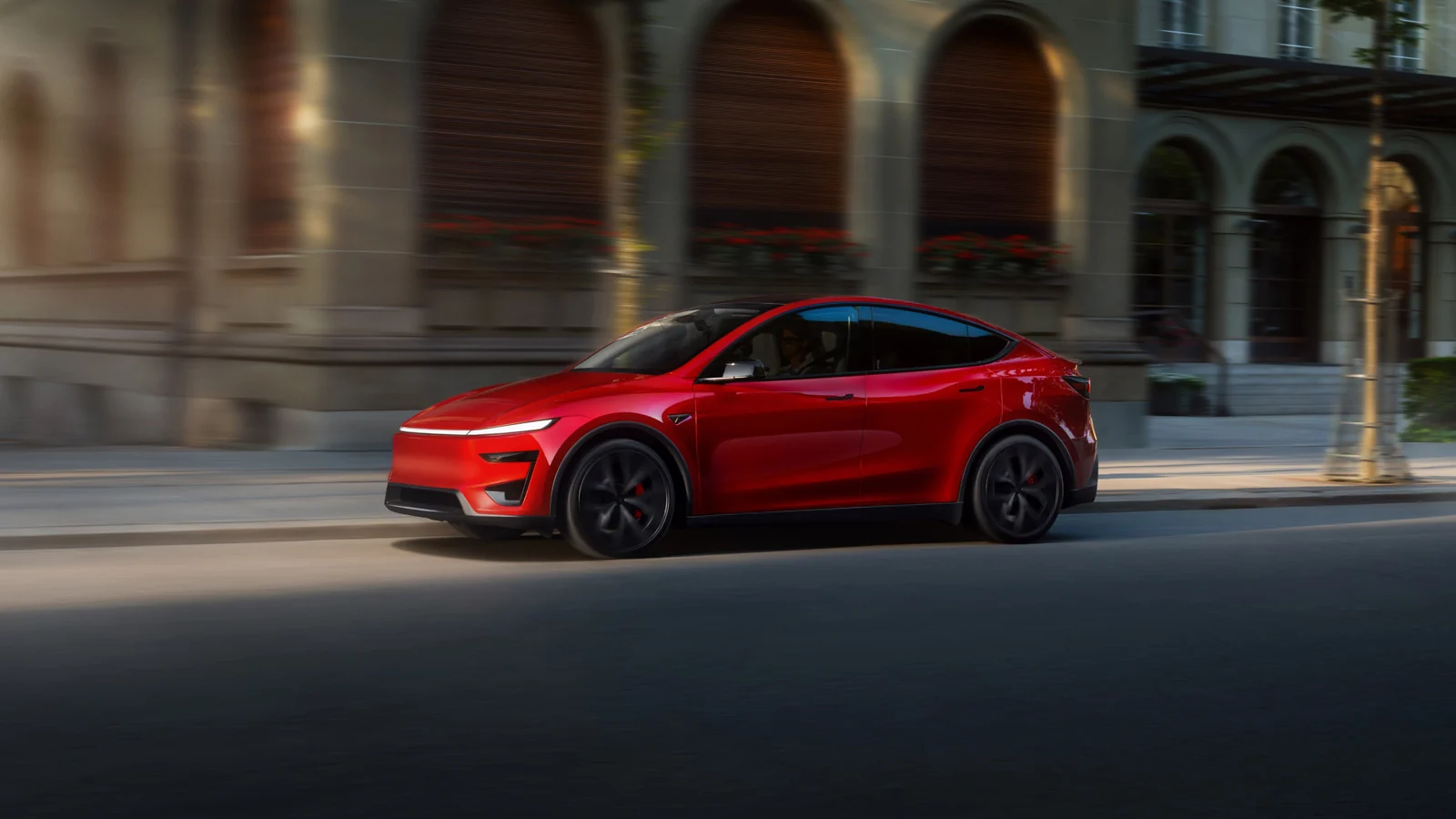
Best road-trip EV, Tesla Model Y
The Tesla Model Y is the pick for a family that takes the EV on long drives. It pairs up to 357 miles of range with the Supercharger network, which remains the most reliable fast-charging option and the main reason a road trip in a Tesla needs less planning than in most rivals.
It is essentially a taller Model 3, so it drives the same but adds cargo height and an easier step-in. For a household that wants one EV to cover commuting and holidays, that combination is hard to beat right now.
The cabin is the thing to test. Almost every control lives on the screen, which some drivers like and others find distracting.
Sit in one and work the wipers, mirrors, and climate before deciding range alone makes it the pick.
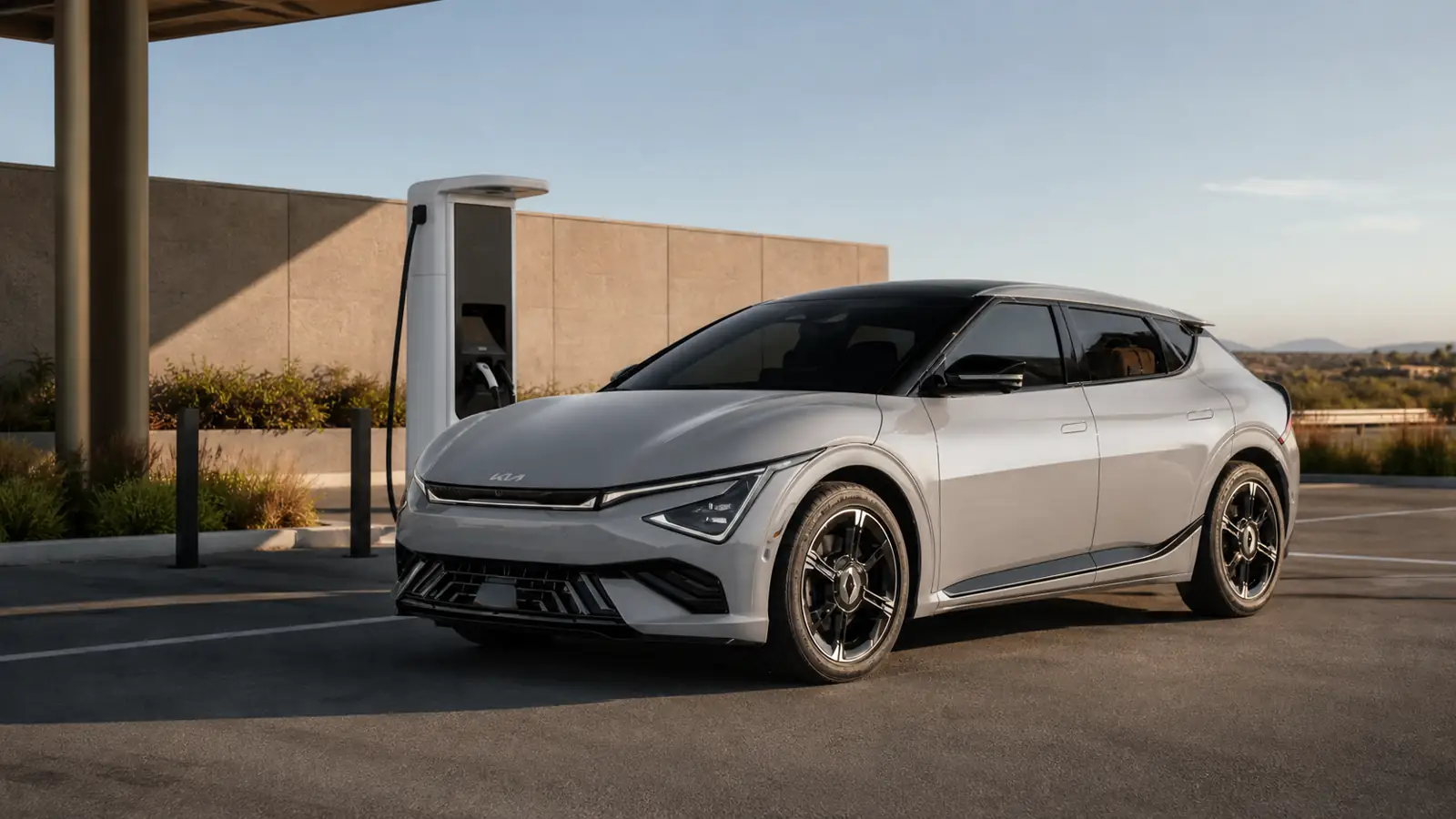
Best charging speed, Kia EV6
The Kia EV6 is built on an 800-volt system, which lets it add range faster than almost anything near its price when it finds a charger that can keep up. On the right hardware it goes from 10 to 80 percent in about 18 minutes, which changes how a road stop feels.
Range is competitive at up to 319 miles, and the EV6 drives with more personality than most electric crossovers. It is the pick for a buyer who charges in public often and wants those stops to be short.
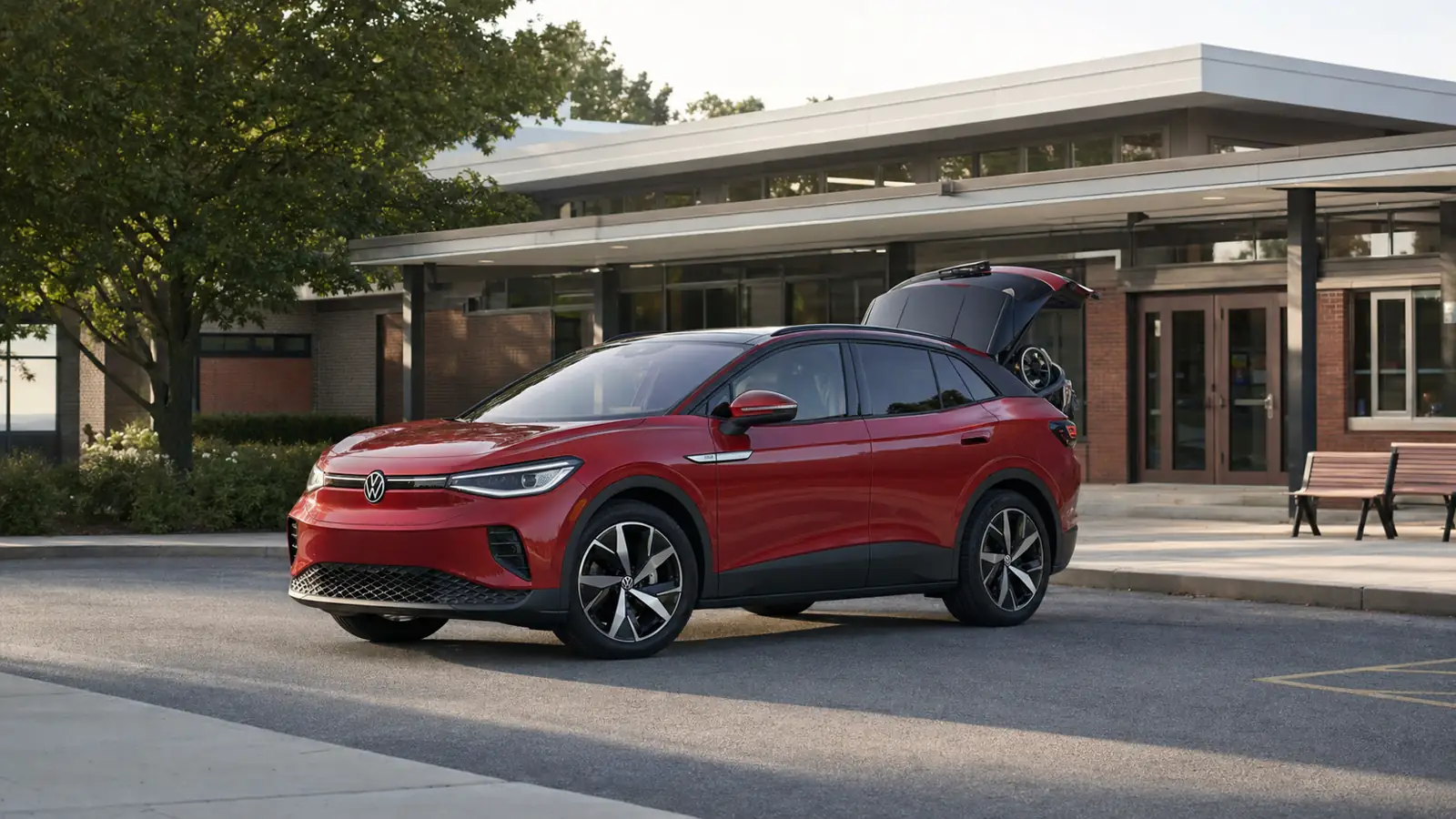
Best value EV, Volkswagen ID.4
The Volkswagen ID.4 is the sensible-money pick. It undercuts most rivals on price while still offering up to 291 miles of range and a roomy, quiet cabin sized for a family.
The ID.4 also benefits from steep depreciation on the used market, which turns its modest new price into a genuine bargain a couple of years old. A lightly used ID.4 with the early software updates already applied is one of the cheapest ways to get real range and family space in an EV.
It is not the quickest or the fastest-charging EV here, and early cars had software problems worth checking on the used market. But for a buyer who charges at home and wants space and range without a premium badge, the ID.4 is the practical answer.
ID.4 against the pricier EVs
- Range
- Up to 291 miles
- Cabin
- Roomy and quiet, family-sized
- Price
- Undercuts most rivals
- Watch for
- Early software issues on used cars
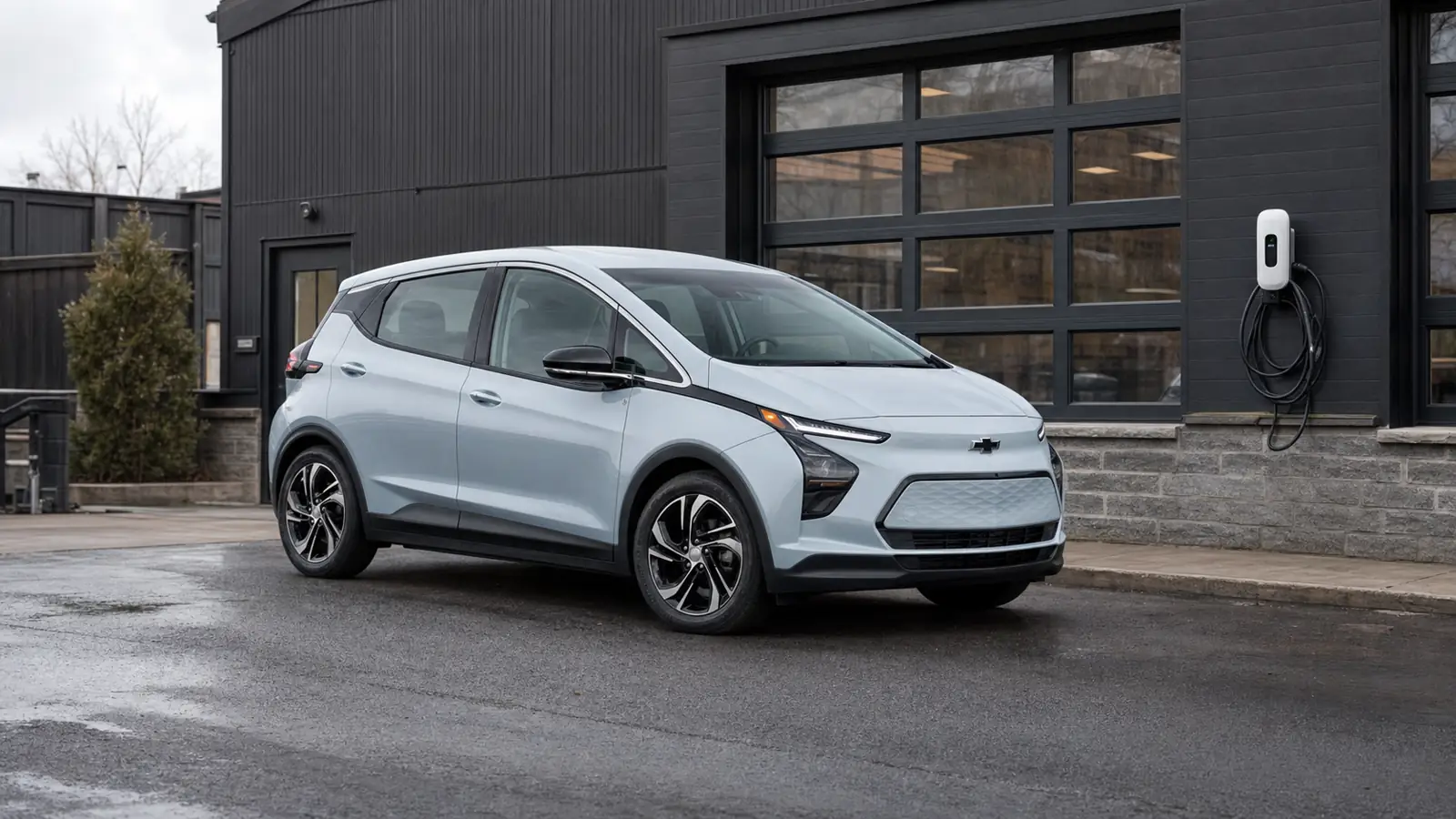
Best used-EV value, Chevrolet Bolt
The Chevrolet Bolt is the cheapest sensible way into an EV, with used examples running from about $10,000 to $24,000 and up to 259 miles of range. For a second car or a short commute, nothing here costs less to buy and run.
The catch is the battery recall history. Confirm the recall work was completed and the battery module replaced or verified before buying, because that single check separates a bargain from a liability.
A Bolt with documented recall completion is one of the best-value EVs on the road.
Should you lease or buy an EV?
Leasing can be smart if incentives are strong or you worry about resale swings. EV values can move when tax credits, charging standards, battery supply, or new models change the market.
Leasing carries an extra advantage on EVs specifically.
Because battery technology and charging networks are still improving quickly, a three-year lease lets a buyer step out before today's car feels dated, and in many cases the lease captures a tax credit that a cash purchase would not.
Buying still wins for a driver who keeps cars a long time and has home charging sorted.
Buying can be smart if you charge at home, keep cars a long time, and choose a model with strong demand.
The Model 3 has broad used-market awareness. The Ioniq 5 has a long warranty and a cabin many families like.
Weigh leasing against buying if the payment looks good but the long-term value feels uncertain.
What if you cannot charge at home?
If you cannot charge at home, the Model 3 becomes the safer recommendation for most drivers because public charging is less of a guessing game.
That does not make the Ioniq 5 a bad EV. It means you need to prove your local chargers before you buy it.
If you rent or park on the street, map your real charging before buying, not after. Find the nearest fast chargers, visit them at the times you would actually use them, and check whether stalls are free and working.
An EV can still make sense without home charging, but only when a tested public routine exists rather than a hopeful one.
Apartment and condo buyers should test the real routine for two weeks. Visit the charger at the time you would normally use it, check whether stalls are blocked, and calculate the time you would spend waiting.
A cheap charging session can still be expensive if it costs an hour after work.
The fallback is a hybrid, not a worse EV. A Toyota Camry or Toyota Sienna can cut fuel use without changing where you park.
A buyer with weak charging access should compare the hybrid powertrain hub before treating EV ownership as the only efficient choice.
Apartment charging can still work if the building has reliable Level 2 access and fair pricing. Ask whether the charger bills by time or energy, whether guests can block it, and whether management has a repair process.
Those boring questions decide more than a glossy range number.
Road-trip buyers should also plan around passengers, not only the battery. A stop that looks fast on paper can feel long with kids, luggage, food, and a broken restroom.
The Model 3 reduces that risk because the route planner and charger network work together. The Ioniq 5 can still be excellent, but you should save backup stations before the trip rather than searching under pressure.
EV shoppers who mostly drive locally may reach the opposite answer. If home charging covers 95 percent of your miles, cabin comfort and cargo shape become more important than national network strength.
That is where the Ioniq 5 earns its place.
Cold weather matters too. Range drops in winter, so buyers in snow states should give themselves a larger battery buffer than warm-climate commuters.
Final ranking logic
The Model 3 wins for most EV shoppers because its charging ecosystem reduces the biggest EV friction point. The Ioniq 5 is the better daily cabin for many families, but it asks more from your charging plan.
The order here follows one idea: the best EV is the one whose charging fits your life, not the one with the biggest range number. The Model 3 wins on charging reliability, the EV6 on charging speed, and the Bolt on price, but the right pick for any buyer is decided by where and how they will plug in every week.
Best practice: choose the EV that fits your charging routine before you choose the EV with the flashiest spec. For broader browsing, start with the electric powertrain hub and compare every model profile from there.
What should you do before signing for an EV?
Build the charging plan before choosing the trim. If you own the home, get an electrician quote for the exact outlet or charger location.
If you rent, ask the property manager about charger access, billing rules, blocked stalls, and repair response.
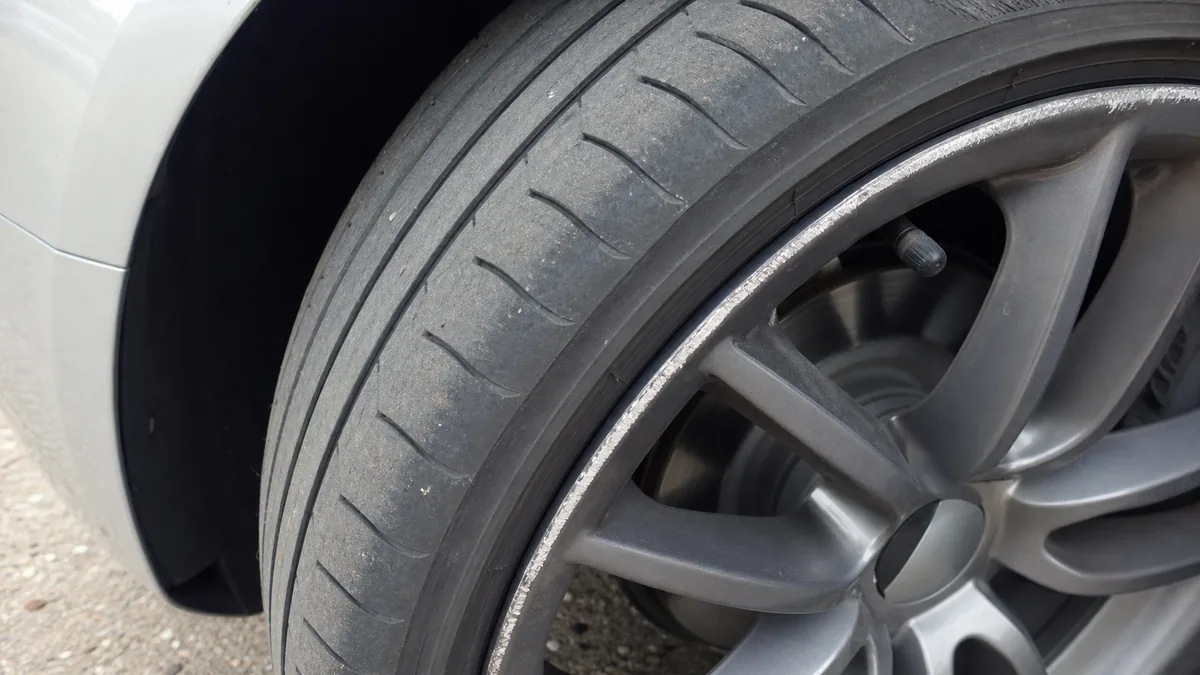
Do not skip the tire question. EVs are heavy and often quick, which wears tires faster than a comparable gas car, and some wear a special low-noise or low-rolling-resistance tire that costs more to replace.
Ask what a full set costs on the exact trim before you sign, because it is a real running cost that the low charging bill can hide.
Then run an insurance and tire quote on the exact trim.
EVs can be quick, heavy, and hard on tires. A low fuel bill can still be offset by expensive rubber, higher registration, or a policy that costs more than expected.
EV pre-purchase checks
- Home charging
- Quote before deposit
- Public route
- Test real stations
- Insurance
- Quote exact VIN or trim
- Tires
- Price by wheel size
- Warranty
- Confirm battery terms
Do not treat tax credits as guaranteed savings until you check eligibility. Vehicle price, assembly rules, buyer income, lease treatment, and dealer handling can change the real deal.
Ask for the out-the-door number with the incentive shown clearly.
The last check is winter and highway use. Cold weather, high speeds, roof racks, and heavy passengers can cut real range.
If your normal week includes those conditions, leave a larger battery buffer than the window sticker suggests. A comfortable EV decision has extra range in reserve, not a perfect plan that only works on warm days.
If the math is still close, choose the EV with the lower-stress charging answer. A prettier cabin or faster peak charge cannot make up for a bad weekly charging routine.
The best EV disappears into your schedule.
Road noise and seat comfort also matter because EVs make other sounds more obvious.
On a quiet powertrain, tire roar, wind noise, and seat shape stand out. Take the highway test before paying extra for wheels or trims that make the cabin busier.
Finally, check charger speed after the battery is warm and partly full. Peak speed claims matter less than the minutes you actually spend stopped.