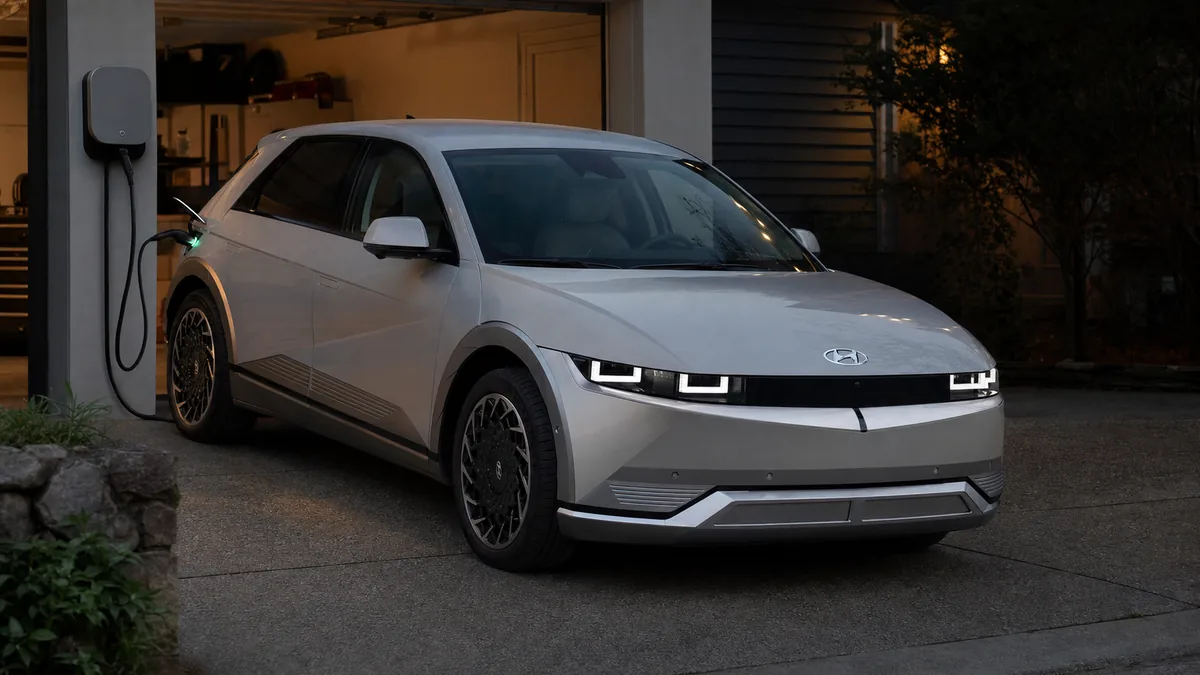
Most EV owners should plan around Level 2 home charging and use DC fast charging mainly on trips. If you cannot charge at home or work, buy the EV only after you test the public charging routine you will actually use.
Start with the charging routine, not the car
Most EV ownership works best with charging at home. The car sits parked for hours, so it can recover daily miles while you sleep.
That is why charging is less like visiting a gas station and more like plugging in a phone with wheels.
The best default is Level 2 home charging if you own the parking space or can get landlord approval.
Level 1 can work for low-mile drivers, but it is slow. DC fast charging is valuable for trips, not as the daily plan for most owners.
What is the difference between Level 1, Level 2, and DC fast charging?
Level 1 uses a normal household outlet and adds range slowly. It can be enough for a plug-in hybrid or a low-mile commuter, but it becomes frustrating when you need to recover a long drive overnight.
Level 2 uses a 240-volt circuit and is the normal home solution.
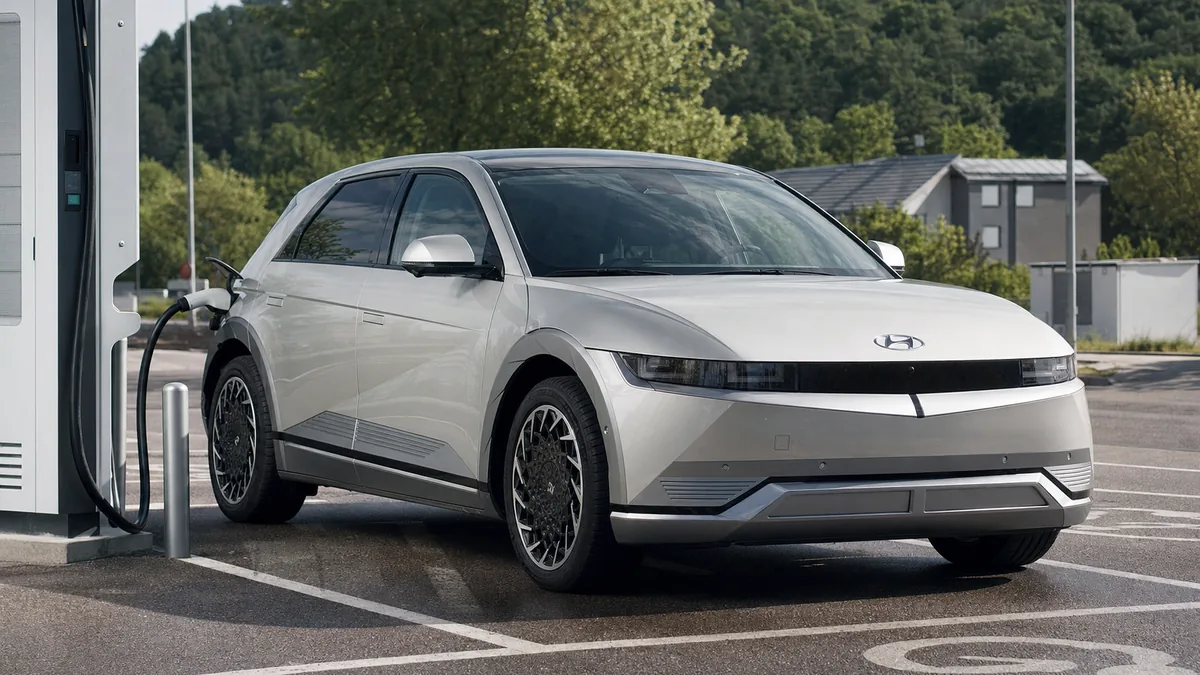
It can add enough range overnight for most EV owners. DC fast charging bypasses the car's onboard charger and sends high-power current straight to the battery, which is why it works for road trips.
| Level | Where you use it | Best job |
|---|---|---|
| Level 1 | Standard 120-volt outlet | Backup charging and very short commutes |
| Level 2 | Home, work, public AC charger | Daily EV ownership |
| DC fast charging | Highway stations and urban fast chargers | Road trips and quick recovery |
The Hyundai Ioniq 5 is a strong example of fast-charging hardware because its 800-volt system can add range quickly at the right station. The Tesla Model 3 is the network example because charger access is simple.
How much home charging speed is enough?
You do not need the fastest possible charger. You need enough power to replace your normal driving before the next morning.
A driver who uses 30 miles a day needs a different setup from a driver who uses 90 miles and returns late.
The honest test is your worst normal week, not your average day. If you sometimes drive 80 to 100 miles in a day, Level 1 charging cannot refill that overnight and a Level 2 unit becomes the practical answer.
If your daily driving is short and predictable, Level 1 from a standard outlet may be all you ever need, which saves the cost of an installation.
Think in recovery time. If the car parks for 10 hours and Level 2 can refill your daily use in that window, more speed may not improve your life.
The electrical panel, installation cost, and charger location matter as much as the charger box.
Home setup checks
- Parking spot
- The cable must reach without crossing a walkway
- Electrical panel
- Capacity decides installation complexity
- Daily miles
- Sets the charging speed you actually need
- Utility rate
- Time-of-use plans can lower cost
- Weather
- Cold climates can raise energy use
If you rent, ask about charging before you shop. A promise that charging is coming is not the same as a working outlet or assigned charger.
Electricity price and charging location set the savings
Home electricity is usually cheaper per mile than gasoline, but the exact answer depends on your utility rate, EV efficiency, and time-of-use pricing. Public fast charging can cost much more than home charging, sometimes close to gas on a road trip.
Home charging is where an EV saves the most, often costing a third to a half of what the same miles would burn in gas. Public fast charging is a different story: at peak commercial rates it can approach the cost of gasoline, so an owner who relies on public chargers loses much of the fuel-cost advantage that makes an EV cheap to run.
This is why the charging mix matters. An EV charged mostly at home can be cheap to run.
The same EV charged mostly at paid fast chargers may lose much of its cost advantage.
For a buyer comparing powertrains, the RAV4 Hybrid is the no-plug alternative. A hybrid may be the smarter money move when home charging is not available.
How should you plan road trips?
Road trips work best when the EV has both good range and good charging access.
The station network matters more than the peak charging number in the brochure. A fast EV is not fast if the chargers on your route are broken, full, or far from food and restrooms.
Plan the first trip before buying. Use the real route, winter conditions if relevant, and the trim's actual range.
Check whether the car can precondition the battery before fast charging, because a warm battery can charge faster in cold weather.
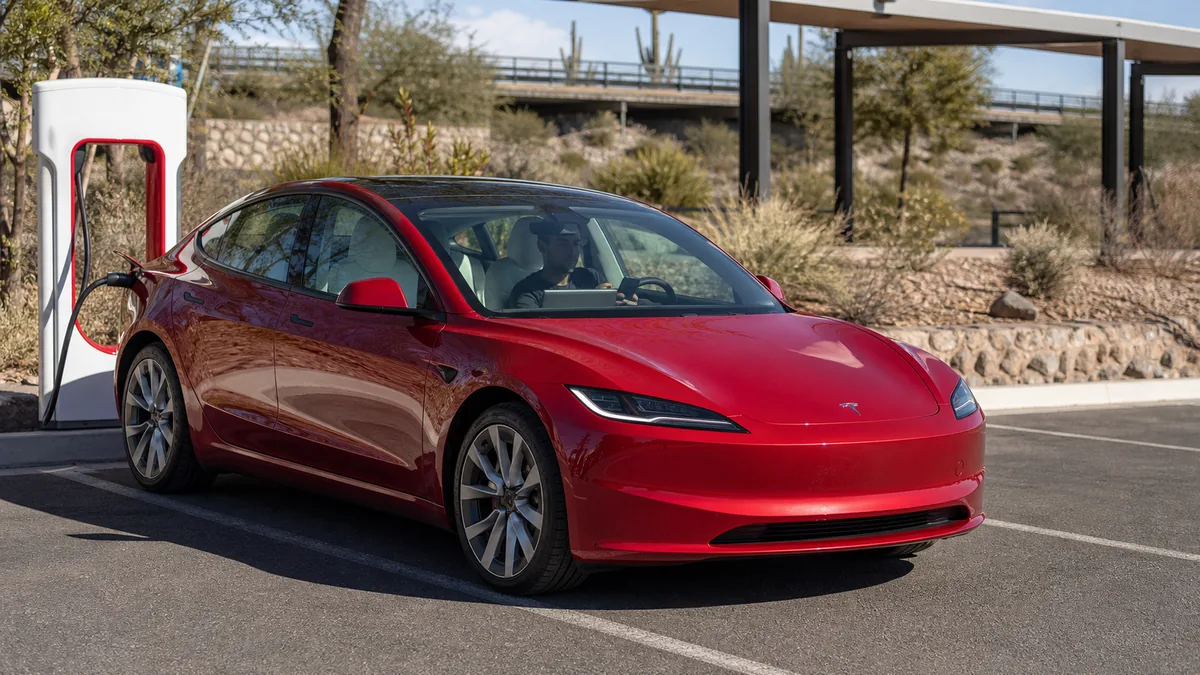
Leave margin. Running an EV down to a tiny percentage may work in a video, but it is a poor family travel plan.
Weather, hills, speed, cargo, and headwinds can all cut range.
Battery-friendly habits fit around normal use
Most EV batteries do not need babying, but they do respond to good habits. For daily use, many owners set a normal charge limit below full and save 100 percent for trips.
The exact advice depends on battery chemistry and the owner's manual.
Avoid making DC fast charging your only routine if you have a choice. It is safe when the car manages temperature correctly, but home Level 2 charging is gentler, cheaper, and easier for daily use.
The Ioniq 5 and Model 3 are worth reading together because the Ioniq 5 and Model 3 solve charging in different ways: hardware speed versus network simplicity.
Prove the charging plan before you buy
Confirm charging before trim. If the parking space, outlet, panel capacity, landlord approval, or local public network does not work, the EV may become annoying even if the car itself is excellent.
Then match the EV to the longest normal day, not the average day.
Include winter, highway speed, passengers, and charging stops. If the answer is close, test a public charger near home before you sign.
- Photograph the parking spot and panel for an electrician
- Ask your utility about EV rates
- Test the nearest public charger with the app you would use
- Price home installation before choosing a trim
- Compare your EV short list with our best electric cars
Can apartment or street-parked drivers make EV charging work?
Apartment and street-parked drivers can own EVs, but the margin is thinner.
The charging plan must be routine, not heroic. A reliable workplace charger, an assigned garage charger, or a public Level 2 station near a place you already spend time can work.
A fast charger across town that you dislike visiting is not a daily plan.
Test the routine before buying. Visit the charger at the same time you would use it, open the app, check pricing, look for idle fees, and see how many stalls are blocked or broken.
If the station is full on an ordinary weeknight, it will not become easier after you buy the car.
| Charging source | Works when | Risk |
|---|---|---|
| Work charger | Access is reliable and not always full | Job or parking changes can break the plan |
| Nearby Level 2 | You already park there for hours | Slow if you need quick recovery |
| DC fast charger | Used as backup or trip support | Expensive and inconvenient for daily use |
| Shared apartment charger | Assigned or well-managed | Queue conflicts and broken hardware |
If this section feels stressful, listen to that signal. A hybrid may fit better until home or work charging becomes dependable.
Connector and network access shape every trip
The plug and network are part of the ownership experience. Check which connector the car uses, which fast networks it can access, whether an adapter is required, and whether route planning is built into the car.
A long-range EV with awkward charging access can be worse on trips than a shorter-range EV with easy, reliable stations.
Also check charge-port location. Nose-in, tail-in, curbside, and trailer-loaded parking can all change whether a cable reaches.
This sounds minor until the first crowded station stop.
Network checks
- Fast-charge access
- Confirm stations on your real routes
- Adapter need
- Price it and check availability
- Route planning
- Prefer battery preconditioning and live station data
- Port location
- Make sure cables reach in common parking layouts
- Payment app
- Set it up before the first trip
How does weather change charging and range?
Cold weather can reduce range and slow fast charging, especially when the battery is cold at the start of a trip.
Heat can also affect efficiency when the cabin and battery cooling system work hard.
The car is not broken when range moves with weather. It is using energy to protect the battery and keep people comfortable.
Preconditioning helps when the car supports it. A good EV route planner warms the battery before a fast-charging stop, which can cut waiting time in winter.
At home, scheduled departure can warm or cool the cabin while the car is still plugged in, saving battery energy for the drive.
| Condition | What changes | Buyer move |
|---|---|---|
| Cold morning | Lower displayed range | Keep extra margin for commuting |
| Winter fast charge | Slower charging if battery is cold | Use route planning with preconditioning |
| Hot road trip | More cooling load | Plan shorter legs if stations are sparse |
| Heavy rain or headwind | Higher energy use | Do not arrive with a tiny buffer |
If winter range makes the answer too close, compare an EV with a hybrid before buying. The best choice is the one that works on your worst normal week, not only on a mild test drive.
Apartment drivers should be stricter in winter. A public charger that is acceptable in September may become a bad routine in January if range drops and more drivers queue for the same stalls.
A complete electrician quote starts at the panel
For home charging, the electrician quote should include panel capacity, circuit amperage, breaker type, wiring distance, permit needs, charger mounting, outdoor rating if needed, and whether load management is required. A cheap quote that ignores the panel is not a full quote.
What a Level 2 install quote should cover
- Panel capacity
- Whether your panel can add a 240-volt circuit
- Circuit run
- Distance from panel to the charger location
- Permit
- Local permit and inspection cost
- Charger
- Hardwired unit or a plug-in on a dedicated outlet
Ask where the charger will sit relative to the charge port.
Cable reach matters every night. A charger mounted on the wrong side of the garage can turn a simple plug-in routine into backing in, stretching a cable, or leaving the car outside.
Also ask whether the setup can support the next EV. You do not need the biggest charger available, but a clean installation with the right wiring path can save money if a second EV joins the household later.
Keep the quote with the car records. If you sell the house or the EV, proof of a permitted charging install can help the next owner trust the setup.
The most expensive charging mistakes happen before delivery
The expensive mistakes happen before the first plug-in. The first is buying range you cannot refill conveniently.
The second is assuming every fast charger works with every car at full speed. The third is forgetting that tires, speed, cold, hills, and roof racks can cut real range.
Rehearse the bad-day charging routine
Do one full charging rehearsal. If you plan to charge at home, get the installation quote before buying.
If you plan to charge at work, ask what happens when spaces are full or employment changes. If you plan to use public fast charging, test the nearest station, the payment app, and the route you would use on a bad day.
For model shopping, compare the Hyundai Ioniq 5 against the Tesla Model 3 because they teach different lessons.
The Ioniq 5 shows why charging hardware matters. The Model 3 shows why network access matters.
If charging looks weak, read the SUV buying guide and consider a hybrid SUV instead. The right powertrain is the one that fits your parking spot, not the one with the most impressive spec sheet.
Routine maintenance still matters on EVs. Keep tire pressure in check because EV weight and torque can punish neglected tires, and compare long-term ownership with the new versus used guide before buying a used EV with unknown habits.
A family buyer should also compare charging with seating and cargo. If the EV is replacing an SUV, the SUV hub and best family SUVs pages keep the cabin job honest before the charging hardware takes over the decision.
Choose a range buffer for the worst normal week
For road trips, decide your personal minimum arrival buffer before buying.
Some drivers are comfortable arriving at 10 percent. Many families are calmer with 20 percent or more, especially in winter or in areas with few chargers.
That buffer changes which EVs feel usable.
The same buffer applies at home. If your normal day uses 40 miles, Level 1 may be tolerable.
If your normal day uses 80 to 100 miles, Level 2 is the practical answer.
Match charging speed to the bad week, not the average Tuesday.
That bad-week test is the best way to avoid regret. If charging still works when it is cold, late, and inconvenient, it will feel easy the rest of the year.
If it fails that test, do not force the EV. Wait for better charging at home, choose a hybrid, or pick a car with stronger route coverage.
Home or work charging decides whether an EV feels easy
EV charging is easy when the car sleeps near power. It is stressful when the owner depends on unreliable public charging for ordinary life.
Best practice: set up home or work charging first, then choose the EV. If that setup is not real, a hybrid is the safer bridge.