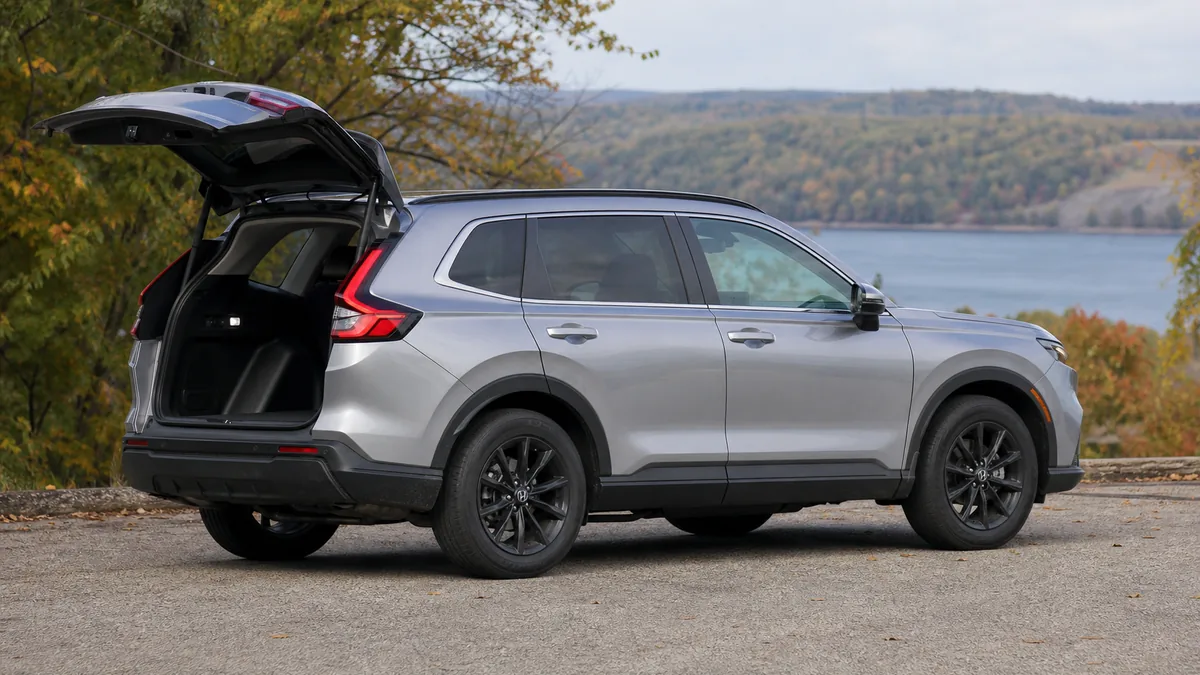
The right SUV is the smallest one that fits your passengers, cargo, climate, and fuel plan. Best practice: choose size first, then drivetrain, then powertrain, because a great hybrid cannot fix the wrong cabin.
What size SUV do you actually need?
Start with people and cargo, not horsepower. A compact SUV can handle most households if it has a wide rear door opening, a low cargo floor, and enough rear-seat space for child seats or adult passengers.
A bigger SUV only helps when the third row or towing capacity is truly used.
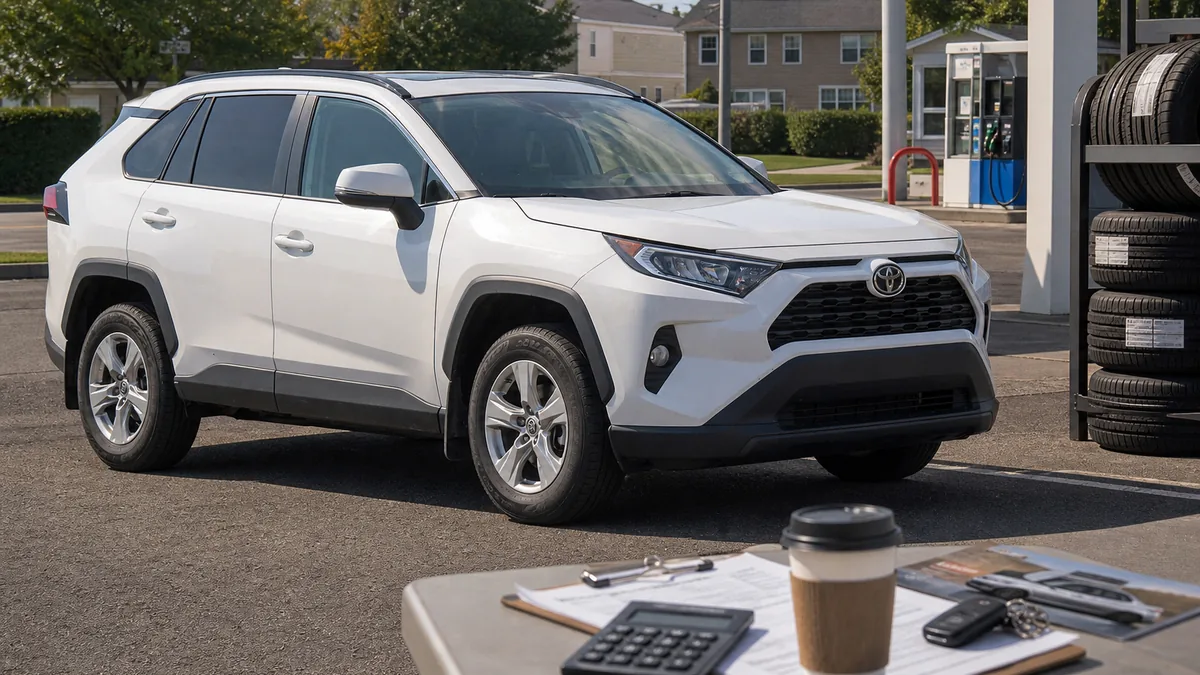
The Honda CR-V is the clean compact-SUV baseline because it has generous cargo space and simple controls. The Toyota RAV4 Hybrid is the efficiency baseline because it brings strong mpg and standard all-wheel drive.
| Need | Start here | Watch for |
|---|---|---|
| Two adults and weekend gear | Compact SUV | Rear visibility and cargo floor height |
| Small family | Roomy compact SUV | Rear door opening and car-seat angle |
| Three rows every week | Minivan or larger SUV | Third-row access and cargo behind row three |
| Snow plus cargo | AWD compact or wagon | Tire choice matters as much as drivetrain |
The wrong-size SUV gets expensive. Too small means folded seats, roof boxes, and frustration.
Too large means higher tire cost, worse parking, and fuel bills that never go away.
Two rows, three rows, or a minivan solve different jobs
Two rows are enough if the SUV carries four people most of the time and cargo can sit behind the second row.
This is where compact SUVs are strongest. They are easier to park, cheaper to fuel, and usually more pleasant than a large SUV in daily driving.
Three rows make sense only when passengers need those seats often. Occasional third-row use is different from weekly third-row use.
If adults need the back row or you still need luggage space with all seats up, a minivan may beat the SUV.
The Toyota Sienna is the honest family check against a three-row SUV. Sliding doors, hybrid mpg, and flexible cargo space solve problems that many SUVs solve with size and fuel consumption.
Is all-wheel drive worth paying for?
All-wheel drive helps the SUV move away on slippery roads, wet hills, gravel, or snow.
It does not make the SUV stop shorter.
Tires do that. This is the part many buyers miss when a dealer sells AWD as a safety blanket.
All-wheel drive also adds weight and cost that follow the car for its whole life, lowering fuel economy every mile and raising the price of the eventual repair. That is another reason to buy it only when your roads and weather genuinely call for it, rather than treating it as a default upgrade.
For most buyers, good winter tires on a front-wheel-drive SUV do more for bad-weather safety than all-wheel drive on all-season tires.
All-wheel drive helps you accelerate on a slick surface, but it does nothing to help you stop or turn, which is where winter crashes happen.
Pay for AWD if you face deep snow or rough roads; otherwise put the money toward tires.
Buy AWD if you live with snow, steep driveways, muddy trailheads, or frequent wet rural roads.
Skip it in mild climates if front-wheel drive already fits your use.
You will save money on purchase price, fuel, and sometimes tires.
If all-weather confidence is the whole point, also compare the Subaru Outback. It is not a traditional SUV, but standard AWD and wagon-like cargo space make it a strong alternative.
Should you choose gas, hybrid, or electric?
Match the powertrain to where the miles happen. Gas is easiest when purchase price is the priority or charging is not realistic.
Hybrid is the best default for drivers who sit in traffic and want fuel savings without plugging in.
Electric is strongest when you can charge at home and your daily range is predictable.
A hybrid SUV usually pays off faster for city and suburban drivers than for low-mileage highway drivers. The RAV4 Hybrid is the clean example because it combines high mpg, standard AWD, and Toyota resale strength.
The Hyundai Ioniq 5 shows why EVs are not only about fuel savings. Cabin space, quick charging, and quiet driving can be the reason to switch.
Just make sure the charging plan is real before you buy.
Cargo usability matters more than the published volume
Cubic feet can mislead you. A boxy cargo hold with a low floor may work better than a bigger number with a sloped roof, high liftover, or awkward wheel-well intrusion.
Bring the objects that shape your week.
Try the stroller, dog crate, cooler, luggage, bike rack, or work bins before you sign.
Fold the seats yourself. Check whether the cargo cover has a storage place.
Test the hatch in your garage height if the SUV will sleep there.
- Measure cargo with the second row in the position you will actually use
- Check the spare tire area for storage and repair access
- Watch for glossy cargo trim that scratches easily
- Sit behind your own driver-seat position before judging rear space
This is also where the best family SUVs list helps, because family use is less about brochure numbers and more about repeatable loading.
Which safety and driver-assist features should be non-negotiable?
Automatic emergency braking, blind-spot monitoring, lane-keeping support, adaptive cruise control, and a clear rear camera are the basics to look for. Most current SUVs offer them, but trim packaging can still make the real price higher than the advertised base model.
Do not pay for tech you will turn off. A helpful system should be predictable, easy to adjust, and calm in traffic.
On the test drive, try lane keeping on a marked road and adaptive cruise in normal traffic if conditions allow.
Safety test-drive checks
- Blind spot view
- Mirrors and alerts should agree
- Camera image
- Check daylight and shade visibility
- Lane support
- It should assist, not fight your steering
- Rear-seat reminders
- Helpful for families with small children
- Headlights
- Test them at night if buying used
For shoppers comparing compact SUVs, the CR-V and RAV4 Hybrid split covers comfort, mpg, cargo, and AWD in the same buyer frame.
Ownership costs separate otherwise similar SUVs
Two SUVs can feel close on a test drive and cost very different amounts over five years.
Tires, insurance, fuel, brake wear, registration, and depreciation can change the real answer after the sale.
The trim you choose often matters as much as the model.
Two SUVs with similar sticker prices can cost very different amounts to keep. Tire size, whether the engine needs premium fuel, insurance group, and hybrid versus gas all move the monthly number more than the trim badge does.
Price a full set of tires and a year of insurance on the exact model before you decide two SUVs are equivalent.
Larger wheels are the common hidden cost. They can raise tire prices, reduce ride comfort, and make pothole damage more likely.
Heavy EVs and performance trims can also use tires faster, while hybrids often save fuel without adding much day-to-day maintenance.
| Cost area | What to compare | Why it changes the answer |
|---|---|---|
| Tires | Size and speed rating | Big wheels cost more and ride firmer |
| Insurance | Exact VIN or trim | Safety tech and repair cost affect premiums |
| Fuel or electricity | Your real miles | City drivers benefit most from hybrids |
| Depreciation | Local used prices | Popular SUVs may hold value better |
| Maintenance | Brake, fluid, and AWD service | AWD and larger vehicles can add cost |
If two SUVs still feel equal, choose the one with the lower ownership risk. A calm, efficient SUV you can afford to maintain is better than a flashy trim that makes every tire replacement painful.
Know when a wagon or minivan fits better
Some needs look like SUV needs but are really truck, wagon, minivan, or sedan needs.
Towing a heavy trailer often points to a truck. Carrying three kids and a stroller every day points to a minivan.
Wanting all-weather traction without extra height can point to a wagon.
Wanting the lowest commute cost may point back to a sedan.
This matters because SUV marketing is broad. It can pull buyers into taller, heavier vehicles when their real job is simpler.
If you rarely use the cargo height, never drive unpaved roads, and only want a higher seating position, compare a sedan or hatchback before paying SUV money.
| Your real need | Better place to look | Why |
|---|---|---|
| Heavy towing | Pickup truck | Frame, cooling, and payload matter |
| Daily third-row loading | Minivan | Doors and floor height beat image |
| Snow plus commuting | Wagon or AWD sedan | Lower running cost and easier roof loading |
| Lowest fuel cost | Hybrid sedan | Less weight and better mpg |
| Weekend fun | Coupe or roadster | Lower weight and sharper response |
The point is not to avoid SUVs. It is to make the SUV prove it earns the extra cost.
If it cannot, the sedan hub or wagon hub may lead to a better daily answer.
Take your own measurements to the showroom
Bring numbers that tie the SUV to your life. Measure the garage opening, the tallest regular passenger, the child seat, the stroller, the dog crate, the driveway slope, and the longest highway trip.
These numbers beat memory.
For cargo, measure length with the second row in use.
For roof gear, measure garage height with crossbars installed. For towing, write down loaded trailer weight and tongue weight, not just the empty trailer rating.
For fuel, estimate annual miles and city share before deciding whether hybrid cost is worth it.
The showroom test should be physical.
Put the child seat in.
Fold the stroller. Sit behind your own driving position.
If the salesperson will not allow a normal fit check, come back with a different store.
A family SUV that only works in conversation does not work in your driveway.
This also keeps the decision focused. This guide helps choose the SUV shape.
The best family SUVs page ranks specific picks after the size, cargo, and powertrain need is clear.
If you are early in the search, start at the SUV hub before picking a model. It keeps body style, powertrain, and size separate, which prevents a trim package from deciding a job that the cabin has not proven yet.
Three measurements narrow the SUV field
Use numbers as guardrails. A compact SUV with about 35 to 40 cu ft behind the second row may work for a family of four.
A three-row SUV with less than 20 cu ft behind row three may still struggle on vacation. A 5,000 lb tow rating does not mean you should tow 5,000 lb with people, cargo, heat, and hills in the real trip.
Write those three numbers beside the model name before you shop. Cargo space, usable third-row cargo, and loaded towing need to survive the showroom conversation.
Towing and roof gear change the vehicle you need
Towing and accessories should be decided before trim shopping. A hitch, cargo box, bike rack, roof tent, or small trailer changes the vehicle's job.
It can also change fuel economy, rear suspension feel, braking distance, and tire wear.
Check the owner's manual for tow rating, tongue weight, roof load, and whether the vehicle needs a factory tow package.
Do not rely on an aftermarket hitch rating by itself. The hitch may be strong enough while the cooling system, wiring, brakes, or rear suspension are not set up for the same job.
Roof loads deserve the same respect. A roof box is fine for trips, but it adds wind noise and reduces efficiency.
A roof tent or heavy gear can change handling because the weight sits high. If that is your weekend plan, a lower wagon like the Subaru Outback may feel more stable than a tall SUV.
Accessories also affect garage fit. Measure the SUV with the rack, box, or crossbars installed.
A vehicle that fits the garage on paper may not fit once the weekend gear stays mounted.
What should you test drive before choosing?
Drive the smallest SUV that seems likely to work, then the next size up.
This makes the tradeoff obvious. The smaller one should feel easier in parking lots, while the larger one should prove that the extra space is worth the cost.
Use the same route for each SUV. Include a rough street, tight turn, highway merge, parking space, and a slow driveway entry.
Listen for tire noise, check seat comfort, and watch how often the transmission or hybrid system hunts.
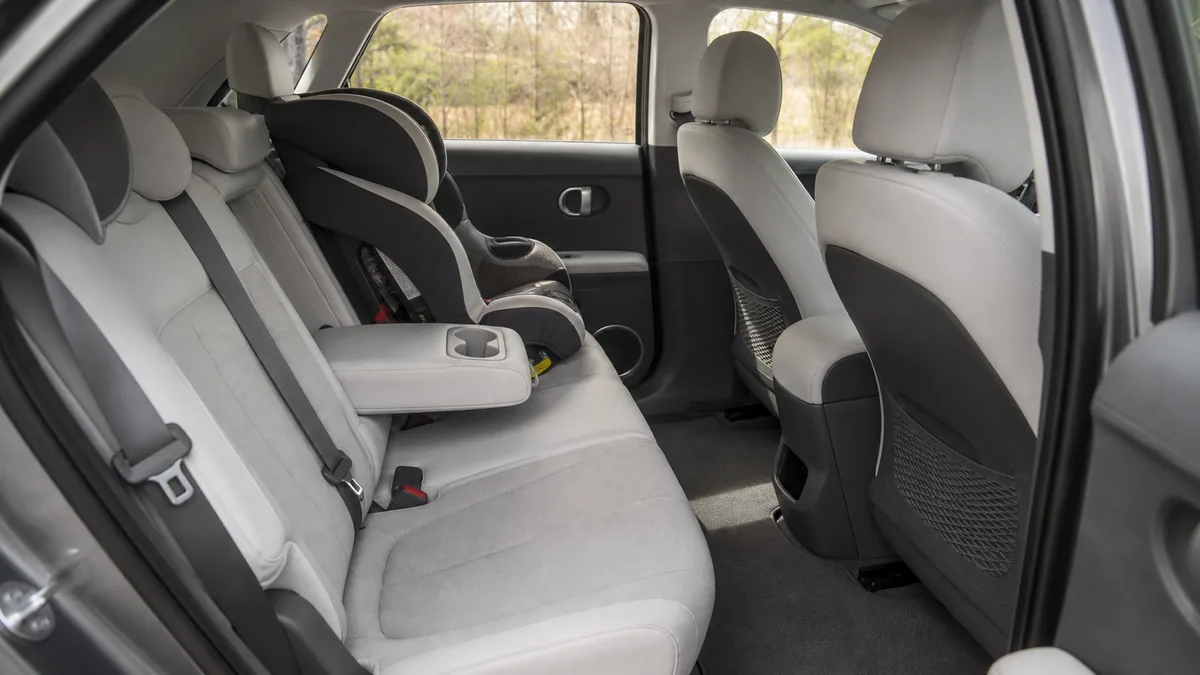
Bring the person who complains first. If your partner, parent, child, or dog will hate the rear seat or cargo height, you want to know before the paperwork.
Buy the smallest SUV that passes the real test
Choose a compact SUV if you need one practical vehicle for commuting, errands, and family gear. Choose a hybrid SUV if fuel cost matters and charging is not part of your life.
Choose an EV SUV or crossover if home charging is easy and your range needs are predictable.
Choose a minivan if the buying problem is doors, child seats, third-row access, and cargo with people aboard. A minivan may not be the image you had in mind, but it can be the better tool.
Best practice: buy the smallest SUV that passes your real passenger and cargo test, then pay for AWD, hybrid, or electric only when your roads and charging setup justify it.