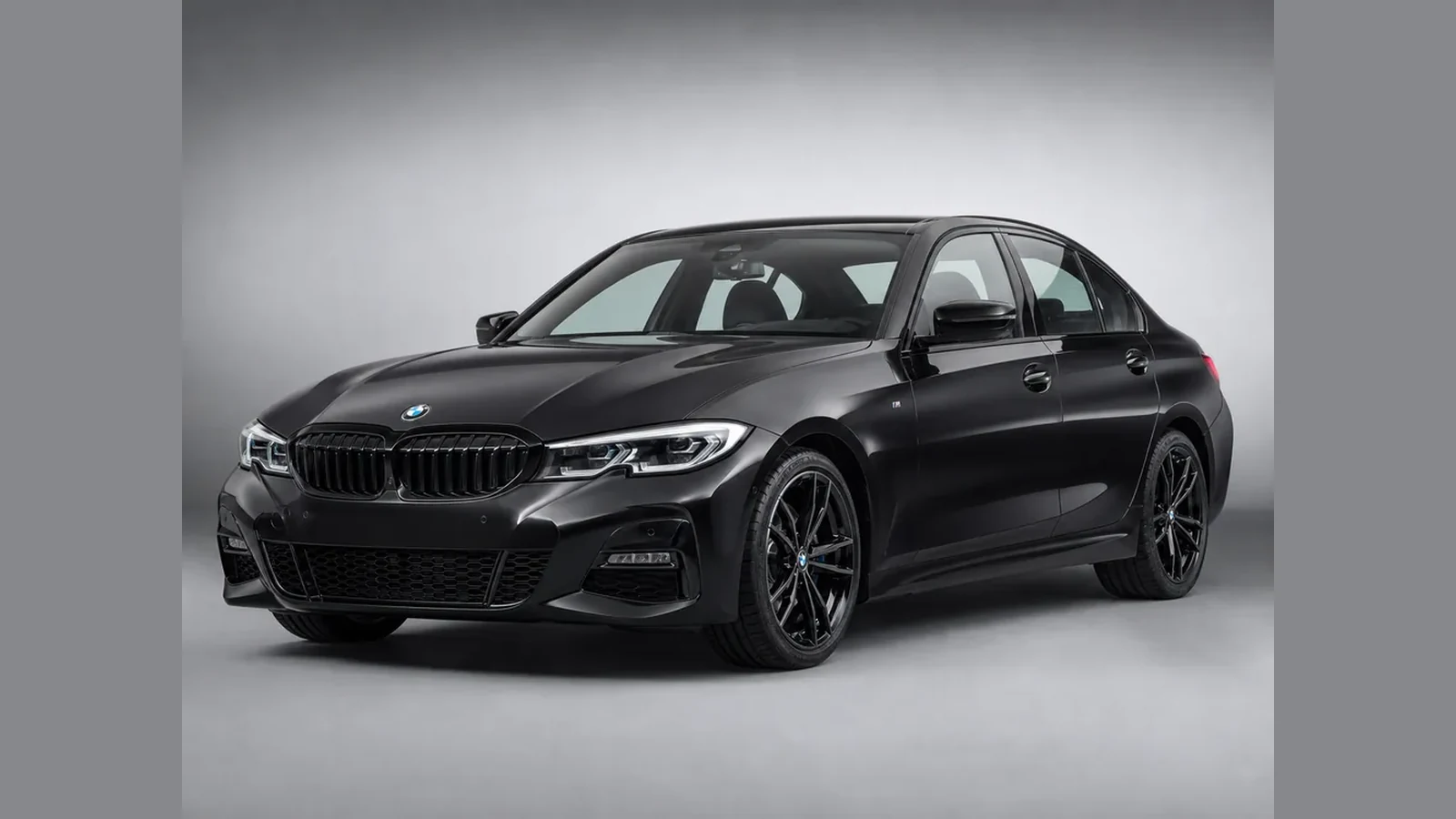
Does the 3 Series still drive like the sport-sedan benchmark?
The first thing every 3 Series shopper wants to know is whether the car still earns its reputation. It does, and the reason is balance more than raw power.
The 3 Series is close to why the modern sport sedan exists. Rivals still get measured against it, so the badge carries a real driving promise rather than only a price tag.
This is the car people shop when they want one vehicle to commute, carry passengers, and still feel sharp on a back road. That mix of jobs is the whole appeal, and it is also why cost and feel have to be judged together.
The first answer is simple. Buy it if you want a sport sedan and you will budget like a luxury-car owner, and skip it if you only want a badge, cheap tires, and basic commuting.
The 330i turns an ordinary road into something you enjoy because the steering stays honest and the chassis settles fast after a bump. You feel what the front tires are doing, and that is the whole point.
Benchmark shows up in small things you can test. Watch how the car brakes, how it tracks at highway speed, and how it settles after a mid-corner bump.
The current G20 car is larger, quieter, and more digital than the ones enthusiasts remember. That helps daily driving, so do not expect a stripped old-school sedan.
The modern car is more polished than some fans admit. This is a fast premium daily with real steering feel, not an analog toy from twenty years ago.
It has a sharper job than it used to. Mainstream sedans grew quieter and more efficient, and SUVs pulled away many family buyers, so the BMW now has to justify its cost with steering, power, and cabin feel.
We rank it near the top of our best fun-to-drive cars list because it gives you engagement and a usable back seat in one car. Few rivals manage both jobs at this price.
Test it the way you will actually use it. A short dealer loop hides the things that matter, so take it on a rough street, a highway on-ramp, and a stretch of open road before you decide.
The car rewards smooth inputs and a good set of tires. A 3 Series on cheap rubber loses the exact steering feel you are paying for.
If you are cross-shopping the pure-driving end, a Mazda Miata is lighter and more playful.
A Chevrolet Corvette is the bigger speed jump instead. The BMW sits between those two because it carries people and luggage while still feeling awake.
330i or M340i: pick the engine before the badge
Two engines split the range, and the choice shapes your budget more than your bragging rights.
The 330i uses a 2.0L turbo four with 255 hp. It has enough punch for passing, enough refinement for a commute, and it keeps service items closer to normal-car money.
That four-cylinder is the center of the lineup for a reason. Its turbo torque makes the car feel quick in real driving without turning every service item into a performance-car bill.
A 330i is enough car for most drivers. It is quick, balanced, and easier to own than the high-output versions, which is why we treat it as the default rather than the compromise.
Economy helps the case too. The four-cylinder returns up to 36 mpg on the highway, which keeps the running cost sane for a car that still feels alert.
The M340i steps up to a 3.0L turbo inline-six with around 386 hp and a 3.8-second 0 to 60 time. It turns the 3 Series into a serious performance sedan, and tires, fuel, insurance, and temptation all climb with it.
| Version | Best buyer | Watch out for |
|---|---|---|
| 330i | Driver who wants balance and lower running cost | Slightly less drama |
| M340i | Buyer who will actually use the pace | Higher tire, fuel, and insurance cost |
Both engines pair with a smooth 8-speed automatic, and both live in the gas-powered cars group, so the split is really about how hard you want the car to push.
Price the M340i beyond its sticker. It can cost more for premium fuel, larger brakes, and stickier tires, so buy it because you will use the performance, not because the payment barely fits.
A well-chosen 330i often satisfies more than an over-optioned M340i that strains the monthly budget.
If your real worry is long-term cost, a Toyota Camry asks far less of you.
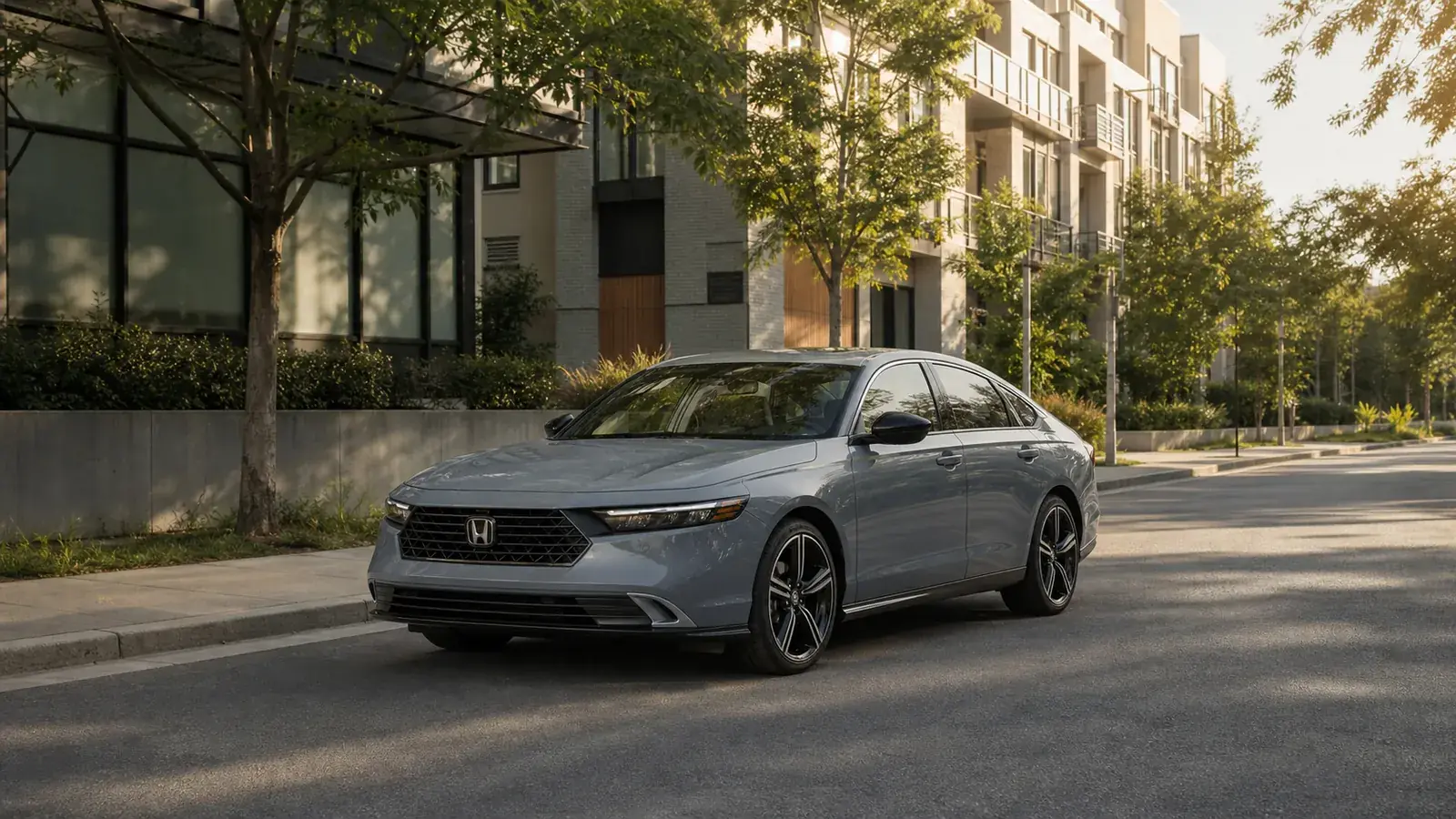
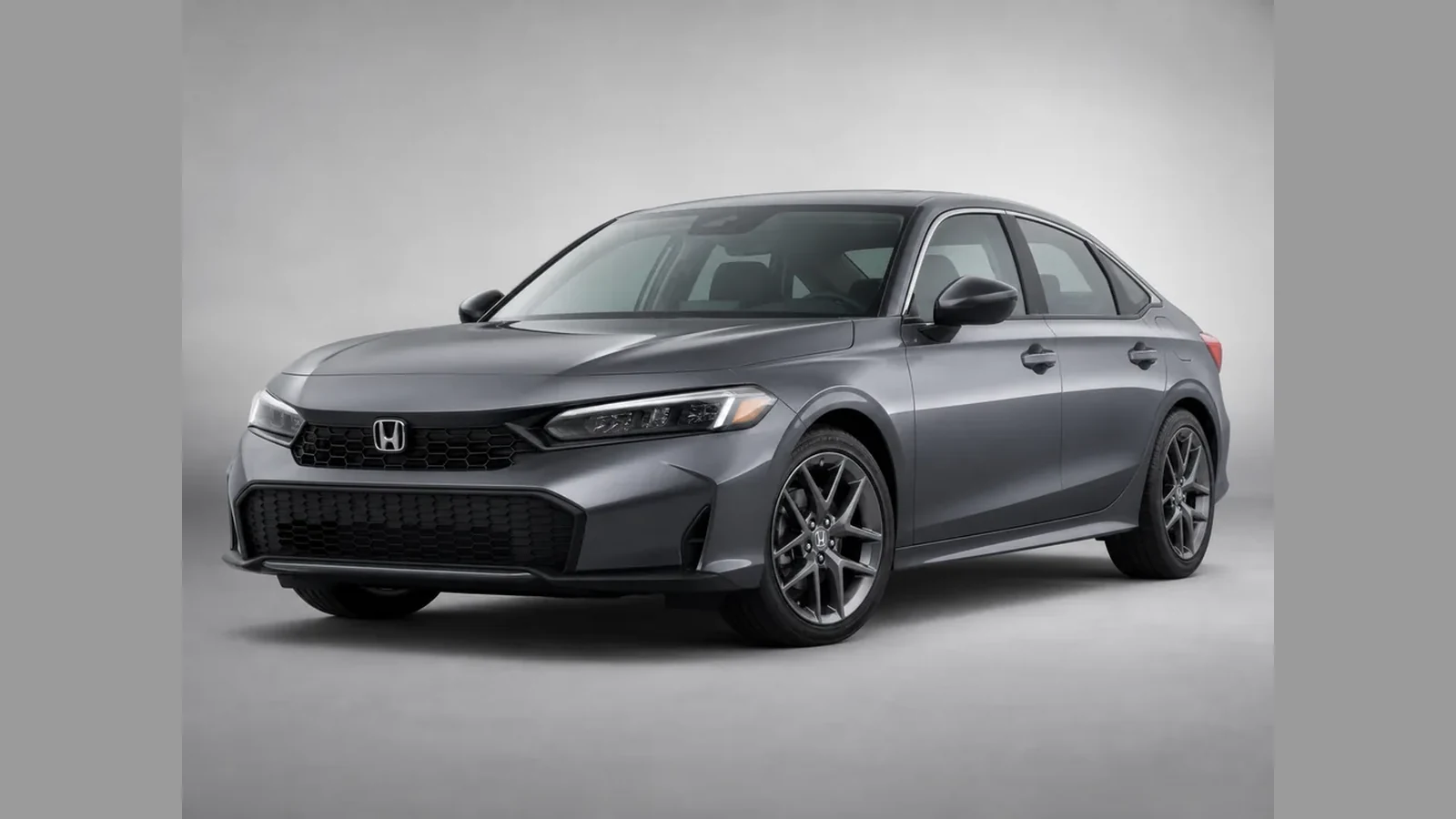
A Honda Civic keeps the size and budget lower still. Both mainstream sedans keep the BMW honest on value.
Rear-drive or xDrive, and the wheels that decide the ride
Two spec choices change how the car feels every day, and neither shows up loudly on a dealer lot.
Rear-wheel drive is standard and keeps the classic sport-sedan feel that made the 3 Series famous. xDrive all-wheel drive is available on both engines and helps in snow and rain.
All-wheel drive is not a free upgrade. It adds weight, complexity, and more tire-matching discipline, so rear-drive stays cleaner if you live in a mild climate and care about steering feel.
Neither answer is wrong. The right one follows your climate, your roads, and how much winter traction you actually need.
Pros
- Rear-drive gives the purest steering and lower running cost
- xDrive adds real traction for snow and wet roads
Cons
- Rear-drive struggles in winter without proper tires
- xDrive adds weight, parts, and tire-matching rules
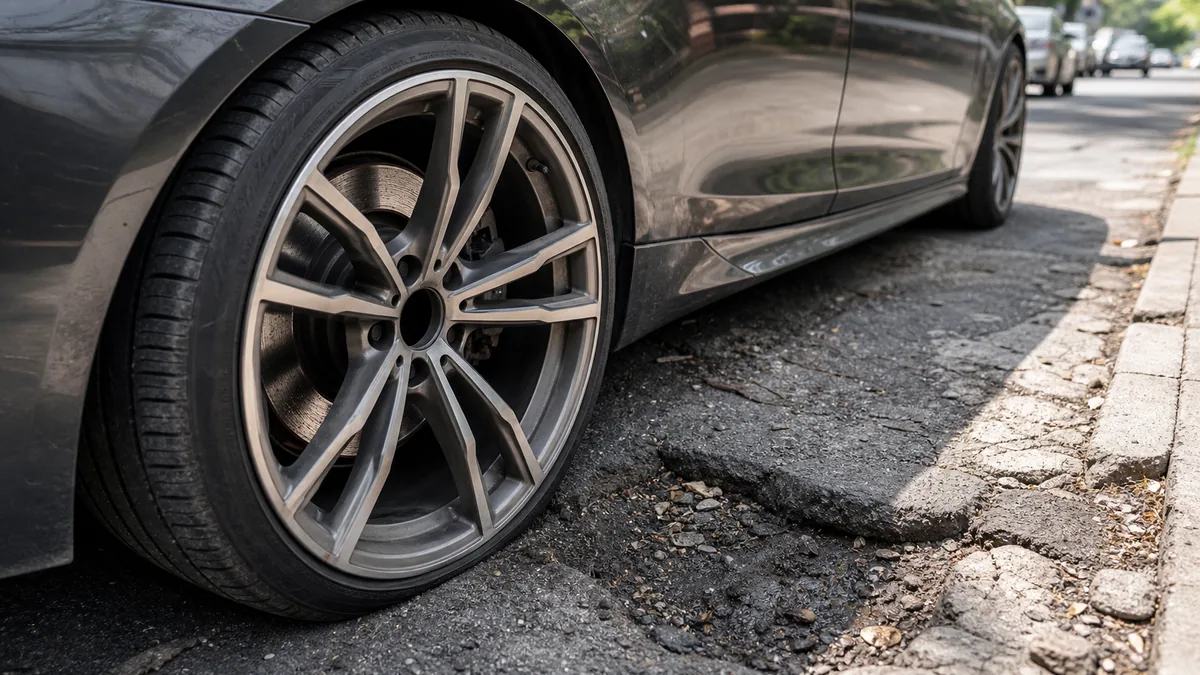
Wheel size is the other quiet decision that follows you for years. Big wheels look right on the lot, but they can ride harder and make bent rims and sidewall bubbles more likely on rough pavement.
Large-wheel trims sell on style, and they carry more pothole risk and higher tire cost. Smaller wheels with good tires often make the car better on real roads.
Choose the wheel and tire package for your streets, not for the showroom photo.
One more configuration deserves a note. Used plug-in hybrid versions exist for short-commute buyers with charging, though they add a more complex used inspection to the list.
Try both on your own commute if you can. The gap between rear-drive and xDrive is easier to feel on a wet on-ramp than to read off a spec sheet.
If the classic layout is what draws you, see how it stacks up against other rear-wheel-drive cars before you commit to xDrive. A rear-drive 330i on the right tires is still the sweet spot for most drivers.
Living daily with a compact sport sedan
A 3 Series has to work as a normal sedan before the handling means anything. Daily practicality earns or loses the sale here.
The trunk holds 17.0 cubic feet, and the body stretches 185.9 inches long, so it swallows a grocery run, a stroller, or airport luggage without drama. The five-seat cabin is genuinely usable for four adults.
The larger, quieter G20 body helps here. It makes long commutes calmer than older 3 Series cars, which matters when the car has to double as your everyday ride.
The middle rear seat is the catch. It is fine for a short hop, but you do not want an adult back there on a long trip, so test the five-seat sedans layout with your real passengers.
Seats and screens deserve a real check. Sport seats fit some bodies well and pinch others, so drive the car long enough to judge these before you fall for the badge.
- Seat comfort for your body over thirty minutes
- Screen menus and phone pairing
- Forward and over-shoulder visibility
- Rear-seat room with the people you actually carry

Families can make it work, but it stays a compact car. A child seat, a stroller, and an adult passenger will fit, though the space is tighter than an SUV.
If cargo height or rear-seat width matters more, a Honda CR-V gives more room and easier access.
A wagon like the Subaru Outback adds even more all-weather usefulness. Test the trunk opening, rear doors, and child-seat angle before you choose style over space.
It can be a family car for small families, couples, and commuters. It is not a family-hauling cheat code, so match the car to how many people and how much gear you move on a normal week.
Buy the 3 Series when you want daily polish and driving feel in one car, not when you need maximum family space.
What a 3 Series really costs versus a mainstream sedan
The monthly payment is not the full budget on a luxury sport sedan. Consumables tell the real story.
Premium fuel is recommended or required, tires come in sport sizes that cost more, brakes are larger, and alignment work runs higher than on a mainstream car. None of that makes it a bad buy, but it does put running cost inside the decision.
| Cost item | Why it matters | Smart buyer move |
|---|---|---|
| Tires | Sport sizes can be expensive | Price the exact size before buying |
| Brakes | Performance parts cost more | Measure pad and rotor life |
| Fuel | Premium affects every fill-up | Estimate with your annual miles |
| Insurance | Repair cost drives the quote | Quote the VIN before a deposit |
Write the budget before the test drive, because the car is persuasive once you are behind the wheel. Build a five-year view first.
- Payment and registration
- Premium fuel at your annual mileage
- Insurance quoted on the actual VIN
- Tires, brakes, and alignment work
- Scheduled service and a repair reserve
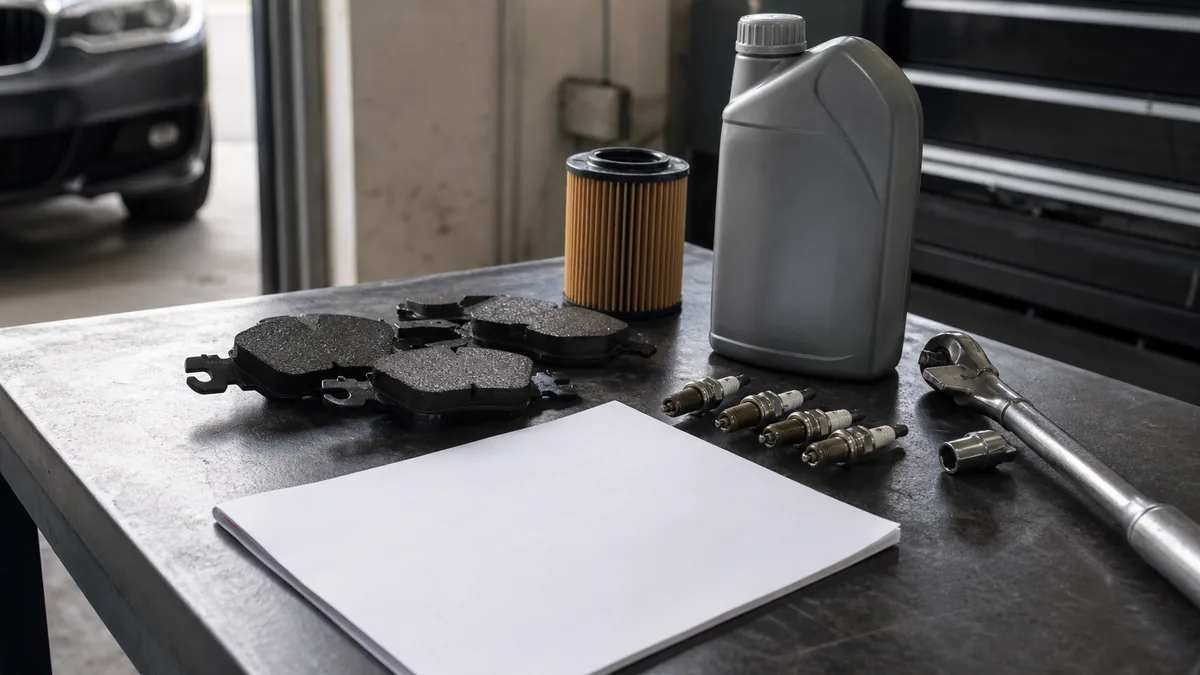
Resale is decent, but depreciation is steeper than a Camry, which cuts two ways. It costs the first owner more, and it hands the used buyer a discount.
That discount is real, and it hides a trap. A used listing can sit close to a mainstream sedan on price while carrying a $1,200 tire and brake catch-up bill the next owner pays.
Against a mainstream sedan the BMW feels more precise and quicker, but a Civic versus Camry shopping trip shows how much less those cars ask of an owner. The 3 Series has to earn its cost every time you drive it.
The car sits in luxury car pricing at $45,000 to $60,000 new, which is why the used route tempts so many shoppers. Luxury depreciation lowers the buy-in, not the service standard.
A short-term lease can change the math, so run the numbers in our lease versus buy guide before you sign.
The M340i is faster and more emotional, and it can cost more for fuel, tires, insurance, and brakes across those same five years. Weigh that gap before the badge talks you into it.
If a full five-year cost picture feels uncomfortable, the cheaper sedan is the better car for your life.
Reliability, records, and inspecting a used one
Reliability sits around average, and that word confuses shoppers who expect Toyota-style ownership. The turbo engines are strong and durable, but out-of-warranty electronics and cooling parts cost more to fix.
German luxury cars ask for more once the warranty ends. Electronics and cooling components are the usual sources of a larger bill, so the car punishes neglect more than a basic commuter.
The common issues track with age and miles.
- Oil leaks from the valve-cover and oil-filter housing gaskets
- Cooling-system parts that wear out over time
- Occasional electronic glitches in cameras, sensors, and screens
A 330i with consistent service is a far better bet than an M340i with cheap tires, missed fluid changes, and unclear modifications. Records matter more than a low odometer here.
The modern turbo engines have a better reputation than old BMW horror stories suggest. That does not remove the need for paperwork, because condition and history decide how this car ages.
A low-mile car can still be the worse buy. One that sat outside, ran hard, or skipped fluid service can trail a higher-mile car with a clean folder of receipts.
- E46 eraCompact, analog, and beloved by enthusiasts
- E90 eraSharper feel with more age-related upkeep now
- F30 eraMore turbo torque and more comfort
- G20 eraStrong pace, better tech, larger and more polished
Before you negotiate, get a proper pre-purchase inspection. A quick test drive is not enough, because the expensive problems do not always announce themselves.
- Scan the car for stored electronic faults
- Inspect for oil and coolant leaks around the bay and undertray
- Check brakes, rotors, and suspension bushings
- Look for uneven tire wear and mismatched brands
- Test every screen, camera, sensor, and driver-assist feature
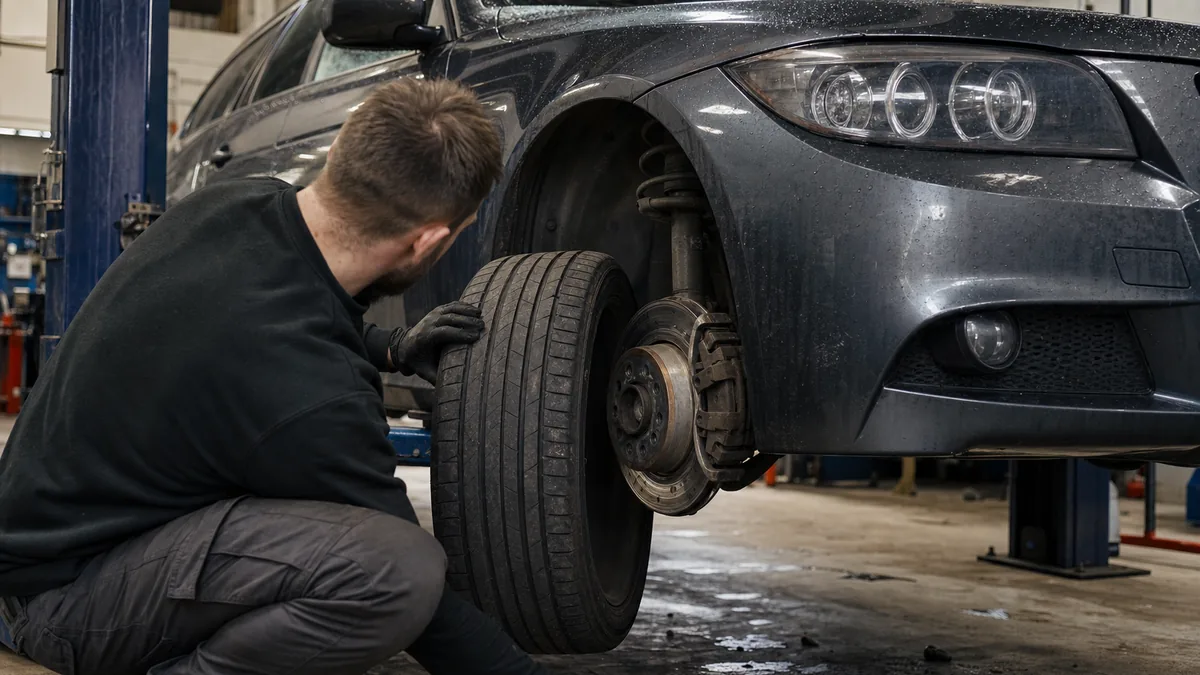
Warranty coverage changes the used answer. A certified pre-owned car can be worth its premium when it cuts repair uncertainty, and a lease return can be traceable yet still hide hard driving near turn-in.
Ask for the last two service invoices before you talk price. A documented oil and cooling history is the cheapest insurance you can buy on a used BMW.
Tire matching matters more on this car than on a soft commuter, because the steering reveals small problems fast. If the car wanders or wears its shoulders, start with pressure and alignment using the basics in our tire-pressure checklist.
Do not skip basic service knowledge because the badge feels premium. A buyer who understands an engine-oil routine asks sharper questions even when a shop does the work.
Used depreciation, and who should buy or skip it
Depreciation is the quiet reason a used 3 Series can look like a bargain next to a new mainstream sedan. A lightly used car can cost far less while still feeling modern.
The trap is buying one only because the used price sits close to a Camry. The service bill does not depreciate the same way, so a cheap listing can hide a tire, brake, or diagnostic catch-up bill.
The right buyer likes the car for daily details, not only fast numbers. They notice seat position, brake feel, steering accuracy, and how the car tracks at highway speed, and they accept that those details need better tires and better maintenance.
This buyer has often outgrown a small fun car. A Miata is purer, yet it cannot carry the same life, and the BMW gives some of that driving interest back in a normal sedan body.
It is weaker for a buyer who mostly wants a quiet badge car. If comfort and low stress matter more than response, a mainstream sedan or a compact SUV is easier to own.
Start a used search with the same discipline as any new versus used decision. Warranty, service records, and inspection access can be worth more than a small discount, because the lowest price is often cheap for a reason.
The recommended pick is a clean 330i with sensible wheels, strong records, and a warranty plan that matches your risk. Choose xDrive if your weather demands it, and choose the M340i only when the extra pace is worth the extra running cost.
Do not buy the cheapest 3 Series you can find. Buy the one with the best evidence, because service records, tire condition, brake life, and a clean diagnostic scan matter more than a shiny detail.
Choose the M340i when the power is the point and the budget stays comfortable. Avoid tuned mystery cars unless you have specialist inspection help, because a cheap build with unknown parts is the real risk here.
A bad 3 Series does not become cheap because the sticker is lower. It becomes a deferred repair plan, so pay for evidence and keep a service reserve.
If you are weighing this against the wider sedan class, the 3 Series stays a sharp pick. It is easier to park than a 5 Series and more practical than a coupe.
It is also the sensible entry point among other BMW models. The car keeps the driving reason alive without pushing costs into M-car territory.