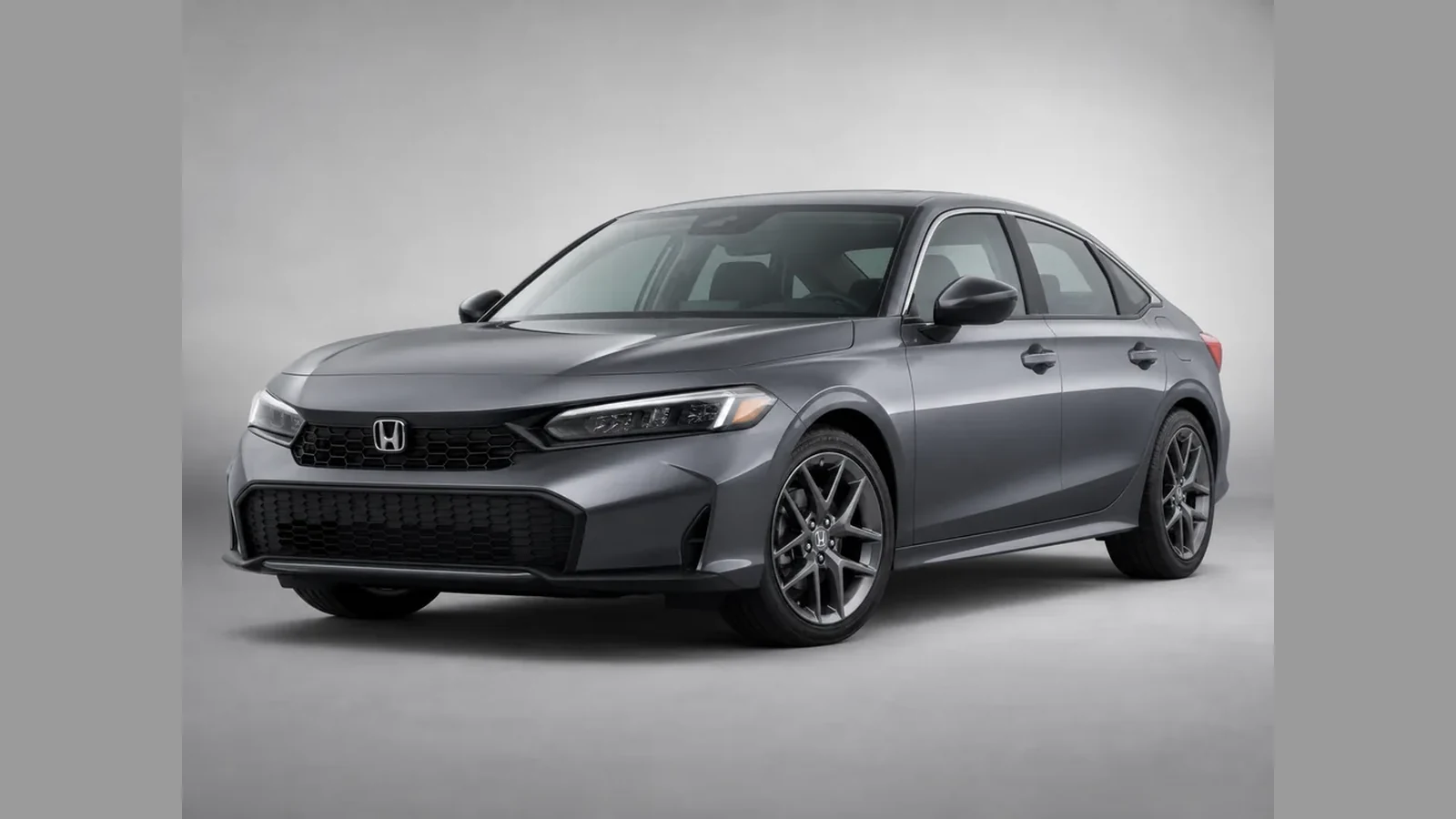
The Honda Civic is the better first move if purchase price, insurance, parking, and driving feel matter most. The Toyota Camry is the better long-term sedan if you want a quieter cabin, more rear-seat room, hybrid mpg in every trim, and available all-wheel drive.
Best practice: buy the Civic for value and easy ownership, buy the Camry if the sedan will carry adults often or replace a small family SUV.
Which sedan should you buy first?
Start with the job the car has to do every week. The Civic is a compact sedan that feels light, costs less to buy, and fits new drivers or commuters who still want some steering feel.
The Camry is a midsize sedan that now comes hybrid-only in the U.S., so it gives you a calmer ride and strong fuel economy without a charging routine.
The better default for most budget-focused buyers is the Honda Civic. It is cheaper up front, easier to park, and still roomy enough for four adults on normal trips.
The Toyota Camry becomes the better pick when rear-seat comfort, highway quiet, and optional AWD matter more than saving the first few thousand dollars.
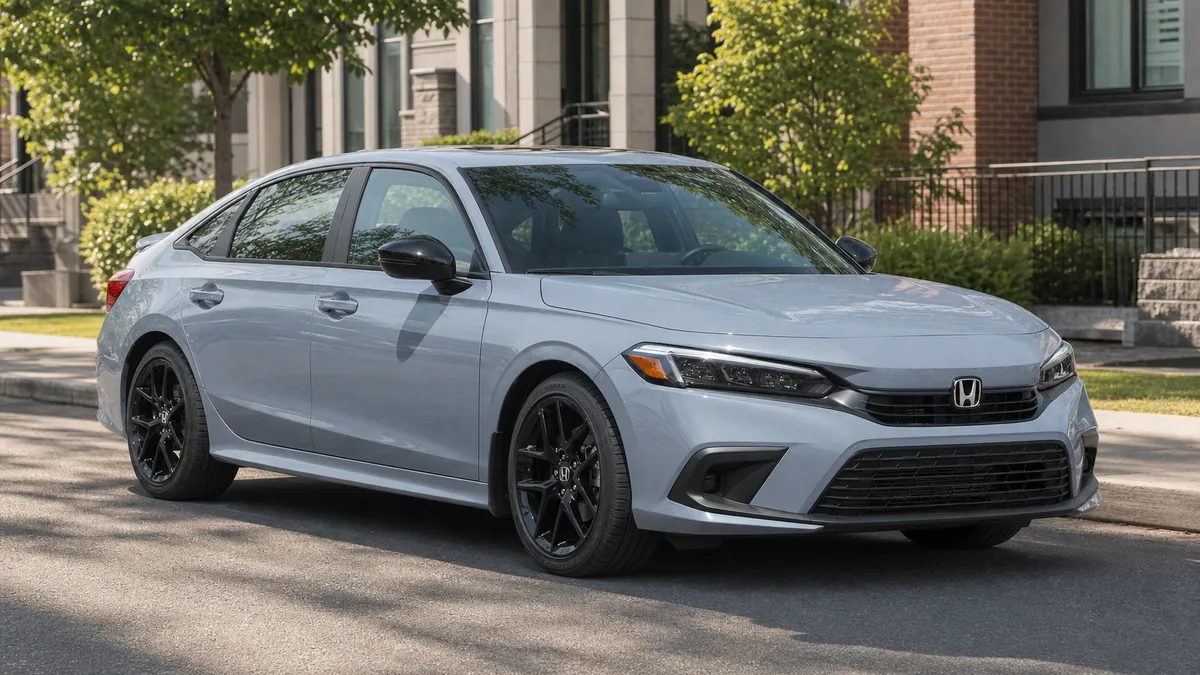
How does the size gap change daily life?
The size difference is more than a spec-sheet line. Civic shoppers usually care about a lower monthly payment, simple parking, and a car that does not feel dull on a short drive.
Camry shoppers usually care about rear-seat space, a quieter cabin, and a trunk that works better for luggage or a stroller.
Parking is where the Civic pulls ahead. Its shorter length slots into tight city spaces and crowded lots that make the Camry a two-attempt job, which matters more than horsepower for a driver who parks on the street every day.
On fuel, the two are closer than their badges suggest. The Civic Hybrid reaches up to 50 mpg city and the Camry, now hybrid-only, up to 52.
Both are cheap to run, so fuel economy is rarely the reason to pick one over the other; interior space and driving feel decide it.
In practice, the Civic is enough car for a single driver, a couple, or a small household that rarely carries tall rear passengers.
The Camry feels like the adult sedan. It has the calmer ride and wider cabin that matter when the same car handles commuting, airport runs, and family duty.
| Question | Better pick | Why it matters |
|---|---|---|
| Lowest purchase price | Civic | Lower starting price keeps payment and sales tax down |
| Rear-seat comfort | Camry | Midsize width helps adults and child seats |
| Parking ease | Civic | Shorter footprint is easier in garages and city spaces |
| Highway quiet | Camry | The cabin feels more relaxed on long trips |
| Snow traction | Camry | AWD is available, while Civic stays front-drive |
If you are also considering a small crossover, compare the Camry's cabin with the Honda CR-V and Toyota RAV4 Hybrid. A sedan can be cheaper and more efficient, but a crossover still wins if cargo height or easier entry matters.
What does the fuel bill look like now that the Camry is hybrid?
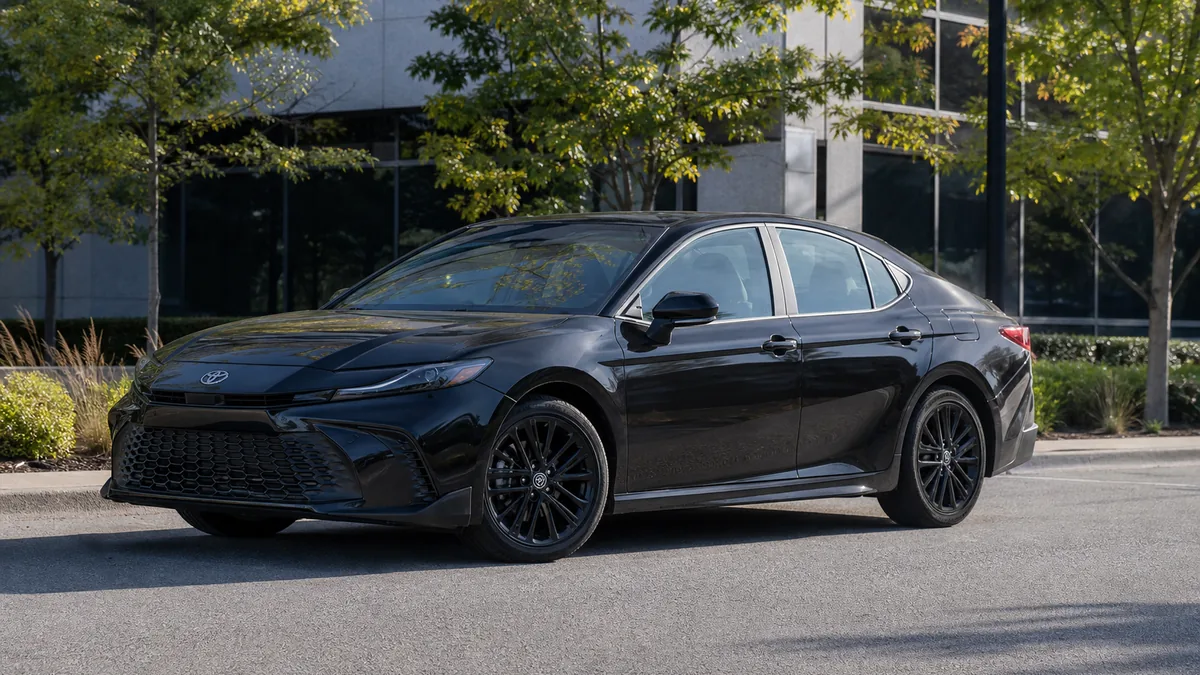
The Camry changed the old sedan math because the current U.S. lineup is hybrid-only. Efficient Camry trims can reach the low-50s mpg range in EPA testing, while the Civic counters with strong gas economy and an available hybrid powertrain on newer trims.
Both can be cheap to fuel, but they get there in different ways.
The Camry's larger engine makes it the easier highway car, with 225 to 232 horsepower against the Civic's 150 to 200. The Civic feels lighter and more eager in town, while the Camry is calmer and quieter at speed, which points a long-commute buyer toward the Toyota and a city driver toward the Honda.
For a buyer who drives a lot, the Camry's hybrid system can narrow the ownership-cost gap created by its higher price. For a buyer who drives fewer miles, the Civic's lower purchase price may matter more than chasing the highest mpg number.
Do the fuel math against your real mileage. A 25,000-mile commuter has a different answer from a 7,000-mile driver who mostly stays near home.
If fuel savings are the whole point, also read our best hybrid cars ranking before choosing a sedan.
Which is the safer used buy?
Both nameplates have strong reputations, so condition matters more than badge loyalty. A clean Civic with service records is a better buy than a neglected Camry, and the reverse is just as true.
Used shoppers should check accident history, tire quality, service records, and whether the seller will allow an inspection.
Both hold their value unusually well, which changes the used math. Because clean examples of either car command strong prices, the real saving on the used market comes from buying a well-kept mid-mileage example with records rather than chasing the cheapest listing, which is usually cheap for a reason.
The Civic is attractive used because it starts cheaper and has wide parts support. The Camry is attractive used because resale is strong and the cabin usually wears well.
The risk is overpaying for the reputation instead of the actual car in front of you.
The new versus used guide is the right next stop if your budget can reach a new Civic but only a used Camry. For model-specific checks, read the Civic reliability page and the Camry reliability page.
What should you test drive back to back?
Drive the Civic first if you want to feel the lighter car before the Camry's extra isolation changes your expectations.
On the Civic route, use broken pavement, a tight parking lot, and one highway merge. You are checking ride noise, seat comfort, and whether the CVT or hybrid response feels natural.
Then drive the Camry over the same route. Pay attention to seat height, rear-seat access, steering weight, and how the hybrid system blends gas and electric power.
If you live with snow, test an AWD Camry against a front-drive trim rather than assuming AWD is worth the extra cost.
- Bring the same child seat, stroller, or work bag you use every week
- Price insurance on both VINs before choosing a trim
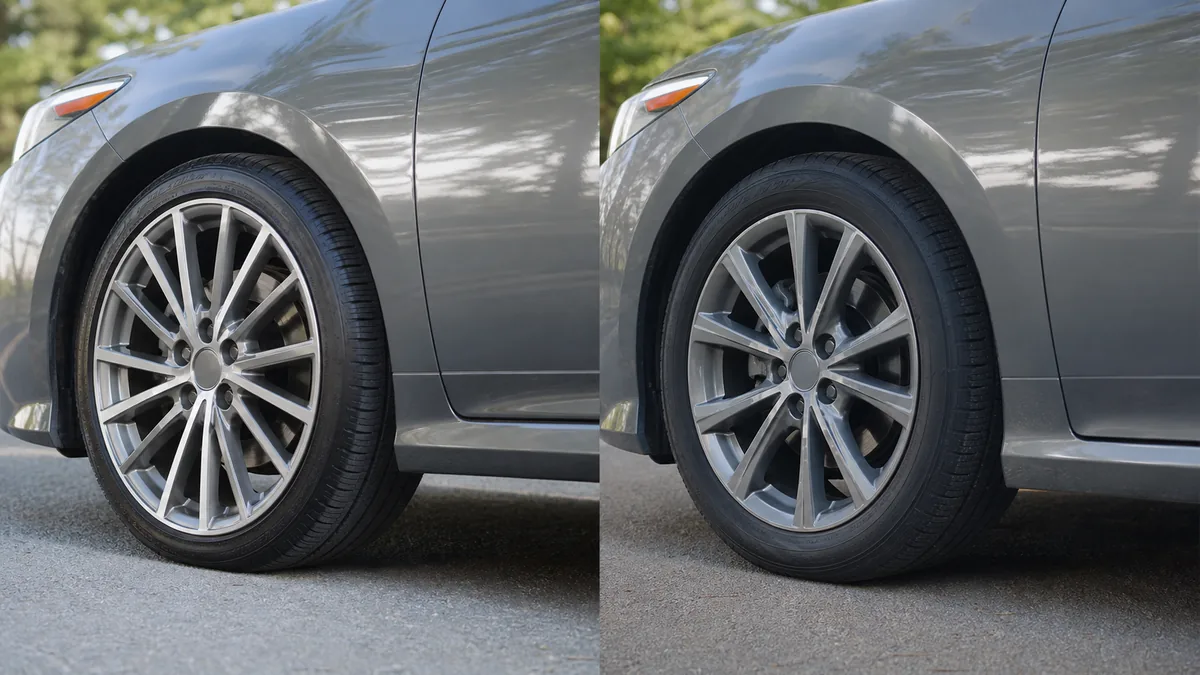
- Compare tire sizes because larger wheels raise replacement cost
- Check the tire pressure routine after purchase because it protects mpg and tire life
Final pick by buyer type
The best-practice pick for a tight budget is the Civic. It gives you the lower buy-in, easier parking, strong resale, and enough space for normal use.
It also feels more awake on a back road, which matters if you do not want your sensible car to feel numb.
Buy the Civic if you commute alone or in a small household and want the lower price and easier parking. Buy the Camry if you carry adults in the back regularly or spend long hours on the highway, where its extra size and power pay off every trip.
The best-practice pick for a one-car household is the Camry.
The reason is simple. It gives you more room, a quieter highway ride, hybrid fuel economy, and the option of AWD without moving into a taller SUV.
If you still feel split, choose the Civic when the monthly cost makes you hesitate. Choose the Camry when you picture the back seat full more than once a week.
The wrong move is stretching for the Camry if the Civic already does the job.
Sources and methodology
We weighted purchase price, fuel economy, cabin use, drivetrain choice, reliability pattern, and likely ownership cost.
Official model specs came from Honda and Toyota, while fuel-economy framing uses EPA data. We also checked this comparison against our sedan hub, hybrid hub, and repaired model profiles so the recommendation fits the site's internal research spine.
What changes if this is your only car?
If this sedan is the only car in the household, the Camry earns more weight. Adults fit better in the back, the cabin is quieter on highway trips, and the trunk is easier to live with when the car has to handle airport runs, child seats, and weekend bags.
As an only car, the Camry's extra room stops being a luxury and starts being useful. The wider back seat and larger trunk handle occasional passengers, airport runs, and bulky loads that would crowd a Civic.
If a second car covers those jobs, the Civic's lower cost and city-friendly size win instead.
The Civic still works as an only car for many buyers, but it asks more discipline. Bring the largest passenger, the usual bag, and the child seat or stroller before assuming the lower price solves everything.
A small sedan that fits on test day can feel tight after two years.
Only-car check
- Mostly solo commuting
- Civic advantage
- Adults in back weekly
- Camry advantage
- Street parking
- Civic advantage
- Highway trips
- Camry advantage
- Winter traction need
- Camry AWD advantage
Which one is safer to buy used?
Condition matters more than the badge because both models have strong reputations. The safer used Civic is a clean, lightly modified car with records and normal tire wear.
The safer used Camry is a hybrid with smooth gas-electric operation, no warning lights, and service records that match the mileage.
Both earn strong reliability records, so condition matters more than model. On a used Civic, avoid the sportiest trims for a first car and check for clean accident history.
On a used Camry, confirm the hybrid system is healthy on newer cars.
In both cases, records beat a low price.
Watch the price gap. If a used Camry costs close to a newer Civic, the Civic may be the better risk because age, warranty, and tire condition can erase the class advantage.
If the Camry is clean and priced fairly, its extra comfort can justify the step up.
- Check tire age and matching brands
- Confirm oil changes and brake service
- Test every driver-assist warning light
- Compare insurance before choosing the larger car
What should decide the final choice?
The final choice should come from the daily route, not the spec sheet. The Civic is easier to recommend when the car mostly commutes, parks in tight places, and needs low running costs.
The Camry is easier to recommend when the car carries people, spends time on the highway, or needs AWD.
Let the back seat and the commute decide. Sit in the rear of each, drive your real route in both, and price the exact trims side by side.
The badges are close enough on reliability and fuel that the deciding factor is which car fits your space and driving needs better.
Do not pay Camry money just to get a Toyota badge.
Do not buy the Civic only because it is cheaper. Buy the sedan whose weak points are least likely to bother you after the first month.