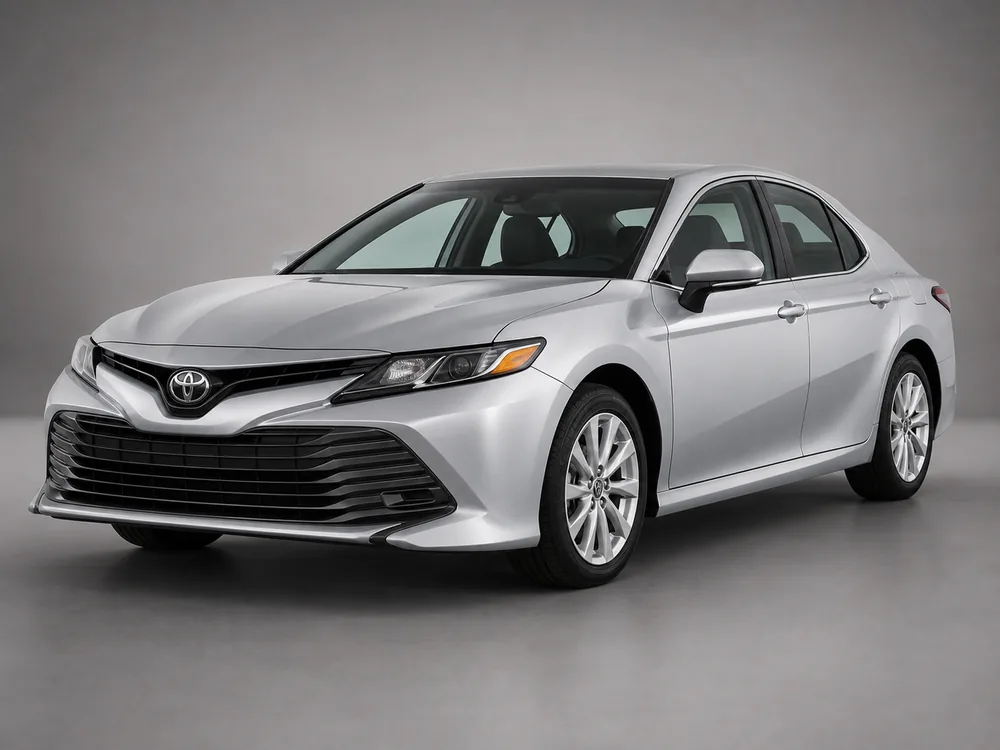
What are the most common Toyota Camry problems?
The Camry's problem list is shorter than many midsize sedans, but the issues are not all equal. Oil consumption on older 2.
4L cars matters far more than a slow infotainment screen. Suspension noise matters if it points to neglected wear.
Hybrid warnings matter because they change the inspection path.
Best practice: treat Camry problems by year and engine, not as one generic Toyota reputation. A clean year with poor records can still be a bad buy.
| Problem | Years most worth checking | Buyer risk |
|---|---|---|
| 2.4L oil consumption | 2007-2009 | High if history is unclear |
| Infotainment lag or freeze | 2018-2019 | Usually annoyance or update issue |
| Suspension clunks | Any higher-mile car | Normal wear or neglect clue |
| Wind noise and seals | Some used examples | Comfort issue, not major failure |
| Hybrid cooling intake neglect | Hybrid models | Reliability risk if ignored |
Which Camry problem is the biggest red flag?
Oil consumption on 2007 to 2009 2. 4L cars is the biggest red flag because it can lead to low oil level, engine wear, and expensive repairs.
If the seller cannot explain oil use, service history, or repair campaign status, do not treat the car like a normal cheap Camry.
Check the dipstick before the test drive and again after. Look for oil-change records, oil stains, smoke, and owner notes about topping up.
A car that needs oil every few fuel stops is not a normal maintenance bargain.
Are newer Camry problems serious?
Newer Camry problems are usually less severe. On 2018 to 2019 cars, infotainment freezes, Bluetooth issues, and screen lag are worth testing.
These can often be software or module annoyances rather than drivetrain failures.
Drive the car long enough to test the screen, phone pairing, backup camera, climate controls, and steering-wheel buttons. A five-minute test drive can miss the daily irritation that makes a good mechanical car annoying.
What suspension and tire issues should you check?
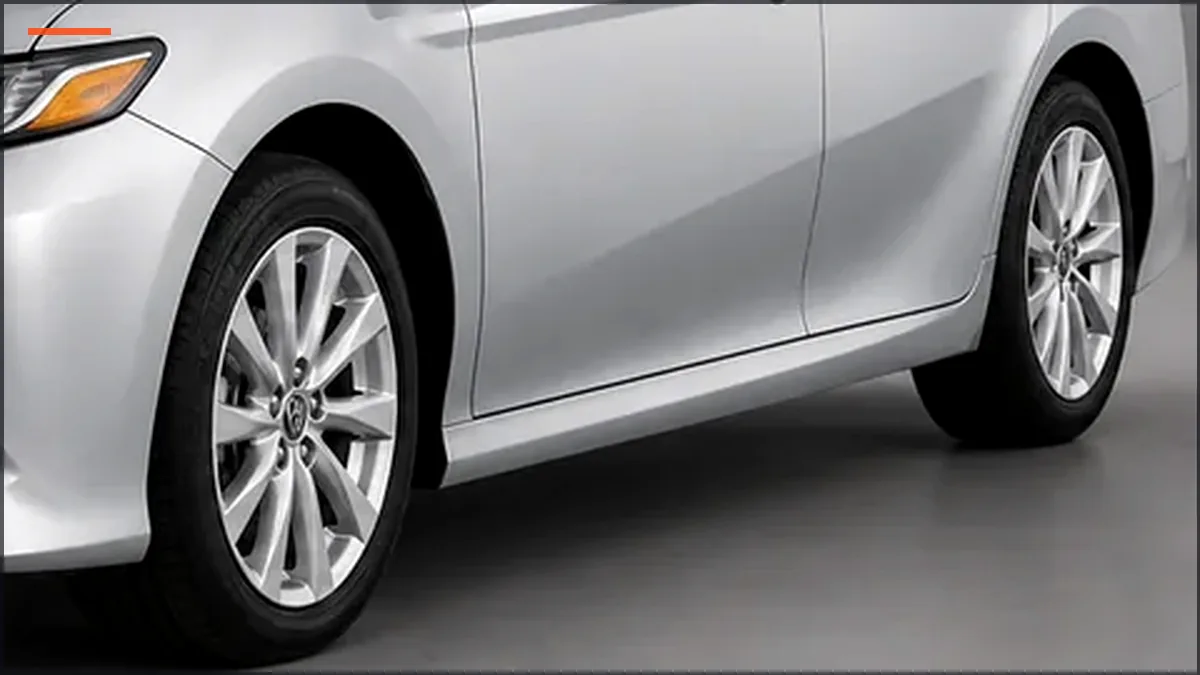
Suspension noise is common on older used cars, not only Camrys. Listen over rough pavement, speed bumps, and driveway entries.
Clunks can point to struts, mounts, control-arm bushings, sway-bar links, or loose hardware.
Tire wear tells the same story. Mismatched tires, uneven wear, cheap replacements, or low pressure can show neglect.
Use a manual gauge after purchase and follow the tire pressure guide because tire condition affects mpg, noise, and safety.
Do Camry Hybrid problems differ?
Hybrid Camry checks are different, but not scary. The hybrid battery, cooling intake, inverter cooling, 12-volt battery, and smooth gas-electric transition matter.
A hybrid warning light is not something to clear and ignore.
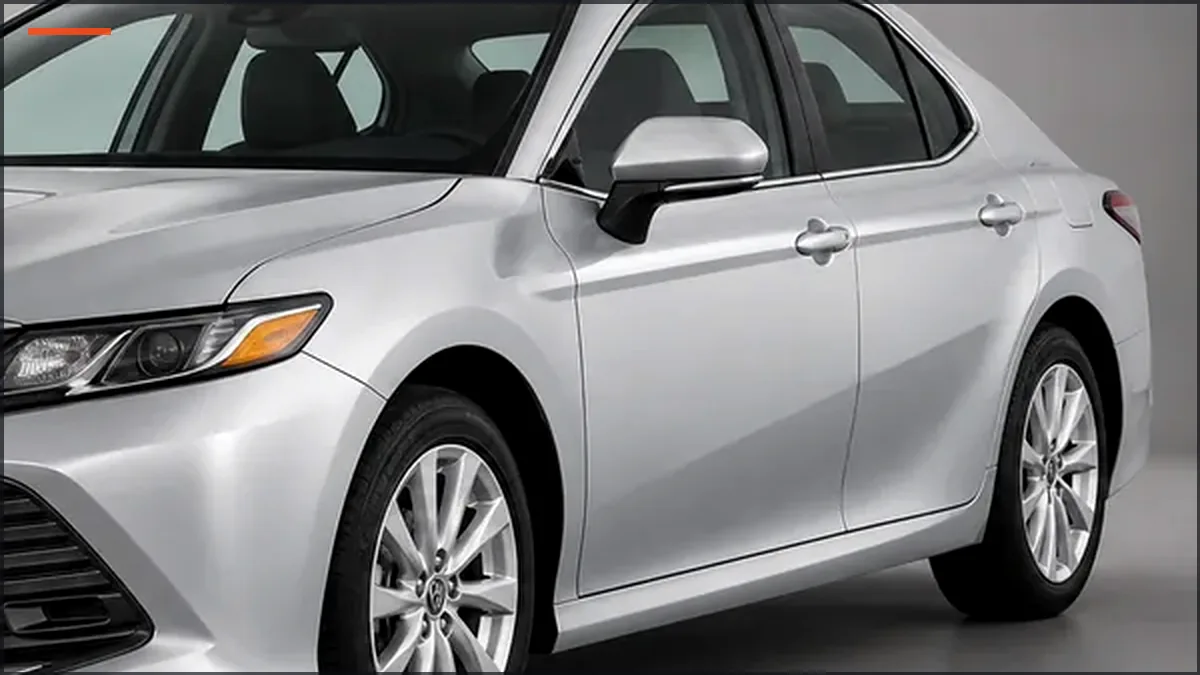
Ask whether the battery cooling intake has been kept clean, especially if the car carried pets or dusty cargo. A clogged cooling path can make the battery work hotter than it should.
How should problems change the price?
Separate walk-away problems from negotiation problems. Oil consumption with no proof is a walk-away problem.
A worn set of tires is a price problem. A minor infotainment annoyance may be a price problem if the car is otherwise clean.
- Walk away from unclear oil consumption on known-risk years
- Negotiate for tires, brakes, weak battery, or suspension wear
- Ask for diagnostic proof on warning lights
- Use the Camry reliability page to decide whether the year is worth pursuing
- Compare the Civic vs Camry choice if a used Camry is priced too close to a newer compact
What should you ask the seller?
Ask direct questions before the test drive. Does the car use oil between changes?
Has the transmission ever been serviced or diagnosed? Were recalls and service campaigns completed?
Why are the tires mismatched or worn unevenly? Has the car ever had water damage, airbag deployment, or structural repair?
The answer matters less than the proof. A seller who says no issues but has no records is not giving you enough.
A seller who shows oil-change receipts, tire receipts, and a clean inspection gives you something to evaluate.
Seller proof to request
- Oil history
- Receipts or shop records, not memory
- Accident history
- Report plus visual inspection
- Diagnostic work
- Printout for any warning light
- Tire replacement
- Matching tires and alignment explanation
- Hybrid service
- Cooling intake and warning-light history
Which Camry problems are normal age?
Normal age problems include weak 12-volt batteries, worn tires, brake wear, suspension bushings, faded trim, and small interior rattles. These can be price issues rather than walk-away issues if the car is otherwise clean.
The difference is pattern and cost. One worn item is normal.
Several worn items at once can show neglect. If the tires, brakes, fluids, battery, and suspension all need work, the car should be priced like a catch-up project.
Use the oil change guide and tire routine after purchase if you buy a gas or hybrid Camry. Good maintenance will not erase a bad year, but it protects a good one.
How do Camry problems compare with Accord and Civic issues?
Compared with a Civic, Camry problems usually cost more only because the car is larger and parts like tires can be larger. The Civic is cheaper to run, but it does not give the same midsize cabin.
Compared with an Accord, the Camry's appeal is usually resale and Toyota hybrid confidence, not excitement.
That comparison matters when a seller overprices a used Camry. If the Camry has weak records, a cleaner Civic can be the smarter purchase.
If the Camry is clean but expensive, compare it with the new vs used car math before you assume used is the better value.
Normal Camry problems should not scare you away from a good car. The red flag is a pattern: oil level concerns, warning lights, poor records, mismatched tires, and a seller who cannot answer basic history questions.
What if the Camry has already been repaired?
A repaired problem can be acceptable when the paperwork is clear. Updated parts, shop invoices, diagnostic notes, and a clean follow-up inspection matter more than a seller saying it was fixed.
The repair should match the known issue and the mileage.
Be more careful when the repair happened right before sale. That can be innocent, but it can also mean the owner is leaving the next problem for you.
Drive the car long enough to confirm the fix holds when warm.
Toyota Camry problems verdict
The Camry is still a safe used sedan when you buy the right year and condition. The mistake is assuming the badge cancels inspection.
Avoid unclear 2007 to 2009 oil-consumption cars, test electronics on 2018 to 2019 examples, and buy the cleanest service history rather than the cheapest listing.