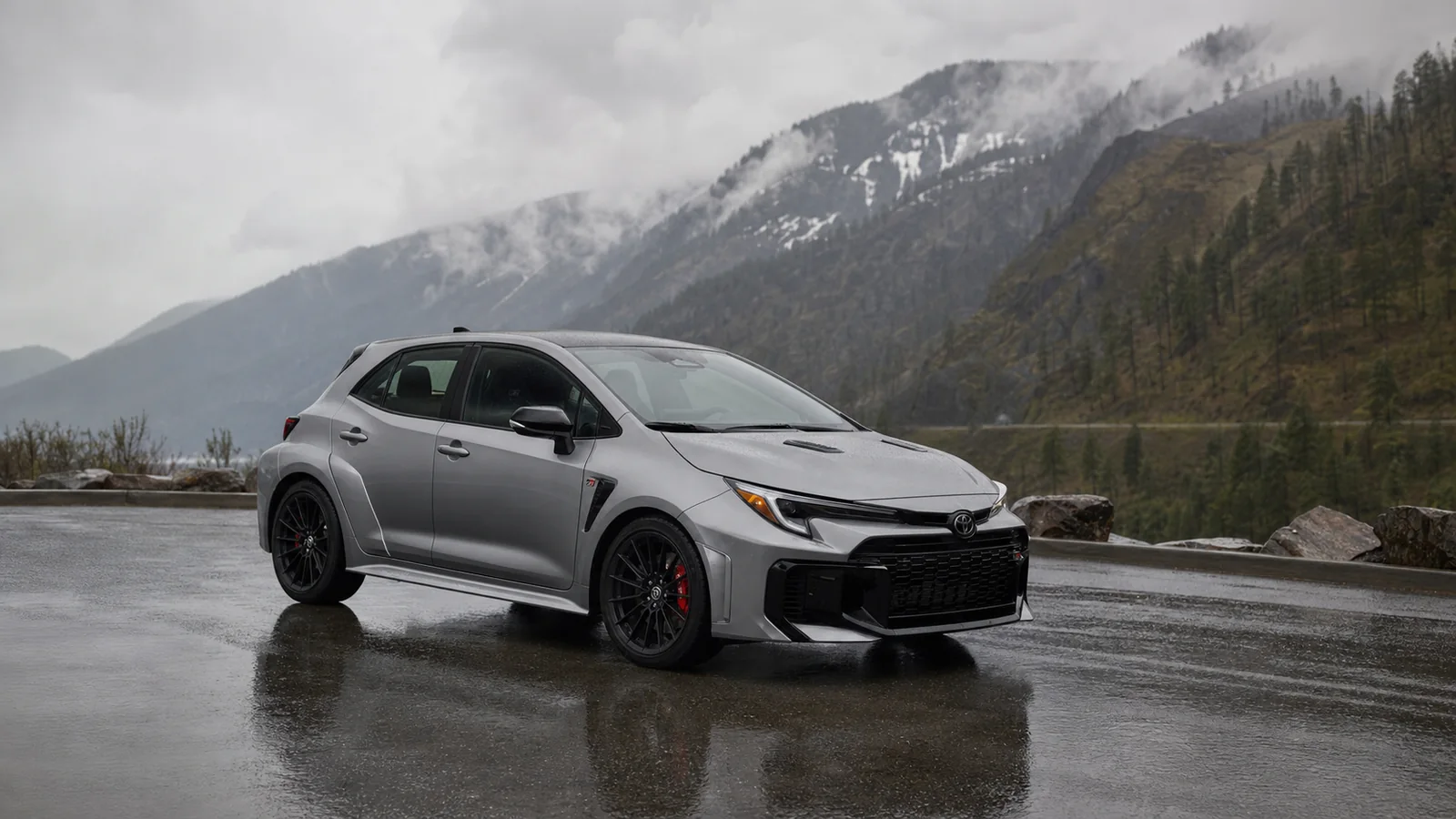
What makes a car fun to drive?
We ranked for steering feel, body control, power you can use, confidence, ownership cost, and whether the car still makes sense after the first exciting test drive. Speed helps, but feel matters more.
Steering feel matters as much as speed. A car that tells the driver what the front tires are doing feels alive at any pace, while a numb, over-assisted wheel makes even a fast car feel remote.
That connection is why an enthusiast will often choose less power in exchange for a wheel that talks.
Weight is the honest starting point. A light car feels alive at legal speeds, while a heavy, powerful car only comes alive at speeds that lose licenses.
That is why the cheapest car here can out-fun the most expensive one, and why the ranking rewards feel and balance over raw horsepower numbers.
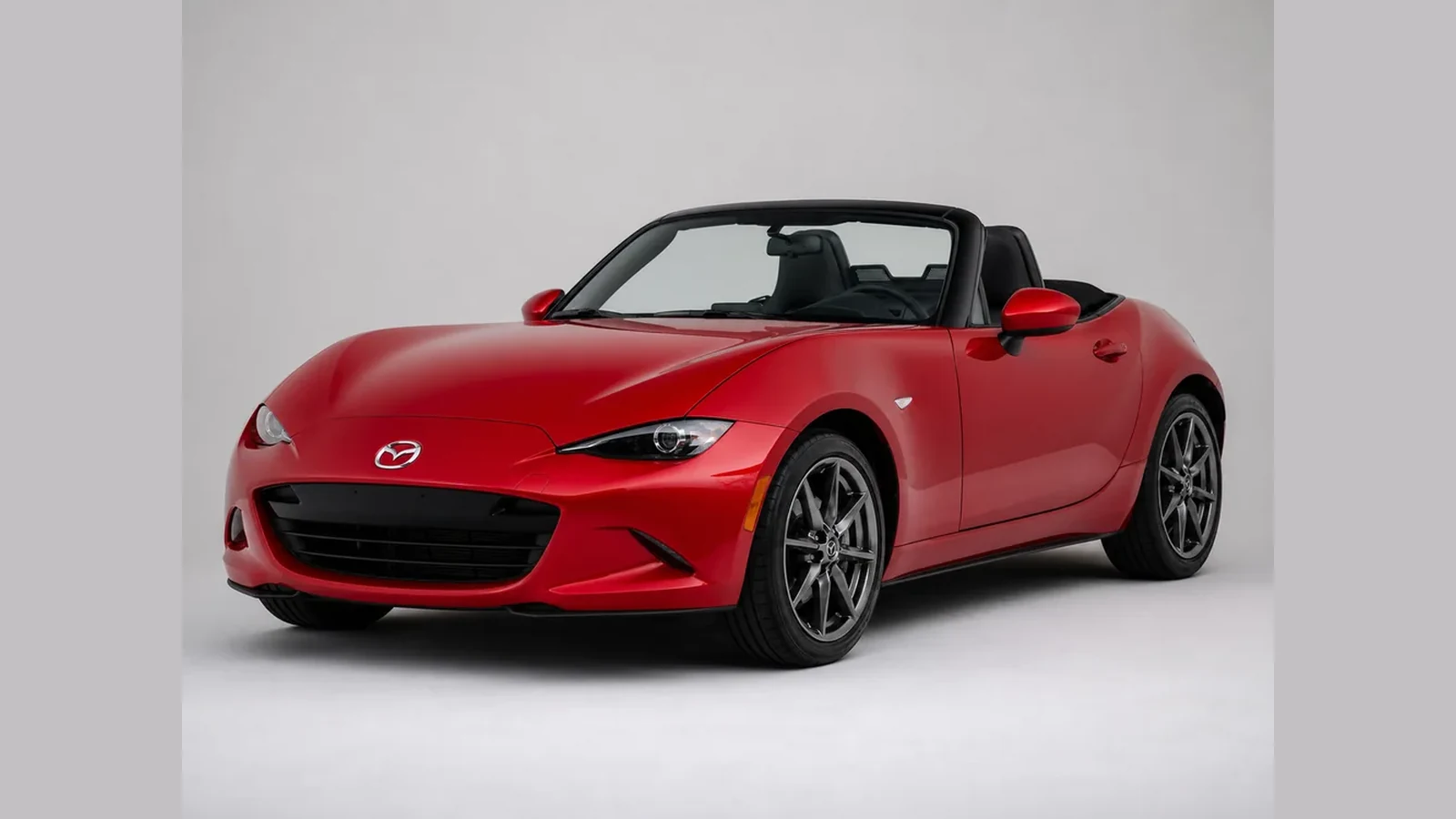
That is why the Mazda MX-5 Miata beats more powerful cars here.
It makes ordinary speeds interesting. The Chevrolet Corvette brings huge performance value, and the BMW 3 Series keeps the fun while adding real sedan usefulness.
| Factor | Why it matters | What we rewarded |
|---|---|---|
| Steering feel | Makes normal roads engaging | Clear response and low weight |
| Usable power | Keeps the car enjoyable daily | Speed that fits real roads |
| Cost control | Tires and brakes add up | Affordable consumables |
| Daily fit | A fun car still has to be used | Visibility, comfort, cargo, records |
| Resale | Enthusiast demand protects value | Clean stock examples |
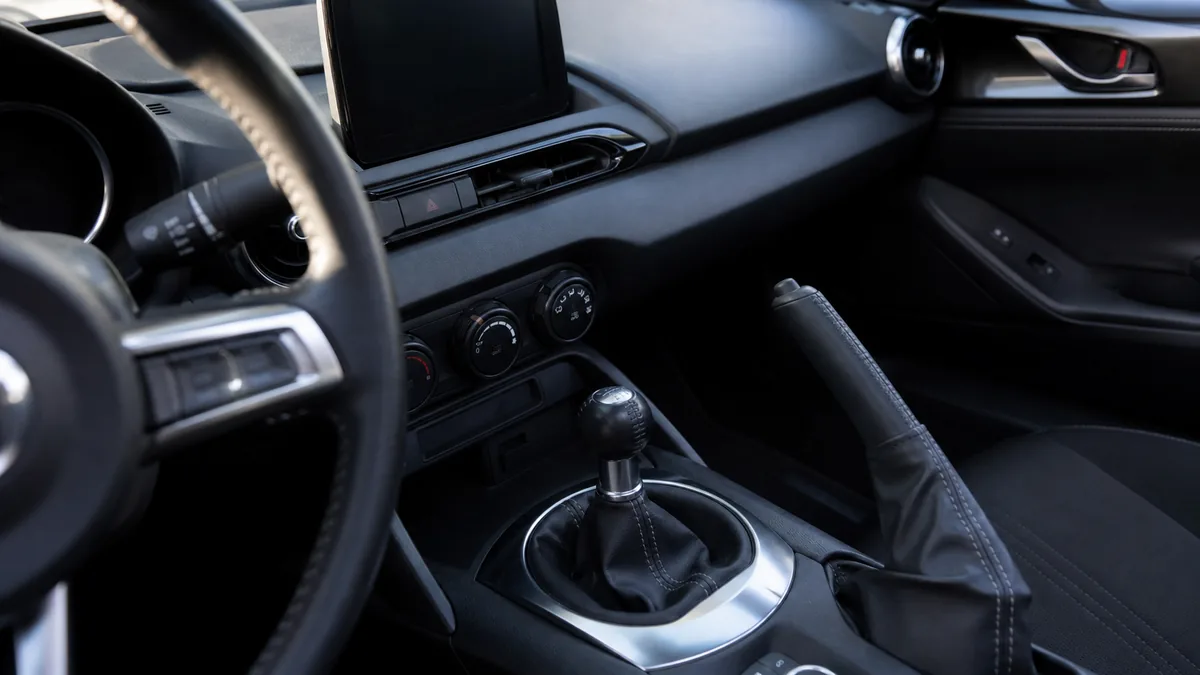
Best joy per dollar, Mazda MX-5 Miata
The Miata is the top pick because it gives the most feedback for the least money. It is light, simple, rear-wheel drive, and easy to enjoy without driving at reckless speeds.
The Miata also has one of the most active owner communities of any car, which means shared knowledge, cheap parts, and easy help when something needs attention. For a first enthusiast car, that support turns ownership from intimidating into approachable, and it is a real reason the Miata keeps winning these lists.
The Miata's low running cost is part of the joy. It is light on tires, sips fuel at up to 34 mpg highway, and is simple enough that maintenance stays cheap, so the fun does not arrive with punishing bills.
For a weekend car kept alongside a practical daily, nothing here costs less to own.
The practical limits are real. It has two seats, a small trunk, and a soft-top or RF roof decision.
If those limits fit your life, the Miata is the cleanest answer for a driver who wants feel over status.
Use the Miata review if you are deciding between a new warranty car and a used enthusiast example.
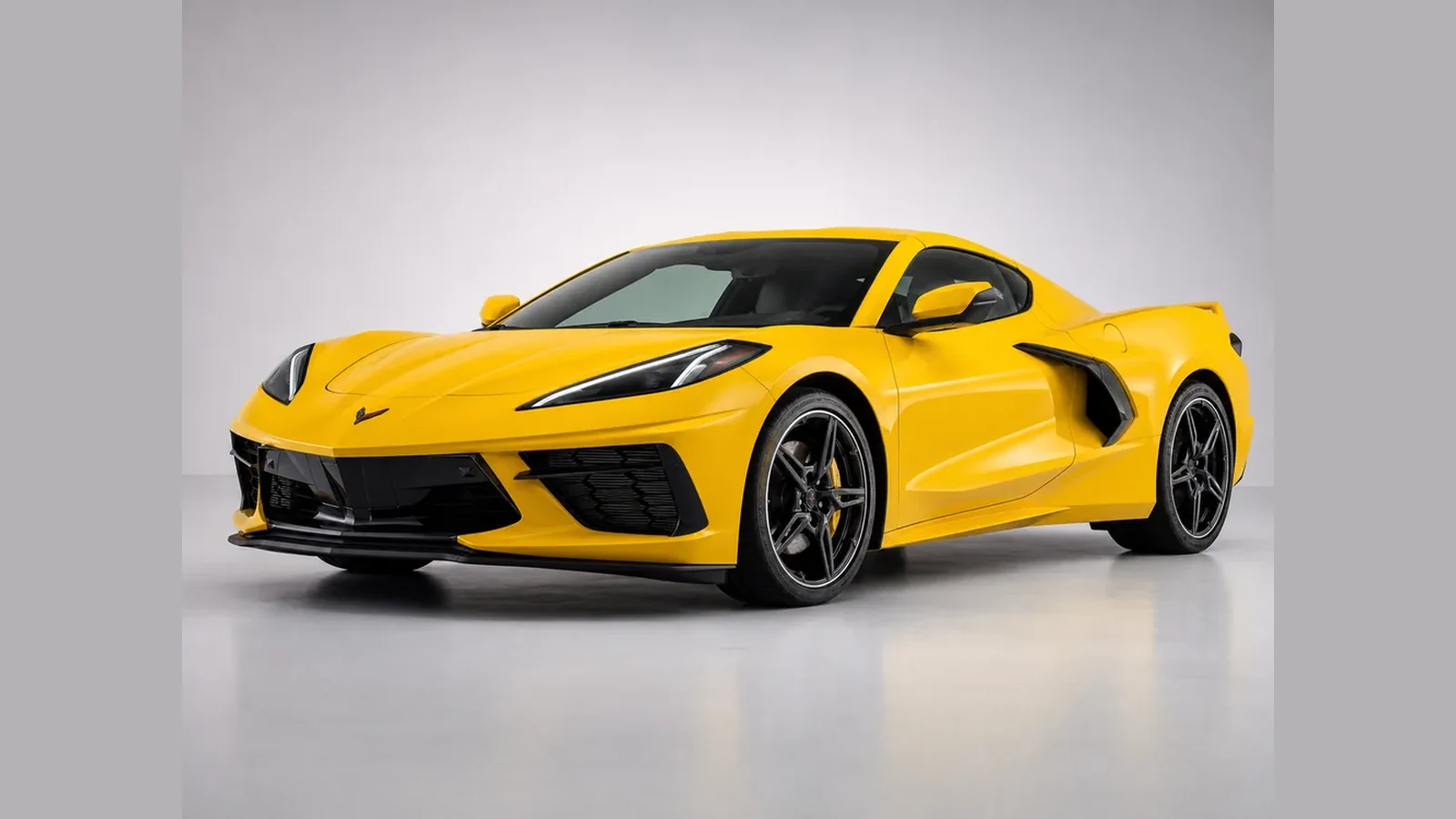
Best performance value, Chevrolet Corvette
The Corvette is the car that makes supercar pace feel almost rational. A modern Chevrolet Corvette gives mid-engine balance, V8 sound, and serious acceleration for far less than exotic-brand money.
The mid-engine Corvette is the value shock of this list, delivering supercar pace and cornering for a fraction of a European exotic's price. The tradeoff is running cost: tires, insurance, and the rare repair are priced like the performance, so budget for ownership before being seduced by the sticker.
The reason it does not win overall is cost gravity.
Tires, brakes, insurance, parking anxiety, and attention all rise. It is a better second car than a casual commuter.
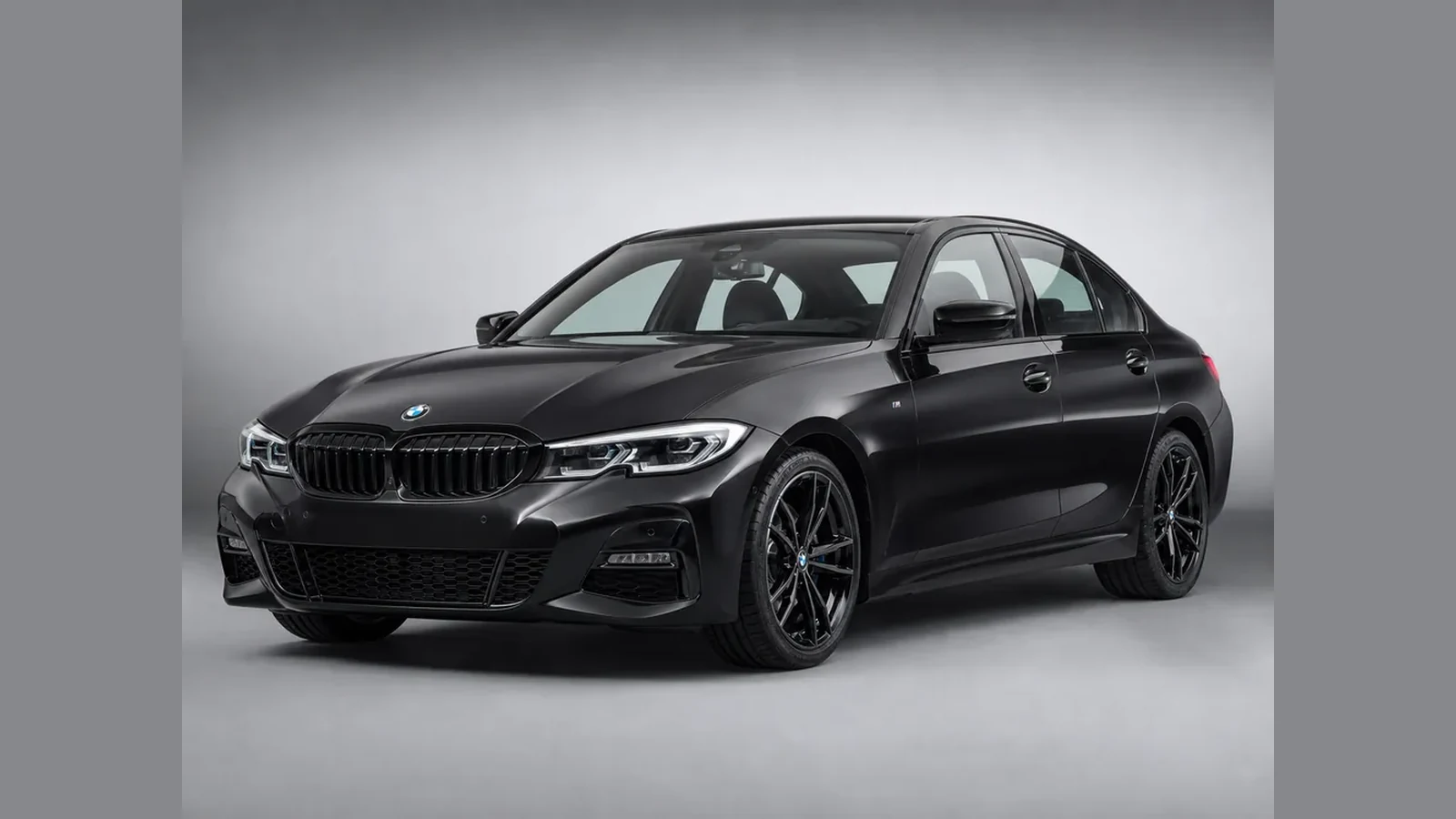
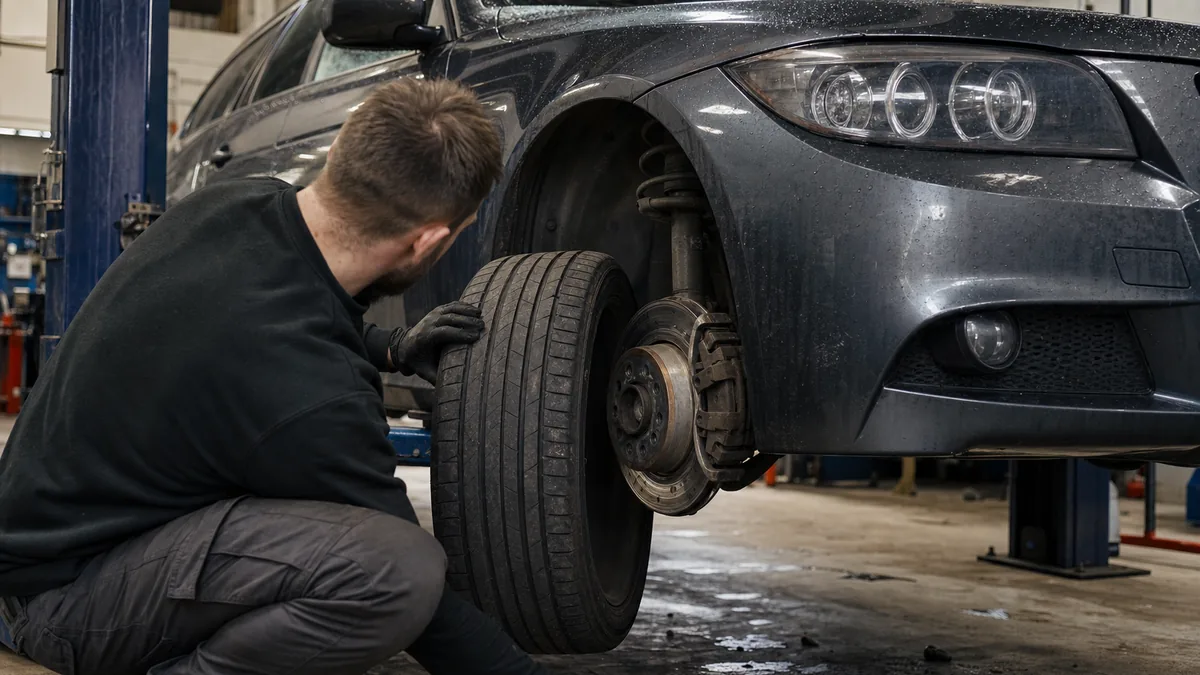
Best fun car with back seats, BMW 3 Series
The BMW 3 Series is the compromise pick. It is not as pure as a Miata and not as dramatic as a Corvette, but it has real rear seats, a trunk, and sharp enough responses to make daily driving feel special.
The 3 Series is the pick for a driver who needs one car to do everything and still enjoy it. It seats four in comfort, handles a commute, and still rewards a good road, though the sharpest driving versions carry the highest repair bills once the warranty ends.
The ownership risk is complexity. A used 3 Series needs records, inspection discipline, and a buyer who understands that German-sedan maintenance is part of the deal.
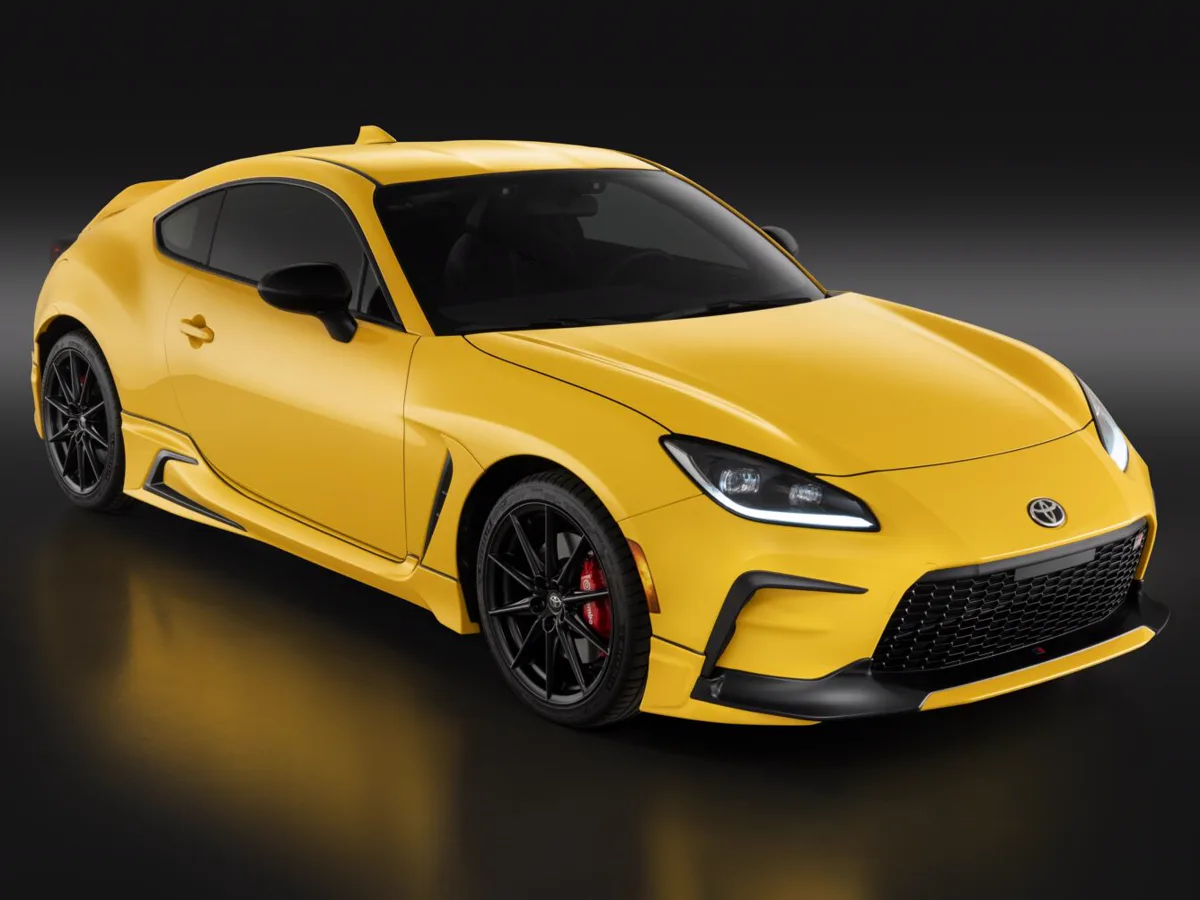
Best affordable rear-drive fun, Toyota GR86
The Toyota GR86 is the closest thing to the Miata's joy with a fixed roof and a pair of back seats you can use in an emergency. It is light, rear-drive, and communicates through the wheel in the same honest way, for around $31,400.
On the used market the GR86 and BRZ are also cheap to keep, sharing simple mechanicals and a large enthusiast community that keeps parts and knowledge easy to find. That support network is worth as much as the price when you own a car you plan to drive hard.
The back seats are tiny and the engine is more workmanlike than thrilling, but the chassis is the point. For a driver who wants Miata feel and cannot live with two seats and a soft top, the GR86 is the answer.
Its twin, the Subaru BRZ, drives almost identically, so shop both and buy on price and condition rather than badge.
Best hot hatch, Volkswagen Golf GTI
The Volkswagen Golf GTI is the pick for a driver who wants fun and genuine daily practicality in one car. It has a real back seat, a large hatch, and a comfortable ride, then turns sharp and quick when the road opens up.
The GTI's other strength is that it hides its speed well enough to drive every day without drama. It is quiet and comfortable in traffic, then wakes up on a good road, which is exactly what a single-car enthusiast needs.
Watch for a well-maintained example, because the turbocharged engine rewards regular oil changes and punishes neglect.
Front-wheel drive makes it more usable in bad weather than a rear-drive coupe, and the turbo four returns sensible fuel economy in normal driving. It is the fun car that does not ask the owner to keep a second, more practical vehicle.
Best track-capable pick, Toyota GR Corolla
The Toyota GR Corolla is the choice when the fun has to include all-weather traction and real pace. Its turbo three-cylinder and all-wheel-drive system make it quick in conditions that would slow a rear-drive coupe, from $39,920.
Because it is built in small numbers and prized by enthusiasts, the GR Corolla holds its value strongly and can be hard to find at list price. A patient buyer willing to wait for a stock, unmodified car will own one of the few genuinely quick all-weather hatches that is also a practical five-door.
It is the most serious performance tool of the practical picks here, with a stiff, focused character that rewards commitment. That focus is also its limit: it rides harder and sounds busier every day than a GTI, so drive both before deciding you want the sharper edge.
GR Corolla against the GTI
- Drivetrain
- All-wheel drive versus front
- Character
- Sharper, harder, more focused
- Weather
- Stronger traction in rain and snow
- Daily comfort
- Firmer ride, busier cabin
New or used for a fun car?
Used is tempting because depreciation can put more performance within reach. The risk is that enthusiast cars often hide hard use, cheap modifications, old tires, and missed maintenance.
A used fun car carries a specific risk the others do not: it may have been driven hard or modified. Look for a stock car with service records over a cheaper modified one, because modifications can hide abuse and complicate insurance, and a clean unmolested example is almost always the better long-term buy.
New gives warranty, known history, and the exact spec you want. It can be the better emotional and financial choice if you plan to keep the car clean for years.
- Avoid mystery tunes and cheap suspension parts
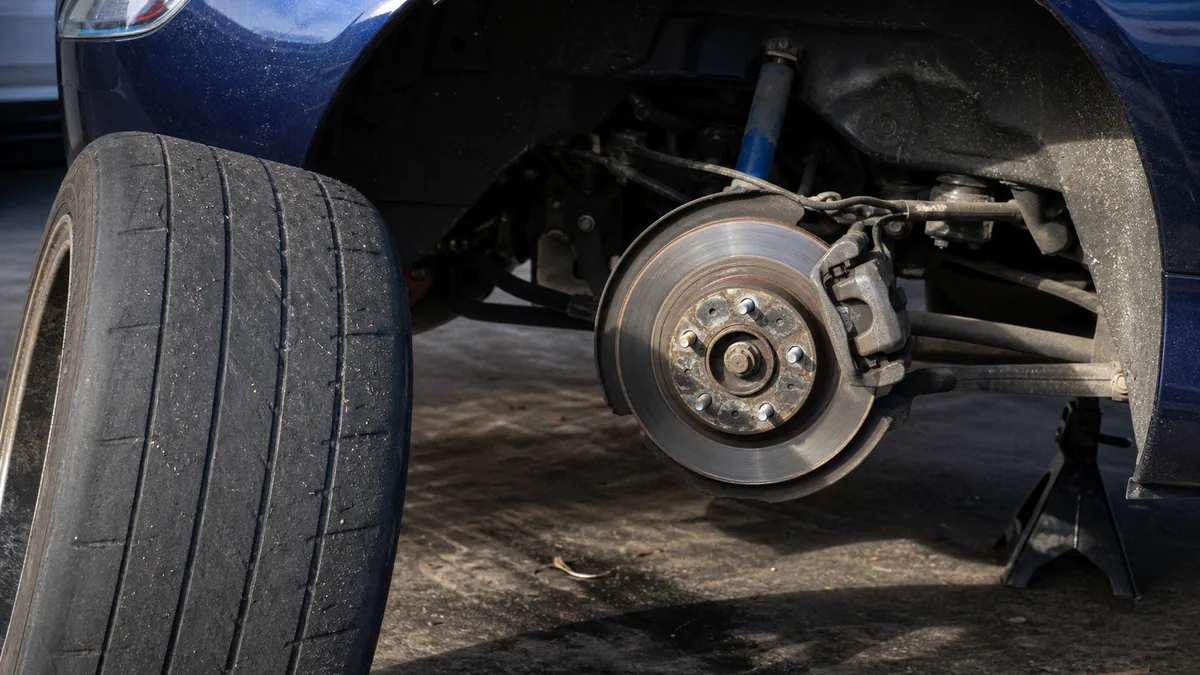
- Check tire date codes, not only tread depth
- Look for track-day wear on brakes and shoulders
- Weigh new against used before chasing the cheapest listing
How much practicality do you really need?
This is where many fun-car shoppers make the wrong compromise. If you need one car for commuting, clients, kids, or bad weather, the 3 Series is the sensible fun pick.
If you already have a practical car, the Miata or Corvette can be more honest because they do not pretend to do every job.
Be honest about how the car will actually be used before buying on feel alone. A pure two-seat roadster is a joy for a driver who has another car for daily life and a burden for one who does not.
The right amount of practicality is whatever lets you keep the fun car without resenting it on a rainy Monday.
Cargo space also changes how often you use the car. A Miata can handle a weekend bag, but not a family airport run.
A Corvette can road-trip better than its shape suggests, but parking and low bodywork still demand attention. A 3 Series is easier to use daily, but it will never feel as pure as the roadster.
Practicality filter
- Only car
- Start with 3 Series
- Weekend car
- Start with Miata
- Performance event
- Start with Corvette
- Snow or rough roads
- Keep tire and ground-clearance limits in mind
There is also a cheaper way to protect fun.
Buy the cleanest condition, not the highest output. A base Miata with good tires can be more satisfying than a modified car with vague history.
A Stingray can be more usable than a track-focused Corvette. A 330i can be a better daily than an M-flavored car if the roads are rough and the budget is real.
If your fun-car budget overlaps with sensible-car shopping, compare this page with the best first cars and the BMW 3 Series review.
That sounds odd, but it keeps the decision grounded. A driver car still needs to start, stop, insure, and sell cleanly.
Insurance can be the quiet deal breaker. A Miata may quote reasonably because power is modest.
A Corvette can jump because repair costs and performance risk are high. A 3 Series can surprise used buyers because luxury repair pricing still follows the car after depreciation.
Price the exact VIN before deciding that one of these is affordable.
Final ranking logic
The Miata wins because it keeps fun light, affordable, and honest. The Corvette is the performance-value monster, but it asks for a bigger budget and more care.
The 3 Series is the grown-up answer for drivers who need one car to do more than weekend duty.
The list rewards the cars that deliver the most feel for the money and the least regret in ownership.
The Miata wins on pure joy per dollar, the Corvette on outright performance value, and the GTI on doing it all in one car.
The wrong choice is buying more power than the road allows and calling it fun.
Best practice: buy the car whose limits fit your real roads and budget.
A car you can drive often is more fun than a faster one you hesitate to use.
If you still need family space, compare this list with our best first cars and sedan hub.
What should you inspect on a used fun car?
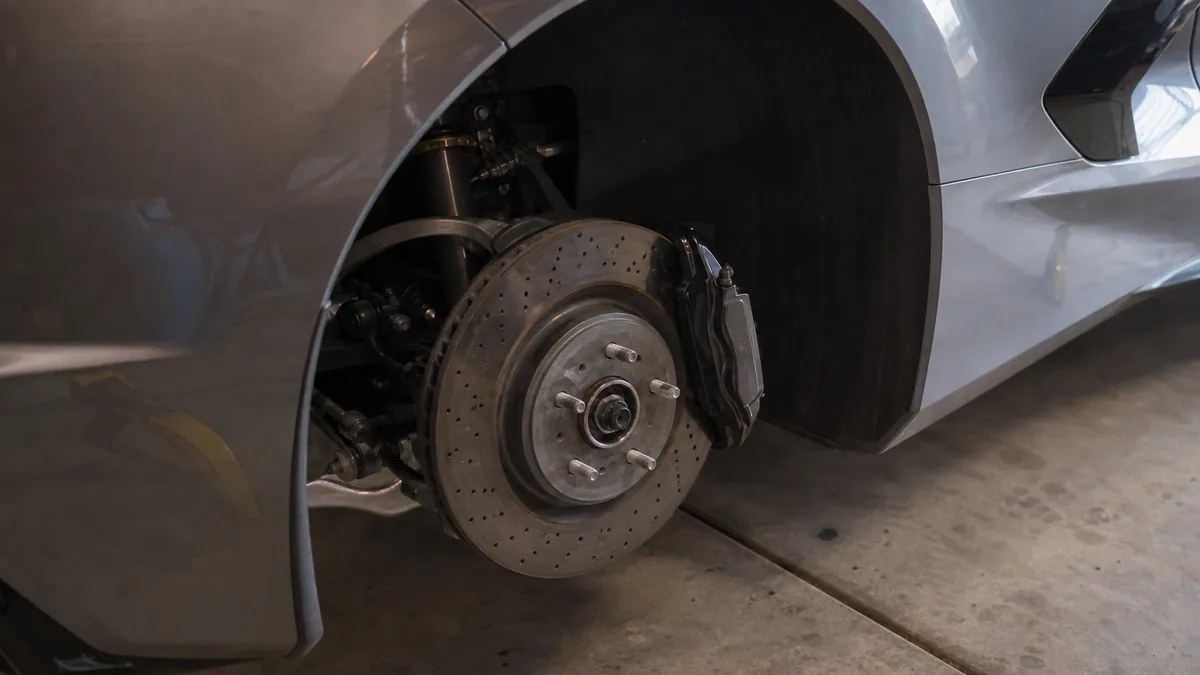
Start with tires, brakes, and records. Fun cars often look clean while hiding old rubber, heat-cycled tires, cheap brake parts, or missed fluid service.
Those items tell you how the car was used.
Modifications need extra caution. A tasteful wheel or exhaust change is one thing.
Unknown tunes, low-quality suspension parts, mismatched tires, and missing stock parts can make the car harder to insure, diagnose, and resell.
If the car feels exciting but the records are weak, walk away.
There will be another Miata, Corvette, or 3 Series. Buying the clean one is part of keeping the fun affordable.
The final decision should also account for where you live. Rough pavement, steep driveways, snow, traffic, and tight parking can make a sharp car feel tiring.
Test the car on the roads you actually drive. If it only feels good on one perfect loop, it may be the wrong kind of fun for your life.
Keep one more rule in mind: fun should survive maintenance. A car that forces you to delay tires, brakes, or fluid work because the budget is tight is not a good driver car.
Buy the version you can keep sharp.
The final tiebreaker is frequency. If you will drive the car every day, the 3 Series deserves more weight.
If you will drive it for joy on clear weekends, the Miata or Corvette can be more honest.
Match the car to the number of days it will actually leave the garage.
Also check whether your favorite road suits the car.
Tight roads reward the Miata. Open sweepers flatter the Corvette.
Mixed commuting favors the 3 Series.
That match matters every week.