What makes a good first car?
A good first car is not the cheapest car on the lot. It is the car that keeps the new driver safe, limits surprise costs, and stays easy to resell when life changes.
Visibility, predictable controls, tire cost, insurance, and service history matter as much as horsepower.
Insurance deserves its own line in the budget. A new or young driver pays the highest premiums, and the car chosen changes that number as much as the driving record does.
A common, moderate-power sedan costs far less to insure than a turbocharged or sporty version of the same badge, so the trim matters before the model does.
We favored cars that are common, well-supported, efficient, and easy to inspect. We did not reward high power, fragile luxury features, or vehicles that make normal mistakes expensive.
| Factor | Why it matters | Good sign |
|---|---|---|
| Insurance | New drivers pay more | Quote is manageable before purchase |
| Visibility | Parking mistakes are common | Clear sightlines and simple camera |
| Reliability | Repairs derail budgets | Clean records and common parts |
| Fuel cost | Students and commuters drive often | Strong mpg on regular fuel |
| Resale | The first car may not be kept long | Broad used demand |
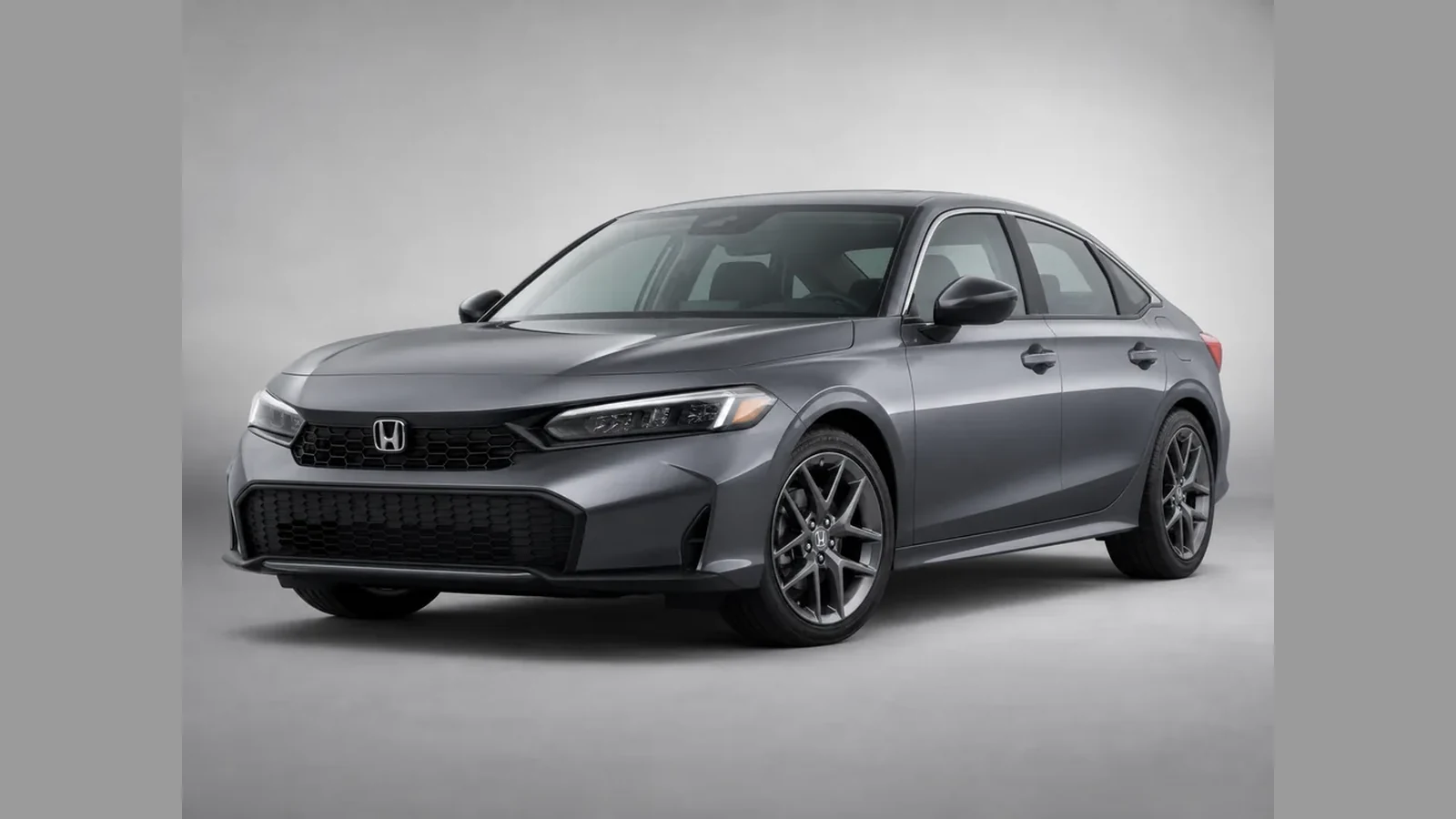
Best overall first car, Honda Civic
The Honda Civic is the best first car here because it balances cost, safety, reliability, fuel economy, and driver engagement. It is easy enough for a new driver, but it does not feel like punishment.
One caution when shopping used: the Civic's popularity works against a buyer at the low end. Because everyone wants one, the cheapest listings are often the roughest cars, sold quickly before problems surface.
Pay a little more for one with service records rather than chasing the lowest price on a car with an unknown history.
Insurance is the other reason the Civic works as a first car. It is common enough that parts and body panels are cheap, which keeps premiums lower than a rarer or sportier car would.
Avoid the Si and Type R trims for a first car, because both raise insurance and tempt a new driver toward speed.
The Civic also has a deep used market. That helps parents and first-time buyers compare condition instead of chasing one rare listing.
The risk is overpaying for a rough car because the Civic badge is popular.
Pair the Civic review with the Civic and Camry split if you are deciding whether to buy smaller and newer or larger and used.
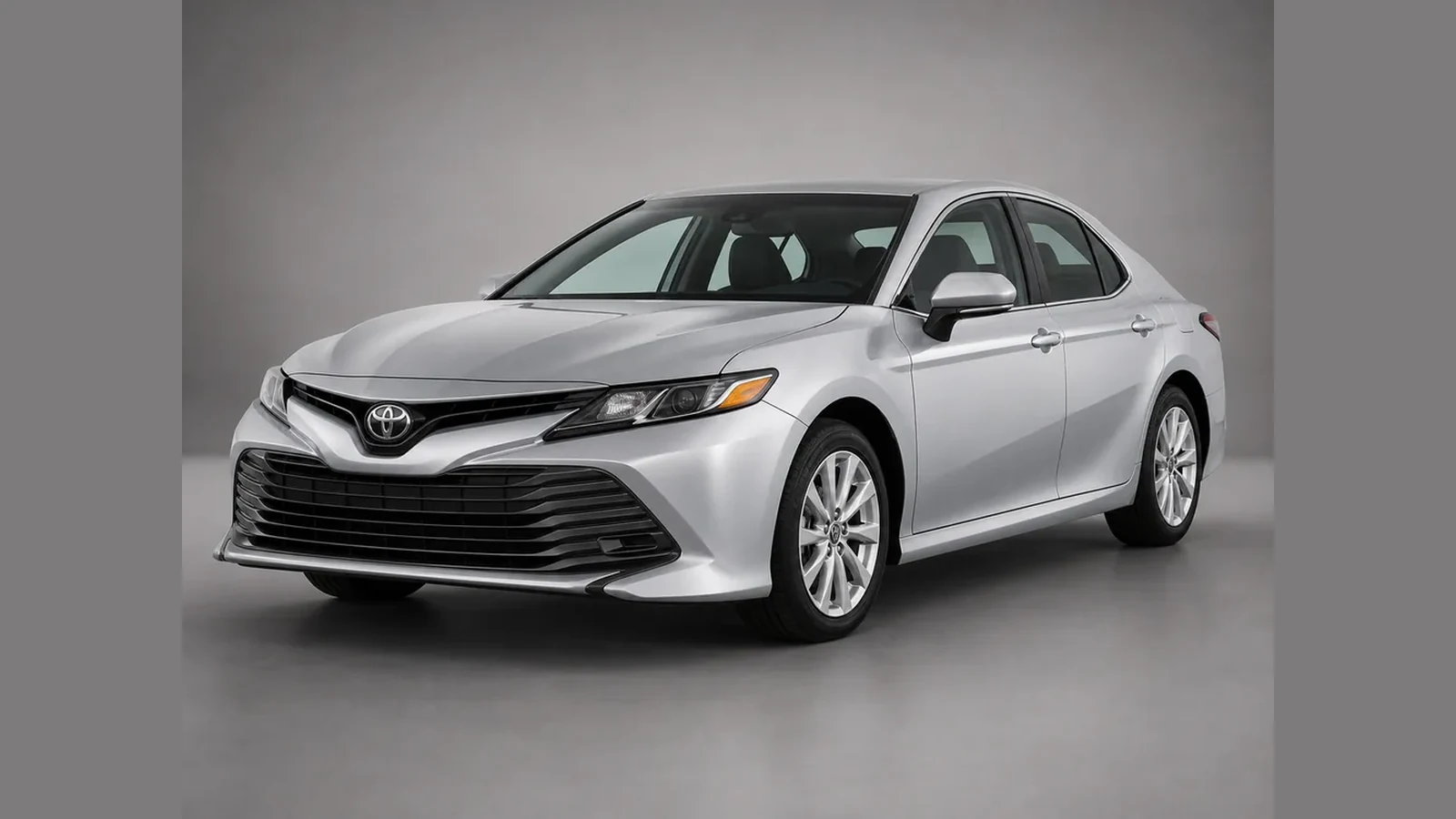
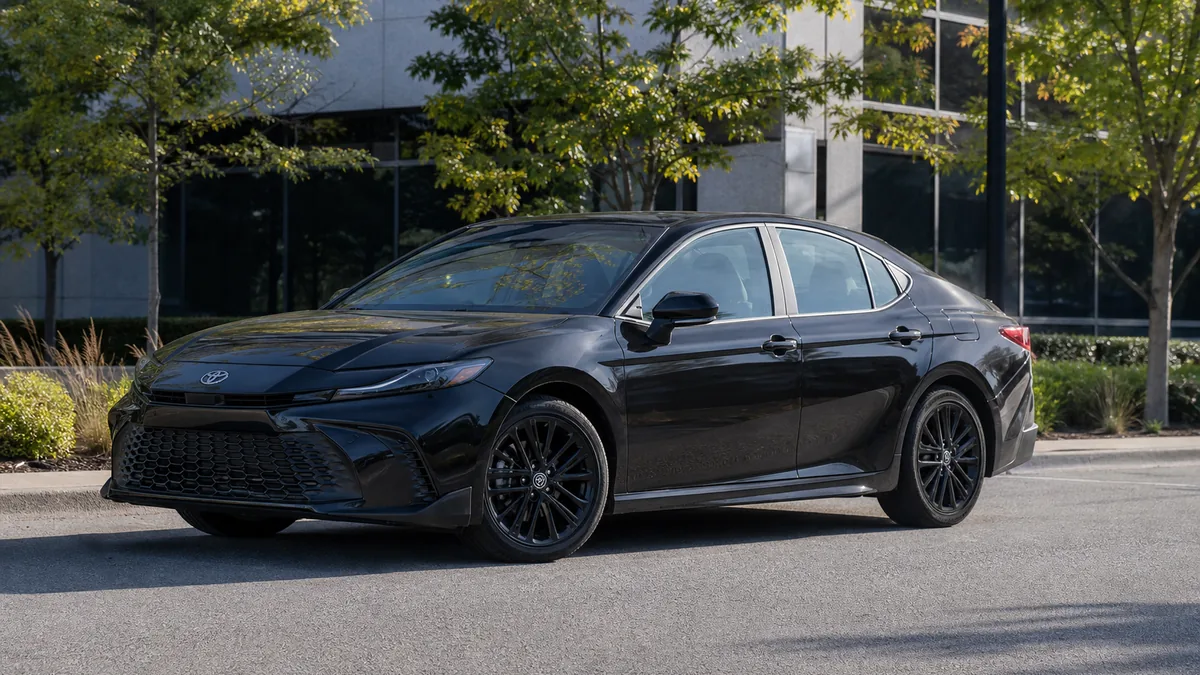
Best roomy first car, Toyota Camry
The Toyota Camry is the first car for a driver who needs more room or does a lot of highway driving. It is calmer than the Civic, especially with adults in the back seat or a long commute.
The Camry also suits a new driver who will carry passengers often. The wider cabin and calmer ride make it easier to drive with friends or family aboard, which is when a nervous new driver is most distracted.
That stability is a safety point, not just a comfort one.
The current Camry is hybrid-only in the U.S., which helps fuel cost. Used Camrys from earlier years are also strong first-car candidates, but condition matters more than the reputation.
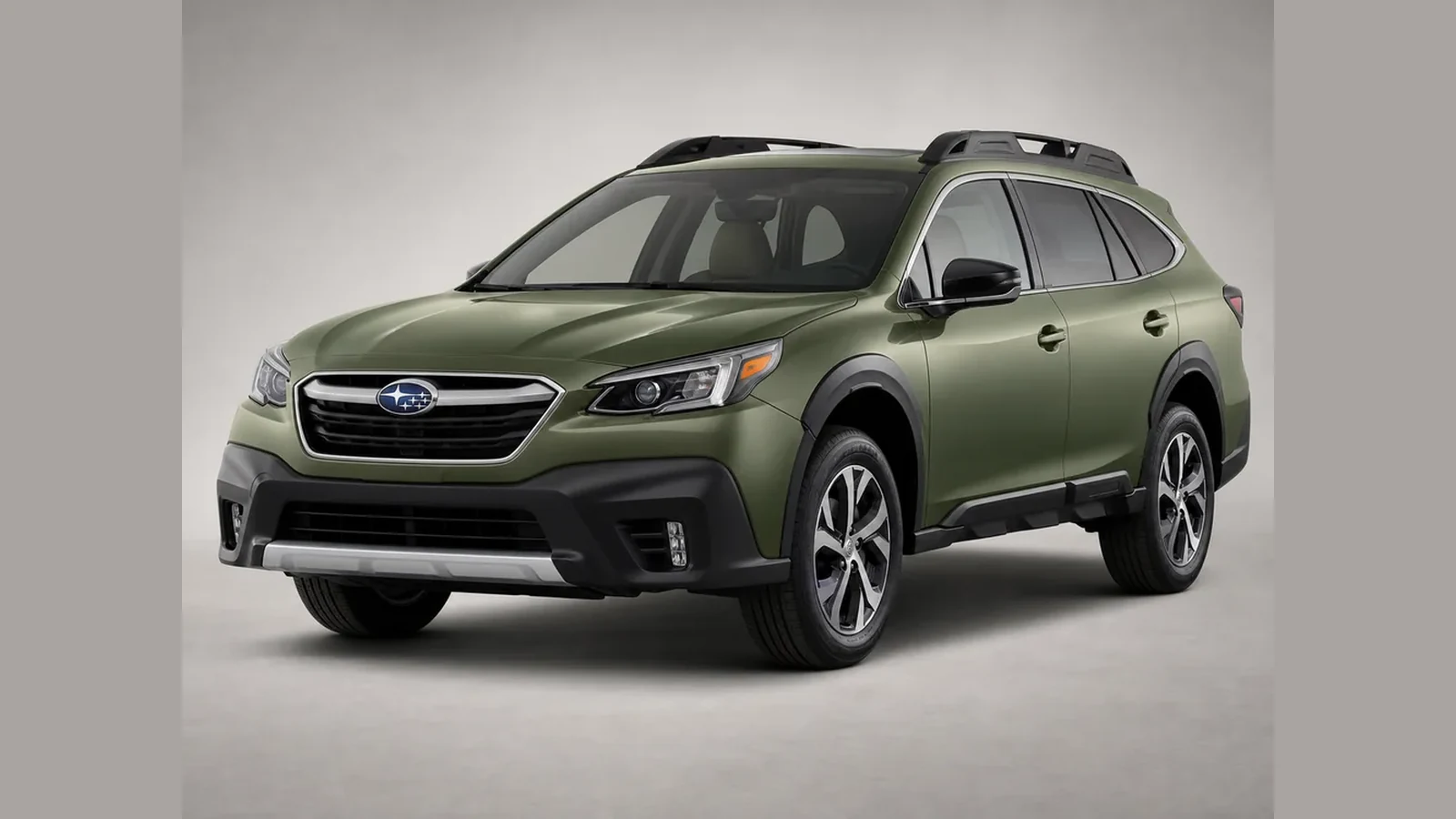
Best first car for snow, Subaru Outback
The Subaru Outback is the weather answer. Standard AWD, useful ground clearance, and wagon cargo space make it fit drivers in snowy or rural areas better than a normal sedan.
For a new driver in a rural area, the Outback's ground clearance matters as much as the all-wheel drive. Gravel roads, unplowed driveways, and rough shoulders are easier and safer in a car that does not scrape, and that capability is the real reason to choose it over a cheaper front-drive sedan with winter tires.
Budget for the tires specifically. All-wheel drive only helps when the tires can grip, and a set of proper winter or all-weather tires on an Outback costs more than on a small sedan because the wheels are larger.
A driver who buys the Outback for snow and then runs worn all-season tires has paid for traction they are not using.
The tradeoff is cost. Tires, fuel, and used prices can be higher than a Civic or Camry.
That is worth paying only if the driver actually needs the traction and cargo shape.
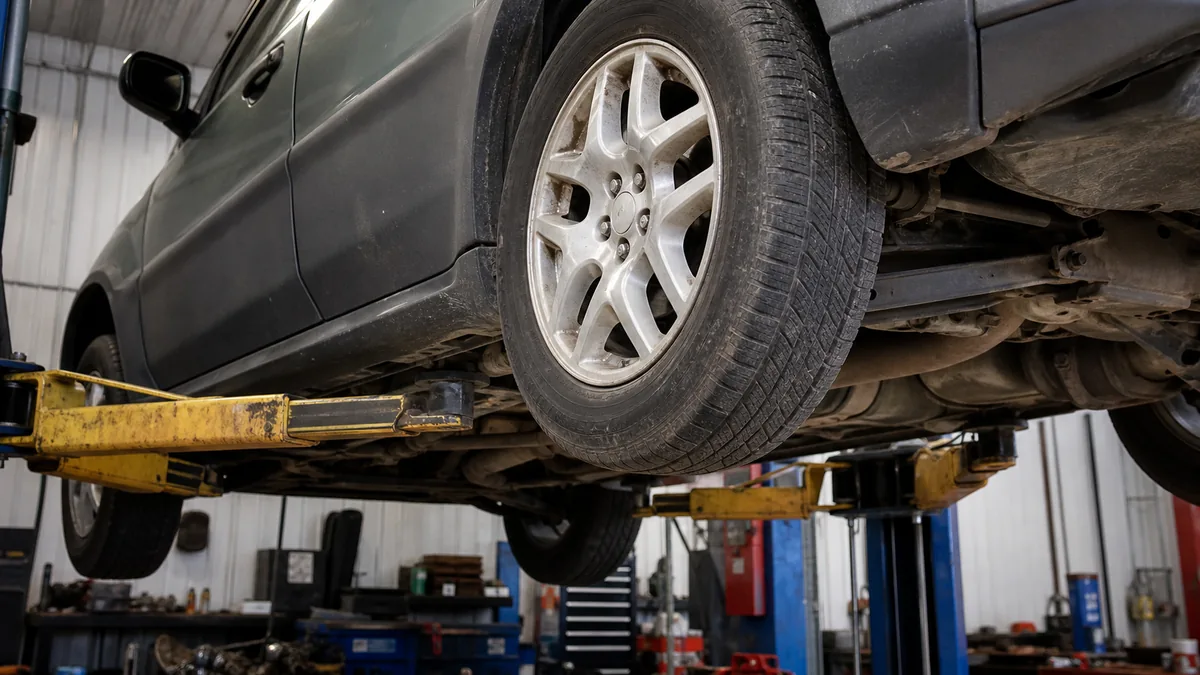
- Check that all four tires match
- Listen for suspension noise over rough roads
- Test AWD warning lights and service records
- Avoid lifted or heavily modified examples for a first driver
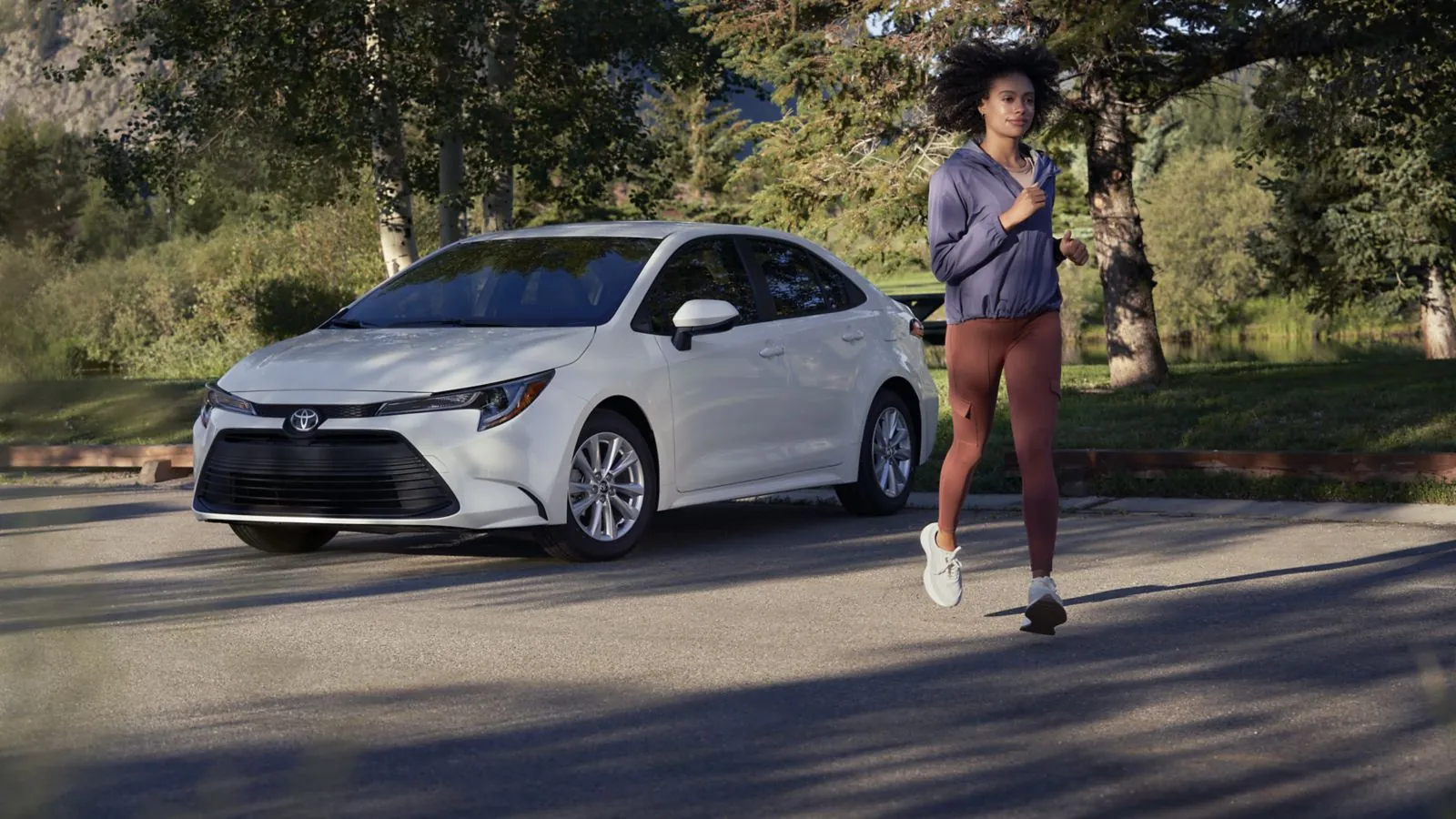
Best low-cost first car, Toyota Corolla
The Toyota Corolla is the pick when the goal is the lowest running cost with the least risk. It returns up to 53 mpg city as a hybrid and has one of the longest reliability records of any car sold, which keeps both fuel and repair bills low for a new driver.
There is also a plain gas Corolla for buyers who want the lowest purchase price rather than the best mileage. It gives up the hybrid's fuel economy but costs less up front and keeps the same reliability, which can be the smarter buy for a driver who does not cover many miles a year.
For a used Corolla, the hybrid battery is the one item worth checking. On higher-mileage cars, ask whether the battery has been serviced and test that the car holds a charge and switches cleanly between electric and gas.
A healthy Corolla hybrid past 100,000 miles is common, but confirming it protects against the one repair that would erase the fuel savings.
Prices start around $23,000, and the used market is deep. A new driver learns on a car that any shop can service and that holds its value if the first year of ownership does not go perfectly.
The tradeoff is excitement. The Corolla is deliberately plain to drive, which is exactly what many parents want for a first car and exactly what some new drivers will find dull.
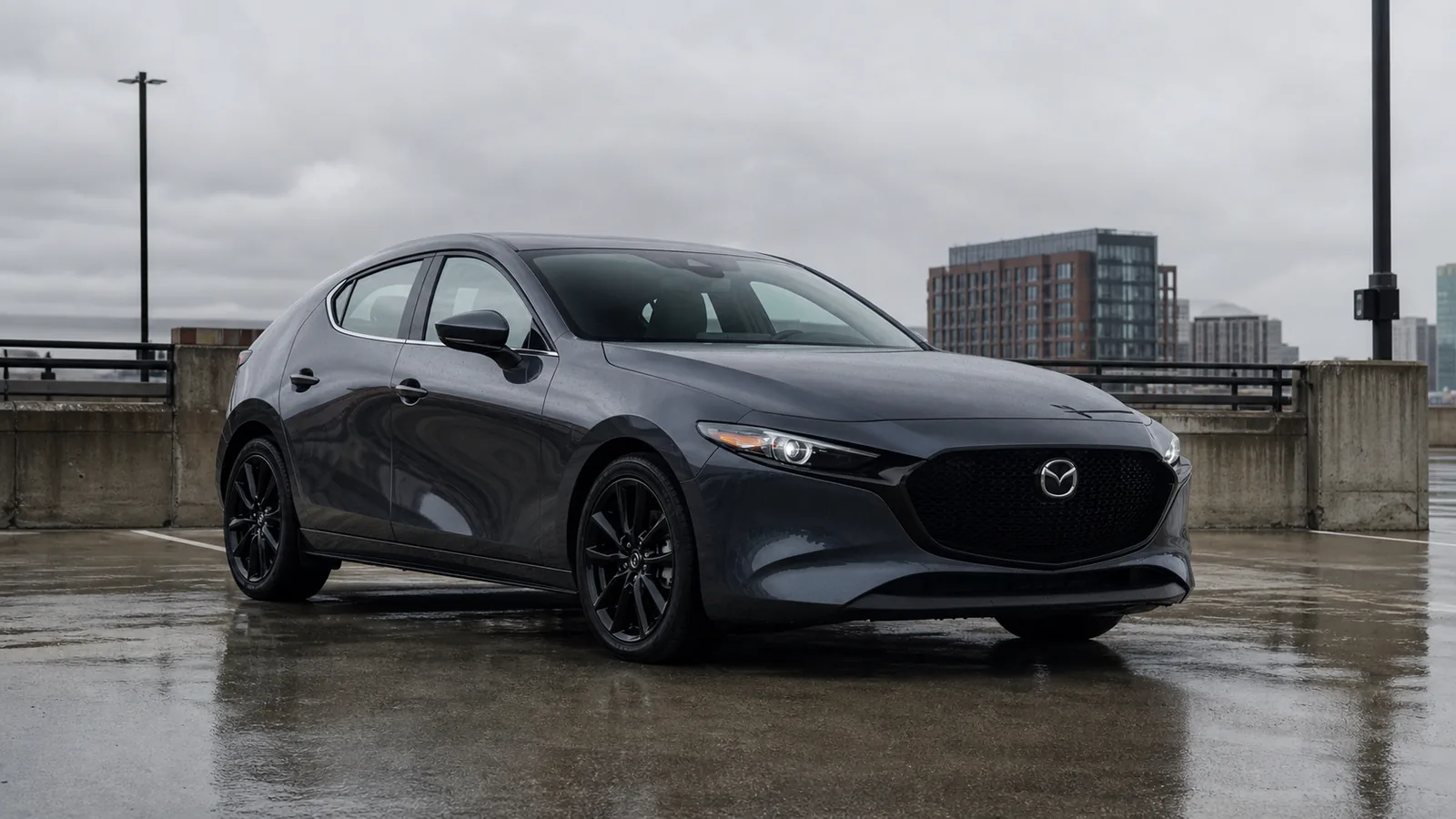
Best premium-feel first car, Mazda3
The Mazda3 is for the new driver who wants a first car that does not feel cheap. Its interior quality and steering feel are closer to a luxury compact than to a budget sedan, and it still returns up to 36 mpg highway.
On the used market the Mazda3 is also a quieter buy than a Civic or Corolla, which means less competition and less price gouging on clean examples. A patient shopper can often find a well-kept Mazda3 for less than a comparable Civic, because the badge draws fewer bidders even though the car is just as dependable.
Starting near $24,650, it costs a little more than a Corolla and gives up some rear-seat and cargo space. The payoff is a car the driver is proud of, which is worth something on a first car they will keep for years.
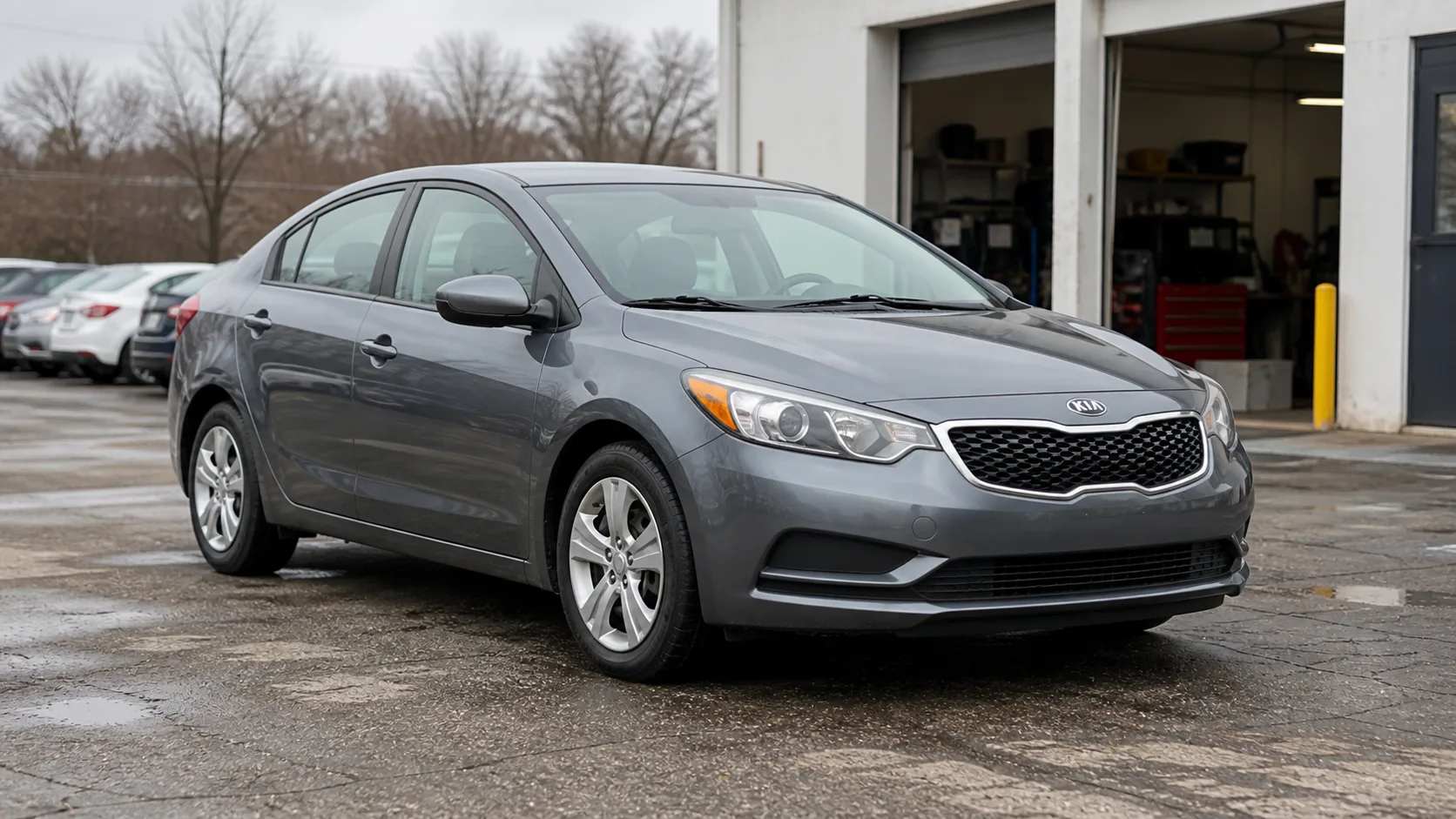
Best budget first car, Kia Forte
The Kia Forte is the answer when price is the hard limit. It starts near $19,990, the lowest entry price here, and still returns up to 41 mpg highway.
The Forte's weak point is resale, and that cuts both ways. A new Forte loses value faster than a Corolla, so a buyer who trades in a few years gets less back.
But the same depreciation makes a two or three-year-old used Forte one of the cheapest ways into a modern car with working safety features and warranty still remaining.
The Forte's other advantage is warranty. Kia covers the powertrain for 10 years or 100,000 miles, which removes much of the risk of buying new on a tight budget.
That coverage transfers on a used Forte too, though for a shorter remaining term.
Forte against the pricier picks
- Entry price
- $19,990, lowest here
- Highway mpg
- Up to 41
- Warranty
- 10 years / 100,000 miles powertrain
- Best for
- The tightest new-car budget
Should a first car be new or used?
Used often makes sense, but not if the discount buys hidden risk. A lightly used Civic or Camry with records can be the sweet spot.
A cheap high-mileage luxury car is usually the wrong lesson.
Financing changes the answer too.
A new first car often qualifies for a low advertised rate that a used car does not, and for a young buyer with no credit history a co-signed new-car loan can cost less per month than a used-car loan at a much higher rate.
Run both numbers before assuming used is cheaper, because the interest rate can outweigh the lower sticker.
Run both payments side by side
New can make sense when the buyer needs warranty coverage, modern safety tech, and predictable payments. It can also make sense if used prices are high enough that the gap is small.
Weigh new against used before choosing the listing. Use how to check tire pressure after purchase because tire neglect is one of the easiest first-driver mistakes to avoid.
What to avoid in a first car
Avoid high horsepower, poor visibility, unknown service history, salvage titles, expensive tire sizes, and cars with modifications the seller cannot explain. A first car should make ordinary driving easier, not turn every small mistake into a bill.
Horsepower is the other trap. A fast car tempts a new driver toward the exact mistakes that raise insurance and end in crashes, and it costs more to insure before anything goes wrong.
The goal of a first car is a driver who gains experience cheaply, which a 300-horsepower coupe actively works against.
The most expensive first-car mistake is a cheap used luxury car. A high-mileage German sedan can cost less to buy than a used Civic and then cost far more to keep running, with repairs that a new driver's budget cannot absorb.
The lesson a first car should teach is steady ownership, not surprise bills.
Also avoid buying only by monthly payment. A low payment on a risky car can be worse than a higher payment on a car that starts every morning.
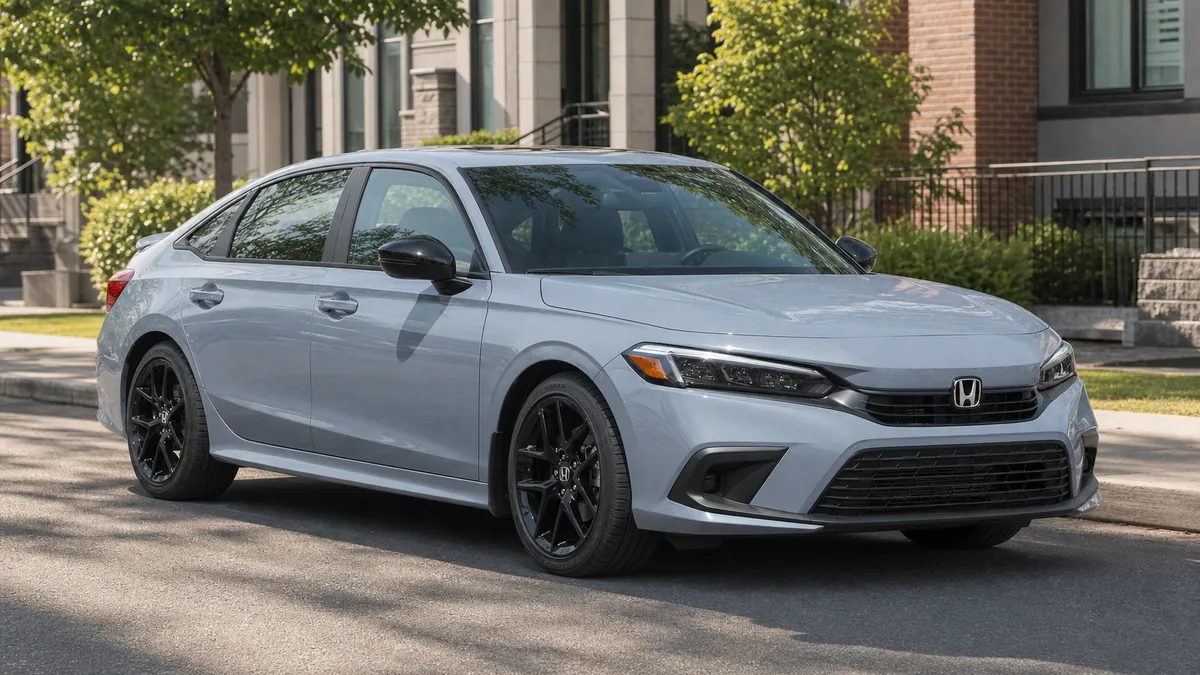
The same caution applies to body style. A taller vehicle can help visibility, but it can also cost more to fuel and insure.
A sedan from the sedan hub is usually the cheaper learning tool, while a wagon or SUV from the SUV hub only makes sense when weather, cargo, or road conditions justify it.
If the new driver will share the car with family, compare the first-car shortlist with the best family SUVs page.
Shared cars need different compromises than a student commuter. They need seat comfort, cargo space, and insurance costs that work for more than one driver.
Parent and new-driver handoff plan
The car is only half the first-car decision.
The handoff matters too. A new driver should know how to check tire pressure, read the fuel range, pair a phone safely before driving, use the spare or inflator kit, and call for help without guessing.
Agree on who pays for what before the keys change hands. Fuel, insurance, routine maintenance, and the first repair are all predictable costs, and deciding them in advance avoids the argument that otherwise arrives with the first bill.
A written split, even a rough one, turns the first car into a lesson in ownership rather than a source of conflict.
Set a simple maintenance calendar on day one. Oil, tires, wipers, brakes, insurance renewal, and registration should not live in a teenager's memory.
A reliable first car stays reliable when an adult helps build the habit early.
First-month setup
- Insurance
- Add the driver and confirm coverage before pickup
- Tires
- Check pressure and age, then set a monthly reminder
- Controls
- Practice lights, defroster, hazards, and wipers while parked
- Emergency
- Store roadside, registration, and insurance info in the car
One more rule helps. Do the first service visit together, even if the car is nearly new.
The driver sees what tire wear, brake notes, fluid checks, and recall searches look like. That turns maintenance from a mystery into a routine, and it makes the next problem less likely to be ignored.
Final ranking logic
The Civic wins because it is the easiest all-round first-car recommendation.
The Camry is the better roomy pick. The Outback is the weather pick when AWD is a real need, not a style preference.
The order here rewards the cars that make the first years of driving cheap and boring in the best sense.
The Civic wins on balance, the Corolla on running cost, and the Forte on entry price, but any of the six is a defensible first car.
The wrong choice is almost always a car picked for looks or speed rather than for the total cost of getting a new driver safely through their first few years.
Best practice: buy the safest clean car the new driver can afford to maintain, not the flashiest car the loan can approve.