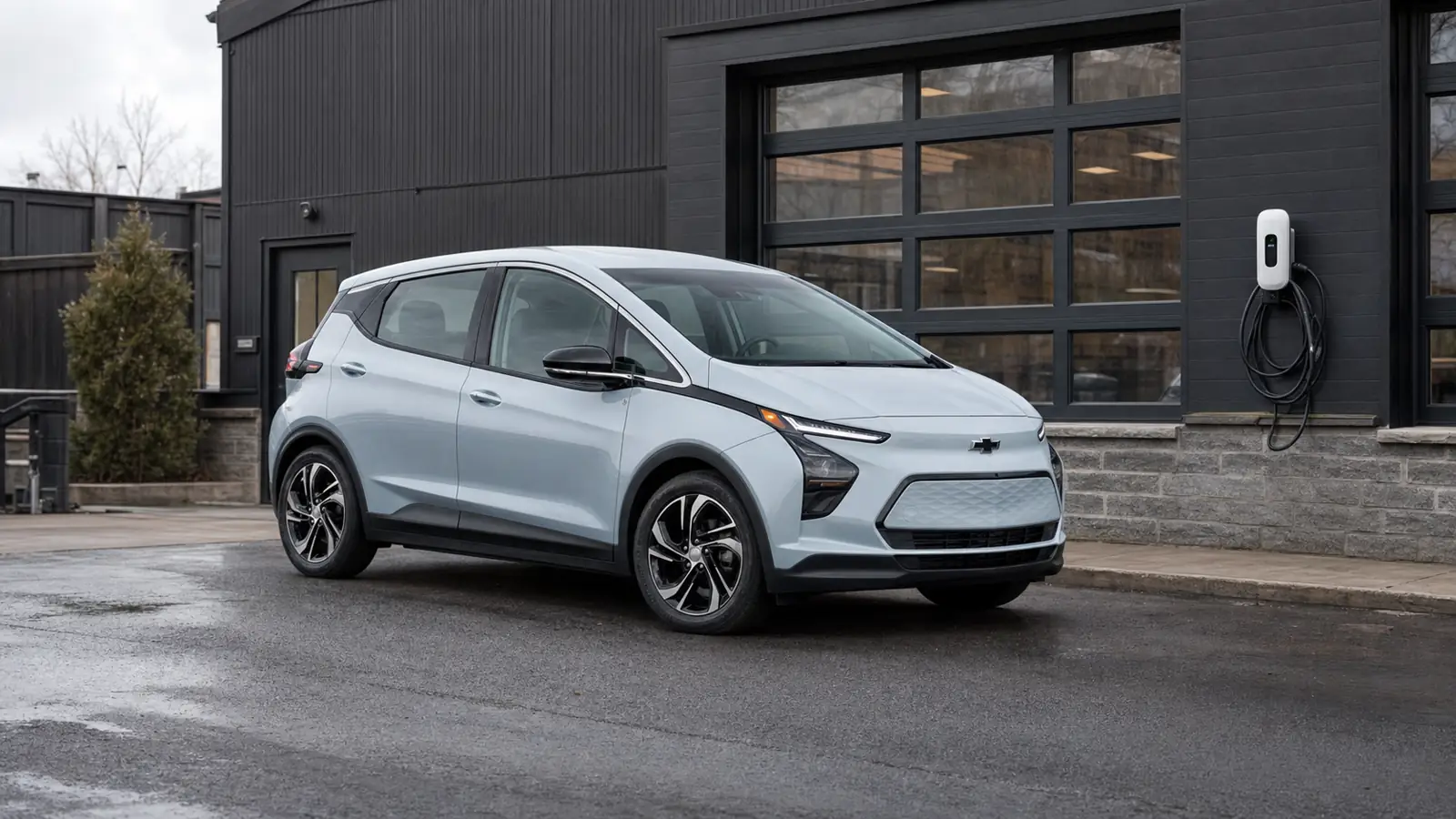
This review covers the used 2017 to 2023 Bolt EV
The Chevrolet Bolt EV in this review is the first-generation hatchback sold from 2017 through 2023. Chevrolet has introduced a different model-year 2027 Bolt, so its battery, charging, warranty guidance, and features should not be applied backward to the older car.
A used listing must identify the year, VIN, trim, battery work, and equipment.
The old Bolt remains attractive because it combines a compact footprint, five doors, strong low-speed response, and useful electric range at prices that can fall below newer EVs. It is a poor fit for drivers who rely on frequent highway fast charging because its peak DC rate and charging curve are much slower than current 800-volt cars.
Start with the weekly pattern. Count normal miles, the longest winter day, overnight parking time, and trips that require public charging.
A household with another road-trip vehicle can use a Bolt very differently from a one-car household.
The electric vehicle hub shows newer alternatives, while the Chevrolet range includes larger electric and gas choices. A used Bolt still makes sense when its battery history is clear and slow road-trip charging does not interrupt the owner's real travel.
Model year changes affect range, seats, and charging
Early 2017 to 2019 cars carried a 238-mile EPA estimate when new.
Chevrolet raised the published estimate to 259 miles for 2020 through 2023. The 2022 refresh changed the cabin, seats, controls, and exterior while retaining the basic practical shape.
Equipment still varies by trim and option.
| Years | EPA estimate when new | Main buyer question |
|---|---|---|
| 2017 to 2019 | 238 miles | Battery remedy and DC charging equipment |
| 2020 to 2021 | 259 miles | Battery remedy, seats, and condition |
| 2022 to 2023 | 259 miles | Updated cabin and 11.5 kW AC charging |
| Model-year 2027 | Different vehicle | Use separate specifications |
DC fast charging was not standard on every early car. Inspect the charge port for the two large lower DC pins, confirm the build sheet, and complete a live session.
A cap or seller statement is not enough. The 2022 and 2023 cars use an 11.5 kW onboard AC charger, but the home circuit and charging equipment can still limit the actual rate.
Seat comfort is personal. Early thin front seats bothered some drivers, while later cars changed the design.
Spend at least 30 minutes in the exact seat, check steering-wheel reach, and reproduce the normal commute. Rear-seat room is useful for the car's exterior size, but three adults still need a fit test.
Compare a late Bolt with a Nissan Leaf only after checking connector type, battery cooling, and range. The 2022 and 2023 cars are the easiest starting point, while an older car needs a price advantage and stronger documentation.
The battery recall turns paperwork into a safety requirement
General Motors recalled affected Bolt EVs because a torn anode tab and folded separator could occur in the same battery cell and create a fire risk.
Recall populations and remedies changed as the investigation expanded. The correct answer for a used car comes from its VIN, completed repair orders, battery installation date, and current Chevrolet warranty record.
Chevrolet states that certain batteries replaced or refurbished under the recall received an eight-year or 100,000-mile limited parts warranty from installation.
That can be valuable on an older car, but the buyer must confirm the exact coverage and start date.
A seller's phrase such as “new battery” does not identify part number, capacity, campaign, or warranty.
Check whether a temporary charging limit remains in the vehicle settings and why. Review the state-of-charge history, warning messages, diagnostic reports, and dealer records.
Any active propulsion, battery, charging, or isolation fault requires qualified diagnosis before purchase.
High-voltage battery work belongs to trained technicians.
- Save both VIN lookup results
- Match campaign numbers to completed records
- Confirm battery part and installation date
- Obtain warranty terms in writing
- Resolve every active charging or propulsion warning
The source methodology explains why a manufacturer recall page and NHTSA record should be read together. The recall is not a reason to reject every Bolt, but missing remedy evidence is a reason to reject that individual car.
Battery health must be judged with history and a repeatable drive
The dashboard range estimate changes with recent speed, weather, climate use, and terrain.
It is not a laboratory capacity test. Begin with the displayed state of charge, trip data, outside temperature, tire pressure, and climate setting.
Drive a repeatable mixed route, then compare energy used with the percentage change.
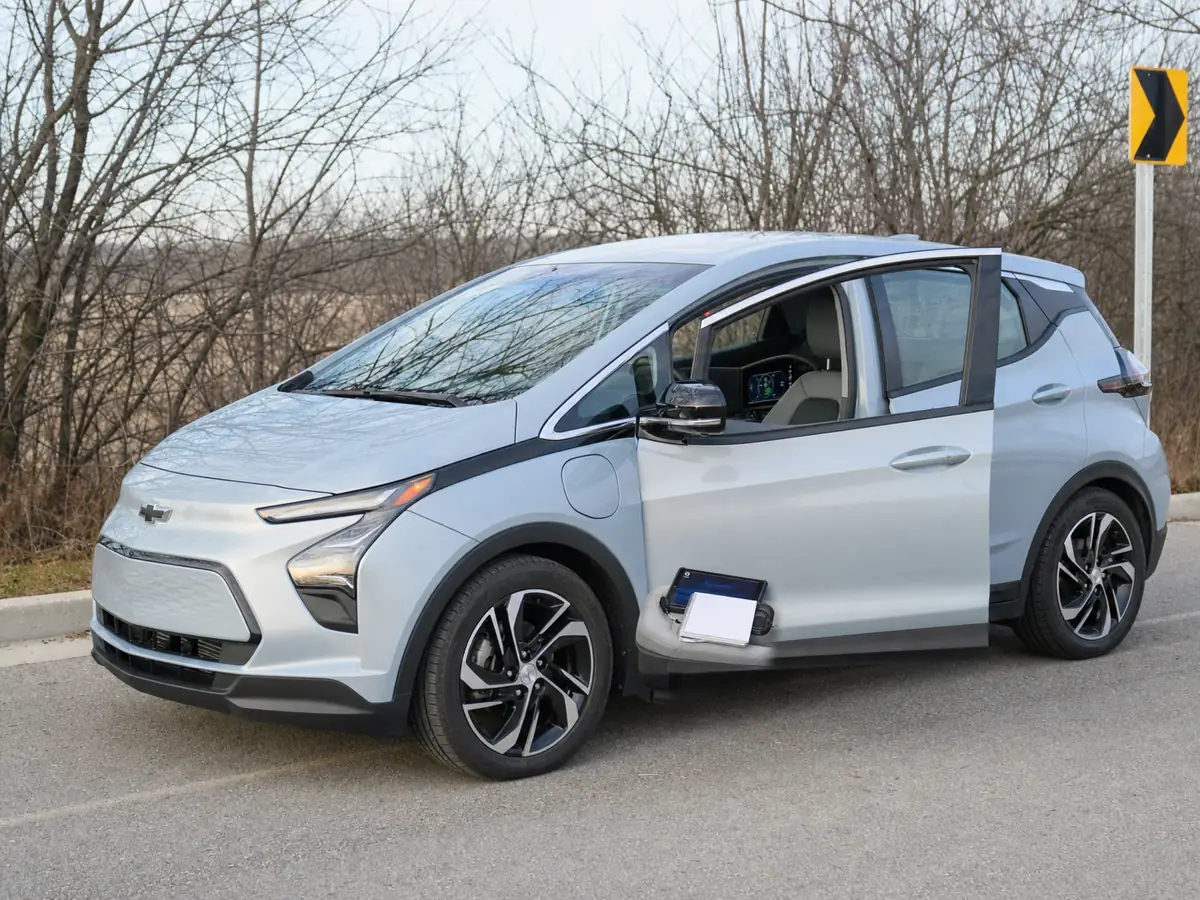
A qualified shop can review battery-related data and fault history, but one app number should not be treated as a guaranteed capacity certificate.
Software versions and calculation methods differ. Look for agreement among service records, charging behavior, energy use, dashboard warnings, and the road test.
Temperature matters. A cold battery and cabin heat can reduce winter distance substantially, while mild low-speed driving may produce an optimistic summer display.
Build the purchase around the longest cold day and preserve a reserve for a detour, battery aging, or a failed public charger.
Inspect the underside for impact or incorrect lifting, then check coolant service records and visible leaks. Collision damage near the battery or charge port requires specialized inspection even when the car drives normally.
The Tesla Model 3 offers faster road-trip charging but brings different price, insurance, and body-repair questions. A used Bolt passes the battery test when records, fault history, charging, and measured road use tell the same story.
Slow DC charging is the Bolt's clearest limitation
Chevrolet described the 2023 Bolt EV as adding up to 100 miles in about 30 minutes on suitable DC equipment.
That is much slower than newer EVs that can move from 10 to 80 percent in roughly 18 to 30 minutes.
Bolt charging also slows as the battery fills, so repeated high-percentage stops can make a long trip much longer.
Home charging changes the judgment. A 240-volt system can refill normal commuting while the car is parked.
The 2022 and 2023 onboard charger accepts up to 11.5 kW, though the circuit, charging unit, temperature, and car settings may lower the actual rate.
An older car's AC limit should be verified from its manual and build.
| Use | Bolt fit | Required check |
|---|---|---|
| Nightly commute | Strong | Dedicated parking and refill time |
| Local errands | Strong | Home or workplace access |
| Occasional regional trip | Acceptable | Working DC port and backup charger |
| Frequent interstate travel | Weak | Stop time and charger reliability |
| Apartment without assigned charging | Risky | Written access and real price |
Complete a DC session before buying. Watch the connector latch, session start, power, warnings, cooling sounds, and clean stop.
A “DC capable” listing is useful only when the equipment is present and operational.
A Kia EV6 costs more but answers repeated road trips with much faster compatible charging. The Bolt should save time by charging at home, because it cannot recover that advantage during frequent highway fast-charge stops.
Compact dimensions hide useful passenger and cargo space
The Bolt is short enough for tight urban parking but uses a tall roof and upright seating to create useful interior room.
Chevrolet lists up to 57 cubic feet of cargo space with the rear seats folded on the 2023 model.
The split rear seat and hatch make groceries, folded strollers, or compact bicycles easier to handle than the exterior size suggests.
Load the actual equipment. The rear floor is not perfectly flat in every arrangement, and cargo height can block rear visibility.
Check whether the false floor or cargo panel is present because missing pieces change usability and replacement cost.
Secure heavy items so strong regenerative deceleration does not send them forward.
Set both front seats for the regular drivers, then install child restraints or place adults in back.
Check rear headroom, foot space, buckle access, and the path through the rear door. A high seating position helps entry, but narrow front cushions and a firm ride may still fail a longer comfort test.
- Fit the largest weekly cargo with the seats required
- Check hatch struts, seals, water entry, and cargo panels
- Install the actual child seat before purchase
- Drive broken pavement and a highway section
- Park without relying only on the camera
The hatchback body hub includes other compact cargo-focused cars. A Hyundai Ioniq 5 gives more rear space and faster charging at a higher price.
The Bolt is practical when its tall cabin replaces a larger vehicle without creating a comfort problem.
A used Bolt inspection should test every low-voltage system
A healthy high-voltage battery does not prevent a weak 12-volt battery from causing warnings, failed startup, locks, or communication faults.
Check the 12-volt battery date and resting condition, then scan the car before and after a long road test.
A recently cleared code or incomplete monitor deserves explanation.
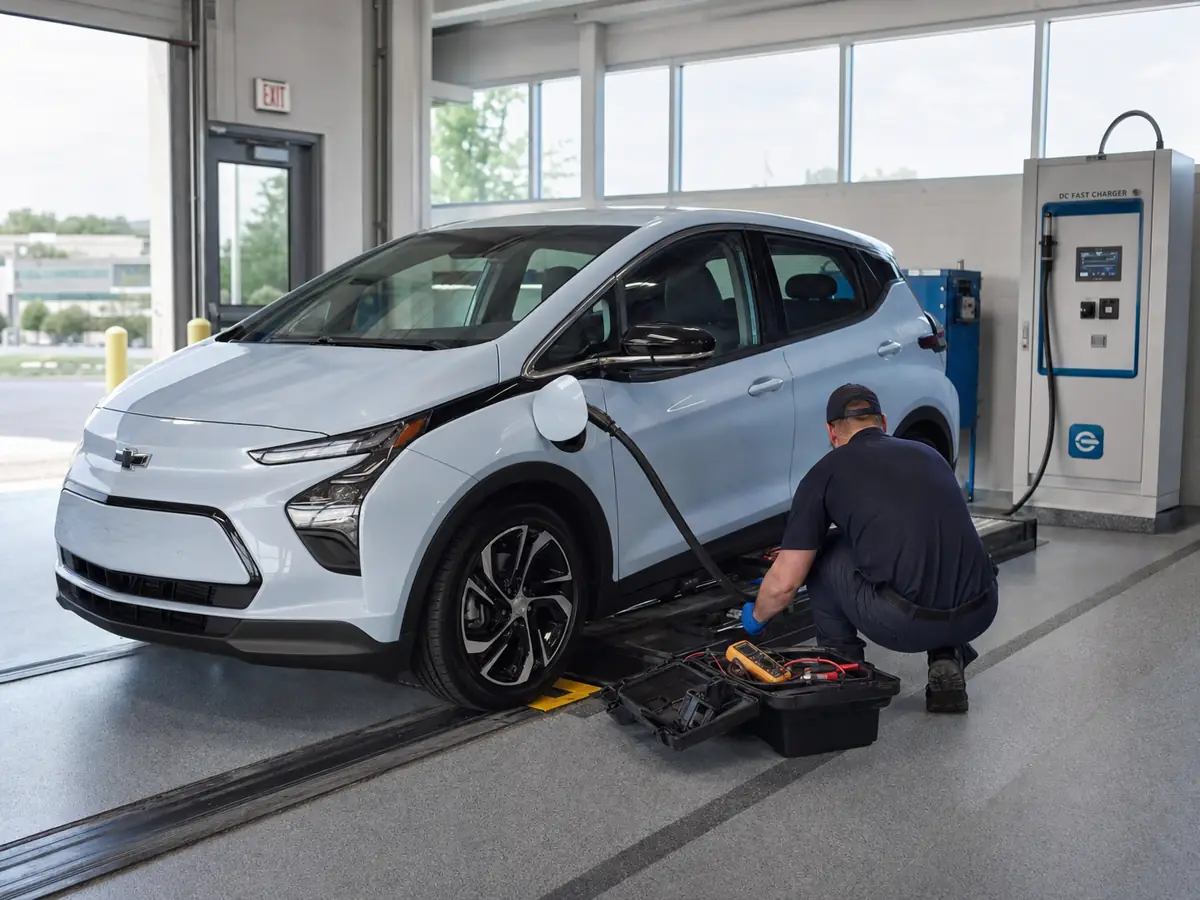
Test heat and air conditioning at full demand. Cabin heat can reveal both functional problems and the winter energy penalty.
Check the charge door, port pins, cable fit, windows, locks, keyless entry, cameras, screen, phone connection, heated equipment, lights, wipers, and every warning lamp during startup.
Regenerative driving can reduce friction-brake use, which may leave rotors rusty or calipers underused.
Perform safe normal and firmer stops, inspect rotor surfaces, and verify the parking brake.
Check tire age, matching specifications, sidewalls, tread depth, alignment wear, and wheel damage.
Review collision and paintwork carefully around the charge port, rocker panels, floor, and rear structure. An independent EV-qualified inspection is worth the cost because high-voltage isolation or structural repair cannot be judged from a clean dashboard alone.
The new versus used checklist covers title and seller evidence. Buy only after the car completes AC charging, DC charging, a warm road test, and a full-system scan without unresolved faults.
IIHS evidence varies by year and equipment
IIHS ratings for the 2017 to 2023 Bolt EV include Good results in several original crashworthiness tests, Good roof strength and head restraints, and a Marginal LATCH ease-of-use rating on the 2022 page. The 2020 Bolt received a Top Safety Pick designation only with optional front crash prevention that met the award criteria.
That equipment condition matters on used cars. Do not copy the award from one configured car to every Bolt.
Confirm the exact automatic emergency braking, lane, blind-spot, headlight, and camera equipment by VIN or window sticker, then test normal startup indications.
Driver aids support an attentive driver and may behave differently in poor weather or with dirty sensors.
Used Bolt safety check
- VIN equipment
- Window sticker or build record
- Crash repair
- Structural and high-voltage inspection
- Child seats
- Actual installation and buckle access
- Headlights
- Night drive on the chosen trim
- Driver aids
- Warning startup and suitable-road test
- Recalls
- NHTSA and Chevrolet completion records
Tires, seat belts, child restraints, and repair quality can matter more than an old award logo.
Inspect belt webbing and pretensioner evidence after a crash. Ask whether windshield or body work required camera calibration.
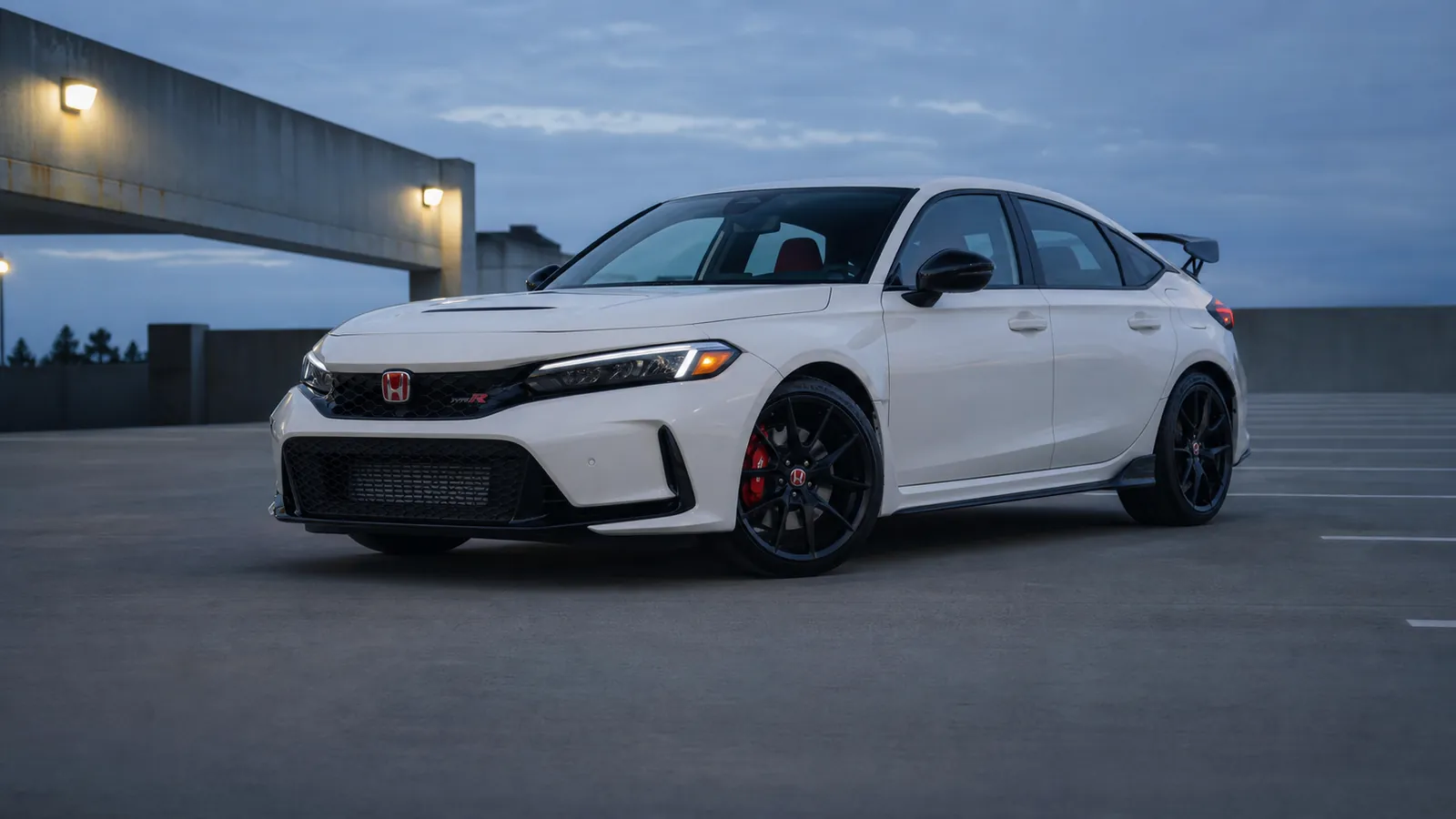
A Honda Civic offers a gas or hybrid compact alternative with faster refueling, while the Bolt removes routine fuel stops for home-charging drivers. Match safety claims to the exact year and equipment because the optional 2020 award does not describe every used Bolt.
Low energy cost does not make every cheap Bolt a bargain
Build a three- or five-year estimate from the transaction price, tax, loan interest, insurance, registration, electricity, charger installation, tires, scheduled service, repairs, and resale. A low listing price can hide a high insurance quote, missing DC equipment, unresolved recall, collision history, or weak tire set.
| Cost | Best evidence | Buyer response |
|---|---|---|
| Purchase | Comparable clean VINs | Reject unexplained discount |
| Battery | Remedy and warranty record | Value documented coverage |
| Charging | Electrical quote and utility rate | Add before financing |
| Insurance | VIN-specific quote | Compare before deposit |
| Tires and brakes | Inspection and exact size | Reserve immediate cash |
| Road trips | Charger price and stop time | Price the real route |
Home electricity should be calculated with charging losses rather than battery capacity alone.
Public fast charging can be more expensive and much slower. Include winter consumption if cabin heat and cold parking are normal.
Federal and state used-EV incentives change, carry eligibility rules, and may depend on buyer income, dealer process, sale price, and vehicle history.
Verify current requirements with the responsible government source and dealer before treating a credit as part of the budget.
Do not let a salesperson reduce the headline price with a benefit the buyer cannot claim.
The budget-price car hub frames lower-cost choices across powertrains. Use the lease versus buy guide when comparing a used Bolt with a subsidized new EV lease.
The best Bolt value is a documented car that leaves cash for charging work, tires, and repairs after purchase.
A documented 2022 or 2023 Bolt is the best starting point
The late cars combine the refreshed cabin, 259-mile EPA estimate, and 11.5 kW onboard AC charger.
That does not make every 2022 or 2023 example better than an older one. Battery remedy status, warranty, collision history, tire condition, equipment, and price can make a well-documented older car the smarter buy.
Drive two candidates on the same route at similar state of charge and temperature. Compare seat comfort, noise, steering, brake feel, energy use, heat, camera quality, and charging.
Bring a phone, child seat, and largest regular cargo item. A short drive hides seat pressure and climate energy use.
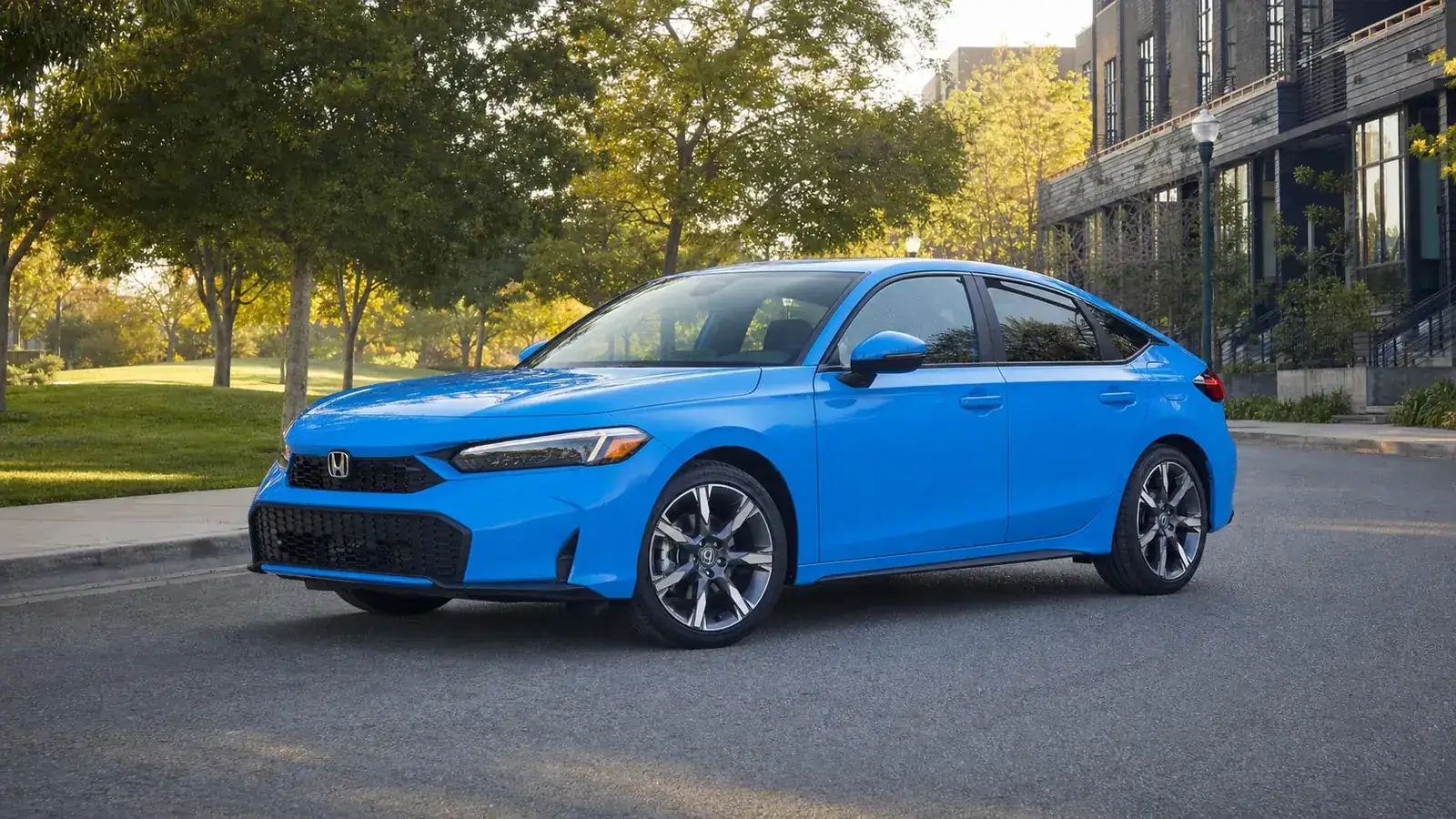
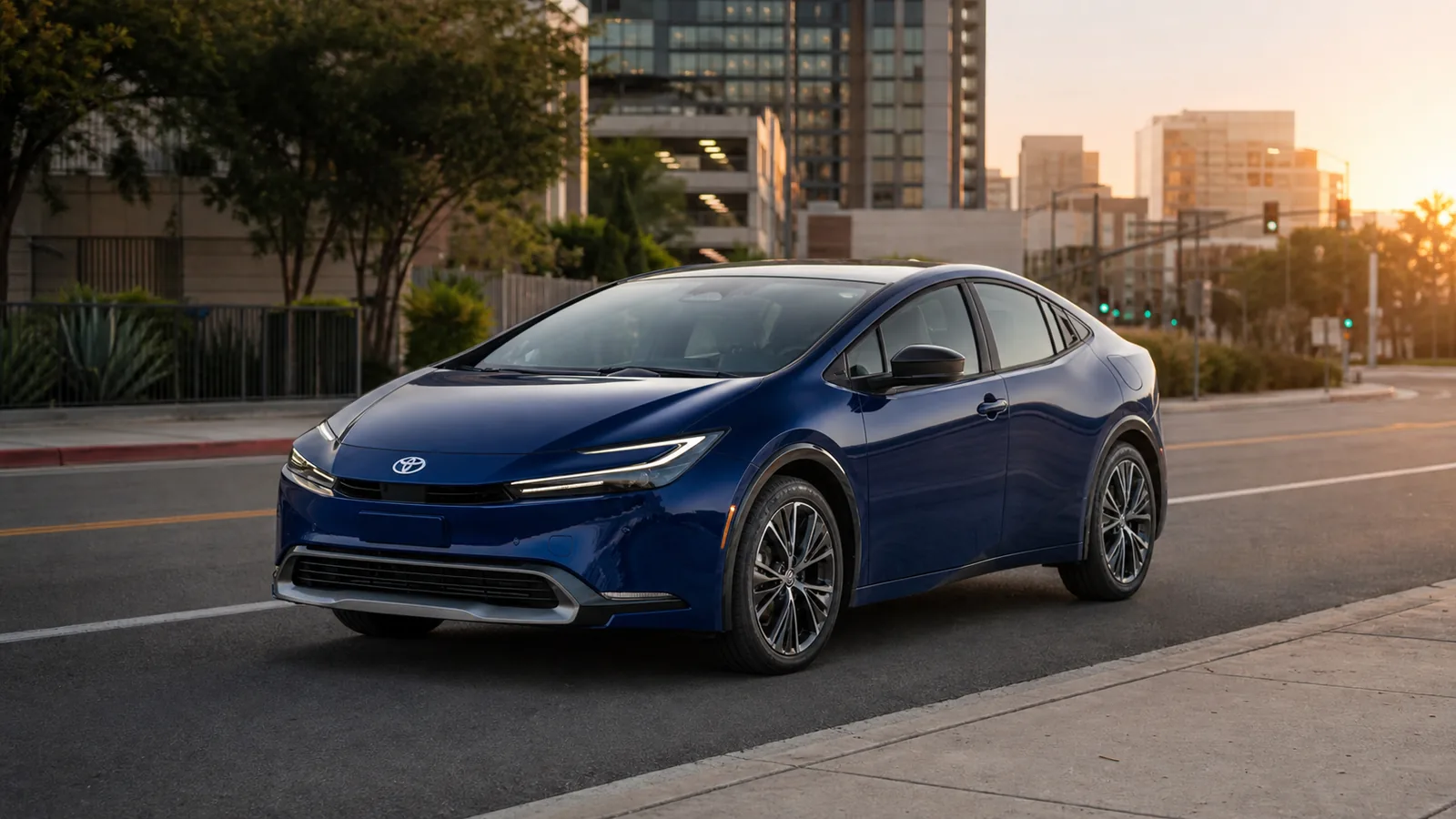
A Toyota Prius is easier for one-car households that travel far without planning chargers. A Tesla Model Y adds space and charging speed but usually costs more to buy and insure.
A Chevrolet Equinox EV is the larger same-brand alternative for buyers who want newer charging hardware and more family space.
The final decision belongs to the individual VIN. Save the lookup results, inspection, repair orders, battery warranty, charging test, insurance quote, and signed equipment list.
Choose the cleanest documented Bolt that completes the weekly job, even when a cheaper listing appears first.