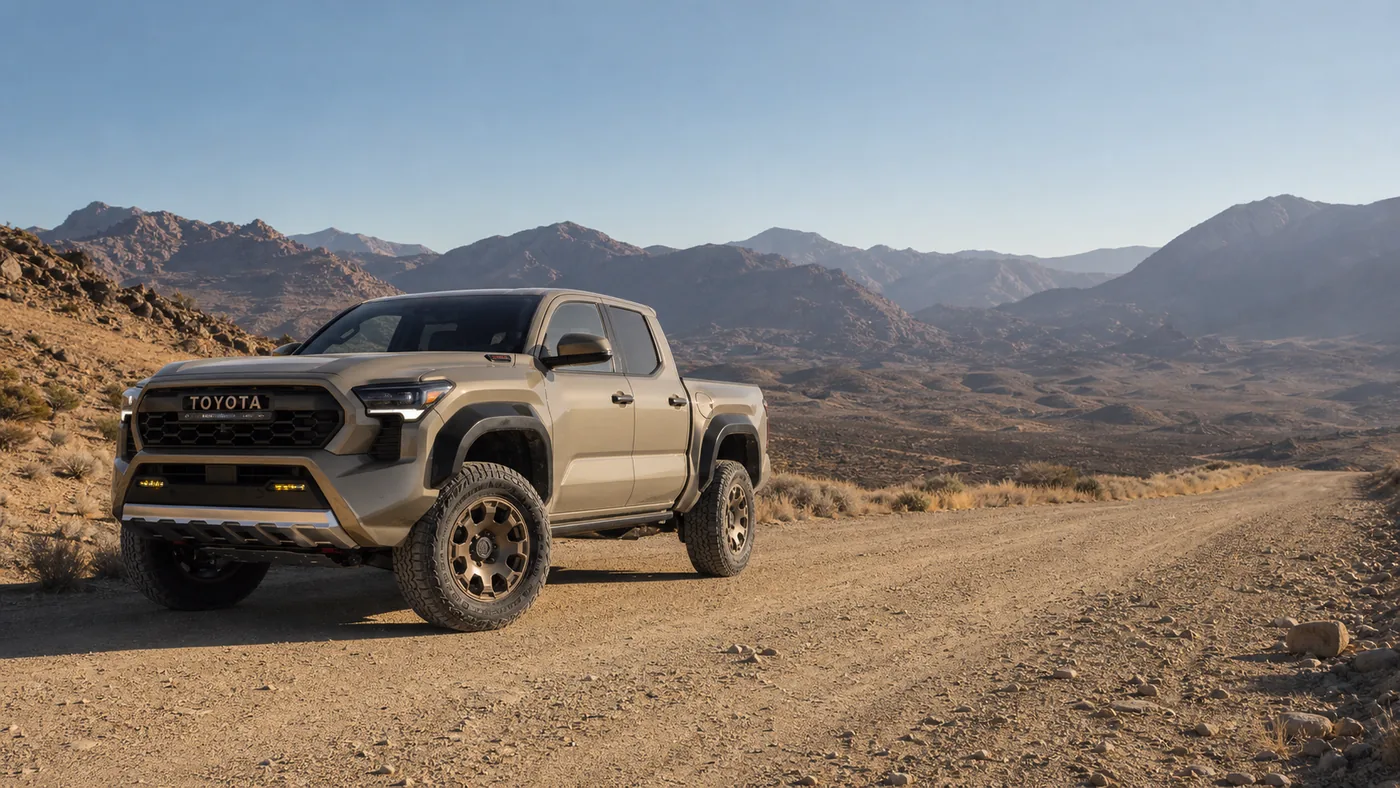
Start with XtraCab or Double Cab before choosing a trim
The 2026 Toyota Tacoma asks a packaging question before it asks an engine question. XtraCab seats two and replaces the rear bench with lockable storage and a fold-flat passenger workspace.
Double Cab seats five and is the only sensible answer when adults, children, or child restraints regularly ride behind the front seats.
XtraCab is available on SR, SR5, and TRD PreRunner. It can be a clean work setup because tools stay inside the cab and the truck avoids carrying a rear seat nobody uses.
Double Cab opens the rest of the trim range and can pair with a 5-foot or 6-foot bed depending on grade.
| Cab | Best use | Check before ordering |
|---|---|---|
| XtraCab | Two-person work and secure storage | No rear passenger seat |
| Double Cab, 5-foot bed | Family and easier parking | Bed length for real cargo |
| Double Cab, 6-foot bed | Longer gear and camping loads | Garage and breakover fit |
Bring the equipment that drives the decision. Put the child seat in the rear, load the cooler or toolbox, and measure the closed garage with the tailgate down.
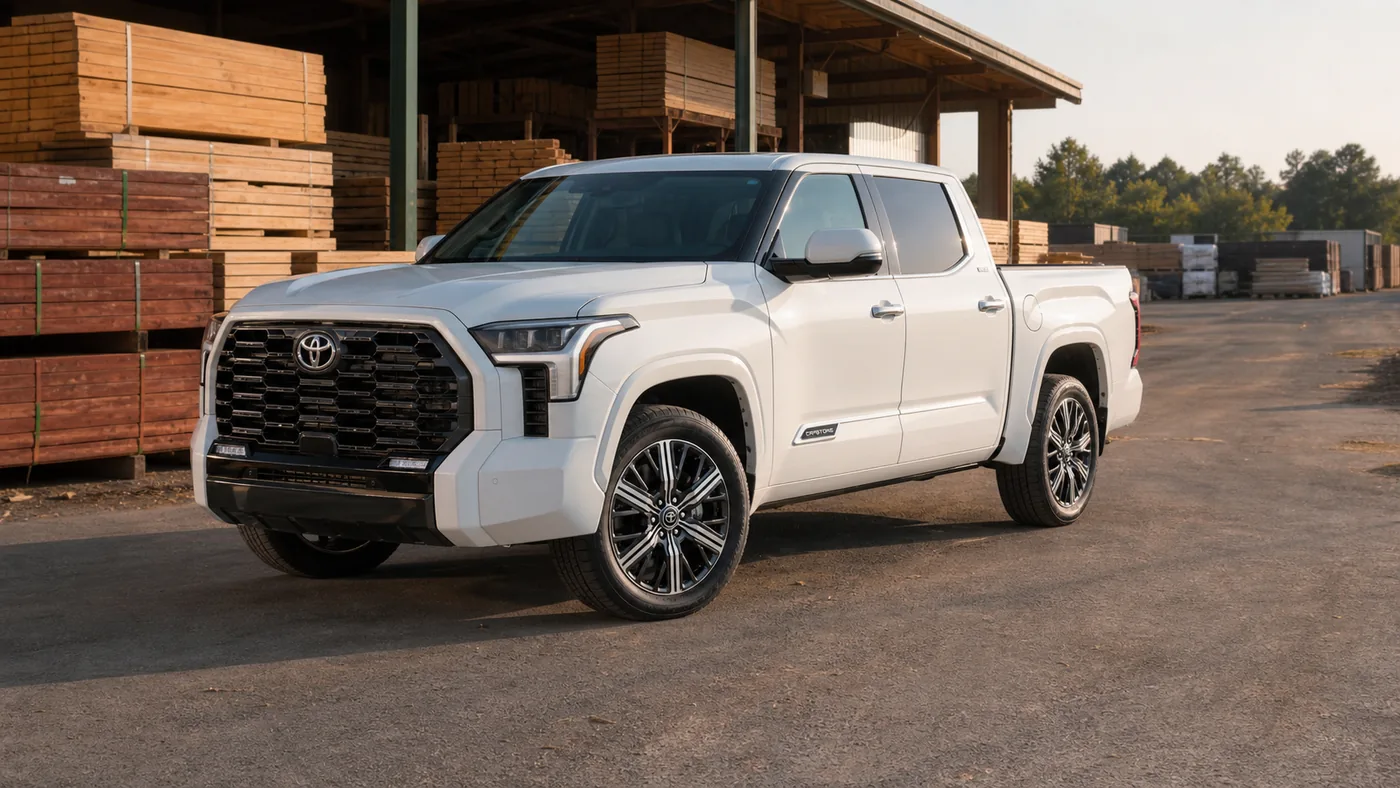
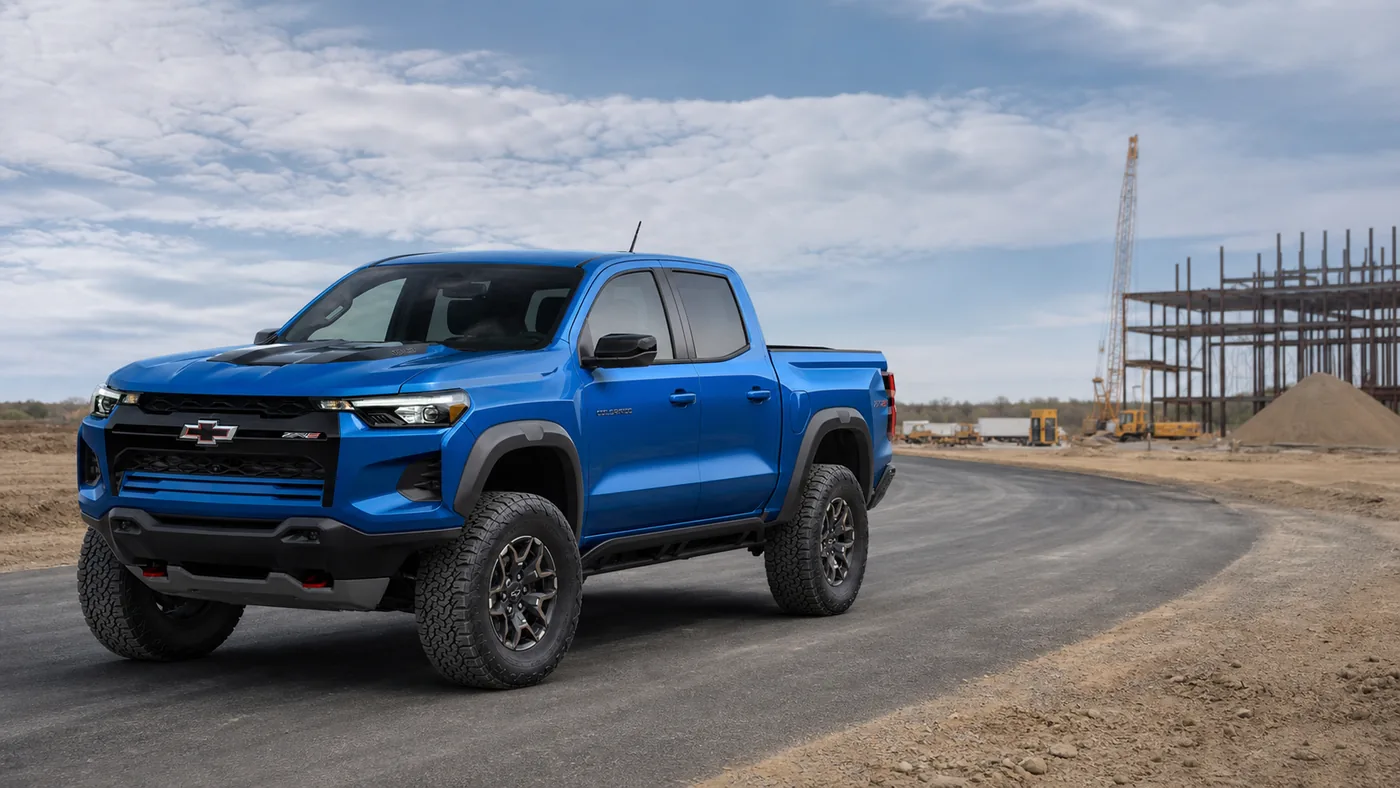
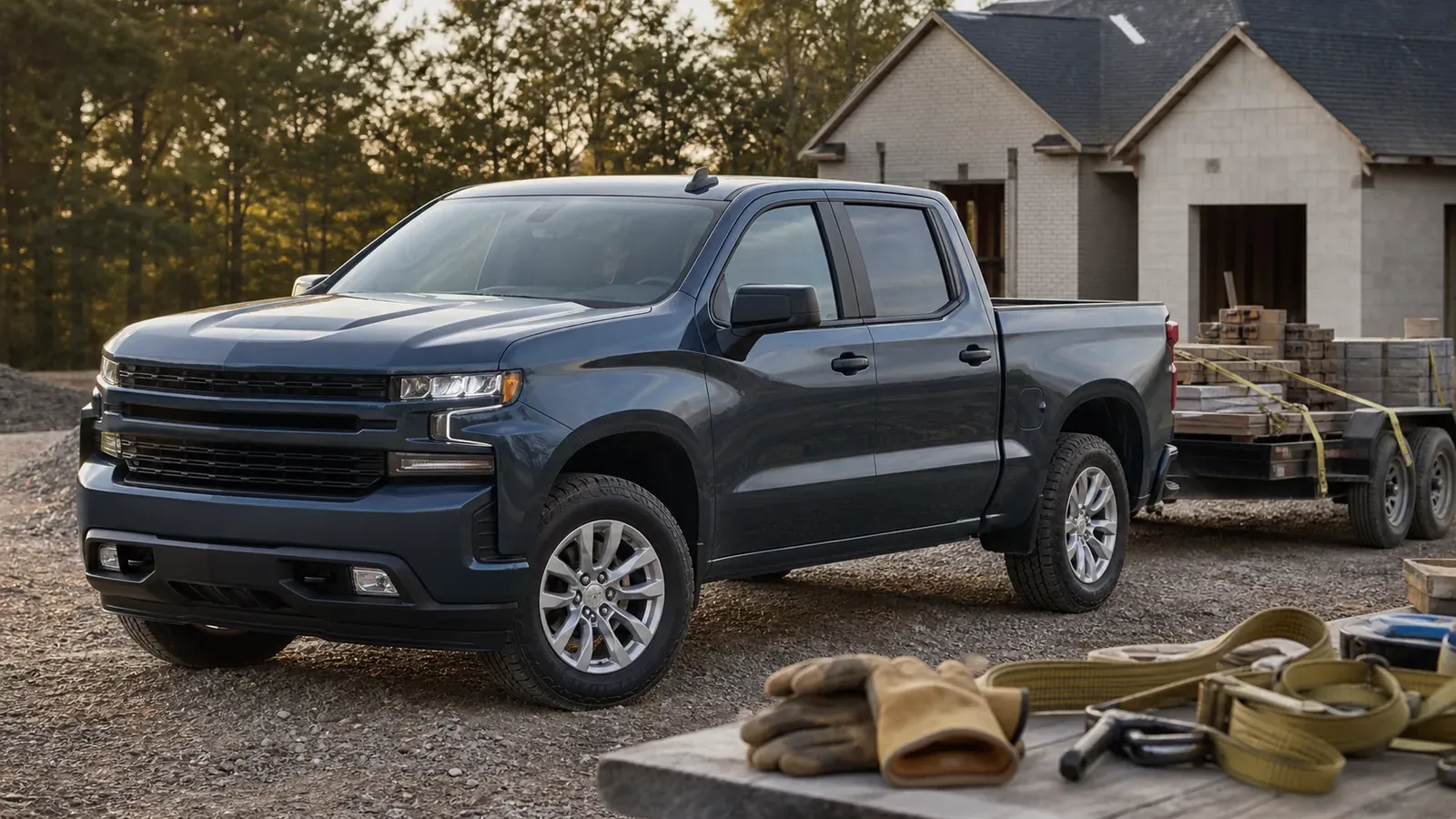
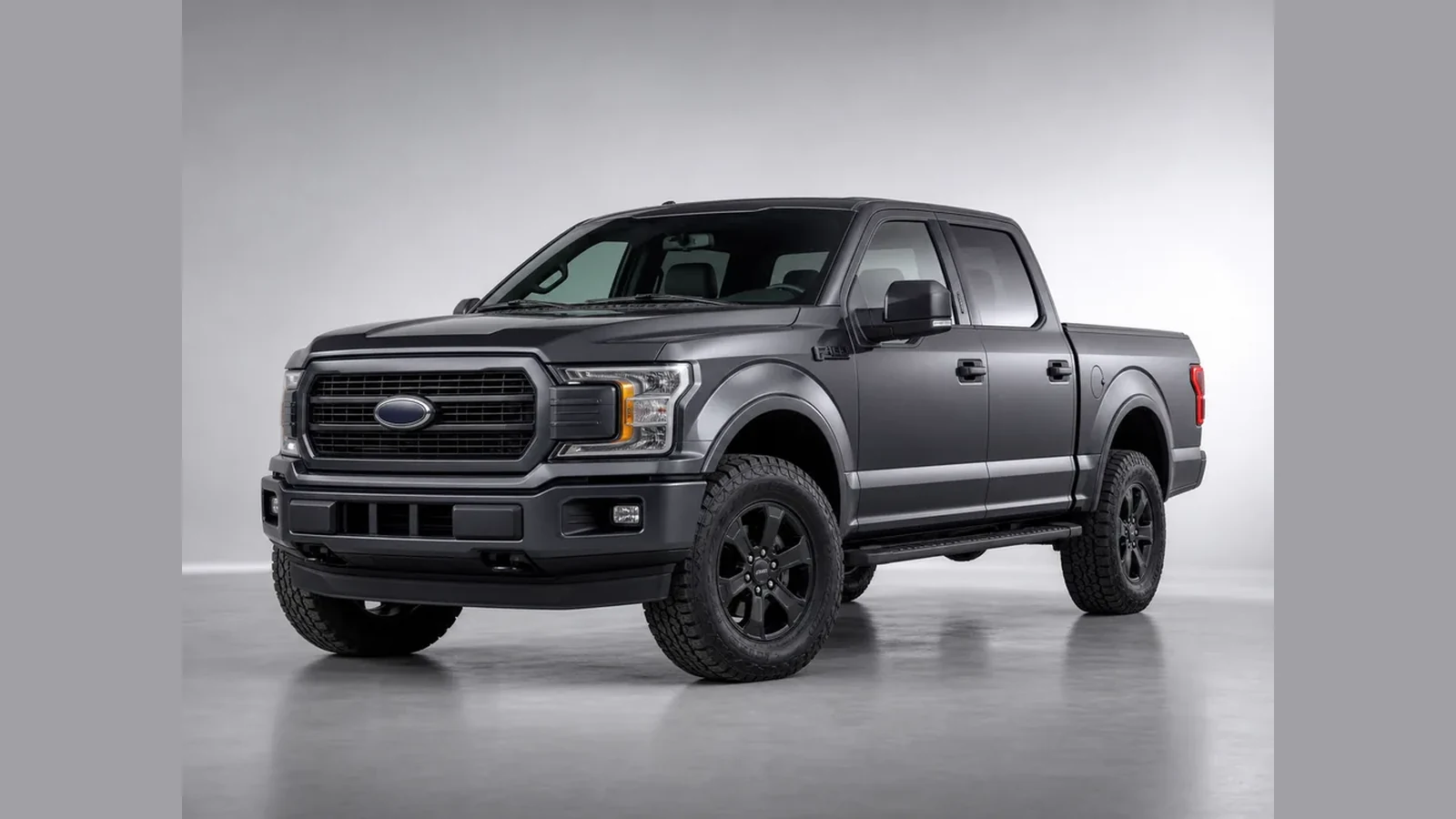
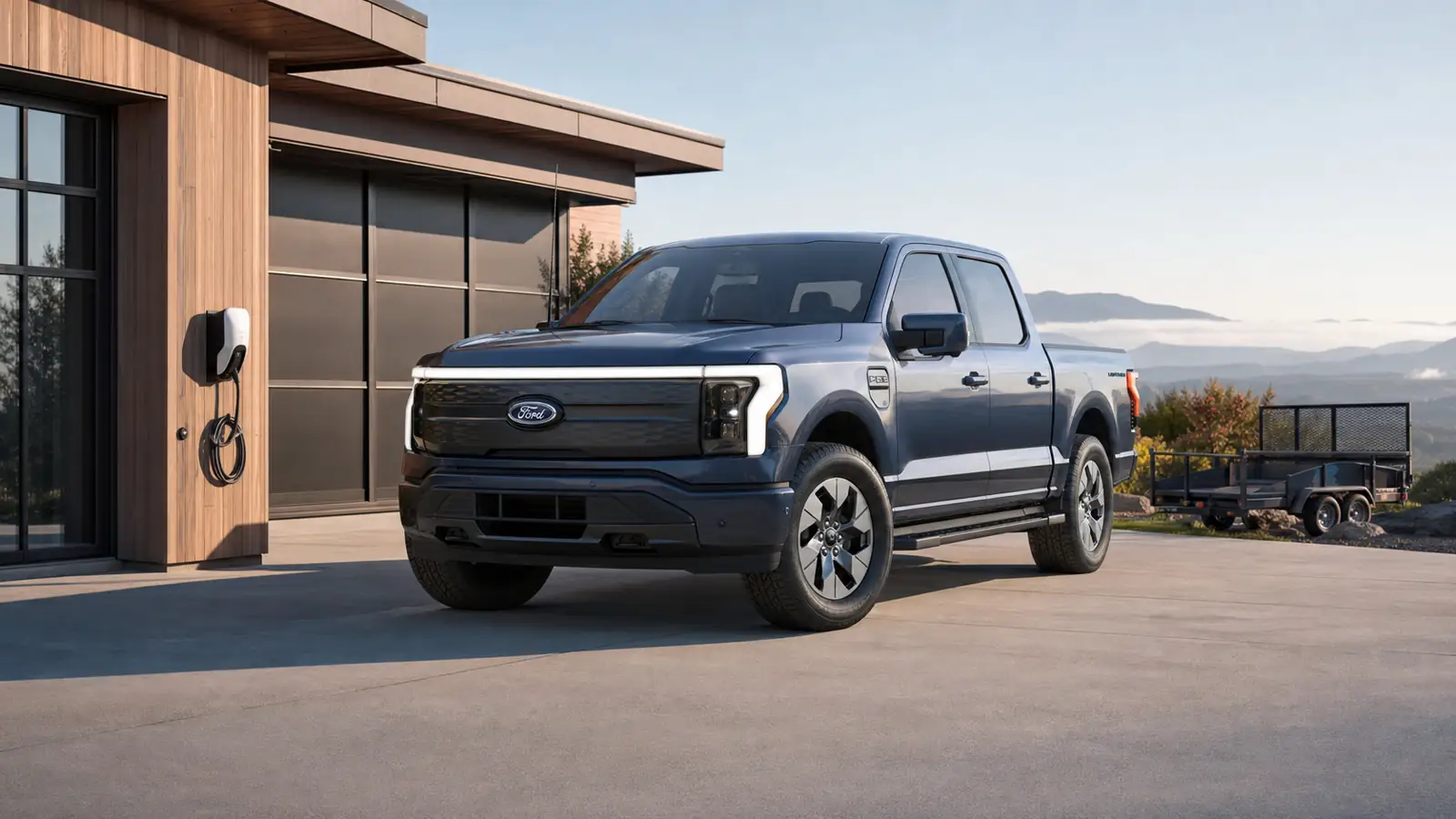
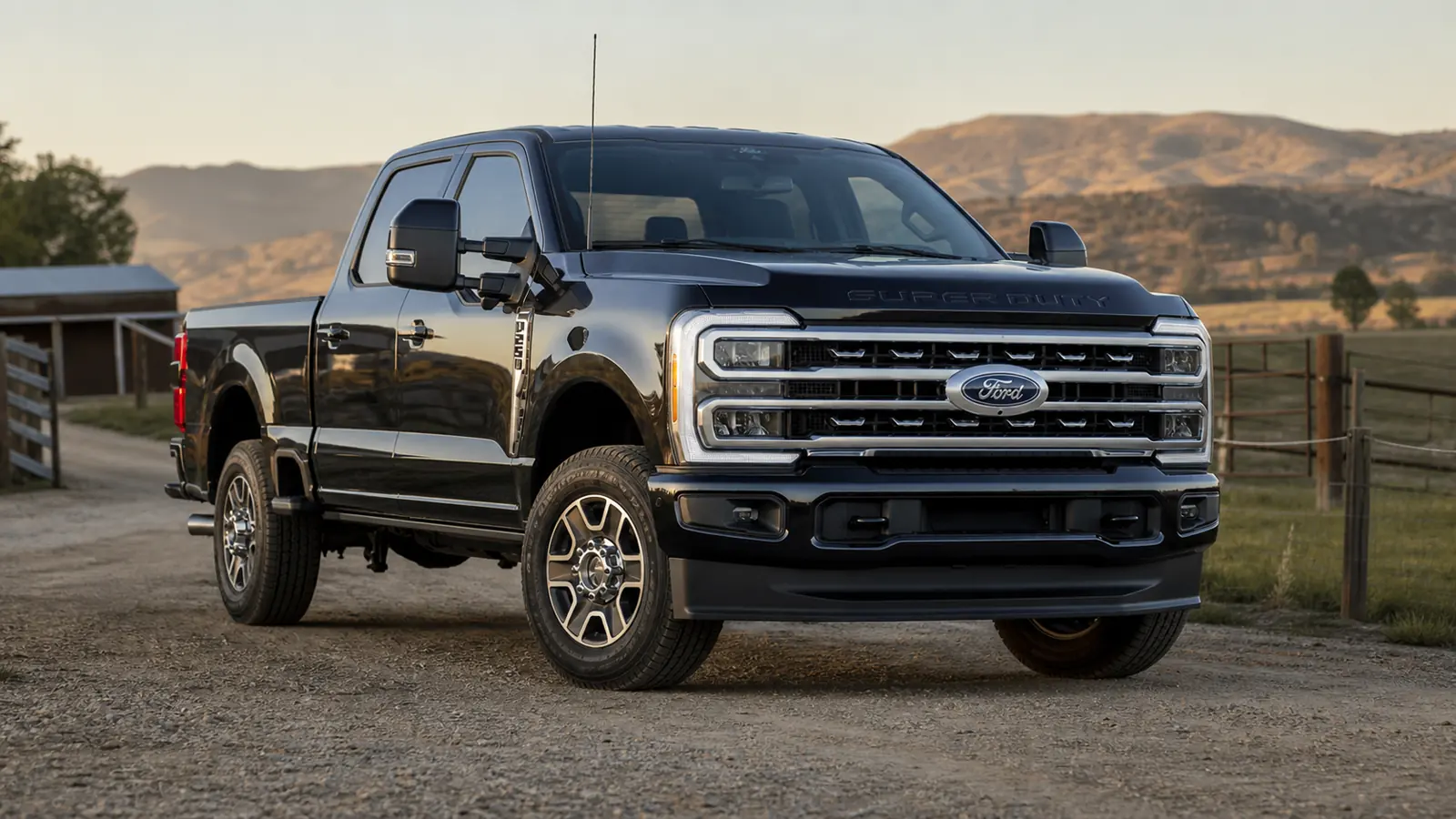
The pickup truck field shows how much cab and bed layouts vary.
Choose the cab around people and secure storage, because no later trim option can correct the wrong body.
Gas, hybrid, and manual Tacomas serve different drivers
The standard 2.4L i-FORCE turbo reaches 278 hp and 317 lb-ft with the eight-speed automatic.
Lower-output versions serve selected base configurations. A six-speed manual remains available on selected gas trims for buyers who value control more than broad availability or maximum ease in traffic.
The i-FORCE MAX hybrid combines the turbo engine with an electric motor for 326 hp and 465 lb-ft.
Its advantage is strong low-speed response and the equipment bundled with hybrid trims. Toyota estimates 23 mpg combined, which means the hybrid should not be bought on an assumption that it will deliver compact-car fuel bills.
Choose gas for lower price, broader configurations, and the manual option. Choose hybrid when repeated grades, loaded passing, or off-road response make its torque useful.
The hybrid vehicle group provides context, while the gas vehicle group shows the simpler ownership alternatives.
The hybrid is a torque upgrade first and an efficiency upgrade second.
The manual Tacoma is a preference, not a shortcut
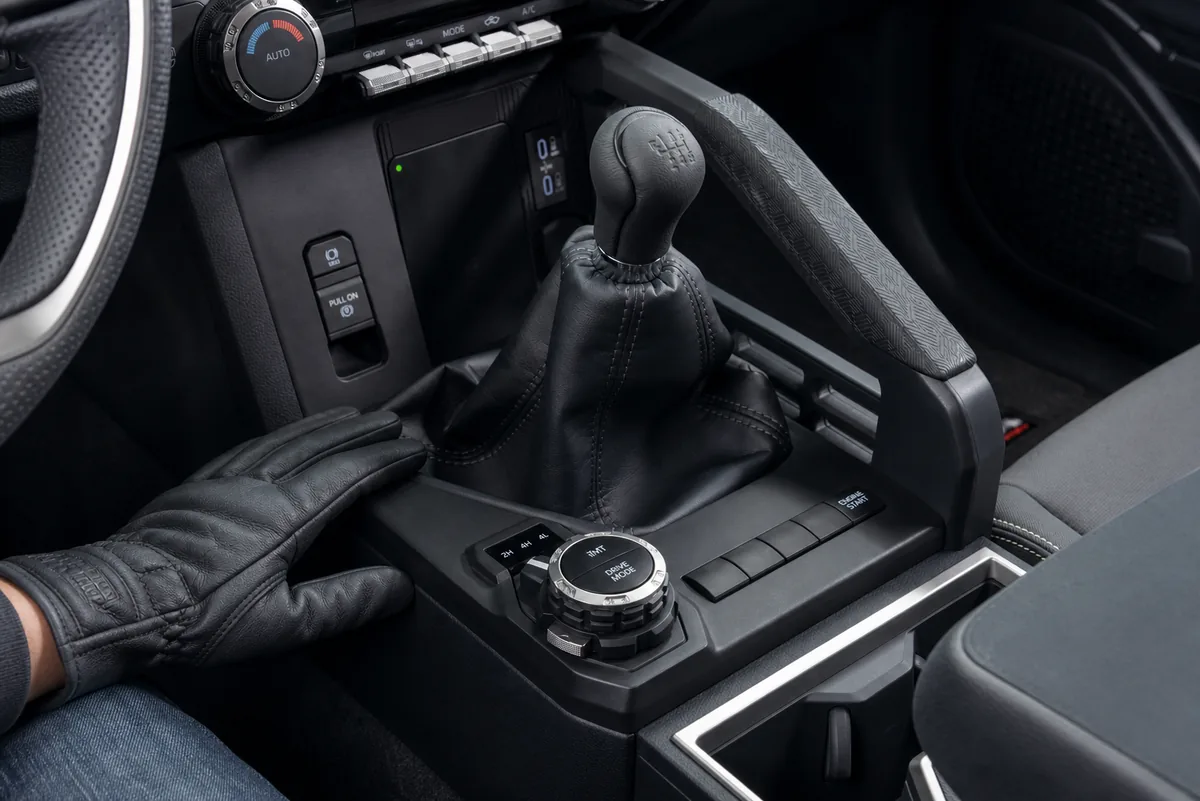
Toyota keeps the six-speed manual for selected Double Cab gas configurations. It appeals to drivers who want direct control on a trail or a more involved commute, but availability is narrow and the automatic delivers the highest gas output in more configurations.
The manual should be chosen after a real traffic and hill test, not from nostalgia.
Set the seat and wheel first, then check clutch take-up, pedal spacing, low-speed crawl control, reverse visibility, and highway engine speed.
Repeat the test after the truck is fully warm. A used truck needs a clean engagement point, no slip under load, no gear clash, and service records that match any clutch or transmission work.
Oversize tires or gearing changes can make the truck feel different from a stock example.
The automatic is easier to share between drivers and simpler in heavy traffic.
It also opens more engine, trim, and driver-assistance combinations. Neither transmission raises the truck-specific payload or allows the owner to ignore the towing procedure.
Price the manual against an equivalent automatic rather than assuming rarity guarantees resale. Buy the manual only when you prefer how it drives on the hardest part of your weekly route.
SR5 and TRD Off-Road cover most Tacoma buyers
SR5 is the practical starting point because it can be configured for daily use without paying for specialty suspension.
It suits commuting, home projects, and moderate towing when the exact truck has the required equipment. TRD Sport adds firmer road-focused tuning, while TRD Off-Road adds hardware that matters on dirt, ruts, and low-speed trails.
TRD Off-Road is the broad adventure choice because its locking rear differential and Bilstein dampers change capability without reaching Trailhunter or TRD Pro pricing. Limited moves toward comfort and offers full-time four-wheel drive with a locking center differential on the hybrid.
Test the trim on the surface it claims to improve:
- Broken pavement for ride and cabin shake
- A highway merge with passengers
- A tight parking space for camera visibility
- A legal dirt road for tire noise and suspension control
- The home driveway for step-in height and length
The Toyota model range puts Tacoma beside the larger Toyota Tundra and enclosed Toyota 4Runner. If the bed is rarely used, 4Runner cargo security may outweigh Tacoma flexibility.
SR5 is the value baseline and TRD Off-Road is the broad capability upgrade.
Trailhunter and TRD Pro need repeated trail use
Trailhunter and TRD Pro both use the hybrid, but their purposes differ. Trailhunter is the overland-oriented build with Old Man Emu dampers, a high-mount intake, protective hardware, and a choice of 5-foot or 6-foot bed.
TRD Pro uses FOX shocks, 33-inch tires, and IsoDynamic front seats to manage body movement during faster rough-terrain driving.
Those parts are valuable when they are used. They also raise purchase price, tire cost, step-in height, insurance, and replacement expense.
TRD Pro's special front seats can reduce normal cabin comfort or storage flexibility for a buyer who never uses their motion-control function.
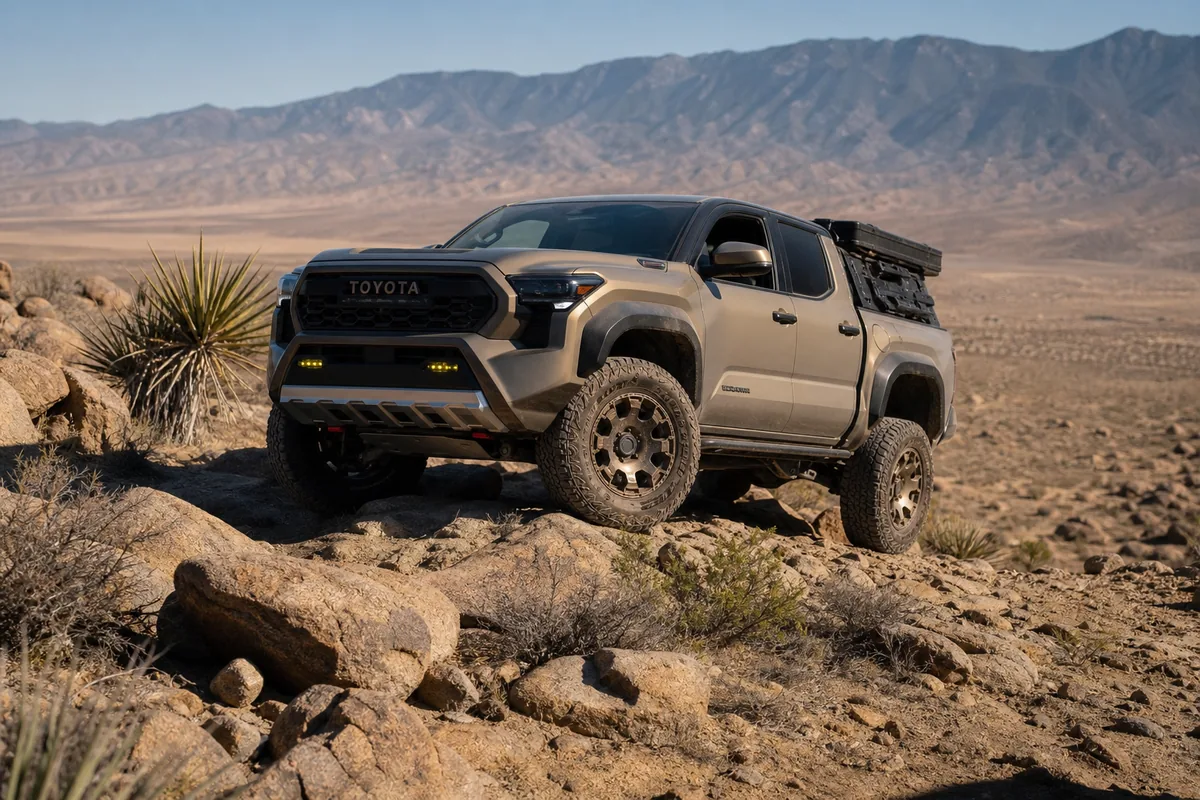
Inspect a used specialty trim underneath, not only around the paint. Check skid plates, frame contact points, shock bodies, tire sidewalls, alignment, recovery points, and mud trapped near brake or hose components.
Modified lighting, lifts, and wheels need invoices and legal installation.
A Jeep Wrangler offers a different open-air trail experience, while the Ford Ranger Raptor targets faster rough terrain. Buy Trailhunter for sustained overland travel and TRD Pro for its specific suspension, not for the most expensive badge.
Tacoma towing depends on payload and configuration
Toyota lists a 6,500-pound maximum tow rating and up to 1,705 pounds of payload for the 2026 Tacoma.
These figures come from different configurations and do not guarantee that one truck delivers both.
Cab, bed, drivetrain, hybrid equipment, wheels, options, and passengers change the available margin.
A 5,000-pound loaded trailer with 12 percent tongue weight places about 600 pounds on the truck. Add four occupants, a cooler, a bed rack, and recovery gear, and payload can become the first limit.
Read the yellow loading label and the model-specific towing information before choosing a trailer.
Tacoma capability check
- Maximum towing
- 6,500 lb in qualifying configuration
- Maximum payload
- 1,705 lb in qualifying configuration
- Hybrid bed power
- 2,400 W AC supply
- Bed choices
- 5 ft or 6 ft by configuration
Use the integrated brake controller when required, confirm the receiver and wiring, and weigh the loaded combination.
The tire-pressure check should use the door label and loaded conditions. Compare the 7,700-pound ceiling of the Chevrolet Colorado only after matching payload and equipment.
The door label and loaded tongue weight decide whether the trailer fits.
The 2026 safety results are strong with one rear-seat caution
IIHS gives the 2026 Tacoma Crew Cab Good results in the small-overlap and updated side tests. The standard Toyota Safety Sense 3.0 system earns Good ratings for vehicle-to-vehicle and pedestrian crash prevention, and the headlights are rated Acceptable.
The updated moderate-overlap test is Marginal. IIHS notes that Toyota changed the rear seat pan and rear seat belt load limiters for 2026, yet rear-passenger restraint and dummy kinematics were rated Poor in that test.
Families should not turn one result into a prediction for every crash, but they should include it when comparing rear-seat protection.
Driver aids do not correct a loose load or an unsuitable tire. Secure cargo, use the correct child restraint, and keep the windshield and cameras properly calibrated after glass work.
The five-seat vehicle hub provides other family choices.
Tacoma's strong active-safety results do not remove the need to compare its rear-seat result with how your family uses the cab.
Used 2024 and 2025 Tacomas need a rear brake hose check
NHTSA recall 25V058 covers certain 2024 and 2025 Tacoma 4WD trucks with 16-inch brakes and Toyota 17-inch wheels.
Toyota reported that mud and dirt buildup during some off-road use can damage the rear brake hoses, which may leak fluid and increase crash risk.
The recall population was 106,061 vehicles, but the VIN decides whether a truck is included.
Toyota's owner notice identified a longer brake-pedal stroke and a brake warning lamp as possible signs.
The remedy replaces both rear brake hoses on affected trucks. A cleaned wheel well does not prove the recall was completed.
A used fourth-generation Tacoma also needs:
- Cold and warm transmission testing
- Smooth hybrid handoff without warnings
- Matching tires and straight alignment
- Clean cameras, sensors, and windshield work
- Underbody and skid-plate inspection
- Service records that match off-road use
The new versus used decision helps price the shorter history of this generation. Recall completion and physical brake inspection are separate checks, and both belong before payment.
Tacoma cost rises fastest through specialty hardware
Tacoma resale can be strong, but resale is not a refund for overspending. A high purchase price creates more tax, interest, insurance, and depreciation dollars even when the retained percentage looks good.
Hybrid hardware, 4WD, 33-inch tires, specialty shocks, racks, armor, and dealer accessories can move a midsize truck into full-size pricing.
Price the parts attached to the trim. One set of all-terrain tires, an alignment, damaged skid plates, or a specialty damper can exceed several months of estimated fuel savings.
Quote insurance by VIN because TRD Pro and Trailhunter repair values differ from SR5.
| Cost | What raises it | Control |
|---|---|---|
| Fuel | Hybrid trim, 4WD, tires, load | Estimate the real route |
| Tires | 33-inch specialty fitments | Price a set before deposit |
| Finance | High trim and accessory total | Compare out-the-door figures |
| Repairs | Off-road wear and modifications | Inspect stock hardware underneath |
| Insurance | Trim and replacement value | Quote the exact VIN |
Use the lease versus buy guide before accepting a payment. The Ford F-150 can overlap expensive Tacoma pricing while offering more cabin and payload, though it is harder to park.
Tacoma value is strongest in a disciplined SR5 or TRD Off-Road, not in every truck wearing the name.
The Tacoma configuration most buyers should start with
Start with an SR5 Double Cab if the truck must carry people and handle normal work. Move to TRD Off-Road when a locking differential, trail-oriented dampers, and regular rough-road use matter.
Choose XtraCab when secure storage is more valuable than a rear seat.
Add the hybrid only after its torque and trim content prove useful on your route. Choose the manual because you enjoy and accept it, not because it improves towing or resale.
Trailhunter and TRD Pro should be justified by repeated terrain that uses their parts.
Before deposit, match the VIN, cab, bed, powertrain, drivetrain, payload label, wheel size, and installed packages to the signed order. Dealer inventory can look identical while carrying a different capacity or equipment mix.
Cross-shop the Chevrolet Colorado for stronger standard torque and a higher tow ceiling, and the Ford Ranger for a simpler cab-and-bed range.
The Toyota Tundra makes sense when payload, rear space, or a larger trailer exceeds midsize limits.
Cab first, payload second, powertrain third, and trim last is the clean Tacoma buying order.