Start with the trim ladder, not the tow number
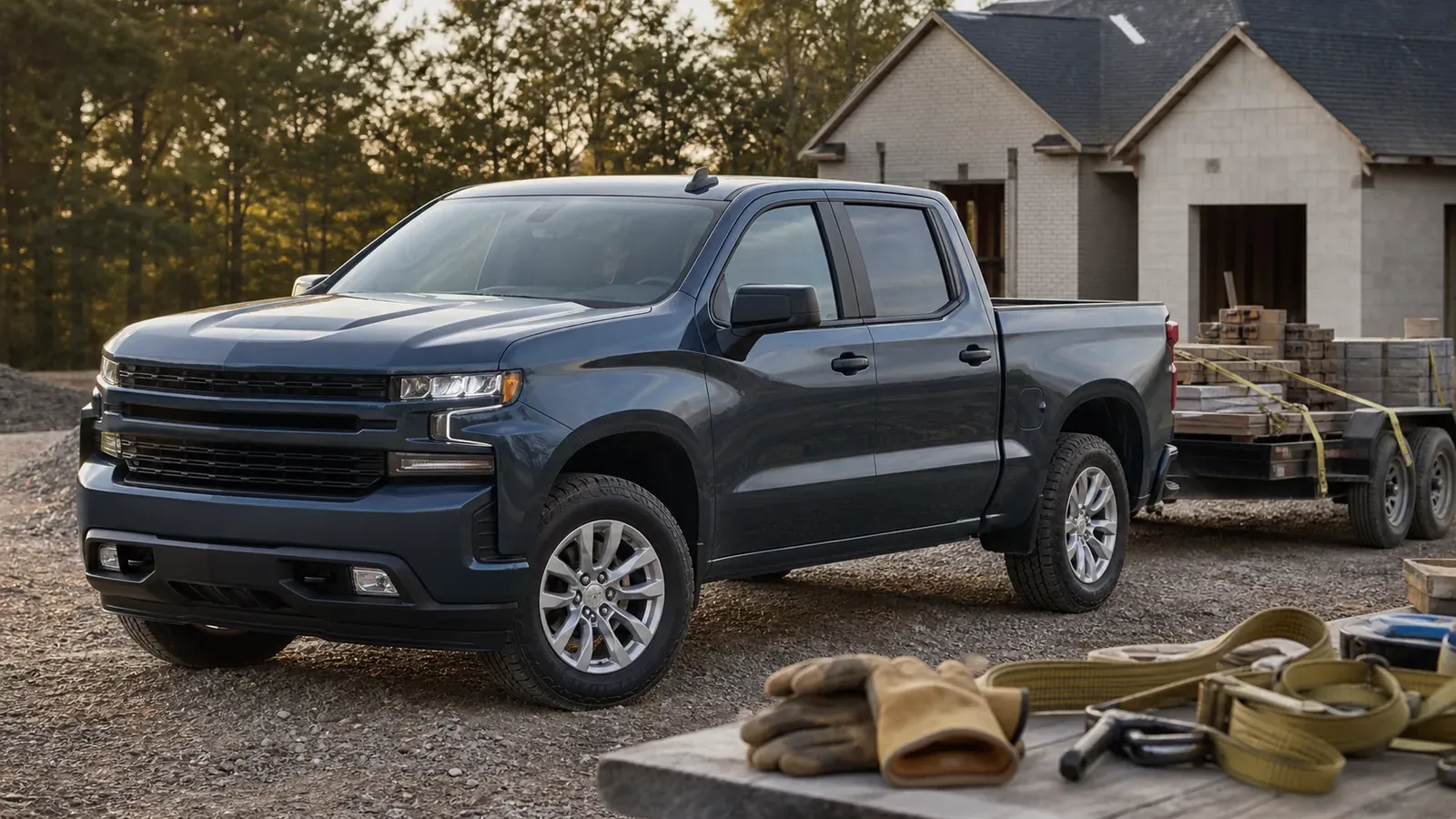
The fastest way to overspend on a Chevrolet Silverado 1500 is to shop the badge before the job. One nameplate covers Work Truck, Custom, LT, RST, LTZ, High Country, and the off-road ZR2, plus two bed lengths and several cab sizes, so two Silverados on the same lot can be completely different tools.
That spread only helps you when you name the weekly job first. A truck that commutes and carries weekend supplies does not need the build that pulls a camper every month, and a contractor's work truck should not be judged by the same cabin standard as a family road-trip truck.
| Trim group | Who it fits | Watch for |
|---|---|---|
| Work Truck, Custom | Job sites and value buyers | Plain cabin and fewer comfort features |
| LT, RST | Family and all-around use | Easy to option past your budget |
| LTZ, High Country | Buyers who want a luxury feel | Price climbs into premium money |
| ZR2, off-road builds | Trail and loose-surface use | Check for real off-road wear |
The Silverado has a personality split that makes price discipline hard. Lower trims feel like work tools, LT and RST can grow into family trucks, and LTZ, High Country, and ZR2 builds move into luxury or specialty territory.
The Chevrolet brand lineup shows why the truck should not be judged like a small crossover, because it has to earn its size with work.
Chevrolet's own price spread tells the story. A plain Work Truck starts near $38,000, while a loaded High Country runs close to $73,000, so the badge alone can swing your payment by the cost of a second car.
The first real test is physical, not the spec sheet. Park it where you live, open the doors, load the bed, and back it into your driveway or garage, since a truck that feels great on the road can still be wrong for daily spaces.
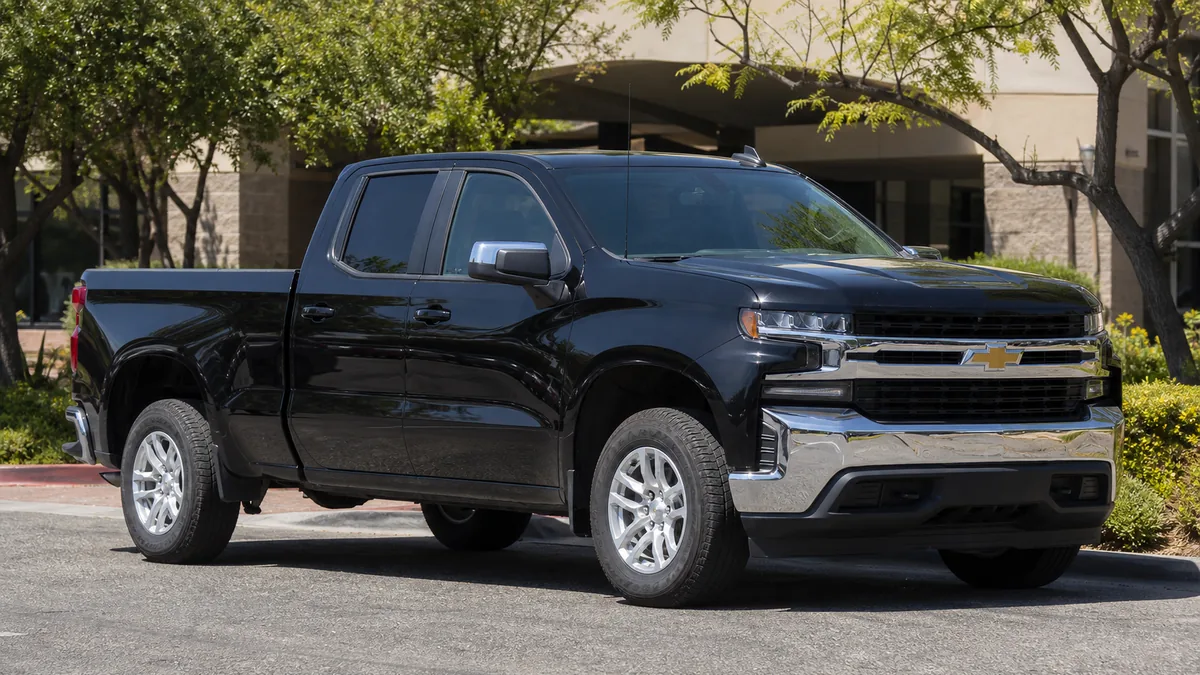
If you only want height and image, a smaller truck or SUV is easier to live with.
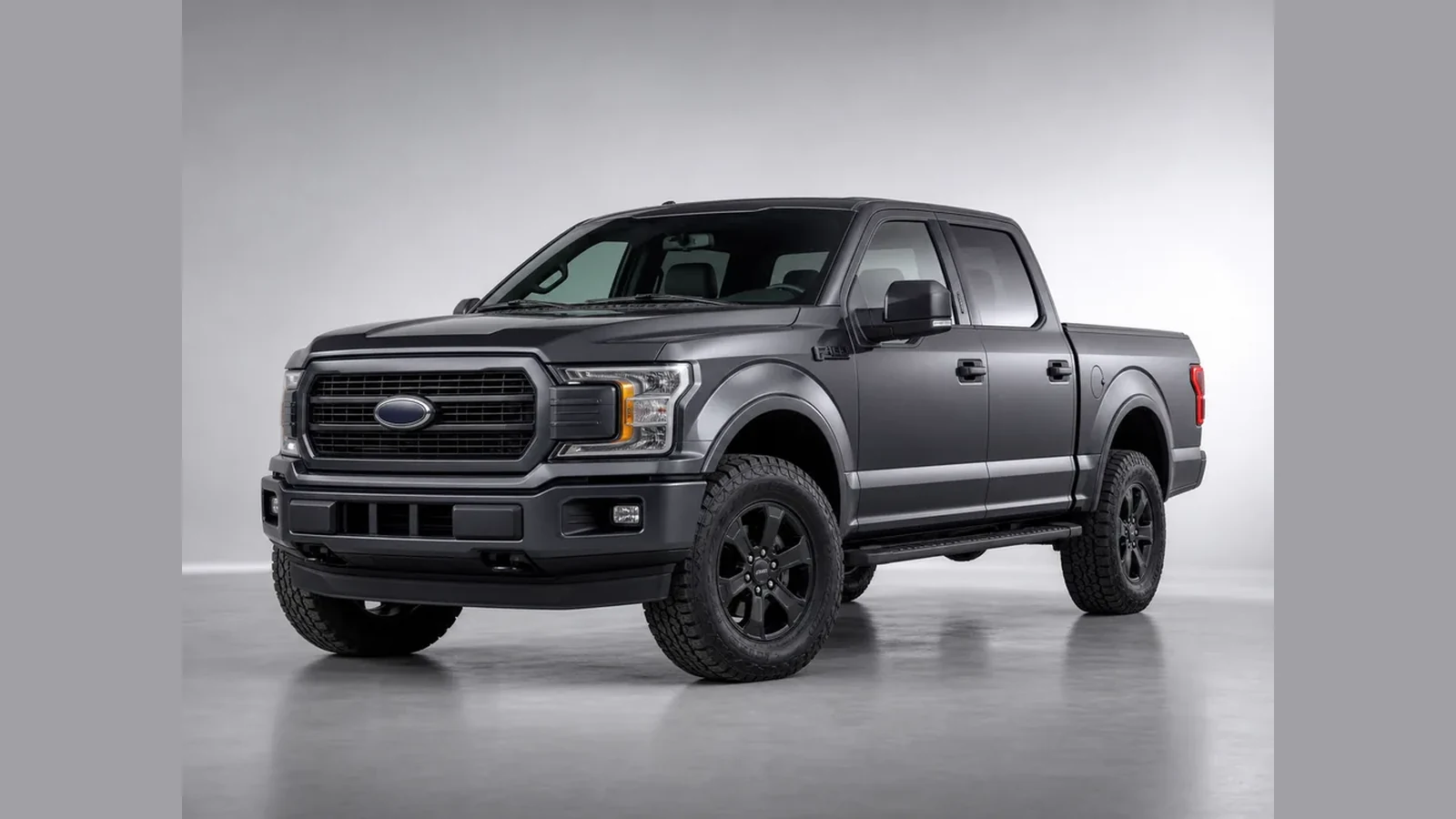
If you need to tow, haul, carry tools, or replace a big family vehicle with a bed, the Silverado belongs on the shortlist next to the Ford F-150.
Its closest cross-shop is the Ram 1500, which plenty of buyers drive on the same afternoon before deciding.
Full-size shoppers should start in the pickup body group, because bed length, cab shape, and payload decide more than brand loyalty. Pick the trim that matches your job, and treat every rung up the ladder as money you have to earn back in use.
The four-engine choice no rival makes you weigh
Most trucks ask you to pick between two engines. The Silverado hands you four, and each one points at a different owner.
The 2.7L TurboMax turbo four is the value and daily-use engine, the 5.3L V8 is the familiar middle choice, the 6.2L V8 is the power play, and the 3.0L Duramax diesel chases highway mileage and torque.
The TurboMax is more serious than old four-cylinder truck jokes suggest. It makes strong low-rpm torque and can be the right answer for daily driving, lighter towing, and buyers who do not want V8 fuel bills.
The 5.3L V8 is the traditional truck feel most shoppers picture, and it is widely serviced anywhere. Buy the 6.2L V8 with open eyes, because it delivers the strongest gas performance but asks for premium fuel in many trucks and raises tire and insurance cost, so for a lot of buyers it is a want and not a need.
Power runs through an 8-speed or 10-speed automatic depending on engine, and seating spans three in a work-focused cab to six with a front bench, so one nameplate can be a two-seat tool or a full family hauler.
The Duramax diesel deserves a route-based decision, not a reflex. It is easy to justify for long highway trips, steady towing, and drivers who keep trucks for years, and hard to justify for short errands, low yearly mileage, or anyone without a trusted diesel shop nearby.
The gas powertrain fits most private buyers, since fuel is everywhere, service is simpler, and there is no emissions hardware to feed.
The diesel powertrain earns its premium when long highway towing or high annual mileage is a real part of your week.
If engine choice is your single deciding factor, the Ford F-150 spreads even wider and adds a hybrid, so cross-shop it before you commit. Choose the engine by how you actually drive each week, not by the biggest number on the window sticker.
Read the payload sticker before you trust the tow rating
Chevrolet lists maximum trailering up to 13,300 pounds, but that figure does not apply to the truck you are standing next to. Cab, bed, engine, axle, 4WD, wheels, and options all move the real answer, so the brochure headline is a ceiling and not a promise.
The number that actually governs your load is the payload sticker on the door jamb. Tongue weight, passengers, tools, and cargo all pull from the same payload budget, and it shrinks faster than most buyers expect.
Silverado capability numbers
- Max towing, configured
- up to 13,300 lb
- Max payload
- up to 2,260 lb
- Diesel torque
- 495 lb ft
- Top gas output
- 420 hp
A quick example shows why the tow rating is only half the story. If a trailer drops 900 pounds of tongue weight on the hitch, and you add four adults plus tools in the bed, the leftover payload can vanish even though the headline tow number looks huge.
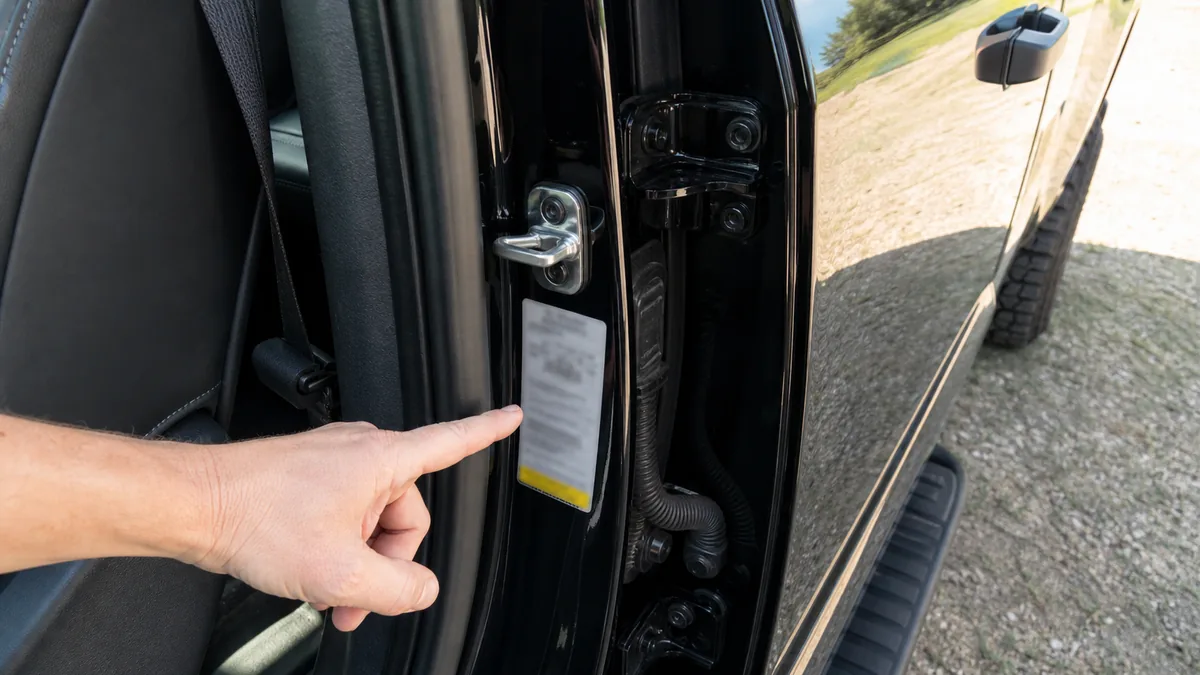
That is why the door-jamb label beats the ad. Verify the VIN's tow rating along with the axle and tow package before you trust any towing math, because the hardware on that specific truck sets how it behaves.
The cab choice may shape daily life more than the engine. A crew cab is the family answer, a double cab suits shorter trips or work use, and a longer bed helps hauling while making parking and garage fit harder.
Four-wheel drive earns its cost in snow, on job sites, and on ramps, while rear-wheel drive can be the better value for warm-weather commuting and light work.
Tire pressure carries more weight once payload and towing enter the picture, so the tire pressure routine becomes a safety habit rather than a fuel tip.
The Ford F-150 and Ram 1500 both publish their own configured maximums, so compare configured truck to configured truck instead of headline to headline. Buy by the payload sticker on your exact truck, not by the biggest towing number in the brochure.
Where the Silverado's cabin actually lands
Interior quality is the Silverado's most common complaint, and it is worth a careful walk-around before you sign. Lower and mid trims use hard plastics that trail some rivals, and the cabin feel jumps a lot as you climb from a Work Truck to a High Country.
The Ram 1500 is the truck buyers most often name when the Silverado cabin feels plain, so drive them back to back and decide how much the material gap matters to you. A firmer empty-bed ride shows up on the Silverado too, which is easy to miss on a short, smooth test loop.
Cab and cargo choices shape the cabin experience as much as the trim does. A crew cab gives real rear-seat room for a family, while a double cab trades some of that back-seat space for a tidier footprint.
A buyer moving out of an SUV should think hard about covered cargo. A bed is excellent for dirty gear, tools, mulch, and trailer equipment, but it is weaker for groceries, luggage, pets, and valuables unless you add a cover or a storage system, and those accessories belong in the purchase budget.
A mainstream work build sits near the mainstream cars price frame.
A loaded High Country can climb into premium cars money without adding a single pound of payload, and that gap is where cabin desire quietly outruns capability.
If a plush, quiet interior ranks near the top of your list, be honest about whether a truck is the right shape at all.
A Honda CR-V can deliver a nicer cabin and easier covered cargo for less money when open-bed hauling is rare.
Match the cabin you pay for to the interior you actually need, because trim creep adds cost without adding capability.
Buying used without inheriting someone's worksite
Silverado reliability depends on engine, year, maintenance, and use far more than on the badge. A lightly used commuter truck carries a very different risk than one that towed heavy, idled on job sites, or ran oversized tires.
The 5.3L V8 is familiar and widely serviced, but high-mile oil history, a neglected cooling system, or cylinder-management hardware all deserve a look. The 6.2L V8 is strong yet often wants premium fuel, and the diesel can be excellent for highway work while adding DEF, fuel filters, emissions parts, and higher labor rates to the budget.
Drive any used truck cold and warm. Feel the transmission at low speed, on highway kickdown, and shifting from park to drive, then listen for suspension clunks, exhaust leaks, ticking, and driveline vibration.
Repeated shift flares, clunks, or delayed engagement call for a shop diagnosis, not a shrug about truck character.
The bed often tells the truth before the seller does. Deep scratches are normal on a working truck, but bent tie-downs, cracked liners, damaged tailgate hardware, or fifth-wheel and gooseneck marks should change your questions.
- 2019Current-generation Silverado 1500 launches
- 2022Major refresh updates the interior and tech
- 2024 to nowLater builds add features worth testing used
ZR2 and off-road builds need their own inspection for underbody scrapes, bent skid plates, damaged shocks, and mud packed where it should not be. Rust checks still matter everywhere, so look at the frame, hitch area, brake lines, suspension mounts, and bed underside, because a shiny body does not prove the work parts underneath are clean.
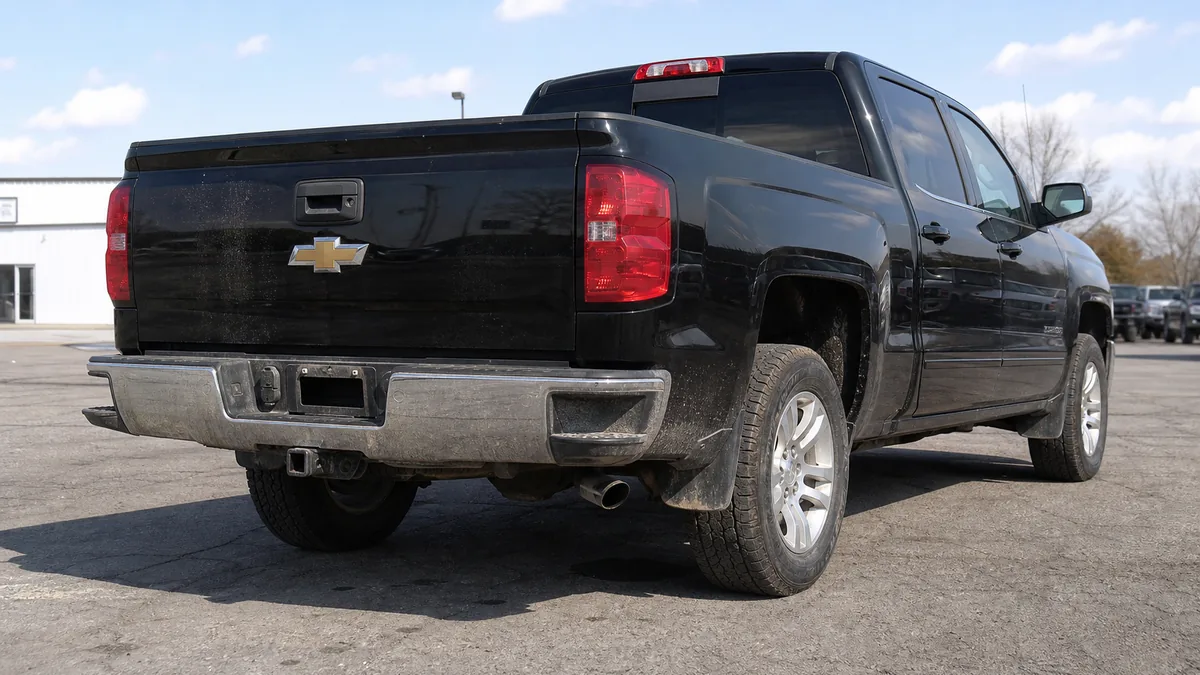
A stock truck with real records is the cleaner bet, since lift kits, oversized tires, and tunes can hit reliability, warranty, and resale all at once. Bring a scan tool, because stored codes reveal misfires, emissions faults, or transfer-case problems even when the dash stays dark on a short drive.
Service records should show more than oil changes on a hard-used truck. Look for transmission service, coolant history, brake work, and differential or transfer-case service, because a truck that towed heavy but never got truck-level care is a real risk.
Ask the dealer for the open recall and service-campaign check by VIN, since forums show patterns but the VIN decides whether your exact truck still needs work.
Before chasing a low-mile luxury trim with thin records, run the new versus used decision.
Trucks carry a lot of electronics, so charging-system health matters, and the jump-start procedure is worth knowing before winter. On a used Silverado, how the truck was worked matters more than the number on the odometer.
What a Silverado costs once truck expenses count
A Silverado can be reasonable to own when it does a clear job, and expensive when it is bought for image, optioned like a luxury SUV, and then used mostly to commute. Fuel is only one line on the bill.
Tires, brakes, insurance, registration, bed covers, towing gear, and parking damage all belong in the total. Full-size truck tires cost real money, so price a replacement set before you fall for a big-wheel trim.
| Cost area | What moves the bill | Buyer move |
|---|---|---|
| Fuel | Engine, axle, tires, and load | Estimate real use, not only EPA numbers |
| Tires | Wheel size and load rating | Price replacements before picking wheels |
| Towing gear | Hitch, brake controller, mirrors | Buy factory tow hardware when towing often |
| Diesel upkeep | DEF, filters, emissions parts | Choose diesel for highway work, not errands |
| Accessories | Covers, liners, steps, racks | Budget work gear before trim upgrades |
Fuel planning should match load, not the brochure. A Silverado driven empty on the highway is one cost, and the same truck towing a camper into hills is another, so estimate towing fuel when towing is the reason you are buying.
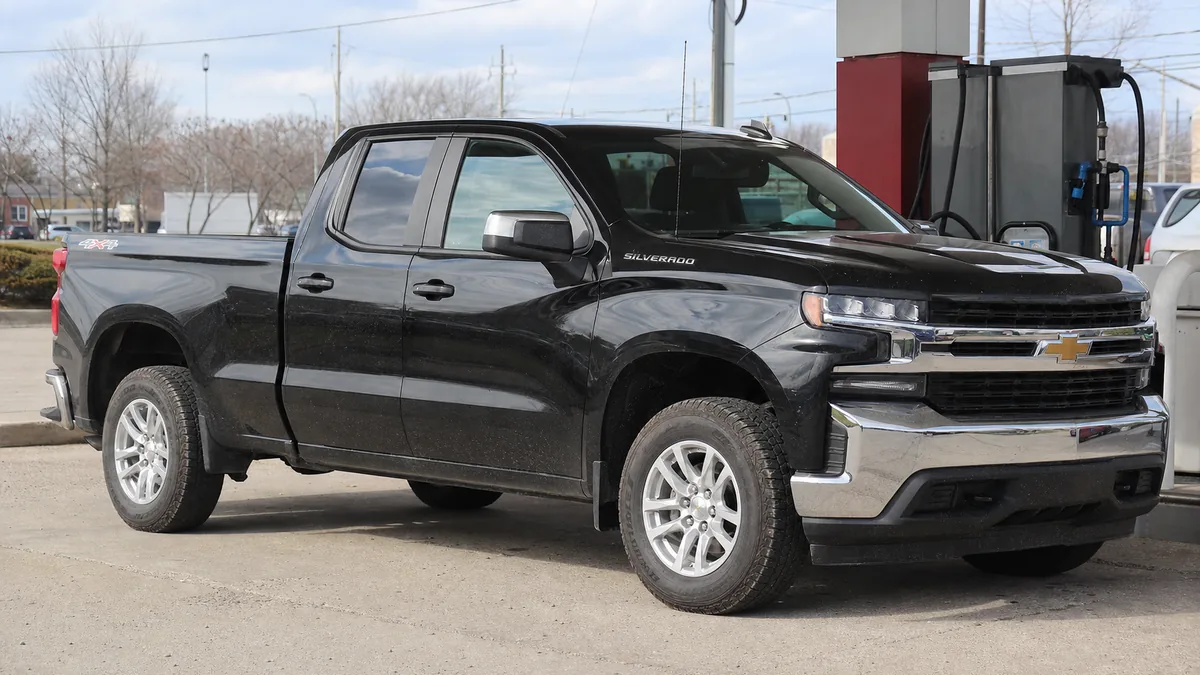
Insurance deserves a quote by VIN, because trim, repair cost, and regional claims all move it, and a High Country or ZR2 can cost more to fix than a plain LT. Depreciation tracks trim and purchase price too, so a fair-priced work truck can hold up on broad demand while a heavily optioned luxury build loses more dollars.
The Duramax is the mileage leader of the range, rated up to about 23 mpg city and 29 mpg highway, so steady highway miles claw back some of its price premium, though short errands never will.
A smart budget counts space too, because apartment garages, downtown lots, and narrow driveways turn a full-size truck into door dings and bumper scrapes that smaller vehicles dodge.
The diesel powertrain can save fuel on long highway miles, but it adds diesel-specific maintenance that a short-trip owner never earns back.
The cleanest budget starts with a fair out-the-door price, the right payload, the right engine, and no forced accessories.
Because a low truck payment can hide a long term, pricey tires, and heavy fuel use, walk through the lease versus buy math before signing.
If the truck also has to serve family duty, price a Toyota Sienna against it first, since sliding doors and covered cargo can beat an open bed in normal life.
Shoppers torn between capability and space can scan the best family SUVs list before paying for more truck than they use. A Silverado earns its cost when it works, and quietly loses money when it only replaces a sedan.
Match the engine to the job, then buy
Buy the Silverado when you can name the job out loud. Towing a camper, hauling tools, carrying materials, running a small business, pulling a boat, or moving a family with a real bed are all clear truck reasons.
The Silverado is weaker for city parking, tight garages, and buyers who never use truck capability. When towing and open-bed hauling are rare, a Honda CR-V is often smarter family transport for less money.
If you are set on a full-size pickup, drive all three on the same roads and trust your own hands over the badges.
The Silverado tends to feel direct and work-ready, while the Ram 1500 tends to feel smoother over an empty-bed bump.
The Ford F-150 tends to spread the widest across engines and configurations, so it stays the broadest cross-shop when payload and powertrain variety decide the buy.
It is a poor fit for anyone already stretched by the payment before tires, fuel, and insurance are counted, because full-size trucks rarely get cheaper after purchase. Weekend-only use deserves honesty too, since renting a truck a few times a year can beat owning one full time.
A buyer chasing fun more than work should keep the Chevrolet Corvette in a separate mental box, because truck power and sports-car power solve different problems.
Those five checks protect more money than squeezing one more small discount out of the dealer. Treat configuration as the purchase, and the Silverado becomes a tool that fits the job instead of a payment that fits the driveway.