Why the Ram rides better than any truck should
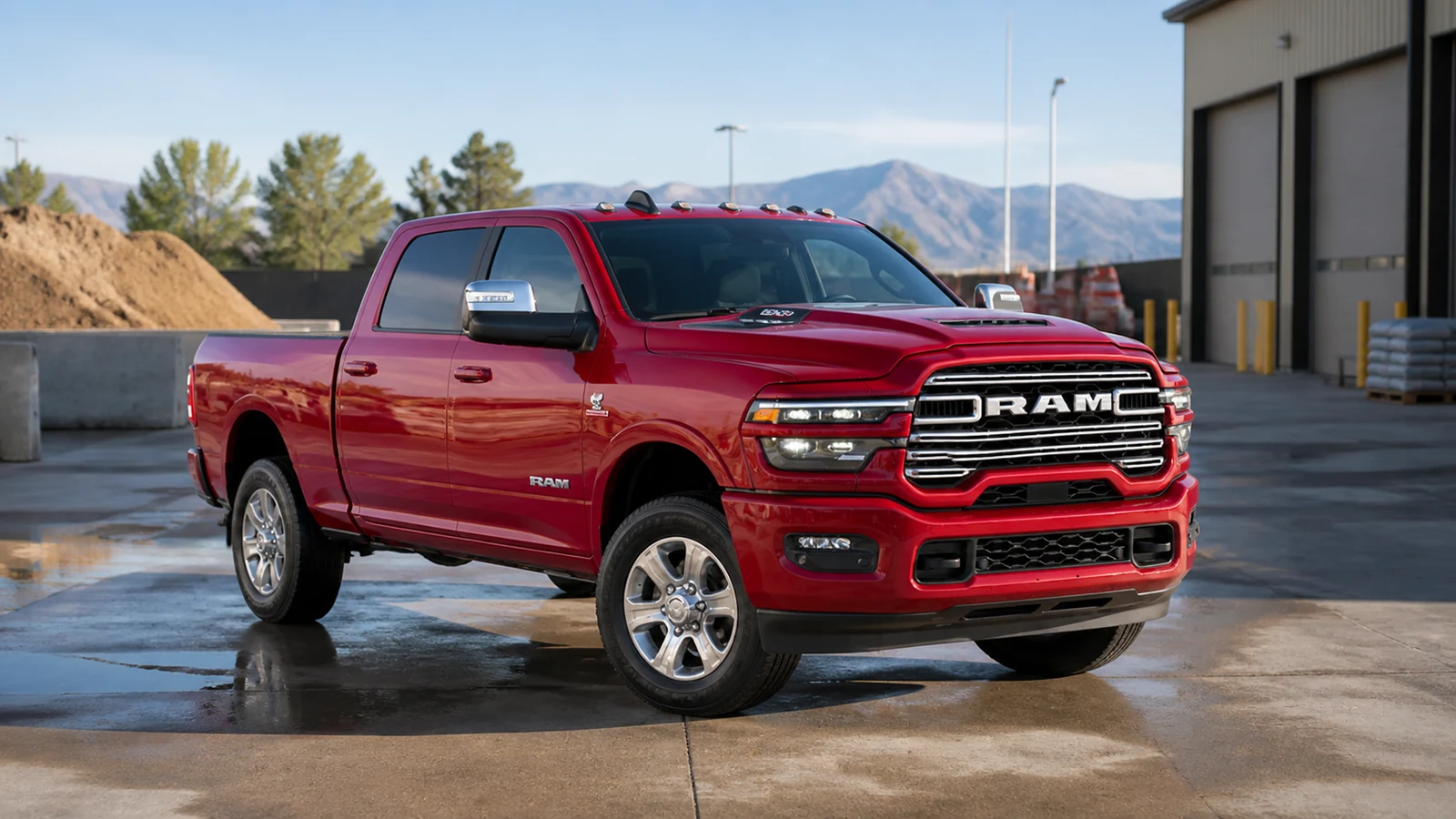
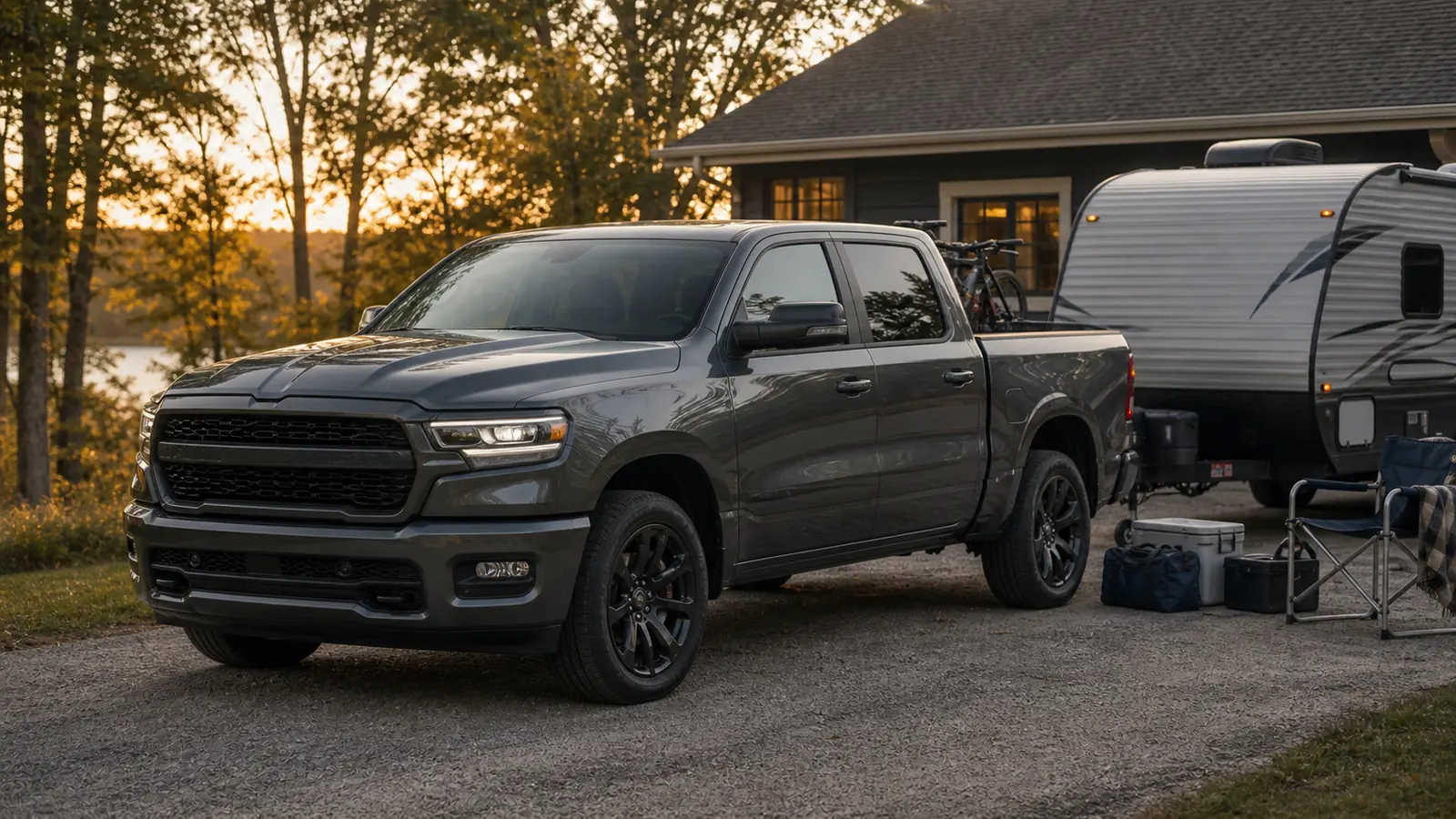
Most full-size trucks make you accept a stiff, bouncy ride when the bed is empty. The Ram 1500 does not, and that single choice shapes the whole truck.
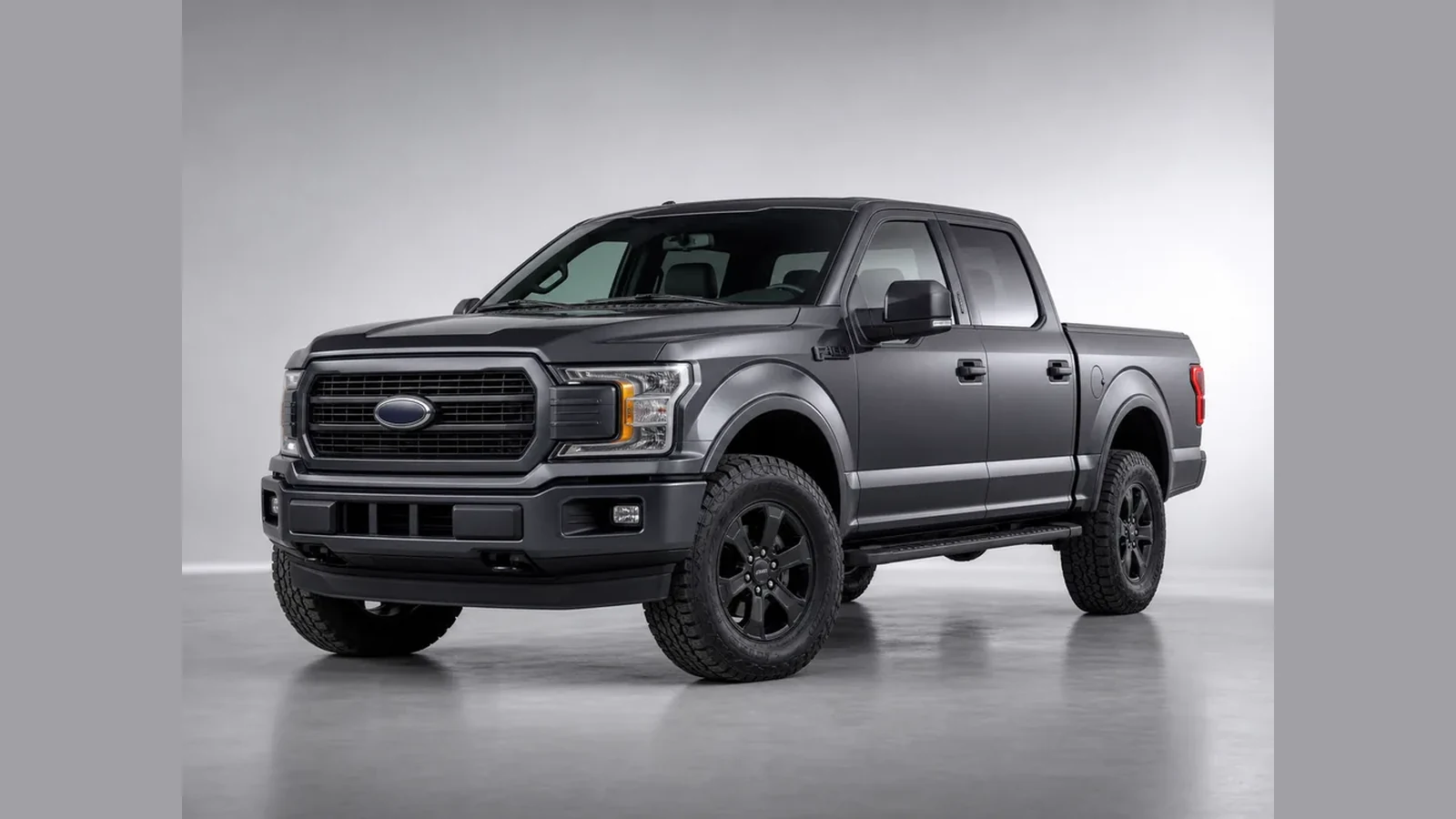
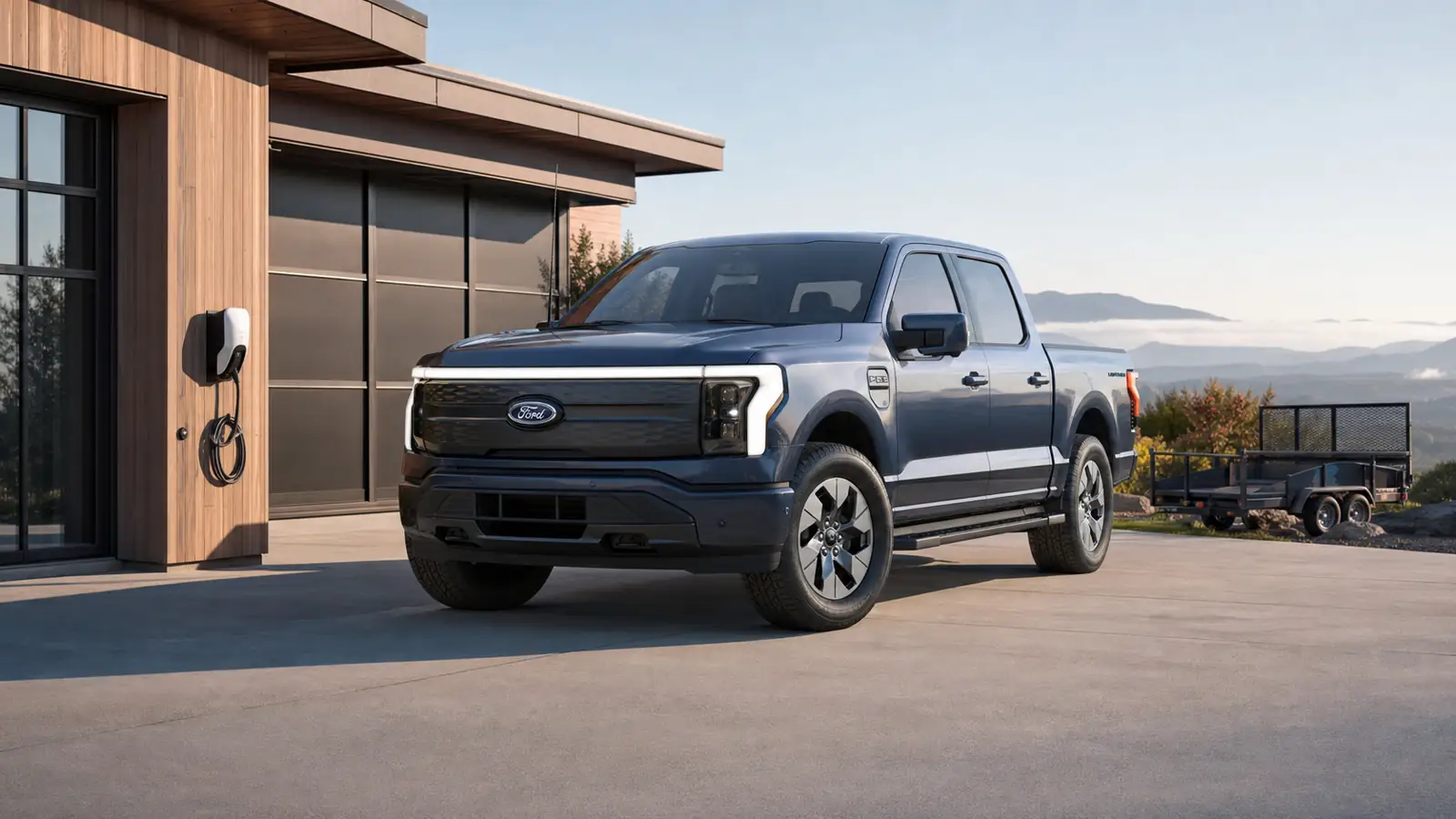
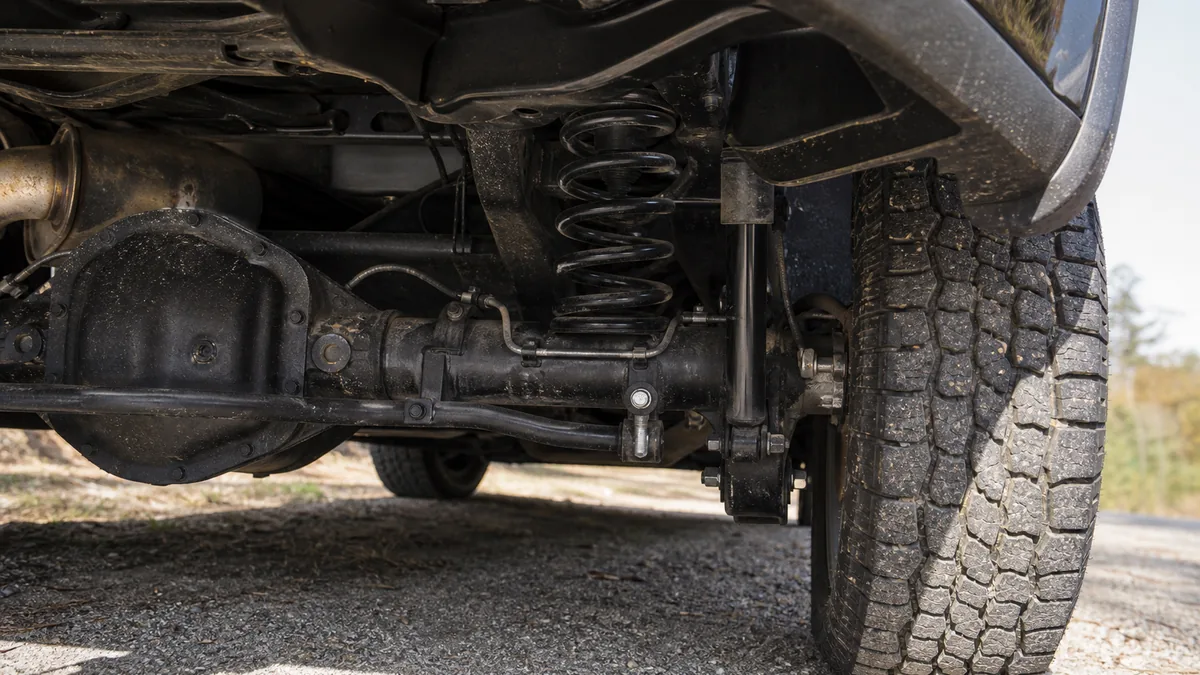
The reason sits under the rear axle. Ram uses coil-spring rear suspension where the Ford F-150 runs leaf springs, so an empty Ram settles over broken pavement instead of skipping across it.
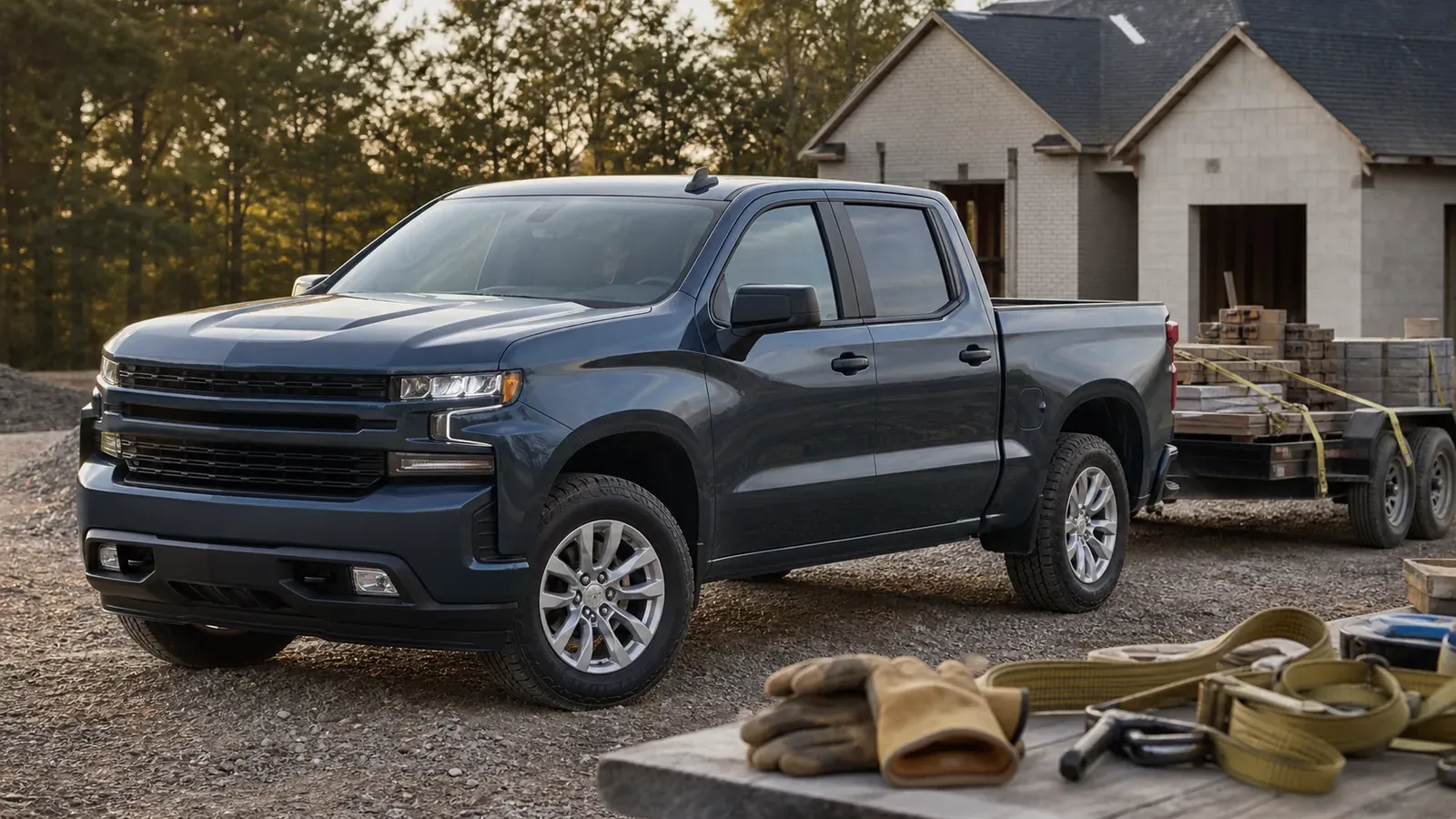
The Chevrolet Silverado sticks with leaf springs too, which is why plenty of shoppers notice the ride gap the moment they drive all three trucks back to back on the same rough road.
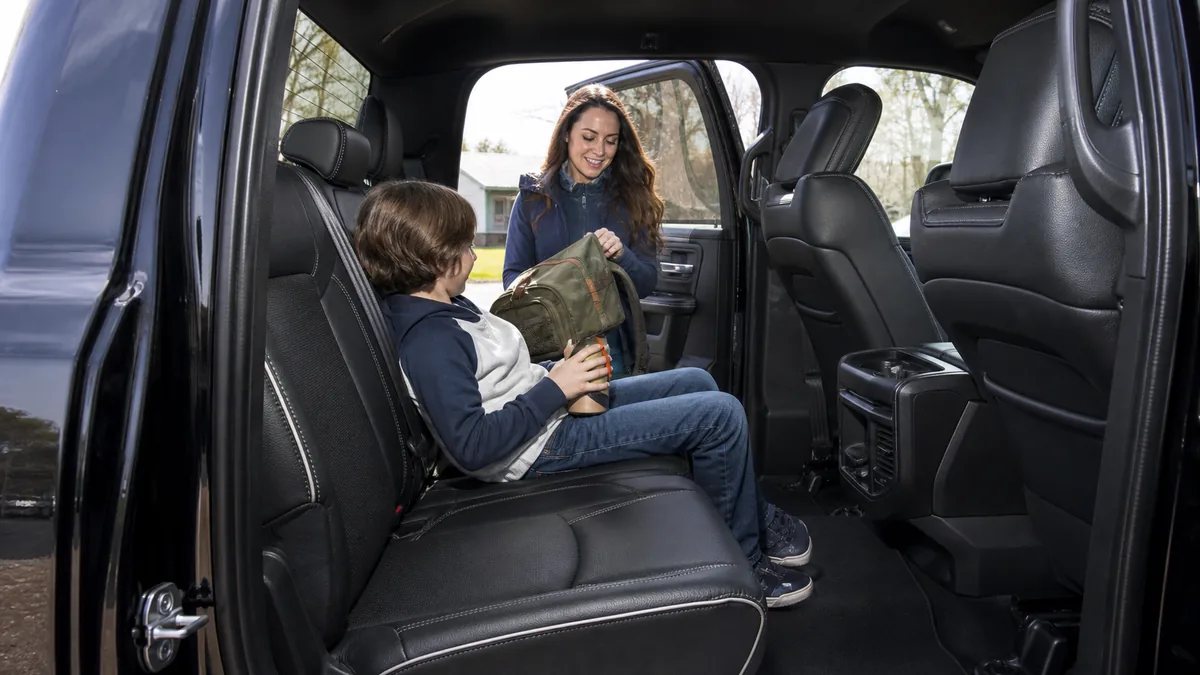
The cabin backs up that softer ride. A Ram crew cab can feel close to an SUV inside, with a quiet highway hush and materials that climb well past work-truck plastic on the upper trims.
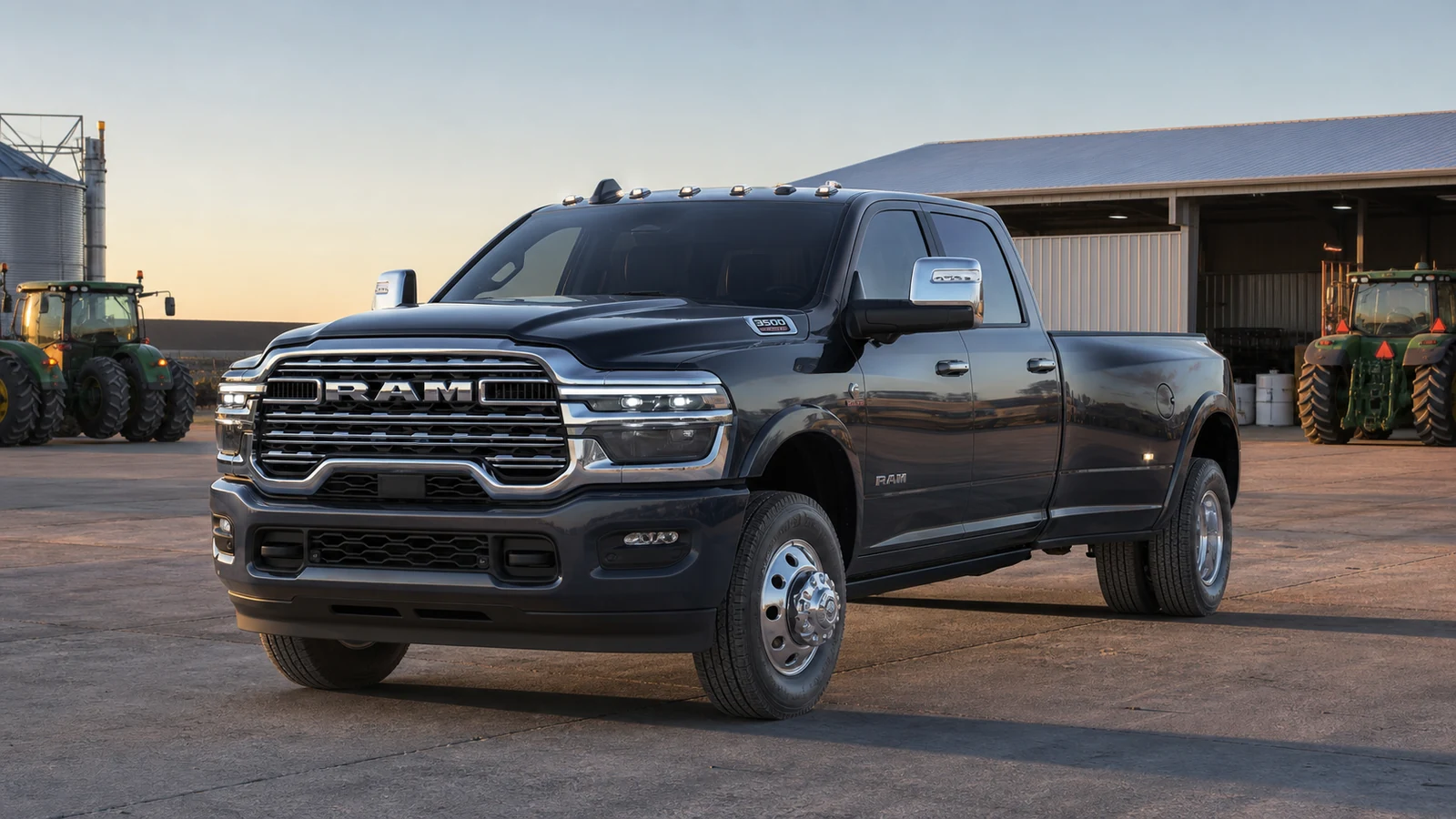
That comfort carries a price, and it is not only money. Ram gives up some of the max-tow bragging that Ford and Chevy chase, topping out near 11,550 pounds when properly equipped, so a buyer who needs the highest possible trailer rating should weigh that gap first.
For most private owners the trade lands in Ram's favor. A truck that commutes daily, runs long highway trips, and hauls on weekends spends far more time riding empty than pulling near its ceiling.
Start where every truck decision should start, in the pickup body group, because cab size, bed length, and payload still rule even on the comfortable one. Buy the Ram for how it rides and seats people every day, and treat the softer empty-bed ride as the feature that sets it apart.
The Hemi is gone, so read the new engine map
For decades a Ram meant a Hemi V8 rumble. That era closed when Ram retired the V8 from the mainstream 1500 and moved the lineup to a twin-turbo 3.0L Hurricane inline-six.
The new map is simpler than the noise around it. The 3.6L V6 stays as the value engine at 305 hp, the standard-output Hurricane makes 420 hp, and the high-output Hurricane climbs to 540 hp for the fastest trims.
Every version routes power through an 8-speed automatic, and many builds add eTorque mild-hybrid assist that smooths the stop-start and adds a little low-speed shove.
Match the engine to your week, not to the badge. The V6 fits light commuting with occasional bed use, the standard Hurricane is the balanced all-rounder for buyers who tow and want daily punch, and the high-output six reads more like a performance upgrade that carries truck-sized fuel and tire bills.
- 2019Current DT-generation Ram 1500 launches
- 2019 to 2024Hemi V8 and eTorque mild hybrid lead the range
- 2025 to nowHurricane twin-turbo inline-six replaces the V8
The engine choice also changes what you shop against. If raw engine variety is your deciding factor, the Ford F-150 spreads wider and adds a hybrid, so cross-shop it before you commit.
Nearly every current 1500 stays on the gas powertrain, since Ram builds the turbo six around gasoline rather than diesel in this lineup. Pick the Hurricane that matches how hard you really drive, because the high-output six is a want for most buyers while the V6 still covers real work.
Comfort you can feel: air springs, quiet cabin, RamBox
The Ram's comfort story runs past the coil springs into features you choose at the order sheet. The headline options are air suspension, the weatherproof RamBox bed storage, and the large cabin screen that anchors the upper trims.
Air suspension is the one that needs a clear reason. It improves ride, self-levels under a load, and lowers the truck for easy entry, but it adds parts that age and get expensive after the warranty ends.
Pros
- Smoother ride and automatic load leveling
- Lower entry height for people and cargo
- Helps keep the truck level while towing
Cons
- Adds repair exposure as the truck ages
- Can throw warning messages in cold weather
- Costs more to service than steel coils
Buyers who keep trucks well past the warranty should price that risk before treating air springs as pure upside. Drivers in cold climates should ask how the system behaves in winter and watch for fault messages on a test drive.
RamBox turns the bed rails into lockable, drainable storage for tools and gear you want out of the weather. It is genuinely useful, though it narrows the inner bed a little, so measure it against the wide loads you actually haul.
The cabin tech sells the truck, yet it should never replace basic checks. Test the climate controls, camera views, trailer settings, and phone pairing while driving, because a big screen only helps when it stays easy to use.
The upper Ram trims are where this comfort tips into real money, climbing toward luxury cars territory as the screens, leather, and air springs stack up.
A shopper chasing pure plushness should also glance at the SUV body group before paying pickup fuel, tire, and parking costs for a cabin an SUV can match. Choose the comfort features you will use every week, and skip the ones that mostly add repair risk or showroom shine.
Set up the cab, bed, and payload before the badge
A comfortable cabin cannot make a too-short bed longer, so the configuration matters more than the trim name. Settle the cab, the bed, and the payload first, then let the badge follow.
Cab choice shapes daily life. A crew cab gives real rear-seat room for child seats and adults, while a quad cab trades some of that space for a truck that parks easier.
Seating runs five or six depending on whether you take a front bench, so one cab can be a five-seat family truck or a six-seat crew hauler for a work team.
The payload number is the one buyers skip and later regret. Comfort equipment adds weight, so a loaded high-trim crew cab with 4WD, big wheels, and a panoramic roof can carry less useful payload than a plain work build.
Ram 1500 configuration checks
- Max towing, equipped
- up to 11,550 lb
- Payload authority
- door-jamb sticker on your exact truck
- Tongue weight
- pulls from the same payload budget
- Base output
- 305 hp V6
Read the door-jamb payload sticker on the specific truck, because tongue weight, passengers, tools, and bed cargo all draw from the same budget, and it shrinks faster than the brochure suggests. A trailer that drops several hundred pounds on the hitch plus four adults can erase the leftover payload before you load a single tool.
Towing capacity is real for many boats, utility trailers, and smaller campers when the truck is equipped for it. It is not a blank check, since hills, weather, braking, and trailer tongue weight all count against the rating.
Tire pressure carries more weight once you load and tow, so the tire pressure routine becomes a safety habit rather than a fuel tip. Bring the cooler, tools, stroller, and camper gear you truly carry to the test drive instead of guessing.
If payload is your main worry but the ride still pulls you in, drive the work-feel Chevrolet Silverado back to back and compare configured truck to configured truck. Buy the Ram by the payload sticker on your exact build, not by the trim badge or the biggest towing number in the ad.
Buying a used Ram without inheriting a tired one
Ram reliability rides on the engine, the year, and how the truck was used far more than on the badge. A simple V6 commuter, a high-output Hurricane luxury truck, and an older Hemi V8 all carry different risk.
The older Hemi has a huge owner base, but used examples still need a check for exhaust manifold noise, long idle time, rough idle, and lazy transmission behavior. Loud is not the same as characterful, and those noises are negotiation points or walk-away signs.
Newer Hurricane trucks bring strong output and a modern design, yet their long-term high-mile record is still building. Turbo engines reward clean oil, correct fluids, healthy cooling, and an owner who does not ignore small warnings.
Air suspension, when fitted, adds repair exposure as the truck ages, so cycle the height settings and watch for warning messages during the drive. Water leaks are the other comfort-killer, so sit inside with the doors shut and check the carpets, the rear-window area, and the headliner for stains or a musty smell.
Four-wheel drive should engage cleanly on a used truck, and a rear-drive build can be the better value in warm climates where traction is rarely the daily problem.
- 2019DT-generation used trucks begin here
- 2019 to 2024Hemi V8 and eTorque examples
- 2025 to nowEarly Hurricane trucks reach the used market
Use history matters as much as mileage. Towing, plowing, idling, off-road runs, oversized tires, and cheap modifications age a truck faster than the odometer shows, and the hitch, trailer wiring, and brake-controller wear tell that story.
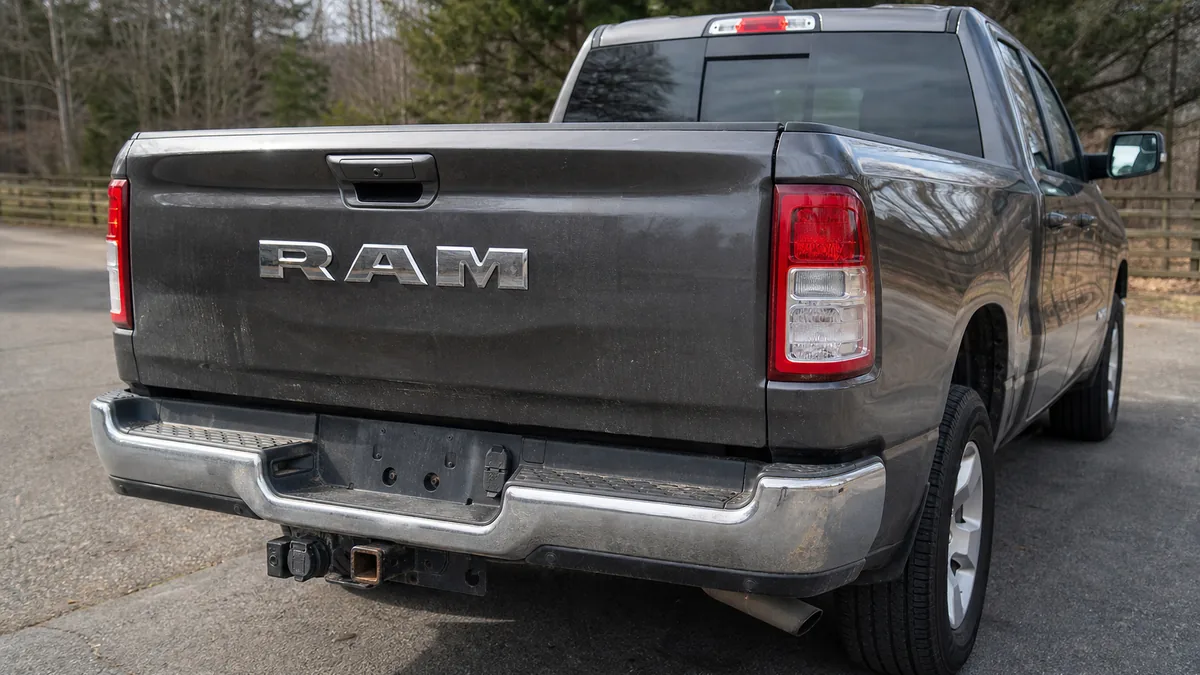
A newer turbo truck and an older V8 truck sit in different warranty spots, so run the new versus used math before you choose.
The oil records tell you plenty too, since a clean oil change history signals an owner who treated the truck like a long-term machine.
A feature-heavy Ram can flatten a battery like any sedan, so the jump-start procedure is worth knowing before winter. On a used Ram, how the truck was worked and maintained matters more than the number on the odometer.
What a comfortable Ram really costs to run
The Ram can cost less stress than rivals because it is pleasant enough to drive daily. It can also cost more money, because the plush trims invite luxury-car spending on a pickup budget.
Fuel depends on the engine, the tires, the axle, and the load. The V6 keeps the bill lower, the Hurricane engines trade some economy for strong performance, and even the best builds only reach the mid-20s on the highway when driven gently.
| Cost area | What moves the bill | Buyer move |
|---|---|---|
| Fuel | Engine, tire size, and load | Estimate real routes, not window stickers |
| Tires | Large wheels and truck weight | Price a full set before picking a trim |
| Air suspension | Comfort now, repair risk later | Keep that risk in the budget |
| Depreciation | Luxury trims start high and fall hard | Buy a trim you will keep long enough to use |
| Insurance | High-output trims and pricey screens | Quote by VIN before the deposit |
Tires are the surprise line item, since full-size truck rubber on big wheels costs real money, so price a replacement set before a large-wheel trim wins you over.
Ram spans a wide price band, from a plain build near $42,000 to a loaded truck close to $90,000, so the badge alone can swing your payment by the cost of a second car.
Depreciation runs sharper on the expensive builds because the starting price is high. A buyer who keeps the truck eight years can enjoy the comfort enough to justify it, while someone who trades often should study used values before choosing the loaded trim.
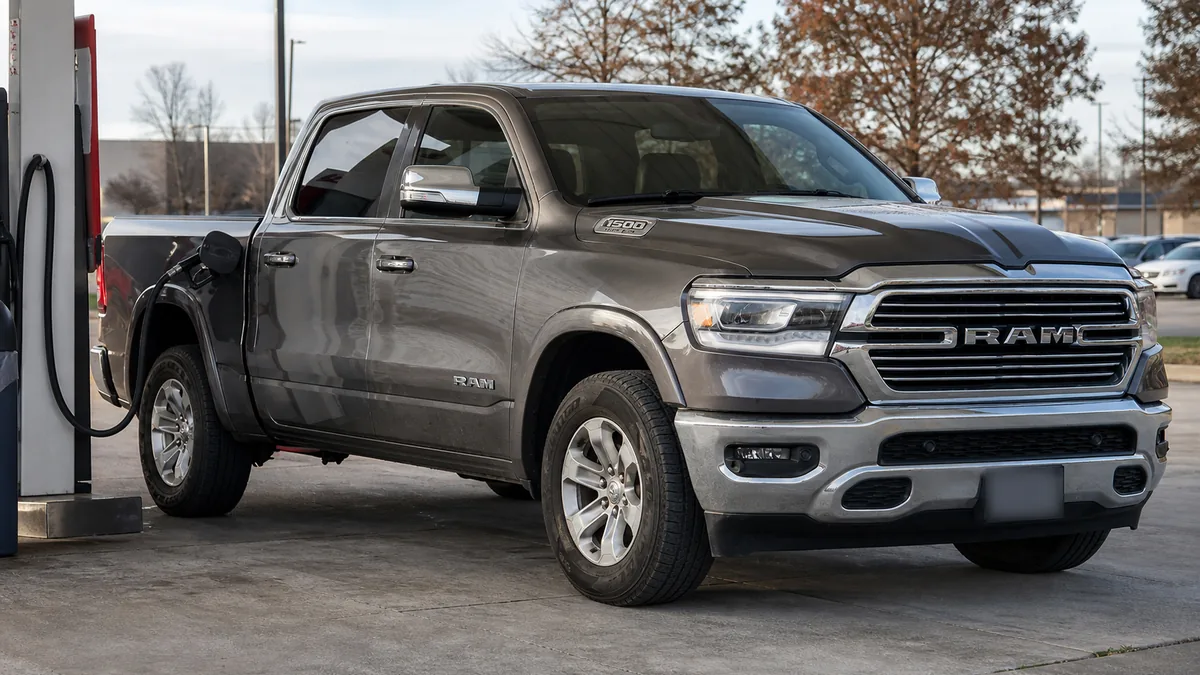
Maintenance runs past oil changes into brake fluid, coolant, transmission service, alignment, filters, and software, all of which add up on a truck loaded with features.
A practical build sits in the mainstream cars price frame, and the cleanest budget is a mid-trim with the cab, bed, payload, and engine you need.
Because a nice cabin can make a long loan feel easier than it is, walk the lease versus buy math before signing.
If the real job is hauling people rather than gear, price a Honda CR-V first, since covered cargo can beat an open bed for daily family life.
A household torn between capability and space can scan the best family SUVs list before paying truck costs for SUV work. The Ram earns its cost when you use the bed, and quietly loses money when it only replaces a comfortable SUV.
Who should buy the Ram 1500
Buy the Ram 1500 when your truck has to be comfortable for passengers, long trips, school runs, towing weekends, and daily commuting. It fits owners who use the bed but refuse a harsh ride when it is empty.
The Ram is the wrong tool for a buyer who wants the simplest ten-year truck or the highest payload in every configuration.
Depending on the exact build, the Ford F-150 can fit those pure-payload and engine-variety jobs better.
The truck shines for drivers who gave up on pickups because older ones rode stiffly when empty. If that kept you in an SUV, the coil-spring Ram can feel like the bridge between comfort and utility.
The Chevrolet Silverado stays on the list when work feel and payload outrank ride comfort in your decision.
If the cargo problem is mostly people and bags rather than open-bed loads, a Toyota Sienna can be the smarter buy even though it lacks pickup style.
Let the Ram win because it fits your use, not because the showroom cabin feels nicest. A comfort-first truck is worth the money only when you still buy it as a truck.