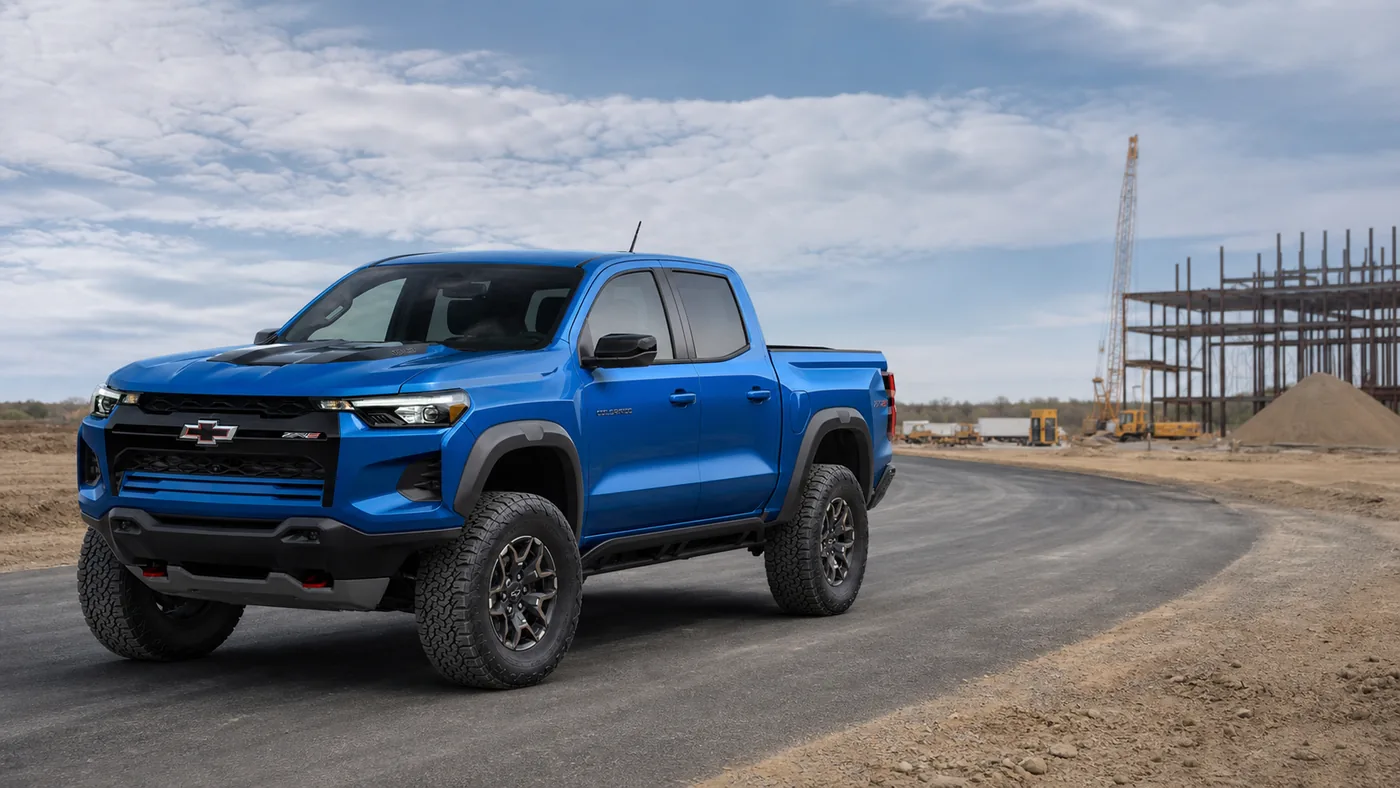
One engine makes the Colorado trim decision clearer
Every 2026 Chevrolet Colorado uses the 2.7L TurboMax with 310 hp and 430 lb-ft through an eight-speed automatic.
Buyers do not need to compare engines. They need to compare suspension, tires, 4WD hardware, towing equipment, cabin features, and price.
| Trim | Main use | Cost risk |
|---|---|---|
| WT | Basic work | Sparse comfort |
| LT | Daily road use | Option creep |
| Trail Boss | Affordable clearance | Tire noise and 4WD cost |
| Z71 | Mixed road and trail | Higher purchase price |
| ZR2 | Difficult terrain | Specialty tires and suspension |
Start with the surface and load used most weeks. WT protects the work budget, while LT adds comfort without committing to off-road tires and suspension.
Trail Boss and Z71 make sense when clearance or traction improves a repeated trip.
ZR2 needs terrain difficult enough to exercise its lockers and specialized dampers.
- Price the truck with required tow equipment
- Check the payload label after options are added
- Quote the exact tire size and insurance by VIN
- Test the chosen suspension on the normal road
The Chevrolet range places Colorado below Silverado. Compare the Chevrolet Silverado 1500 when payload or cab space matters.
LT is the broad road choice, while each off-road trim must earn its hardware.
Colorado leads with torque, towing, and bed utility
Chevrolet lists 7,700 pounds maximum towing, up to 1,710 pounds payload, and 42 cubic feet of standard bed volume. The StowFlex tailgate compartment and up to 25 available tie-downs can solve real cargo jobs.
Those maxima do not all belong to every trim. ZR2 suspension and tires trade some work capacity for terrain control.
Read the label, add passengers and cargo, then calculate tongue weight. Bed volume also needs a practical test because wheel wells, a cover, tie-down placement, and the tailgate opening decide whether a specific item fits.
- Photograph the loading label on the candidate truck
- Measure the heaviest regular cargo and its tie-down points
- Include passenger, accessory, and tongue weight
- Confirm the receiver, wiring, and brake controller
The pickup truck hub helps compare like configurations. Colorado's strong standard engine is useful only when the configured chassis carries the load.
Trail Boss, Z71, and ZR2 climb three different steps
Trail Boss adds stance, clearance, and off-road basics at a lower price.
Z71 balances trail hardware with a cabin suited to daily roads. ZR2 adds wider suspension, Multimatic dampers, lockers, and up to 12.2 inches of clearance for harder terrain.
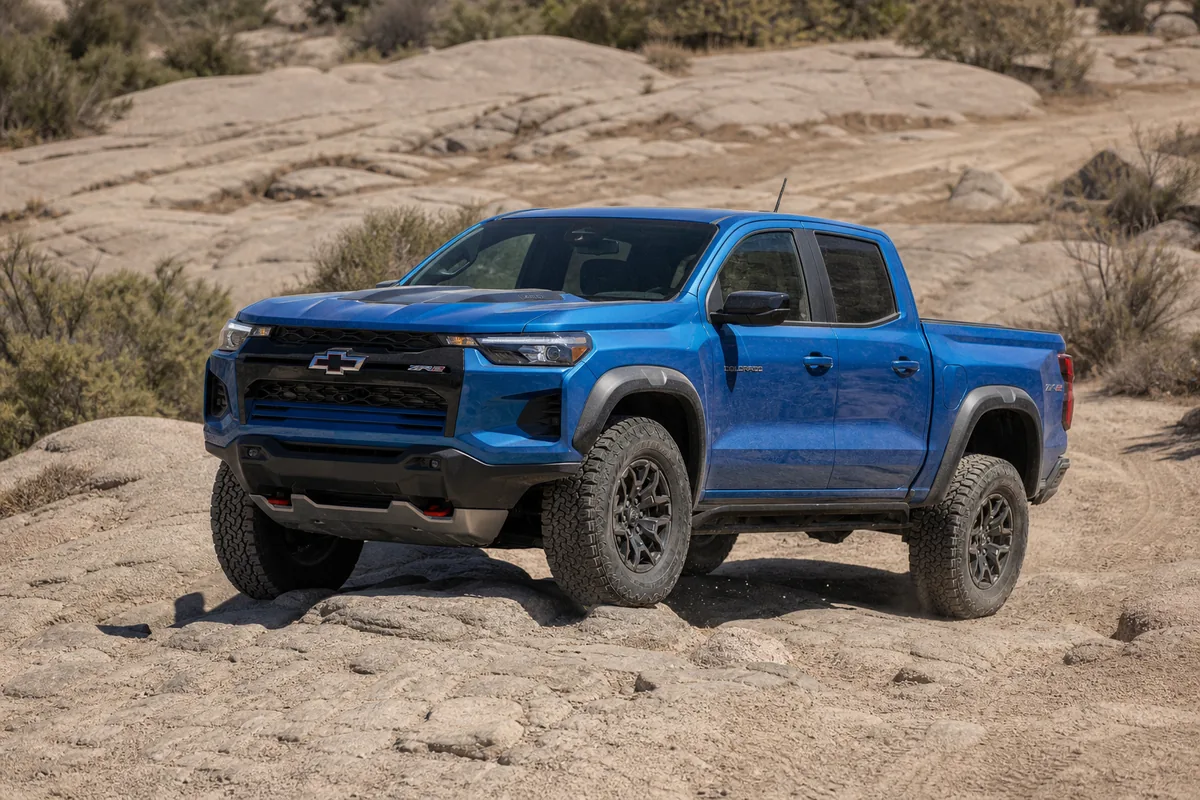
Drive broken pavement before buying. Aggressive tires and specialty dampers can change noise, steering, and replacement cost.
A wider or taller truck may also fit a garage, trail, or automated car wash differently from an LT.
Test the route used every week before judging a trim on an off-road demonstration alone.
- Choose Trail Boss for clearance at a lower entry price
- Choose Z71 when road comfort and trail use share the week
- Choose ZR2 for repeated terrain that needs lockers and damping control
- Inspect used skid plates, shocks, wheels, tires, and alignment
Price one tire and one specialized suspension component before buying used.
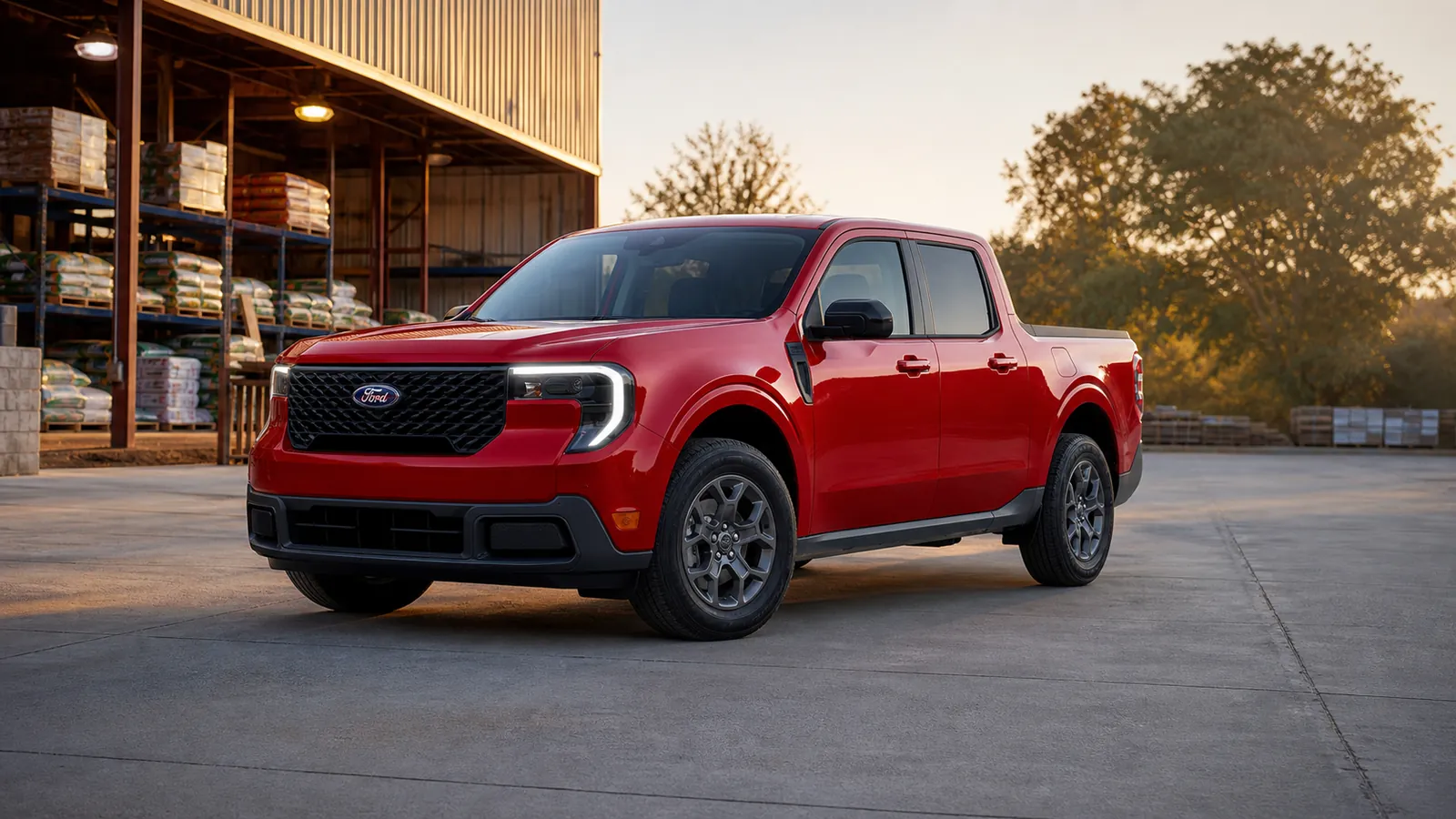
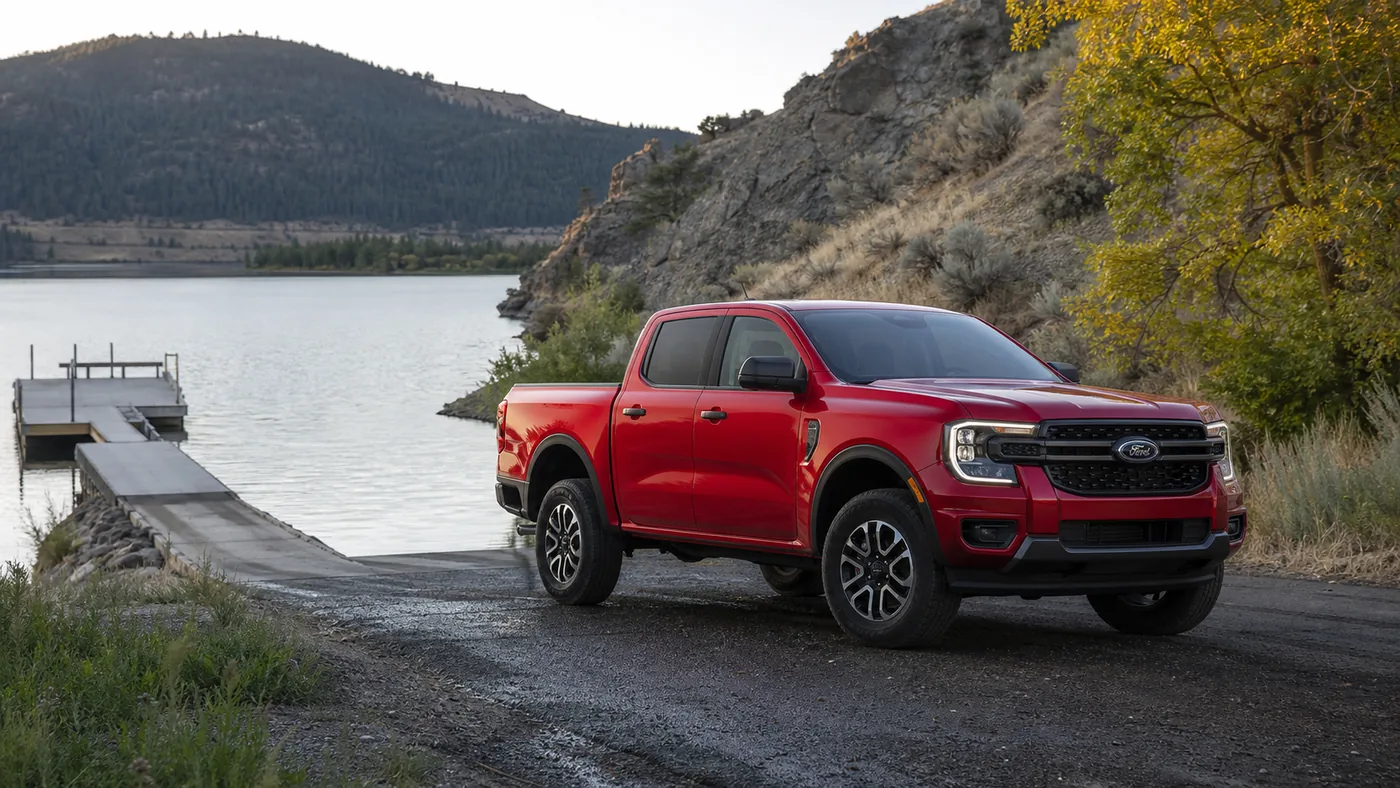
Compare the Toyota Tacoma and Ford Ranger on the same route.
Z71 is the mixed-use compromise, while ZR2 belongs to repeated difficult terrain.
The payload label controls the 7,700-pound promise
A 6,000-pound loaded trailer at 12 percent tongue weight uses about 720 pounds of payload. Add four people, tools, and bed cargo, and a Colorado can reach its loading limit before its tow rating.
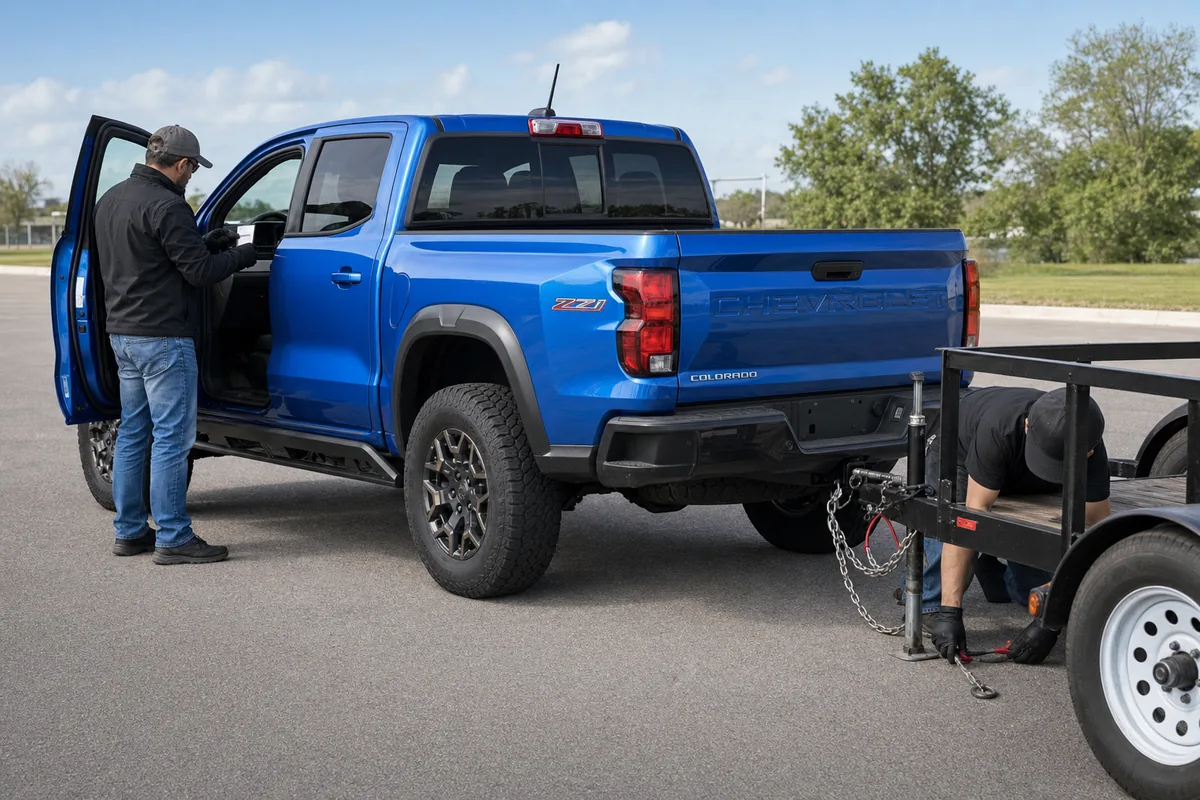
- Verify the exact tow package
- Read the loading label
- Weigh the loaded trailer
- Use the required brake controller
- Match tire pressure to the label
Match the VIN build sheet, window sticker, receiver, wiring, brake controller, cooling equipment, mirrors, tire rating, and payload label to Chevrolet's trailering information.
Dealer-installed steps, covers, racks, protection, and cargo systems also add weight.
Ask for component weights and repeat the calculation after installation.
The tire-pressure guide supports safe loading. A GMC Sierra 1500 may be the better answer when the trailer leaves too little midsize payload.
Do the payload math before choosing the trailer.
IIHS results are mixed rather than uniformly strong
IIHS gives the 2023 through 2026 Colorado Good small-overlap and updated side results.
Its updated moderate-overlap result is Marginal. For 2025 and 2026 models, the standard vehicle-to-vehicle crash-prevention system is rated Poor, while pedestrian crash prevention is Acceptable.
Treat the subratings as separate evidence. Occupant protection in one crash test does not predict how the forward emergency braking system will respond to every vehicle or pedestrian.
The road test should therefore cover visibility, brake feel, warning startup checks, cameras, and the driver aids fitted to that VIN.
- Check the exact trim's safety equipment
- Confirm all warning lamps complete their startup check
- Test cameras and alerts in ordinary traffic
- Ask about calibration after windshield or body repair
- Secure rear passengers and cargo before driving
NHTSA campaign 26V114 includes certain 2025 and 2026 Colorados because required safety information was missing from the owner's manual package.
Verify the VIN and corrected material. The source standards explain why a campaign document and a physical inspection answer different questions.
Use the specific IIHS subratings instead of calling the whole truck safe or unsafe.
Used third-generation Colorados need software and hardware evidence
The current Colorado began for 2023. Start a used truck cold, check oil and coolant, then test the eight-speed at low speed, steady cruise, and kickdown.
Scan all modules after the drive.
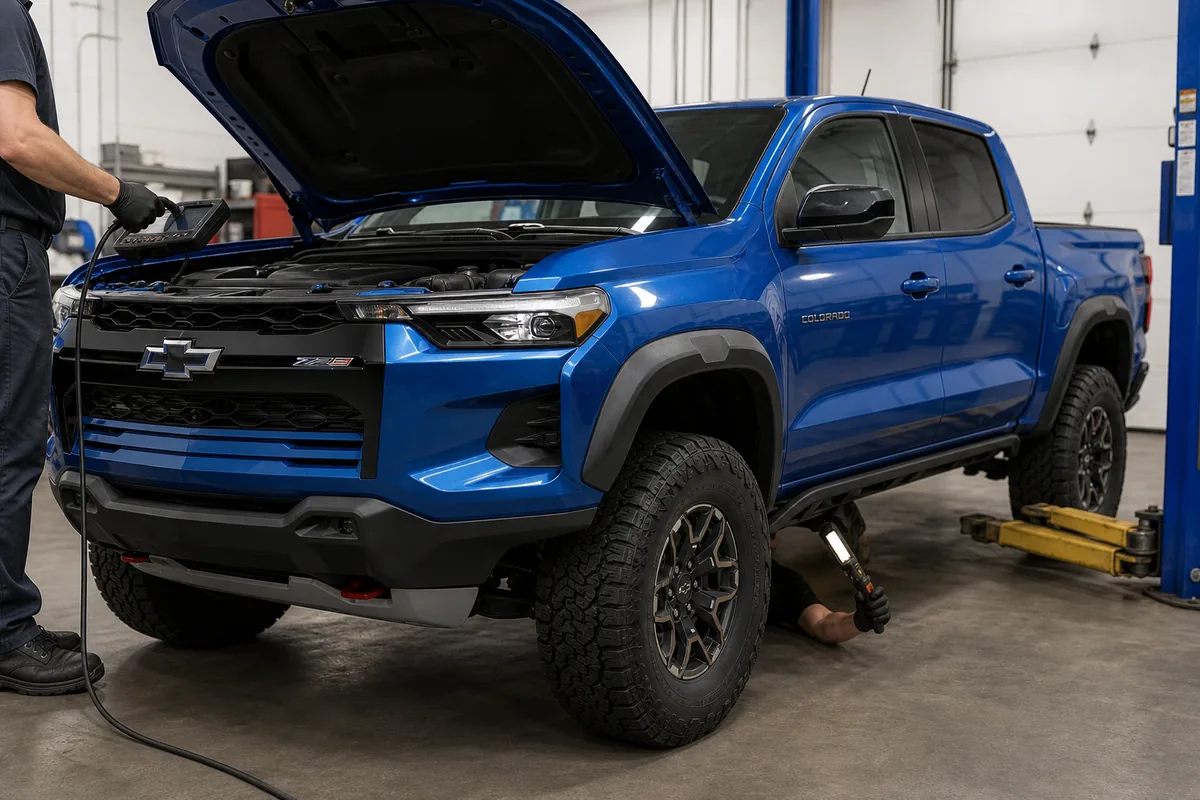
Check campaign updates, cameras, screens, driver aids, 4WD, lockers, shocks, tires, brakes, frame, skid plates, bed storage, hitch, and modifications.
Review injector-related campaign work only when it applies to the VIN and installed engine calibration.
A recently cleared warning or incomplete readiness status deserves diagnosis before purchase.
- Match oil and service history to time and mileage
- Repeat transmission checks after the truck is warm
- Test every camera, screen, 4WD mode, and locker fitted
- Inspect hitch wear, skid plates, shocks, and tire sidewalls
- Require records for software, calibration, and modifications
The new versus used guide covers seller and title evidence. The jump-start procedure is useful for modern truck electronics but cannot diagnose repeated low-voltage faults.
Buy only when records, scan results, and physical wear describe the same use.
Colorado ownership cost follows tires and trim more than engine choice
WT and LT control purchase price, tire cost, fuel, and insurance. Trail Boss, Z71, and ZR2 add hardware that costs more to replace and may carry off-road wear.
Chevrolet lists 19 city and 23 highway mpg for the 2026 Colorado WT, so heavy tires and loads should not be expected to improve that result.
| Cost | Main driver | Buyer check |
|---|---|---|
| Fuel | Tires, 4WD, load | Estimate the real route |
| Tires | Off-road size and rating | Price a full set |
| Insurance | Trim and repair value | Quote the VIN |
| Repairs | Trail use and modifications | Inspect underneath |
| Finance | Out-the-door trim total | Keep rate and term visible |
Build the estimate from the exact VIN rather than a trim average. Include sales tax, total finance interest, insurance, annual fuel, scheduled service, and a complete tire set.
Then add the hitch, controller, bed cover, liner, tie-downs, recovery gear, or winter tires required on the first day.
- Quote insurance before agreeing to the truck price
- Price tires in the factory size and load rating
- Keep accessories visible in the out-the-door total
- Reserve cash for maintenance after the down payment
Use the lease versus buy guide and compare an LT with an equivalently equipped Tacoma or Ranger. A lower trim with the correct tow equipment is often the best Colorado value.
The Crew Cab and short bed need a complete fit test
Every 2026 Colorado uses a four-door Crew Cab and a short bed. That makes the range easier to understand, but it removes the option of a longer factory bed or a compact extended cab.
Set the front seat for the normal driver, place adults or child seats in back, then load the tools, bicycles, coolers, or camping bins that must travel in the bed.
The tailgate's StowFlex compartment can keep straps or small equipment out of the cab.
It does not replace weatherproof covered storage for luggage or electronics. Price a suitable cover when cargo needs protection, and include its weight in the payload calculation.
Long material may need a rack or a trailer, which changes cost and parking.
Measure garage depth with the receiver installed and reproduce the tightest driveway turn. ZR2's wider stance and off-road tires deserve extra attention at narrow doors and automated car washes.
Test the camera view, but also park without it so the front corners and mirrors do not surprise you when a lens is dirty.
A five-seat SUV can carry family cargo inside when open-bed work is rare. Colorado fits best when its one cab and bed solve both the weekday passenger trip and the weekend load.
The road test should separate powertrain behavior from tire behavior
Because every Colorado uses the same basic engine and transmission, a road test can focus on condition and chassis differences.
Start cold and listen for uneven running. Move slowly through a parking lot, hold a steady suburban speed, request a clean highway downshift, then repeat the low-speed test after the transmission is warm.
Warning lights should complete their normal startup check and stay off.
Drive LT, Z71, and ZR2 over the same broken pavement if those trims are under consideration. Tire tread, wheel size, suspension travel, and cabin equipment can change noise and ride more than the shared 310-hp rating suggests.
A ZR2 should feel controlled on rough ground, but its extra width and aggressive tires may be a poor trade for a paved commute.
Test 4WD and lockers only on a suitable surface and follow the owner's manual. Confirm cameras, parking sensors, blind-spot equipment, trailer views, and the brake controller fitted to the exact truck.
A modification or calibration issue should be resolved before purchase rather than explained away as normal behavior.
Choose the trim whose tires and suspension feel right on the road you drive most.
Price the Colorado as a working system
The truck price is only the first number. Build a five-year estimate with the negotiated total, finance interest, insurance, registration, expected fuel, scheduled maintenance, and a full set of the exact tires.
Add a bed cover, liner, tie-downs, hitch equipment, brake controller, racks, recovery gear, or winter tires needed for the planned use.
Use the EPA estimate for the exact trim as a comparison point, then adjust the budget for annual miles and local fuel price.
Off-road tires, 4WD, speed, short trips, towing, and winter operation can raise consumption. Apply the same assumptions to Ranger and Tacoma so one candidate does not receive an unrealistically favorable estimate.
WT can be the lowest-cost tool when comfort needs are modest.
LT often gives private buyers a better everyday balance. Trail Boss and Z71 should earn their premiums through regular traction or clearance needs.
ZR2 requires a larger tire, suspension, insurance, and repair allowance because its specialized parts are valuable only when the owner uses them.
Colorado purchase worksheet
- Truck
- Out-the-door price and payload label
- Loan
- Rate, term, and total paid
- Road
- Annual miles and fuel assumption
- Wear
- Tire size, brakes, and alignment
- Work gear
- Hitch, cover, racks, and protection
Keep a repair and tire reserve after the down payment instead of stretching to the highest trim.
Two-wheel drive and four-wheel drive change more than traction
A two-wheel-drive Colorado keeps the price and weight lower for maintained roads, delivery work, and fair-weather towing.
Four-wheel drive makes sense when the truck repeatedly crosses snow, mud, loose ramps, construction access, or trails. It cannot shorten stopping distance on poor tires, and its added hardware does not increase the payload printed on the door label.
Choose from recorded use rather than a fear of rare weather. Count the trips each year that genuinely need driven front wheels, then compare the option cost with a dedicated winter tire set or a different travel plan.
Owners who must reach a rural home or job site during bad conditions have a stronger case than buyers who can delay one recreational trip.
Test the system on a suitable loose surface and use the owner's-manual procedure. Listen for abnormal noise, confirm the indicator changes, and check that no warning remains afterward.
On a used Trail Boss, Z71, or ZR2, test lockers where legal and inspect beneath the truck for impact or leaking components.
| Use | Better starting point | Required check |
|---|---|---|
| Dry roads and urban work | Two-wheel drive | Payload, tires, tow package |
| Snow or loose work access | Four-wheel drive | Correct tires and engagement |
| Regular trails | Z71 or ZR2 hardware | Underbody condition and clearance |
| Heavy trailer on maintained roads | Either by configuration | Door label and loaded tongue weight |
Four-wheel drive is worth buying when it keeps a repeated trip moving, not when it only changes the badge.
The Colorado trim most buyers should start with
Start with LT for commuting, home projects, and normal towing. Move to Trail Boss for lower-cost clearance, Z71 for mixed road and trail comfort, and ZR2 for terrain that uses lockers and specialty dampers.
Compare LT first with a Ford Ranger XLT and Toyota Tacoma SR5. Match drivetrain, tow hardware, cameras, driver aids, bed protection, destination charges, and total finance cost.
Colorado's standard 430 lb-ft is a clear response advantage on paper. Ranger offers an available V6 and a simple SuperCrew range, while Tacoma offers more cab, bed, manual, hybrid, and specialty choices.
Load the same people and gear, use the same road, and photograph each payload label. Rear-seat fit, ride, tire cost, and dealer price can outweigh one specification over five years.
The rear-wheel-drive hub suits road and value priorities, while the AWD and four-wheel-drive hub frames traction needs.
Compare the Toyota 4Runner when enclosed cargo is more useful than a bed.
Choose suspension and tires for the weekly surface, then add only the comfort equipment you will use.