Choose the powertrain from the work, not the fuel-economy headline
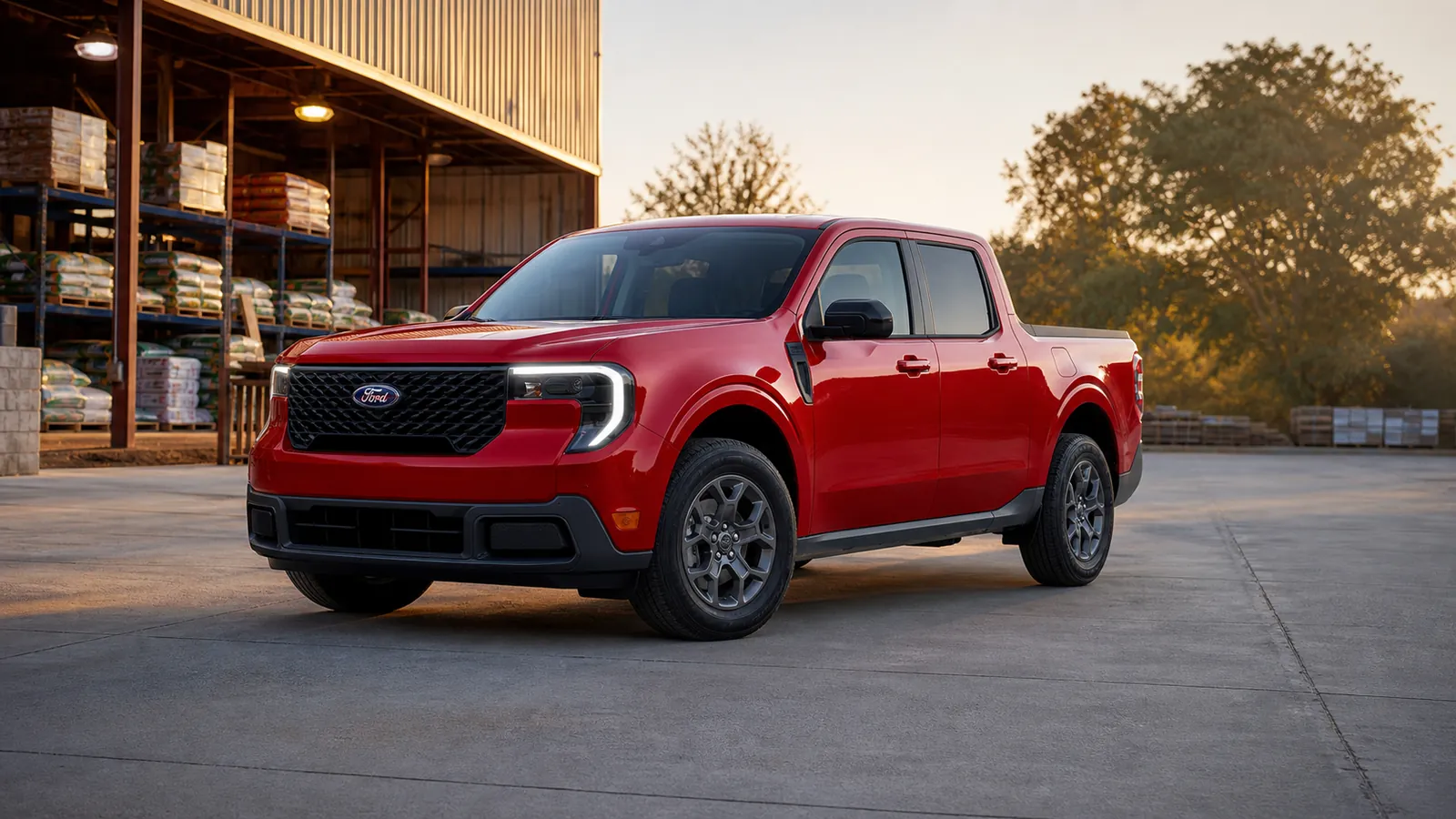
The 2026 Ford Maverick offers a 2.5-liter full hybrid and a 250-hp 2.0-liter EcoBoost.
Both can be ordered with front-wheel drive or all-wheel drive on core trims. The 4,000-pound tow rating needs the all-wheel-drive configuration and the 4K Tow Package together.
The powertrain choice now depends on route, load, trailer, and response rather than traction alone.
Ford rates the hybrid FWD at 42 city, 35 highway, and 38 combined MPG. The EcoBoost makes 250 hp and 280 lb-ft and uses an eight-speed automatic in XL, XLT, and Lariat.
Lobo uses a seven-speed quick-shift transmission and advanced 4WD, while Tremor uses the EcoBoost, advanced 4WD, and off-road hardware.
Hybrid response is smooth at low speed, which suits traffic and errands. EcoBoost has more power for passing, grades, and loaded travel, while using more fuel.
Do not buy extra power to carry a load the payload label does not permit.
Drive both with a realistic cabin and bed load. Check a cold start, parking, a legal merge, steady highway travel, a hill, braking, and full-warm behavior.
Hybrid transitions should remain smooth. EcoBoost shifts should remain predictable without a warning, shudder, harsh engagement, or fluid odor.
Compare Maverick with the Honda Ridgeline and midsize pickup choices. Hybrid is the default when light-duty work and city miles dominate, while EcoBoost should solve a specific performance, trim, or load pattern.
Payload decides whether five seats and a trailer can travel together
Ford lists maximum payload up to 1,500 pounds for several configurations. Hybrid AWD is listed at up to 1,400 pounds, Tremor at 1,140, and Lobo at 1,045.
Options and accessories change the exact truck, so the driver-door certification label controls the available payload.
| Input | Evidence |
|---|---|
| Available payload | Driver-door certification label |
| People | Actual ready-to-travel weight |
| Cabin cargo | Bags, child seats, pets, tools |
| Bed cargo | Measured item or scale weights |
| Accessories | Cover, rack, liner, steps, hitch |
| Trailer tongue | Measured loaded value |
| Remaining margin | Keep below every applicable limit |
Start with the label and subtract every person and item carried in or on the truck. Add dealer accessories because a hard cover, spray-in liner, rack, step, and hitch consume capacity before the first bag enters the bed.
A five-seat cabin does not mean five adults plus cargo fit the label.
Trailer tongue weight also uses payload. Dry trailer weight excludes common options, batteries, propane, water, food, and equipment.
Weigh the loaded trailer and tongue according to manufacturer instructions. Confirm axle, tire, hitch, and combined ratings rather than relying on one maximum.
Place dense cargo low and secure it to suitable points.
Keep visibility, lights, the tailgate, and license plate clear. Do not exceed bed, tie-down, accessory, or tire limits even when payload remains on paper.
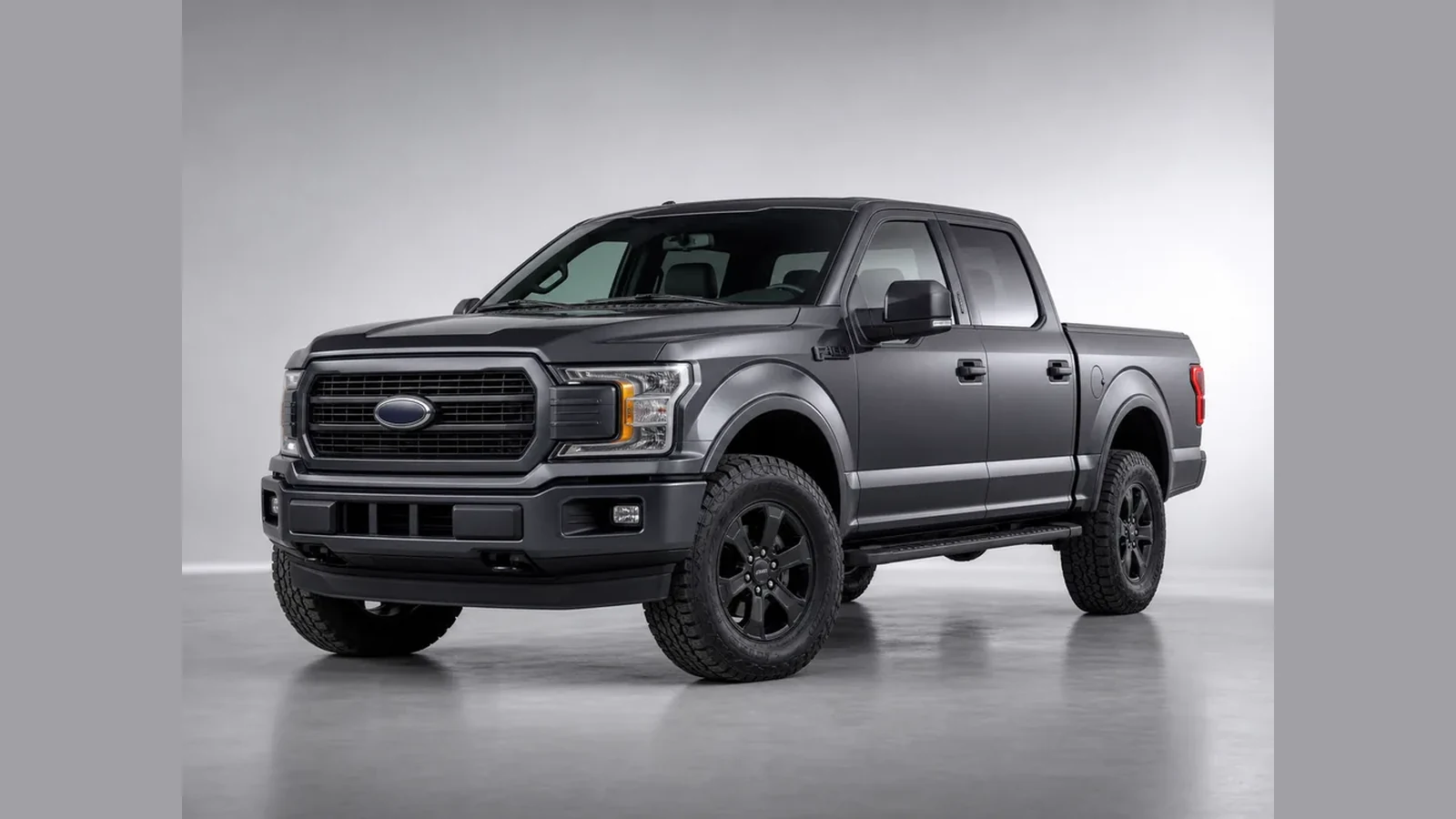
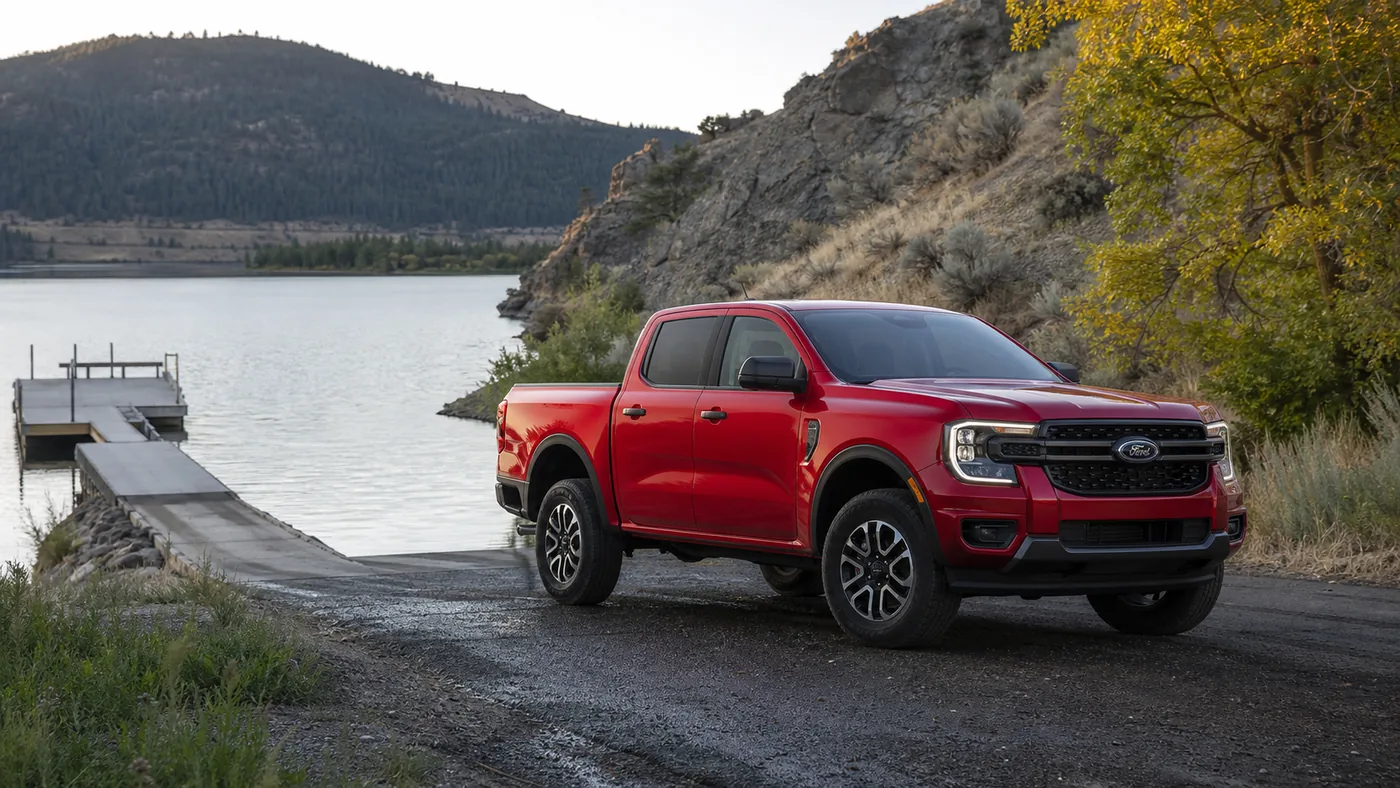
Higher towing and a different payload range are what the Ranger is for, and larger jobs again belong to the F-150 at a cost in size and fuel. Maverick is capable when the exact door label covers people, accessories, bed cargo, and trailer tongue weight with margin.
Create one loaded-trip worksheet for the heaviest normal day. Start with the payload figure on the exact door label, then subtract every occupant, the hitch, measured tongue weight, bed cargo, cabin gear, racks, cover, tools, and accessories.
Do not use the brochure maximum from another trim. Repeat the calculation with full fuel and the items that usually remain in the truck.
When the result leaves little margin, weigh the loaded truck and trailer separately and together at a certified scale.
Move cargo only when the new position remains secure and keeps every axle and trailer limit in range. A lighter trailer does not automatically solve a rear-axle or payload problem, and a family trip can exceed the label even when the bed looks nearly empty.
Choose the next larger truck when the real load repeatedly depends on perfect packing or leaving safety equipment behind.
The 4K Tow Package changes the truck before it changes the number
Every 2026 Maverick starts with a 2,000-pound maximum tow rating. Ford lists up to 4,000 pounds when an eligible AWD hybrid or EcoBoost truck has the 4K Tow Package.
The package includes a Class III two-inch receiver, four-pin and seven-pin connections, a trailer-brake controller, and upgraded cooling equipment.
A receiver added later does not recreate the full package or change the certified tow rating.
Buy the factory configuration when towing near the standard limit is part of the plan.
Verify the window sticker, door labels, axle information, connector, brake controller, and owner's manual.
Calculate from the loaded trailer. Include passengers, bed cargo, hitch equipment, tongue weight, accessories, weather, grade, speed, and braking.
Keep margin below every rating. A 4,000-pound brochure number can be unusable when the truck runs out of payload first.
Test the hitch and electrical connection before travel. Confirm lights, brakes, mirrors, tire pressures, coupler, chains, breakaway equipment, cargo restraint, and controller setup.
Use a loaded scale ticket. Stop when sway, temperature, warning, braking change, or tire concern appears.
A Chevrolet Colorado or Toyota Tacoma offers higher maximum towing. Choose Maverick's 4K package when the fully loaded trailer and payload math fit, not because doubling the headline number sounds reassuring.
Weigh the truck with the regular passengers, bed gear, and hitch installed, then subtract that result from the gross vehicle weight rating on the label.
Compare the remaining payload with measured tongue weight, not a trailer brochure estimate.
Water, batteries, propane, food, and dealer options raise trailer weight quickly. If either label is close, reduce the load or choose a larger tow vehicle.
The 4.5-foot bed works best with measured, secured loads
Maverick uses a 54.4-inch bed with 33.3 cubic feet of volume, 42.6 inches between the wheelhouses, and 53.3 inches of overall bed width. The low lift height helps with daily loading, while the short floor needs planning for long material, bicycles, tools, and furniture.
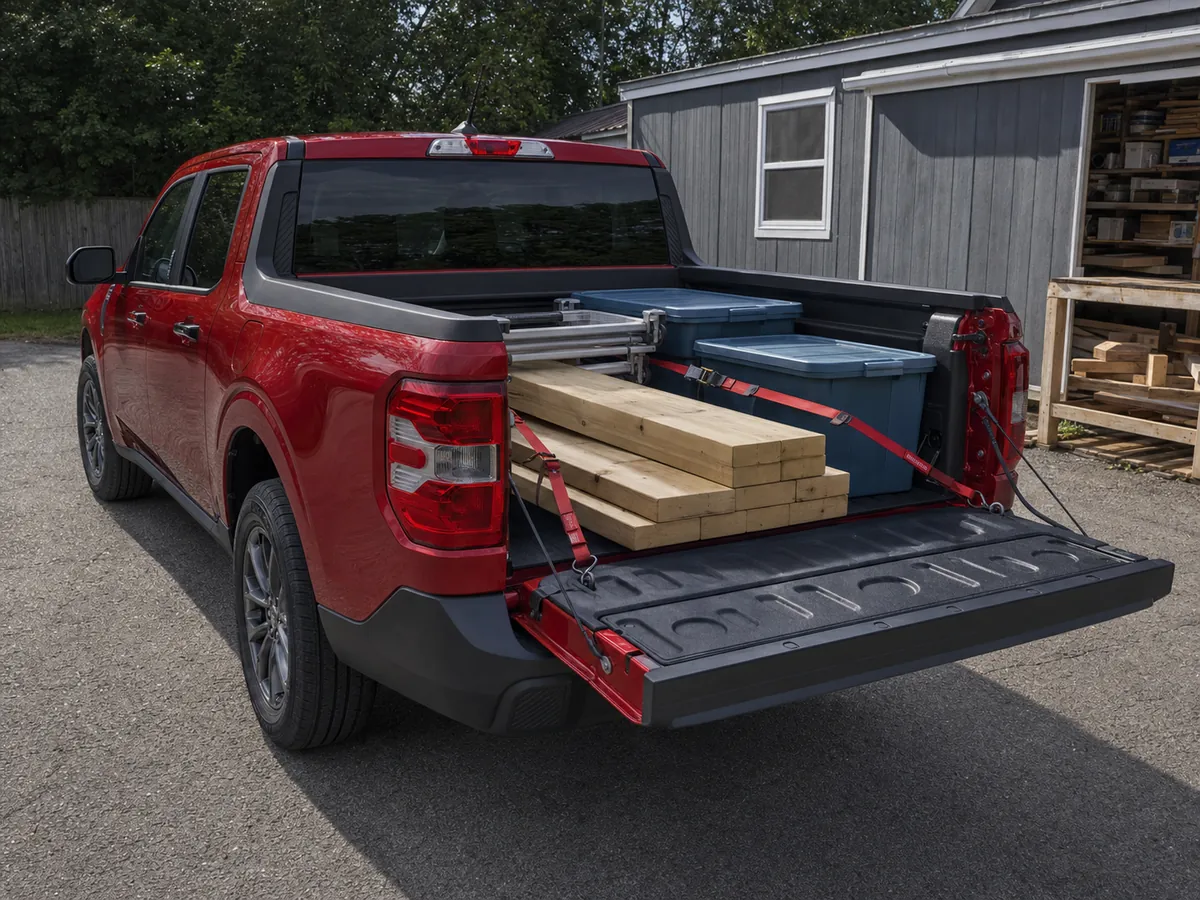
Loading the short bed, in this order
- MeasureThe item and its center of mass, before anything is lifted.
- Set the tailgateUp, in a supported position, or down according to Ford instructions, and know which before you load.
- Mark long loadsLegal marking is a requirement, not a courtesy, once material overhangs.
- SecureTo rated tie-down points, so nothing rests on trim, wiring, or an unsupported cover.
Ford's FLEXBED features and prewired power leads support dividers, racks, and accessories. Every addition has a weight, installation method, electrical limit, and warranty question.
Require proper fasteners and fuse protection. Avoid loose household wiring or sharp hardware near fuel, hybrid, or body systems.
Load a bicycle, mower, cooler, toolbox, stroller, mobility device, lumber sample, or storage bins used in real life.
Close the tailgate and any cover. Check rear visibility, camera view, water drainage, spare access, theft exposure, and whether the item can be secured at four useful points.
A longer midsize format is what the GMC Canyon offers instead, while the Hyundai Santa Cruz adds a lockable in-bed trunk. Maverick's bed is useful when the recurring load fits its 54.4-inch floor and can be restrained without exceeding the label.
Write the bed plan for the most common load and the largest occasional load. Mark where each strap connects and confirm that the anchor rating and strap angle control movement forward, backward, and sideways.
A tonneau cover can hide cargo from view but does not restrain it. Recheck tension after the first few miles and after rain or a major temperature change.
Lobo and Tremor trade core truck capacity for specialized hardware
XL, XLT, and Lariat cover the broad hybrid or EcoBoost decision. Lobo lowers the truck, uses a seven-speed transmission and advanced 4WD, and targets paved performance.
Tremor raises off-road ability with specialized suspension, advanced 4WD, and trail equipment.
Neither is the default work-truck upgrade.
| Trim | Starting MSRP | Best reason |
|---|---|---|
| XL | $27,145 | Basic bed utility and value |
| XLT | $29,645 | Daily convenience with broad options |
| Lobo | $35,930 | Street-focused handling and style |
| Lariat | $35,870 | Comfort, technology, hybrid availability |
| Tremor | $41,140 | Repeated rough-road use |
Lobo is rated at up to 1,045 pounds payload and 2,000 pounds towing.
Its 7.4-inch clearance is lower than core trucks. Tremor reaches 9.1 inches of clearance but is rated at up to 1,140 pounds payload and 2,000 pounds towing.
Their tires, wheels, suspension, and driveline parts can cost more to replace.
Drive the specialist trim where it will be used. Lobo needs tight turns, broken city pavement, highway travel, and parking.
Tremor needs a legal rough route, low-speed control, underbody inspection, and tire evaluation.
Appearance alone cannot justify lower capacity.
XLT is the useful middle because it can combine the selected powertrain, AWD, and 4K towing without paying for every Lariat feature. XL is compelling when its manual seat, simpler equipment, and lower price fit the driver.
Compare specialist hardware with a Ford Ranger Raptor alternative or Toyota Tacoma trail trim. Choose XLT for broad value, Lobo for repeated paved handling, and Tremor for repeated rough-road work.
The rear bench and bed must share one compact footprint
Maverick is a five-seat crew-cab truck in a footprint far shorter than many full-size pickups.
The rear bench also covers useful cabin storage. Compact dimensions help in parking, and they put two demands on the same inches.
Two demands on one footprint
The rear bench
Knees, feet, headroom, shoulder room, belt access and child-restraint clearance all come out of the same wheelbase the bed sits behind.
The bed
Every inch given to rear passengers is an inch the 54.4-inch floor does not get, and a short bed is already the compromise in this truck.
Test them together rather than separately, because separately they both pass.
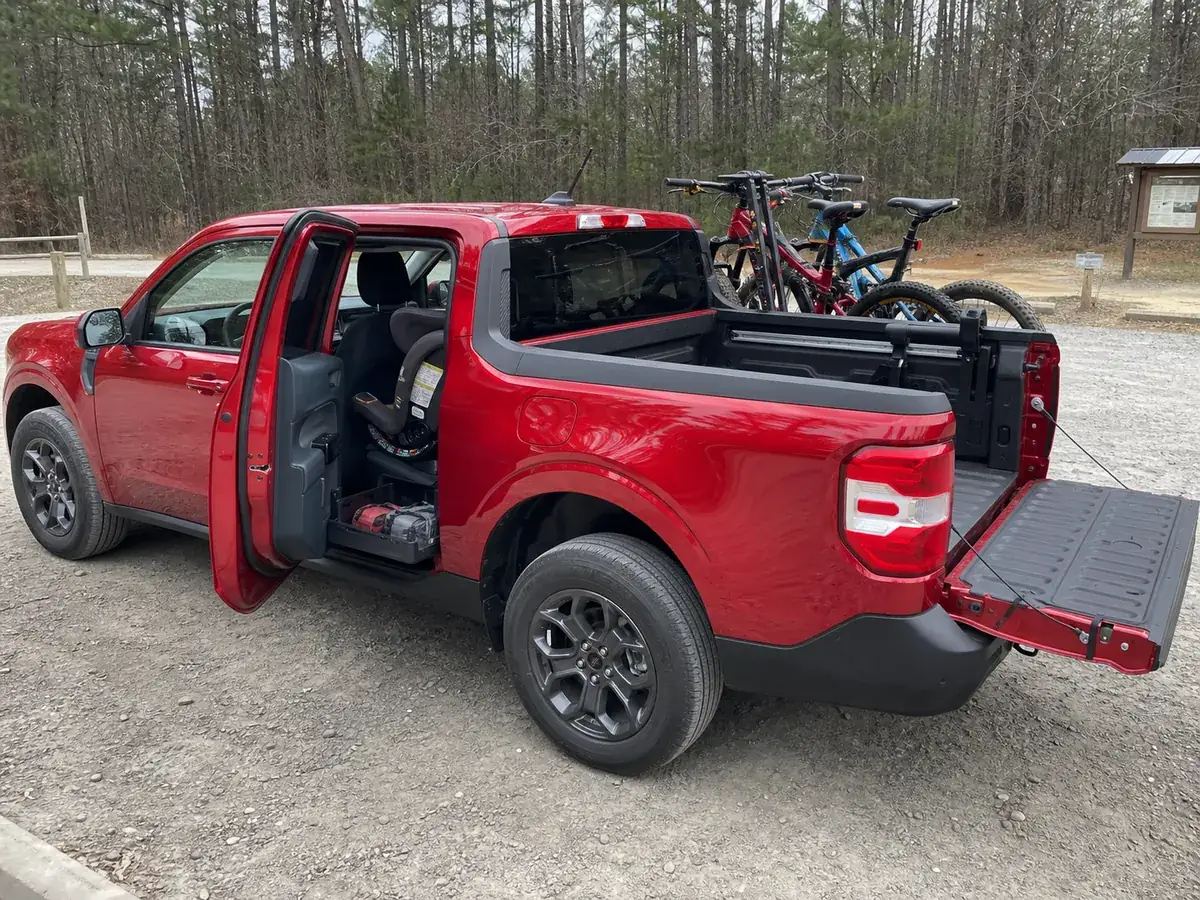
Set both front seats for the regular drivers. Check rear knees, feet, headroom, shoulder room, center-seat width, belt access, door opening, and vents.
Install child restraints with Ford and seat-maker instructions. Confirm whether lifting the rear cushion conflicts with a restraint or passenger.
Store tools, charging cables, emergency gear, or valuables under the seat only when they fit without damaging wiring, vents, latches, or hybrid components.
Secure hard items. Do not block a battery-cooling path or place liquid where a spill can reach electrical equipment.
Load the bed for the same trip. Passenger weight reduces remaining payload, and gear moved from the cabin to the bed still counts.
Check tailgate position, camera view, tie-down access, cover operation, and weather protection.
A seven-seat SUV carries more people but lacks an open bed. A Ford Transit solves larger enclosed cargo jobs with a much bigger footprint.
Maverick fits when passengers, restraints, cabin storage, and the short bed work together below the exact payload limit.
Repeat the fit check with winter coats, school bags, work boots, and the charging or towing gear that normally rides along.
Under-seat storage can disappear once a child seat blocks the cushion from lifting.
Keep emergency equipment reachable without unloading the bed on the shoulder. A five-seat label has little value when ordinary gear makes the center belt or rear footwell unusable.
IIHS results show strong areas and a rear-passenger weakness
IIHS lists the 2026 Maverick with Good small-overlap and updated side results, while the updated moderate-overlap result is Marginal. Its current small-pickup summary also shows Acceptable vehicle-to-vehicle front-crash prevention and Good pedestrian front-crash prevention, with LATCH ease rated Acceptable.
Read the detailed test page for the model year and cab. A Marginal category should not be hidden behind strong ratings elsewhere, and one weak category does not erase every safety feature.
Vehicle size also affects crash compatibility in ways an award label cannot summarize.
Inspect belts, airbags, child anchors, tires, brakes, glass, lamps, cameras, radar areas, bed structure, hitch, and previous collision repair. Require calibration records after windshield, bumper, steering, suspension, or body work.
Test automatic braking alerts, lane assistance, blind-spot features where fitted, camera views, trailer coverage, and parking functions within safe conditions.
Read the manual limits and keep sensors clean. Driver aids support attention rather than replacing it.
The planned Maverick versus F-150 comparison can frame size and capability, while the test ratings must stay attached to the exact truck. Maverick safety has real strengths and a notable moderate-overlap limitation, so buyers should inspect the details rather than rely on a broad label.
Seat every regular passenger before buying. Check rear head-restraint height, belt routing, child-seat tether access, and whether the front seats remain in safe positions.
The updated moderate-overlap result places special attention on rear protection, so the buyer should not replace the published detail with a general claim that a truck feels substantial.
Used hybrids need engine-fire recall documentation and a cold scan
NHTSA campaign 23V-380 covers certain 2022 and 2023 Maverick hybrids because an engine failure can release oil or fuel vapor near ignition sources and increase fire risk. Ford's documents identify affected vehicles by VIN and describe the remedy process.
NHTSA campaign 23V-848 covers certain 2022 through 2024 Mavericks whose software may fail to alert the driver when one rear turn-signal bulb is out.
Keep each campaign with the model years and VINs stated in its official report.
Neither campaign automatically applies to a 2026 truck.
Start a used truck cold and scan every module before codes are cleared. Check engine oil, coolant, fuel or oil odor, hybrid warnings, 12-volt condition, battery-cooling areas, eCVT behavior, EcoBoost shifts, steering, brakes, cameras, lights, tires, bed wiring, hitch equipment, water entry, and modifications.
Inspect the underbody, suspension, bed, tailgate, jack points, and collision repair. A work truck can look clean above while carrying overload, off-road, salt, or poorly installed accessory damage below.
Require records for recalls, software, fluids, and any engine repair.
The planned Maverick reliability history can separate future evidence by year. A used Maverick needs VIN proof, a cold diagnostic scan, and a load-history inspection before price enters the decision.
Compare the engine number, service invoices, recall records, and diagnostic history when an engine repair or replacement is claimed.
Confirm who performed the work and what warranty remains. Fresh oil or a recently cleared code is not proof of repair.
Stop for smoke, a strong fuel or oil odor, power loss, severe mechanical noise, or a warning that returns during the warm drive.
Fuel savings can disappear under accessories, tires, and long financing
Maverick's low entry price and hybrid MPG attract budget buyers, but the truck can accumulate AWD, towing, luxury, off-road, appearance, bed, electrical, and dealer accessories quickly. Finance interest applies to every added dollar.
| Cost | What to collect |
|---|---|
| Purchase | Truck, packages, fees, accessories |
| Finance | APR, term, down payment, total interest |
| Fuel | Powertrain, annual miles, actual route MPG |
| Insurance | Exact VIN, drivers, use, trailer |
| Tires | Core, Lobo, or Tremor replacement set |
| Bed gear | Cover, liner, racks, wiring, locks |
| Service | Ford schedule and local labor |
| Repairs | Deductible and post-warranty reserve |
Compare hybrid and EcoBoost out-the-door quotes with the same useful equipment.
Use local fuel prices and a conservative route estimate.
Hybrid savings grow with urban miles. EcoBoost may be worth more when its response or trim availability solves a repeated job.
Price every accessory separately and record its weight. A cover or rack may improve use, but it consumes payload and adds financing cost.
Avoid dealer wiring or fasteners that lack a clear rating, fuse, warranty, or installation record.
Get insurance quotes for the exact VIN, trailer use, household drivers, and commercial activity where applicable. Tremor and Lobo tires, wheels, suspension, and body parts can differ sharply from an XL hybrid.
Compare the full bill with a Ram 1500, Nissan Frontier, and a hybrid car when the bed is rarely used. Maverick saves money when the selected configuration stays light, useful, and free of financed equipment that does not solve a repeated task.
Hybrid XLT is the broad value pick after the label check
Maverick combines compact parking dimensions, a five-seat cabin, a useful open bed, up to 1,500 pounds of payload, and a choice between strong hybrid economy and EcoBoost performance. It cannot replace a larger truck when trailer, payload, bed length, or rear-seat needs exceed its labels and dimensions.
Pros
- Hybrid FWD reaches 38 mpg combined
- Hybrid and EcoBoost can offer AWD
- Up to 4,000 pounds of towing
- Low 54.4-inch bed loading height
Cons
- Short bed limits long cargo
- Payload falls on specialist trims
- Updated moderate-overlap IIHS result is Marginal
- Early hybrids need recall verification
Hybrid XLT suits commuters, homeowners, hobby users, and light-duty crews who use the bed regularly and keep loads within the label.
XL is better when price and simple equipment matter. Lariat, Lobo, and Tremor need comfort, street-performance, or rough-road reasons used often enough to support their cost.
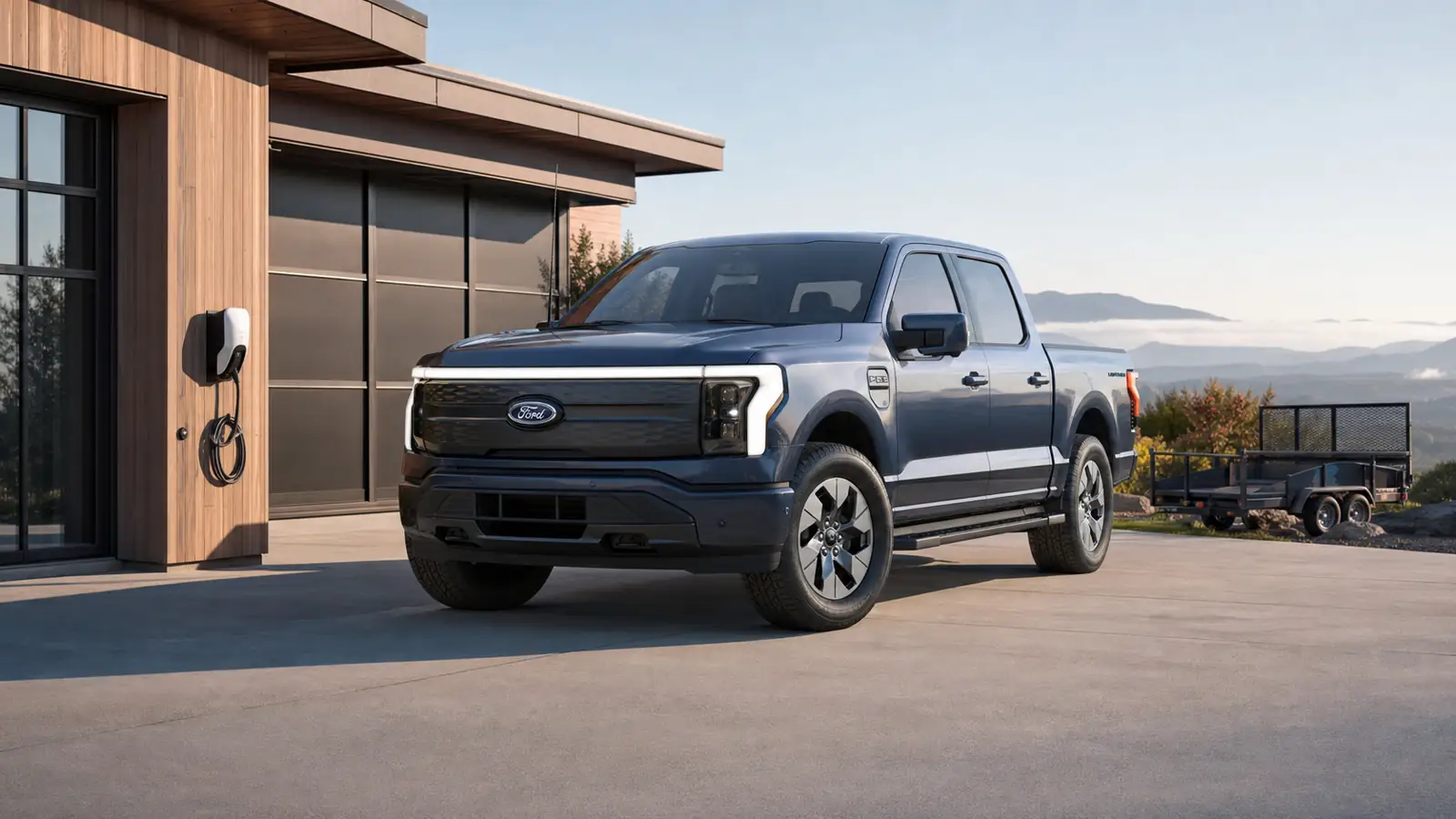
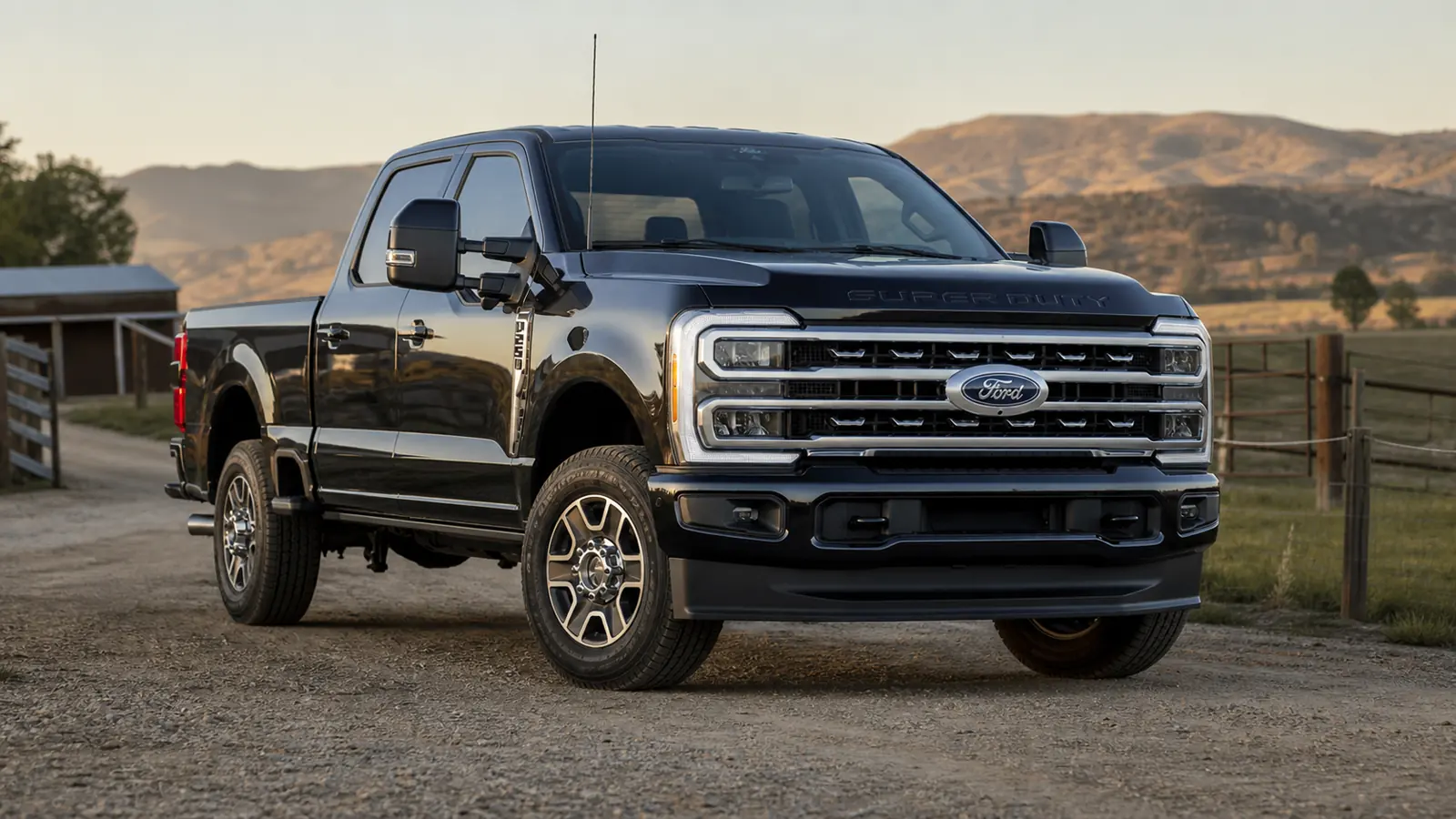
The rest of Ford's truck range starts where the Maverick's payload stops, which is the comparison worth making before ordering.
Anything that must seat five and carry cargo at once belongs in the five-seat shortlist rather than in a trim decision.
Choose the least expensive Maverick whose exact powertrain, drivetrain, payload label, bed, and factory towing equipment cover the real week with margin.