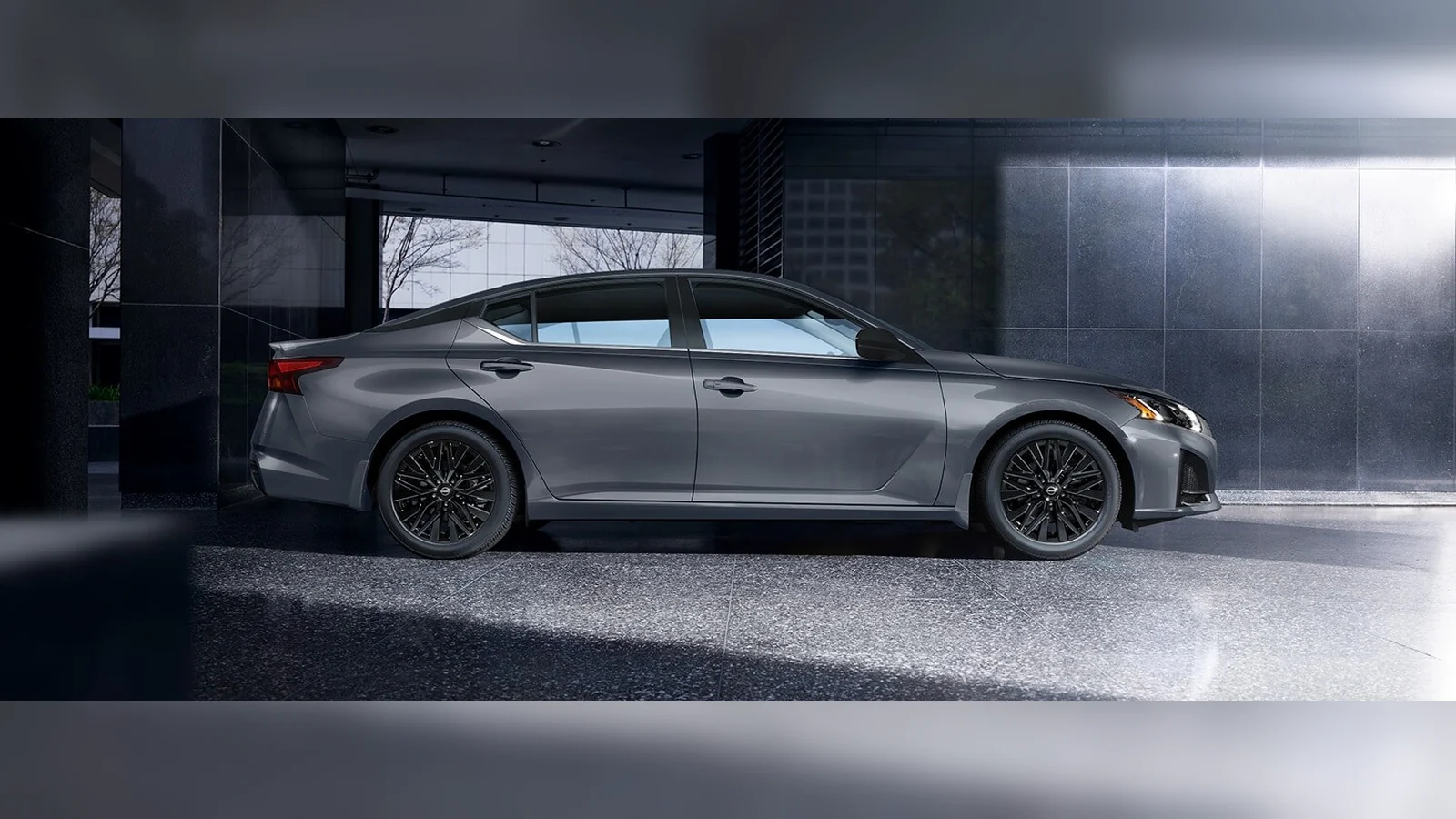
Why the Altima is a deal-first sedan, not a default pick
The Altima answers the midsize sedan question a different way than the Camry or Accord. You look at it when price, availability, and available all-wheel drive matter more than class-leading resale or the sharpest steering.
That makes it a deal-sensitive car. At the same money as a Toyota Camry, it is hard to defend, and it only starts to make sense with a real discount, a clean warranty, and an actual AWD need.
For 2026 Nissan runs a slimmer lineup built around a 2.5L four-cylinder and the Xtronic CVT, in SV and SR trims, with front-wheel drive or available AWD. The spec sheet is simple on purpose.
The numbers set the frame before you fall for a low advertised payment.
The Altima belongs in the sedan body conversation because it still solves a real problem, midsize comfort without SUV cost.
The reason to pick it is not image.
It is price, warranty, and traction.
That framing suits a commuter in a snowy region who does not want an SUV, along with a shopper who values a fresh factory warranty at a lower entry price than the usual default sedans.
A strong offer shows a real gap in the final number, not just a lower monthly quote, so compare taxes, fees, finance rate, add-ons, and warranty position side by side.
If that final number lands close to a stronger default like the Honda Accord, the Nissan loses most of its reason to win. Treat the discount as the first test, not the last.
The available all-wheel drive most midsize sedans skip
Available all-wheel drive is the Altima's clearest edge, because most midsize sedans never offer it. That one option puts the car in a smaller group and gives a snow-state commuter a reason to skip an SUV.
AWD at a glance
- What it helps
- Getting moving in snow and rain
- What it does not fix
- Braking and cornering, which ride on tires
- Fuel cost
- Lower mpg than the front-drive Altima
- Best fit
- Real winter use, steep driveways, wet rural roads
- Skip it when
- Good winter tires already solve your problem
The honest limit matters as much as the benefit. AWD helps the car pull away on a slick start, but it does not shorten a stop.
Tires still decide braking and cornering, so winter rubber does more for safety than the drivetrain badge.
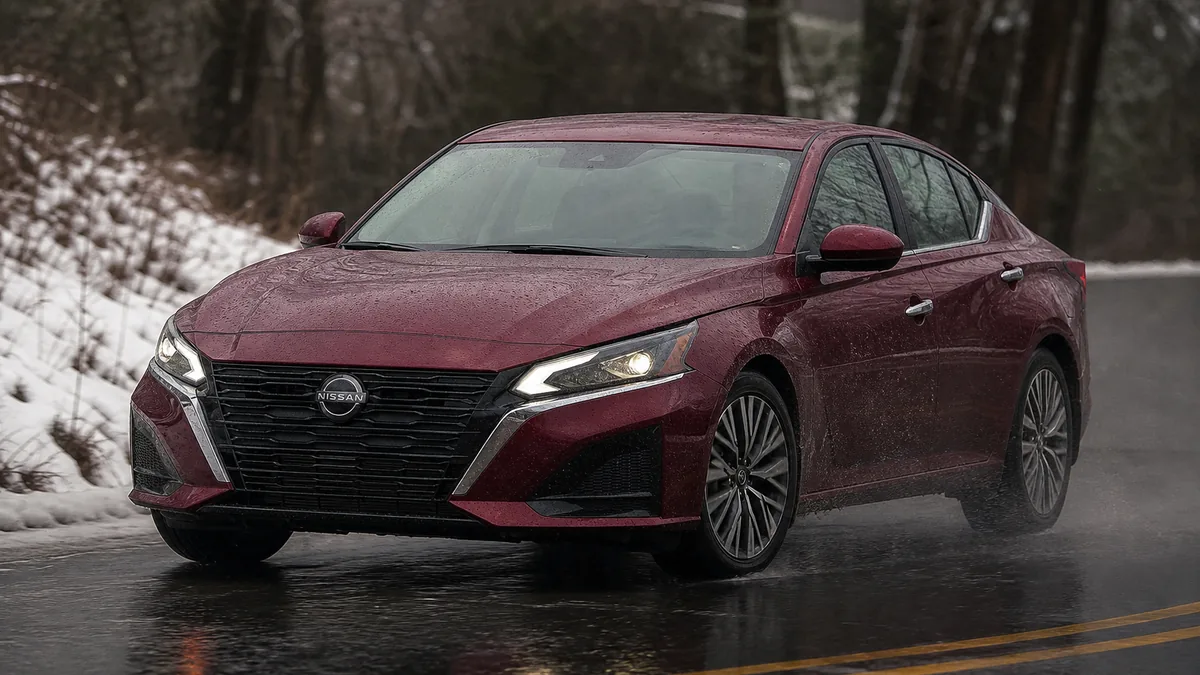
The option is not free. AWD adds parts, lowers fuel economy, and asks for matched tires across all four corners, so price a full set before you commit to it.
Be specific about why you need it. Snowy starts and steep, unplowed driveways are real reasons, while a vague wish for extra security is not once you count the mpg and tire cost.
If your winter worry is stopping distance rather than pulling away, front-wheel drive with good tires is often the cheaper long-term answer.
The all-wheel drive earns its keep on unplowed side streets and a steep morning driveway, the moments where a front-drive sedan can sit and spin while traffic waits behind it.
This is where the Altima separates from a driver-focused rival that does not offer all-wheel drive at all. The Nissan brand leans on that availability to pull weather-worried buyers out of crossovers.
If a compact still fits your life, a Nissan Sentra costs less, though it drops the AWD option that gives the Altima its edge.
Reading the out-the-door number that decides the value
The Altima's value case lives or dies on the out-the-door price, not the sticker. Because the car sells on discount, the final total after taxes, fees, and add-ons is the review.
Start every comparison from that total, not from MSRP or the advertised payment. A lower monthly figure can hide a long term, a weak trade value, or dealer extras that quietly rebuild the gap you negotiated away.
| Cost area | What changes the bill | Buyer move |
|---|---|---|
| Purchase price | Discount decides value | Compare out-the-door numbers, not MSRP |
| Warranty position | Protects the CVT concern | Prefer new or certified when pricing is close |
| Add-ons | Packages can erase the discount | Refuse extras that do not add value |
| Finance rate | A high rate takes back savings | Read the full cost, not the payment |
| Depreciation | Resale trails Toyota and Honda | Keep the car longer if you buy new |
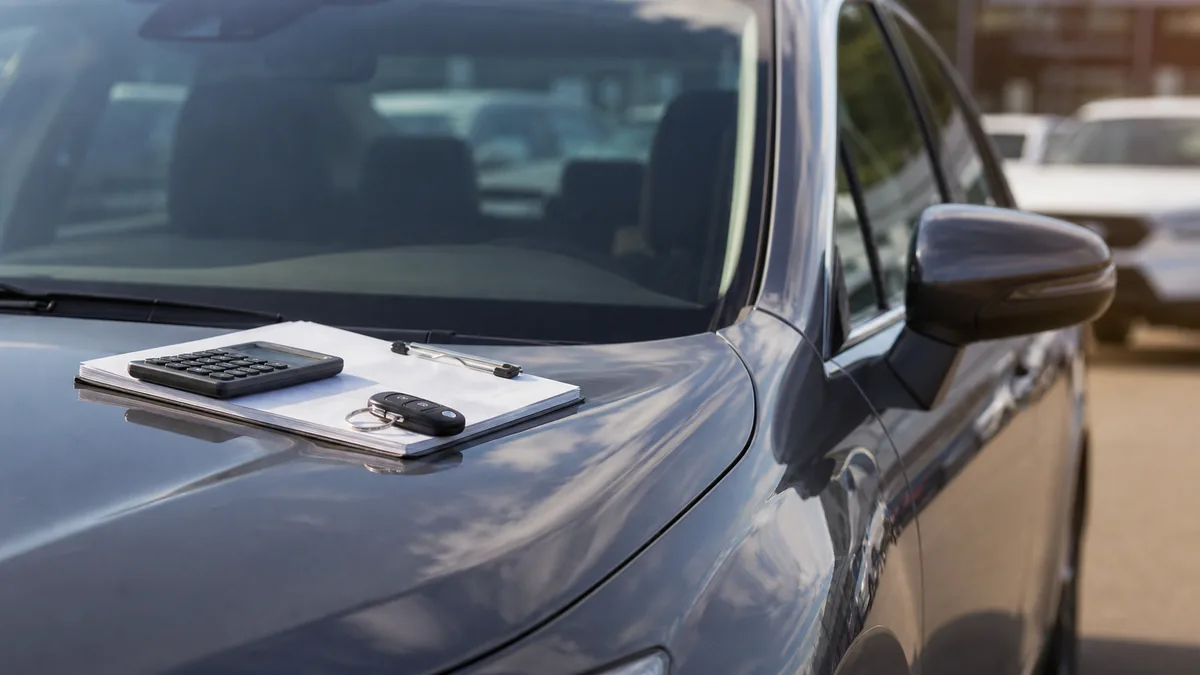
Depreciation is the line to plan around. The Altima's resale trails a Toyota Camry and an Accord, so a fair discount up front and clean records protect you at trade-in time.
The lease versus buy math can favor the Altima when incentives make the payment genuinely lower, though a long term with high fees can hide a weak deal.
Dealer add-ons deserve a hard no when they do not earn their price. A value sedan loses its whole point when protection packages and accessories rebuild the price you just talked down.
Watch the finance office as closely as the lot. A strong discount can quietly turn into an average deal once the rate, the term, and the paperwork are set, so read the total cost and not the monthly line.
Make the Altima leave the lot clearly cheaper than a Camry or Accord, or buy one of them instead.
How the Xtronic CVT shapes the way it drives
The Altima's character comes from its Xtronic CVT more than its engine. The 2.5L four-cylinder is a smooth commuter unit, but the transmission is what you feel every day.
A CVT holds engine speed differently than a geared automatic, so acceleration can feel like a steady climb rather than stepped shifts. That is normal for the type, not a fault.
The engine makes up to 188 hp on select trims using premium fuel, which is enough for easy commuting but not for excitement. Judge the Altima on comfort, quiet, and price, not on pace.
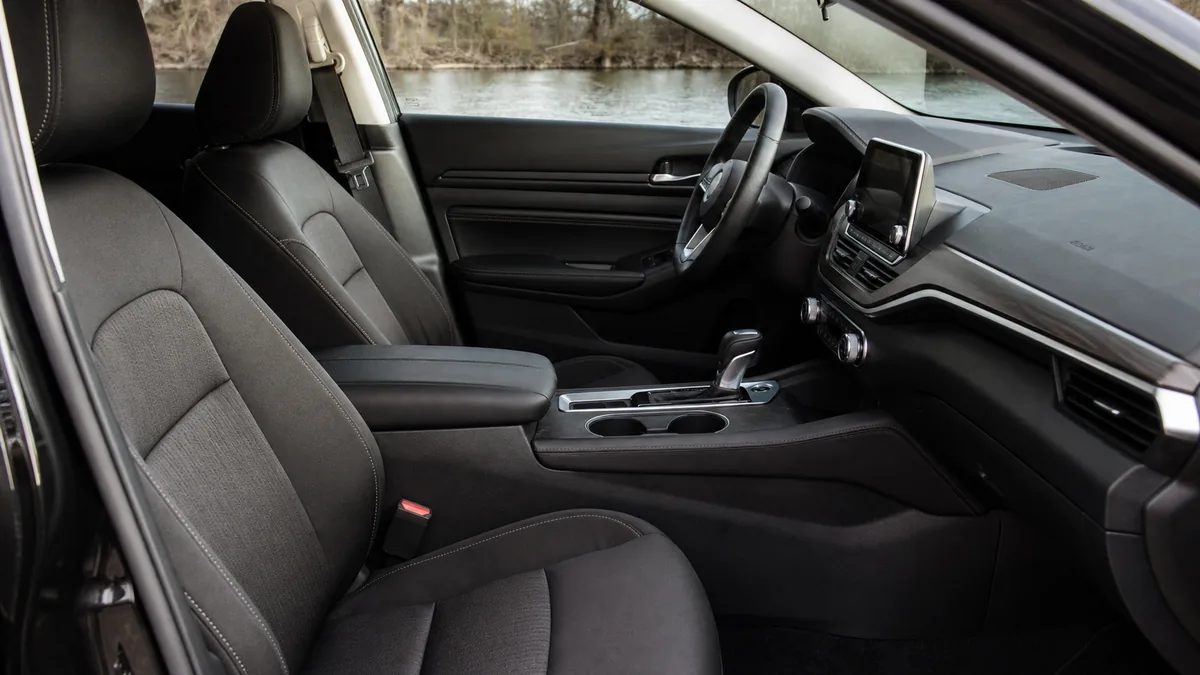
Comfort is where the Altima quietly earns its keep. The seats are easy on a long commute and the midsize cabin gives adults real room, which is the point of choosing a sedan over a compact.
Road noise and ride quality track the wheels and trim, so larger wheels can look sharper and still add tire cost and firmer impacts over broken pavement. Drive the exact trim you plan to buy on the roads you actually use.
If a smaller car feels tight, the step up from a Hyundai Elantra to an Altima buys genuine rear-seat space for the money.
The Altima sticks with a gas engine only, with no hybrid choice in the lineup, so fuel savings come from the deal and the drivetrain choice rather than a battery.
Drivers who want a livelier sedan should cross-shop the Kia K5, which trades the Altima's calm for sharper responses at a similar price.
SV or SR, and where the big screen fits
Trim choice on the Altima stays refreshingly simple. Two main trims, SV and SR, and one real question, whether the SR's sportier look is worth its price over the value-focused SV.
SV is the value play for most shoppers. It covers a normal commute with the comfort and features that matter, and it keeps the price advantage that gives the Altima its reason to exist.
SR adds a sportier appearance, but it does not turn the Altima into a sport sedan. The powertrain is the same commuter setup, so pay for the look only when the pricing stays close to the SV.
The low CVT and resale scores are honest. They are the tradeoff you accept for a lower entry price and available all-wheel drive.
Between the two trims, the gap that matters is price, not equipment, because both share the same engine, CVT, and midsize cabin. Pay for the SR only when its look is worth a small premium to you.
It sits at the value end of the mainstream sedan group, so the whole point is spending less than the pricier default badges without giving up midsize room.
The available 12.3-inch screen can be a genuine upgrade, but it should not steer the whole decision. Test phone pairing, camera clarity, map response, and the steering-wheel controls before you count it as a win.
If the SR climbs too high, compare a used Honda Accord before you pay extra for a sport appearance on a commuter car.
A Hyundai Sonata is the other value-first cross-shop, offering bold styling and a long feature list at a similar spot on the price ladder.
Run these checks before you settle on a trim.
- Start with SV unless SR pricing sits close
- Buy AWD only for real winter use, not for looks
- Price a full set of tires on AWD cars before signing
- Confirm every screen and camera works on the test drive
The SV with a real discount is the Altima that makes the most sense for most buyers.
Buying a used Altima without inheriting a CVT problem
A used Altima can be a smart buy or an expensive mistake, and the CVT usually decides which. The transmission makes service records, warranty position, and test-drive behavior matter more than the odometer.
Test the car cold and warm. A healthy CVT engages promptly, accelerates smoothly, and avoids shudder, flare, or pulsing, and any seller who calls a symptom normal but cannot show records should send you walking.
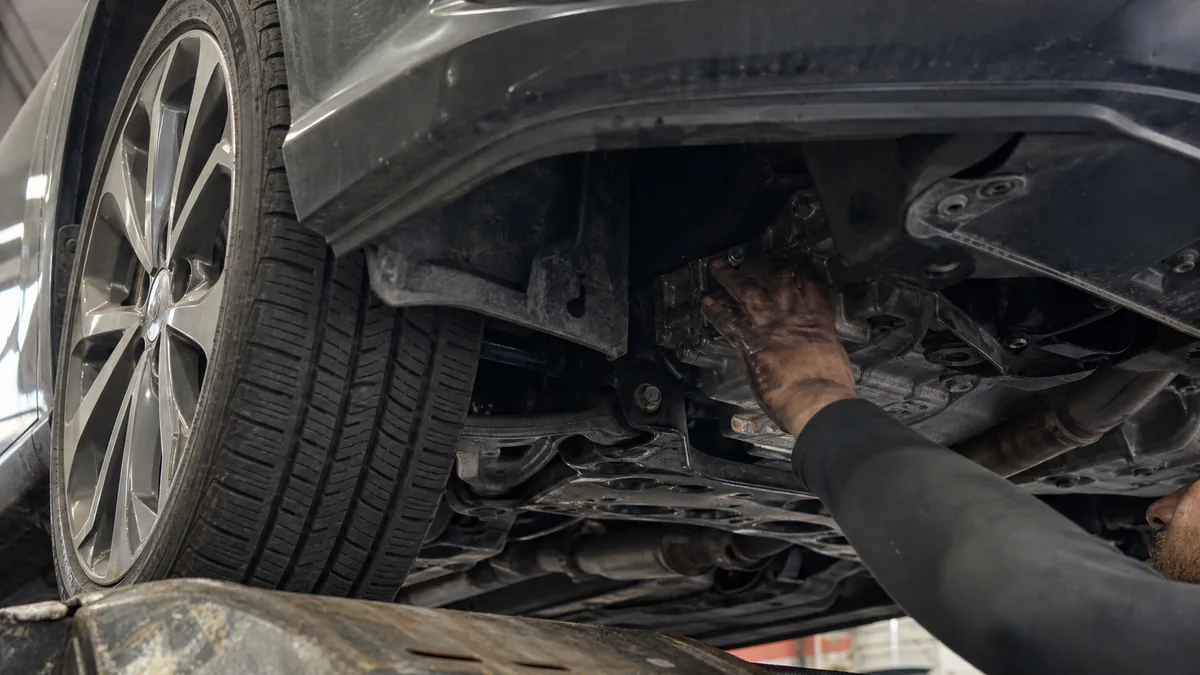
Because the Altima often sells on price, neglected examples can look tempting. The strongest used car here is boring, with stock wheels, matching tires, no warning lights, and a seller who can explain the maintenance.
AWD cars need extra tire scrutiny. Uneven wear can point to skipped rotations, alignment trouble, or the cheapest possible repair, and matched tires across all four corners are not optional on all-wheel drive.
Look past the drivetrain too. Check for dirty fluids, worn seat bolsters, fresh accident repairs, and suspension noise over broken pavement, because a price-first seller may have skipped the boring upkeep that keeps a value car cheap.
Run the car through the new versus used decision before the low price wins, because a clean, warrantied Altima can beat a cheaper one with unknown history.
Check the small stuff too. Scan for stored codes, and test every camera, window, lock, and screen for faults.
Confirm the car will jump start cleanly if the battery is older, since modern sedans lean hard on their electrical systems.
Check tire pressure and tread on the drive as well, especially on AWD cars where uneven tires can turn a value sedan into a repair bill.
Buyers weighing electric instead should compare a Hyundai Ioniq 5 before deciding a gas commuter is still the right call.
What it costs to own, and when to buy the Camry instead
The Altima's ownership case is strongest when you buy it below Camry money and keep it long enough to absorb the weaker resale. Fuel, tires, insurance, and depreciation decide the real bill, not the sticker.
Fuel economy is solid for a midsize sedan and better with front-wheel drive, though AWD pulls the number down. Buy the traction for weather, not because it sounds like a free upgrade.
Budget a careful first service on any used car. A transmission behavior check, oil, filters, brake fluid, a battery test, alignment, and tires can turn a cheap listing into an average deal, so build that into the offer.
Insurance should be quoted before you sign, especially on SR and AWD trims where the number climbs. Regular upkeep protects the rest, starting with on-time oil changes and a service record you never have to explain.
The Altima works best for owners who keep cars. Trade every two or three years and the weak resale can take back the discount, while keeping it past the steep part of depreciation gives the low entry price time to pay off.
Repair budgeting should stay conservative on any used Altima. Set money aside for tires, a battery, brake service, filters, and alignment rather than assuming a cheap sedan stays cheap once the odometer climbs.
When the price gap is small, the safer answer is the Toyota Camry for resale, or the Accord for cabin and driving feel.
If neither of those fits, the Camry alternatives page maps the wider midsize field before you commit.
A smart Altima buyer stays unemotional. Get the out-the-door price in writing, test the CVT cold and warm, quote insurance, and refuse forced add-ons.
Compare its resale against a proven Camry reliability record, and if the Nissan still saves real money after all of that, it can absolutely work.
The cleanest version is a new or certified SV with a real discount and no forced add-ons. The riskiest is a used car with a vague CVT history and just enough of a price cut to tempt you into ignoring the records.
The best Altima is a clean, warrantied car that costs enough less than a Camry or Accord to make the tradeoff worthwhile.