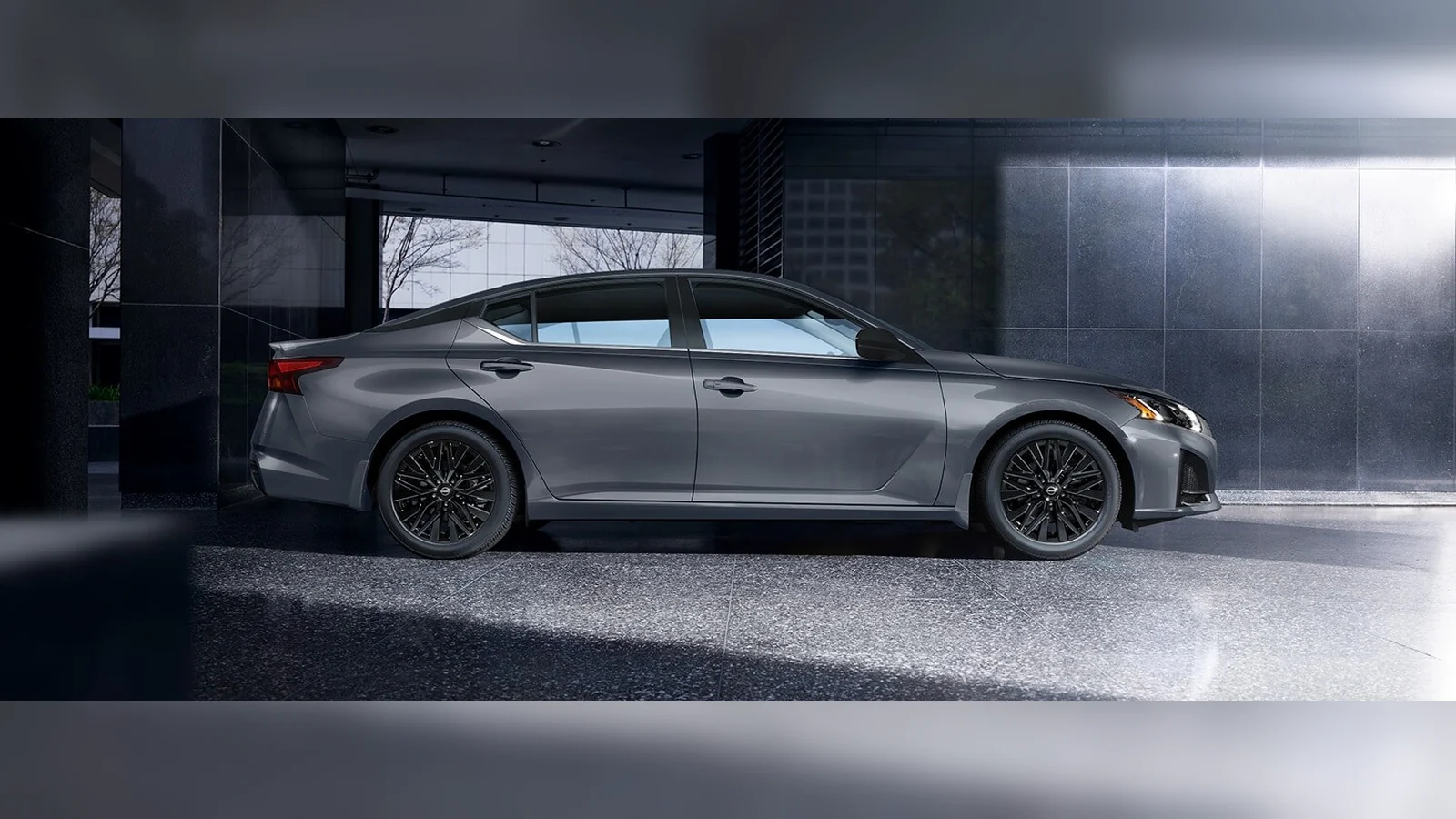
The Altima can be dependable, but the CVT controls the verdict
The Altima offers a roomy cabin, efficient four-cylinder power, and widely available parts at used prices that often undercut comparable sedans. Its engine and basic chassis can deliver ordinary commuter service for high mileage.
The Xtronic CVT creates the material exception. Nissan issued campaigns, service information, litigation notices, and warranty extensions across several Altima generations, so transmission evidence deserves more weight than a general reliability score.
Do not infer that every transmission will fail. The record shows enough model-specific exposure to require a longer test and a specialist opinion when symptoms or paperwork are unclear.
The naturally aspirated 2.5-liter engine is the simpler powertrain choice. Later VC-Turbo and all-wheel-drive versions add performance or traction, along with more systems that must justify their cost.
The Altima deserves a yes only after the transmission, not the seller, sets the terms of the test.
Heat and hydraulic pressure explain the expensive CVT history
A CVT varies its effective ratio without stepped gear changes. Internal belt or chain clamping, pulleys, hydraulic pressure, fluid condition, software, and cooling must work together under load.
Nissan bulletin NTB13-079 describes reduced performance on certain 2007 through 2012 four-cylinder Altimas after prolonged high speed, high engine speed, hot ambient temperature, or a long grade. The transmission's protection logic could reduce speed when temperature rose.
A later voluntary campaign covered many 2013 through 2016 Altimas with CVT software intended to address belt slip under specific conditions. Nissan said falling hydraulic pressure could produce code P0776 and poor acceleration.
- 2007-2012Bulletin describes heat-related protection on four-cylinder cars
- 2013-2016Large service campaign reprograms CVT control software
- 2013-2016Litigation notice extends coverage for qualifying vehicles
- 2017-2018Later warranty extension covers specified CVT components
- Current purchaseVIN, repair history, codes, and warm behavior decide
A software update can correct control strategy, while it cannot restore worn pulleys, bearings, a damaged belt, or contaminated fluid. A completed campaign therefore answers one question and leaves present mechanical condition open.
The 2017 and 2018 extension increased qualifying coverage from 60 months or 60,000 miles to 84 months or 84,000 miles for named CVT parts and repairs. Most cars in a current used search may be outside that time window, so the notice is evidence of scope rather than a promise of free work.
Fluid temperature explains why a car may feel normal during the first few blocks. A quiet cold transmission is the beginning of the test, not the conclusion.
A meaningful Altima road test begins cold and ends fully warm
Arrange the visit before the car is started. Confirm the engine is cold, then select Reverse and Drive with the brake applied and record any long delay, heavy impact, or repeated attempt to engage.
Use light throttle through neighborhood speeds and watch whether engine speed produces smooth, proportional acceleration. A CVT may hold rpm steadily, but it should not shudder, surge, or let engine speed rise while road speed lags.
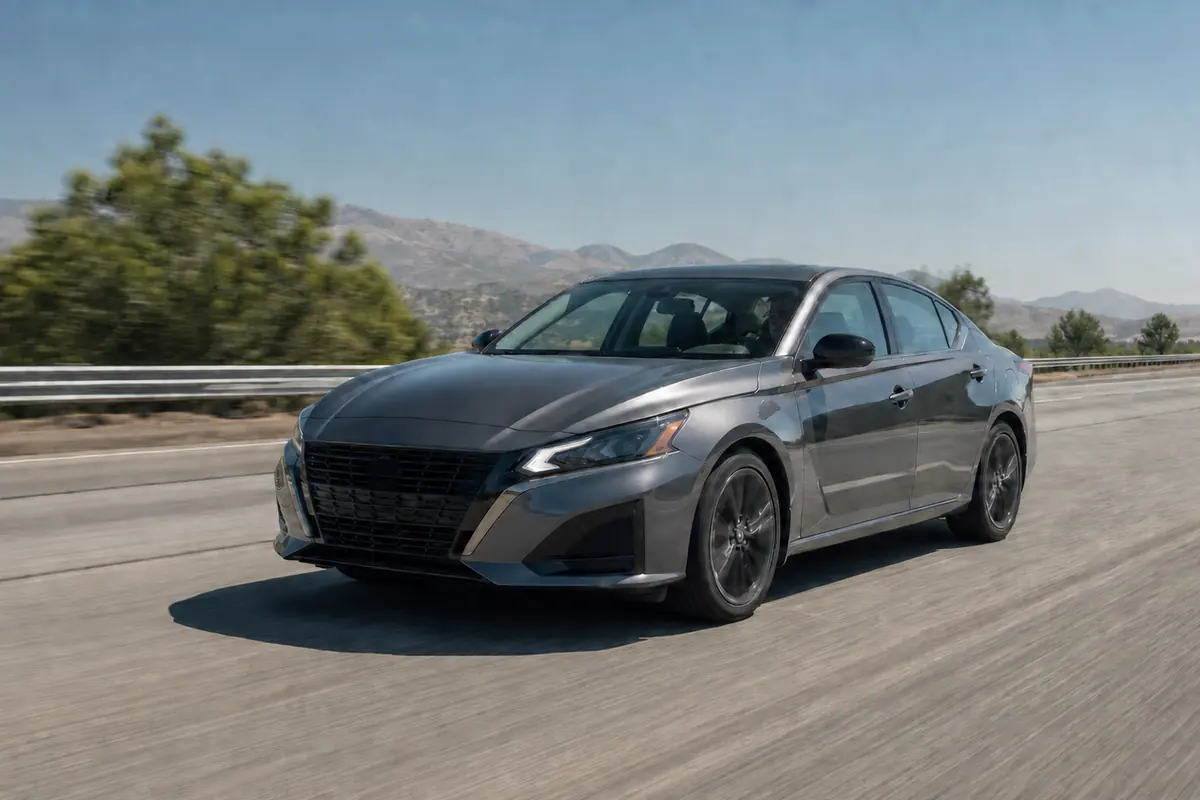
Continue onto the highway and keep the car at normal cruising speed long enough to warm the transmission. Include a safe moderate grade when available, then repeat low-speed acceleration and engagement after leaving the highway.
Listen for a whine or rattle that grows with heat. Watch for reduced acceleration, limp behavior, a warning lamp, judder on takeoff, or a change after the car sits briefly and restarts.
A full scan should include current, pending, and history codes in the transmission controller. Cleared codes, incomplete readiness monitors, or a recently disconnected battery can justify another visit instead of an immediate purchase.
Ask for invoices that name the transmission, fluid, service procedure, software action, valve body, cooler, or replacement assembly. The phrase transmission serviced is too vague to value.
Reject a seller who refuses a cold start, a sustained normal drive, or an independent scan.
Later Altimas reduce some history without erasing the test
Nissan redesigned the Altima for 2019 with a newer platform, revised powertrains, available all-wheel drive, and a different stage of CVT development. Those changes move it beyond the earliest L32 and L33 campaign histories.
Newer production can reduce age, accumulated mileage, and exposure to old repairs. It cannot prove how the individual transmission was used, serviced, overheated, or diagnosed.
| Question | Earlier cars | 2019 and newer cars |
|---|---|---|
| Campaign history | Multiple named CVT actions | Check VIN for applicable current actions |
| Age exposure | Rubber, mounts, cooling, corrosion | More remaining life, higher price |
| Powertrain choice | Mainly 2.5-liter with CVT | 2.5-liter, available AWD, or VC-Turbo |
| Long-term record | More evidence, including failures | Less extreme-mile history |
| Road test | Cold and fully warm | Cold and fully warm |
A newer car with a repeatable warm shudder is worse evidence than an older car with a documented replacement and a clean specialist inspection. Repair quality and current condition outrank the calendar.
All-wheel drive requires four compatible tires and adds rear driveline hardware. Uneven tread, tight-turn binding, differential leakage, or rear bearing noise changes the value even when the CVT is sound.
Recent model years also have had less time to accumulate 150,000-mile evidence. Newer lowers some risks without making longevity certain.
The 2.5-liter engine is the simpler choice, while VC-Turbo adds variables
The naturally aspirated 2.5-liter four-cylinder is the reliability-first choice for most buyers. It avoids the variable-compression mechanism and turbo hardware while delivering the Altima's core commuter job.
The VC-Turbo changes compression ratio through a multi-link mechanism and adds boosted intake and thermal load. Its stronger performance can be worthwhile, but it creates a more specialized diagnosis and repair path.
Pros
- The 2.5-liter has simpler hardware and wider service familiarity
- Front-wheel drive removes rear driveline parts
- VC-Turbo delivers stronger passing performance
Cons
- Turbo and variable-compression hardware add cost exposure
- AWD requires four compatible tires and added fluid checks
- Either engine remains paired with a CVT that needs evidence
Check oil level, coolant, cold-start noise, idle quality, acceleration, and stored engine codes on either version. A misfire, low oil, coolant loss, or overheating history should not be blamed on the transmission without diagnosis.
Insurance, fuel, tire size, and local specialist access can erase the performance version's used-price appeal. Buy the VC-Turbo because its response matters enough to fund the added complexity.
For ordinary commuting, the 2.5-liter front-drive combination leaves fewer systems competing for the repair budget. Simpler is the best-practice choice when reliability matters more than maximum acceleration.
How many miles can a Nissan Altima last with its original CVT?
An Altima can pass 100,000 miles with its original CVT, but the odometer cannot prove how much useful life remains. Warm behavior, controller history, fluid evidence, and the way the car was used matter more than a seller's mileage claim.
Steady highway mileage can be easier on brakes and cold-start cycles than repeated short urban trips. It also keeps the CVT warm for long periods, which makes fluid, cooling, and prior heat behavior important.
Price the car around the next 30,000 to 50,000 miles rather than an unsupported lifetime promise. A lower purchase price stops being an advantage when the inspection finds transmission uncertainty, four worn tires, tired mounts, weak air conditioning, and suspension work arriving together.
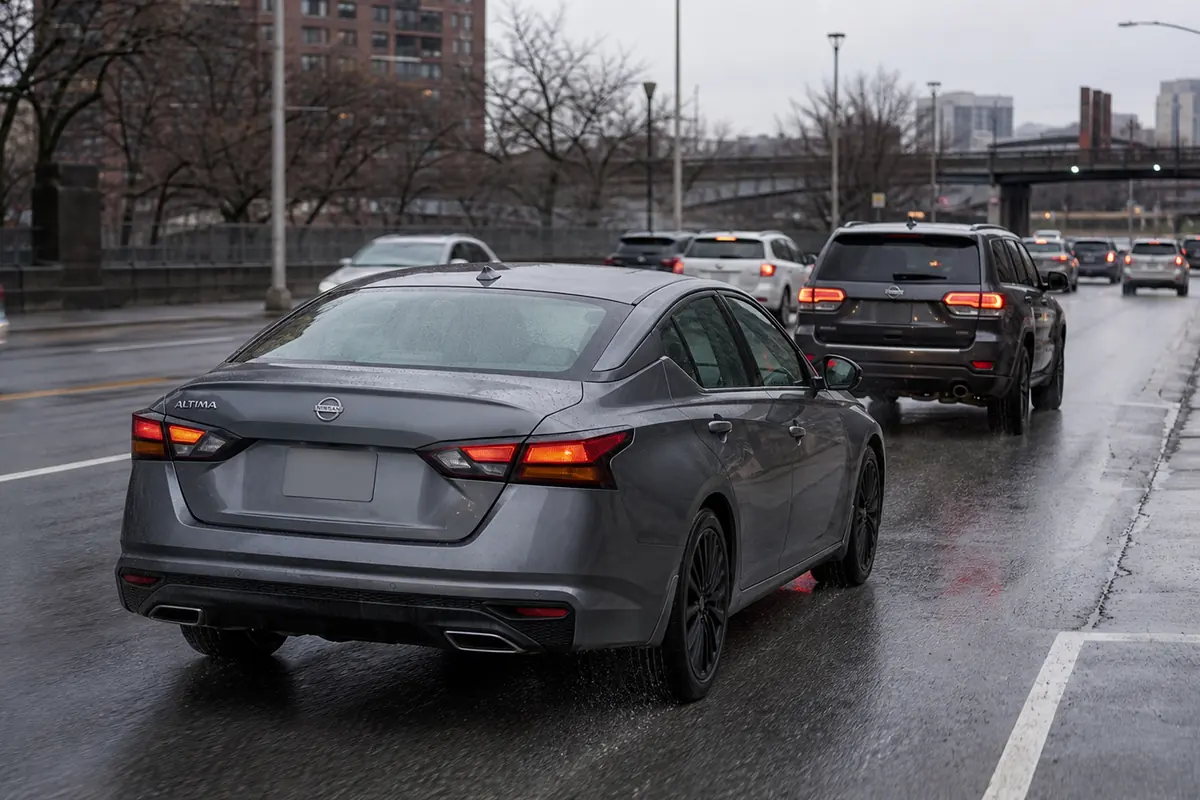
Compare mileage with seat, steering-wheel, pedal, door, and cargo wear. A large mismatch can suggest missing history, fleet use, an odometer question, or replaced interior parts.
Rental or fleet history is not automatic rejection. It should bring complete documentation, a price advantage, careful body inspection, even tires, and no attempt to abbreviate the transmission test.
Measure tread across all four tires and drive on smooth and rough surfaces. Pull, vibration, inner-edge wear, bearing hum, clunks, or poor body repair creates costs outside the CVT question.
A recently installed transmission can be positive evidence when the invoice identifies the assembly, installer, mileage, warranty, cooler work, and control-module setup. A junkyard unit with no origin or coverage leaves the largest question unresolved.
Mileage is useful context, not a verdict. A documented 120,000-mile highway car may be easier to price than a 70,000-mile car with cleared codes and no CVT history.
The Altima only works when the discount survives a transmission reserve
Compare the Altima's price with cars of similar age, mileage, condition, and equipment, then account for the transmission uncertainty. A discount is real only when it remains after diagnosis and a reasonable repair reserve.
An extended service contract is useful only when the administrator, covered parts, exclusions, labor rate, diagnostic terms, and claim limits are clear in writing. A sales promise cannot replace the contract.
The Altima can still be a sensible commuter because not every car carries the same condition or price. Buy only when the transmission evidence is strong enough that the discount remains a benefit rather than a warning.