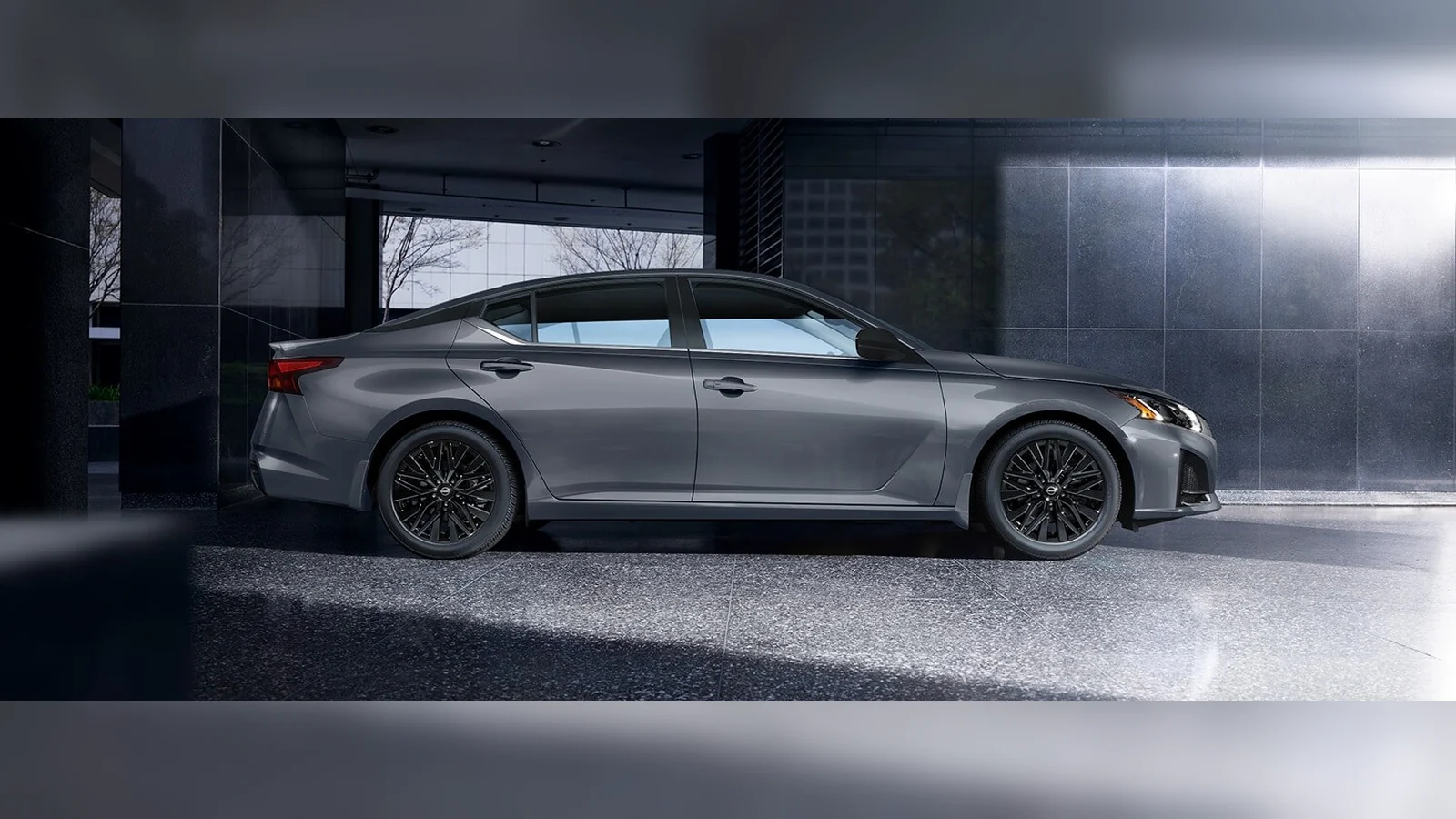
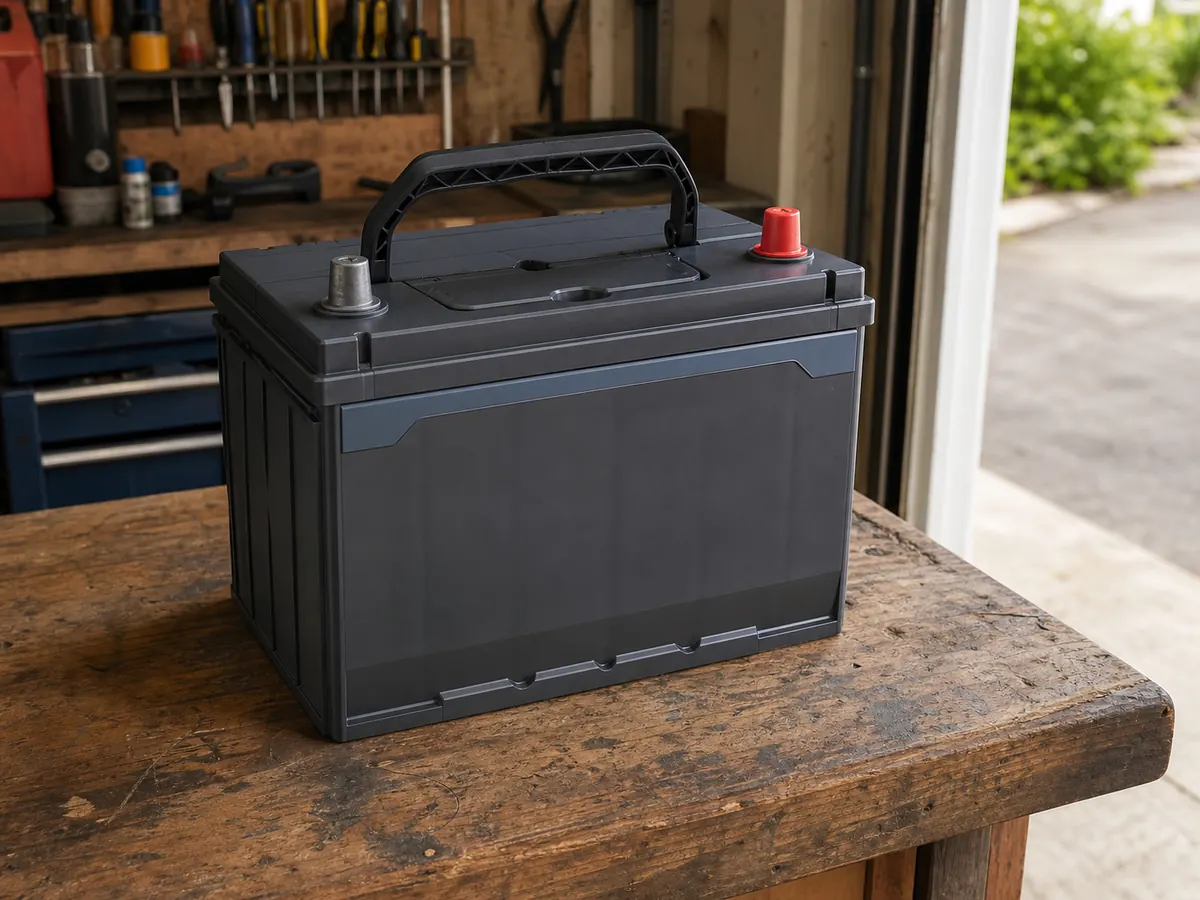
What battery size does a Nissan Altima take by year?
For most Altimas on the road, the answer changes at the 2019 model year. Interstate's application guide lists H5 EFB for the 2.0-liter and 2.5-liter engines from 2019 through 2023, and its current H5 EFB product listing extends that fitment through 2025.
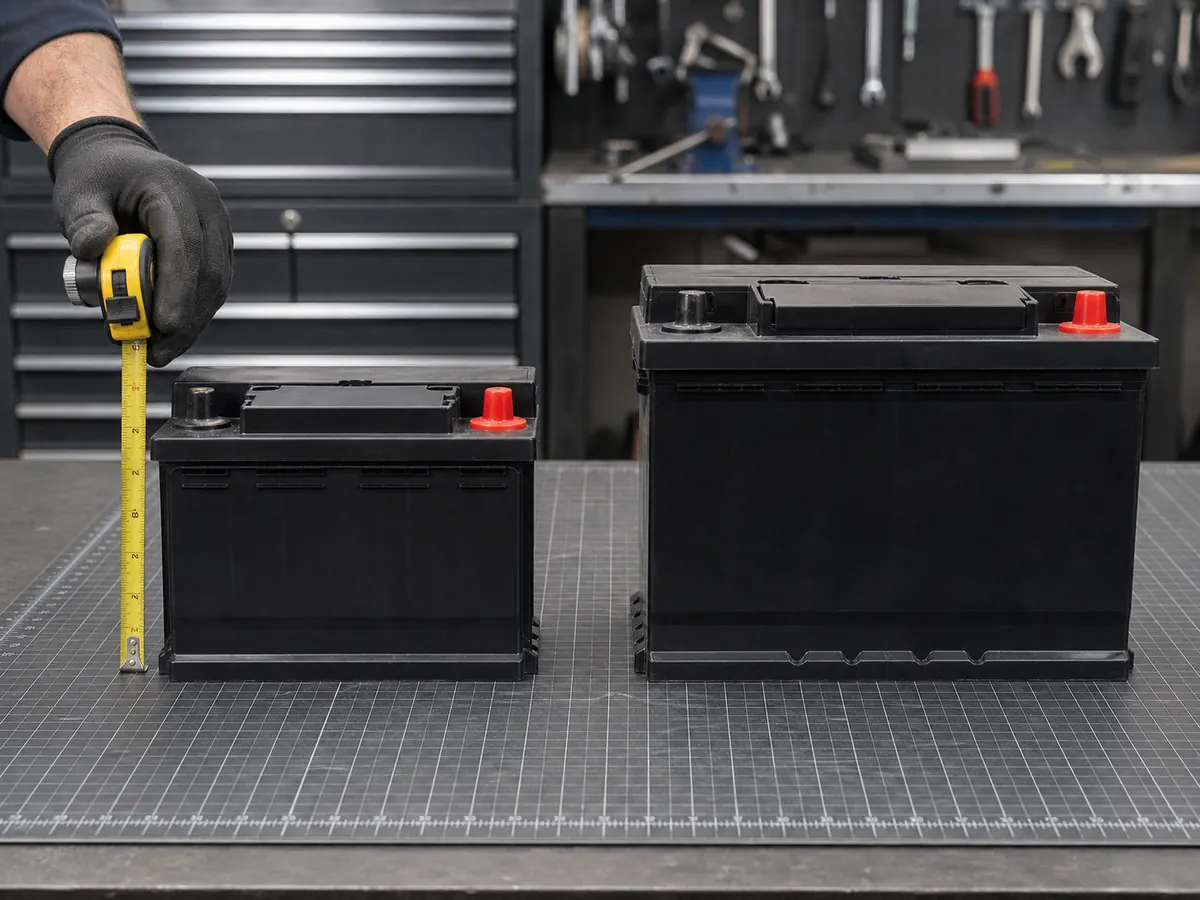
The preceding 2012 to 2018 generation uses Group 35 with either the 2.5-liter four-cylinder or 3.5-liter V6. That case is taller than H5 and uses a different hold-down relationship, so matching cold cranking amps alone cannot make the two groups interchangeable.
| Model years | Engine or version | Listed group | Starting specification | Buying direction |
|---|---|---|---|---|
| 2019-2025 | 2.0L or 2.5L gas | H5 | EFB application, 510 CCA baseline in 2023 guide | Begin with H5 EFB or a confirmed AGM upgrade |
| 2012-2018 | 2.5L or 3.5L gas | 35 | 550 CCA baseline in 2023 guide | Choose Group 35 flooded or AGM to suit use and budget |
| 2007-2011 | 2.5L gas, non-hybrid | 35 | 550 CCA baseline | Verify Group 35 on the installed case |
| 2007-2011 | Hybrid | 34 | 700 CCA baseline | Use an exact hybrid application lookup |
The table is a starting map, not permission to skip the car. Production changes, prior repairs, market differences, and a wrongly fitted old battery can all create a disagreement that needs a VIN-based catalog check.
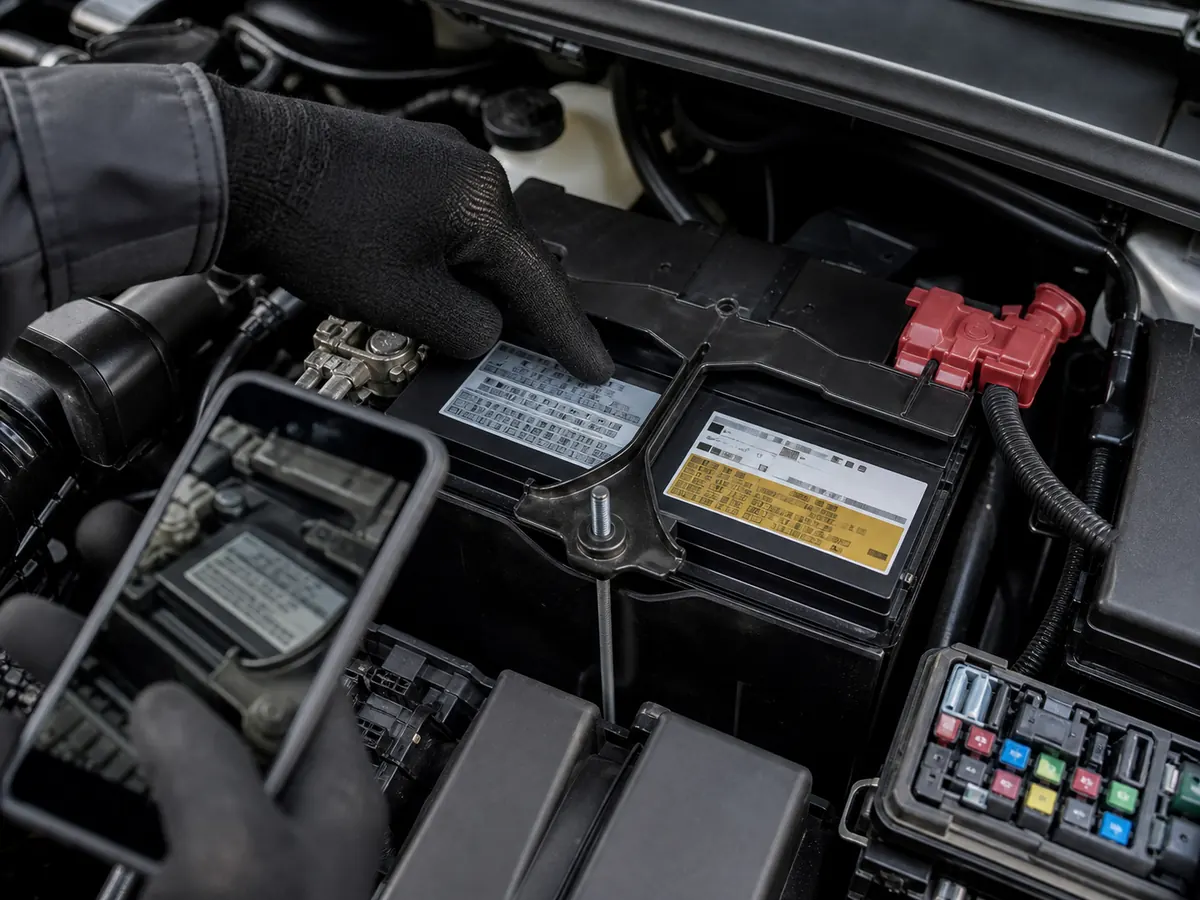
Read the model year from the certification label on the driver's door jamb. Then record the engine and every line on the battery label before comparing dimensions, terminal position, and the factory hold-down.
An Altima Hybrid from the 2007 to 2011 period should not borrow the non-hybrid Group 35 recommendation. The application guide lists Group 34 for that version, and its electrical layout deserves an exact year and powertrain lookup before any product is purchased.
Why the 2019 to 2025 Altima calls for an H5 EFB
The letters EFB mean enhanced flooded battery. It remains a vented lead-acid design, but its internal construction is intended to tolerate more cycling than a basic flooded starter battery.
Interstate lists the MTX-47/H5-EFB for 2019 through 2025 Altimas. Its published specifications are 650 CCA, 110 minutes of reserve capacity, and a case measuring about 9.5 inches long, 6.875 inches wide, and 7.5 inches high.
Those figures explain two separate requirements. H5 controls the physical fit, while EFB identifies the battery class that supplies repeated accessory demand and recovery without being treated like the cheapest conventional flooded case.
An H5 AGM can be a valid premium alternative when the battery maker or fitment catalog approves it for the exact Altima. AGM handles cycling well and seals the electrolyte in glass mats, but the same footprint does not by itself prove charging compatibility.
The old recommendation tied the requirement to an assumed stop-start system. The fitment evidence supports the H5 EFB requirement, so the purchase no longer depends on guessing which dashboard feature caused Nissan's specification.
For a 2019 to 2025 car, H5 EFB is the direct starting point. Choose AGM only as a documented upgrade, not as a shortcut around checking the application.
The best batteries for each Altima generation
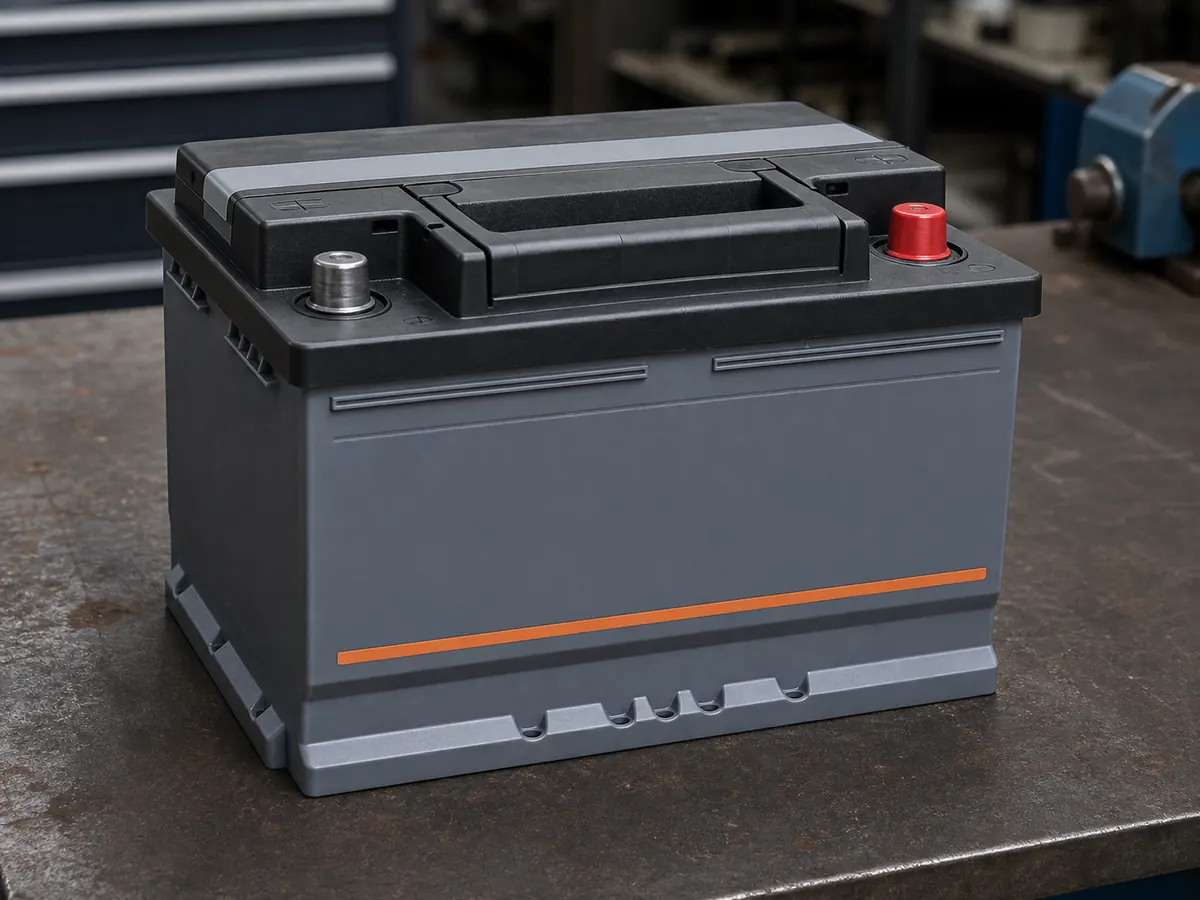
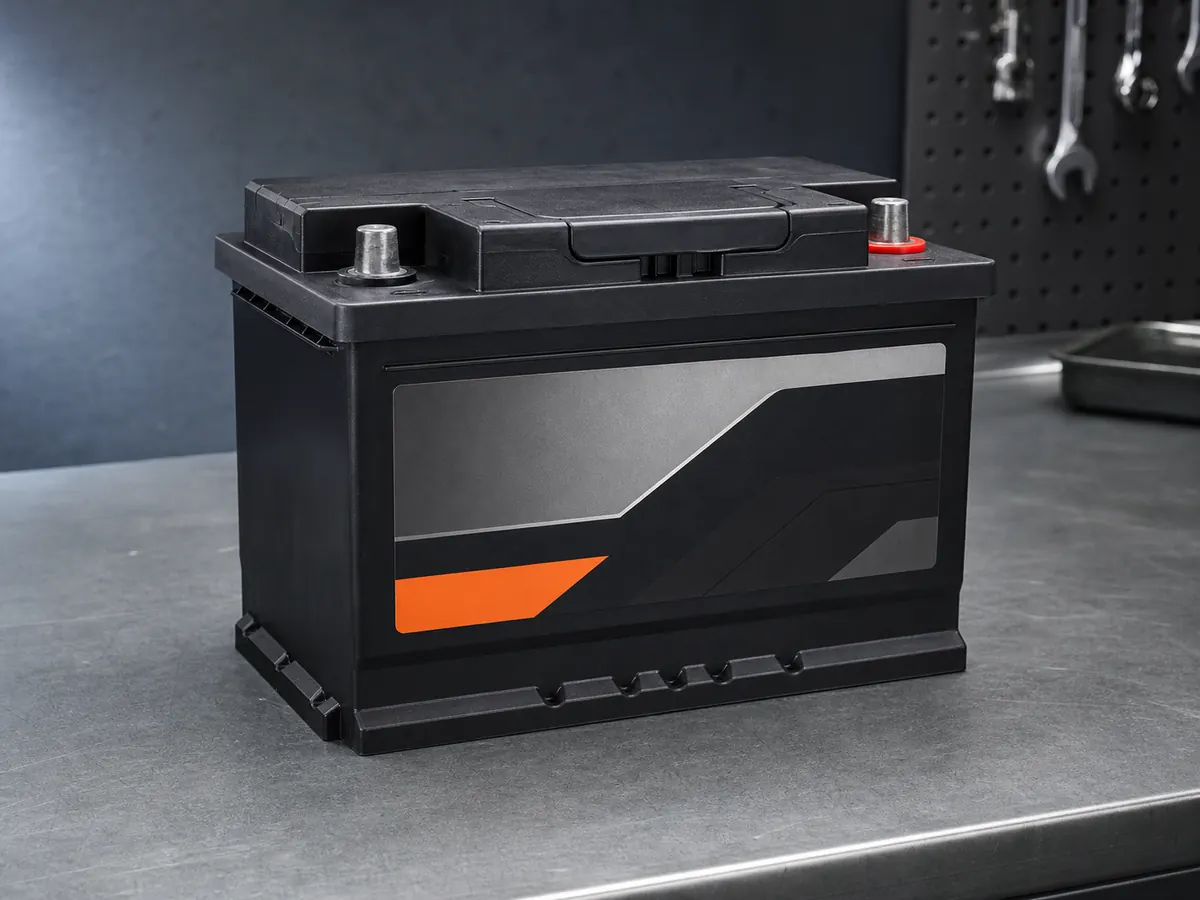
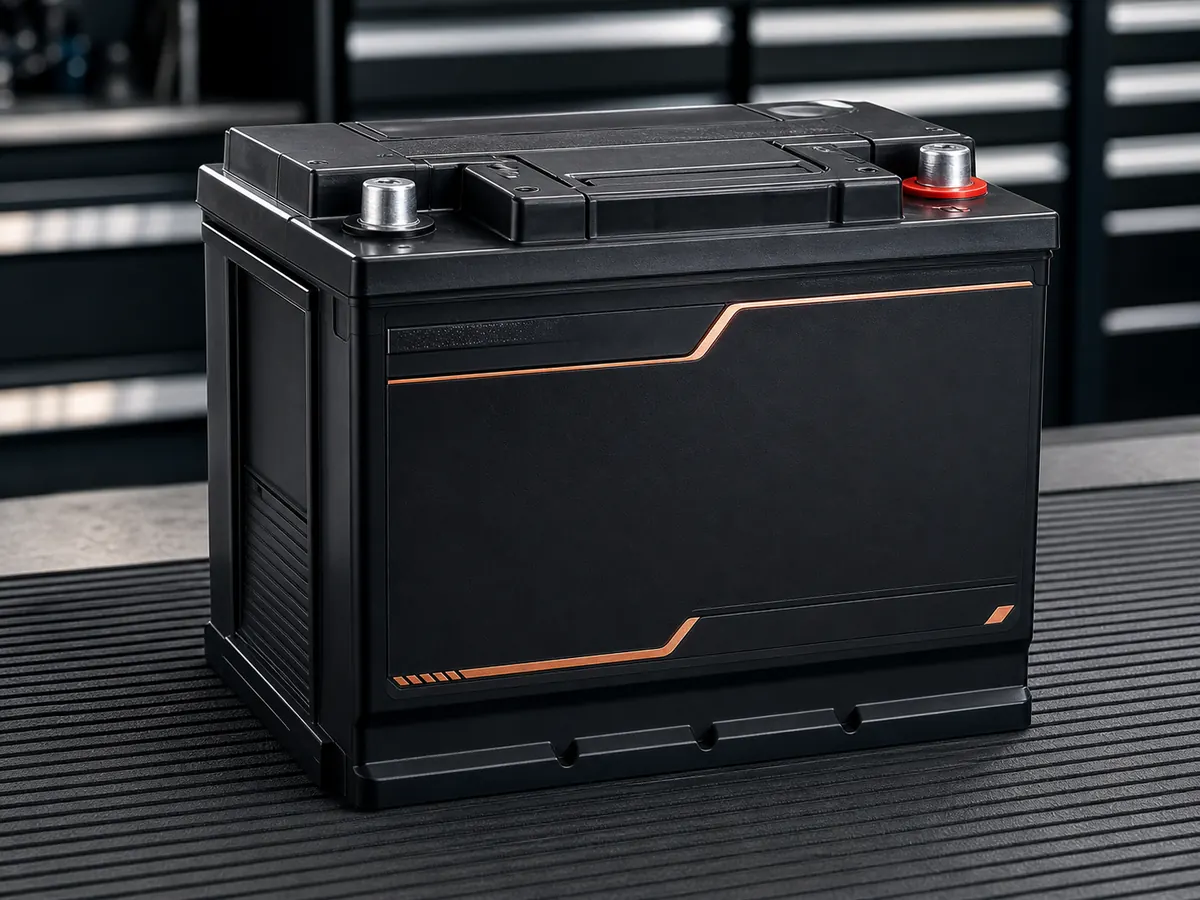
The product cards above cover two generations, so the ranking labels include the application. Read the year label first and ignore any card written for the other case size.
For a 2019 to 2025 Altima, the Interstate MTX-47/H5-EFB is the direct-fit choice because it preserves both H5 dimensions and enhanced flooded technology. Its 650 CCA rating provides more starting output than the application guide's baseline while retaining the required battery class.
The Interstate MTX-47/H5 AGM is the premium H5 option. It also publishes 650 CCA, along with 60 Ah and 100 minutes of reserve capacity, but it should be selected only after the seller confirms AGM compatibility for the exact year and engine.
Owners of 2012 to 2018 cars should move to the Group 35 cards. The MTX-35 AGM supplies 650 CCA and a 36-month free-replacement warranty for drivers who keep the car, make short trips, or want stronger cycling tolerance.
The MT-35 is the lower-cost Group 35 choice at 550 CCA. That output matches the baseline in the application guide, which makes it a practical fit for an older car with ordinary electrical demand and a shorter ownership horizon.
Altima picks by application
- 2019-2025 direct fit
- Interstate MTX-47/H5-EFB
- 2019-2025 confirmed upgrade
- Interstate MTX-47/H5 AGM
- 2012-2018 premium Group 35
- Interstate MTX-35 AGM
- 2012-2018 value Group 35
- Interstate MT-35
No product wins across both groups because none can occupy both footprints. The useful comparison happens inside the correct year band, where warranty, technology, reserve capacity, and local availability can actually change the purchase.
How to confirm fitment on the battery already installed
Begin with three photographs. Capture the vehicle certification label, the full battery label, and a wide view of the tray that shows the positive terminal, negative terminal, cables, and hold-down.
The battery label should reveal a group code such as H5 or 35 and may also state EFB or AGM. Record the cold cranking rating, part number, and date code because those details help a seller reproduce the present configuration without relying on the model name alone.
Measure the case when the label is damaged or hidden. An H5 is roughly 9.5 inches long and 7.5 inches high, while a Group 35 is roughly 9.1 inches long and close to 8.9 inches high.
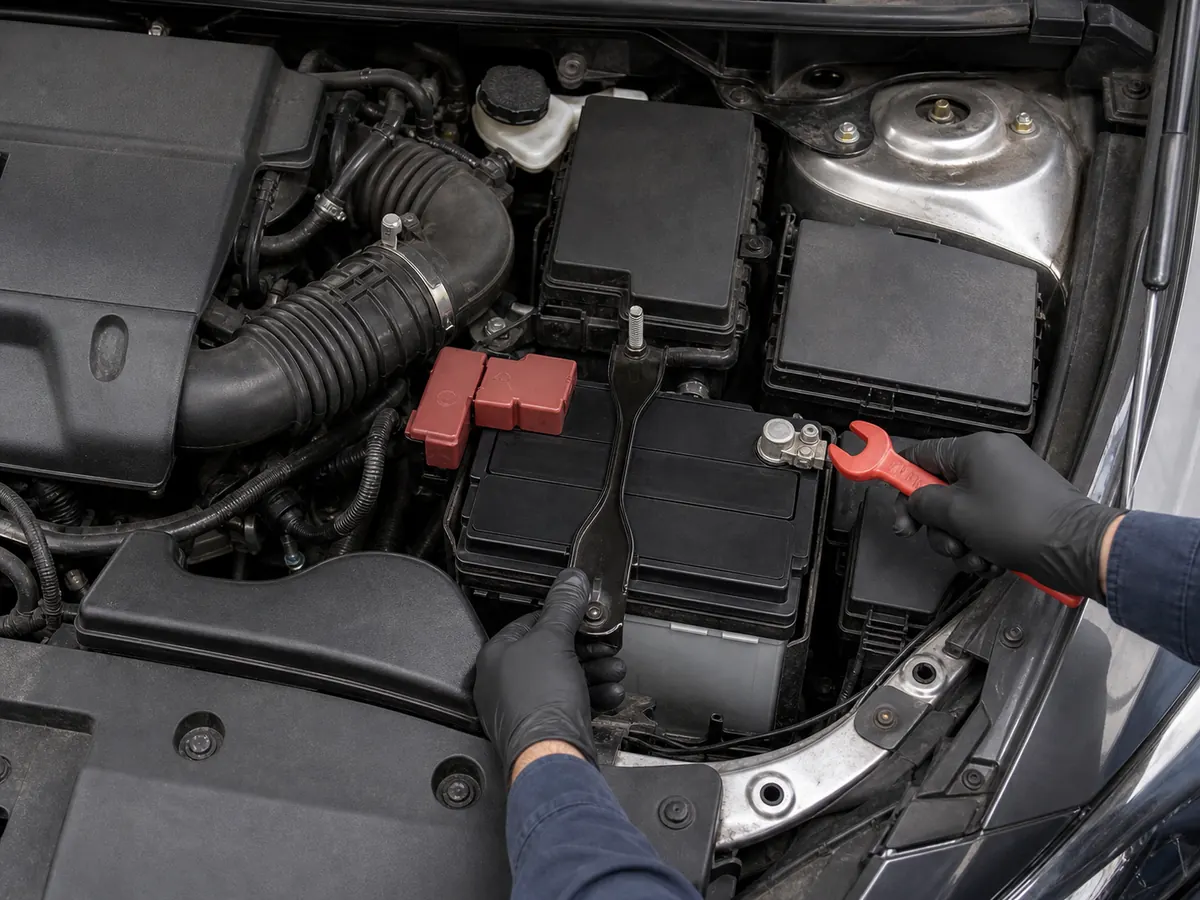
Check where the positive post sits when you face the labels from the same direction. A reversed layout can leave a cable stretched across the case or place the positive terminal near grounded metal.
The bottom ledge or top bracket must also meet the factory hold-down correctly. A battery that can slide, tip, or vibrate is not an acceptable fit even when the hood closes.
Treat a surprising old battery as evidence to investigate, not proof of the correct fit. A previous owner may have installed whatever would start the car, leaving the next owner to discover poor retention or the wrong technology.
Test the starting and charging system before replacing the battery
A slow crank, clicking sound, dim light, or repeated jump-start can come from a weak battery. Nissan also recommends a battery and electrical-system test because poor connections and charging faults can create similar symptoms.
Inspect the case before connecting test equipment. Stop if it is cracked, swollen, leaking, frozen, or unusually hot, and keep sparks or flames away from a lead-acid battery because charging can release flammable gas.
Look for loose clamps, damaged cables, corrosion, and a hold-down that allows movement. Cleaning or tightening a poor connection can restore normal starting when the battery itself still has useful capacity.
Ask for a conductance or load test that records the battery's measured performance against its labeled rating. A result should identify the battery, its state of charge, and whether the tester recommends charging and retesting before replacement.
The charging system needs its own check after the engine starts. A healthy new battery will discharge again if the alternator, belt drive, cable, or electrical load prevents it from being replenished.
- Record the labeled group, technology, CCA, and date code
- Inspect and clean the terminal connections before testing
- Charge and retest when the tester reports a low state of charge without confirmed failure
- Check charging-system operation after the engine starts
- Investigate an overnight discharge instead of buying repeated batteries
A successful jump proves only that outside power helped the car start. It does not separate a worn battery from a charging fault or a light that remained on after the car was parked.
Replacement is justified when the correct test condemns the battery, the case is physically damaged, or the battery cannot retain charge after the vehicle's charging and parasitic-load checks pass. That sequence prevents a new battery from becoming an expensive diagnostic experiment.
Replacing an Altima battery without creating a second problem
Park on level ground, switch the car fully off, remove the key from the work area, and let the electrical system settle. Wear eye protection and gloves, and do not place a tool where it can bridge a battery terminal to body metal.
Photograph the installed orientation before loosening anything. If a memory-support device is considered, use it only according to the device and vehicle instructions because a live circuit can add risk during service.
Disconnect the negative terminal first, then isolate it so it cannot spring back. Disconnect positive next, remove the factory hold-down, and lift with a battery strap or stable grip because a Group 35 or H5 battery is heavy.
- Compare the old and new group code, dimensions, technology, posts, and polarity
- Clean corrosion from the tray and cable ends with proper protection
- Set the replacement flat in the tray without trapping a cable
- Reinstall the factory hold-down and confirm the case cannot move
- Connect positive first, then negative
- Apply terminal protection only after clean metal contact is secure
Do not hammer a clamp onto a post or substitute loose hardware for the hold-down. Excessive terminal force can damage the seal, while an unsecured case can fail early from vibration or contact surrounding components.
After installation, start the car and verify normal warning-light behavior, windows, clock, audio settings, and other functions described in the owner's manual. Some learned settings may return during normal operation, but a persistent warning or abnormal charging reading needs diagnosis rather than repeated restarts.
Professional service is the safer choice when corrosion has damaged a cable, the tray is broken, the battery is difficult to lift, or the electrical system already has unexplained faults. The labor cost is smaller than the cost of reversed polarity or an improperly secured battery.
Warranty, core charge, and the real cost of the choice
Fitment and technology are fixed requirements, while warranty and seller access decide value among compatible batteries. A cheaper case that downgrades H5 EFB to ordinary flooded construction does not become a bargain because its receipt total is lower.
The EFB and AGM products listed here publish 36-month free-replacement warranties. The value Group 35 publishes 24 months, which may still make sense for an older Altima that will not remain in the household for another full battery cycle.
Read the warranty terms before purchase and save the receipt electronically. Coverage may depend on the original buyer, testing at an authorized seller, or other conditions that a product headline does not explain.
Local stock matters when a failure occurs. A battery with a strong written warranty is less useful if the nearest participating seller cannot test or exchange it without a long trip.
Most retailers add a core charge until the old lead-acid battery is returned. Bring the old battery back upright in a stable container, recover the deposit, and keep it out of household trash.
Compare the net price after core return, the free-replacement period, and the likelihood that the car will still be owned near the end of that period. Those factors produce a more honest value decision than choosing the highest CCA number on the shelf.
Which Altima battery should you buy?
For a 2019 to 2025 Altima, begin with an H5 EFB such as the Interstate MTX-47/H5-EFB. Consider an H5 AGM only when the catalog or qualified seller confirms it for the exact year and engine.
For a 2012 to 2018 Altima, choose Group 35. The MTX-35 AGM suits a longer ownership horizon or heavier cycling, while the MT-35 is the value choice when a standard flooded battery meets the application.
For a 2007 to 2011 Altima Hybrid, pause before using either recommendation. The application guide identifies a separate Group 34 fitment, so an exact hybrid lookup is required.
Final approval still comes from the installed label, dimensions, polarity, hold-down, and a current application result. When all five agree, the product comparison becomes simple and the risk of ordering the wrong case drops sharply.