Toyota Camry Alternatives for Buyers Who Want More Than Value
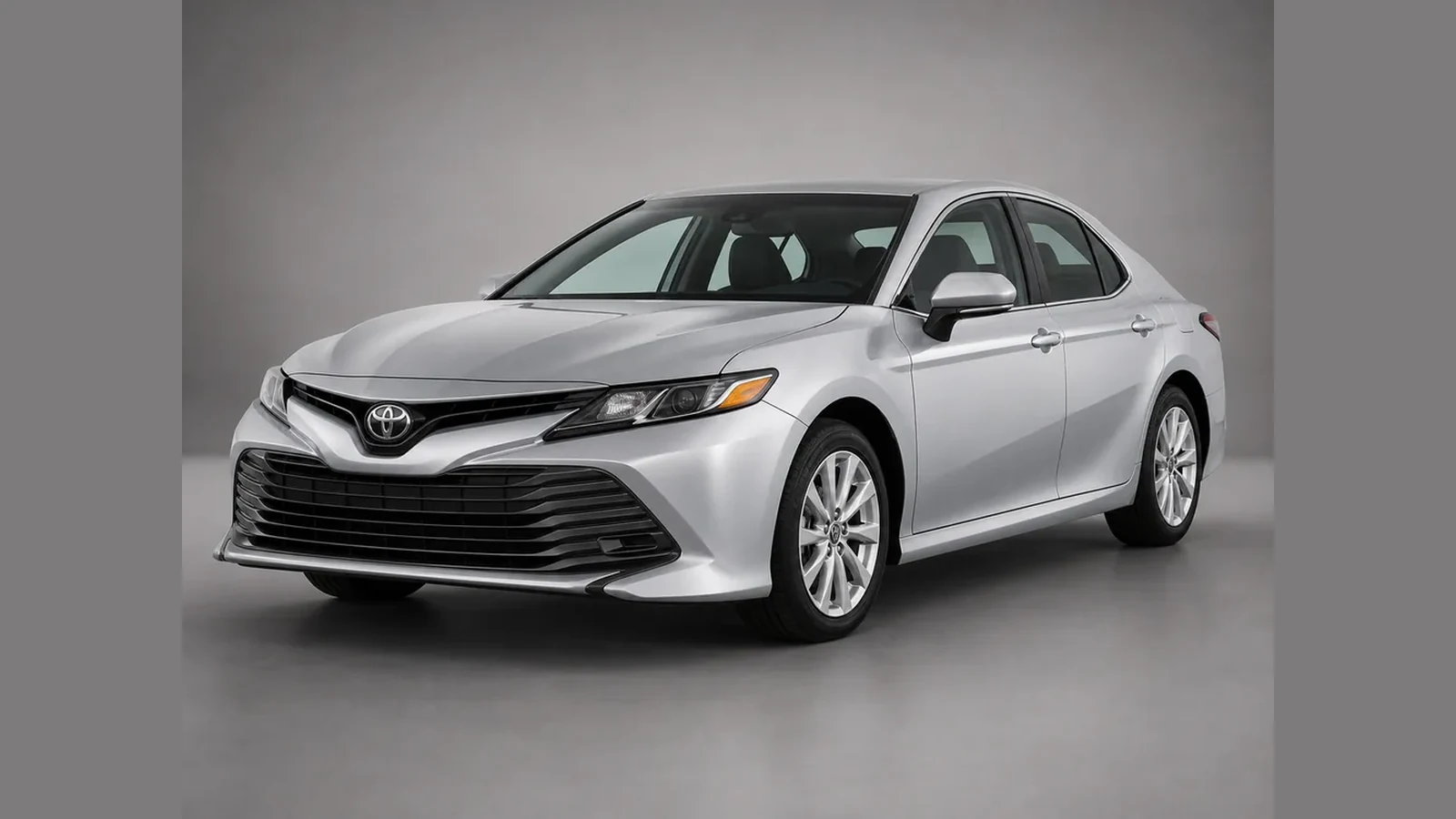
The Toyota Camry is the safe midsize sedan answer, but it is not the right answer for every shopper. Some buyers need a lower price, sharper steering, more cargo height, all-weather traction, or an EV routine instead of a quiet hybrid sedan.
Best practice: keep the Camry as the default only if you want calm commuting, hybrid mpg, strong resale, and sedan comfort in one package. Move away from it when your real job is smaller, sportier, taller, or electric.
Which Camry alternative should you check first?
Start with the reason the Camry does not quite fit. If the payment is the problem, the Honda Civic is the first alternative.
If the Camry feels too plain, the BMW 3 Series changes the driving feel. If weather and cargo are the problem, the Subaru Outback makes more sense than forcing a sedan to act like a wagon.
The Camry still wins if you want one low-drama car for commuting, adult passengers, and long ownership.
Its current hybrid-only U.S. lineup also makes fuel economy part of every trim. That means a rival has to solve a specific job, not just look more interesting.
| Buyer problem | Better first alternative | Why it may beat the Camry |
|---|---|---|
| Lowest payment | Honda Civic | Smaller, cheaper, easier to park, still efficient |
| Driving feel | BMW 3 Series | Rear-drive balance and stronger performance |
| Snow and cargo | Subaru Outback | Standard AWD and wagon cargo access |
| Family efficiency | Toyota Sienna | Sliding doors, hybrid mpg, and more seats |
| Electric commute | Tesla Model 3 | Home charging and EV running cost when charging works |
Honda Civic: when should you go smaller?
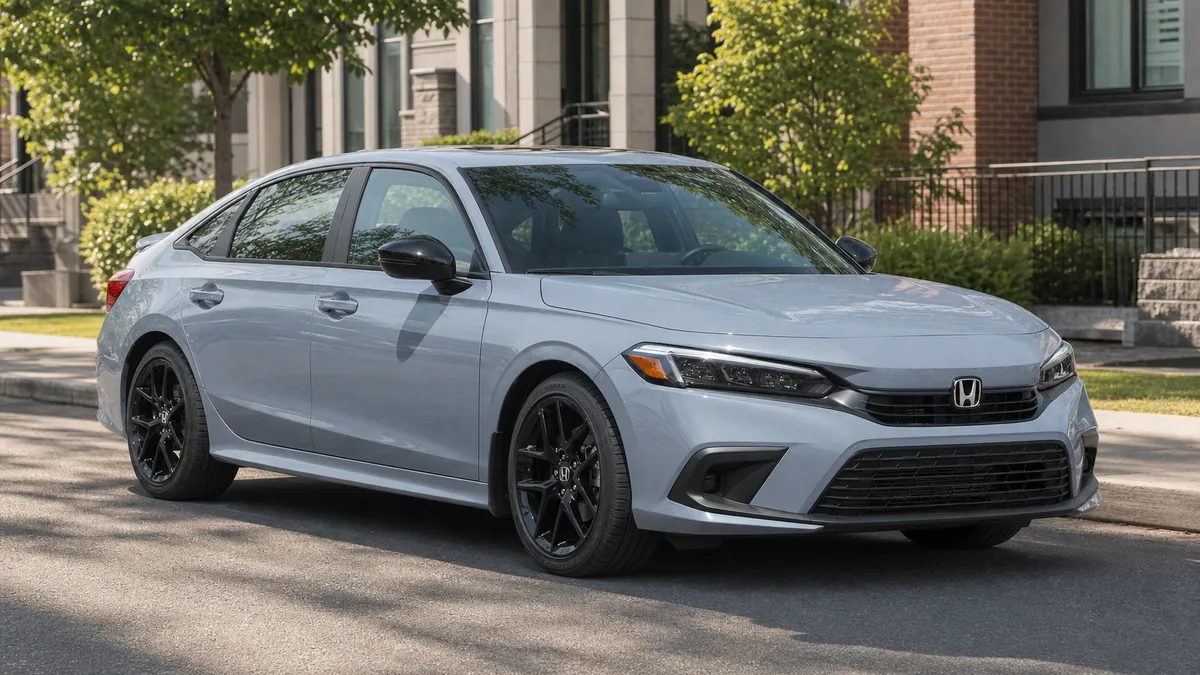
The Civic is the cleanest Camry alternative when the sedan job is mostly commuting. It costs less, parks easier, and still has enough space for normal daily use.
The current hybrid option also gives it strong mpg without forcing you into a larger car.
The tradeoff is cabin calm. The Civic is not as quiet or wide as the Camry, and rear-seat comfort is not as relaxed for adults on long highway trips.
If the back seat is used every week, compare both cars on the same route before the lower Civic price decides the answer.
BMW 3 Series: when is the sport sedan worth it?
The BMW 3 Series is the alternative for a buyer who likes the Camry's sedan shape but wants the car to feel alive. Steering, acceleration, braking feel, and rear-drive balance are the reasons to look here.
The reason not to look here is cost. Tires, brakes, insurance, premium fuel on some trims, and out-of-warranty repairs can make the 3 Series much more expensive than a Camry.
This is not the sensible default. It is the emotional upgrade that needs a maintenance budget.
If you are choosing between sensible and fun, also compare the best fun-to-drive cars list. It keeps the BMW from carrying every driving-enthusiast job by itself.
Subaru Outback: when is the Camry the wrong body style?
The Outback is the Camry alternative when the sedan shape is the problem. It gives you standard all-wheel drive, a low cargo floor, roof-rack usefulness, and better messy-gear access.
That helps if your week includes dogs, snow, bikes, trailheads, or rural roads.
It is not as fuel-efficient as the Camry Hybrid, and the base engine will not feel as relaxed at highway passing speeds. Still, it solves cargo and weather jobs the Camry cannot solve cleanly.

Toyota Sienna: when should a family skip sedans entirely?
Some Camry shoppers are really family-hauler shoppers trying to avoid a minivan. The Sienna is the honest answer when sliding doors, child seats, third-row access, and cargo behind passengers shape the week.
The Sienna costs more than a Camry, but it replaces more vehicle. It can carry up to 7 or 8 passengers depending on configuration, returns strong hybrid fuel economy for its size, and makes school runs easier than a sedan with wide doors in tight parking lots.
Tesla Model 3: when does an EV beat the Camry?
The Model 3 beats the Camry only when charging is solved. If you can charge at home, drive predictable miles, and want the lower maintenance rhythm of an EV, it can be a better commute tool than a gas-free hybrid sedan.
If charging depends on a busy public station, the Camry is easier to live with.
The Camry asks for gas and routine maintenance. The Model 3 asks for a charging plan, tire awareness, and comfort with screen-heavy controls.
The EV charging basics guide should come before a Model 3 decision.
Range is not the ownership plan.
Charging access is.
What should you test back to back?
Drive the Camry first to set the comfort baseline. Then drive the alternative for the job it claims to solve.
The Civic should prove lower cost without feeling too small.
The BMW should prove joy without sounding expensive.
The Outback should prove cargo access. The Sienna should prove family ease.
The Model 3 should prove charging and controls.
- Bring the same passenger, child seat, bag, or cargo bin to each test
- Quote insurance on each exact trim
- Check tire size before comparing payments
- Compare used condition with the new vs used car checklist
What if you are buying used?
Used Camry alternatives need a different filter from new-car cross-shopping. A cheap Civic can be the right move if it has records and clean tires.
A cheap 3 Series can be the wrong move if it is near tires, brakes, and cooling-system work.
A used Outback needs matching tires and clean AWD behavior, while a used Model 3 needs battery, charging, and tire checks.
Compare the first 12 months, not only the sale price. A used Camry with boring records may beat a more exciting alternative if the rival needs $2,000 of catch-up maintenance.
A rival only wins when it solves your problem and keeps the ownership risk acceptable.
Used alternative checks
- Civic
- Service records, CVT or hybrid behavior, tire wear
- 3 Series
- Tires, brakes, oil leaks, cooling system, inspection
- Outback
- Matching tires, AWD behavior, roof and cargo wear
- Sienna
- Sliding doors, hybrid smoothness, family wear
- Model 3
- Charging access, tire wear, battery warranty, controls
Which Camry alternative has the lowest ownership risk?
The Civic is the lowest-risk alternative when you want to spend less than Camry money.
It is common, efficient, easy to service, and usually cheaper to insure.
The catch is size. If the Civic feels too small on the test drive, do not pretend the savings will fix that for the next five years.
The Outback is the next sensible risk if weather and cargo are real needs. It asks for more tire discipline than a Camry, but it gives standard AWD and a cargo shape the Camry cannot match.
The 3 Series and Model 3 are more specialized choices. They can be right, but they need a bigger budget or a stronger charging plan.
If you want the most Toyota-like answer with more family usefulness, the Sienna is the cleanest step away from a sedan. It costs more up front, but it solves passenger and cargo jobs that no Camry trim can solve.
Toyota Camry alternatives verdict
The best Camry alternative is not one car. It is the car that fixes the Camry's actual miss.
Choose the Civic for lower cost, the 3 Series for feel, the Outback for weather and cargo, the Sienna for family space, and the Model 3 for a home-charged EV commute.
Stay with the Camry if none of those jobs is more important than quiet comfort, hybrid fuel economy, and long-term resale.
The lower-cost sedan alternative for commuters who want efficiency, easier parking, and sharper steering.
The driver-focused alternative for buyers willing to trade Camry simplicity for performance and higher running cost.
The all-weather wagon alternative when cargo access, roof gear, and standard AWD matter more than sedan quiet.
The family upgrade when the real need is sliding doors, three rows, and hybrid efficiency in a larger vehicle.
The electric alternative when home charging is easy and the commute favors EV running cost.
Back to the Toyota Camry review