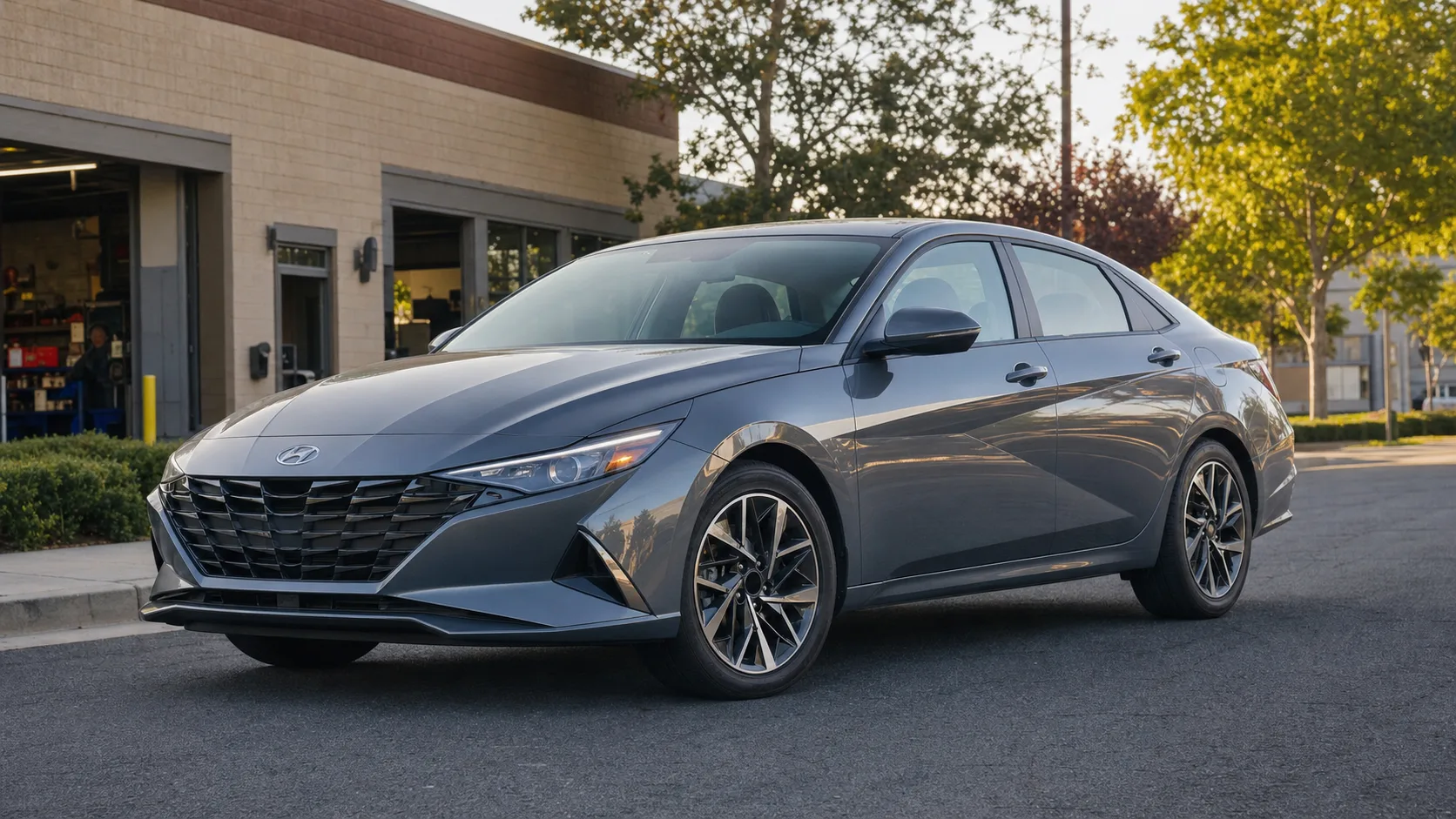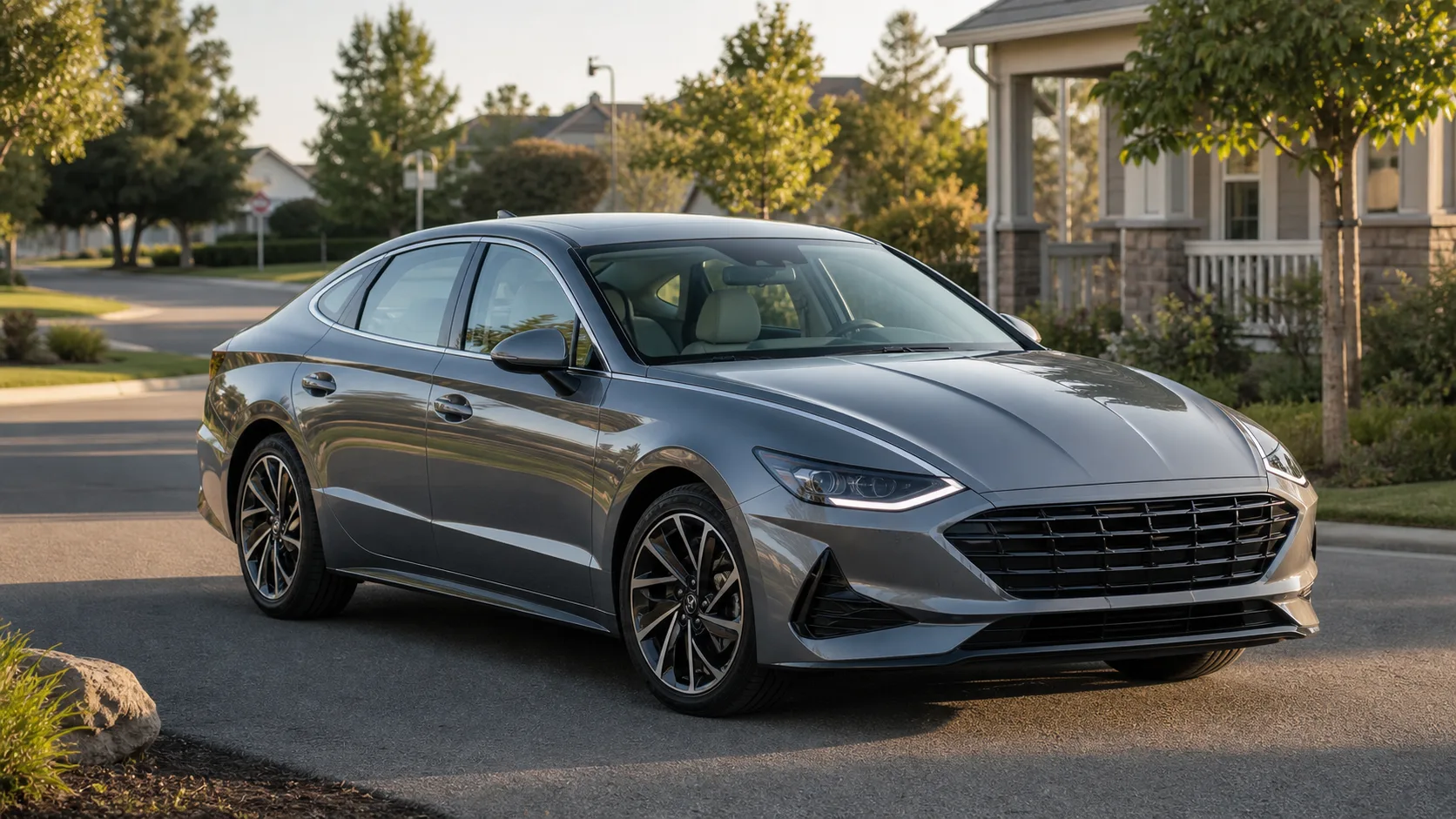
Three Sonatas share one badge, so start with your week
The Sonata answers the sedan question three different ways, so your first move is not picking a trim. It is picking a powertrain that fits how you actually drive.
A regular gas Sonata is the value commuter. The hybrid is the long-mile fuel saver.
The N Line is the 290 hp car for drivers who want real speed without a luxury badge.
That range makes the Sonata easy to like and easy to overbuy. A quiet commuter should not pay for the N Line because it looks sharp, and an 18,000-mile-a-year driver should not skip the hybrid because the gas car is cheaper.
The numbers show how far apart these cars sit under one name.
Under all three is a real midsize body with five seats and a large trunk, so nobody trades away space to chase the fuel or speed answer.
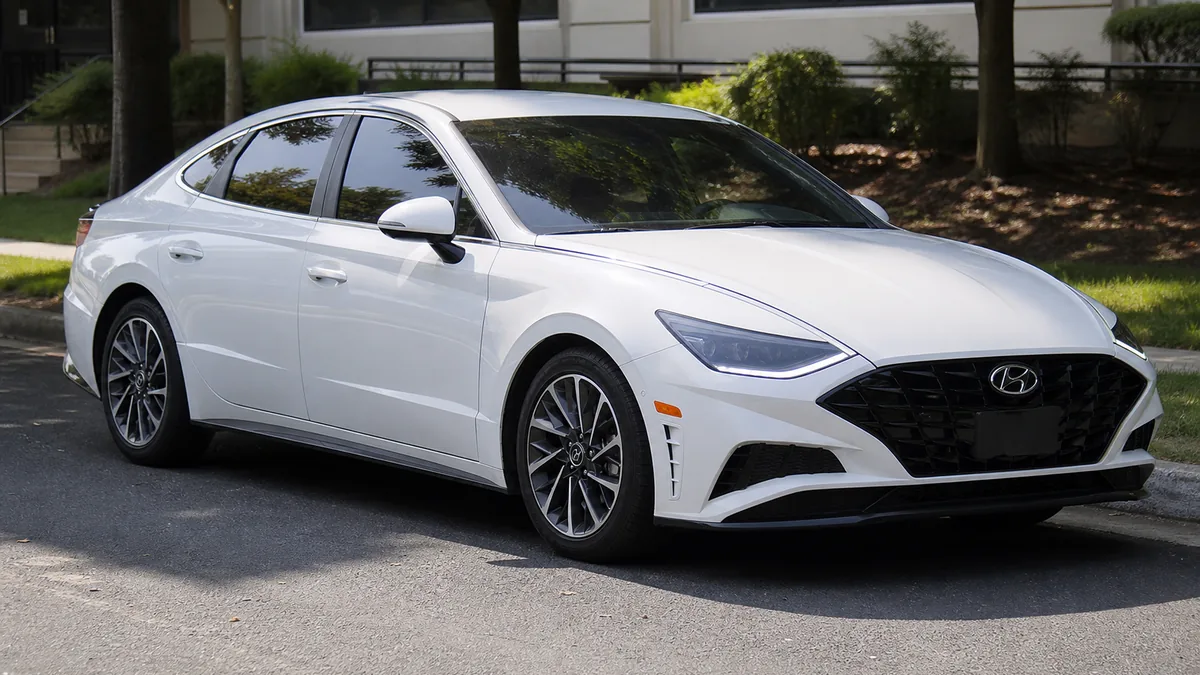
The Sonata also protects buyers who never needed a crossover. A midsize sedan sits lower, sips less fuel, and wears cheaper tires than many tall SUVs.
The plain gas front-drive car is the simplest and cheapest to buy, and it covers a normal commute without complaint. It is the right pick when the payment matters more than mpg or speed.
For someone leaving a crossover they never loaded to the roof, the lower seat and easier tires read as a fit, not a downgrade.
Sort yourself by the week you drive, not the badge on the grille.
- Highway commuter who wants low fuel cost leans hybrid
- Winter driver who wants traction leans AWD gas
- Driver chasing speed leans N Line
- Budget-first buyer leans plain gas front-drive
The hybrid powertrain is the one to weigh first when your mileage is high, because the fuel gap is easier to feel than any feature package. Match the Sonata to your driving problem and the trim question gets much smaller.
The Toyota Camry now makes every trim a hybrid, so the Sonata's real edge here is choice, not a single answer.
Bold styling and the warranty pitch that undercuts Camry money
Value is the Sonata's second argument. Hyundai leans on bold styling, a long feature list, and a strong warranty to pull buyers away from the default badges.
Styling is the part people notice first. The refreshed car looks sharper than most midsize sedans, and that look is a real reason some buyers choose it over a plainer rival.
The money argument matters more over time. A Sonata often lands below mainstream sedan pricing on a comparable trim, which leaves room in the budget for tires, insurance, and fuel.
Pros
- Strong warranty value when verified by VIN
- Hybrid and AWD choices under one roof
- Roomy midsize cabin and 15.6 cu ft trunk
- Available 290 hp N Line for speed
- Often priced below Camry and Accord
Cons
- Resale trails the Camry over the same years
- N Line raises tire and insurance cost
- Hybrid premium only pays back with miles
- Styling may not age the same for every buyer
The warranty is the headline, and it carries a catch. Coverage follows the exact car and its owner history, so a used seller waving a ten-year number means nothing until you check it.
Equipment is where the Sonata quietly wins. Big screens, blind-spot help, and adaptive cruise show up at prices where some rivals still charge extra.
Rear-seat space is another quiet win, giving adults real legroom on a longer drive.
Styling does divide opinion, and that is worth naming. A look that pulls one buyer in can push another away, so judge it in person before the spec sheet.
The rest of the Hyundai lineup follows the same value logic, which keeps a loaded Sonata looking sensible next to pricier badges.
Against the driver-focused Honda Accord, the Sonata answers with more standard gear and a lower price rather than sharper steering. Buy the Sonata for warranty, features, and price, not for the best resale on the block.
The hybrid that pays back high-mile commuters
Most commuters should price the Sonata Hybrid first. It pairs a 2.0L hybrid system rated at 192 combined hp with fuel numbers that reach up to 56 mpg on the highway.
The payoff is simple. The more miles you cover, the faster the hybrid earns back its small price premium over the plain gas car.
Hybrid at a glance
- Best highway mpg
- up to 56 mpg
- Combined output
- 192 hp
- Drivetrain
- Front-wheel drive only
- Charging
- None needed, it fuels like any gas car
- Best fit
- High-mile or city-heavy commuters
City driving is where the hybrid shines, because the electric motor covers gentle starts and stop-and-go crawl. A calm, quiet feel in traffic comes with the package.
Braking can also cost less over time, because regenerative braking handles part of every slowdown and eases wear on the pads.
The hybrid never asks you to plug in, so the fuel savings arrive without a charger, an app, or a hunt for a public station.
That makes it a cleaner pick than an EV for drivers who want lower fuel bills but no new routine to learn.
One tradeoff is worth knowing. The hybrid is front-drive only, so a buyer who needs winter traction has to move to the AWD gas car instead.
The hybrid also keeps the full 15.6 cubic foot trunk, so choosing fuel economy costs you no cargo room over the gas car.
Weigh the hybrid premium against how long you keep cars, which our new or used guide helps you cost out against the fuel savings.
If a compact car feels tight, the step up from a Hyundai Elantra to a Sonata Hybrid buys real rear-seat room for the money. For high-mile drivers, the hybrid is the single strongest reason to choose a Sonata.
N Line: 290 hp without a luxury badge, and what it costs
The N Line flips the Sonata's script. It trades fuel savings for a 2.5L turbo making 290 hp through an 8-speed dual-clutch automatic, and it is genuinely quick for a family sedan.
The speed is real, and so is the character. Sharper tuning and a firmer setup make the N Line feel like a different car from the calm hybrid.
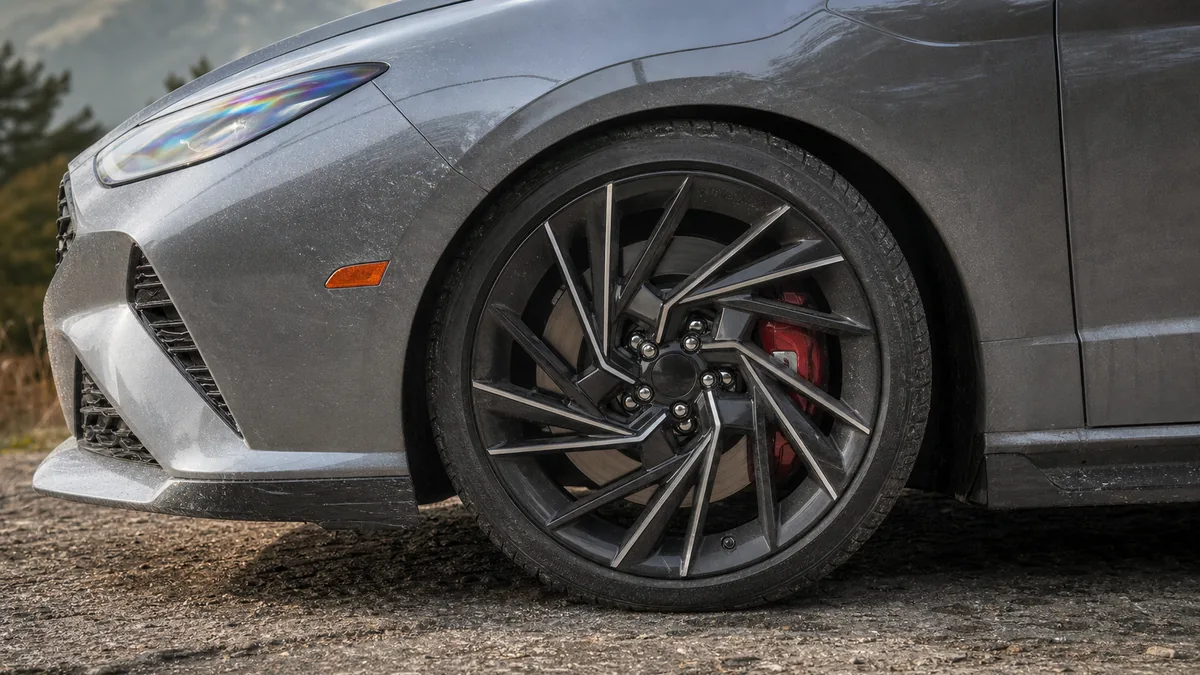
The running cost is the part shoppers underestimate. Bigger wheels, stickier tires, and stronger insurance quotes all follow the power.
Ride comfort takes a hit too. The firmer setup rides harder on rough pavement than the gas or hybrid cars, so test it on the road surfaces you drive daily.
The dual-clutch gearbox behaves differently from a normal automatic at low speed. A slight hesitation in slow traffic is normal for the type, so feel it before you buy if you are used to a smooth torque-converter car.
Even so, the N Line stays a usable daily sedan, with the same five seats and trunk as the calmer cars.
Run these checks before you fall for the N Line look.
- Quote insurance on the exact trim, not a base Sonata
- Price the larger tires before you sign
- Drive it on coarse pavement to feel the ride
- Listen for clean low-speed shifts from the dual-clutch
The N Line makes sense when speed matters more than the fuel bill. If that is the pull, cross-shop it against our fun to drive list before you decide.
The Kia K5 GT is the closest cousin here, sharing much of the engineering at a similar price. Buy the N Line only when speed beats the tire, fuel, and insurance costs it brings.
Sonata against the Camry, Accord, and the rest of the class
Nearly every Sonata shopper cross-shops two directions, the safe-resale Toyota and the driver-focused Honda. The Sonata's job is to undercut both on price while matching them on space and features.
The Nissan Altima rounds out the shortlist with its own available all-wheel drive at a low entry price.
| Model | Real strength | Where it costs you |
|---|---|---|
| Hyundai Sonata | Warranty, features, price, N Line speed | Resale trails the class leader |
| Toyota Camry | Best resale, hybrid-only simplicity | Fewer standard features per dollar |
| Honda Accord | Sharpest steering and cabin space | Usually priced above the Sonata |
| Nissan Altima | Low entry price, available AWD | Older feel than the Hyundai |
Resale is the honest gap. A Camry usually holds value better, so a cheaper Sonata can still cost about the same to own if you sell after a few years.
Feel is where the Accord pulls ahead. Drivers who want the most natural steering will notice the difference on a back road.
Space, though, is a Sonata strength rather than a weakness. The cabin and 15.6 cubic foot trunk match the class, so you give up none of the room a family needs.
The Altima's low entry price makes it the budget end of the group, while the Sonata sits between it and the pricier Accord on cost.
Place yourself against the field in one pass.
- Want the best resale and simplest hybrid, look at the Camry
- Want the most engaging drive, look at the Accord
- Want the most gear and warranty per dollar, the Sonata wins
Buyers tempted by a crossover instead should weigh the tradeoff first, because a sedan keeps a lower load height and cheaper tires than most tall SUVs.
When none of the three fit, our Camry alternatives page and the Camry vs Civic breakdown map the wider midsize field. Pick the Sonata when value and equipment matter more than resale or steering feel.
Is a used Sonata reliable? Check it by powertrain
A used Sonata's reliability answer depends on which of the three cars you are buying. The checklist changes with the powertrain, not just the model year.
Start with the warranty, because it is the Sonata's biggest used-car lever and its most common trap.
The refreshed 2024-and-newer cars look and feel more modern inside, but a clean service history still decides the buy.
- 20208th-gen Sonata launches on the current platform with bold styling
- 2021N Line arrives with the 290 hp turbo
- 2024Mid-cycle refresh sharpens the look and updates the cabin tech
Match your inspection to the car in front of you.
- Hybrid: confirm smooth braking, clean electric-to-gas handoffs, and no warning lights
- AWD gas: check for matching tires and normal drivetrain behavior
- N Line: inspect tires and brakes for signs of hard driving
- Any Sonata: scan for stored codes and test every screen and camera
Highway miles are not scary on a well-kept commuter car, so honest records beat a low odometer with service gaps.
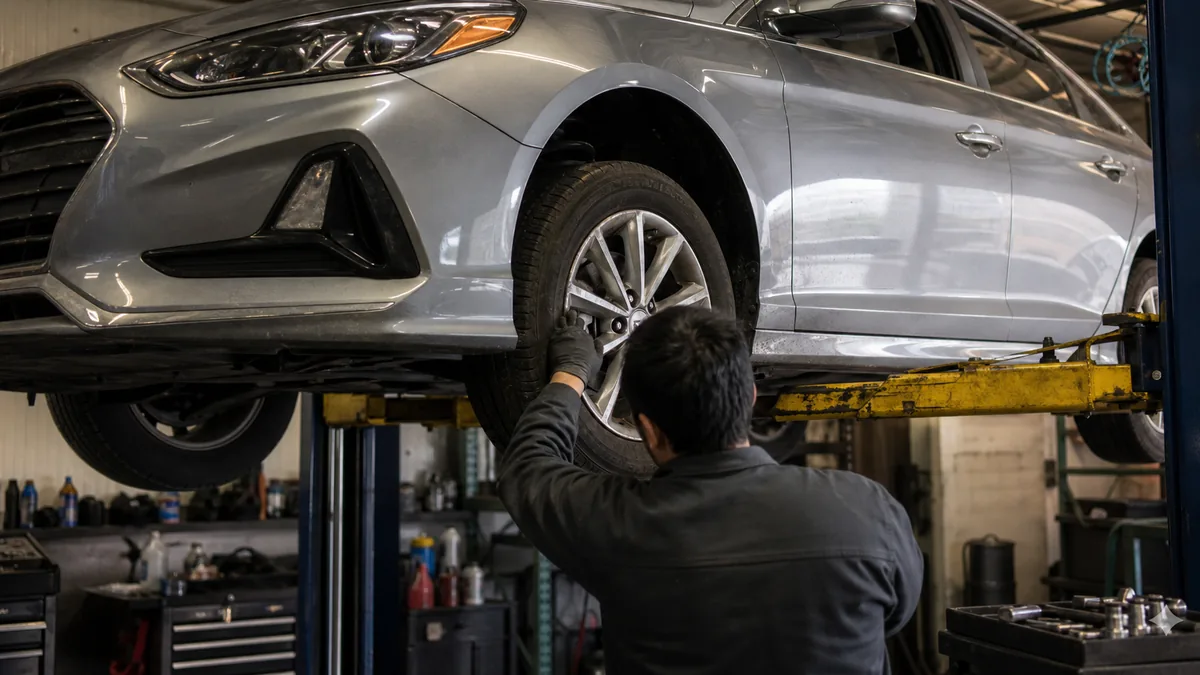
Road noise and ride comfort track the wheels and trim. Larger wheels can look better and still add tire cost and sharper impacts, so drive the exact car on coarse pavement.
Buyers seriously weighing electric instead should compare a Hyundai Ioniq 5 before deciding a hybrid is enough car.
Against a proven Camry reliability record, the Sonata leans on its warranty to carry the same confidence, so verify that coverage before you trust it.
Simple upkeep protects all of it, starting with on-time oil changes and a service record you never have to explain. A verified warranty is a real advantage, but it never replaces a pre-purchase inspection.
What a Sonata really costs to own, and who should skip it
The Sonata's cost case is strongest when you buy it below Camry money and match the powertrain to your week. Fuel, tires, insurance, and depreciation decide the real bill, not the sticker.
Depreciation is the line to plan around. The Sonata's resale trails the Camry, so a fair discount up front and clean records protect you at trade-in time.
The low resale and N Line scores are honest. They are the price you pay for the warranty, features, and speed the Sonata does well.
Insurance and tires vary more than buyers expect. Quote the N Line before assuming a midsize sedan is cheap to cover, and price larger wheels before you settle on a trim.
The cheapest Sonata to own is usually the plain gas or hybrid car on smaller wheels, with clean records and no accident history.
Brakes often last longer on the hybrid, because regenerative braking does part of the slowing, though tires still wear on the normal schedule.
A high discount only helps when the finance rate and dealer add-ons do not take it back, so read the out-the-door price rather than the online number.
A Sonata lease can look sharp, because sedans often carry incentives to fight SUVs, though mileage limits can trap a high-mile hybrid driver. Our lease or buy guide sizes that call.
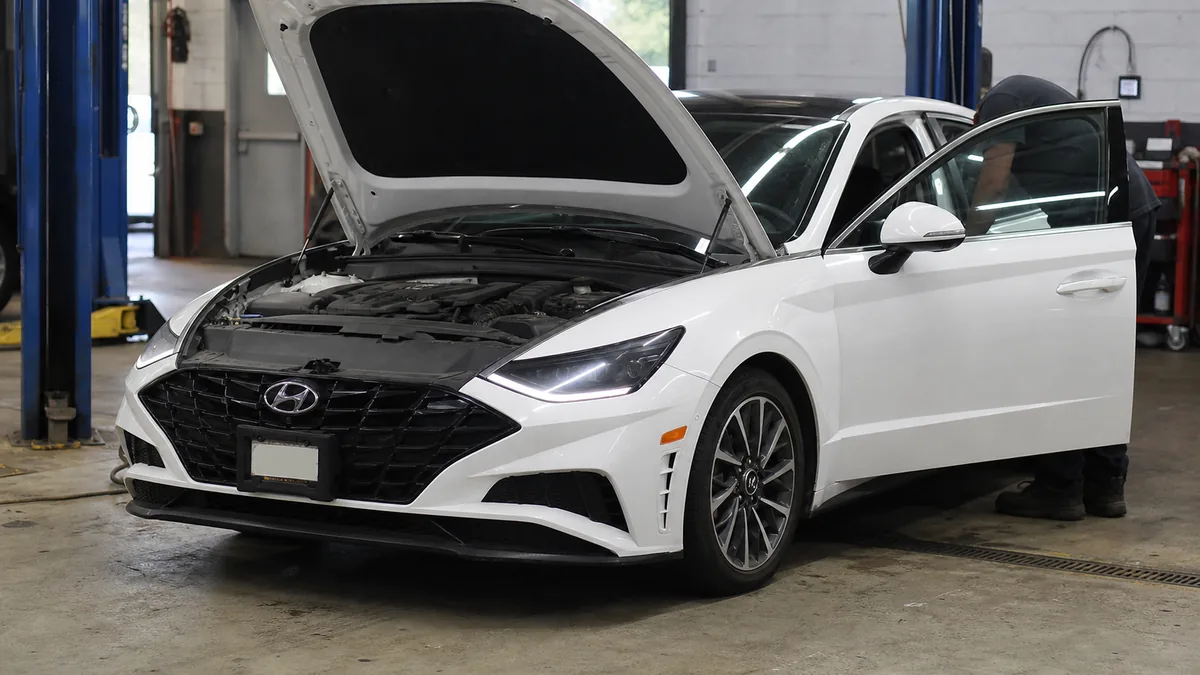
Protect any deal with two habits before you sign, checking tire pressure and tread on the test drive and making sure the car will jump start cleanly if the battery is older.
The best Sonata is the version that solves your weekly driving problem while keeping its price and warranty advantage intact.