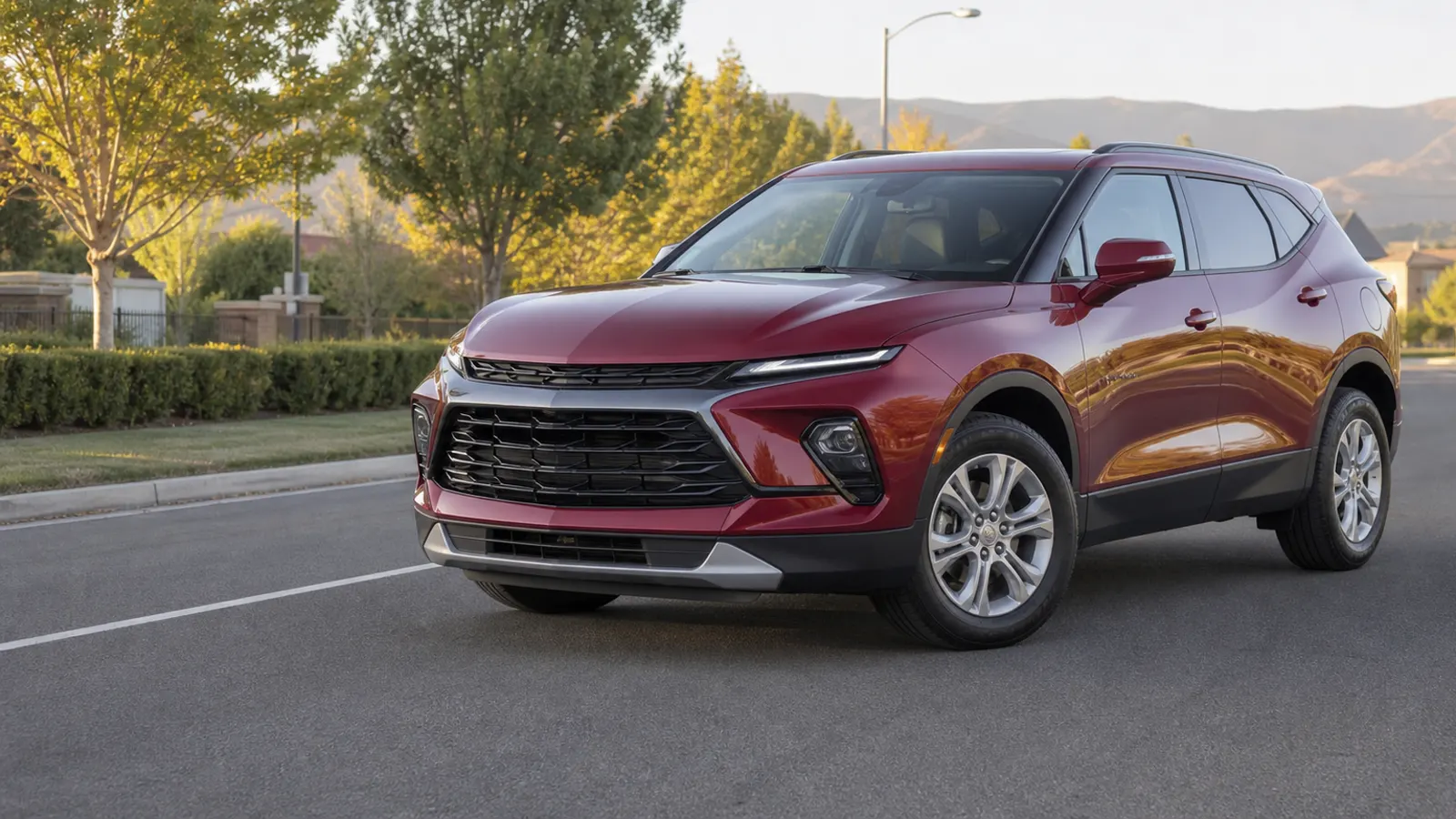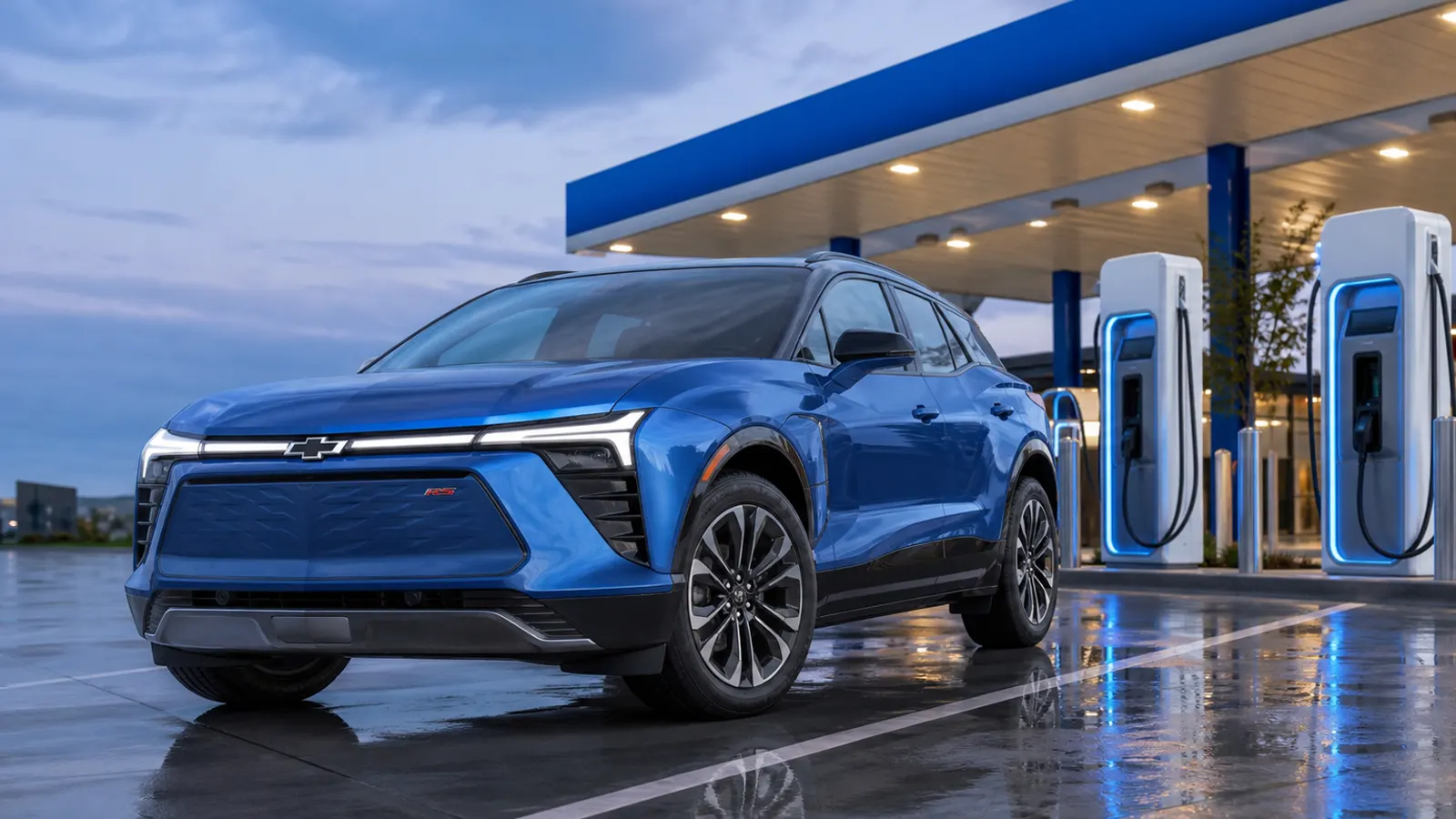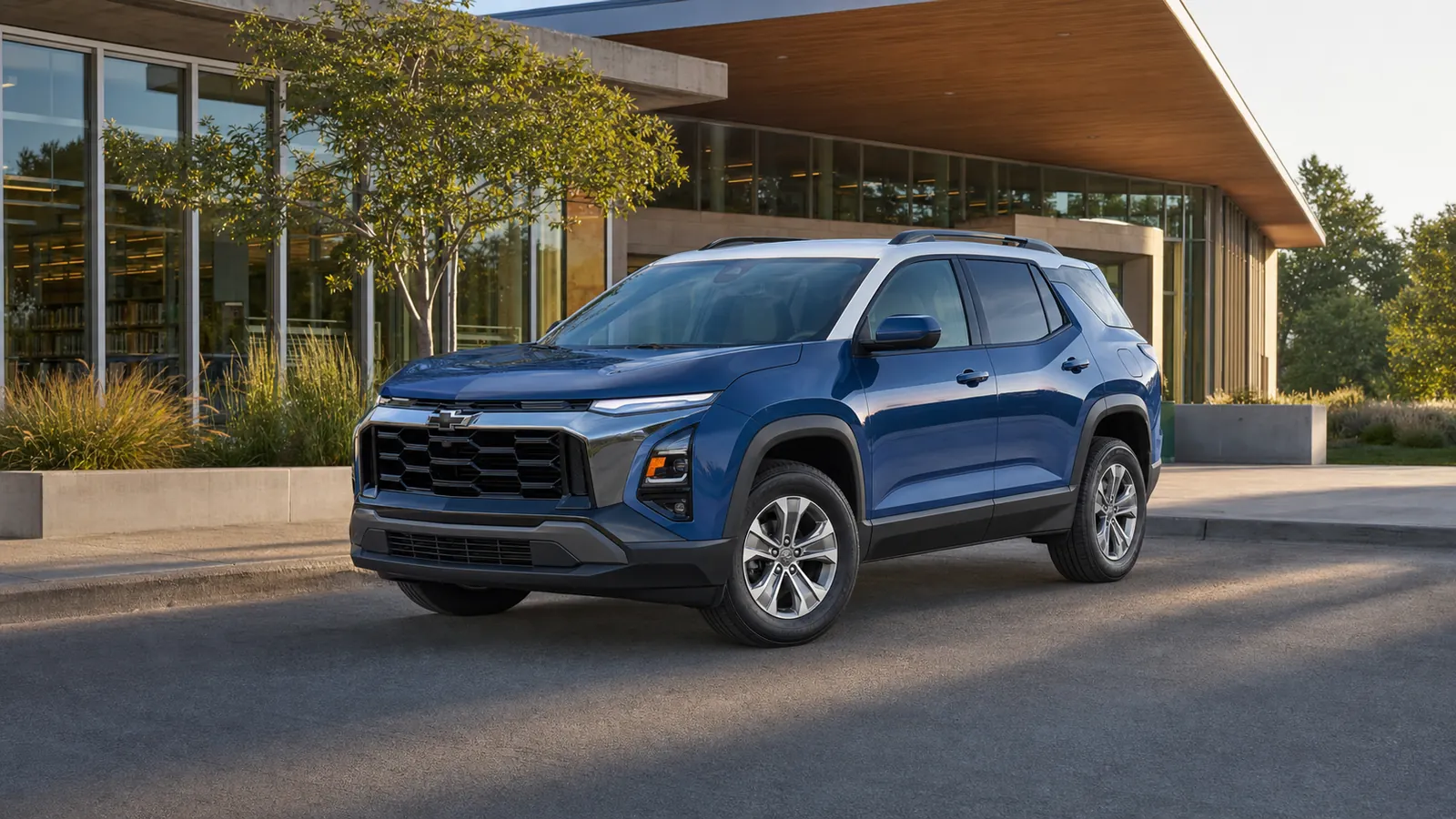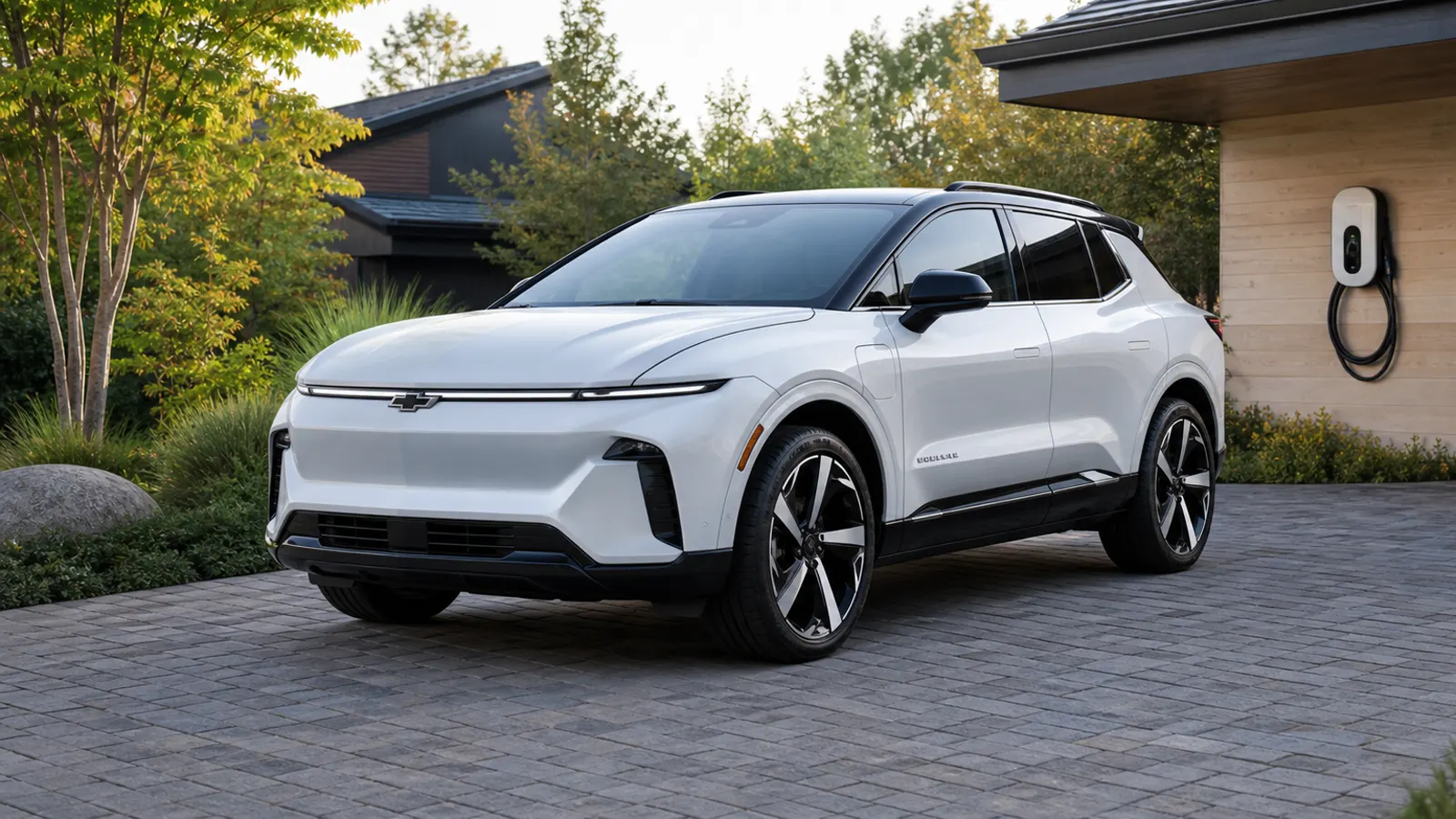
What is the Chevrolet Trailblazer, and who needs it over a Trax?
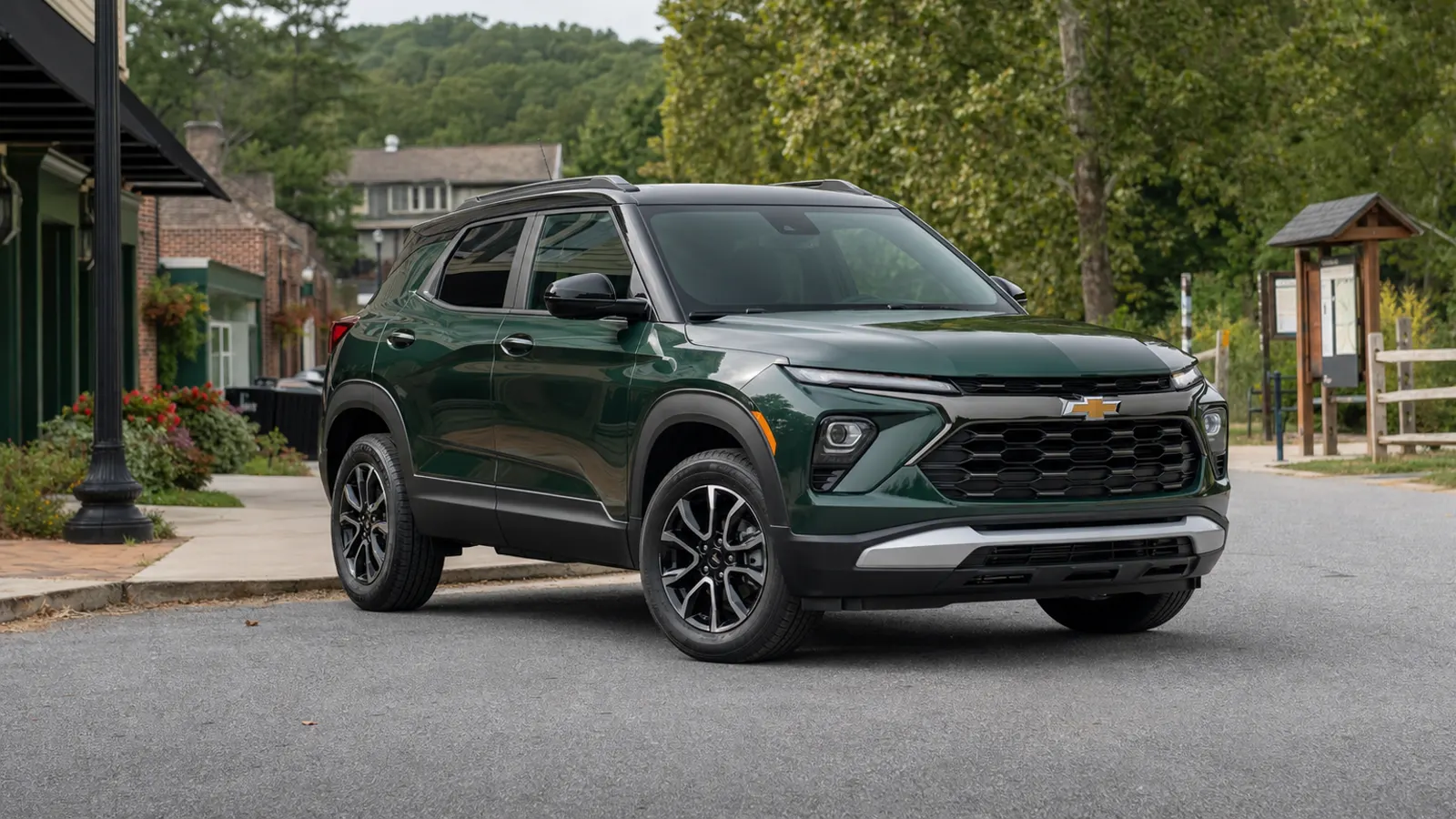
The 2026 Chevrolet Trailblazer is a subcompact SUV with five seats, available AWD, and a folding front passenger seat that can carry long items.
It is not related in mission to the old truck-based TrailBlazer.
The current vehicle is a light, city-friendly crossover.
Its main advantage over the Chevrolet Trax is available AWD and a shorter body.
Trax generally offers more rear-seat value for less money. The larger Chevrolet Blazer adds power and width but costs more to buy and run.
Measure the garage and parking space, then bring the normal passengers and cargo.
Fold the front passenger seat and load the longest item. Confirm that the object is secured, does not block the driver, and does not damage the dashboard or airbag area.
Trailblazer does not need to imitate a larger SUV to succeed. It is the right size when easy parking, upright access, useful cargo tricks, and optional AWD solve more problems than extra horsepower.
Chevrolet Trailblazer specs: choose the 155-hp 1.3-liter engine
The 1.2-liter turbo three-cylinder makes 137 hp and 162 lb-ft.
The 1.3-liter makes 155 hp and 174 lb-ft. That difference is modest on paper, but the stronger engine has more reserve for highway merging, hills, passengers, and climate load.
| Configuration | Output | Best fit |
|---|---|---|
| 1.2L FWD with CVT | 137 hp, 162 lb-ft | Low price and light city use |
| 1.3L FWD with CVT | 155 hp, 174 lb-ft | Best balance of response and economy |
| 1.3L AWD with 9-speed | 155 hp, 174 lb-ft | Repeated snow, grades, or loose surfaces |
Chevrolet lists 31 mpg combined for the 1.3-liter front-drive version.
AWD and different driving conditions reduce that result. Compare the exact window sticker and use a route-specific estimate rather than copying the best number to every trim.
Drive from a stop, merge, climb, and pass with the people normally aboard.
Listen for engine strain and observe whether the CVT holds high revs. In AWD, test the nine-speed at parking speed, in traffic, and after warming.
Neither transmission type is automatically better without the route test.
Small SUVs differ enough in size and power that the same loaded route is more useful than a spec-sheet impression.
The Chevrolet Equinox is the next step when rear space and highway calm matter more than easy parking.
Choose the 1.3-liter FWD unless AWD traction is a repeated need.
Does Trailblazer AWD justify its price on your roads?
Available AWD can help Trailblazer move on snow, mud, gravel, or a steep loose driveway. It does not create low-range gearing, large clearance, heavy underbody armor, or truck-level recovery points.
Tires remain the first contact with the road.
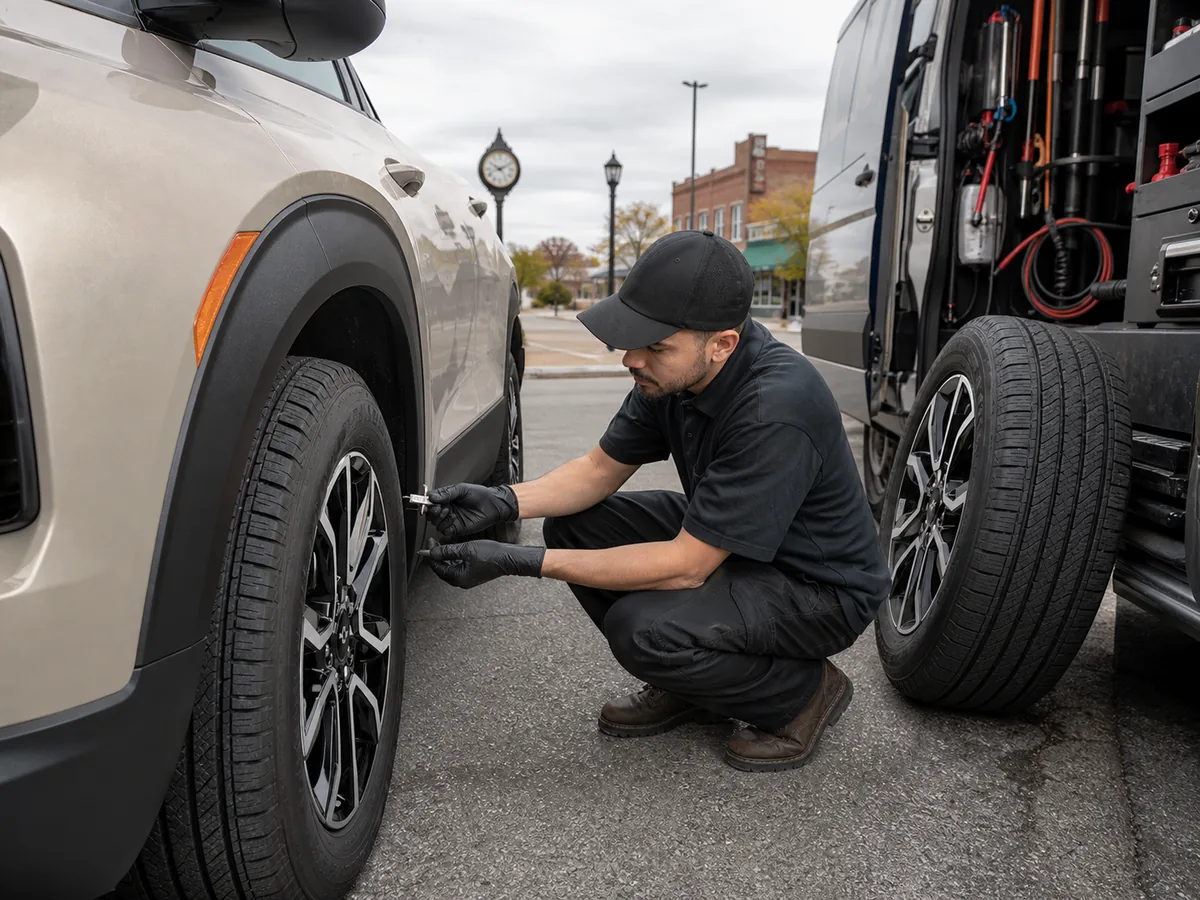
Check the certification and tire labels, then price replacement tires.
An aggressive tread may add noise and fuel use. A winter tire on FWD can outperform an all-season tire on AWD for stopping and turning in winter conditions.
On an AWD example, measure all four tread depths and confirm matching size, load rating, speed rating, and tire model.
A mismatched replacement can change grip and rolling circumference, so the cheapest single tire may create a worse traction result and another near-term expense.
Ask whether the AWD system has stored tire-size or wheel-speed faults after a replacement, and keep the four measurements with the inspection report.
Drive tight circles in a dry lot and listen for binding, clicking, or tire scrub beyond normal behavior.
On a used vehicle, confirm all four tires match in size and have closely similar tread.
Uneven tires can create unnecessary stress.
AWD helps acceleration traction, while tires, speed, and road conditions govern stopping and turning. Buyers who need more clearance and hardware should compare the Ford Bronco Sport on the same rough route.
Add AWD because the weekly road requires driven rear wheels, not because the badge suggests shorter stopping distance.
The folding front seat solves cargo jobs most small SUVs cannot
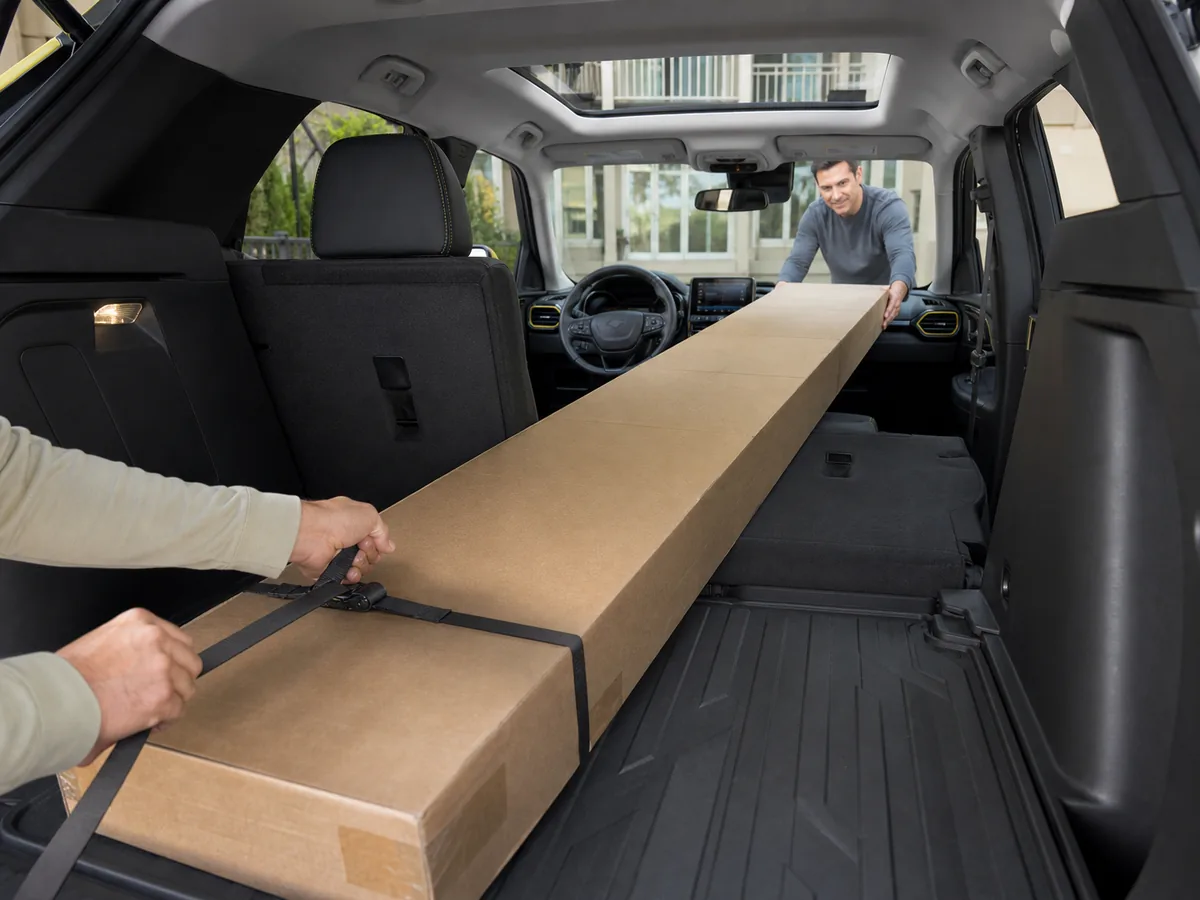
Trailblazer's fold-flat front passenger seat can carry long flat-pack boxes, trim, sports equipment, or other awkward items. That feature is more useful than a headline maximum volume when the buyer regularly moves narrow cargo.
Install child seats and sit behind the normal driver position. Check knee room, headroom, buckle access, tether points, and door opening.
A center passenger may face a narrow cushion and floor space.
Try the exact combination the household uses.
Load groceries, stroller, luggage, or a pet crate with rear passengers aboard. Measure floor length, width between wheel housings, lift-over height, and hatch clearance.
Maximum folded-seat volume does not represent the weekly condition.
The Honda HR-V offers a different balance of rear-seat room and naturally aspirated power.
The Toyota Corolla Cross offers gas and hybrid choices. Compare entry height, sightlines, cargo shape, and the ease of installing child restraints.
Secure long items below the window line and away from airbags. Trailblazer's cabin is successful when its folding-seat trick handles a repeated load without making passenger comfort or driver visibility worse.
LT is the value trim, while ACTIV needs a terrain reason
LS opens the range, LT adds common convenience equipment, ACTIV emphasizes rough-road styling and tuning, and RS emphasizes a sportier appearance. Start with LT because it often captures the equipment people use daily without forcing the richest wheels or trim.
Trim roles
- LS
- Lowest purchase price
- LT
- Broad equipment value
- ACTIV
- Rough-road appearance and tuning
- RS
- Sport appearance and larger-wheel look
Compare window stickers rather than trim names. Packages can change cameras, blind-zone assistance, liftgate operation, seat heat, remote start, audio, and phone charging.
Test each function and ask which connected services require payment later.
ACTIV should be driven on both rough and smooth roads. Its value appears when the tire and suspension choices improve a recurring route.
RS needs a tire quote because larger sizes can cost more and ride harder.
Neither changes the engine into a high-performance unit.
Chevrolet places Trailblazer below Equinox in size and price. A buyer interested mainly in low price should compare Trax LS or LT with identical finance, insurance, and equipment assumptions.
Buy the lowest trim that supplies the 1.3-liter engine, safety equipment, and comfort features used every week.
Trailblazer safety ratings change with the test and build date
IIHS lists Good small-overlap front results that apply to 2021-2026 models built after July 2020. For the updated side test, IIHS reports a Good result for 2026 Trailblazers built after February 2026, following changes to the side structure and thorax side airbag.
That production cutoff matters. Find the certification label on the driver door or adjacent pillar and record the build date.
Do not apply the later side result to an earlier vehicle without evidence.
IIHS gives LS and LT headlights an Acceptable rating for 2025-2026. Read the separate trim results on the current page because equipment can change.
Test low and high beams on a dark road if conditions permit.
Use NHTSA's VIN recall tool at purchase and later in ownership. A failed or empty model search does not clear an individual vehicle.
Save the result and any remedy invoice. Model-level campaign information can add context but cannot replace the VIN result.
Safety research for a 2026 Trailblazer must include the exact build date, trim equipment, and VIN rather than one broad label.
Is the Chevrolet Trailblazer reliable? Start with oil and turbo response
The current Trailblazer uses small turbocharged engines and different transmissions by drive layout. Long-term judgment should separate the 1.2 FWD, 1.3 FWD, and 1.3 AWD configurations.
A reliability judgment should not convert complaint stories into a failure rate.
| Area | Check | Why |
|---|---|---|
| Cold start | Listen, watch exhaust, and verify oil level | Finds startup and maintenance clues |
| Acceleration | Test from stop, merge, hill, and warm restart | Shows turbo and transmission response |
| Cooling | Inspect level, residue, odor, and temperature | Small turbo engines need stable cooling |
| Electronics | Test screen, camera, phone, HVAC, and driver aids | Finds repeatable module faults |
| Tires | Measure tread and inspect edge wear | Affects safety and AWD condition |
| History | Review service, collision, warranty, and VIN records | Narrows uncertainty |
Scan every module and keep a copy. Pending or history codes can remain after a light is cleared.
Check underneath for leaks, impact, missing shields, and poor collision repairs.
A pre-purchase inspection should include a lift.
Match oil-change dates to mileage and elapsed time, especially for a vehicle used on repeated short trips. Ask whether any hesitation or warning required a software update, sensor, hose, turbocharger part, or transmission work, then require the repair order and a repeat drive under the same conditions.
Hesitation, warning lights, HVAC faults, camera faults, and infotainment resets all deserve a repeatable check. A symptom deserves diagnosis when it repeats.
Follow the Trailblazer maintenance schedule for the engine and driving conditions. Short trips, heat, dust, and repeated boost can affect service needs.
Choose the vehicle with consistent oil records, a clean scan, matched tires, and predictable acceleration.
Can a Chevrolet Trailblazer tow a trailer?
Chevrolet does not rate the current Trailblazer for towing. An aftermarket hitch may carry a small accessory such as a compatible bike rack, but installing hardware does not create a trailer rating.
Follow vehicle and accessory limits.
The distinction matters because people, cargo, a hitch, and a rack add weight behind the rear axle.
Check tongue-load limits, rack weight, bike weight, ground clearance, lighting, and hatch access.
Never exceed the lower limit among the vehicle, hitch, and carrier.
Buyers needing a small tow vehicle should verify the exact ratings of a larger crossover. Chevrolet Equinox and Blazer ratings differ by powertrain and equipment, so verify the exact configuration.
Roof cargo also changes wind noise, fuel use, height, and handling. Confirm factory rail and crossbar limits and include the carrier's weight.
Remove accessories when not needed.
Trailblazer is a passenger and cargo vehicle, not a shortcut around a proper tow rating.
A hitch-mounted carrier also needs a weight check even though it is not a trailer. Add the receiver, rack, bicycles or mobility equipment, and accessories, then follow the lowest tongue-load limit among the vehicle, hitch, and carrier.
Make sure the load does not cover lamps or the plate and that the hatch can open safely.
Roof boxes require the same discipline. Include crossbars and the box in the roof limit, measure total height before entering a garage, and expect more wind noise and fuel use.
Heavy items belong low inside the cabin when they can be secured.
Photograph the loaded rear ride height and confirm every tire remains within its door-label load limit before departure.
Trailblazer ownership costs include trim-specific tires and service access
A $23,300 starting figure provides context, not a final transaction. Compare price, destination, tax, fees, finance rate, loan term, trade, insurance, fuel, tires, maintenance, and a repair reserve.
Optional equipment can move Trailblazer close to larger vehicles.
At 12,000 annual miles, 31 mpg uses about 387 gallons.
At 27 mpg, the same distance uses about 444. At $3.50 per gallon, that gap is roughly $200 per year.
Replace the assumptions with local price and real traffic.
Get tire quotes for LT, ACTIV, and RS before choosing wheels. Include alignment and the need to keep closely matched tread on AWD.
Use a VIN-based insurance quote.
Compare Trailblazer, Trax, Corolla Cross, and HR-V using the same miles and loan term. The cheaper payment can still cost more if the term is longer.
An LT 1.3 FWD controls purchase and fuel cost while keeping the cabin features that make Trailblazer useful.
Who should buy a Trailblazer LT 1.3, and who should skip it?
The broad recommendation is a Trailblazer LT with the 1.3-liter engine and front-wheel drive. It combines the stronger engine with the best published combined economy and avoids AWD cost when paved roads dominate.
Pros
- Flexible folding front passenger seat
- Available AWD
- Small parking footprint
- Stronger 1.3-liter engine remains efficient
Cons
- Modest acceleration with a full load
- No trailer rating
- Road noise and ride depend on wheel choice
- Safety evidence varies by test and build date
Add AWD when recurring snow, grades, or loose access requires it.
Choose ACTIV when its hardware improves an actual road. Choose RS only after its appearance, ride, tires, and insurance pass the budget test.
Buy Trailblazer when its small footprint, flexible cabin, and available traction solve the weekly route better than Trax's lower price or Equinox's extra room.
Make the Trailblazer earn its premium over a Trax
The Trailblazer earns its place when its shorter body, available AWD, stronger 1.3-liter engine, or folding front passenger seat solves a job the roomier Trax cannot.
Drive both on the same day with the same passengers, climate setting, cargo, roads, and parking space.
The Chevrolet should not cost more merely because the badge or trim looks tougher.
Turn on the air conditioning, climb a grade, merge with the normal load, and repeat a rolling pass from 30 mph.
The 1.3-liter should show a useful advantage over the 1.2 without forcing the buyer into AWD.
Record dashboard fuel economy only as a route observation because several calculated tanks reveal more than one favorable test loop.
Load the longest regular object through the folding front-seat path, then secure it below the window line and away from the dashboard and passenger airbag.
Reinstall every seat and repeat the load with passengers aboard. That second test shows whether the clever long-item configuration helps weekly life or only a rare hardware-store trip.
Price AWD, winter tires, insurance, and fuel as one traction decision. A driver in a mild climate may save by choosing FWD with appropriate all-season tires, while a driver on steep untreated roads may justify AWD and winter tires together.
ACTIV equipment does not replace tire grip, ground clearance limits, or careful speed.
A used Trailblazer needs a cold start, full-module scan, underbody inspection, oil-service evidence, tire measurements, collision documentation, warranty status, build date, and VIN campaign check.
Ask the inspector to photograph leaks, stored faults, repair seams, and tire date codes. Confirm both keys and require written repair orders for any warning or turbo-response complaint that the seller says has already been fixed.
Photograph the odometer, exterior, wheels, glass, cabin, cargo trim, and underbody at delivery. Save the signed order, window sticker, finance contract, warranty booklet, campaign result, and promised repairs, then record date, mileage, oil specification, parts, and technician findings at every service.
That paper trail matters more on a small turbo engine than a verbal claim that maintenance was completed.
Include dealer access and consumable prices in the final comparison. Ask how far ahead the nearest Chevrolet service department books diagnostic work, whether it provides a loaner, and where a disabled vehicle is towed.
Price the correct oil and filter, battery, front brake service, and four installed tires, especially when ACTIV or RS wheel sizes are not normally stocked nearby.
Trailblazer has no manufacturer tow rating, but payload still matters. Read the door label, then add people, luggage, accessories, and any hitch-mounted carrier before a long trip.
Excess rear load changes ride height, tire heat, and braking even when no trailer is connected.
Finish with one written sheet for each candidate that lists the out-the-door price, loan cost, insurance, fuel estimate, tire quote, service access, build date, traction equipment, and inspection findings. Choose the Trailblazer only when the 1.3-liter response, compact footprint, cargo trick, or AWD wins that complete comparison instead of one short drive.