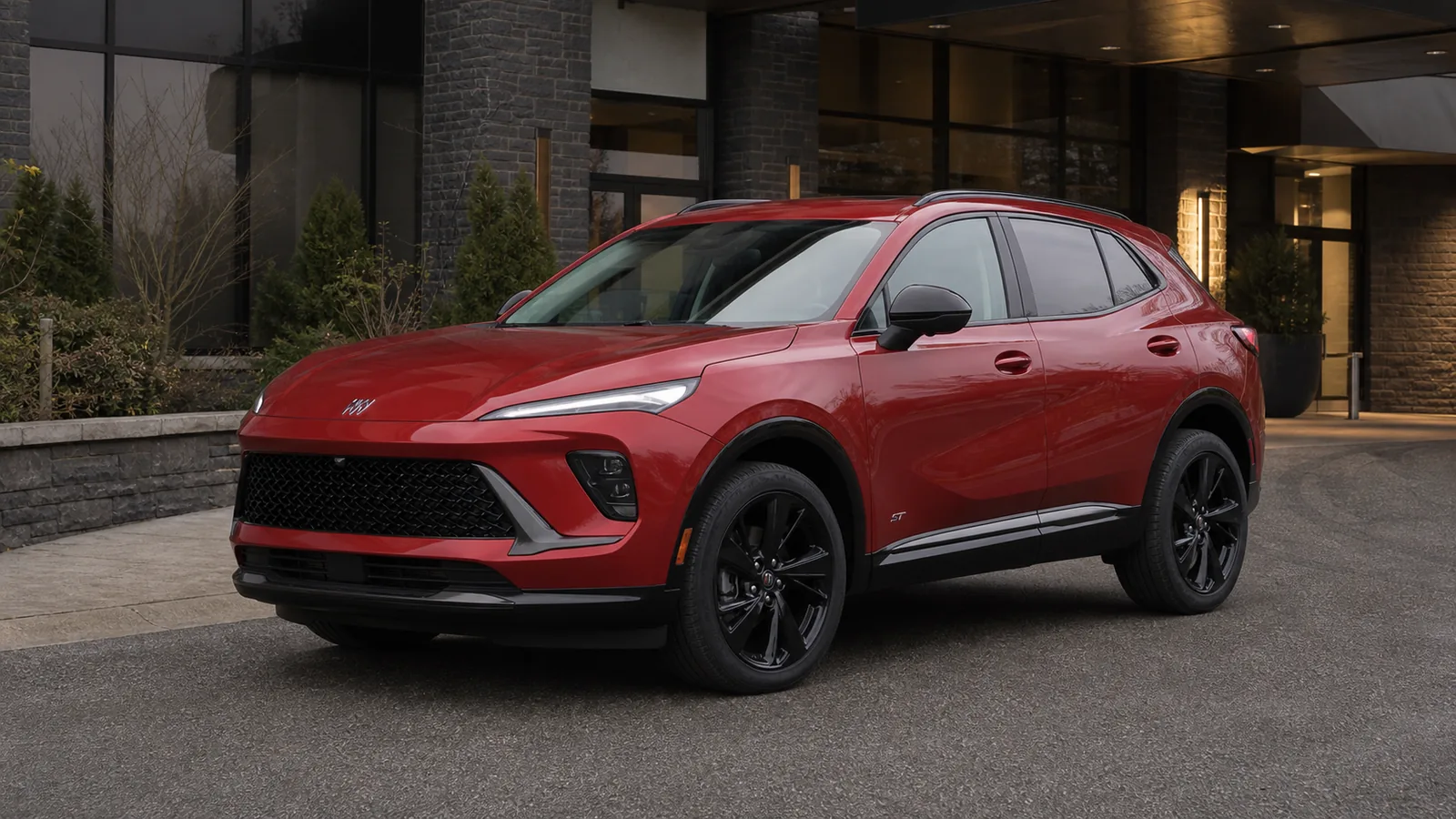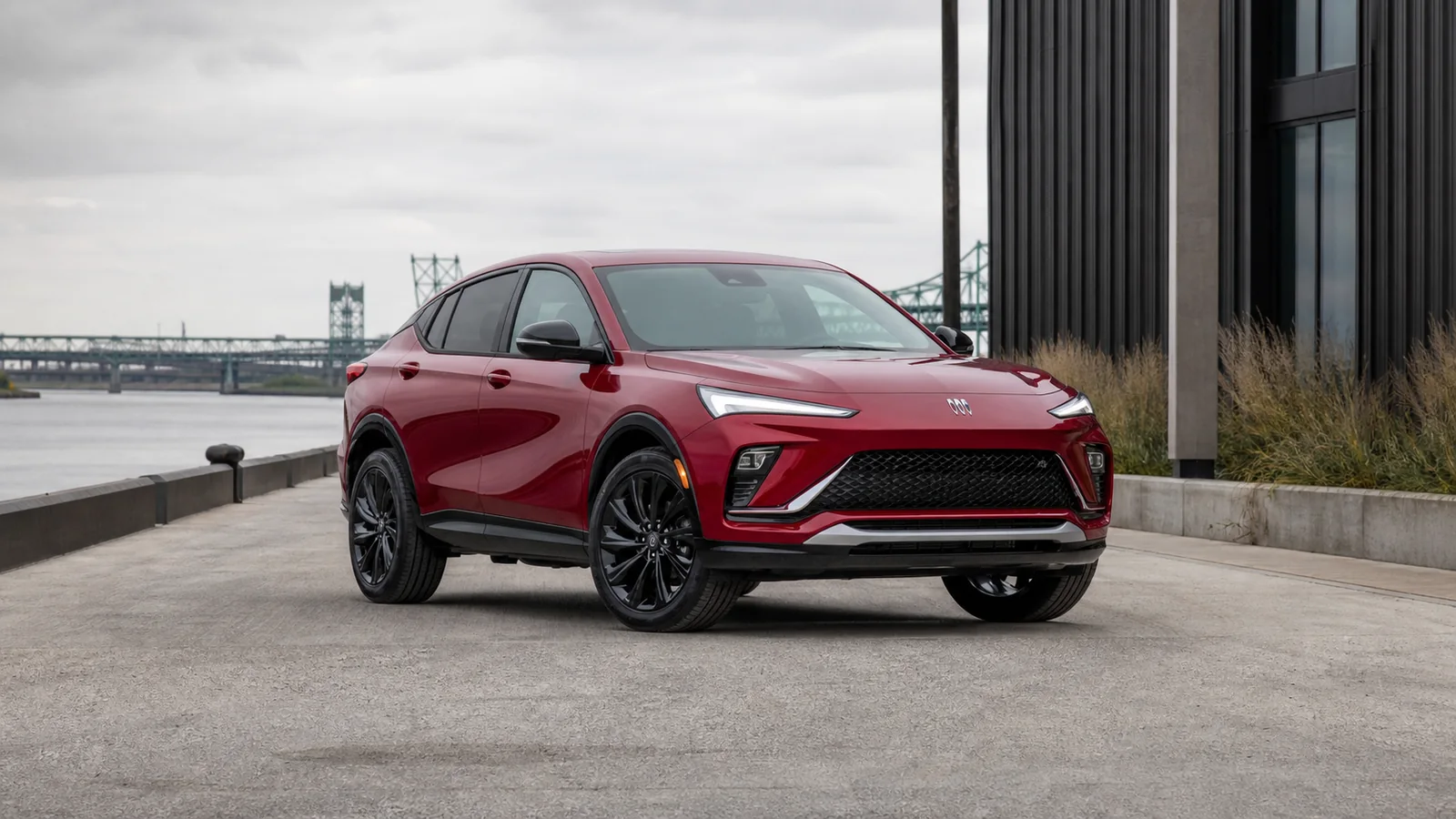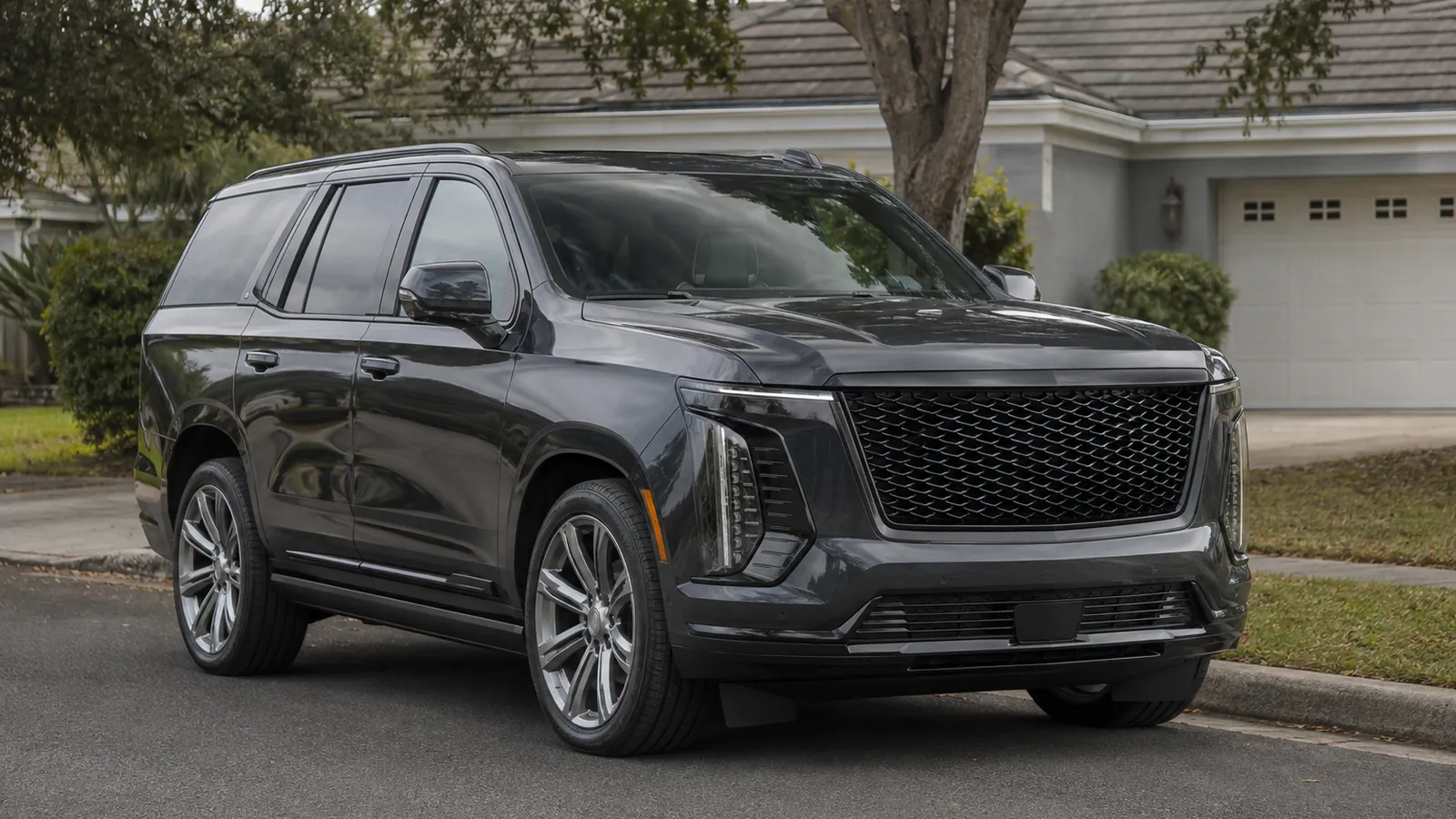
The 2026 Escalade costs $93,995 before a single option
This is the petrol standard-wheelbase 2026 Escalade, the one with the 6.2-litre V8 rather than the electric Escalade that shares the showroom.
It starts at $91,100, which is near the top of the luxury end of the market, and nobody pays exactly that.
The destination charge is $2,895, which brings the entry price to $93,995 delivered.
That charge rose from $2,595 in December 2025, which is why pages quoting $93,695 for the same car are not wrong so much as out of date.
Cadillac also renamed every trim for 2026.
A listing or an older review naming a trim you recognise is describing a different equipment set from the one that name now buys, so match the window sticker rather than the badge.
Price the exact configuration at $91,100 plus $2,895, then check the trim name against the sticker rather than against anything written before this model year.
A federal engineering analysis covers this engine and this model year
In April 2025 General Motors recalled roughly 600,000 vehicles under campaign 25V274000, including 2021 to 2024 Escalade and Escalade ESV models with the 6.2-litre V8.
The stated cause was connecting rod and crankshaft components with manufacturing defects that can lead to engine damage and engine failure. The same campaign reached the Chevrolet Tahoe, Suburban and GMC Yukon, which carry the same engine.
The remedy was an inspection, with repair or engine replacement where needed, and for engines that passed, a higher viscosity oil and a new filler cap.
The campaign covered engines built up to 31 May 2024, so the 2026 car is not in it.
- April 2025Recall 25V274000 covers 2021 to 2024 vehicles with the 6.2-litre V8
- 31 May 2024The last build date inside that campaign
- 20 August 2026Engineering Analysis EA26005 opens, covering model years 2021 to 2026
- Vehicles in scope997,743, including Escalade and Escalade ESV
The analysis opened because the remedy did not settle the problem.
Regulators recorded 499 reports of engine failure after the recall work had been done, 473 of them on vehicles that received the oil change and 26 on vehicles that had already had a complete engine replacement.
It also reaches engines built after the recall's cutoff, which is how a 2026 car ends up inside a question that began with a 2021 one.
An engineering analysis is the stage before regulators can press for a wider recall or a different fix.
None of that establishes that the engine in any particular 2026 Escalade is defective.
It establishes that the question is open, that a federal body is asking it, and that this model year is inside the scope.
Treat the 2026 car as a vehicle whose engine is under an open federal question rather than one that has been cleared, and buy accordingly.
Thirty-five of thirty-six complaints name the engine
Owners file complaints with the federal database directly, and those filings are the earliest public signal a problem exists.
For the 2026 petrol Escalade and Escalade ESV there are 36 of them, and 35 name the engine.
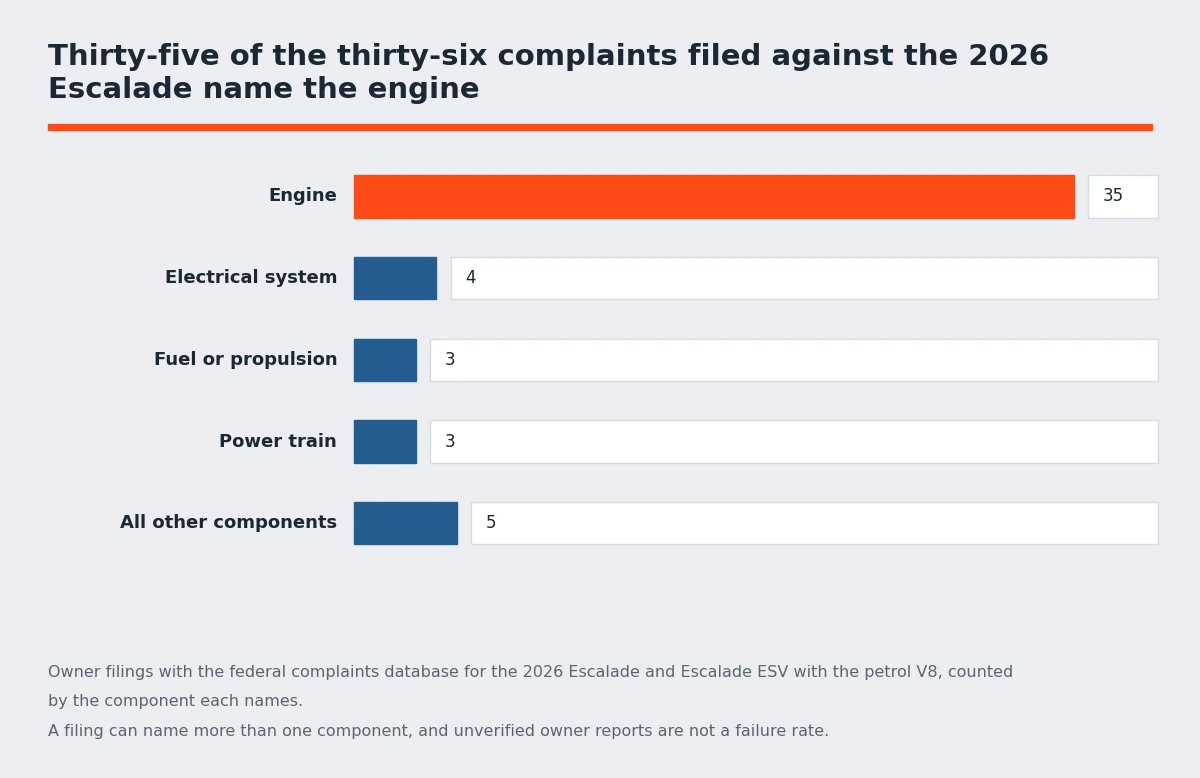
The filings describe the same event repeatedly.
Owners report engines that knocked, seized or lost power without warning, several below 10,000 miles, with the vehicle towed and the engine replaced under warranty.
The 2025 car shows a milder version of the same shape: 31 filings, 18 of them naming the engine.
Both years sit far above the pattern of a normal complaint record, where filings scatter across electrical faults, brakes, trim and driver assistance.
Read against the open analysis, the two records are independent and they point the same way.
Do not read a percentage into 36 filings, and do not ignore that 35 of them describe the same component.
Fifteen inches of length buys sixteen cubic feet behind row three
The standard Escalade is 211.9 inches long and the ESV is 226.9, a difference of 15 inches that has to be parked, turned and stored every day.
What that length buys is almost entirely boot space behind the third row.
| Body | Length | Behind row three | Behind row two | Maximum |
|---|---|---|---|---|
| Standard | 211.9 in | 25.5 cu ft | 72.9 cu ft | 120.5 cu ft |
| ESV | 226.9 in | 41.5 cu ft | 94.1 cu ft | 142.2 cu ft |
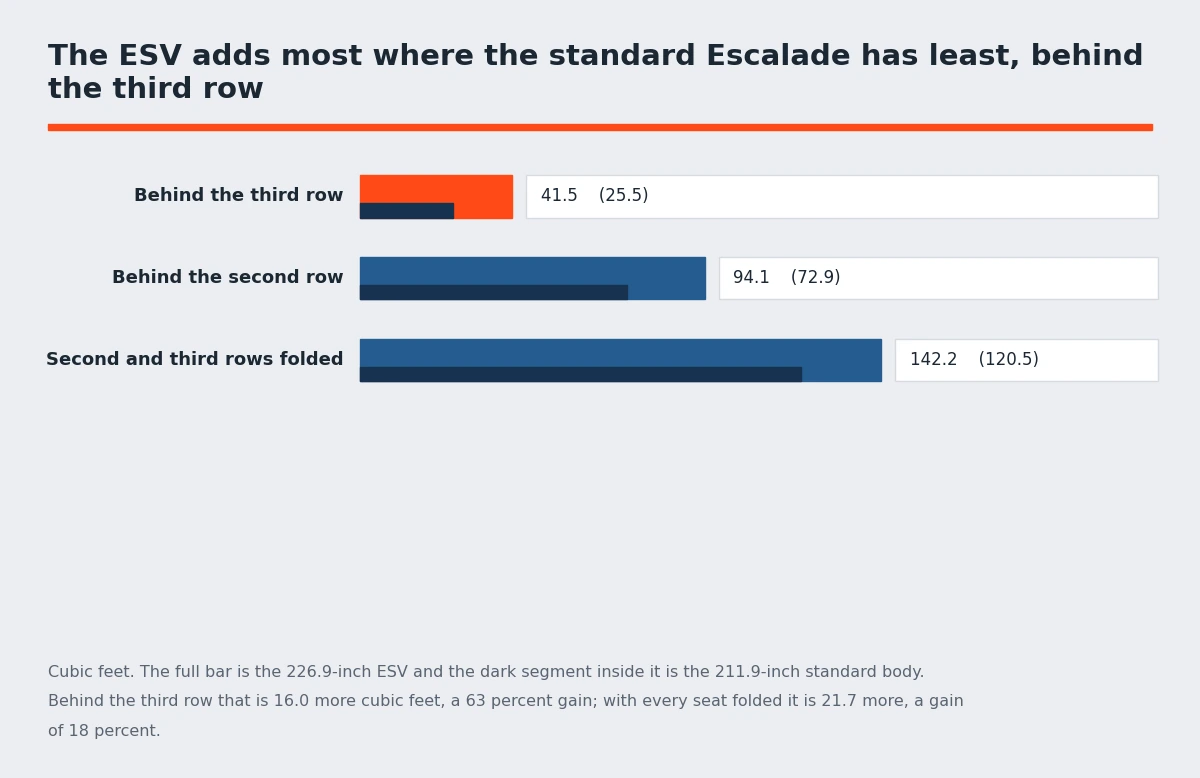
Behind the third row the ESV adds about 16 cubic feet, which is the difference between a school run with the boot usable and one with it full. Any seven-seat vehicle is measured behind its raised third row, not behind its second.
Third-row passenger space is not what the extra length is for, so a household choosing ESV for legroom is paying for the wrong thing.
The test is the same one that settles every large SUV.
Put the third row up, load the things you actually carry with all seats occupied, and see whether 25.5 cubic feet closes the tailgate.
Buy the standard length unless the boot behind a raised third row has already failed a real load, because the 15 inches is a daily cost and the space is an occasional benefit.
The tow rating is a ceiling, and payload is the real limit
A properly equipped Escalade tows about 8,000 pounds, and that number assumes the right hitch, the right cooling and the right axle content on the specific vehicle.
It is a maximum for the configuration, not a figure every Escalade carries.
Payload is where the arithmetic actually bites.
A conventional trailer places roughly ten to fifteen percent of its weight on the hitch, and that tongue weight comes out of payload before any passenger sits down.
Subtract in this order, from the yellow door label
- Maximum tow rating, properly equipped
- about 8,000 lb
- Tongue weight on a 7,000-lb trailer
- 700 to 1,050 lb
- Seven occupants and their luggage
- commonly 1,000 lb or more
- What remains for everything else
- read the door label, not the brochure
An Escalade loaded with people, luggage and a roof box can exhaust its payload while the trailer weight is still well inside the tow rating.
The yellow label on the driver's door jamb is the only figure that describes the vehicle in front of you.
Start from the door label and subtract tongue weight and occupants before you look at the tow rating at all.
Fifty-five inches of display still has to pass four tasks
The dashboard carries a 55-inch pillar-to-pillar display, which is the largest single number in the brochure and the least useful one.
Area says nothing about whether the thing you do every morning takes two steps or five.
Run these in the car, not in the showroom
- Pair your own phone and start navigation to a real destination, timing it
- Change cabin temperature and fan speed while moving, without looking down
- Find and switch off whichever driver assistance chime annoys you within ten minutes
- Check the display in direct low sun, which is when reflections and glare show
- Reach the controls you use most from a normal driving position, without leaning
- Ask a rear passenger to work the screens they will actually be given
A parked demonstration answers none of these, and a screen that impresses in a showroom can still cost you three taps a day for six years.
Give the interface the tasks you repeat rather than the ones a salesperson has rehearsed.
Judge the display on the handful of things you will do daily, because those are the only interactions that accumulate.
What a test drive can settle, and what it cannot
Nothing published settles how a specific Escalade rides, and a demonstrator on 24-inch wheels tells you little about one on 22s.
What this article has established does tell you which twenty minutes of the drive are worth spending carefully.
A drive that produces evidence rather than impressions
- Start it cold, with the radio offOwners filing about this engine describe knocking and ticking, and a warm engine in a showroom has already hidden whatever a cold one would say. Ask for the first start of the day.
- Check the wheel size on the carTwenty-four-inch wheels are the subject of one open campaign and they change ride quality on every surface. Confirm what is fitted rather than what the trim usually comes with.
- Take a road you already have an opinion aboutTwenty minutes on a surface you know is the only way to judge ride in a vehicle this heavy.
- Change lanes at motorway speed, deliberatelyA body this tall settles differently from a car, and a 22 percent rollover probability is a reason to know how it feels before an emergency introduces you to it.
- Park it twiceOnce nose-in and once parallel. Two hundred and eleven inches is the standard car, and the ESV adds fifteen more.
- Ask for the service history on the exact VINOn a used or demonstrator vehicle, ask specifically whether any engine inspection, oil remedy or engine replacement has been performed, and get the answer in writing.
The last of those matters more here than it would on most cars.
An engine that has already been replaced under the earlier campaign is a different proposition from one that has not, in both directions, and only the record for that vehicle identification number can tell you which you are looking at.
Spend the drive on the cold start, the wheel size and the service record, because those three produce evidence and the rest of it only produces impressions.
No federal crash rating exists for the 2026 car
Queried by model year, the federal safety database returns no 2026 Escalade at all.
The five-star result quoted widely belongs to the 2025 vehicle, and the two are not the same record.
| Test | Rating |
|---|---|
| Overall | 5 stars |
| Frontal crash | 5 stars |
| Side crash | 5 stars |
| Rollover | 3 stars |
| Rollover probability | about 22 percent |
Four of those five lines are excellent and the fifth is the one that describes this class.
A tall, heavy body on a truck platform carries a rollover probability near 22 percent, and averaging that into an overall star hides exactly the thing that separates a large SUV from a saloon.
The insurance-industry testing that produces the most demanding crashworthiness results is thin for vehicles this size, so a buyer should not expect the depth of evidence a mainstream car carries.
Read the rollover line rather than the overall star, and remember the record you are reading is the 2025 vehicle's.
Three campaigns are open, and one says do not drive
Three campaigns reach the 2026 Escalade, and treating them as three equal service appointments would be a mistake.
One of them carries a do-not-drive advisory.
Campaign 26V289000 covers four-wheel-drive vehicles with a component missing from the transfer case, which can cause the front or rear wheels to lock.
Owners are advised not to drive until the remedy is complete, and notification letters were mailed on 18 May 2026.
Campaign 26V304000 covers 2025 and 2026 vehicles fitted with 24-inch wheels, where incorrect front hub bolts may loosen or deform.
A bolt that loosens or breaks in use can cause loss of control, and letters were mailed on 18 June 2026.
What to do, in this order
- Run the vehicle identification numberUse the federal recall lookup on the exact VIN, not the model. A campaign that reaches the model may not reach the car.
- Check 26V289000 before you drive itIf the vehicle is four-wheel drive and the transfer case campaign is open on that VIN, the advisory is not to drive it. Have it collected rather than driven in.
- Check the wheelsThe hub bolt campaign applies to vehicles with 24-inch wheels, so confirm the wheel size on the car rather than the trim.
- Ask what engine work the VIN already carriesOn a used or demonstrator car, ask whether any engine inspection, oil change remedy or engine replacement has been performed, and get it in writing.
Run the VIN before the test drive rather than after the paperwork, because one of these three changes whether the car should be driven at all.
Buy it on the warranty, or wait for the analysis to close
As a vehicle the Escalade does what buyers want from it: three usable rows, a quiet and heavily equipped cabin, real towing capability and presence nothing else in the price bracket matches. A Ford Expedition reaches the same brief with a turbocharged V6 instead.
None of that is in question, and none of it is what makes this a difficult purchase.
The difficulty is that a $93,995 vehicle carries an engine inside an open federal analysis covering its own model year, on a record where 499 owners reported failures after the official remedy.
That is a risk to price into the purchase rather than a reason to dismiss the car. A buyer who would rather not carry it at all can reach three rows without a petrol V8 elsewhere in Cadillac's range.
Pros
- Three genuinely usable rows and up to 120.5 cubic feet of cargo
- About 8,000 pounds of towing when properly equipped
- Five-star frontal and side results on the 2025 record
- Six-year, 70,000-mile powertrain coverage behind the engine
Cons
- The 6.2-litre V8 is inside open engineering analysis EA26005
- 35 of 36 exact-year complaints name the engine
- A three-star rollover result near 22 percent
- No federal crash rating published for the 2026 car
The instrument that carries this risk is the powertrain warranty, which runs six years or 70,000 miles from the in-service date.
Inside it, an engine failure is an inconvenience and a rental car; outside it, it is a bill that can approach a third of what the vehicle cost.
Buy it inside the powertrain warranty with the VIN checked and the analysis understood, and wait if you intend to keep it past 70,000 miles, because that is the point at which the open question becomes yours.