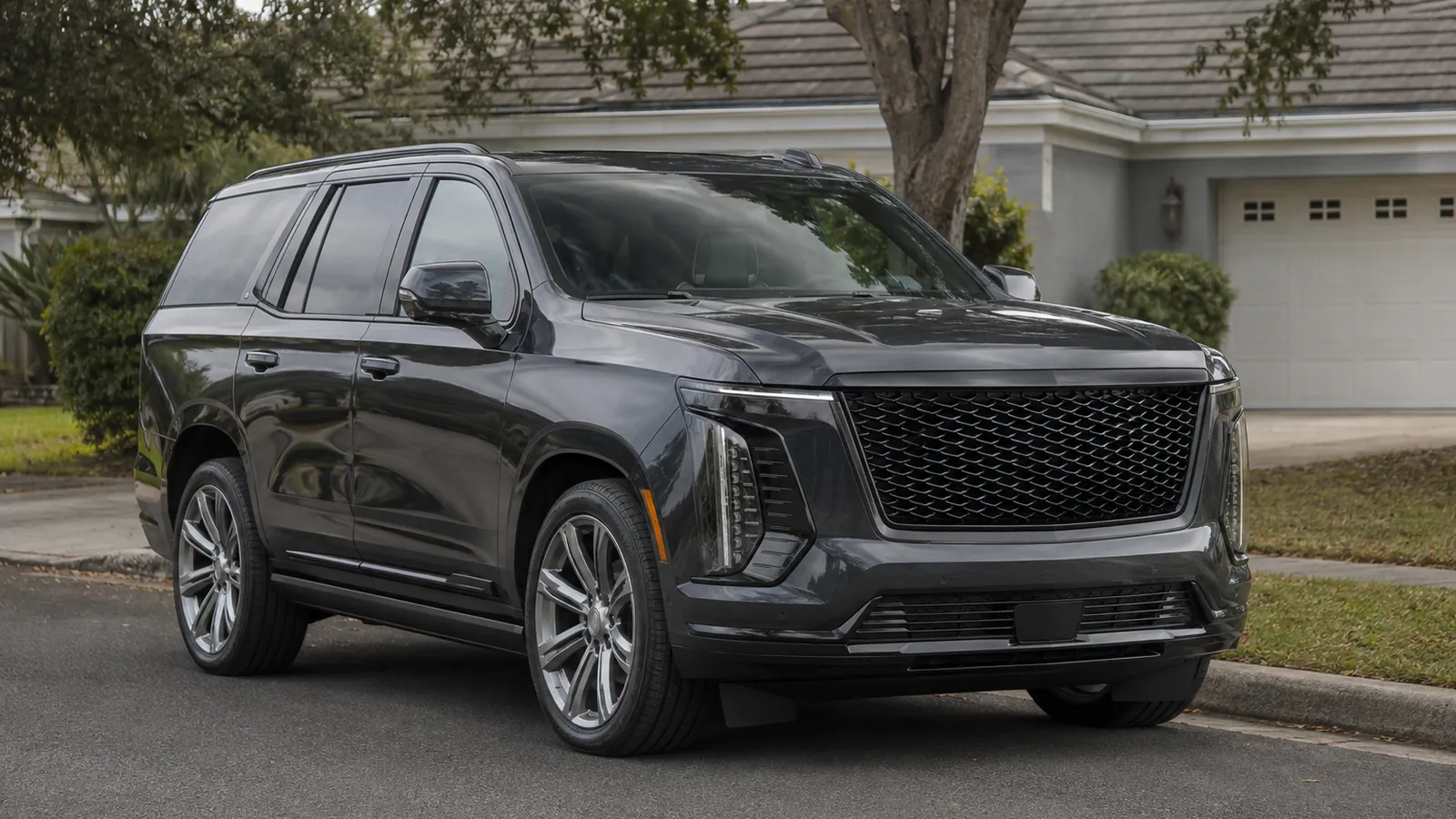
The 2025 XT6 is the last one, and the nameplate is already coming back
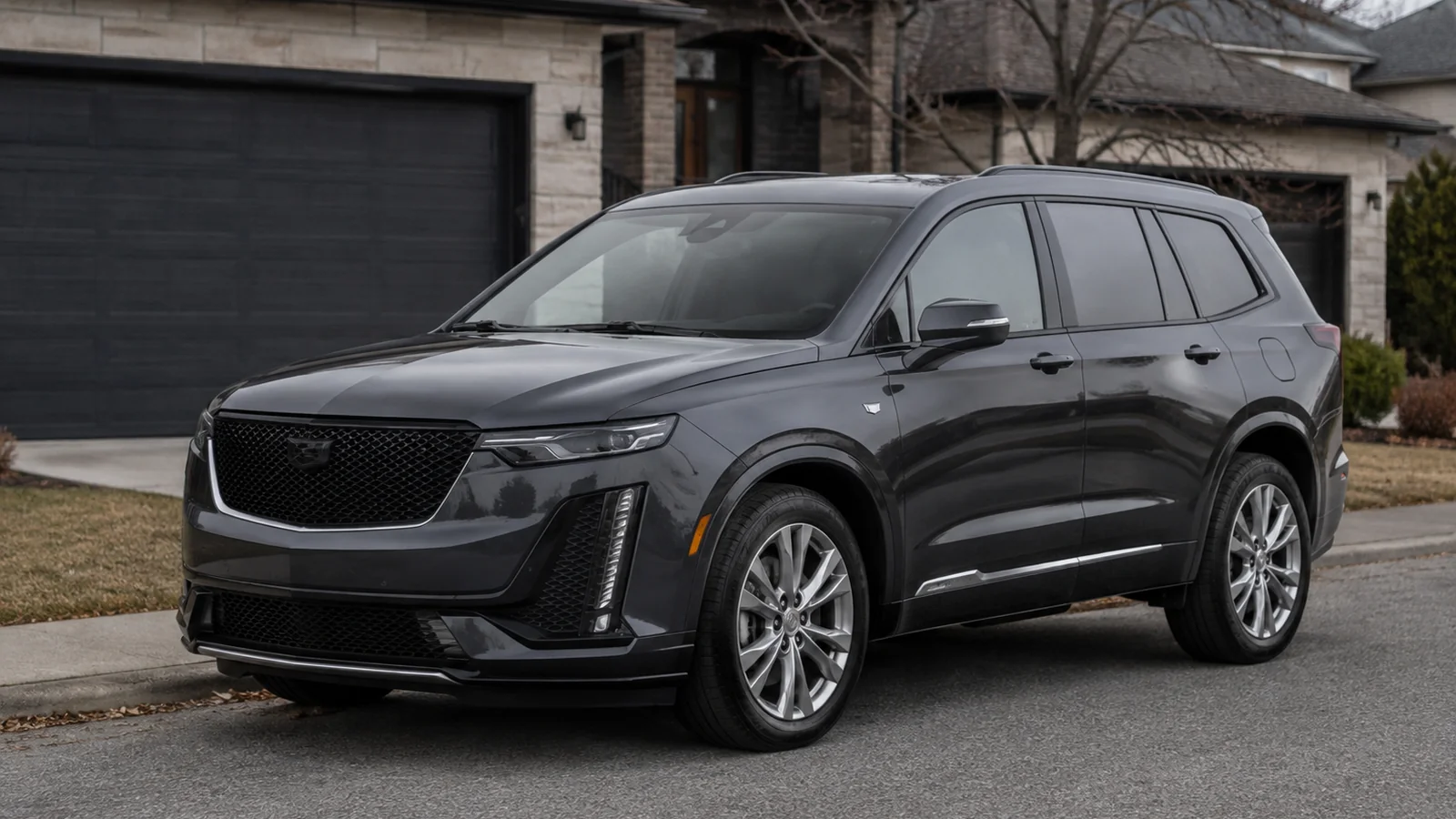
The 2025 Cadillac XT6 is the final model year of a three-row midsize SUV that ran from 2020, and production has ended.
That much is in most coverage, and on its own it reads like an obituary.
It is not one.
Cadillac confirmed in July 2026 that the XT6 returns as a petrol model, backed by a $150 million investment at the Spring Hill plant that used to build it.
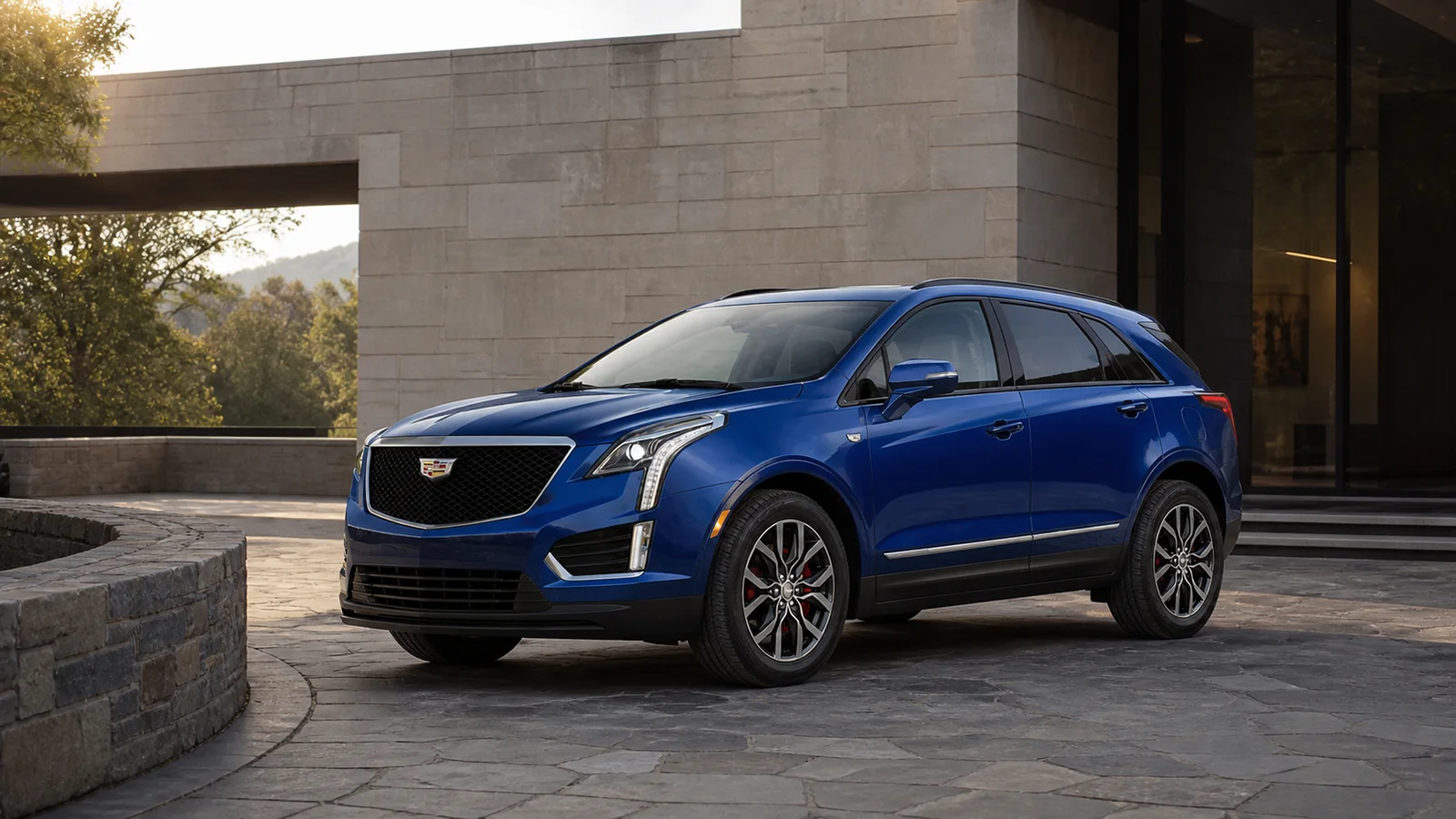
The replacement follows a redesigned XT5 in 2027 and will most likely arrive as a 2028 vehicle.
So waiting is a genuine option and it is a two-year one, which is long enough that a run-out price on a car available today is worth taking seriously.
Treat this as a run-out purchase with a confirmed successor roughly two years out, not as the end of the model.
Five delivered prices, and the cheapest engine is not the cheapest to run
New, the XT6 came in three trims and five delivered configurations.
Luxury started at $50,590 with front-wheel drive, Premium Luxury at $56,790, and Sport at $62,090 with all-wheel drive as its only option, each including the $1,395 destination charge, with all-wheel drive adding $2,000 to the two lower trims.
Those figures anchor a used negotiation rather than describing a price anyone pays now, and they sit at the affordable end of the luxury market.
What matters more is the engine, and here the obvious assumption is wrong.
The 2.0-litre turbocharged four makes 235 horsepower and requires premium fuel.
The 3.6-litre V6 makes 310 horsepower and runs on regular.
| Engine | Output | Drive | EPA combined | Fuel grade | Published annual fuel cost |
|---|---|---|---|---|---|
| 2.0-litre turbo four | 235 hp | front | 23 mpg | premium | $3,300 |
| 2.0-litre turbo four | 235 hp | all-wheel | 23 mpg | premium | $3,300 |
| 3.6-litre V6 | 310 hp | front | 21 mpg | regular | $2,950 |
| 3.6-litre V6 | 310 hp | all-wheel | 20 mpg | regular | $3,100 |
Those annual costs are the federal government's own published figures, not an estimate of mine, and they invert the economy ordering.
The V6 uses more fuel and costs $350 a year less to run in front-wheel-drive form, because the grade it drinks is cheaper than the grade the four demands. Put your own annual mileage and local prices through the fuel cost calculator before letting an mpg figure decide anything.
That leaves the four-cylinder slower, thirstier in the wallet, and harder to argue for.
Buy the V6 unless a specific four-cylinder car is cheap enough to cover the difference, because the smaller engine saves fuel and spends more money.
Seven seats and a week's luggage are alternatives, not a combination
Third-row legroom is 29.5 inches, which is genuinely usable for children and workable for adults on a short trip.
The problem is not the seats. It is what is behind them.
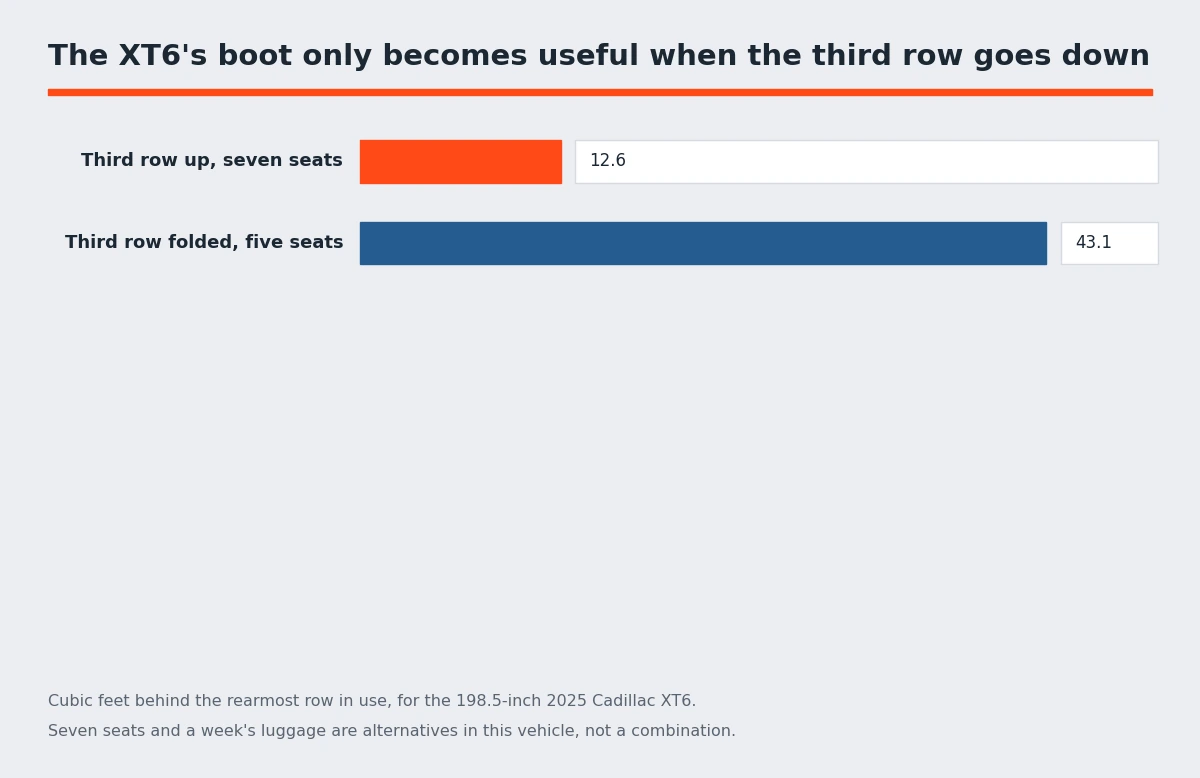
With all three rows in use the boot holds 12.6 cubic feet, which is about the space behind the rear seats of a large saloon.
Folding the third row takes it to 43.1, more than three times as much, and drops the vehicle to five seats.
That is the whole packaging decision in one sentence: this is a five-seat SUV with an occasional third row, not a seven-seat SUV with a boot. Anyone who wants the space without the back row is really shopping for the two-row XT5.
A household that needs both at once every week is looking at a larger vehicle, such as the Escalade, rather than a different trim of this one.
The test is the one that settles any three-row SUV and it takes ten minutes.
Raise the third row, put the luggage the household actually carries into the boot, and see whether the tailgate closes.
Buy the XT6 when the third row goes up occasionally, and look at something longer when seven seats and luggage travel together.
Both Poor crash results come from the back seat
The Insurance Institute for Highway Safety rates the 2025 XT6 Poor on the updated moderate overlap front test and Poor on the updated side test.
Read only that far and it sounds like a vehicle that fails crash testing generally, which is not what happened.
In both tests the structure and safety cage rated Good, and every driver injury measure in both tests rated Good.
The Poor ratings come from the rear seat in each case.
| Test | Structure | Driver measures | Rear passenger measures | Overall |
|---|---|---|---|---|
| Moderate overlap front | Good | all Good | head, neck and chest Marginal | Poor |
| Side | Good | all Good | torso Poor, head, neck and pelvis Good | Poor |
In the front test the rear dummy recorded Marginal head, neck and chest measures, with its restraint behaviour also rated Marginal.
In the side test one measure produced the result: a Poor torso reading for the rear passenger, with everything else about that occupant rated Good.
The rest of the record is stronger than the headline suggests.
Small overlap front rated Good on both the driver and passenger sides, headlights Acceptable and seat belt reminders Acceptable, while pedestrian front crash prevention rated Marginal.
Federal testing is more favourable still, at five stars overall, frontal and side, with four stars for rollover at a probability near 16 percent.
That rollover figure is unremarkable for a crossover and considerably better than a body-on-frame SUV of the same brand, where the same measure runs near 22 percent.
Read this record by seat: the driver is well protected in both tests, and both Poor ratings describe what happens behind the front seats.
The complaint record is the ordinary kind
Owner filings with the federal database are the earliest public signal that something is wrong with a vehicle.
The XT6 has few of them and they point in no particular direction.
Filings by model year, and what led them
- 2023
- 13 filings, power train most common at 4
- 2024
- 15 filings, power train most common at 7
- 2025
- 8 filings, no component named more than three times
- Open campaign on the 2025 car
- 24V459000, instrument panel illumination
Thirteen, fifteen and eight filings spread across power train, electrical, brakes, visibility, driver assistance and suspension is what an ordinary record looks like.
A concentrated one looks different: one component named by almost every filing, which is the pattern that signals a specific defect rather than the normal background of any vehicle in service.
None of that makes the XT6 reliable, and low counts on a low-volume model are partly a function of how many were sold.
It does mean nothing in the public record points at a particular part of this vehicle.
The one open campaign is worth completing and is not a reason to walk away.
Run the vehicle identification number for 24V459000 and read the absence of a pattern as an absence of evidence, not as a guarantee.
What is left of the warranty is the real question on a used one
Production has ended, so almost everyone reading this is buying a used or run-out car rather than ordering one.
That makes the warranty the first number to establish, and it is not printed in the listing.
Coverage runs four years or 50,000 miles for the basic warranty and six years or 70,000 miles on the powertrain.
Both clocks start at the in-service date, which is when the vehicle was first sold or first put into demonstrator service, not when it was built.
What to establish before agreeing a price
- In-service date
- Ask for it in writing; it sets both warranty clocks
- Basic coverage remaining
- 4 years or 50,000 miles from that date
- Powertrain coverage remaining
- 6 years or 70,000 miles from that date
- Open campaigns
- Run the VIN, including 24V459000
- Demonstrator history
- Starts the clock earlier and is rarely volunteered
A car that sat on a forecourt for a year before its first sale is a year further into its warranty than its model year suggests, and a former demonstrator further still.
On a discontinued model, that gap is wider than usual because the last cars sold slowly.
Checks that matter on this specific vehicle
- Confirm which engine is fitted, because the filler flap and the fuel grade change the running cost
- Ask whether the nine-speed has had any software or valve body work, and get the answer in writing
- Check that 24V459000 has been completed on that VIN rather than on the model
- Test every seat position, including the third row with a child seat installed in row two
- Look for wear on the second-row release mechanism, which gets used every time someone reaches row three
- Confirm the service history is continuous rather than a stack of receipts from the last owner's final year
None of this is unusual for a used luxury SUV, and all of it is easier to establish before a price is agreed than after.
Establish the in-service date first, because on a discontinued model it decides how much warranty you are actually buying.
What a test drive can settle, and what it cannot
No published road test settles how a specific six-year-old or one-year-old XT6 rides, and a run-out example on a dealer forecourt has its own history.
What this article has established points at which parts of the drive to spend time on.
A drive that produces evidence
- Put a child seat in row two, then use row threeThird-row access with a seat already installed is the single thing most likely to fail in daily use, and a showroom walk-around never tests it.
- Sit in the third row yourselfTwenty-nine and a half inches is a number until you have your own knees behind your own driving position.
- Load the boot with the third row upBring the actual luggage. Twelve and a half cubic feet either takes it or it does not.
- Make the nine-speed downshift twiceOnce on a gentle roll-on and once on a real overtake, because a transmission with this many ratios either finds one quickly or hunts for it.
- Check which fuel the car in front of you wantsThe four-cylinder requires premium and the V6 does not, and the filler flap will tell you which you are buying.
- Ask for the service record on the exact VINOn a used car, ask what has been done and get it in writing rather than accepting a reassurance.
The fuel check sounds trivial and is not.
It is the difference between the two engines' running costs, it is printed on the car, and a listing will rarely mention it.
Spend the drive on third-row access, the boot with the seats up and the fuel the car requires, because those three decide the ownership.
Buy it for occasional seven-seat use, or wait about two years
The case for a final-year XT6 is a run-out price on a vehicle with a clean field record, five federal stars, four-star rollover and a genuinely usable third row.
For a household that raises the back row for the school run and folds it the rest of the week, that is a good deal, and a better one than most family SUVs at the money.
The case against it is narrower and specific.
Both Poor crash ratings describe rear-seat occupants, and the boot behind a raised third row is smaller than a large saloon's.
Pros
- 29.5 inches of third-row legroom, usable rather than nominal
- A 310-hp V6 that runs on regular and costs less a year than the four
- Five federal stars with four for rollover near 16 percent
- A scattered complaint record with one minor open campaign
Cons
- Poor on both updated IIHS tests, driven by rear-seat measures
- 12.6 cubic feet behind the third row
- The four-cylinder requires premium and is slower
- Production has ended, so stock and colour choice are whatever remains
Waiting is a real alternative and it is a long one.
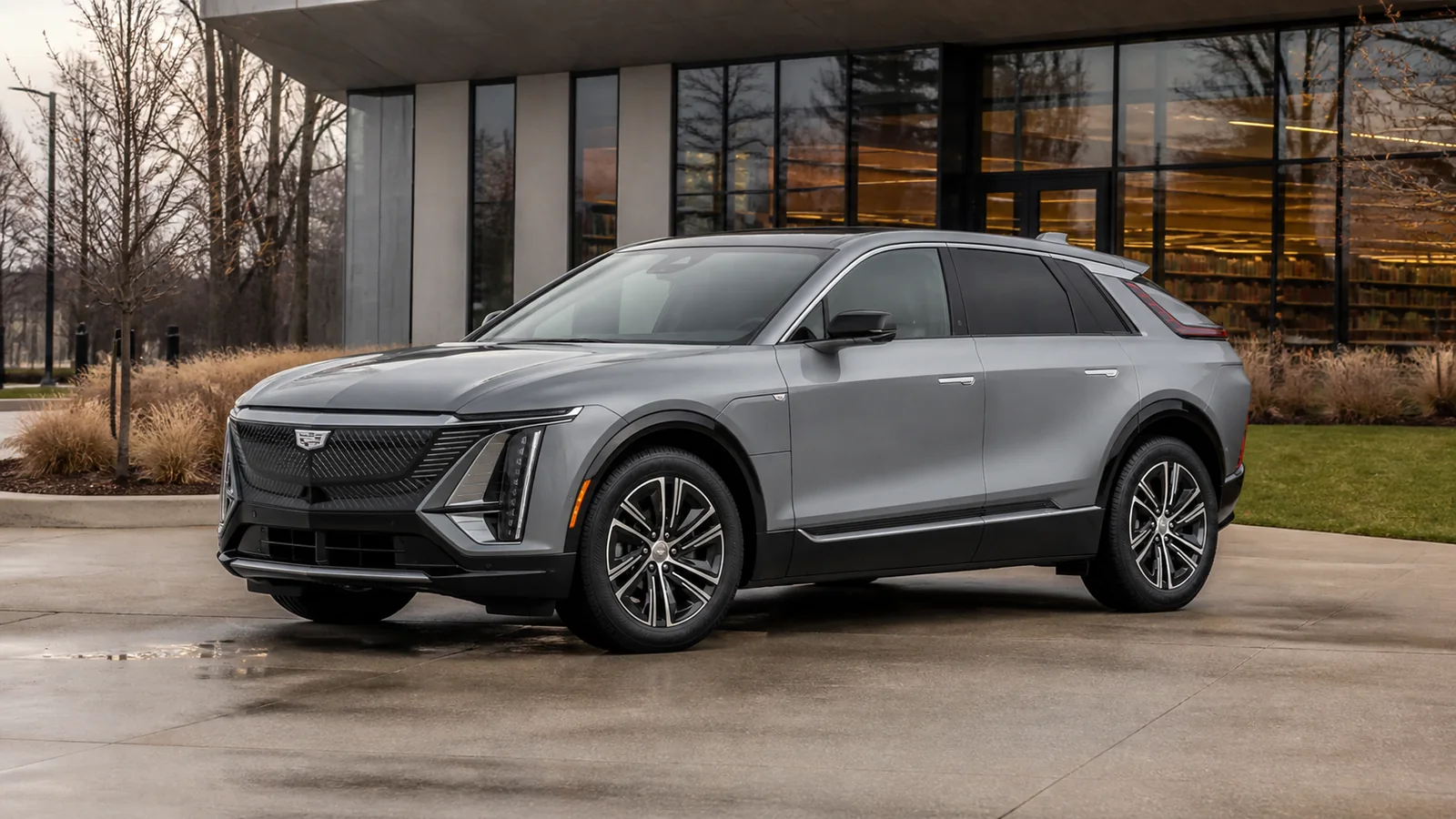
The replacement follows the redesigned XT5 in 2027 and most likely arrives as a 2028 vehicle, which is a long time to keep an old car running for a nameplate. The rest of Cadillac's range covers the gap at both sizes in the meantime.
Buy the V6 at a run-out price once the third row and the boot have both been tested with your own passengers and your own luggage, and wait for the 2028 car if your back row is full every day.