The 2026 C-HR is an EV, not a return of the old gas crossover
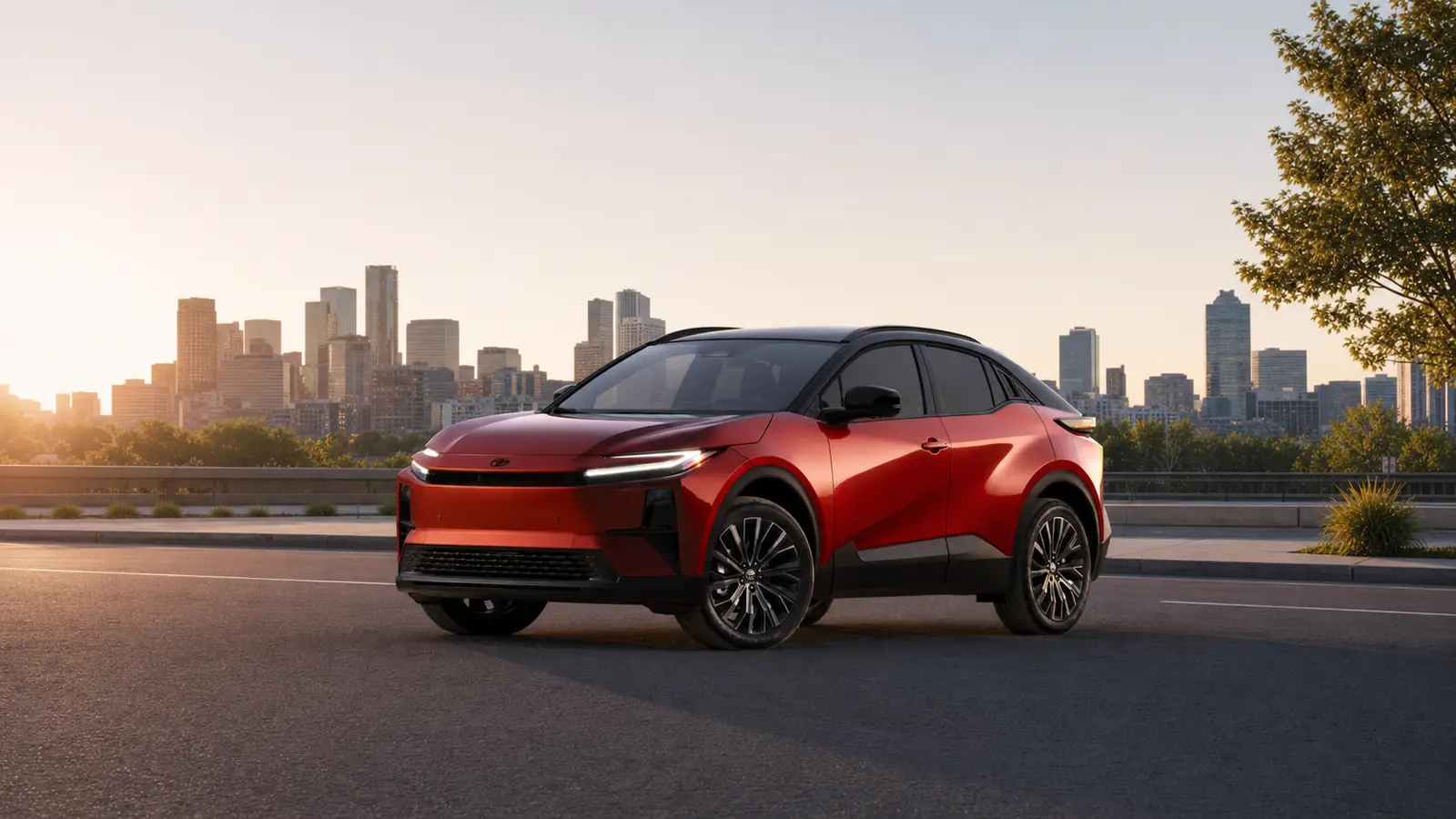
The 2026 Toyota C-HR returns to the United States as a battery-electric compact SUV.
It has dual motors, standard AWD, 338 hp, and a 74.7-kWh battery.
The SE is rated at 287 EPA-estimated miles. This vehicle is mechanically separate from the 2018 to 2022 C-HR, which used a 144-hp gasoline engine, CVT, and front-wheel drive.
The shared name creates a real risk in listings, insurance searches, parts catalogs, and online advice.
A headline about a gas-model transmission cannot be applied to the EV. A 287-mile range claim cannot be applied to an older used car.
Confirm the VIN, model year, fuel type, drive system, and window sticker on every document.
Toyota positions the new C-HR as a sportier alternative within its electric lineup. Its value depends on charging, compact-cabin fit, insurance, tires, and final transaction price against established electric SUVs.
Start every C-HR decision with the model year because the old gasoline crossover and new 338-hp EV share a name but not a powertrain or ownership plan.
SE keeps 14 rated miles and avoids 20-inch tires
Toyota lists 287 miles of EPA-estimated range for SE and 273 miles for XSE. Both use the same 74.7-kWh battery, dual-motor AWD, and 338-hp output.
The difference reflects equipment and wheel choices, including 18-inch wheels on SE and 20-inch wheels on XSE.
| Grade | EPA range | Wheels | Main reason | Ownership caution |
|---|---|---|---|---|
| SE | 287 miles | 18 inches | Range, price, tire sidewall | Fewer premium features |
| XSE | 273 miles | 20 inches | Cabin and convenience equipment | Higher tire cost and 14 fewer miles |
Fourteen miles can matter on the longest repeated winter trip, but it should not be treated as a guaranteed buffer.
Temperature, speed, wind, hills, rain, cabin heat, tire pressure, and battery condition change real distance. Plan around the hardest repeated day with a reserve rather than the best dashboard prediction.
Price one tire and a full set for each grade. Larger wheels can bring less sidewall, more pothole exposure, and higher replacement cost.
Strong acceleration can also wear tires quickly when used often. Get an insurance quote for the exact VIN before assuming the lower starting price controls ownership cost.
SE starts at $37,000 before the handling charge according to Toyota. Compare the final quote with the mainstream vehicle hub, not the advertised base alone.
SE is the sensible C-HR because it travels farther, costs less, and uses the more ownership-friendly 18-inch tire package.
Home charging should cover the ordinary week
The C-HR uses a native NACS charging port. That gives it physical access to compatible home and public equipment, but a connector shape does not guarantee that every station, adapter, payment system, or charging rate will work.
Verify Toyota's current network and software guidance for the exact vehicle.
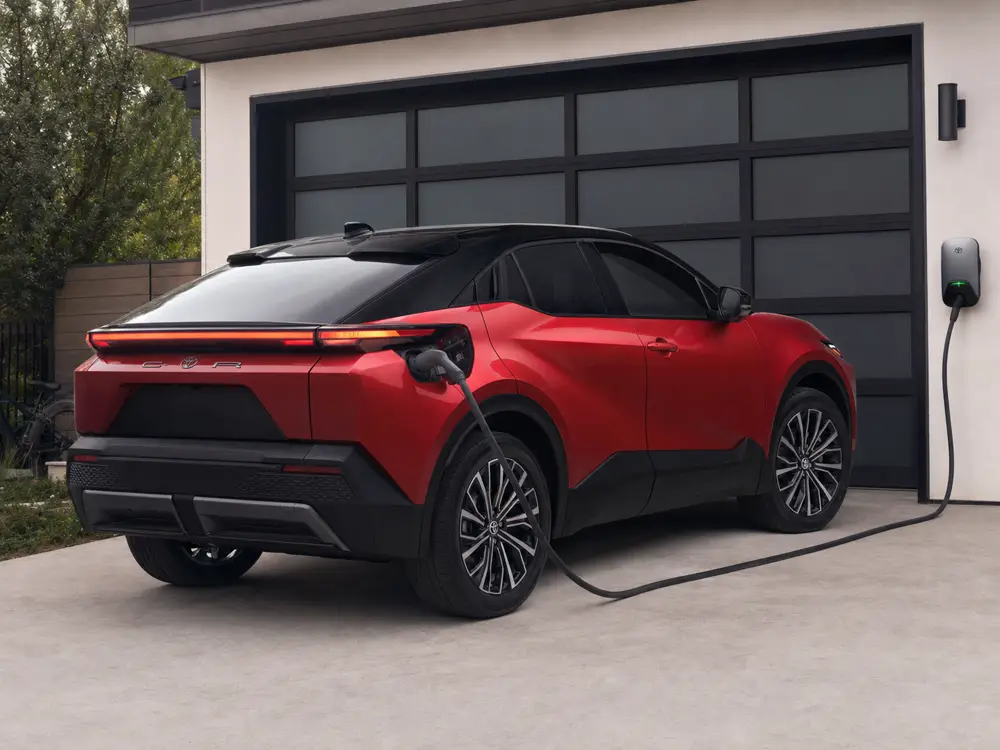
Get a licensed-electrician quote for the parking space before buying. Include panel capacity, circuit length, trenching, permits, equipment, utility rates, and any landlord or association approval.
The car's maximum AC acceptance and the circuit's continuous rating set the real charging speed.
- Confirm where the cable reaches without crossing a walkway
- Keep the connector protected from damage and contamination
- Check whether scheduled charging matches the utility rate
- Price electrical work before signing the vehicle contract
- Keep a public backup near the regular route
- Test the exact charging account and app before a long trip
Street and apartment parking can make a full EV difficult even when public stations are nearby.
A Toyota Prius Prime or Toyota RAV4 Prime provides gasoline backup when home charging is not dependable.
Choose the C-HR after a safe home or work plan proves that routine miles can be restored where the vehicle already parks.
The 30-minute fast-charge claim needs its full conditions
Toyota says the C-HR can charge from 10 to 80 percent in about 30 minutes on a suitable DC fast charger under specified conditions.
That is a controlled benchmark, not a promise for every stop. Battery temperature, starting charge, charger output, site load, weather, software, and the time spent beyond 80 percent can change the result.
A 10-to-80-percent stop adds 70 percent of usable battery, not a complete refill.
Plan the next leg from the amount added and a conservative highway result. High speed can reduce range more quickly than city driving, and cold weather can add both energy use and charging time.
Road-trip charging check
- Connector
- Native NACS
- Published window
- 10 to 80 percent
- Published time
- About 30 minutes under stated conditions
- Trip reserve
- Set before departure
- Backup
- One alternate site for every critical stop
- Arrival check
- Amenities, hours, access, and current status
Before a long trip, enter the route in more than one tool and confirm the stations in the network app.
Read recent status, identify a backup, and avoid arriving with no reserve. Charging beyond 80 percent can slow, so one long stop may take more time than two well-planned sessions.
The EV ownership guide should be paired with the exact Toyota manual. Judge the C-HR by the longest repeated route and realistic charging stops, not by multiplying 287 miles across a map.
338 horsepower makes tire grip and restraint more important
Toyota estimates 0 to 60 mph in 4.9 seconds. Dual motors deliver 338 hp through standard AWD, giving the compact C-HR much stronger acceleration than the old gasoline model.
Quick response can make merging easy, but it can also increase tire wear and surprise a driver on wet or loose pavement.
Use a progressive accelerator input during the first weeks of ownership. AWD can distribute drive force, but it cannot shorten braking distance or create grip from worn tires.
Inspect tread across all four tires, maintain pressure, and follow Toyota's guidance on rotation and replacement matching.
Drive the exact grade over rough pavement and a highway transition. The 20-inch XSE tires may change impact feel, noise, and replacement cost.
Check steering tracking, brake transition, low-speed creep, outward visibility, and whether regenerative settings feel predictable.
The C-HR is a road-focused compact SUV rather than a low-range trail vehicle.
Battery protection, tire type, cooling, bumper shape, and ground clearance set limits.
Compare an AWD vehicle with the same tires and route.
Buy the performance only after its tire bill, insurance quote, ride quality, and wet-road behavior fit the household.
The cabin and 25.3-cubic-foot cargo area define daily fit
Toyota lists 25.3 cubic feet of cargo room behind the rear seat and 59.5 cubic feet with it folded.
The sloping roof and sporty body can still make the opening and rear headroom feel tighter than a boxier SUV.
A buyer should test people and cargo together rather than folding seats to reach the maximum number.
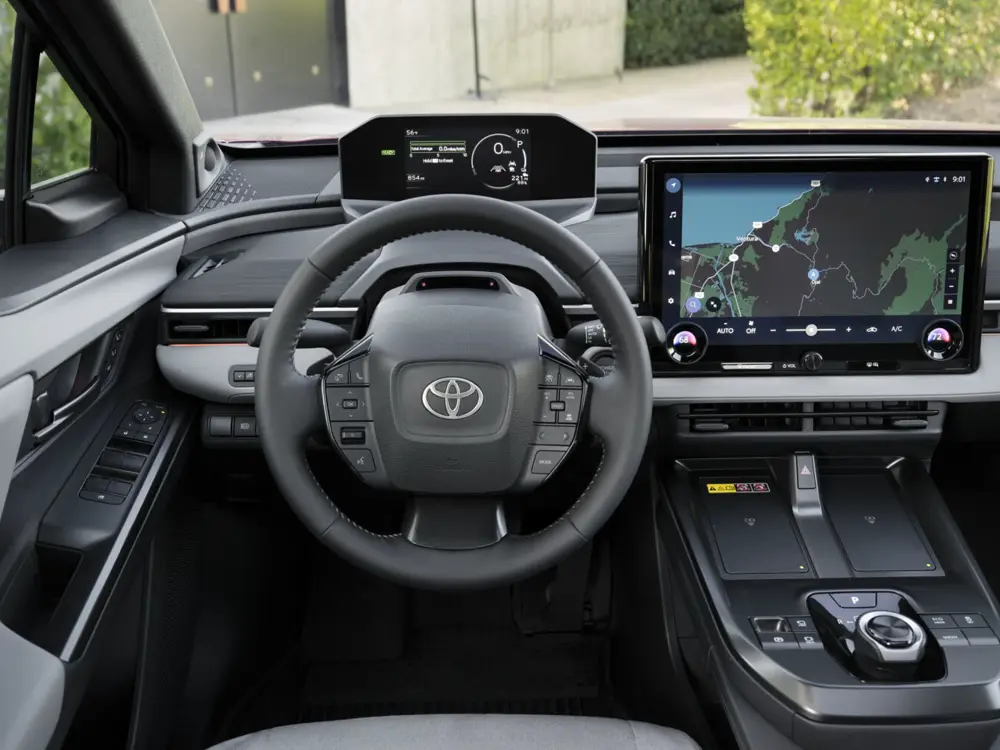
Set the front seats for the regular drivers. Place the tallest adult behind them and check entry, head clearance, knee room, foot space, belt fit, vents, and view.
Install every child restraint according to Toyota and seat-maker instructions.
Confirm rear-facing clearance and top-tether access.
Load the stroller, mobility device, pet crate, luggage, work cases, or sports gear used every week.
Close the hatch without pressing the load against the glass.
Keep the portable charging cable and emergency kit accessible.
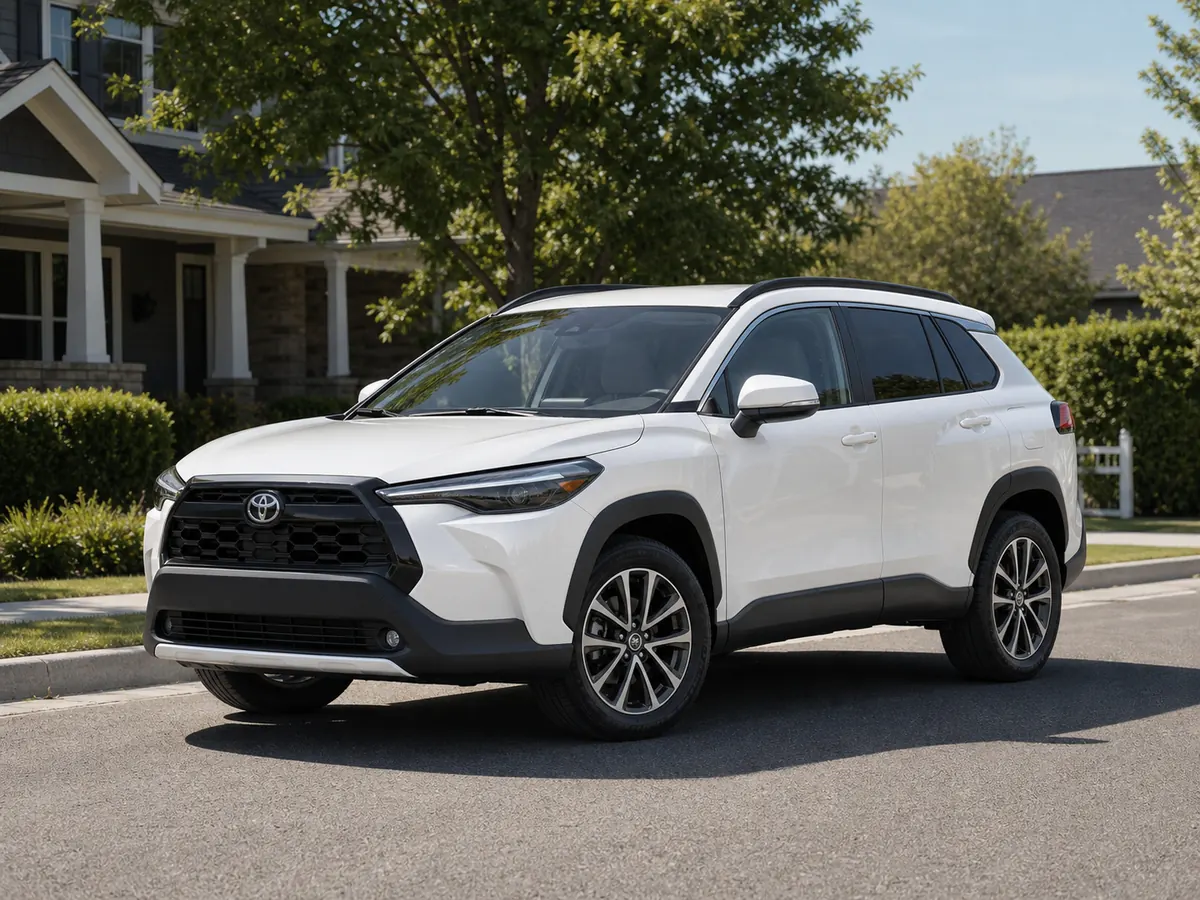
A Toyota Corolla Cross offers gasoline and hybrid choices in a familiar body.
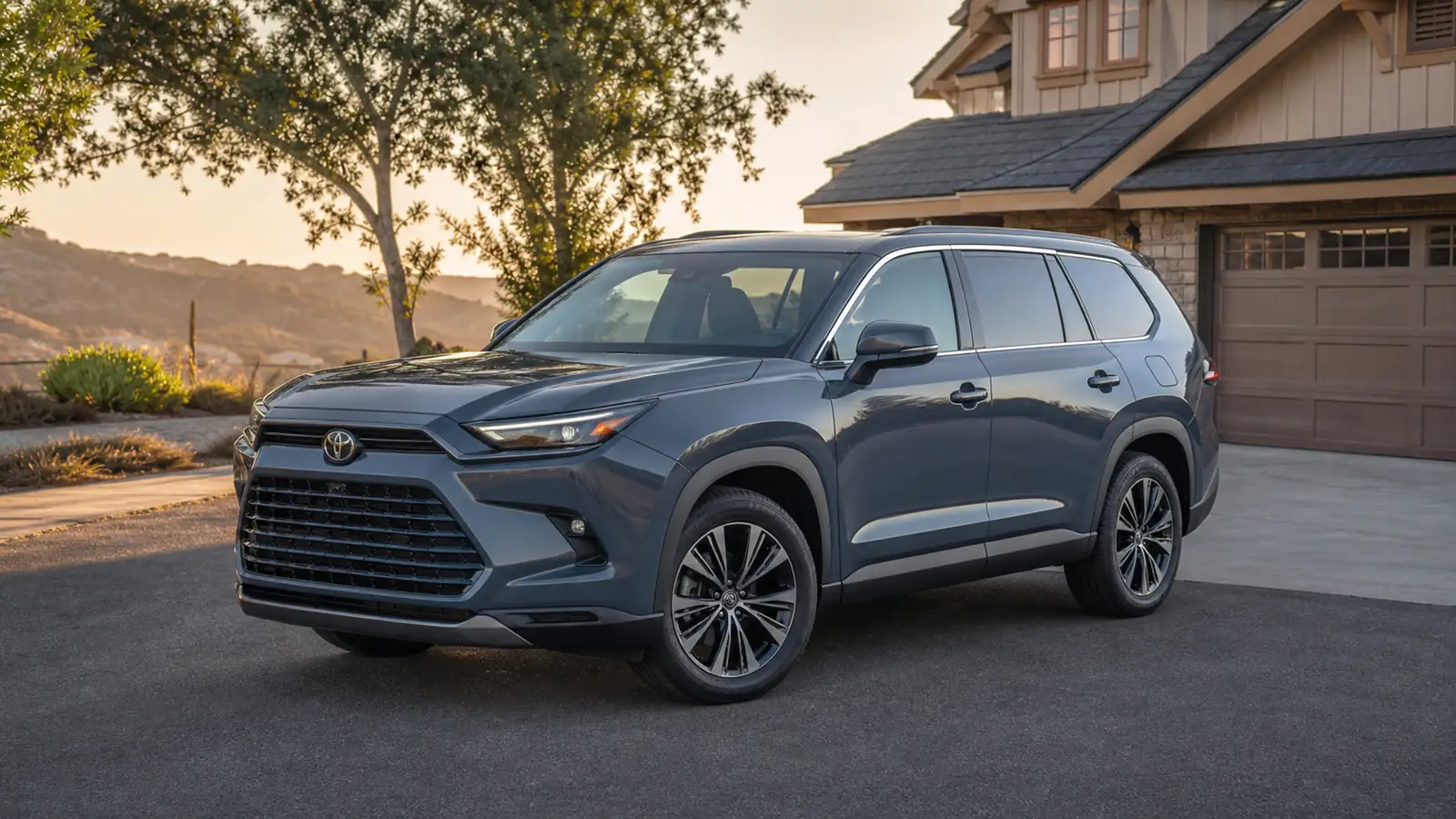
A Toyota Venza is larger and more comfort-focused.
The five-seat hub shows the wider size range.
The C-HR fits daily life only when its rear roof, doors, cargo opening, and charging-cable storage work with the household's actual people and objects.
The IIHS page uses related Toyota EV evidence, so read the method
IIHS publishes a 2026 C-HR rating page and explains when results apply across related vehicles.
The page groups the C-HR with Toyota bZ and Woodland models for specified evaluations. That can provide useful evidence when structure and equipment meet IIHS criteria, but buyers should read the applicability notes rather than assume every result came from a separately crashed C-HR.
Toyota equips the new C-HR with its driver-assistance suite, cameras, and sensors.
The exact feature list and operating limits belong in the owner's manual. Assistance supports the driver and can be affected by dirt, rain, glare, lane markings, tire condition, windshield replacement, collision repair, or incorrect calibration.
Inspect belts, anchors, airbags, lamps, tires, glass, cameras, radar areas, structural seams, and body-repair invoices.
Ask for calibration records after windshield, bumper, suspension, or collision work.
Test warnings and controls without provoking an emergency action.
New campaigns can appear after launch. Search the exact VIN at Toyota and NHTSA on purchase day and again before major trips.
Safety research for the new C-HR is useful only when the test-applicability notes and the condition of the exact vehicle remain visible.
New-model reliability cannot be replaced by old C-HR complaint counts
The 2026 electric C-HR is new to the United States. It does not yet have years of owner, repair, and component data.
Toyota's experience with related EV hardware provides context, but it cannot establish long-term reliability for a model that has just entered service.
Do not import complaints from the 2018 to 2022 gasoline C-HR. That vehicle's engine, CVT, fuel system, drivetrain, and maintenance needs are different.
A complaint database search must use the correct model year and powertrain, then be checked against manufacturer bulletins and NHTSA records.
- Verify warranty start, VIN campaigns, software, and service history
- Test AC and DC charging when access allows
- Scan high-voltage, thermal, charging, brake, and body modules
- Check the 12-volt battery and warning history
- Inspect tires, wheels, alignment, brakes, and underbody battery protection
- Test heat, air conditioning, cameras, screens, locks, and driver aids
- Review glass, paint, seams, and calibration invoices
Battery degradation cannot be judged from one displayed range number because temperature, recent driving, climate use, and charge level shape the estimate.
Ask Toyota what diagnostic information is available for the exact vehicle.
Until long-term evidence exists, buy the new C-HR on warranty, documented diagnostics, charging proof, and condition rather than an assumed Toyota reliability score.
Winter changes range, charging, tires, and cabin energy at once
Cold weather can reduce EV range because battery chemistry, cabin heat, rolling resistance, wind, precipitation, and winter tires all add demand.
A 287-mile rating from a standardized test should not be used as a winter-trip guarantee.
The correct question is whether the coldest repeated day fits with a reserve and available charging.
Precondition the cabin while connected when Toyota's controls allow it.
That can use grid power for some initial heating. Keep tires at the door-label pressure, remove unnecessary roof equipment, and slow down when conditions require it.
A heat pump can reduce some heating demand, but it does not eliminate the winter effect.
| Input | Conservative action |
|---|---|
| Temperature | Use the coldest repeated condition |
| Highway speed | Model the actual fast segment |
| Headwind or snow | Add reserve |
| Cabin heat | Precondition while connected |
| Destination | Confirm charging access and hours |
| Backup | Identify a reachable alternate |
| Tires | Price a suitable four-tire set |
AWD helps the car apply drive force, while winter tires provide the contact with the road.
Stopping and cornering still depend on grip. Price compatible tires and wheels before choosing XSE's 20-inch setup.
Drivers facing remote winter travel may prefer a plug-in hybrid until charging coverage improves. Choose the C-HR for winter only after the coldest regular route, cabin heat, tires, and charging backup fit inside a conservative range plan.
Ownership cost includes electrical work and EV-specific insurance
Electricity can cost less per mile than gasoline, especially at a favorable overnight home rate. That operating advantage must be balanced against the transaction price, charging installation, insurance, registration, tire wear, public charging, finance cost, and uncertain early depreciation.
| Cost | What to verify |
|---|---|
| Purchase | Final price, fees, dealer products, incentives |
| Home charging | Panel, circuit, permit, equipment |
| Electricity | Delivered home rate and public rate |
| Insurance | Exact VIN and matching limits |
| Registration | State EV fees where applicable |
| Tires | 18- or 20-inch full-set quote |
| Maintenance | Tires, filters, brakes, coolant inspections |
| Repairs | Deductible and post-warranty reserve |
| Resale | Conservative estimate for a new nameplate |
Do not assume a tax credit applies. Vehicle assembly rules, income limits, price caps, lease treatment, state programs, and funding can change.
Confirm the exact transaction with current official guidance and written dealer terms.
Compare the same five years with a Toyota Prius Prime, Toyota RAV4 Prime, and a hybrid SUV.
Include gasoline, electricity, charging work, insurance, and resale in every column.
The C-HR saves money only when lower energy and maintenance costs exceed its charging, insurance, tire, financing, and depreciation exposure.
Choose SE when charging and compact-SUV fit are already solved
The new C-HR combines 338-hp AWD performance, up to 287 miles of range, native NACS charging, and compact dimensions.
It also begins a new reliability history, carries a sporty roofline, and loses range on XSE's larger wheels.
The name's earlier gasoline history can confuse shopping.
Pros
- 287-mile SE EPA estimate
- Standard dual-motor AWD and 338 hp
- Native NACS charging port
- Useful 59.5-cubic-foot maximum cargo figure
Cons
- New-model reliability evidence is limited
- XSE loses 14 rated miles
- Public charging speed depends on conditions
- Same name as an unrelated older gas model
Use the Toyota brand hub, electric hub, SUV hub, and AWD hub to compare the same body and use.
Buy the 2026 C-HR SE when home charging, conservative trip range, rear-seat fit, and cargo shape are already solved, and keep every old gas-model claim out of the decision.