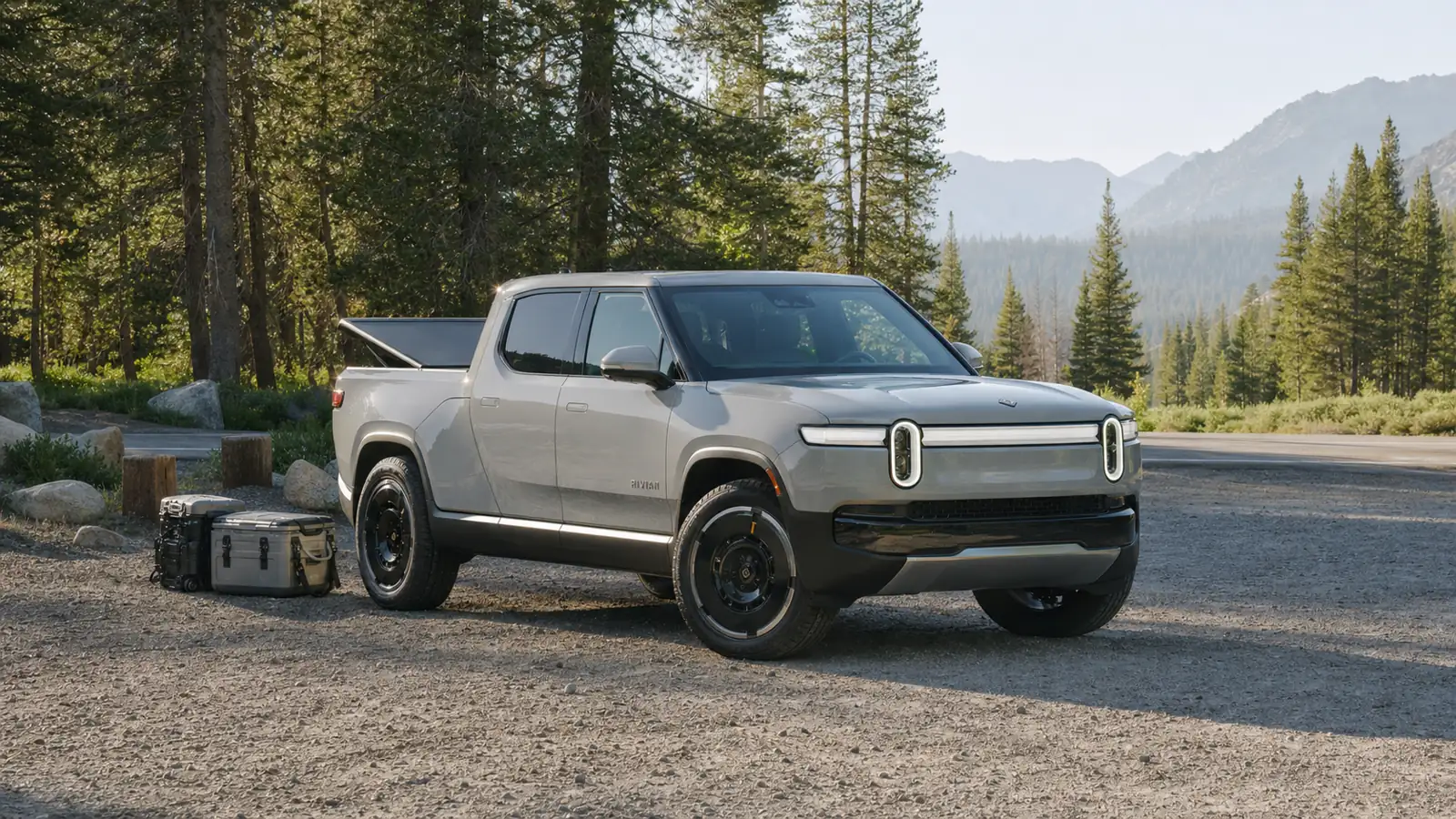
Dual, Tri, and Quad R1T models serve different owners
The Rivian R1T becomes difficult to value when acceleration is treated as the main hierarchy. Current Dual, Tri, and Quad configurations also change battery, EPA range, towing, payload, wheels, hardware, and price.
A buyer who chooses by the largest horsepower number can pay more while reducing the range or load margin needed every week.
| Version | Published range | Output | Maximum towing | Best use |
|---|---|---|---|---|
| Dual Large | 329 miles | 533 hp | 7,700 lb | Daily driving and lighter towing |
| Dual Max | Up to 420 miles | Up to 665 hp | Verify configuration | Long regional trips |
| Tri Max | 371 miles | 850 hp | 11,000 lb | Fast road and trail use |
| Quad Max | 374 miles | 1,025 hp | 11,000 lb | Maximum performance |
Rivian changes configurations over time, so match the order sheet or VIN to the current comparison tool.
Do not transfer the specification from one wheel, battery, or motor setup to another.
Payload also falls as heavier or more complex equipment is added.
Dual Motor is already quick enough for normal passing and trail access. Tri adds a stronger performance case without going all the way to Quad.
Quad is a specialty purchase whose acceleration and hardware need a safe place to be used.
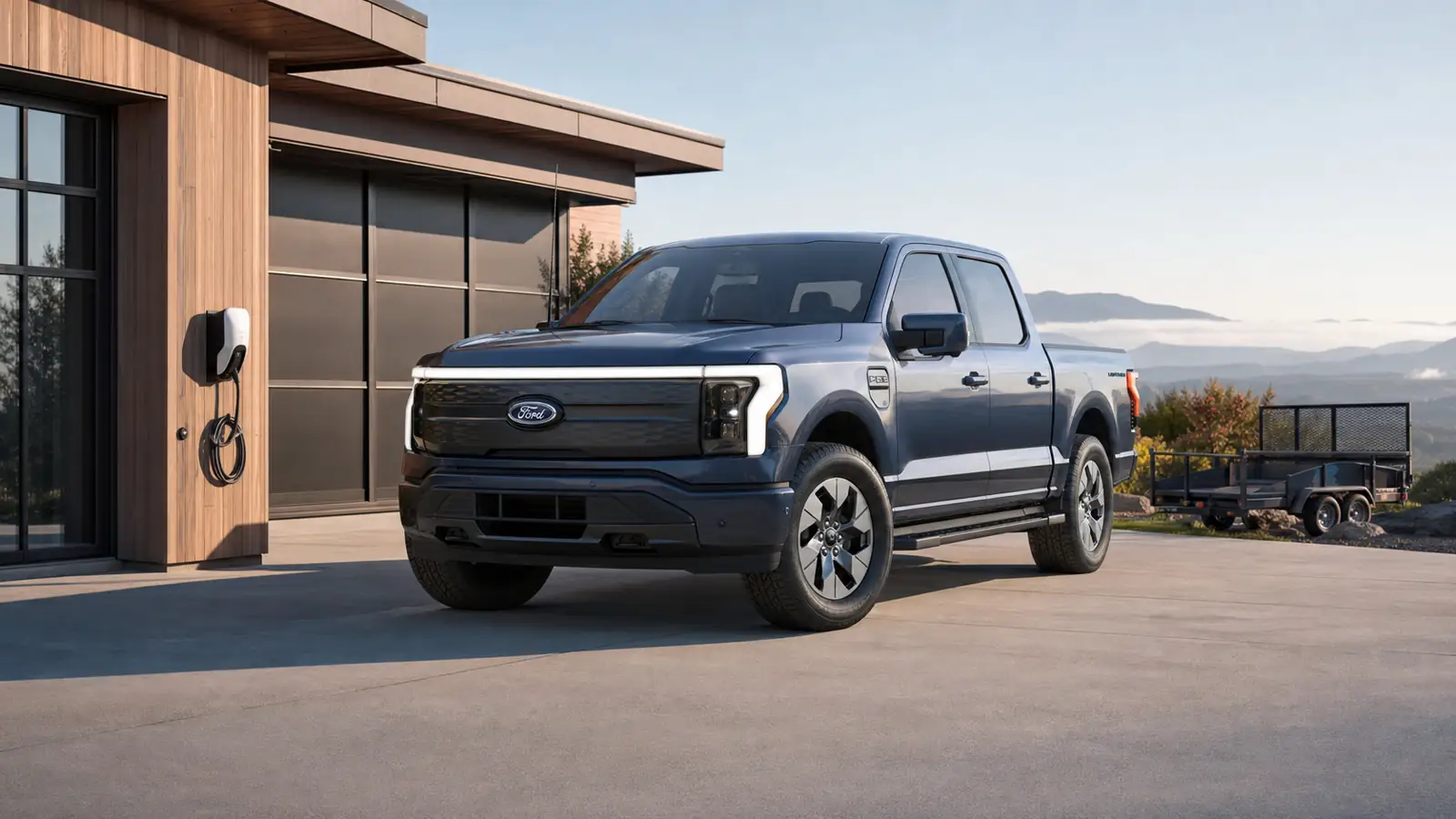
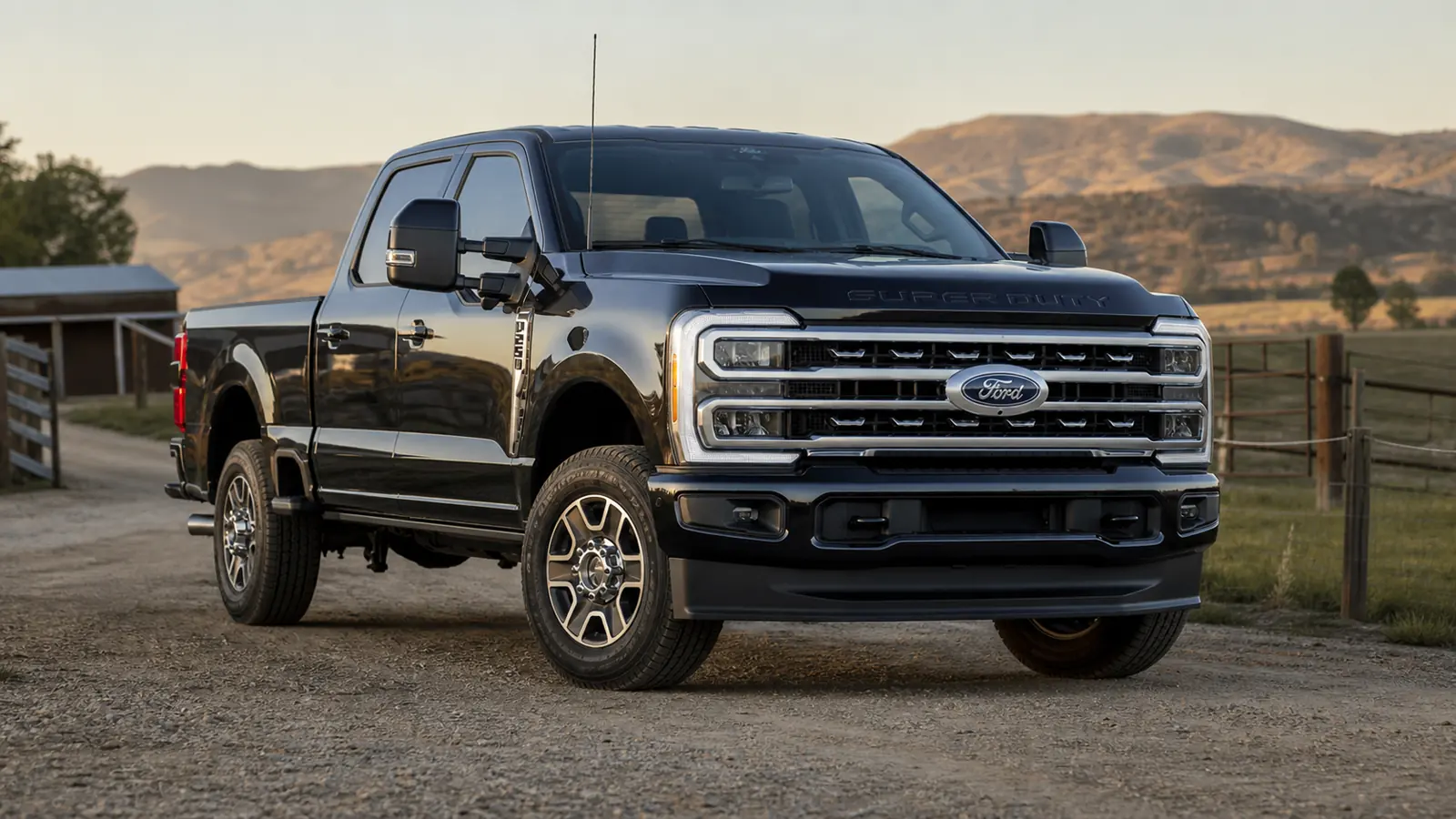
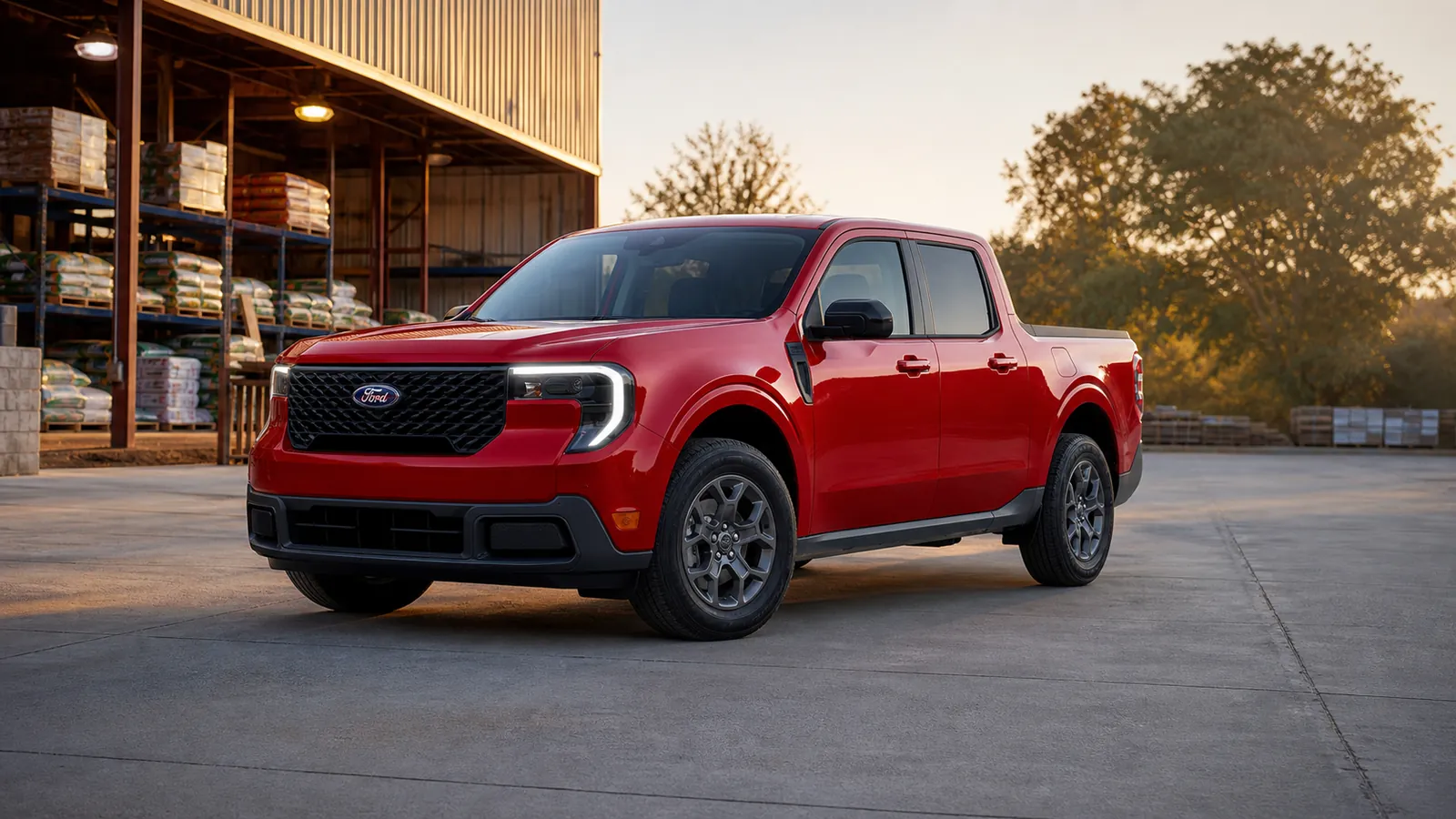
Compare the R1T with the more conventional Ford F-150 Lightning and the broader electric vehicle group. Dual Motor is the rational default because it protects range and budget while retaining the R1T's useful layout.
The R1T feels smaller than a full-size truck but remains heavy
R1T's footprint is easier to place than a full-size crew-cab pickup, and its low battery position helps it feel composed on pavement.
It is still a heavy vehicle with wide bodywork, expensive wheels, and strong acceleration. Parking ease and responsive steering should not be mistaken for compact-car weight or stopping distance.
Set the driver seat, then test the rear seat with the people or child restraints that will use it.
Check the thick roof pillars, front corners, camera views, turning space, and garage clearance. Repeat parking with dirty or wet cameras in mind because a screen cannot replace direct visibility.
Air suspension changes height and response across modes. Drive the exact truck over patched pavement, freeway joints, a steep driveway, and a tight parking ramp.
Listen for suspension noise and confirm the truck reaches commanded heights without a warning or visible lean.
Aggressive all-terrain tires may add noise and reduce range compared with road-focused options.
- Measure the garage with the charge connector in place
- Test rear-seat entry with the actual child seat
- Drive both smooth and broken pavement
- Check every height and drive mode on suitable ground
- Price the fitted tire before choosing the wheel
A five-seat SUV may carry family cargo more cleanly when an open bed is rarely needed. Vehicles in the luxury-price group also show why purchase price alone does not predict tire, repair, or insurance cost.
R1T works as a daily driver when its width, tire cost, ride mode, and service needs fit the ordinary week.
The Gear Tunnel and front trunk are more useful than headline speed
Rivian places an 11.7-cubic-foot Gear Tunnel behind the cab and a weather-protected front trunk ahead of it.
Those compartments separate muddy boots, recovery equipment, tools, charging cables, or groceries from passengers. The short bed then remains available for bulky items rather than becoming the only secure storage area.
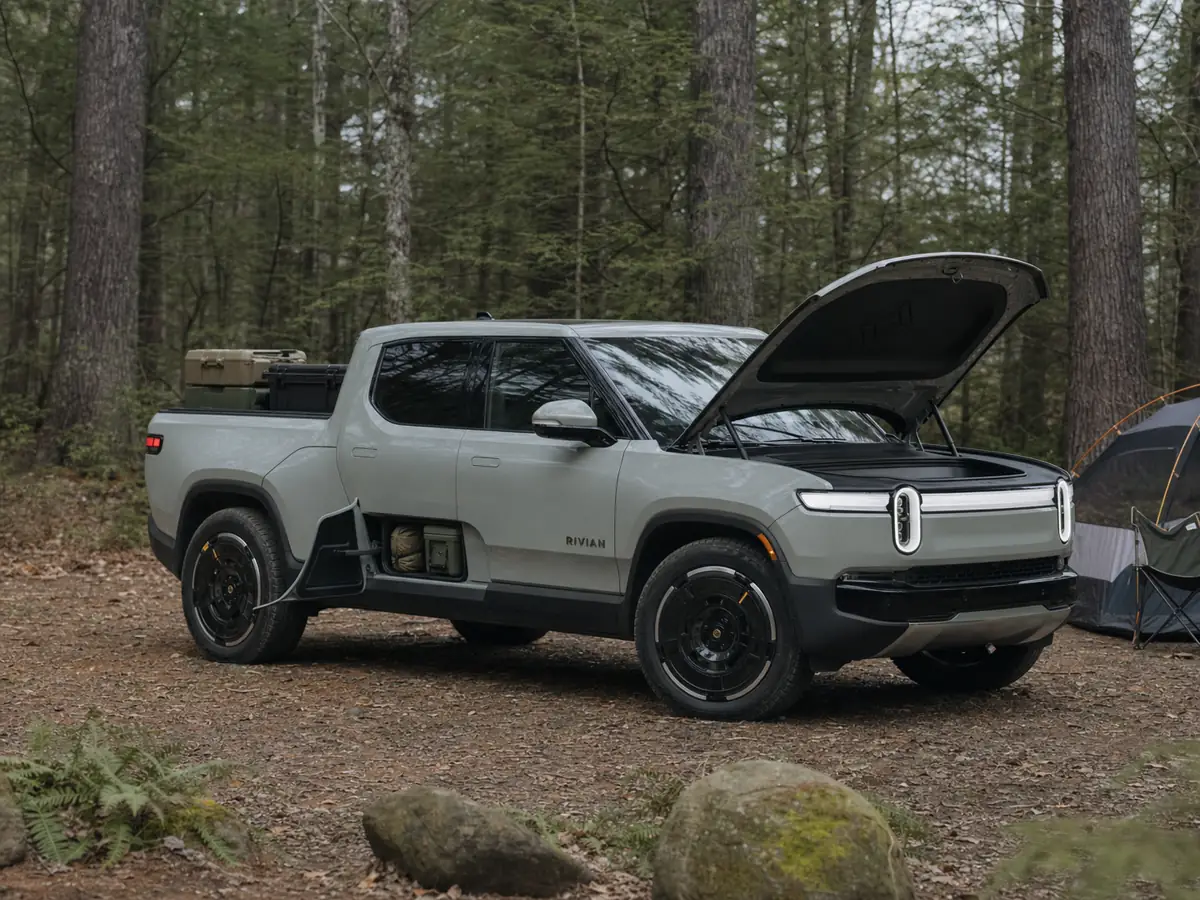
Load the equipment actually carried. A long tool case may fit the Gear Tunnel but become awkward when another vehicle parks close to the door.
The front trunk has a different opening shape from a normal cargo floor. The bed, powered tonneau where fitted, tie-downs, and tailgate deserve a complete test with the rack, bike, cooler, or camping bins involved.
A powered tonneau that binds, moves unevenly, or reports a fault needs diagnosis. Ask which tonneau generation is installed, what work was completed, and whether parts and labor remain covered.
Water resistance should be checked without assuming any compartment is suitable for unprotected electronics in every storm.
The pickup truck hub helps compare bed and cabin tradeoffs. A Rivian R1S is the related choice when enclosed third-row cargo matters more than a bed.
R1T earns its adventure claim through useful separated storage, not through acceleration alone.
Off-road hardware needs the correct tires and recovery plan
R1T can raise its air suspension, distribute electric torque quickly, and use cameras to help place wheels.
Those systems make difficult routes easier, but the tire still provides the contact patch.
A road-focused tire protects range and noise. An all-terrain tire adds sidewall and loose-surface ability while increasing cost, weight, and consumption.
R1T trail setup
- Tire
- Surface, load rating, and repair plan
- Ride height
- Clearance needed for the obstacle
- Battery reserve
- Exit route plus charger margin
- Recovery
- Rated points and compatible equipment
- Protection
- Underbody and wheel inspection after use
Plan the return trip before entering remote terrain. Battery use can rise on steep climbs, loose surfaces, low temperatures, and repeated high-power operation.
Mobile service may not reach the trail, and a heavy EV requires recovery equipment and operators rated for its mass.
Do not attach a strap to an unapproved suspension or body point.
After a difficult route, inspect the underbody panels, wheels, tire sidewalls, alignment, suspension, and cooling openings.
A small steering change or new vibration deserves attention before highway speed. Used buyers should ask where the truck traveled and compare that answer with skid marks, wheel rash, tire dates, and service records.
The AWD vehicle hub includes vehicles with very different clearance and tire capability. Choose tires for the hardest repeated surface, then accept their range, noise, and replacement tradeoffs before buying.
An 11,000-pound tow rating does not guarantee a good EV tow trip
Rivian's owner guidance lists up to 11,000 pounds for properly equipped R1T configurations with the required hitch setup.
Some Dual versions are rated at 7,700 pounds. The exact rating, weight-distributing requirements, receiver limit, trailer brakes, tires, and door-label payload must be verified for the truck in front of you.
A loaded trailer uses payload through tongue weight. Passengers, Gear Tunnel cargo, bed cargo, racks, accessories, and hitch equipment use the same allowance.
Rivian instructs owners to keep the loaded vehicle within the certification-label limits.
Weigh the combination rather than estimating each bin after the trip begins.
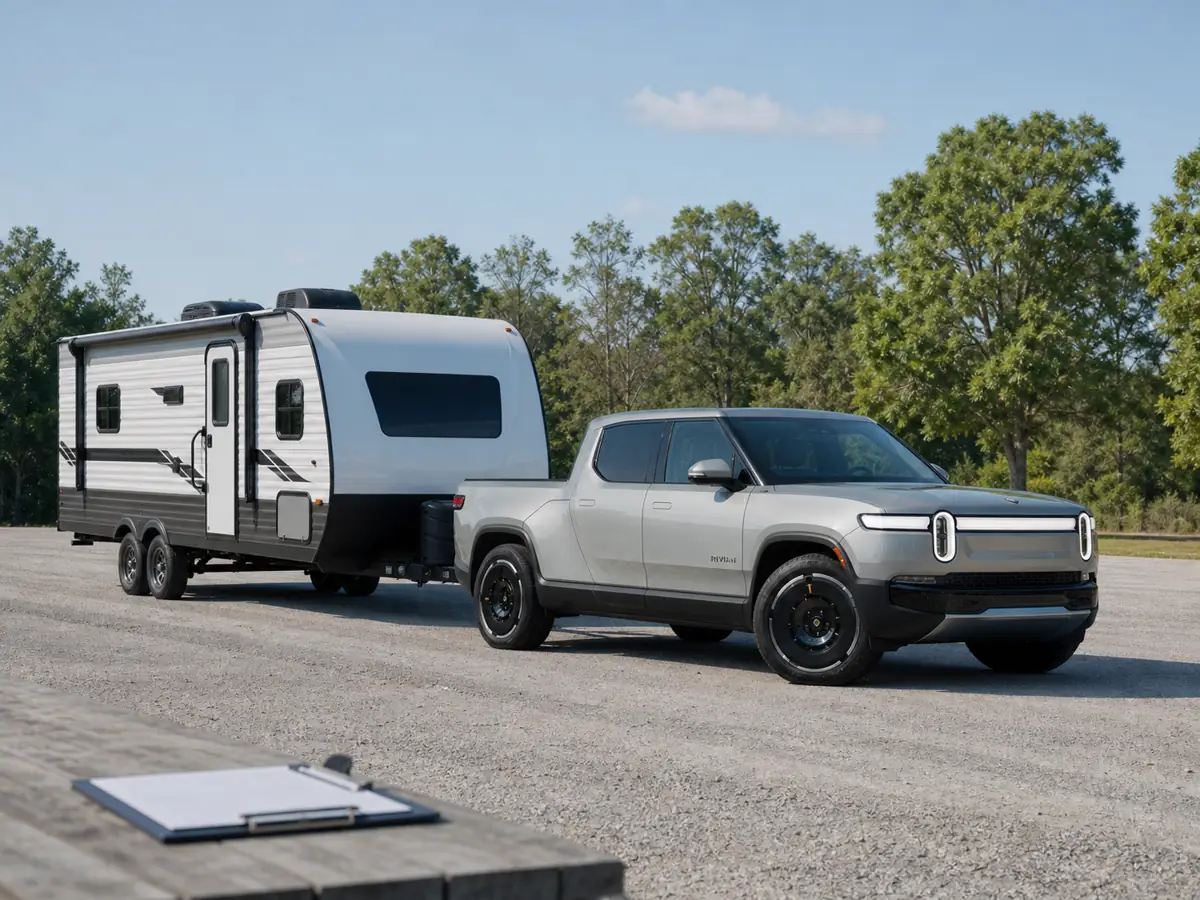
Trailer aerodynamics can reduce range sharply. Build the plan from an actual loaded test at the intended speed and temperature, then locate charging spaces that can accept the combination.
Unhitching at each stop may turn a possible trip into an impractical one.
- Verify the tow rating for the exact configuration
- Read the door label before adding people and gear
- Weigh the loaded truck and trailer
- Test the brake controller and lights
- Map trailer-friendly charging and a backup stop
Compare with a Toyota Tundra when long-distance towing dominates. R1T can pull a heavy trailer, but range and charging geometry decide whether it should.
Charging access matters more than the largest battery
Home charging covers the normal week for many owners, while public fast charging supports travel. The largest battery adds range but also adds purchase price and takes more energy to refill.
Calculate the longest normal day, overnight parking window, utility rate, charger installation, and the public network along the exact route.
Rivian Adventure Network access and broader connector options are evolving, so verify the hardware, adapter, account, and network rules for the vehicle at purchase time.
A map pin does not prove that a charger is open, compatible, trailer-friendly, or capable of its advertised power.
Recent check-ins and a backup site reduce risk.
| Trip | Primary method | Evidence needed |
|---|---|---|
| Daily commute | Home Level 2 | Electrical quote and refill time |
| Regional day | Home plus destination | Parking permission and output |
| Highway trip | DC fast charging | Compatible connector and backup |
| Trailer trip | DC fast charging | Pull-through access or unhitch plan |
| Remote trail | Start full plus reserve | Exit distance and weather margin |
Battery temperature, starting state of charge, charger sharing, weather, and station limits affect speed. Use the charging curve and arrival percentage in the navigation plan, but keep enough energy to reach an alternate site.
A Kia EV6 takes a lower, road-focused approach to fast charging. The R1T uses more energy because it is a larger, heavier truck.
Buy the battery that closes a real route gap, not the one that simply produces the largest number.
Gen 1 and Gen 2 require different used-car questions
Rivian calls the 2025 update its second generation even though the basic body remains familiar.
Gen 2 revised the electrical architecture, sensors, computers, drive systems, and available batteries. A used 2022 to 2024 Gen 1 truck can cost less and retain the core storage and chassis strengths, but its exact options and repair history need to be documented.
Do not assume a software screen reveals every hardware difference. Obtain the original configuration, service history, warranty dates, recall status, accident records, and invoices for tonneau, suspension, alignment, low-voltage, or drive-unit work.
Confirm which driver-assistance hardware is present and what features Rivian currently supports on that vehicle.
Start the truck cold when possible. Test every key and app function, all ride heights, cameras, sensors, windows, locks, tonneau, outlets, heat, air conditioning, AC charging, and DC charging.
Scan for warnings after a long drive rather than clearing a message and repeating a short loop.
- 2022First customer R1T deliveries establish Gen 1
- 2022 to 2024Gen 1 hardware with evolving software and options
- 2025Gen 2 electrical, sensor, and drive-system revisions
- 2025 onwardCurrent configurations continue to change
The new versus used guide covers title, seller, and inspection evidence. A lower Gen 1 price is attractive only when warranty, condition, equipment, and service access remain clear.
Safety evidence and recalls must match the VIN
IIHS named the redesigned 2025 and 2026 R1T a Top Safety Pick. The 2025 truck earned Good results in the small-overlap front and updated side tests, an Acceptable result in the updated moderate-overlap test, Good pedestrian crash prevention, and Good LATCH ease of use.
These results apply to the tested design and do not replace a repair inspection.
NHTSA campaign 25V585 covers certain 2025 R1T and R1S vehicles whose highway-assistance software could fail to identify the lead vehicle correctly.
Rivian supplied the remedy by over-the-air software update. Campaign 25V370 covers certain 2022 to 2025 R1T and R1S vehicles for a seat-belt D-ring bolt that may be improperly tightened.
The remedy is an inspection and replacement when needed.
- Enter the full VIN in the NHTSA and Rivian tools
- Match each campaign with a completed remedy record
- Test belt latches, reminders, cameras, and warnings
- Inspect body structure after any collision
- Confirm sensor calibration after glass or body work
The source methodology separates manufacturer specifications, government recalls, crash tests, and inspection findings. Use the VIN and completed repair evidence because model-wide recall summaries cannot prove the individual truck is ready.
Service distance can turn a small fault into a large inconvenience
Rivian uses service centers, mobile service, remote diagnosis, and software updates, but coverage and appointment distance vary by location. Before buying, enter the home address, identify the nearest center, ask which repairs mobile service can perform, and estimate transport time when the truck cannot be driven.
A service center several hours away may be acceptable for scheduled work and unacceptable for a family with one vehicle.
Ask an insurer how towing is handled and whether a preferred collision shop can work on Rivian aluminum and high-voltage systems.
Body parts, glass calibration, and sensor work may follow a different timeline from routine tire service.
Tires deserve a local plan. Find a shop that can lift the truck correctly, source the fitted size and load rating, perform alignment, and reset the relevant systems.
Rotate according to current guidance and investigate rapid inner-edge wear rather than buying another expensive set without correcting alignment.
Local support check
- Rivian service
- Distance, appointment lead, mobile scope
- Collision repair
- Qualified shop and calibration ability
- Tire support
- Lift method, size availability, alignment
- Towing
- Coverage limit and destination rules
- Backup transport
- Real cost during longer repairs
The Rivian brand hub will grow as more models enter the market, but local support still varies. Confirm the service route before purchase because the same fault costs more time when the nearest qualified help is far away.
The R1T purchase should start with a cost and use audit
Build the five-year estimate from the exact configuration. Include purchase price, tax, total finance interest, insurance, registration, home charging, public electricity, tires, alignment, accessories, service travel, and depreciation.
Then value the Gear Tunnel, bed, trail hardware, and performance only when they replace another expense or enable a repeated activity.
Large wheels and performance tires can change the calculation quickly. Price one complete set and ask how seasonal tires will be stored.
Quote insurance before leaving a deposit because body value, acceleration, location, and repair access can produce a premium that overwhelms electricity savings.
Compare the payment and total paid with the lease versus buy framework. A Volkswagen ID.4 or other crossover can cover family EV use for much less when the bed and trail ability are unnecessary.
A Tesla Cybertruck is another electric pickup, but its packaging, service, and body-repair questions require a separate inspection plan.
Drive the weekly route, load the regular gear, test charging, and visit the intended service location before deciding. Dual Motor on a range-friendly wheel is the strongest R1T choice because it preserves the truck's useful strengths without paying for performance most owners cannot use.