Two-row Laredo and Limited are the rational starting points
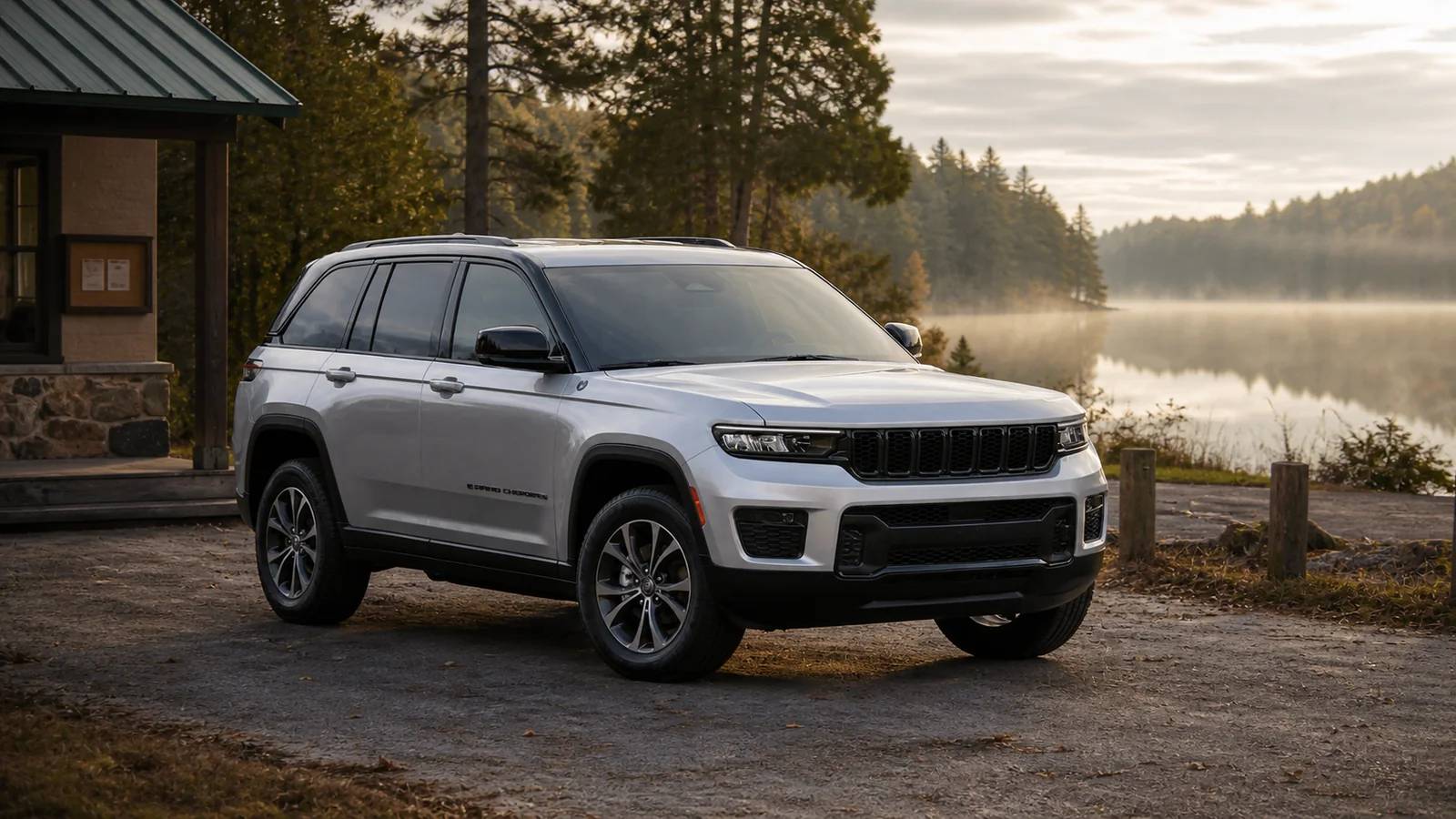
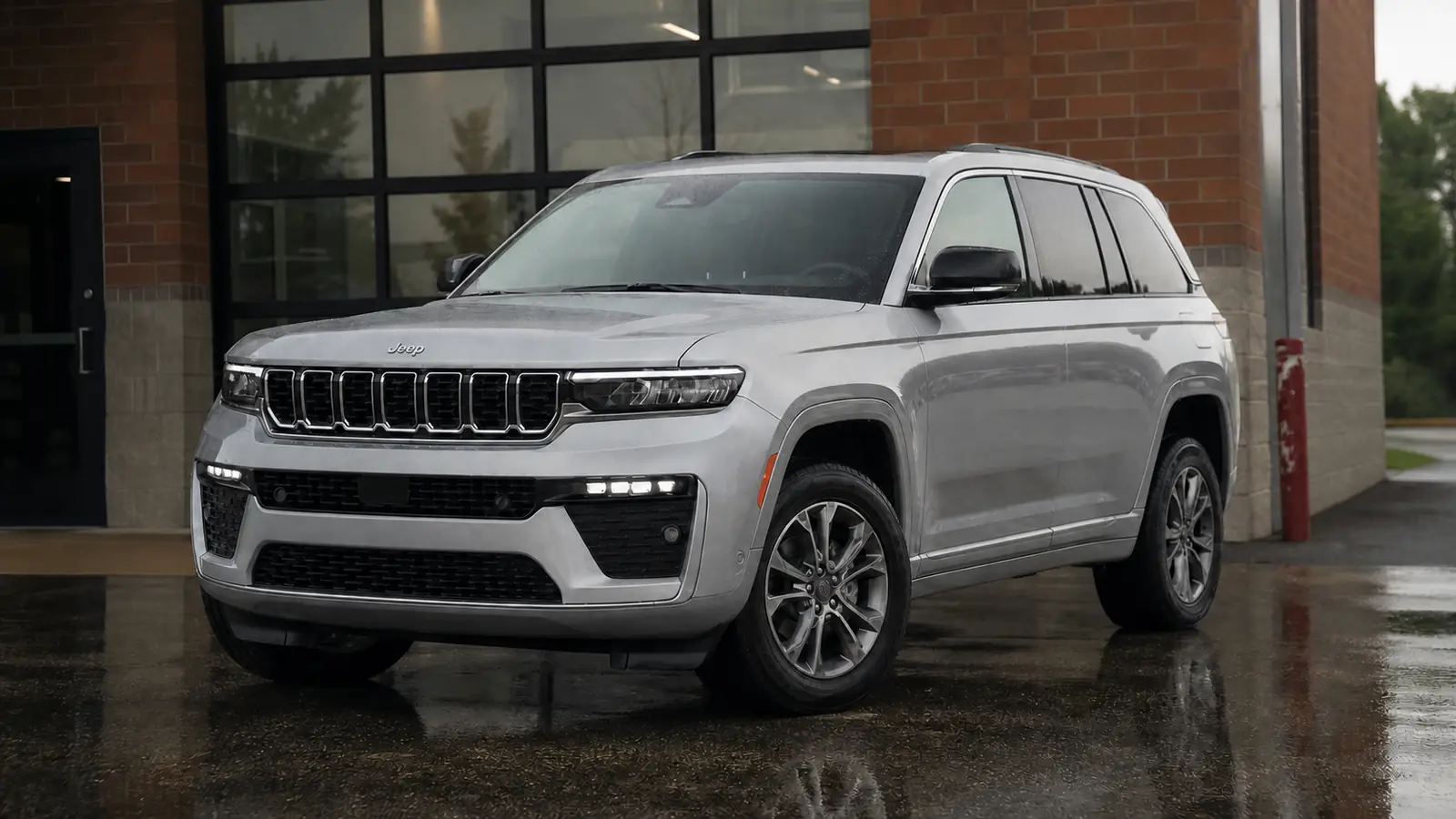
The 2026 Jeep Grand Cherokee starts at $38,920 for a two-row Laredo and reaches $60,600 for Summit before destination. A refreshed exterior, new 324 hp turbo engine, and 12.3-inch center screen update the vehicle, but body length and equipment still decide whether it is a sound buy.
Start with the two-row Laredo when price and basic comfort lead. Limited adds the cabin equipment many owners use without reaching Summit's luxury exposure.
Choose Grand Cherokee L only when a third row is used often enough to justify its longer body.
The Grand Cherokee sits between road crossovers and truck-based SUVs in the premium price tier.
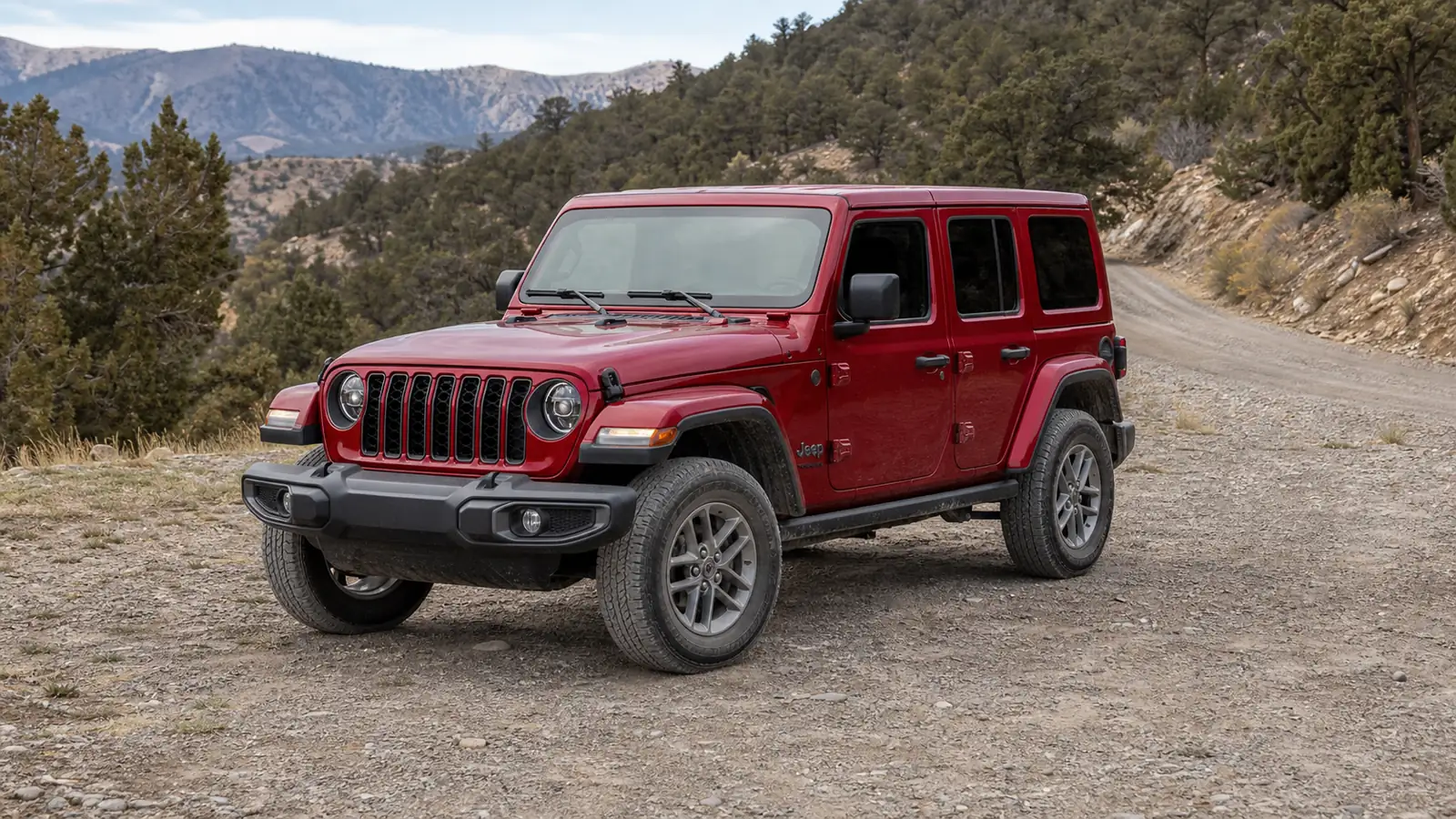
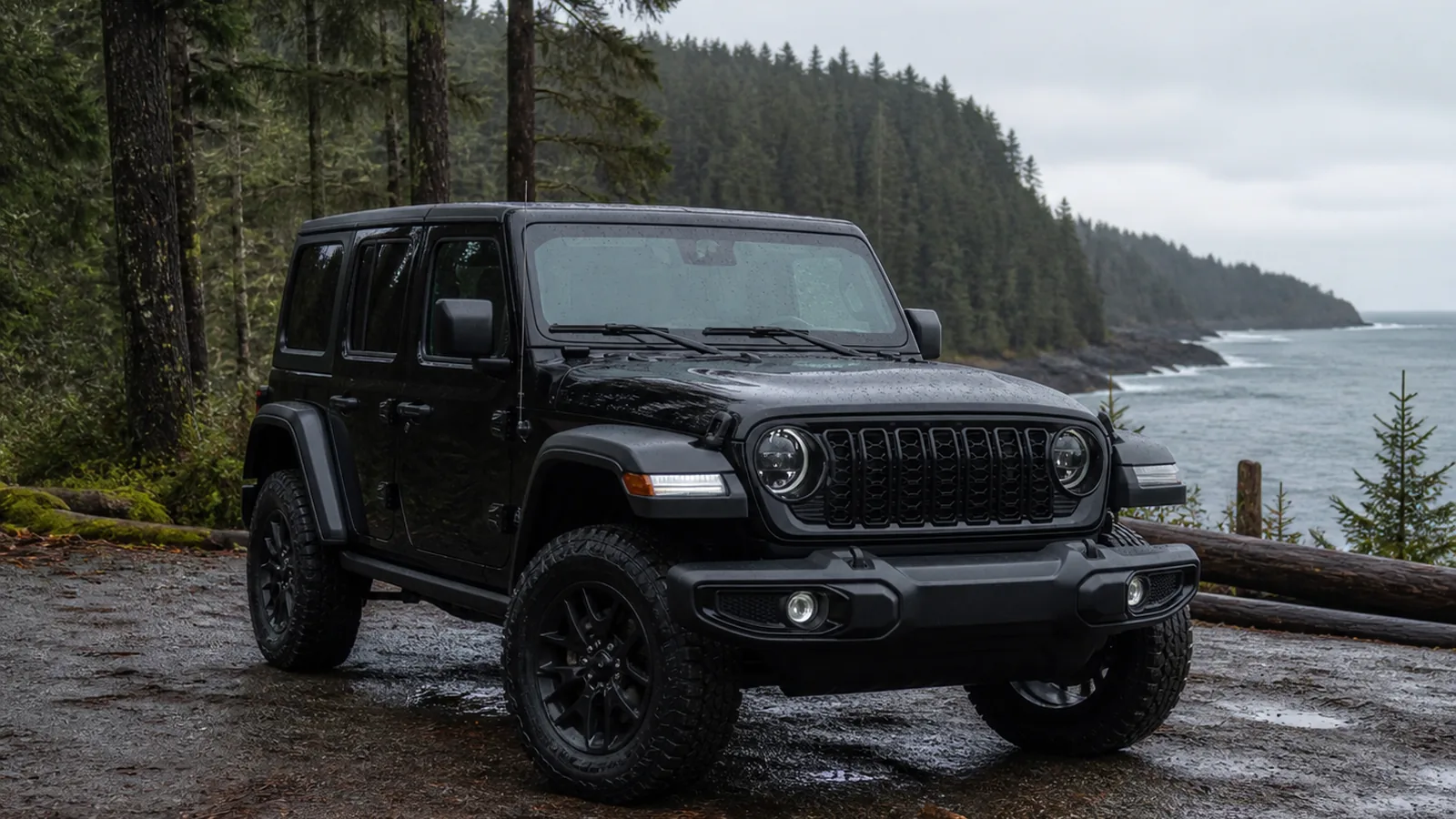
The Jeep Wrangler gives up road calm for more trail ability. It rides more calmly than a Toyota 4Runner while offering 4WD systems and up to 6,200 pounds of towing when properly equipped.
- Choose two-row Laredo for the lowest complexity and price
- Choose two-row Limited for comfort without Summit cost
- Choose Grand Cherokee L for a regularly used third row
- Choose Summit for luxury, not better value
A discounted upper trim can look attractive, but a large rebate may reflect depreciation rather than free equipment.
Compare total amount financed and expected resale.
Buy the simplest Grand Cherokee that provides the body length, 4WD, and cabin equipment you will use.
The new Hurricane engine resets the 2026 test drive
The purchase date changes the risk balance because a new 2026 vehicle carries full factory coverage while the engine develops a field record.
Confirm the in-service date, basic warranty end, powertrain coverage, roadside terms, and whether any complimentary maintenance transfers.
A dealer loaner or demo can have months of warranty already used even with low mileage. Compare a new Laredo or Limited with a certified used 2024 or 2025 V6 on total price, interest, remaining coverage, tires, and equipment.
The older engine has a longer history, while the newer turbo offers stronger published output and efficiency.
Neither wins automatically. A high-rate used loan can erase the lower sticker, and an early new-engine fault outside convenient dealer range can create downtime even under warranty.
Choose the version whose history, coverage, financing, and local service access reduce the household risk, then keep a repair reserve for items warranties exclude.
The 2026 Grand Cherokee replaces the familiar V6 in much of the lineup with a 2.0L Hurricane turbo four-cylinder rated at 324 hp and 332 lb-ft. Jeep lists 23 mpg combined and up to 529 miles of driving range.
The new engine produces more output from less displacement, but it is new to this application. Buyers should judge response, sound, shifting, cooling, and long-term uncertainty separately from older V6 advice.
Turbo torque should arrive smoothly, but the buyer should also judge how the engine behaves when boost is not needed.
In gentle traffic, throttle response should be easy to meter and the transmission should not alternate gears unnecessarily.
On a highway pass, power should build without a long pause, warning, or exhaust smoke. After the climb, let the vehicle idle briefly and inspect for odor or fluid traces.
Ask which oil specification the new Hurricane engine requires and whether the dealer stocks it. A turbocharged engine can tolerate hard work when its oil, cooling, and warm-up needs are respected.
It becomes a poor used bet when service intervals are unknown, the seller used the wrong oil, or coolant loss has been normalized.
The first model year also makes warranty start date and dealer service access more valuable than a small discount from a distant seller.
in normal traffic. The eight-speed automatic should make clean low-speed shifts and settle at highway speed.
Hesitation, surging, harsh engagement, coolant smell, smoke, or a warning light needs diagnosis.
Drive with passengers and use a long hill. Repeat the same route after the engine and transmission are hot.
Turbo engines can mask a concern during a brief, gentle dealer loop.
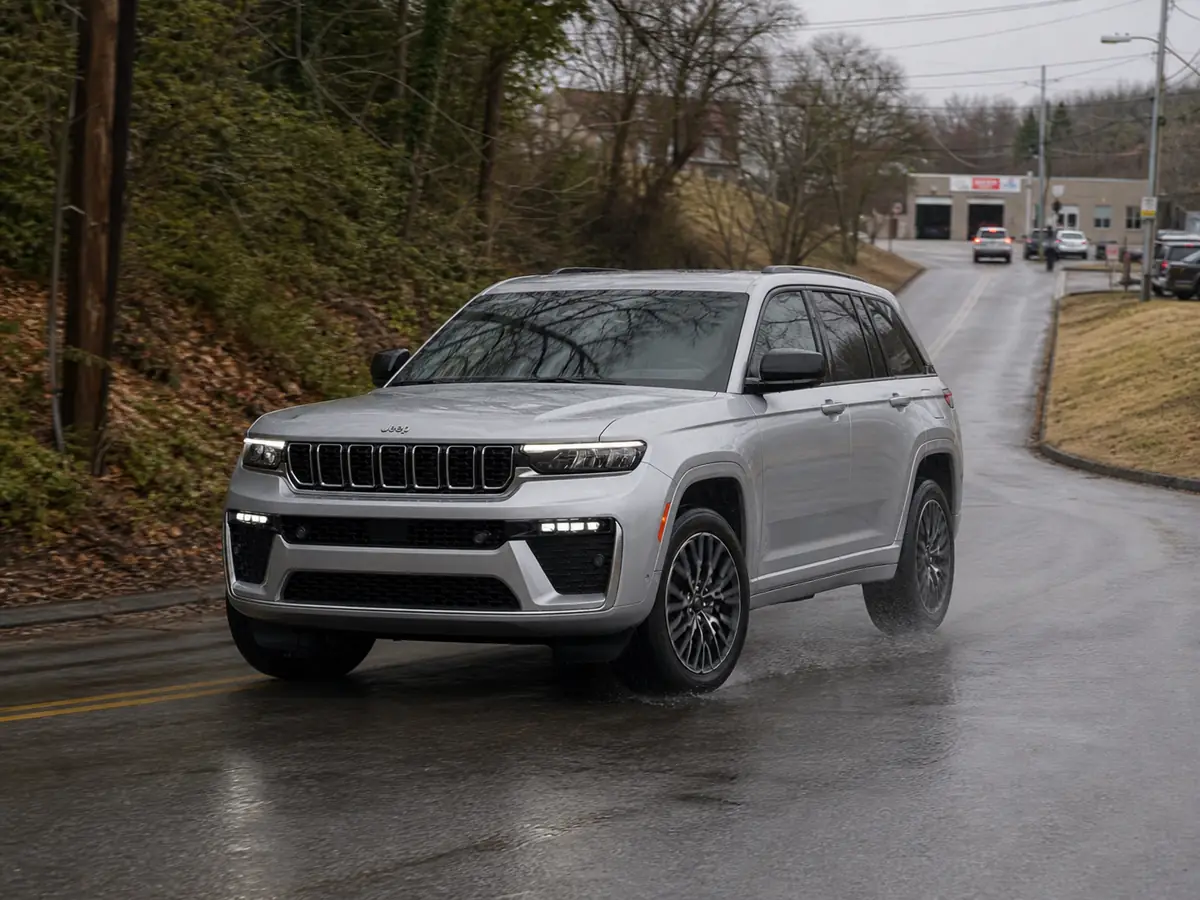
Fuel figures are estimates, not promises. The new turbo also concentrates heat and pressure into a smaller engine, so oil quality, cooling-system health, and warm-up habits deserve more attention than the horsepower headline.
Follow the factory oil specification and severe-service schedule, and keep every invoice.
A dealer demo should be driven from a true cold start. Note initial idle, fan behavior, and whether the engine reaches normal temperature without a warning or coolant odor.
A pre-purchase scan should include pending codes and freeze-frame data, not only active faults.
Towing, cold weather, short trips, 4WD, wheel size, and speed can reduce results.
Use the exact window sticker rather than a broad model claim.
A buyer who prefers a mature powertrain may choose a documented older V6 vehicle, but that comparison includes age, warranty, equipment, and prior care. The 2026 engine's stronger numbers are useful only when the exact vehicle behaves cleanly cold, hot, loaded, and at highway speed.
Two rows and three rows serve different households
The two-row Grand Cherokee is 193.5 inches long and seats five.
Grand Cherokee L stretches the body and seats up to seven. That extra row changes turning space, garage fit, cargo configuration, price, and curb weight.
A five-person household that rarely carries a sixth rider gains little from the L. The shorter body is easier to place and leaves less vehicle to finance, fuel, and park.
| Question | Two-row Grand Cherokee | Grand Cherokee L |
|---|---|---|
| Seats | Five | Up to seven |
| Best household | Four or five people | Six or seven people regularly |
| Parking | Shorter and easier | Requires more garage and curb room |
| Cargo pattern | More space behind row two | Flexible passenger or cargo rows |
| Cost exposure | Lower starting point | More body, seats, and equipment |
Install every child seat and set the front seats first. In the L, test third-row knee room, entry path, buckles, air vents, and cargo space with every seat raised.
A large maximum volume does not show the luggage space left on a seven-person trip.
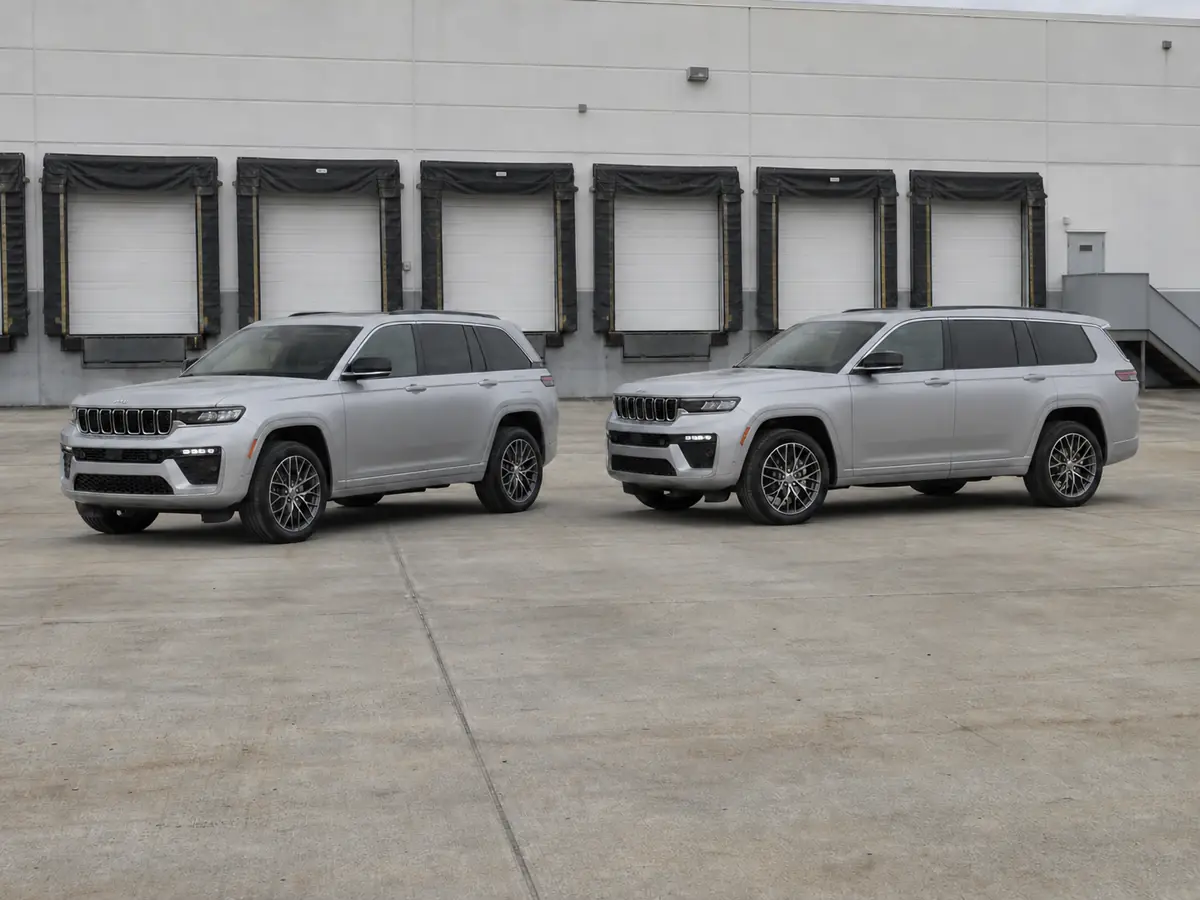
- Measure garage length with the hatch open
- Load luggage behind the raised third row
- Confirm child-seat placement does not block access
- Test visibility from every occupied position
- Compare turning and parking on the same route
The Honda Pilot and Toyota Sienna offer a more family-first cabin, while the Grand Cherokee emphasizes road refinement and 4WD choices.
Families should choose function before cabin materials.
The L is worthwhile when the third row solves a weekly passenger problem, not when it stays folded as expensive cargo flooring.
Choose a 4WD system from terrain and towing needs
The body and drivetrain choice should also account for winter tire strategy. A rear-drive Grand Cherokee on proper winter tires can be predictable in cold dry conditions, while 4WD improves launch and low-speed traction on snow.
Neither shortens braking distance beyond the tire grip available. Price a separate winter set before spending on a more complex system solely for weather.
Drivers who cross dry, wet, and snowy surfaces in one trip may value automatic 4WD more than drivers in a consistently warm climate.
Rear-wheel drive lowers entry cost and can suit dry paved use. Available 4WD systems range from automatic all-weather traction to low-range configurations with height-adjustable suspension on selected versions.
Quadra-Trac I is the simple automatic 4WD choice for rain, snow, and normal roads. More advanced systems add a two-speed transfer case, traction management, or electronic limited-slip capability depending on configuration.
Grand Cherokee capability ladder
- 4x2
- Dry-road value and towing where traction permits
- Quadra-Trac I
- Automatic all-weather 4WD
- Two-speed transfer case
- Low range for steeper loose terrain
- Air suspension
- Adjustable height and road comfort with added complexity
- Maximum towing
- Up to 6,200 lb when properly equipped
Do not buy the most complex system for a paved commute. Good winter tires on a simple 4x4 can matter more than an advanced selector on worn all-seasons.
Towing needs exact equipment. Confirm body style, drivetrain, tow package, cooling, receiver, wiring, trailer brakes, payload, and tongue weight.
The planned Grand Cherokee towing guide should separate those figures.
Passengers and cargo use payload before the trailer is attached.
Air suspension does not increase the door-label limit.
A level-looking vehicle can still be overloaded.
The AWD and 4WD hub includes lighter crossovers such as the Subaru Forester that use less fuel. Choose the Jeep when low range, towing, or rough-road clearance provides a real advantage.
The right 4WD system is the least complex one that maintains traction on the worst surface and load you face regularly.
Road comfort depends on wheels and suspension complexity
The Grand Cherokee's strongest dynamic quality is calm road behavior. Steering is more natural and the body feels more settled than a solid-axle off-road SUV.
That makes long trips and daily driving easier.
Large 20- and 21-inch wheels can reduce sidewall and raise tire cost. Air suspension can broaden the comfort and clearance range, but it introduces compressors, lines, sensors, and air springs that may become expensive outside warranty.
Drive this route in the exact trim:
- Start cold and watch every warning lamp
- Make repeated low-speed shifts in traffic
- Cross sharp pavement breaks to judge wheel impact
- Hold highway speed to assess wind and tire noise
- Brake firmly without vibration or pulling
- Park beside a wall to test cameras and width
- Change suspension heights where fitted
A loaded Summit may feel impressive during a short drive, yet a Limited on smaller wheels can be quieter over broken pavement and cheaper to own. Materials do not improve tire sidewall.
The new 12.3-inch center screen should respond quickly, connect to a phone, and operate cameras and climate functions without resets. Screen dependence makes an electronic fault more than a minor annoyance.
Compare the Toyota Highlander or Toyota RAV4 when fuel economy and easy family use lead. Compare the 4Runner when low-range durability matters more than road comfort.
The Grand Cherokee earns its premium through a quiet, composed road experience, so avoid a configuration whose wheels or faults undermine that strength.
Used examples need two-battery and electronics checks
The WL generation began for 2022. Its cabin, networked electronics, available air suspension, and 4WD hardware create more inspection work than a simple crossover.
The 2026 turbo adds another generation-specific layer.
The inspection should also separate software behavior from hardware failure. Ask whether screen, camera, or driver-assistance modules have received updates and whether a dealer documented the complaint.
Intermittent resets can vanish during a short drive. Pair two phones, use navigation, run the cameras, adjust climate, and restart the vehicle several times.
Check that aftermarket alarms, trackers, audio parts, or trailer wiring have not been spliced into network wiring.
Many Grand Cherokees use a main and auxiliary 12-volt battery. A weak auxiliary battery can contribute to start-stop warnings or odd electrical behavior, but replacing batteries should not substitute for a complete scan and charging-system test.
Test both batteries, remote terminals, every screen, cameras, seat functions, liftgate, climate zones, USB ports, audio, keys, driver aids, and suspension controls.
Repeat after the road test. Heat and vibration can expose intermittent faults.
Air suspension should raise and lower evenly. Perform the test after the vehicle has sat overnight if possible, then repeat after a drive.
Measure fender height at all four corners on level ground. A compressor that runs for an extended period, a corner that sinks, or a message during cold weather can point to leaks, valves, sensors, or compressor wear.
Conventional springs avoid those parts and remain the better choice when adjustable height is not needed.
The 4WD system needs similar proof. Shift through permitted modes on the correct surface, listen for grinding or repeated clunks, and check for transfer-case or differential leaks.
A luxury interior can distract from driveline evidence, so complete the mechanical test before exploring massage seats, audio, or ambient lighting.
without excessive compressor run time, leaning after parking, or a warning message.
Check every corner for height difference and listen after shutdown.
Inspect cooling level, turbo plumbing on 2026 models, oil leaks, eight-speed behavior, transfer-case operation, tires, brakes, and underside damage. Four tires should match in size and have similar tread.
- 2011 to 2021WK2 generation with broad engine and trim history
- 2022 to 2025WL generation adds current body and electronics
- 2026Refreshed model introduces Hurricane turbo and 12.3-inch screen
Use planned Grand Cherokee reliability research and common problems analysis for model-year detail. A Jeep-experienced technician should scan every module and inspect complex suspension or 4WD equipment.
A strong used Grand Cherokee has stable voltage, clean scans, predictable shifts, working 4WD, level suspension, matched tires, and service invoices.
Safety equipment must work with the exact body and trim
The Grand Cherokee offers automatic emergency braking, blind-spot monitoring, adaptive cruise, lane support, parking sensors, and camera systems depending on trim. These features help, but equipment varies across price and body style.
Verify the window sticker and operate every system. A used listing can copy a feature package that the VIN does not have.
Camera views should load promptly, warnings should clear normally, and sensors should not show unexplained blockage.
The safety check should include the physical state of the windshield and front fascia.
A small collision can disturb radar alignment without leaving a dramatic exterior mark. Look for mismatched paint, uneven gaps, replaced glass, missing calibration labels, and aftermarket grille or bumper parts.
Ask for the body-shop invoice and calibration report. Test automatic braking warnings only in normal driving conditions, never by creating a hazard.
A tall hood can hide low objects close to the front bumper.
Use cameras and direct observation in a parking lot. The longer L requires more attention at the rear quarter and in cross traffic.
Child restraints need an actual installation. Set the driver's position, place rear-facing and booster seats, route top tethers, and check access to every occupied row.
Run the VIN through NHTSA and the planned Grand Cherokee recall page. Confirm repairs with invoices rather than a seller's verbal claim.
Glass replacement or front-end repair can require sensor calibration. Ask who completed it and test adaptive cruise and lane functions on a clear marked road.
Safety depends on working equipment, correct restraints, clear cameras, and a driver who understands the longer body's blind areas.
Discounts do not erase tires, complexity, or depreciation
Grand Cherokee pricing often includes incentives, which makes an upper trim appear close to a simpler rival. Compare out-the-door price and loan rate because a rebate paired with expensive financing can lose its value.
Depreciation is equipment-sensitive. Compare three numbers for each trim: negotiated new price, current two-year-old retail price, and trade value.
The spread shows how much of a rebate may disappear after purchase. A loaded Summit can lose more dollars even when its percentage looks similar to a Limited.
Lease offers require the same discipline. Read the selling price, money factor, residual, mileage allowance, acquisition fee, disposition fee, and buyout terms.
A low advertised payment often assumes a large amount due at signing, which is money at risk if the vehicle is stolen or totaled. For buyers who keep vehicles, a shorter loan and restrained trim reduce the period when the balance exceeds trade value.
Put the savings into maintenance and repair reserve rather than extending the term to make a complex trim appear affordable.
Luxury features are expensive new and may add less resale value later. Keeping the vehicle longer can spread the loss, but only if repair cost stays manageable.
| Cost | Lower-cost pattern | Higher-cost trigger |
|---|---|---|
| Purchase | Laredo or Limited with fair financing | Summit, options, dealer accessories |
| Fuel | Two-row road use at moderate speed | L body, towing, 4WD, large wheels |
| Tires | Smaller common wheel size | 20- or 21-inch package |
| Suspension | Conventional springs | Air suspension and adaptive systems |
| Electronics | Simple equipment with warranty | Multiple screens and luxury functions |
| Depreciation | Mid trim kept for years | Loaded trim traded early |
A service-contract quote needs the same scrutiny as the vehicle. Read the exclusion list for screens, cameras, air suspension, seals, diagnostic time, software, and turbo components.
Check the labor-rate cap, deductible per visit, claim authorization process, and whether the contract can be used at the shop you trust.
A contract that excludes the expensive systems does not reduce the reserve needed for them.
Compare its total financed cost with keeping the same amount in cash.
Price a full tire set, two batteries where fitted, windshield calibration, and common air-suspension work before choosing equipment. These quotes turn vague risk into a budget.
Insurance should use the exact VIN. Buyers should also compare the new-versus-used framework because a large new-car discount can be weaker than a two-year-old Limited with remaining warranty and simpler equipment.
Build a repair reserve before buying outside comprehensive warranty. Two batteries, a full tire set, windshield calibration, and one suspension or electronics diagnosis can arrive close together.
Summit, L, 4x4, and large-wheel versions can have different replacement values and claim costs.
Add trailer use and accessories where the insurer requires disclosure.
The planned Grand Cherokee cost-to-own analysis can extend the estimate. For purchase, add amount financed, fuel, insurance, tires, expected maintenance, and the first likely repair reserve.
A discounted Grand Cherokee is a value only when its financing, equipment, and repair exposure remain cheaper over the ownership period.
Where the Grand Cherokee feels premium and where it costs more
The Grand Cherokee pairs a refined cabin with genuine off-road hardware that few unibody SUVs attempt.
It also carries higher recurring costs than simpler alternatives. Premium fuel on the V8 and inline-six trims, Quadra-Lift air-suspension service intervals, heavier brake wear from curb weight, and higher insurance brackets all add to the monthly ownership figure.
A buyer who values the interior quality and trail capability must budget for the maintenance those systems require.
The list below separates strengths used daily from the expenses that follow each one.
Pros
- Strong new turbo output
- Comfortable road ride
- Available two- or three-row bodies
- Useful 4WD systems
Cons
- New engine uncertainty
- Electronics complexity
- Upper trims depreciate heavily
- Air suspension can be costly
Who should buy a Grand Cherokee
Buy a two-row Grand Cherokee when five seats, road comfort, towing, and available 4WD matter. Laredo controls cost, while Limited offers the strongest comfort balance for many buyers.
Choose Grand Cherokee L when a third row carries people regularly. Choose Summit only when luxury equipment is central and a larger repair reserve is acceptable.
Compare the Pilot for family packaging, the Subaru Outback for road-focused utility, the Highlander Hybrid for fuel economy, and the 4Runner for rough-road durability. Those tests reveal whether the Jeep's mix of road comfort, towing, and 4WD is distinct enough.
Finish with a cold and hot road test, all-module scan, battery test, suspension-height test, tire quote, insurance quote, and exact finance comparison.
The Grand Cherokee fits the buyer who values a quieter road SUV with real towing and 4WD options, while accepting more complexity than a mainstream crossover.