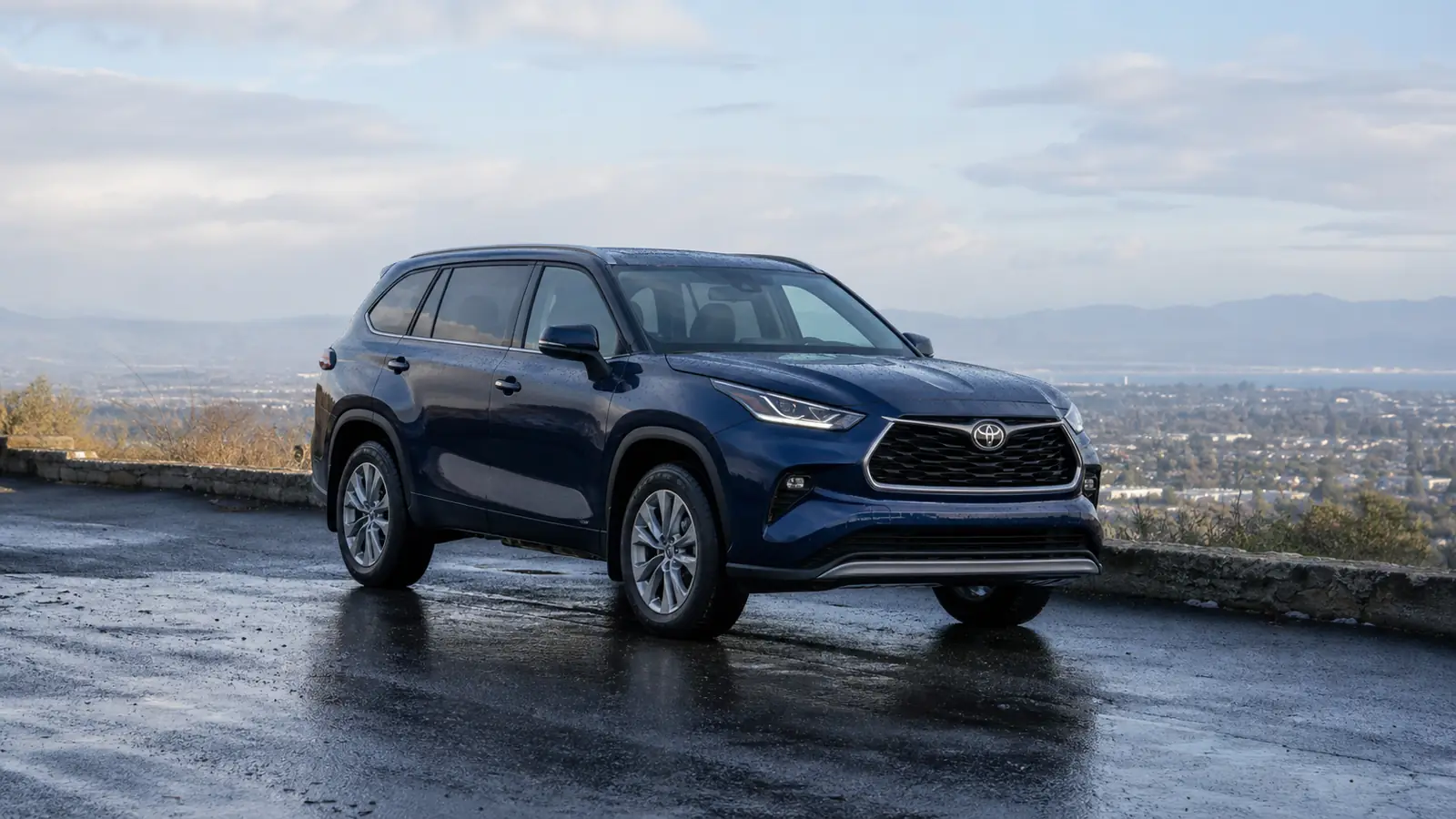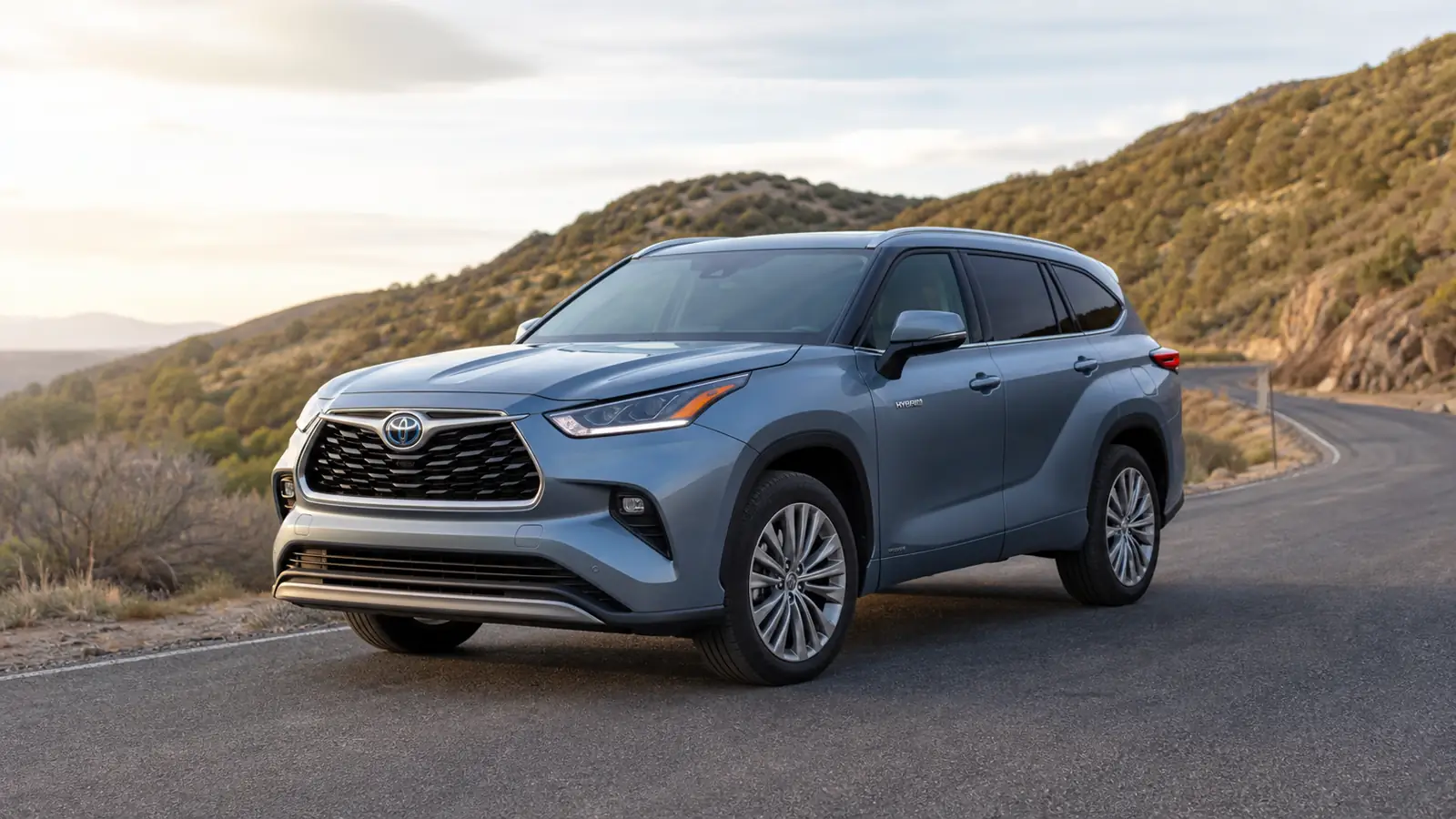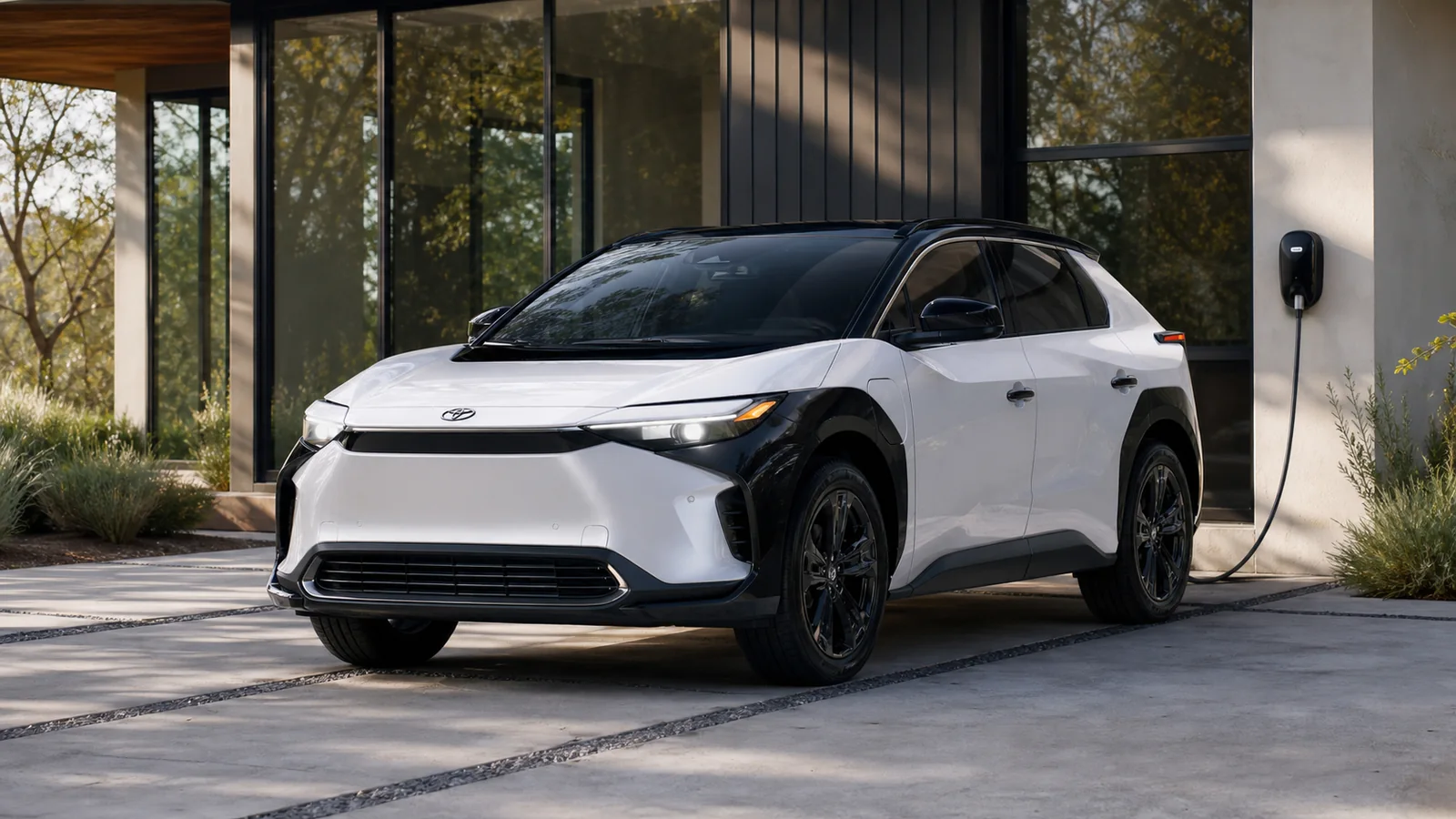
A bZ4X deal works only when home charging and route fit are already solved
The 2025 Toyota bZ4X starts at $37,070 in XLE FWD form and carries an EPA-estimated 252-mile range. It is quiet, comfortable, and less expensive than before, but AWD, larger wheels, winter heat, highway speed, and public fast charging can reduce its practical road-trip margin.
A driver who begins most mornings with enough energy for the day may rarely visit a public charger.
That is the strongest case. A renter without dependable overnight access has a different vehicle, because time, price, station reliability, and detours become part of normal ownership.
Compare bZ4X with the electric vehicle hub and Toyota brand hub. A hybrid SUV may be easier when home charging is impossible or long highway travel is frequent.
The purchase price must also reflect the replacement that followed. Toyota renamed and significantly updated the vehicle as bZ for 2026.
Buy a bZ4X only when the discount is meaningful and the home-charging, daily-mile, winter, and road-trip plan works without relying on ideal conditions.
Keep 2023 to 2025 bZ4X facts separate from the 2026 bZ
The U.S. bZ4X name covers model years 2023 through 2025.
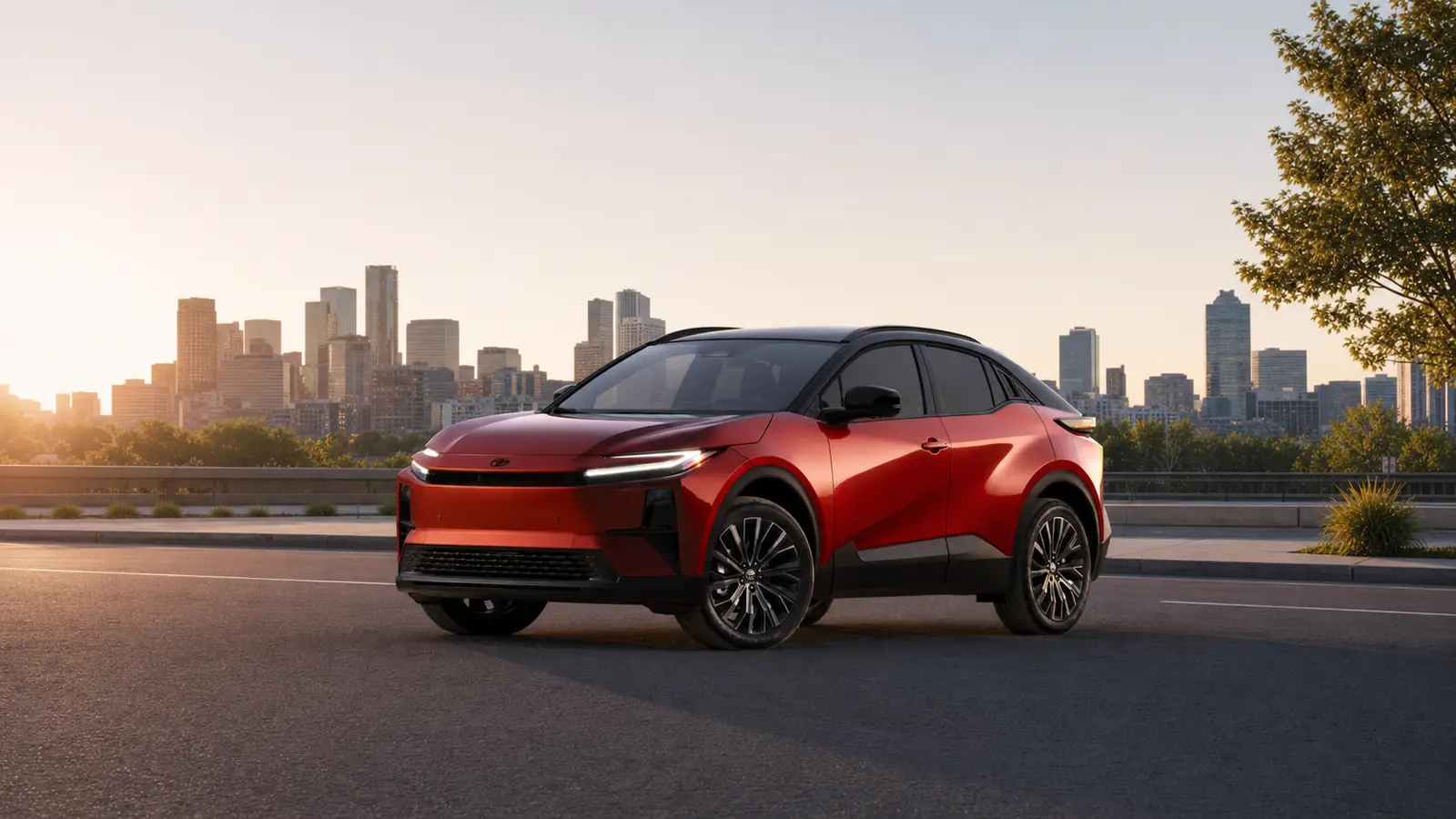
For 2026 Toyota shortened the name to bZ and introduced larger battery options, up to a manufacturer-estimated 314 miles, higher available output, a native NACS charging port, a revised exterior, and a redesigned cabin with a 14-inch display.
Those are not bZ4X specifications.
- 2023U.S. bZ4X launches with CCS1 charging
- 2025Price drops and Nightshade AWD joins the lineup
- 2026Vehicle is renamed bZ and receives major battery, charging, output, exterior, and cabin updates
A dealer listing may use bZ4X loosely for a 2026 vehicle, while a used marketplace may attach 2026 bZ range or charging facts to an older car. Verify the VIN, certification label, model year, trim, drivetrain, connector, wheel size, and window sticker.
The newer bZ does not make a clean bZ4X unusable. It changes the price required to make the older vehicle sensible.
Get written terms for used bZ4X, remaining 2025 stock, and a 2026 bZ. Include loan or lease support, insurance, charging equipment, warranty start, tires, and likely depreciation.
A planned bZ4X reliability guide should also keep campaigns and components separated by model year. Reject any listing or sales pitch that combines 2026 bZ battery, NACS, output, or range claims with a 2023 to 2025 bZ4X.
FWD and AWD trade range for traction and output
Toyota lists four important 2025 range figures. XLE FWD reaches 252 EPA-estimated miles.
XLE AWD reaches 228. Limited FWD reaches 236.
Limited and Nightshade AWD reach 222. The longest-range and least-expensive combination is XLE FWD.
| Grade and drive | EPA-estimated range | Buyer reason |
|---|---|---|
| XLE FWD | 252 miles | Longest range and lowest price |
| XLE AWD | 228 miles | Added traction with 18-inch wheels |
| Limited FWD | 236 miles | More equipment without AWD |
| Limited or Nightshade AWD | 222 miles | Equipment, style, and AWD |
EPA estimates allow standardized comparison. Actual range changes with speed, temperature, elevation, wind, precipitation, tire pressure, wheel and tire choice, climate use, battery temperature, cargo, and driving style.
Plan a reserve instead of treating 252 as a guaranteed travel distance.
AWD can improve acceleration traction. It does not shorten braking distance on ice and cannot replace winter tires.
Before selecting it, price four suitable seasonal tires and check whether the route actually includes snow, steep loose surfaces, or repeated low-grip starts.
The front-wheel-drive hub and AWD hub help compare alternatives. XLE FWD is the default value because it costs less and travels farther, while AWD should solve a real traction problem worth roughly 24 to 30 rated miles.
Home charging determines whether ownership feels simple
Toyota supplies a dual-voltage charging cable for 2025. The bZ4X uses J1772 for AC charging and CCS1 for DC fast charging.
Toyota says a 240V Level 2 source can charge from the low-battery light to full in about 9.5 hours under ideal conditions, or roughly 20 miles of range per hour.
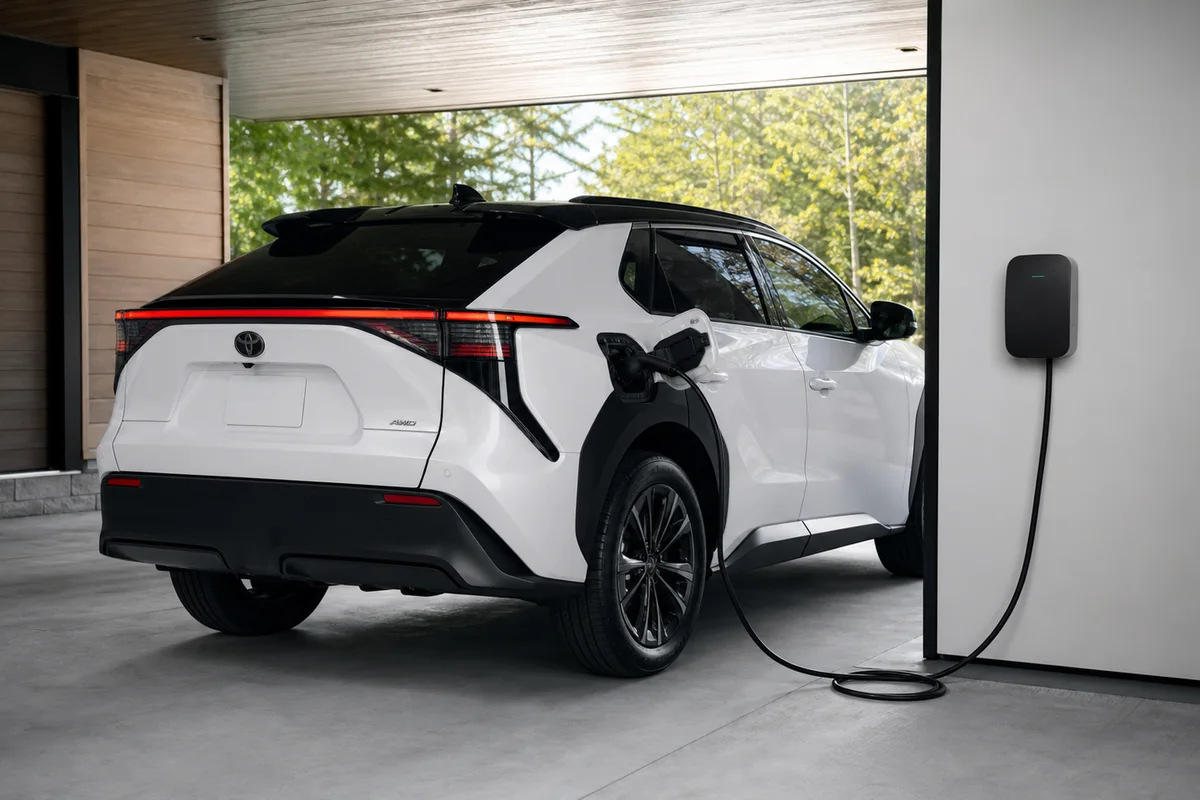
Have a licensed electrician assess panel capacity, circuit path, permits, weather exposure, cable reach, and future needs.
Do not assume an existing outlet is suitable because a plug fits.
Follow Toyota, charger-maker, electrical-code, and utility instructions.
Renters and apartment residents need written charging access, assigned parking, payment terms, and a fallback.
Visit the location at the time normally used. Check whether stalls are blocked, broken, restricted, or priced differently after a time limit.
Use Level 1 only after calculating how many miles it can restore during the available hours.
A short commuter may be fine. A driver who returns nearly empty each night may fall behind.
The EV charging guide can organize the questions, but the electrician and manufacturer documentation control installation.
Reliable overnight Level 2 charging turns bZ4X into a convenient daily vehicle, while uncertain shared or public access turns charging into a recurring task.
Road trips need weather margin and realistic charging stops
The bZ4X can use CCS1 fast chargers, but stop time depends on starting charge, battery temperature, charger output, station sharing, vehicle limits, and the point where charging slows. A peak number does not describe an entire session.
Toyota added battery thermal management features and updates over the model run. Cold weather can still reduce range and charging performance because the cabin and battery need heat.
High speed, headwind, rain, snow, and cargo can reduce the distance between stops.
- Plan chargers by connector and current operating status
- Keep a second usable station within the remaining range
- Arrive with reserve for a broken or occupied charger
- Expect slower charging in difficult temperatures
- Stop before the battery is critically low
- Check hotel charging in writing before relying on it
- Compare total trip time with a hybrid or newer EV
Run the most common long trip in two independent route planners, then check operator apps.
Add a weather and congestion margin. If the trip requires every charger to work at maximum speed, the plan has no useful buffer.
A Toyota RAV4 Prime or Toyota Prius Prime can reduce public-charging dependence for frequent long travel. bZ4X road trips are workable when the route has redundant CCS1 stations and time margin, not when the schedule depends on brochure range and peak charging.
Cabin comfort is strong, but control and cargo fit need a real test
bZ4X uses a high-mounted driver display, broad center console, five-seat cabin, and liftgate cargo area.
The quiet ride can suit commuting. The steering-wheel and display relationship is unusual enough that every driver should set the seat before judging visibility.
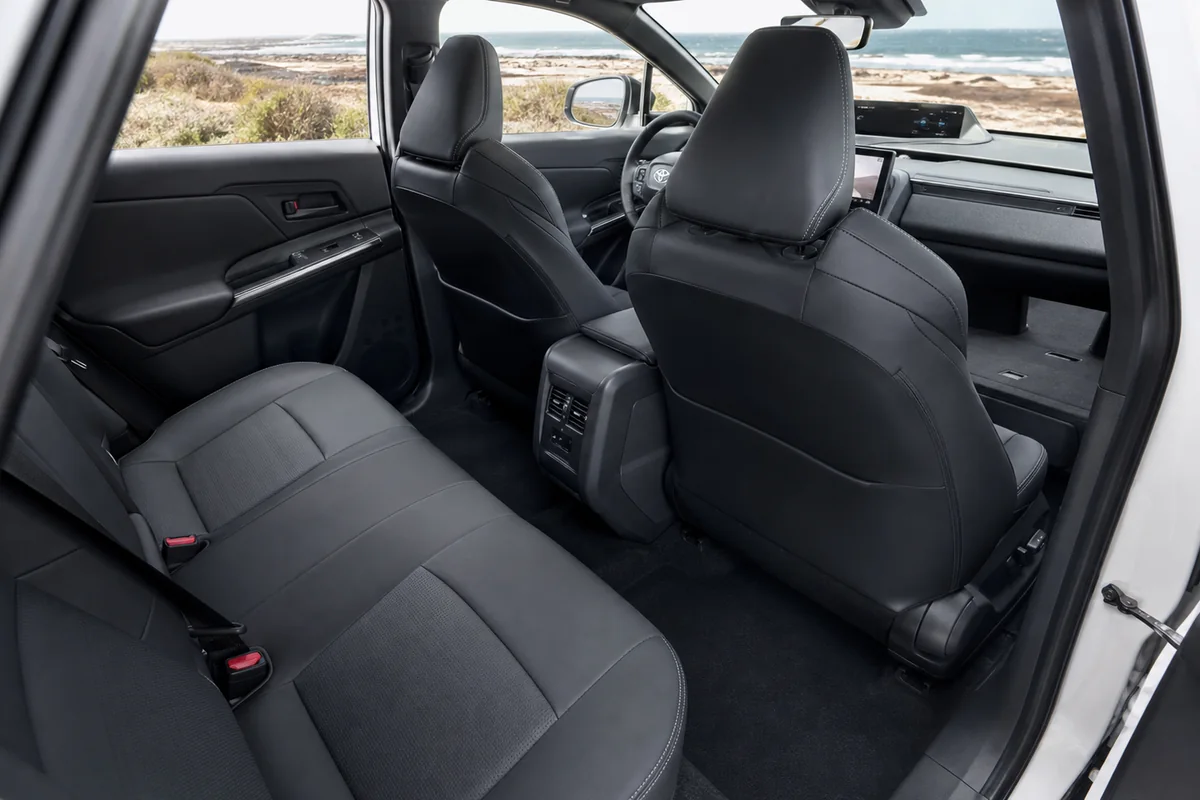
Adjust the seat for safe pedal reach and the wheel for comfortable control.
Confirm the display is visible without placing the wheel awkwardly. Test screen response, climate controls, phone connection, camera views, glare, storage, and charging ports.
Set both front seats for their regular occupants, then test rear knee, foot, head, and shoulder room.
Install child restraints with the manuals. Load a stroller, grocery bins, mobility aid, luggage, or work gear without folding a needed seat.
Check liftgate clearance in the normal garage.
Compare it with the SUV body hub and five-seat vehicle hub. The bZ4X cabin succeeds when the driver can see the display naturally and the household's actual passengers and cargo fit without a showroom adjustment.
Battery warranty helps, but a used EV still needs charging diagnostics
Toyota's warranty coverage is useful protection, but it is not a substitute for current condition. Confirm the in-service date, remaining basic and powertrain coverage, battery terms, transfer conditions, exclusions, and required maintenance from the exact warranty booklet and Toyota record.
A used inspection should start with the exact VIN, trim, drivetrain, wheel size, connector, keys, cable, manuals, and service history.
Scan every module. Review battery, charging, thermal, isolation, climate, brake, camera, and 12-volt warnings.
A dashboard with no current light does not prove history is clean.
Test AC charging on the equipment that will be used at home. If possible, test DC charging long enough to confirm handshake and stable operation.
Check port pins, seals, door, cable, charge scheduling, app access, and whether the seller removed the vehicle from the prior account.
Inspect the battery enclosure and underbody for impact, scraping, corrosion, fluid, missing shields, or poor repair.
Check tire wear and alignment because EV weight and torque can expose a poor setup.
Inspect brakes for corrosion after heavy regenerative-braking use.
A used bZ4X should pass AC and DC charging checks, a full scan, underbody review, 12-volt test, and warranty verification before price enters the decision.
Two official recalls require exact VIN and remedy checks
NHTSA recall 22V444 covered early 2023 bZ4X vehicles because wheel hub bolts could loosen and a wheel could detach.
Toyota's notice instructed owners not to drive affected vehicles until the remedy. A wheel that looks secure today does not replace VIN confirmation and official repair records.
NHTSA recall 25V577 covers certain 2023 through 2025 bZ4X vehicles. The official report describes HVAC control software that can suspend heater and defroster operation under specified faults and low temperatures, reducing windshield visibility.
The remedy is a software update.
For the wheel campaign, inspect wheels, hubs, fasteners, tires, and repair paperwork. Do not attempt to judge bolt condition without the correct procedure and specifications.
For the HVAC campaign, test heat, defrost, fan speeds, air direction, warnings, and climate operation, but remember that successful operation during one drive does not prove software completion.
Recall databases can change. Search again on transaction day.
The recall-check guide provides a process, while the official VIN result controls.
Do not accept a bZ4X until official VIN records and dealer documents agree on wheel-hub and HVAC-defroster campaign status.
IIHS results are useful only with their build-date details
IIHS says its updated side-test rating applies to 2023 through 2025 bZ4X models built after October 2022, following reinforcements.
It rates that side performance Good, while noting an Acceptable rear-passenger head-protection subrating.
Headlight ratings vary by trim and build timing.
IIHS lists the 2025 bZ4X as a Top Safety Pick+ only for vehicles built after December 2024.
That build-date condition belongs in the claim. A 2025 badge, sales date, or dealer inventory date does not prove the vehicle was built after the cutoff.
Check the certification label.
Inspect belts, airbags, child anchors, lamps, cameras, sensors, tires, brakes, glass, and body structure.
Require calibration invoices after windshield, bumper, steering, suspension, or collision work.
Confirm the exact trim's headlights and safety equipment.
A vehicle safety source guide explains why test details matter more than a badge. The strongest 2025 IIHS claim applies only after the December 2024 build cutoff, so verify the certification label before repeating it.
The ownership worksheet must include depreciation and charging access
A lower MSRP can make bZ4X attractive, but the total depends on transaction discount, lease support, financing, home electrical work, electricity, public charging, insurance, registration, tires, depreciation, warranty, and repair reserve.
| Cost | What to price |
|---|---|
| Vehicle | Out-the-door price or total lease obligation |
| Home charging | Electrical assessment, circuit, permits, equipment |
| Energy | Home rate, time-of-use plan, public charging |
| Insurance | Exact VIN and annual mileage |
| Tires | Correct size, seasonal set, alignment |
| Travel | Charging time, station price, route detours |
| Warranty | In-service date and remaining coverage |
| Depreciation | Used value against the improved 2026 bZ |
Compare cost per mile using realistic efficiency and electricity rates.
Include public-session fees and idle charges where relevant. A free charging promotion has a term and network limit, so it should not carry a five-year calculation.
Get written quotes for a bZ4X and a newer Toyota electric vehicle, plus a gas SUV or hybrid alternative. A low payment can hide a long term, large due-at-signing amount, mileage restriction, or weak residual.
The bZ4X deal is strong only when its discount survives home-charging cost, insurance, tire needs, travel time, financing, and depreciation beside the 2026 bZ.
XLE FWD is the rational choice when the route already fits
bZ4X offers a calm ride, useful cabin, familiar Toyota controls, and a lower 2025 price. Its limitations are modest road-trip range, range loss with AWD and larger wheels, CCS1 charging, and immediate comparison with the improved 2026 bZ.
Pros
- 252-mile XLE FWD EPA estimate
- Lower 2025 starting price
- Quiet ride and useful five-seat cabin
- Available AWD for a defined traction need
Cons
- AWD and upper trims reduce range
- Public charging requires more planning than newer rivals
- CCS1 port lacks native NACS access
- 2026 bZ changes the value calculation
Use the Toyota hub, electric SUV hub, five-seat hub, and comparison archive before deciding.
Choose XLE FWD only after home charging, seasonal daily range, common road trips, recall status, and the price gap to the 2026 bZ all work on paper.
A winter range test should include the failed-charger fallback
Cold weather affects the bZ4X in two connected ways. Cabin and battery heating use energy, while a cold battery may accept DC power more slowly.
Snow, standing water, headwind, low tire pressure, roof cargo, and higher speed can reduce travel further.
The practical question is not the lowest range reported online. It is whether the driver's coldest normal day still ends with a useful reserve.
Run a winter test with the exact trim and wheel size when possible. Begin at a known charge, set the cabin to a realistic temperature, drive the normal route at normal speed, and record outside temperature, precipitation, wind, miles, energy used, arrival charge, and charging time.
One trip is not a scientific average, but it is more useful than applying another owner's climate and route to the purchase.
| Failure | Prepared response |
|---|---|
| Home charger stops | Safe Level 1 option or nearby reliable Level 2 site |
| Primary fast charger fails | Second CCS1 station inside remaining range |
| Weather closes route | Earlier stop or alternate lodging |
| Range falls faster | Reduce speed safely and charge sooner |
| 12-volt problem | Roadside plan and correct diagnostic service |
| Climate or defrost warning | Stop safely and arrange repair |
Never trade visibility for range. Use heat and defrost as needed to keep glass clear, and resolve any HVAC warning.
NHTSA campaign 25V577 makes official software status especially important on covered vehicles. A few saved miles do not justify driving with fogged or iced glass.
Tire pressure drops as temperature falls. Check pressure cold with an accurate gauge and use Toyota's label value, not the tire sidewall maximum.
Inspect tread, age, damage, and winter suitability. AWD helps the vehicle move, but four appropriate tires control steering and braking grip.
Build a public-charging fallback before the first storm. Save operator accounts, confirm payment methods, locate stations with more than one usable stall, and keep enough energy to reach the alternative.
Do not count on a single hotel outlet without written permission and connector details.
Keep the charging cable dry, undamaged, and stored as Toyota directs.
A cold-weather plan also includes time. Leave earlier, expect charging variability, and avoid arriving nearly empty.
The bZ4X fits winter ownership when the coldest routine trip, full climate use, correct tires, and a failed-charger detour still leave safe energy and visibility margins.
A public fast-charge test reveals problems a home session may miss
AC home charging and CCS1 fast charging use different equipment and communication paths. A used bZ4X can complete an overnight Level 2 session yet still deserve a public DC test before purchase.
The goal is not to demand a peak number. It is to confirm that the car, connector, account, station, and battery conditions complete a stable session without warnings.
Choose a working CCS1 station with another usable stall nearby. Begin with enough energy to leave if the station fails.
Inspect the vehicle port and connector for damage, debris, moisture, heat marks, or bent parts without touching electrical contacts.
Follow the station and Toyota instructions.
| Stage | Record |
|---|---|
| Connection | Locking, handshake, account, payment |
| Start | Battery percentage and temperature context |
| Session | Power trend, interruptions, vehicle warnings |
| Climate | Cabin heat or cooling behavior while charging |
| Finish | Stop command, connector release, receipt |
| Fallback | Remaining range to another usable station |
Charging power normally changes during a session. Battery percentage, temperature, charger capability, shared equipment, and thermal protection all matter.
A lower reading is not proof of a defective battery. Repeated interruption, a vehicle warning, damaged hardware, failure at more than one known-good station, or a seller who refuses the test needs diagnosis.
Save the receipt and photograph the non-sensitive session summary.
Compare it with vehicle warnings and service history. Confirm the included cable is the correct Toyota equipment in good condition.
Do not use an adapter that Toyota has not approved for the exact vehicle and charging situation.
A stable AC test, a stable CCS1 session, clean port hardware, full diagnostic scan, and useful fallback range provide better used-EV evidence than one dashboard range estimate.