EcoBoost Is the Rational Daily Driver, GT Is the Emotional One
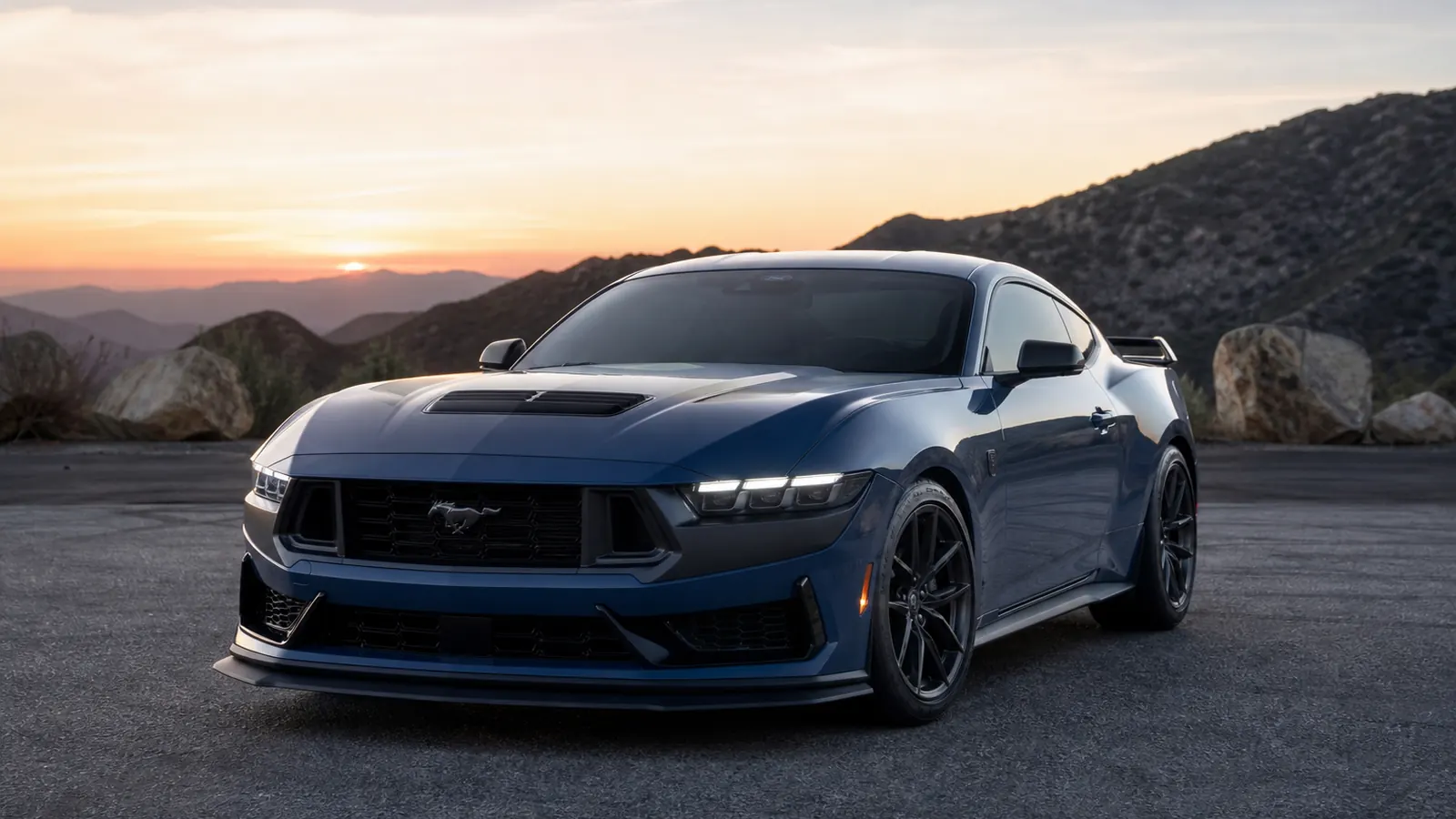
The Ford Mustang remains a rear-wheel-drive coupe or convertible with a choice between turbo four-cylinder efficiency and V8 character.
For 2026, the EcoBoost fastback starts at $33,490 before destination.
The GT fastback starts at $47,795. That $14,305 gap buys the 5.0-liter V8, manual-transmission availability, stronger brakes and cooling, and the sound many buyers associate with the name.
It also raises fuel, tire, insurance, and purchase costs.
The 2.3-liter EcoBoost makes 315 hp and 350 lb-ft and comes only with a ten-speed automatic.
That is enough for quick merging, confident passing, and rear-wheel-drive balance without the V8's appetite.
The GT makes 480 hp and 415 lb-ft in standard form. An active-valve exhaust raises the published figures to 486 hp and 418 lb-ft while letting the driver reduce exhaust volume in quiet settings.
Ford keeps both engines within its broader gas powertrain range, but their ownership costs are far apart.
EcoBoost is the better daily-driver answer for buyers who want the Mustang shape and chassis more than a V8 event.
GT is worth its premium when the engine sound, manual gearbox, and repeated high-load performance are central to the purchase.
A buyer who keeps explaining why the V8 is unnecessary will probably be happier saving the money.
A buyer who keeps searching for V8 videos may regret choosing on fuel cost alone.
The Mustang is distinct from the electric Mustang Mach-E, which is a four-door crossover with all-wheel-drive availability.
Buyers who need five usable seats, easy rear access, or winter traction should compare vehicles by those needs before treating the shared pony badge as a family connection.
The Ford model guide makes that difference clear.
The Ten-Speed Is Faster and Easier, While the Manual Makes Every Commute a Choice
EcoBoost buyers receive the ten-speed automatic. It keeps the turbo engine near its useful torque and delivers the simplest stop-and-go experience.
GT buyers can select the automatic or a six-speed manual.
The automatic is usually quicker and more consistent. The manual adds driver involvement and is one of the clearest reasons to pay for a V8 Mustang rather than another fast automatic car.
A manual test drive should include a cold start, low-speed traffic, a hill start, and several smooth upshifts.
Check clutch engagement, pedal spacing, and shifter feel. A driver who finds the clutch tiring during a 20-minute test is unlikely to enjoy it in a 60-minute commute.
A driver who likes choosing every gear may accept slower acceleration because the interaction is the point.
| Use | Better fit | Reason |
|---|---|---|
| Heavy urban traffic | 10-speed automatic | Less fatigue and consistent low-speed control |
| Straight-line acceleration | 10-speed automatic | Fast repeatable shifts keep the engine in its power band |
| Weekend back roads | 6-speed manual | More direct driver involvement |
| Shared household vehicle | Usually automatic | More drivers can use it comfortably |
| Long-term modification plans | Depends on target | Clutch, cooling, gearing, and calibration costs differ |
Drive modes change throttle, steering, stability-control, and transmission behavior, but they do not transform the basic hardware.
Sportier settings can hold gears and sharpen response enough to feel dramatic during a short demonstration. Test the car in its normal setting on ordinary pavement because that is where most miles will occur.
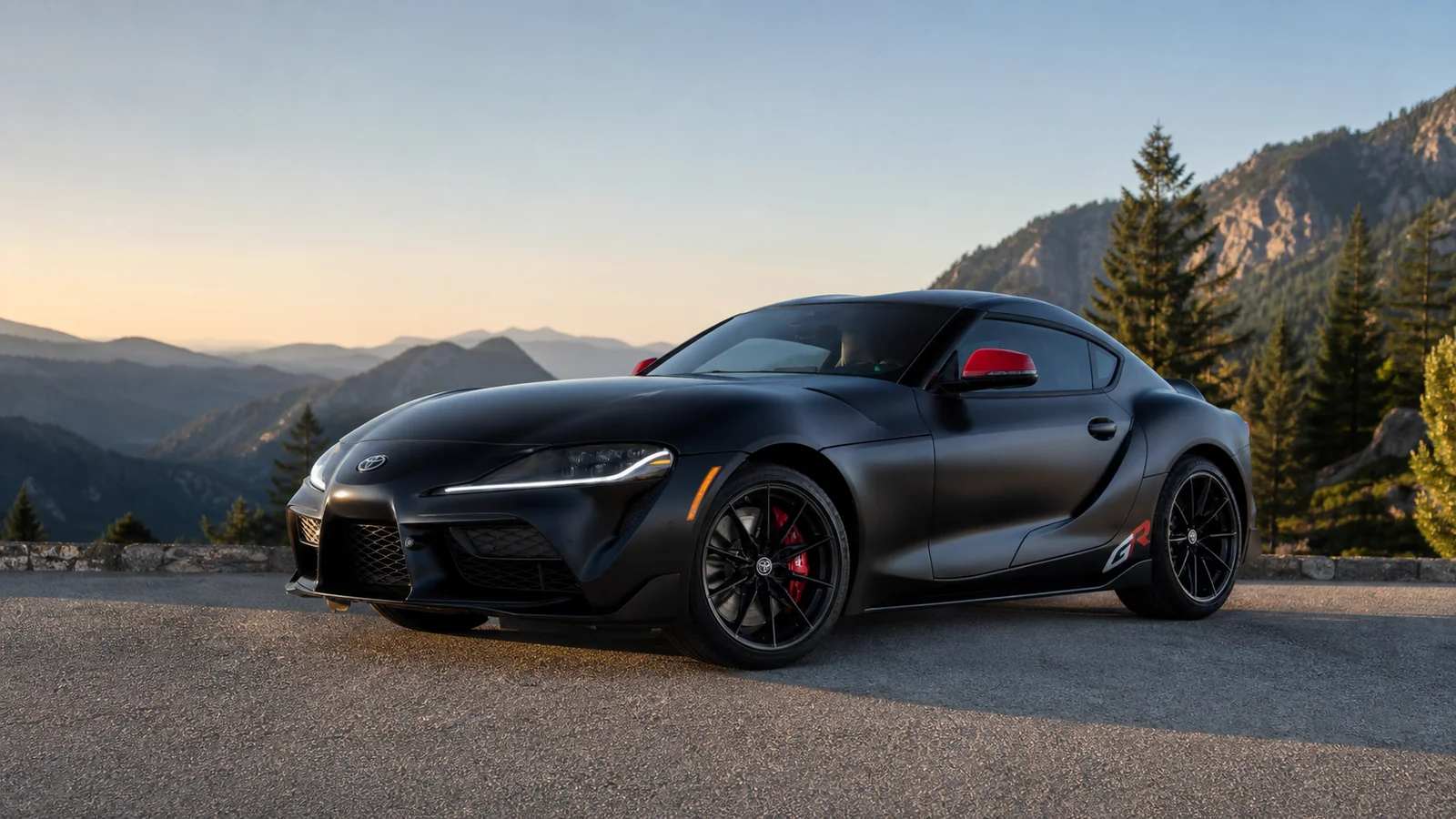
The Toyota GR Supra offers a smaller two-seat sports-car experience with a strong automatic and limited manual availability.
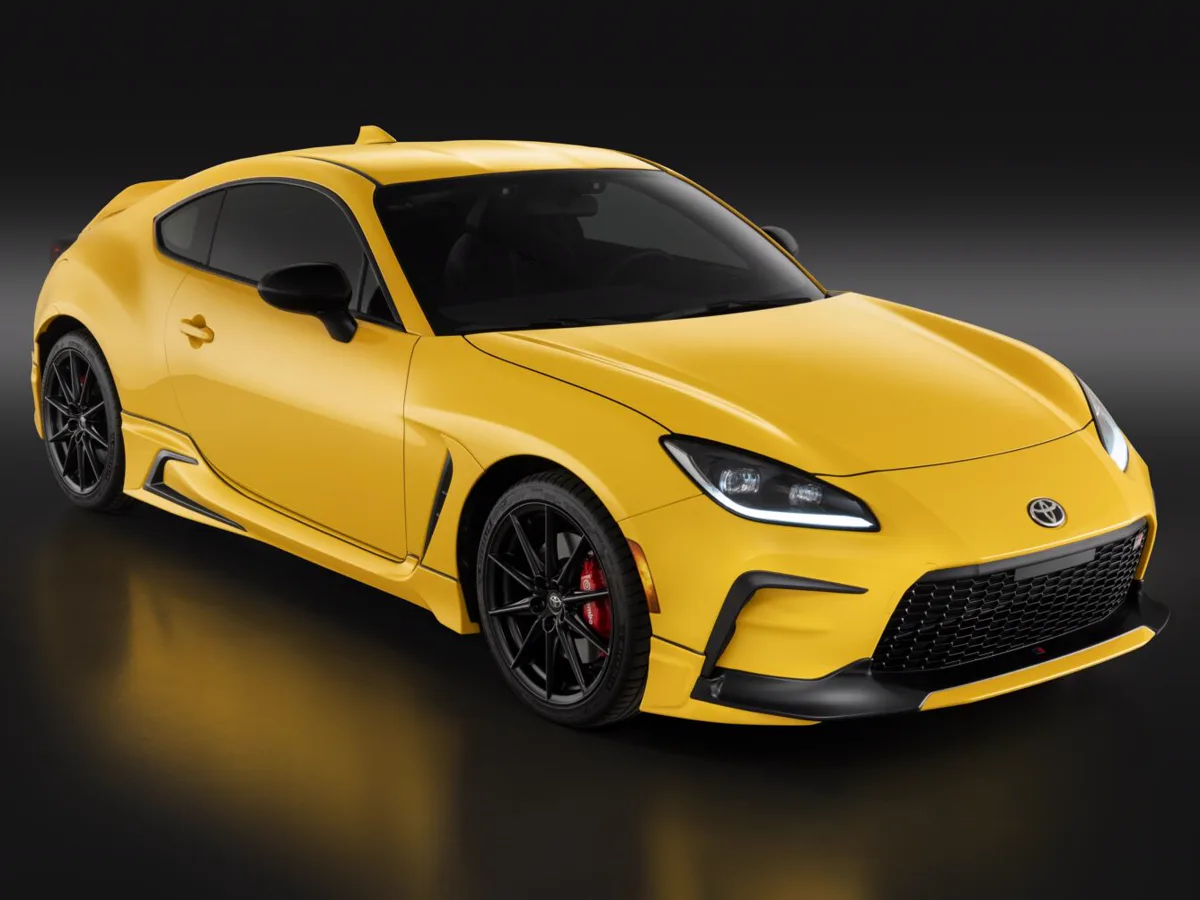
The Toyota GR86 gives up power for lower weight and clearer responses.
The Mustang's advantage is breadth. One body can be an efficient automatic commuter, a manual V8 road car, or a track-focused Dark Horse.
That breadth makes the configuration decision more important than the badge alone.
GT Performance Parts Matter More Than Premium Cabin Trim
The GT starts with the V8, but wheel, tire, brake, differential, cooling, and suspension choices determine how well it handles repeated hard use.
A base GT with the right performance equipment can be a better driver's car than a GT Premium loaded mainly with cabin features.
Premium adds comfort and display choices that may improve daily ownership, yet it does not replace tire grip or brake heat capacity.
Dark Horse raises output to 500 hp and 418 lb-ft and adds track-focused cooling, chassis, and aerodynamic hardware.
It starts at $64,080, more than $16,000 above the base GT. That price can make sense for an owner who attends track days and would otherwise buy equivalent parts.
It is difficult to justify for street driving where speed limits, traffic, and cold tires prevent the extra capability from being used responsibly.
2026 performance ladder
- EcoBoost
- 315 hp, 350 lb-ft, 10-speed automatic
- GT
- 480 hp, 415 lb-ft, manual or automatic
- GT with active-valve exhaust
- 486 hp, 418 lb-ft
- Dark Horse
- 500 hp, 418 lb-ft, track-focused hardware
- Dark Horse SC
- 795 hp, 660 lb-ft, dual-clutch transmission
- Drive layout
- Rear-wheel drive throughout the Mustang car range
The Dark Horse SC is a specialized 795-hp model with a starting price above $100,000.
It should not influence the ordinary EcoBoost-versus-GT decision. Its tires, brakes, running costs, and performance envelope serve a very different owner.
A normal Mustang buyer should focus on the car that works at legal road speeds and fits the available repair reserve.
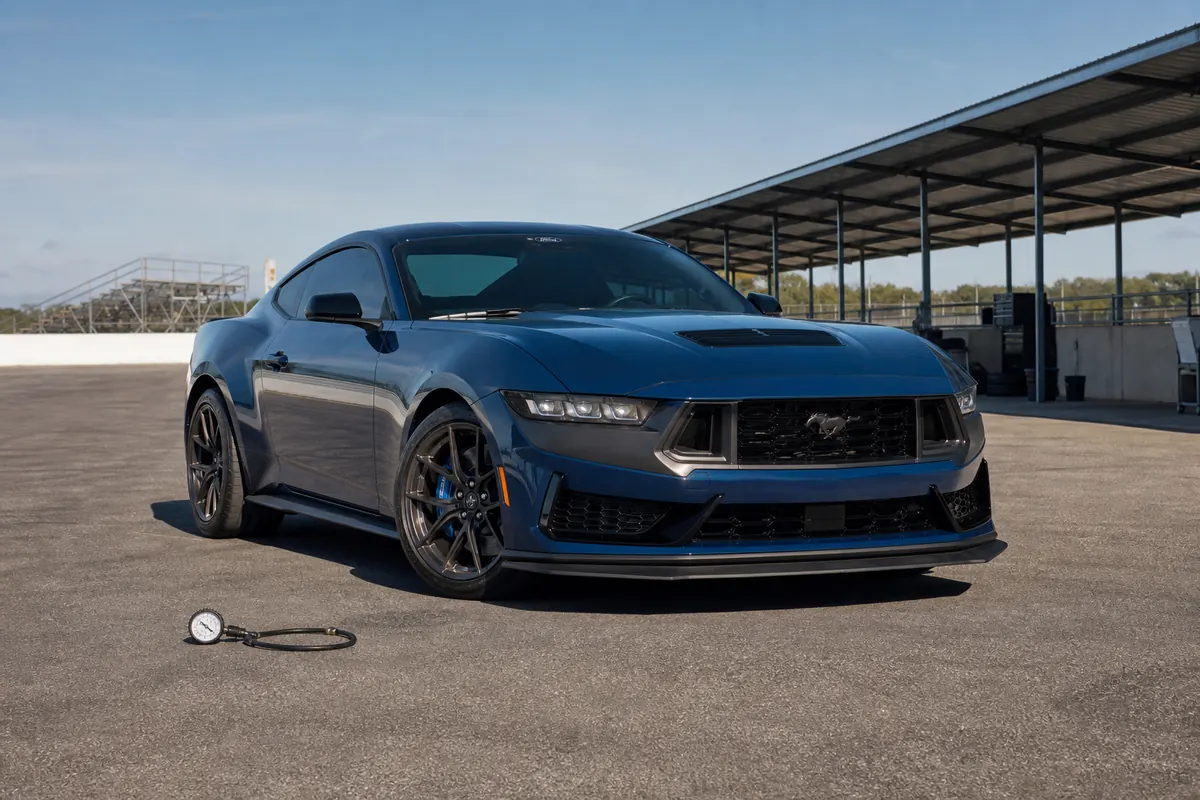
When ordering a performance package, identify each component that solves a real use.
A shorter final-drive ratio may improve response but increase highway rpm. Wide summer tires can transform dry grip and become unsafe in freezing temperatures.
A firm suspension may feel controlled on a smooth test route and tiring on broken daily roads.
The strongest specification is the one matched to the pavement the car will actually see.
Fastback and Convertible Carry the Same Name but Solve Different Trips
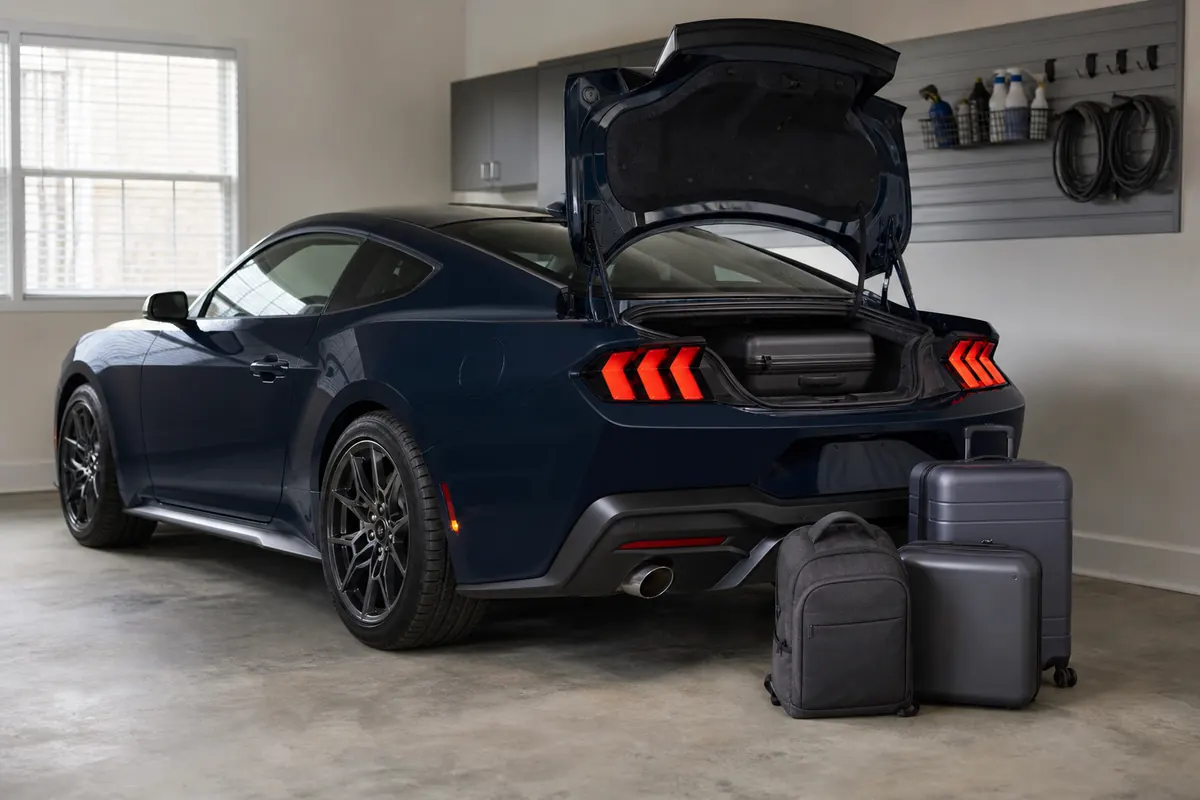
The fastback is the better structural and cargo choice. It offers 13.5 cubic feet of trunk space, a fixed roof, lower cost, and less exposure to water-seal and roof-mechanism repairs.
The convertible provides 11.4 cubic feet and changes the experience at ordinary speeds. That open-air benefit is real, but so are reduced luggage flexibility, extra weight, wind noise, and a higher purchase price.
The rear seat is best treated as occasional space. Published rear legroom is roughly 29 inches, and the roofline limits access.
Small children may fit, but a rear-facing child seat can force the front passenger forward. Adults can manage a short trip after cooperative front-seat occupants move, yet the Mustang does not become a family coupe because the brochure lists four seats.
| Question | Fastback advantage | Convertible concern |
|---|---|---|
| Daily security | Fixed roof and enclosed glass | Fabric roof needs careful parking and inspection |
| Luggage | Larger 13.5-cu-ft trunk | 11.4 cu ft and a less flexible opening |
| All-season use | Better insulation and fewer seals | Cold, rain, and roof care affect comfort |
| Open-air driving | Windows down only | Roof retracts for the main experience |
| Track use | Better structural starting point | Extra mass and event restrictions may apply |
| Rear access | Difficult | Difficult, with extra roof packaging |
Bring the largest suitcase, golf bag, or stroller that must fit.
Trunk volume does not reveal opening width or hinge intrusion. Fold the rear seat and check whether the pass-through solves occasional long items.
For daily cargo and four-door access, a coupe body style is an intentional compromise rather than a practical default.
The site's convertible guide covers the roof-down tradeoffs across other models.
Convertible buyers should operate the roof several times on level ground. Watch both sides, inspect the headliner and seals, and look for damp carpet or water marks in the trunk.
Ask where the car was stored.
Buy the convertible only when roof-down driving will happen often enough to repay every compromise.
Otherwise, the fastback is quieter, simpler, and easier to own.
Fuel Economy Is a Configuration Cost, Not a Moral Judgment
EPA figures vary by engine, transmission, body style, and equipment. Current federal listings show an EcoBoost fastback at up to 22 mpg city and 33 mpg highway in a favorable configuration.
A GT automatic can be around 15 city and 24 highway.
Convertibles and performance-oriented setups can be lower. The window sticker on the exact vehicle is the cleanest comparison.
At 12,000 miles per year, a driver averaging 27 mpg uses about 444 gallons.
At 18 mpg, the same distance requires about 667. The 223-gallon difference costs $781 a year at $3.50 per gallon.
Over five years, that is nearly $3,900 before considering premium fuel choices, tires, insurance, or the higher purchase price.
The V8 does not automatically require aggressive driving to consume more.
Displacement, gearing, tire width, and vehicle setup affect every mile. An EcoBoost driven hard can also miss its EPA estimate.
Track sessions use fuel at a rate that a combined label cannot predict. Buyers should calculate from their own distance and local price, then leave room for fluctuation.
The rear-wheel-drive car guide includes vehicles with very different fuel and winter behavior, so the drive layout alone does not predict cost.
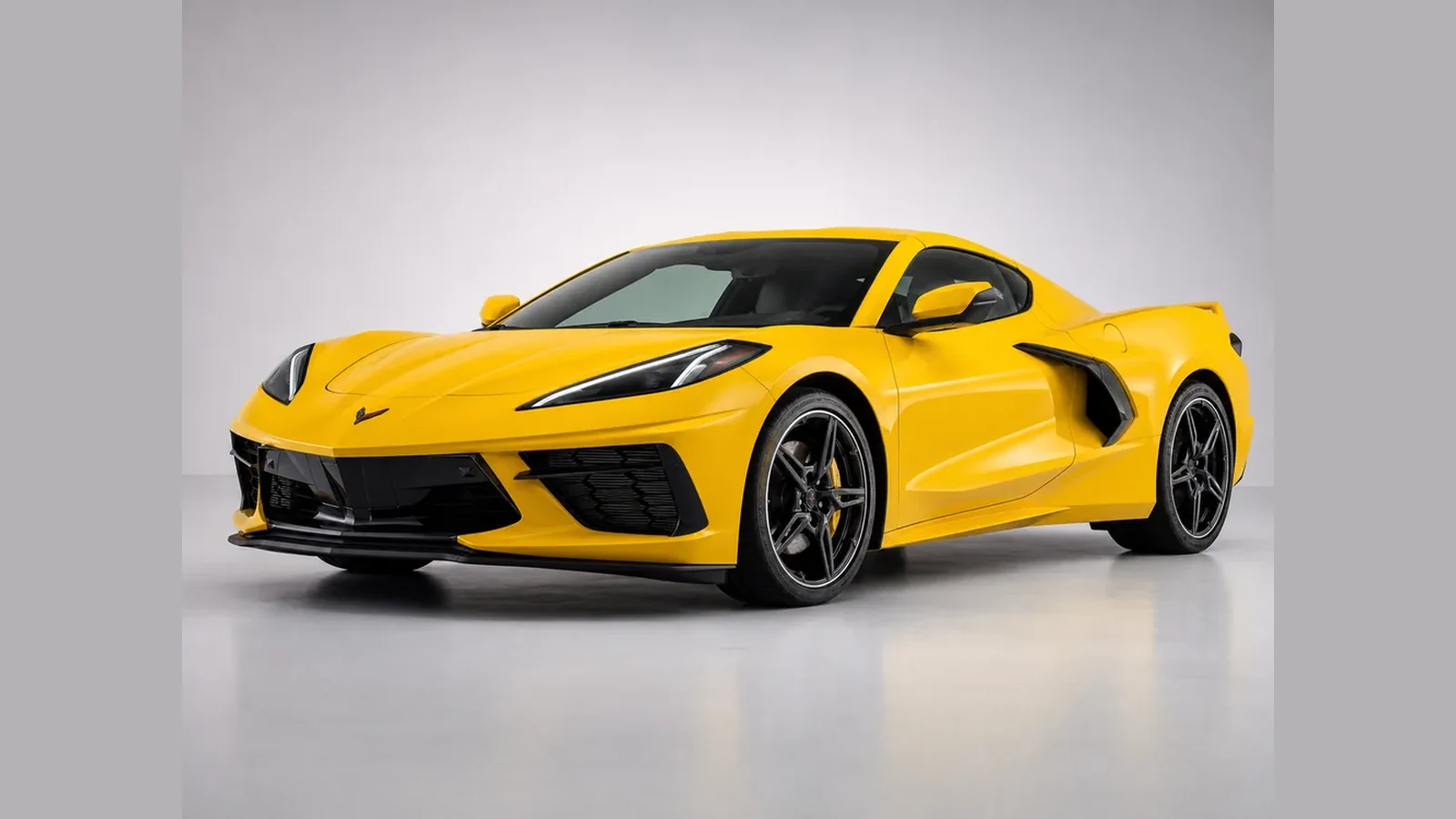
A Chevrolet Corvette costs more to buy and changes the cargo and seating equation again.
Within the Mustang range, EcoBoost is the clear fuel choice. GT buyers should budget honestly and enjoy the V8 without pretending the difference will disappear.
Insurance may exceed the fuel gap for a young driver or a high-theft ZIP code.
Get quotes using actual VINs for EcoBoost, GT, and Dark Horse before signing. The fastest way to make an affordable Mustang unaffordable is to discover the insurance premium after the return period has ended.
Summer Tires Can Become the Most Important Winter Safety Feature
Many performance Mustang configurations use summer tires. They provide strong warm-weather grip but lose flexibility in cold temperatures and are not intended for snow or ice.
Rear-wheel drive, high torque, and cold summer rubber create a poor combination even when the road looks dry.
Check the tire model, size, date code, and temperature guidance before the first cold week.
A dedicated winter set on smaller approved wheels can make a daily-driven Mustang far more predictable.
Four winter tires matter because steering and braking need grip at both axles. Putting winter tires only on the driven rear wheels can leave the front unable to turn or stop with the same confidence.
Owners in mild climates may choose quality all-season tires, accepting lower peak dry grip for broader temperature range.
- Use the door-label pressure, checked when the tires are cold.
- Replace damaged or aged tires even when tread depth looks legal. Sidewall cracks and heat cycles matter.
- Keep four matching tires with comparable tread depth and performance category.
- Relearn pressure sensors correctly when changing wheel sets.
- Reduce throttle early in rain. Wide rear tires still hydroplane when water cannot escape.
The Mustang's electronic stability control can reduce wheelspin and correct some slides, but it cannot create friction.
Track mode also reduces intervention and does not belong on public roads. A driver exploring the car's limits should use a closed-course school with an instructor, current brakes, and tires that pass inspection.
The tire budget should be part of the trim decision. A performance package with very wide staggered sizes may prevent front-to-rear rotation and raise replacement cost.
That may be acceptable for a weekend car. It is a recurring expense for a 15,000-mile commuter.
Crash-Test Coverage Is Limited, So Equipment and Fit Need More Attention
The Insurance Institute for Highway Safety page for the 2024 Mustang covers a generation that continues through 2026.
It lists a Good result in the original moderate-overlap front test. The driver-side small-overlap result is Acceptable, while the passenger side was not tested.
The child-seat LATCH system was rated Marginal for ease of use.
That page does not provide the same complete modern test set available for many family SUVs.
There is no published updated side or updated moderate-overlap result on the page.
A buyer should not fill the gaps with assumptions. The low seating position, two-door access, rear-seat packaging, and available performance tires also create practical safety questions that a frontal crash grade cannot answer.
Ford equips current Mustangs with driver-assistance technology, but exact features can vary by trim and package. Verify automatic emergency braking, blind-spot monitoring, lane support, adaptive cruise control, and parking aids on the window sticker.
Test visibility over both shoulders and use the mirrors before relying on a warning light.
These scores are buying checks, not laboratory ratings. They emphasize that the same car can be well prepared in July and badly prepared in January.
A parent planning to carry a child should install the actual seat and confirm tether routing, buckle access, and front-passenger room.
The five-seat vehicle index is not relevant here because the Mustang provides four positions and only two are adult-friendly for regular use.
NHTSA recall status is VIN-specific. Run the lookup even on a new car because campaigns can open after production.
An unresolved safety campaign should be completed before track use or a long trip.
A Used Mustang Needs a Stock Calibration and a Cold Inspection
Mustangs invite modification, which makes history as important as mileage. An intake, exhaust, tune, lowering spring, or wheel package may be installed well or may hide hard use and poor calibration.
Ask for original parts, invoices, software details, and the name of the shop. A seller who cannot explain a modification should not expect the buyer to accept its risk.
Start the engine cold. Listen for persistent mechanical noise, watch for smoke, and let every warning light complete its self-check.
On a manual GT, test clutch take-up under moderate load without abusive acceleration. On an automatic, check low-speed engagement, part-throttle shifts, and a clean downshift.
Inspect the differential, transmission, engine, and cooling system for leaks after the drive.
Certain 2024 Mustangs were recalled because the instrument panel cluster could remain black at startup.
A blank display could hide speed and warning information.
Ford's remedy updated software. Another broad Ford rear-camera recall announced in 2025 included certain 2024 Mustangs.
Confirm both status and remedy through NHTSA using the VIN rather than relying on model-year summaries.
| Area | Good evidence | Concern |
|---|---|---|
| Engine software | Stock calibration or documented reputable tune | Unknown tune, warning lights disabled, or no original file |
| Tires | Matching set, even wear, correct load and speed ratings | Cheap mixed tires, cords, or heavy inner wear |
| Body | Consistent panel gaps and paint readings | Overspray, bent seams, or missing undertrays |
| Manual driveline | Smooth engagement and service records | Clutch slip, gear grind, or differential clunk |
| Electronics | All displays, cameras, modes, and keys work | Black screen, intermittent camera, missing key |
| Track history | Honest log with strong maintenance | Fresh fluids and tires with no explanation |
A track-driven car is not automatically a bad car. Structured events with frequent fluid, brake, and tire service can be kinder than uncontrolled street abuse.
Evidence matters. Scan all modules, inspect brake heat checking, and look for rubber buildup inside the rear wheel wells.
Our Mustang reliability page and Mustang recall guide cover those histories in detail.
A used Mustang guide separates model years and powertrains.
For this review, the purchase rule is firm. Unknown software, poor tires, and missing records require a lower price or a different car.
Five-Year Cost Depends More on Trim Discipline Than Oil Changes
Routine service includes oil and filter changes, brake fluid checks, engine and cabin filters, tires, brakes, battery care, and scheduled inspections.
Follow Ford's oil-life monitor and the manual for the engine and driving conditions. Track use, repeated short trips, extreme heat, and dust can require more frequent attention than an easy highway commute.
Performance consumables dominate the variable cost. Wide summer tires can wear quickly and may not rotate front to rear on staggered setups.
Large brakes cost more when pads and rotors are due. Track days can consume a set of pads or overheat ordinary fluid in a fraction of a street-service interval.
None of this makes a GT a poor choice, but it must be included before the monthly payment is set.
Depreciation varies by engine, options, color, transmission, mileage, and market conditions.
A rare badge does not guarantee future appreciation. Finance a Dark Horse only if its current use justifies the price.
Future collector value should not be the plan that makes today's payment affordable.
Insurance, registration, and theft exposure differ by location. Get three VIN-based quotes and ask how a second vehicle, mileage limit, garage, driver training, or agreed-value policy changes the premium.
An EcoBoost can still be expensive for a young driver.
A modified GT may require disclosure and special coverage.
Our Mustang ownership-cost guide provides a longer worksheet. The basic reserve should cover a full tire set, an insurance deductible, scheduled service, and an unexpected electronic or cooling repair without credit-card debt.
If the repair reserve disappears to reach the GT payment, the EcoBoost is the stronger ownership choice.
Buy the Engine You Will Enjoy at Legal Speeds and Can Afford to Maintain
The Mustang succeeds because its versions feel meaningfully different. EcoBoost is a quick, balanced automatic coupe that can return strong highway economy.
GT turns every start into a V8 occasion and keeps the manual alive.
Dark Horse adds credible track hardware. The buyer should decide which experience will be used after the first month, when the car becomes part of an ordinary routine.
Pros
- Broad choice from efficient turbo four-cylinder to manual V8 and track-focused models
- Useful fastback trunk compared with many sports cars
- Strong performance per dollar in EcoBoost and base GT form
Cons
- Rear seat is difficult for adults and child-seat access
- Summer tires and rear-wheel drive require a real cold-weather plan
- GT and Dark Horse running costs rise quickly with tires, fuel, insurance, and track use
A buyer who needs all-weather family space should compare a four-door vehicle rather than force the Mustang to cover every task.
A buyer who wants a light, lower-power learning car should drive the GR86. A Honda Civic Type R adds four doors and front-wheel-drive traction while keeping a manual.
Someone who values V8 sound, straight-line force, and a usable trunk will find few direct substitutes at the GT's price.
The best daily Mustang is the least extreme version that delivers the sound, control, and speed the owner will actually use.
Test the transmission in real traffic, price the exact tires and insurance, inspect current safety information, and keep enough cash after purchase for maintenance.
That preparation makes the car easier to enjoy and much harder to regret.