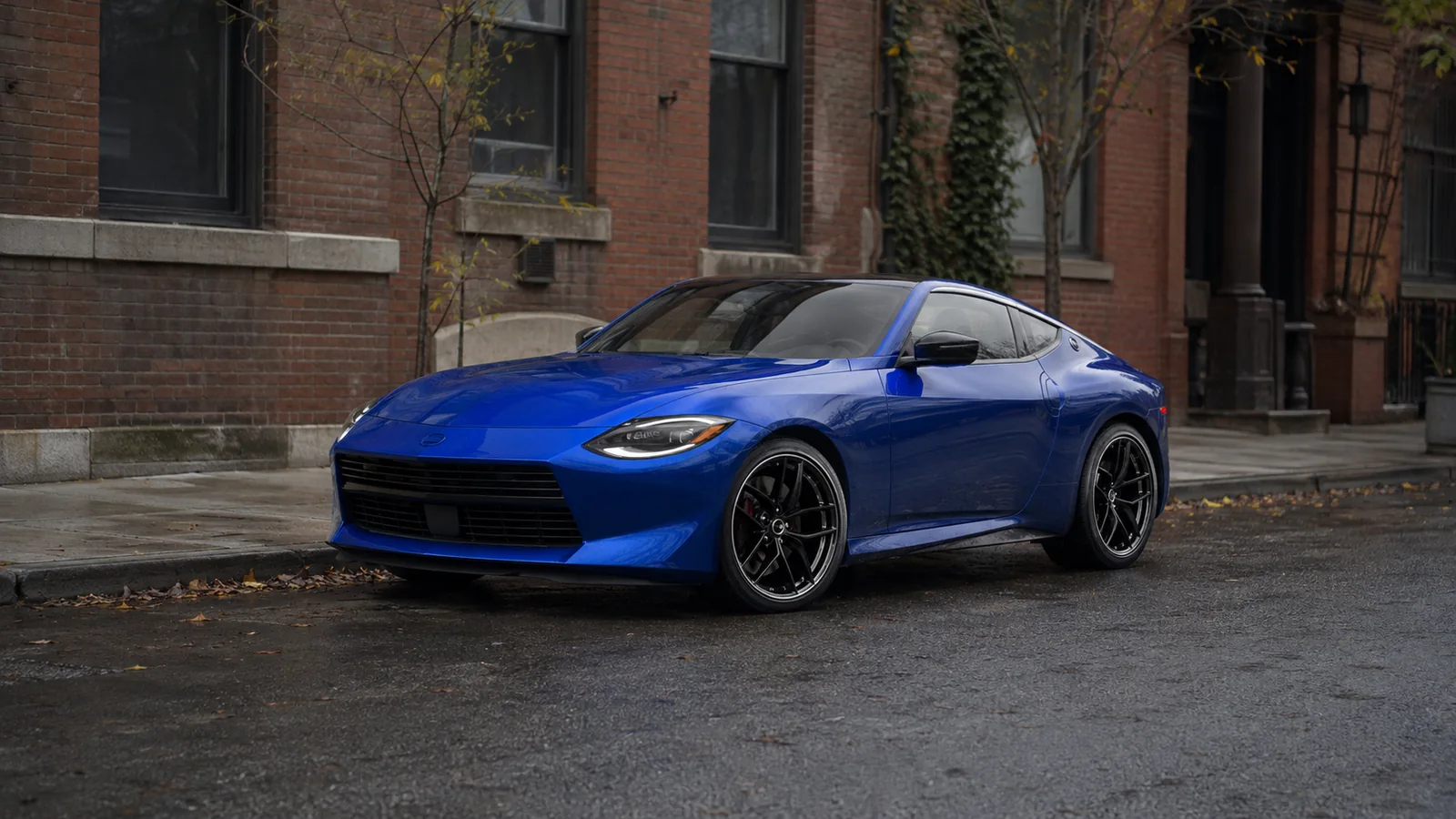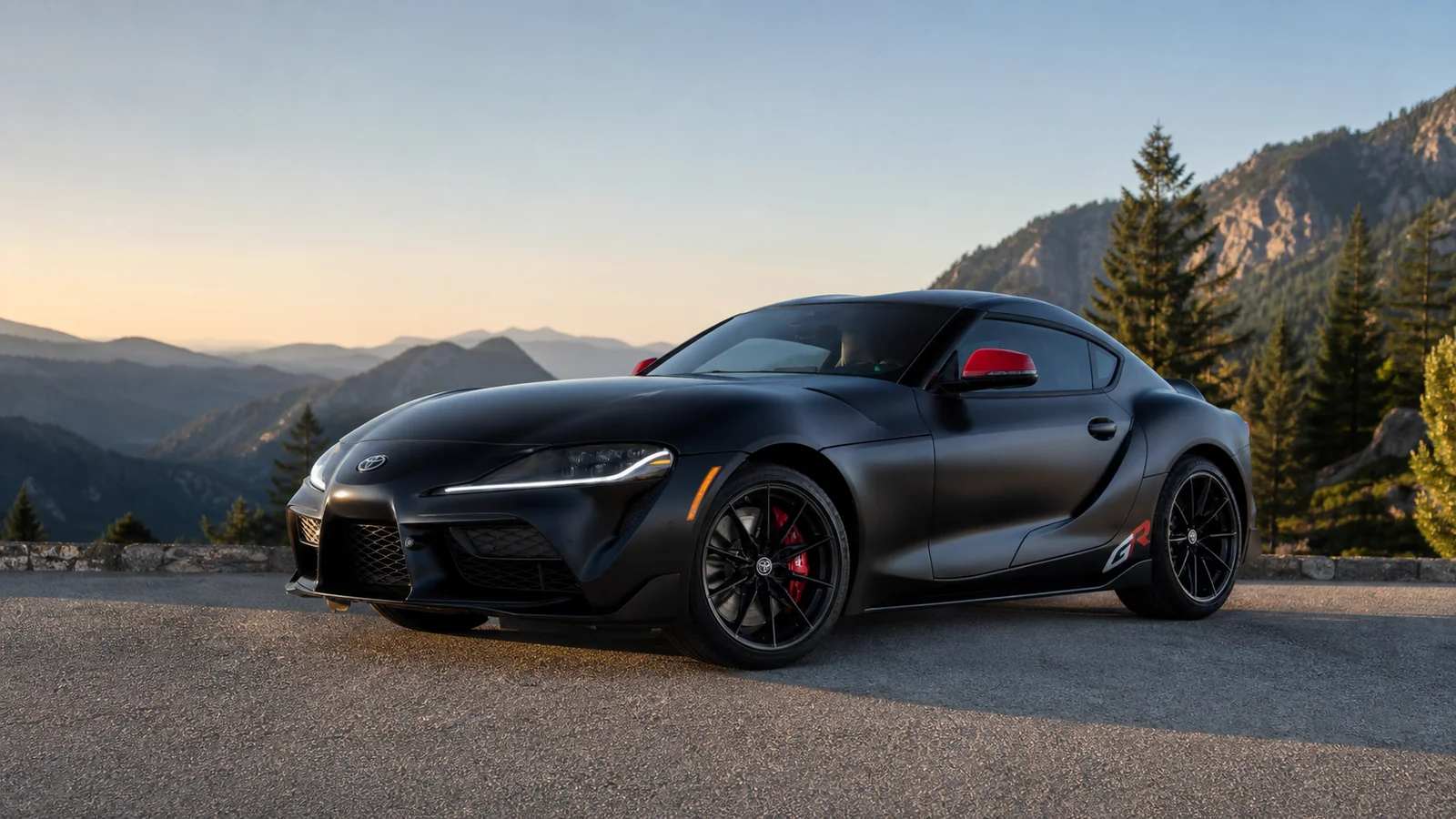
The final-year Supra is now a six-cylinder decision
The 2026 Toyota GR Supra is the last model year of the MkV car. New-car shoppers get the 382-hp 3.0L turbo inline-six, rear-wheel drive, and a choice between a six-speed manual and eight-speed automatic.
The 255-hp 2.0L four-cylinder ended after 2024, so it belongs in the used-car decision.
Toyota calls 2026 the final MkV year, but a final edition does not make every transaction sensible.
Compare the sale price, loan rate, insurance, tire age, options, dealer products, and warranty start. A lightly used 2025 3.0 may be the better car when a dealer marks up the last production year.
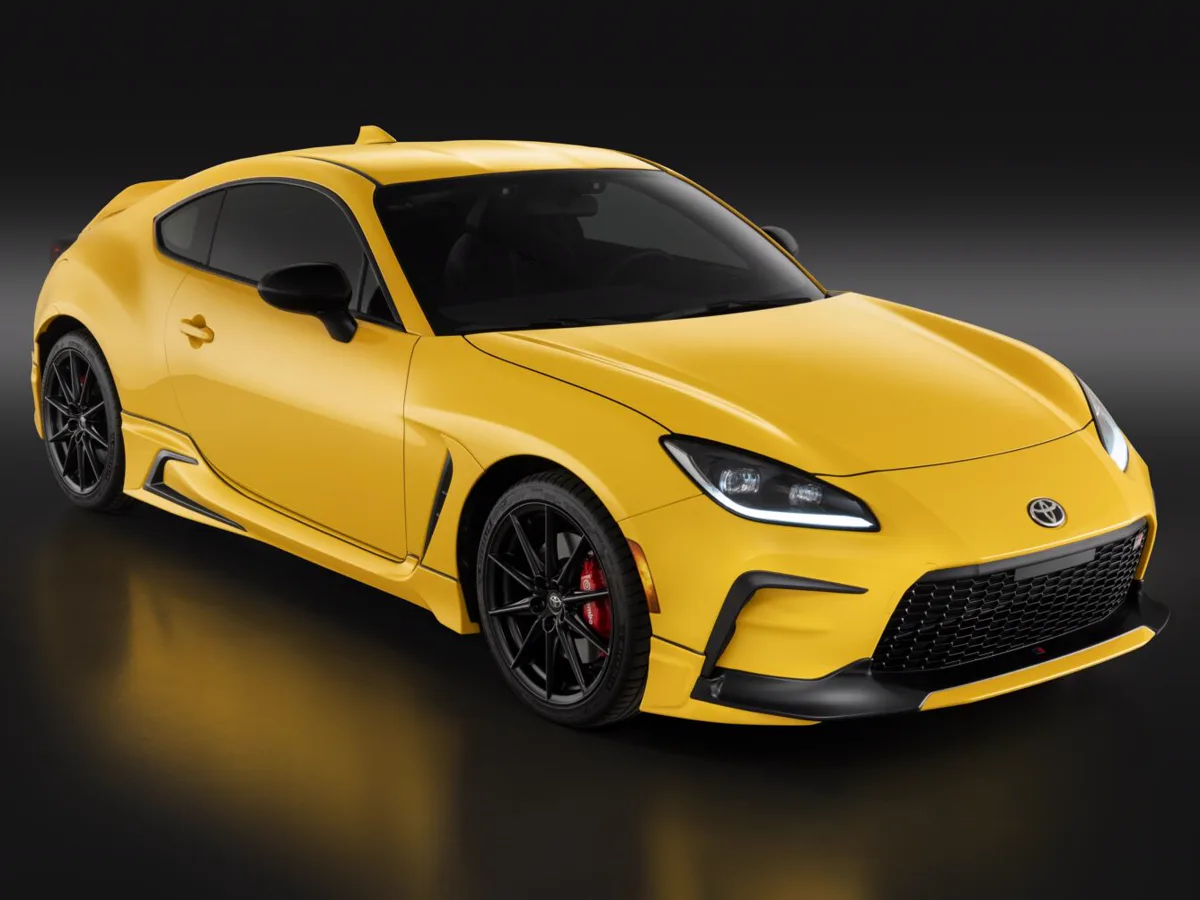
The Supra sits between the lighter Toyota GR86 and more expensive premium coupes.
GR86 asks the driver to use momentum. Supra delivers much more torque and speed, then charges more for tires, brakes, insurance, and BMW-sourced service.
A sports-car shortlist should compare the complete five-year budget rather than horsepower per dollar.
Buy the final-year Supra for the six-cylinder driving experience and exact configuration, not because the word final promises future value.
The used 2.0 and 3.0 serve different drivers
The discontinued Supra 2.0 uses a turbocharged four-cylinder rated at 255 hp and 295 lb-ft, paired only with the eight-speed automatic.
The 3.0 makes 382 hp and 368 lb-ft, and later cars offer manual or automatic choice.
Both are compact two-seat rear-drive coupes, but the engines change the reason to own one.
| Question | 2.0 turbo four | 3.0 turbo six |
|---|---|---|
| Output | 255 hp, 295 lb-ft | 382 hp, 368 lb-ft |
| Transmission | 8-speed automatic | 6-speed manual or 8-speed automatic |
| Front-end feel | Lighter engine | More power and torque |
| Purchase case | Large used-price saving | Full Supra engine experience |
| Budget focus | Condition and price | Condition, tires, brakes, insurance |
A 2.0 can be enjoyable on a winding road and easier to use without reaching high speeds.
It also has fewer cylinders to feed. Yet a small price gap makes it difficult to recommend because the inline-six is the defining mechanical feature of this generation.
Ask for written out-the-door prices before deciding that a four-cylinder is automatically the value trim.
Drive both from a cold start, through normal traffic, on a rough street, and during a legal highway pass.
Listen for abnormal knocks, rattles, boost leaks, or driveline vibration. Check whether the four-cylinder feels satisfying without repeatedly using full throttle, and whether the six-cylinder has more performance than the route can safely use.
A premium car budget should include inspection and repair reserves. The used 2.0 is a price-led alternative, while the 3.0 is the engine-led choice that best explains why the Supra exists.
Manual and automatic change the character more than the speed
The six-speed manual makes clutch take-up, shift timing, and engine speed part of every drive.
The eight-speed automatic shifts quickly and removes clutch work in traffic.
Either can suit the car. The wrong one can make a strong engine frustrating after the test-drive excitement fades.
In the manual, start on a grade, creep in congestion, execute slow first-to-second shifts, and test rev matching without rushing.
Check clutch take-up cold and hot, pedal effort, shifter centering, synchro behavior, and any vibration under load.
A slipping clutch or difficult shift needs diagnosis, not a story about every sports car doing it.
In the automatic, test parking-speed engagement, light-throttle shifts, a legal passing downshift, manual commands, and behavior after the fluid is fully warm.
Delayed engagement, harsh repeated shifts, a warning, or stored transmission code deserves a specialist inspection.
Do not judge the gearbox only in its most aggressive drive mode.
The rear-wheel-drive hub helps frame alternatives, but transmission fit is personal. Drivers who travel through dense traffic may use the automatic's ease every day.
A driver with an open route may value the manual on every corner even when it is not quicker.
Choose the gearbox that makes an ordinary Tuesday better because either Supra is already fast enough for public roads.
The cockpit must fit before the engine wins the sale
Supra has two seats, a low roof, a high center tunnel, wide doors, and limited rear-quarter visibility.
A comfortable seating position can make the controls feel focused. A poor fit can create knee, hip, shoulder, or head discomfort that power cannot fix.
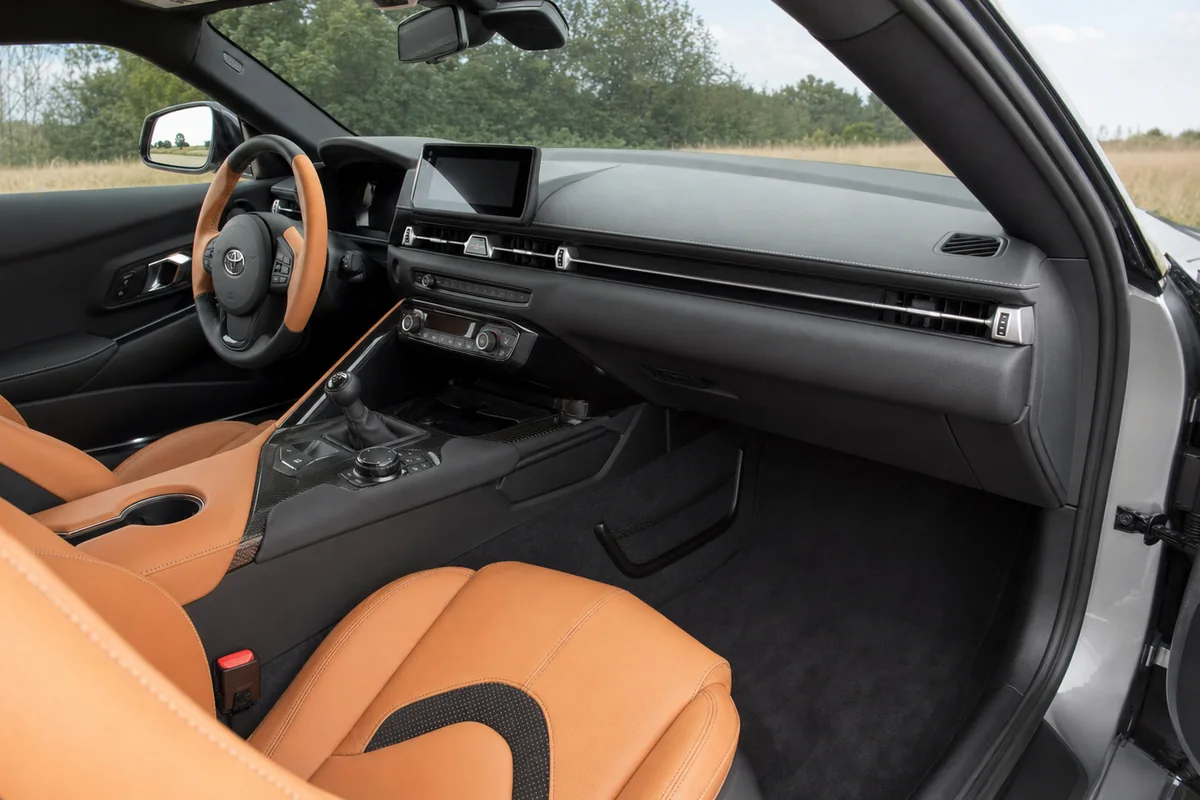
Enter and exit several times without pulling hard on the wheel. Set the seat so the brake or clutch reaches full travel with a bent knee.
Confirm helmet clearance only when track use is planned. Check the right-knee area beside the tunnel, door-armrest height, steering-wheel reach, screen glare, climate controls, cup holders, and phone placement.
Look over both shoulders, then reverse into a normal parking space. Cameras and sensors help, but they do not remove the need to see cyclists, posts, curbs, or low objects.
Confirm the windshield, mirrors, camera lenses, and bumper sensors are undamaged and correctly calibrated after any repair.
Load the regular bags through the hatch. Supra is not a family coupe or occasional four-seater.
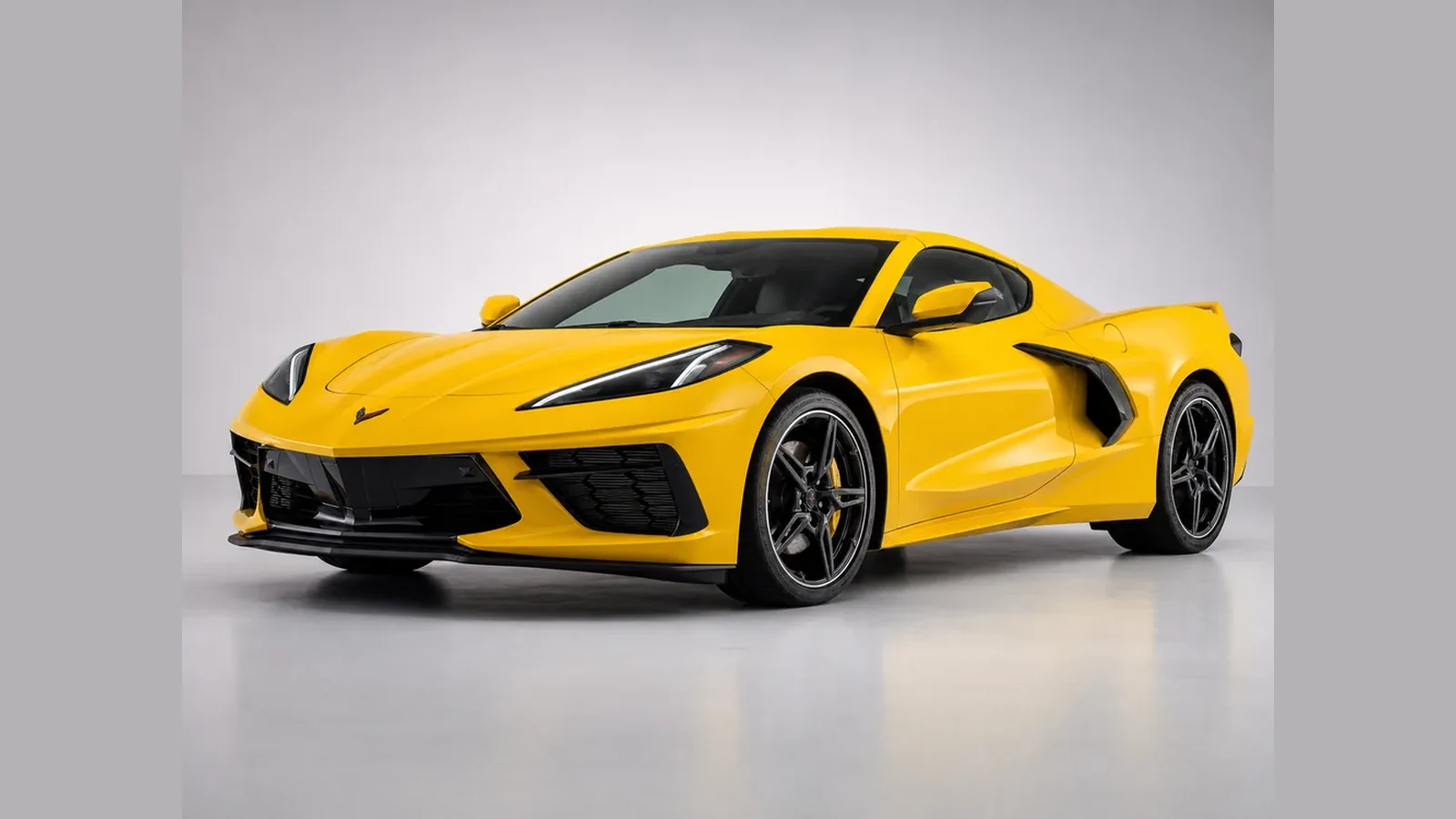
A two-seat vehicle comparison should include the Mazda MX-5 Miata for open-air simplicity and the Chevrolet Corvette for a different performance and cargo package.
Stop the purchase when roof height, entry, pedal alignment, visibility, or luggage access demands a physical compromise on every trip.
Grip and braking depend on condition, temperature, and setup
A powerful rear-drive coupe depends on four correct tires and predictable brakes. Brand, model, size, tread depth, age, pressure, alignment, and temperature all change how the car responds.
Electronic stability control cannot create grip that the tires do not have.
Measure every tread across its full width.
Read date codes. Look for mismatched pairs, sidewall bubbles, repairs, cracking, flat spots, track pickup, and inner-edge wear that is hard to see on the ground.
Inspect each wheel for bends, cracks, repeated mounting marks, and nonfactory spacers.
Drive over smooth and rough surfaces at legal speed. The steering should return predictably without vibration or a strong pull.
Brake gently, then firmly in a safe location. Check pedal consistency, rotor vibration, noise, warning lights, and whether the car tracks straight.
Adaptive suspension settings may change firmness, but they should not hide a worn joint, damaged damper, or bent component.
- Price a complete correct tire set before negotiating
- Check whether summer tires suit local temperatures
- Budget a separate winter setup where required
- Measure pads and rotors instead of accepting a visual guess
- Require alignment and repair records after wheel or suspension work
- Keep stability systems active on public roads
A coupe comparison should use equivalent tire condition. The Supra's performance case disappears when old, mismatched, cold, or damaged tires make its steering and braking uncertain.
Used inspection must identify tunes, track heat, and repair quality
Many Supras receive intake, exhaust, suspension, wheel, software, or cosmetic changes. A modification is not automatic damage, but it changes what the inspection must prove.
Returning a car to stock before sale can hide its past without reversing heat, wear, wiring changes, or warranty consequences.
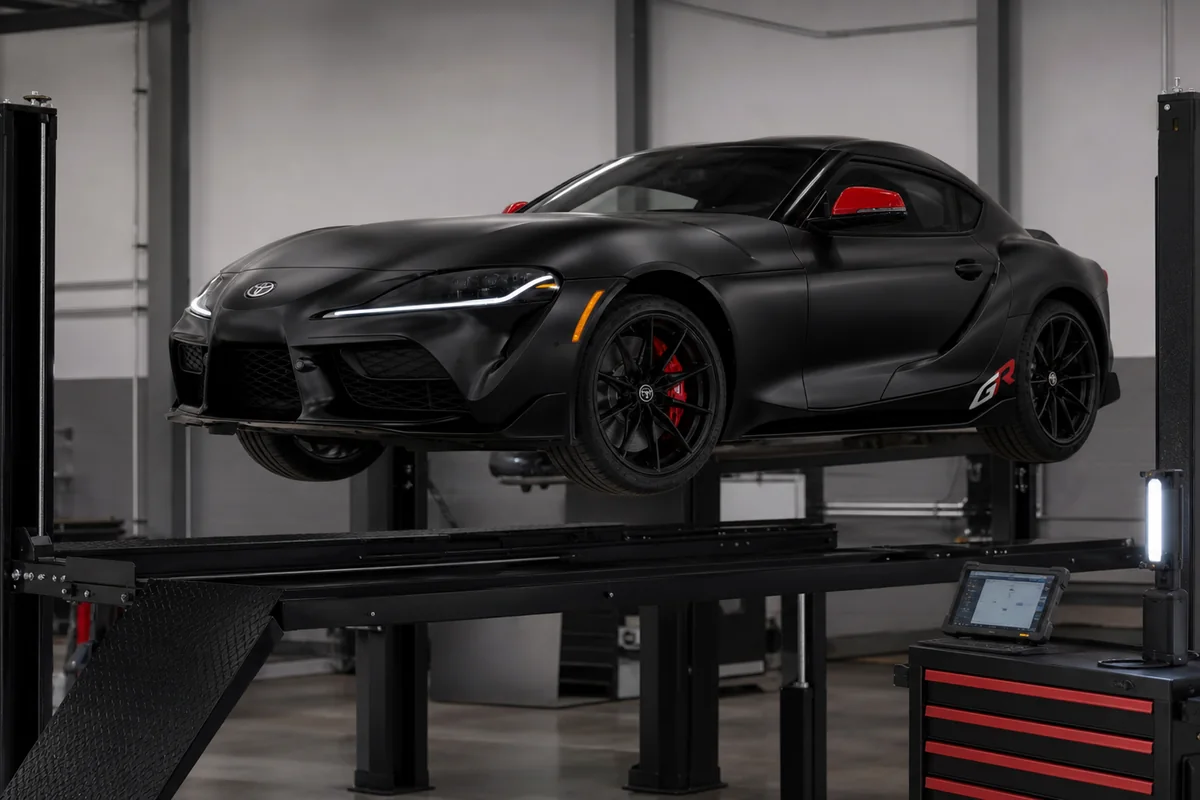
Require a cold start. Scan all modules, not just the engine computer.
Review freeze-frame data and readiness monitors. Check oil level and change records, coolant, leaks, smoke, boost behavior, engine mounts, charge plumbing, exhaust parts, and tune evidence.
An erased code shortly before inspection is a reason to investigate.
On a lift, inspect jacking points, undertrays, suspension, differential, axle boots, exhaust, brakes, tires, wheel bearings, and crash structure.
Look for track-related heat, rubber, tow-hook wear, repeated wheel changes, or fluid upgrades.
Track use can be responsible and documented. The risk is heat without records or maintenance.
Check paint depth, panel gaps, fasteners, lamps, glass dates, sensor mounts, and calibration invoices. A repaired bumper can be acceptable when the structure, sensors, finish, and paperwork are correct.
Walk away from hidden structural work or a seller who blocks an independent inspection.
The planned Supra reliability guide will track model-year evidence separately. Price a used Supra from diagnostic, service, modification, heat, and repair evidence rather than a stock-looking engine bay or a seller's driving story.
Recall 21V598 is a precise early-car check
NHTSA recall 21V598 includes certain 2020 and 2021 Toyota Supra vehicles. The official notice describes engine-management software that could damage a component supplying vacuum to the brake assist system under specified starting conditions.
Reduced brake assist can increase stopping distance.
The remedy involved updated software. A current brake pedal that feels normal does not prove the campaign was completed, and an aftermarket engine tune does not replace the official remedy.
Resolve any disagreement between seller paperwork, manufacturer records, and the NHTSA lookup before money changes hands.
Test brake assist at start-up and during the drive, but do not attempt to recreate the failure.
Inspect the braking system for unrelated wear, fluid concerns, modifications, warning history, and collision damage.
Recall completion is one line in a full brake inspection.
Current recall databases can change after publication. Search again on purchase day, including a new 2026 vehicle that is not part of this specific campaign.
The NHTSA recall guide can help buyers organize the lookup and documentation.
Do not close an early Supra purchase until recall 21V598 status, software remedy records, brake condition, and any tune history agree.
Safety evidence should not be stretched beyond published tests
Sports cars often have less current public crash-test evidence than high-volume family vehicles. Do not turn standard driver aids, isolated ratings, or a brand reputation into an invented overall score for the GR Supra.
Use the exact NHTSA and IIHS pages available for the model year and state when a test is not published.
The two-seat cabin also changes practical safety checks. Inspect seat belts, pretensioner indicators, airbags, seats, head restraints, windshield, lamps, mirrors, tires, brakes, cameras, sensors, and body structure.
Require calibration documents after windshield, bumper, steering, suspension, or structural work.
Driver-assistance systems remain support systems. A low seating position can hide the car beside tall traffic.
Limited rear-quarter visibility raises the value of careful mirror setup and a slow parking check.
High power shortens the time available to correct a poor merge or pass.
A buyer who needs published family-car test depth should compare the Supra with a different vehicle class. The Toyota brand hub and gas powertrain hub offer broader alternatives without pretending they answer the same driving question.
Use published test details exactly as written, then let condition, tire quality, visibility, restraint checks, and repair documentation complete the safety inspection.
Five-year cost is driven by consumables and purchase discipline
The Supra's transaction price is only the first large number. Premium fuel, insurance, performance tires, brakes, alignment, scheduled service, diagnostics, financing, depreciation, and optional track use can make two similar-looking cars cost very different amounts.
| Cost | What to price before purchase |
|---|---|
| Car | Out-the-door price, options, fees, dealer products |
| Finance | Actual rate, term, down payment, total interest |
| Insurance | Exact VIN, drivers, mileage, storage, use |
| Tires | Correct street set plus winter set if needed |
| Brakes | Pads, rotors, fluid, labor |
| Maintenance | Oil, filters, fluids, inspections, alignment |
| Repairs | Deductible and post-warranty reserve |
| Track use | Entry, instruction, inspection, fluids, pads, tires |
Get an insurance quote for the exact VIN. Tell the insurer how the vehicle will be used.
A normal road policy may exclude track events. Read the contract before attending, and keep event spending separate from money needed for transportation and emergency repairs.
A discounted used 2.0 may lower the payment but still need a full tire set and major service.
A marked-up final-year 3.0 can lose its collector story as soon as financing and depreciation are counted.
Compare the Supra with a premium sedan or a mainstream sports coupe over the same ownership period.
Control the purchase price and verify consumable condition because the cheapest Supra listing can become the most expensive car after tires, brakes, service, insurance, and interest.
The six-cylinder earns the verdict after a complete fit test
GR Supra offers strong turbo-six performance, compact rear-drive proportions, and a genuine manual choice. It also asks two people to accept a low cockpit, limited visibility, premium consumables, and used examples that may have been modified or driven hard.
Pros
- 382-hp turbo inline-six defines the car
- Manual and automatic serve different drivers
- Compact dimensions suit a focused sports coupe
- Hatch area carries useful two-person luggage
Cons
- Low roof and limited outward visibility
- Two seats rule out family flexibility
- Tire, brake, insurance, and service costs are premium
- Used tunes and track heat demand deeper inspection
Compare a Toyota performance car, a rear-drive coupe, and relevant vehicle comparisons before signing. Keep a specialist pre-purchase inspection in the budget.
The 3.0 is the Supra to buy when its cabin fits and its total cost is comfortable, while the 2.0 needs a large used-price advantage to overcome the missing inline-six experience.
Final-year shopping needs a transaction and storage plan
A final model year can create urgency that favors the seller.
Slow the decision down. Ask for the VIN, production date, window sticker, options, port-installed accessories, warranty start, mileage, tire dates, and a complete out-the-door quote before visiting.
Compare that figure with a clean used 3.0 and the cost of any finance promotion that applies only to new inventory.
| Item | Evidence needed |
|---|---|
| Vehicle | VIN, build date, mileage, original window sticker |
| Price | Selling price, fees, accessories, dealer products |
| Finance | Rate, term, total interest, early payoff terms |
| Condition | Paint, wheels, tires, brakes, glass, interior |
| Warranty | In-service date and written coverage |
| Storage | Secure parking, battery care, tire and weather plan |
| Exit | Realistic resale assumptions without guaranteed appreciation |
Inspect a new car with the same care as a used one. Transport, lot storage, test drives, weather, tire aging, wheel damage, and dealer-installed equipment can affect a car that has never been titled.
Confirm all keys, manuals, tools, accessories, protective films, and requested software updates.
Photograph condition before delivery.
If the Supra will sit for long periods, follow Toyota's storage guidance. Do not improvise battery charging, tire pressure, fuel treatment, lifting, or cover use.
A breathable clean environment, correct battery support, rodent prevention, periodic inspection, and protection from moisture matter more than a decorative indoor cover.
Do not start the engine briefly only to shut it off before full operating conditions are reached unless manufacturer guidance calls for that action.
Collectors should separate enjoyment from investment. Registration, tax, insurance, finance interest, storage, detailing, service, tire aging, and opportunity cost continue while mileage stays low.
A limited production ending may support interest, but it does not guarantee a sale price or compensate for an excessive markup.
- Refuse a rushed same-day deadline that blocks inspection
- Compare total interest rather than monthly payment
- Check tire dates on long-stored inventory
- Require removal of unwanted dealer products in writing
- Confirm insurance and secure parking before delivery
- Buy for use and ownership satisfaction, not promised appreciation
The best final-year Supra is the correctly priced car you can store, insure, service, and enjoy without needing future appreciation to repair today's purchase decision.
Specialist service records matter more than brand assumptions
The MkV Supra shares major engineering and electronic architecture with BMW, while Toyota sells and supports it as a Toyota.
That combination is neither an automatic reliability problem nor a promise of low Toyota-like repair cost. It means the inspection shop needs the diagnostic equipment, service information, and experience to identify the exact engine, transmission, modules, fluids, and procedures.
Service evidence
- Routine work
- Dated invoice, mileage, fluid and part specification
- Diagnostics
- Full-module scan and retained fault information
- Modifications
- Parts list, software history, installer, original equipment
- Collision work
- Structural measurements and sensor calibration
- Warranty
- In-service date, coverage record, excluded conditions
Ask who serviced the car and call the shop with the seller's permission. A stack of receipts is useful only when VIN, mileage, dates, parts, and work descriptions agree.
Handwritten oil-change claims without product or mileage information cannot prove a schedule.
A digital service entry cannot prove tires, brakes, or collision quality.
Find a specialist before buying, not after the first warning. Ask whether the shop can scan every module, inspect BMW-sourced systems, verify tune evidence, perform the required mechanical tests, and obtain correct parts.
Get sample prices for routine service, brakes, tires, a battery registration procedure when applicable, and common diagnostic time.
Do not replace evidence with either brand stereotype. A carefully serviced Supra can be a strong used purchase.
A neglected car with a Toyota badge can still be expensive, and a correctly documented shared component does not become suspect because its supplier also serves BMW.
Approve the car when Toyota records, specialist diagnostics, invoices, hardware, software, and observed condition agree, then budget service at premium sports-car rates.