Kia
Kia has moved from budget transportation into sharper sedans, family SUVs, and EVs with strong warranties. Browse our reviewed Kia models by price, warranty, and real ownership cost.
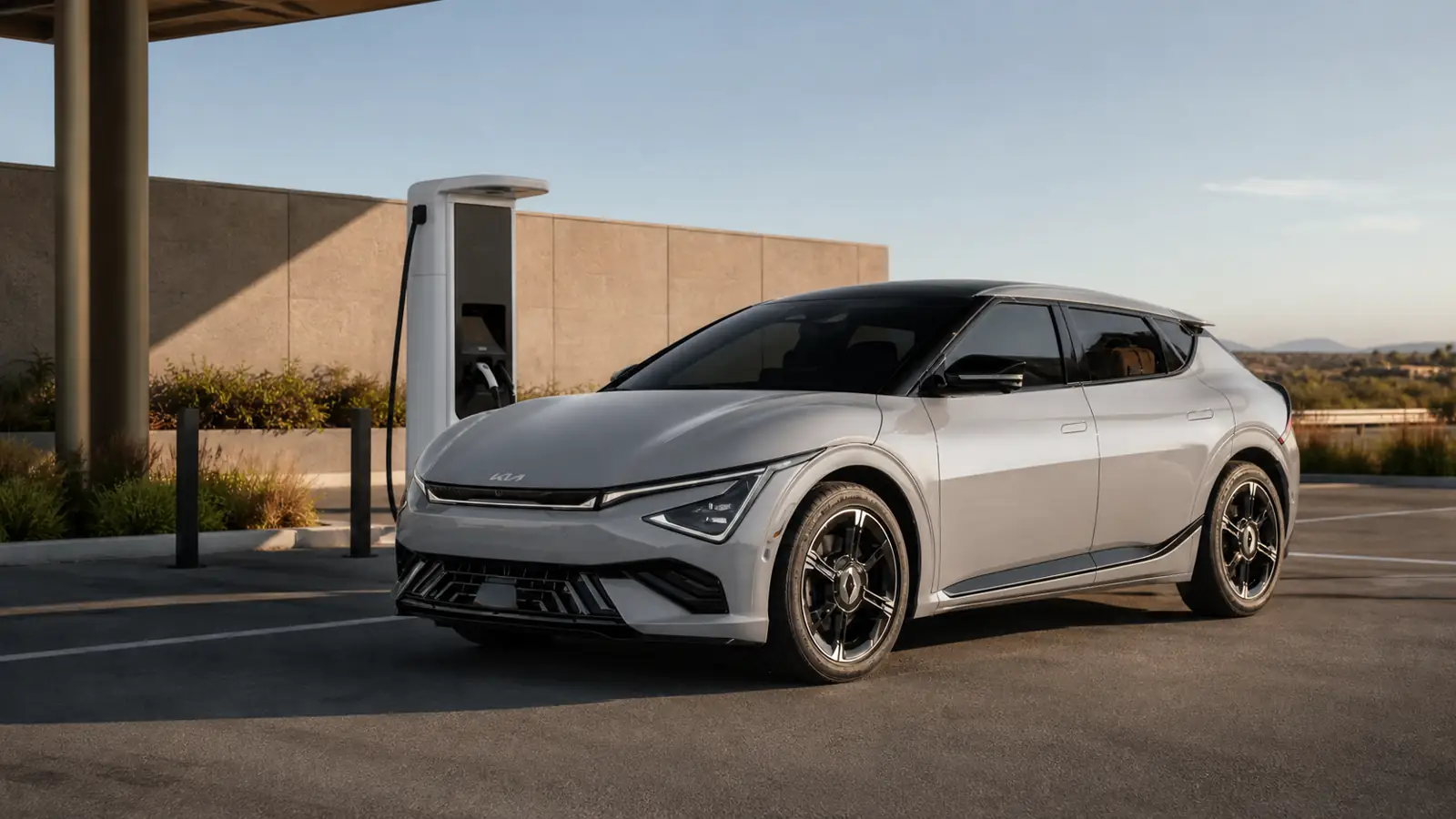
Kia EV6
EV6 · $42,900-$63,800The refreshed 2025 Kia EV6 combines an 84 kWh battery with up to 319 miles of EPA-estimated range and very…
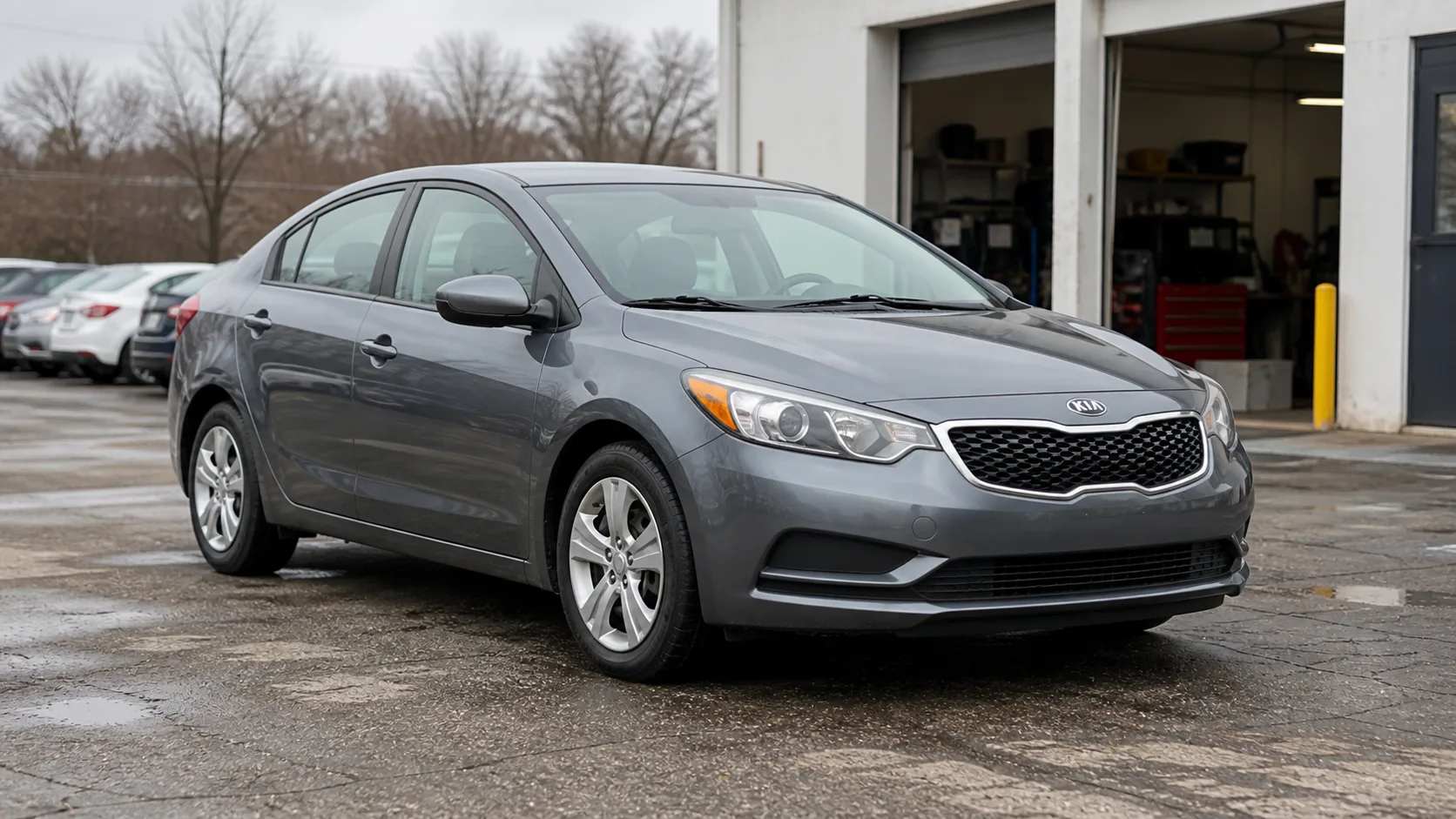
Kia Forte
Forte · $19,990-$25,390The Kia Forte is now a used-car question in the U.S., because Kia replaced it with the K4 after the 2024…
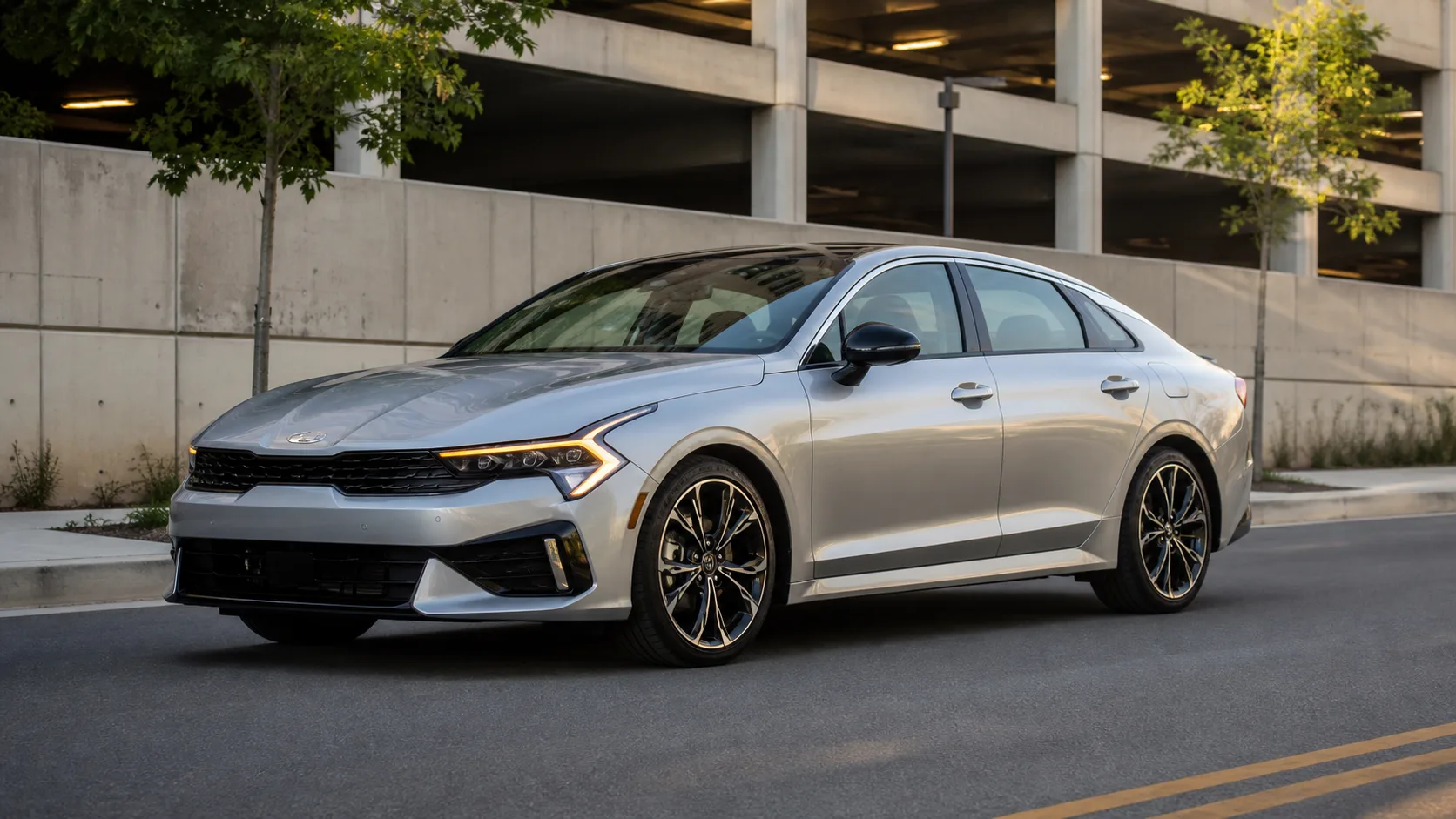
Kia K5
K5 · $27,190-$34,490The Kia K5 is the midsize sedan for shoppers who want sharper styling and stronger value than the default…
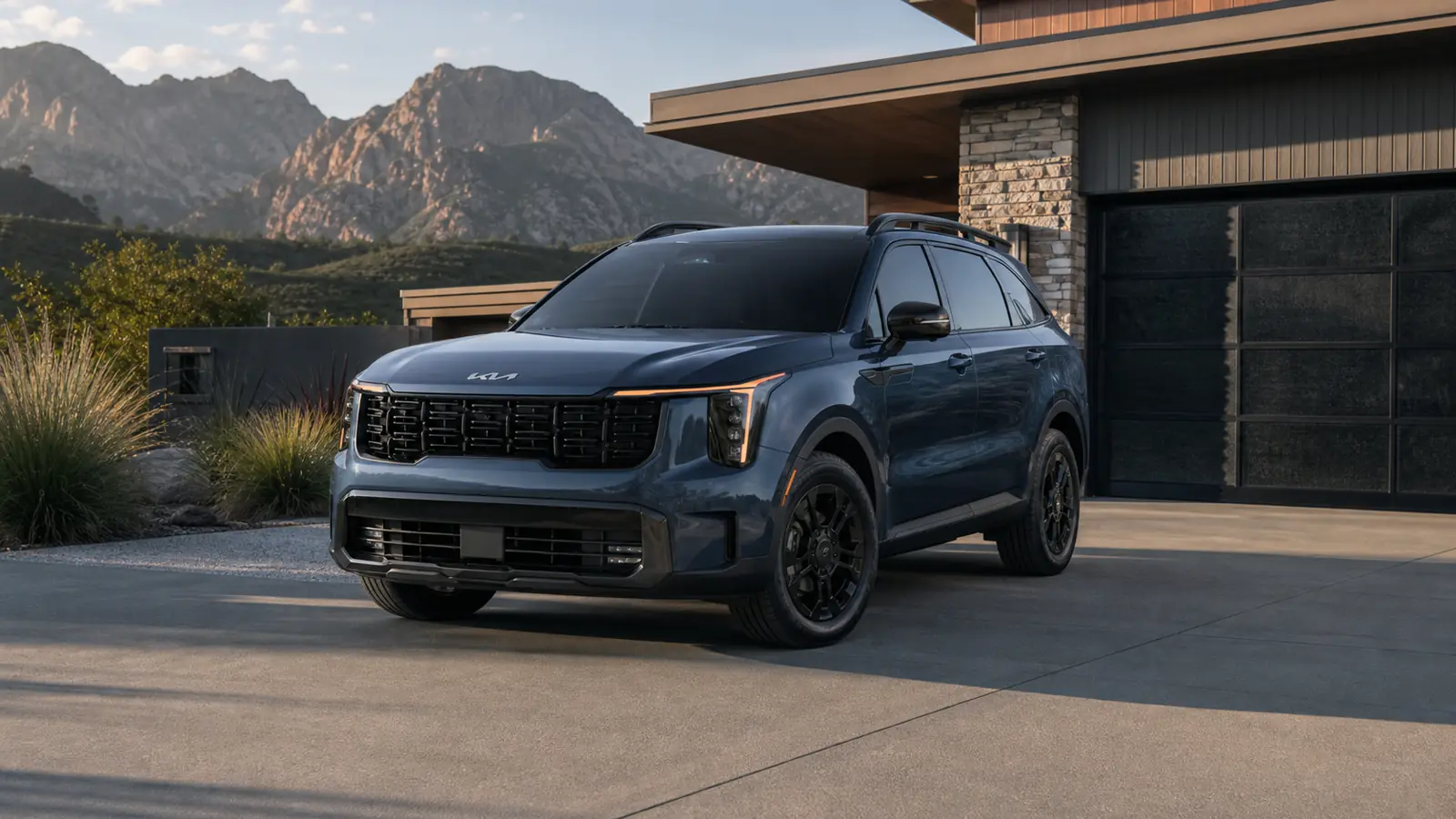
Kia Sorento
Sorento · $32,390-$52,000The 2026 Kia Sorento squeezes an occasional third row into a midsize footprint and offers four distinct…
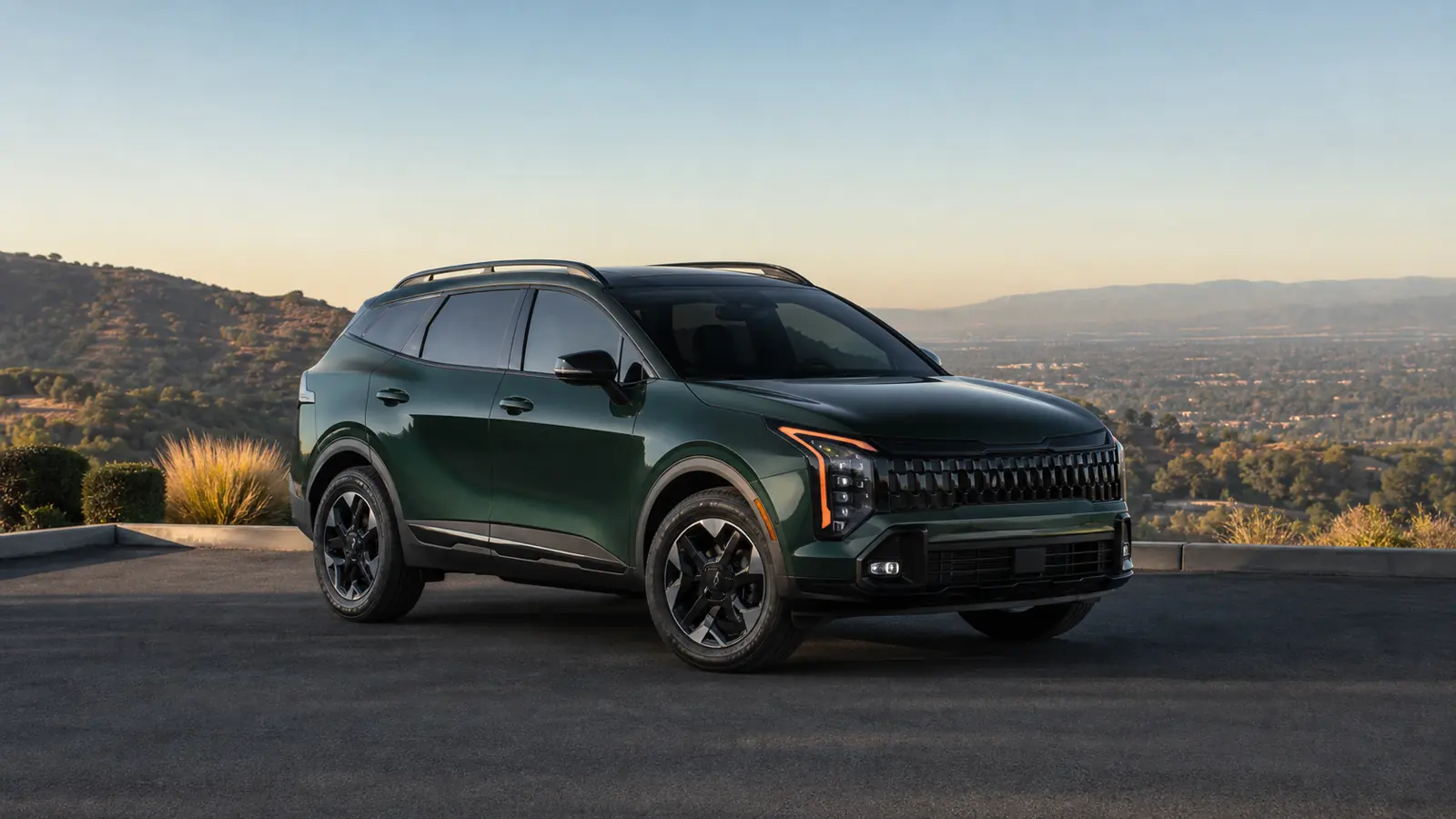
Kia Sportage
Sportage · $28,790-$49,000The 2026 Kia Sportage offers gas, hybrid, and plug-in hybrid drivetrains in one roomy compact SUV. The gas…
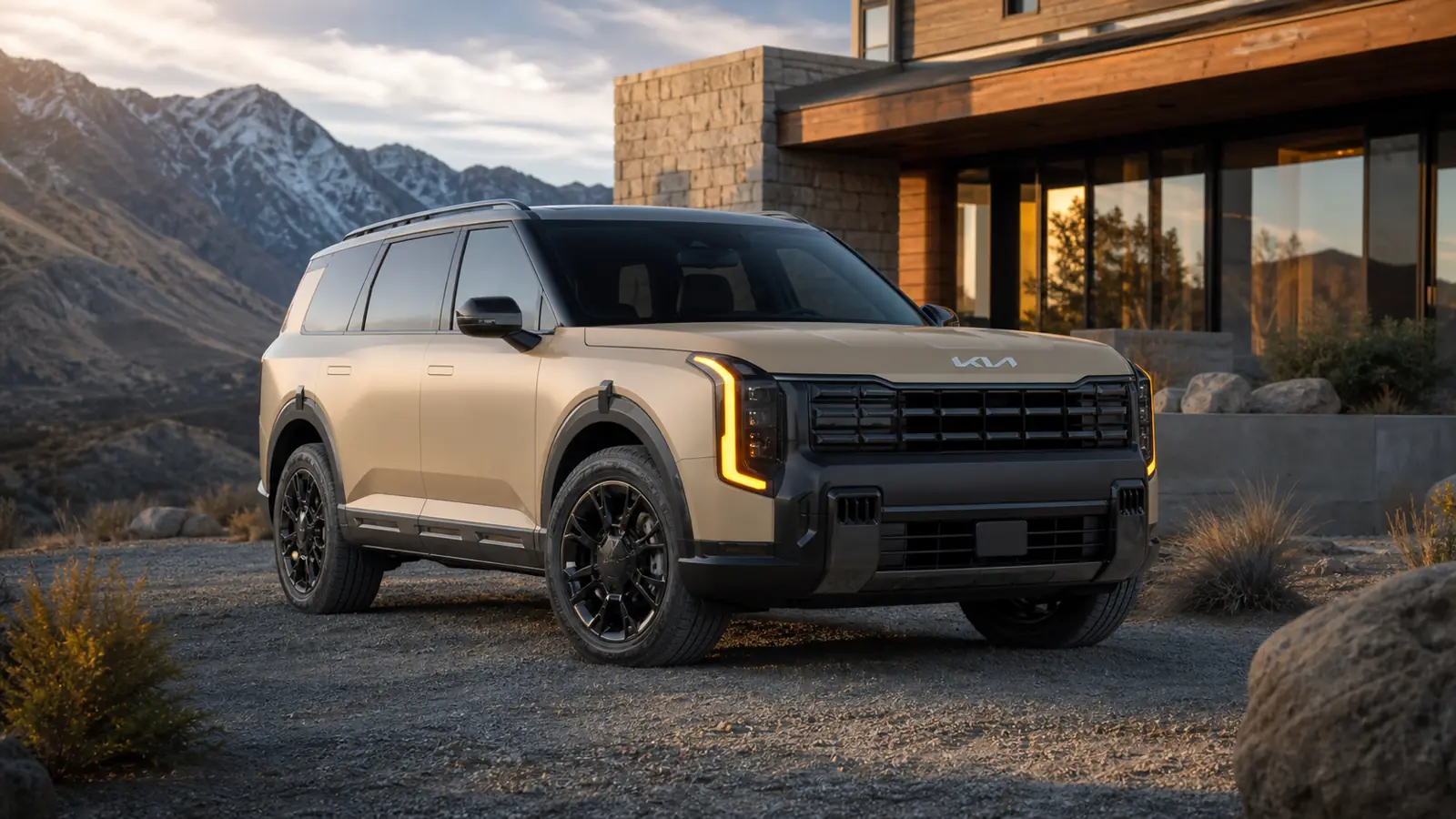
Kia Telluride
Telluride · $39,190-$58,000The redesigned 2027 Kia Telluride replaces the old V6 with a 274 hp turbo four-cylinder, adds more cabin…
Kia spent two decades turning itself from a budget afterthought into a brand that Honda and Toyota shoppers actually cross-shop.
Kia now pairs sharp, aggressive styling with the longest mainstream warranty sold in America, and it usually asks less money than its rivals for the same equipment.
The trade for that Kia pricing is a thinner lineup than the giants and resale that still trails the segment leaders. Here is what the badge gets you across the sedans, and which one fits your driving and your budget.
The warranty is the reason to start here
Kia backs every new car with a 10-year or 100,000-mile limited powertrain warranty and a 5-year or 60,000-mile basic warranty. No mainstream rival covers both the engine and the bumper-to-bumper period for as long.
That warranty matters most if you finance near the top of your budget or plan to keep the car well past the loan.
A powertrain warranty that runs to 100,000 miles keeps the engine and transmission protected years after a comparable Honda or Toyota warranty has run out.
Read the terms before you sign, because the full 10-year powertrain coverage applies to the original owner, while a second owner gets 5 years or 60,000 miles. For a buyer holding the car a decade, that long coverage takes a lot of risk off the table.
Two sedans, two budgets
Kia's car range on this page comes down to two sedans that split cleanly by size and price.
One sedan is a compact built to keep monthly costs low, the other a midsize built to look like it costs more than it does.
| Model | Best for | Starting price |
|---|---|---|
| Forte | A first car with the lowest running cost | $19,990 |
| K5 | A style-forward midsize commuter | $27,190 |
Pick the sedan by the job it does, not the trim name.
If the job is the smallest monthly payment, the Forte is the answer. If you want a midsize that stands out in the parking lot, the K5 earns the extra outlay.
The Forte is the value compact
Price is the Forte's whole argument.
The Forte starts at $19,990 and tops out around $25,390 loaded, which undercuts most compact sedans before you even count the warranty. EPA ratings reach 30 mpg city and 41 mpg highway, so the fuel bill stays low to match.
The Kia Forte also gives you more back-seat and trunk room than the price suggests, which makes it a genuine first car rather than a penalty box.
For a new driver or anyone shopping the bottom of the market, the Forte pairs a sub-$20,000 sticker with a 10-year powertrain warranty, a combination no other brand quite matches.
Weigh the Forte against the rest of our budget car picks and the best first cars before you decide.
The K5 makes midsize look expensive
Styling is where the K5 spends its money.
The Kia K5 wears a low, wide body and a bold grille that read like a car from a class above, and the sporty GT trim adds a turbocharged engine for buyers who want pace to go with the look. Prices run from $27,190 to $34,490.
EPA ratings land at up to 26 mpg city and 37 mpg highway, competitive for a midsize of this size.
The K5 also offers all-wheel drive, still rare among midsize sedans and genuinely useful if you face real winters. It sits in the mainstream price bracket while looking like it belongs a rung higher.
The Hyundai question
You cannot shop Kia without running into Hyundai.
The two brands share owners, platforms, engines, and that long warranty, so the Forte and the Hyundai Elantra are close cousins under the skin, as are the K5 and the Hyundai Sonata.
The difference between the two is mostly style and price. Kia tends to draw the sharper, more aggressive lines, and it often lists for a little less or hands you more standard equipment at a given trim.
Cross-shop the matching Hyundai model every time, because the mechanical package is nearly identical and the better deal swings between the two brands by model and by month.
What a Kia costs to keep
Kia's ownership case is strongest up front and on repairs. The low sticker and the long warranty mean you spend less to buy and carry less risk if something major fails inside 100,000 miles.
Pros
- Lower purchase price than most rivals
- 10-year powertrain warranty cuts repair risk
- Sharp styling and generous standard equipment
Cons
- Resale trails Toyota and Honda
- Thinner lineup than the big brands
- Full warranty term does not transfer to later owners
The weak spot is resale. A used Kia sells for less than a comparable Toyota or Honda of the same age and mileage, which eats into the up-front saving if you trade cars often.
Buy a Kia to keep it, not to flip it, because the value math pays off for the owner who uses that decade of warranty rather than selling in year three.
How we review Kias
Every Kia profile here is scored on the same measures as its rivals: real fuel economy, reliability history, safety scores, and five-year cost to own. We read EPA and NHTSA data alongside long-term reliability records.
A reviewing expert signs off on every Kia model's buying advice before it goes live.
Start with the Kia that fits your budget above, the Forte for the lowest cost or the K5 for style, and weigh each against its Hyundai twin before you commit.
Frequently Asked Questions
Is Kia's 10-year warranty really that good?
Should I buy a Kia Forte or a K5?
Is a Kia the same as a Hyundai?
Are Kias reliable?
Do Kias hold their value?
See how Kia stacks up
Put these models against their rivals side by side, then read the full research-first review before you buy.
Compare cars