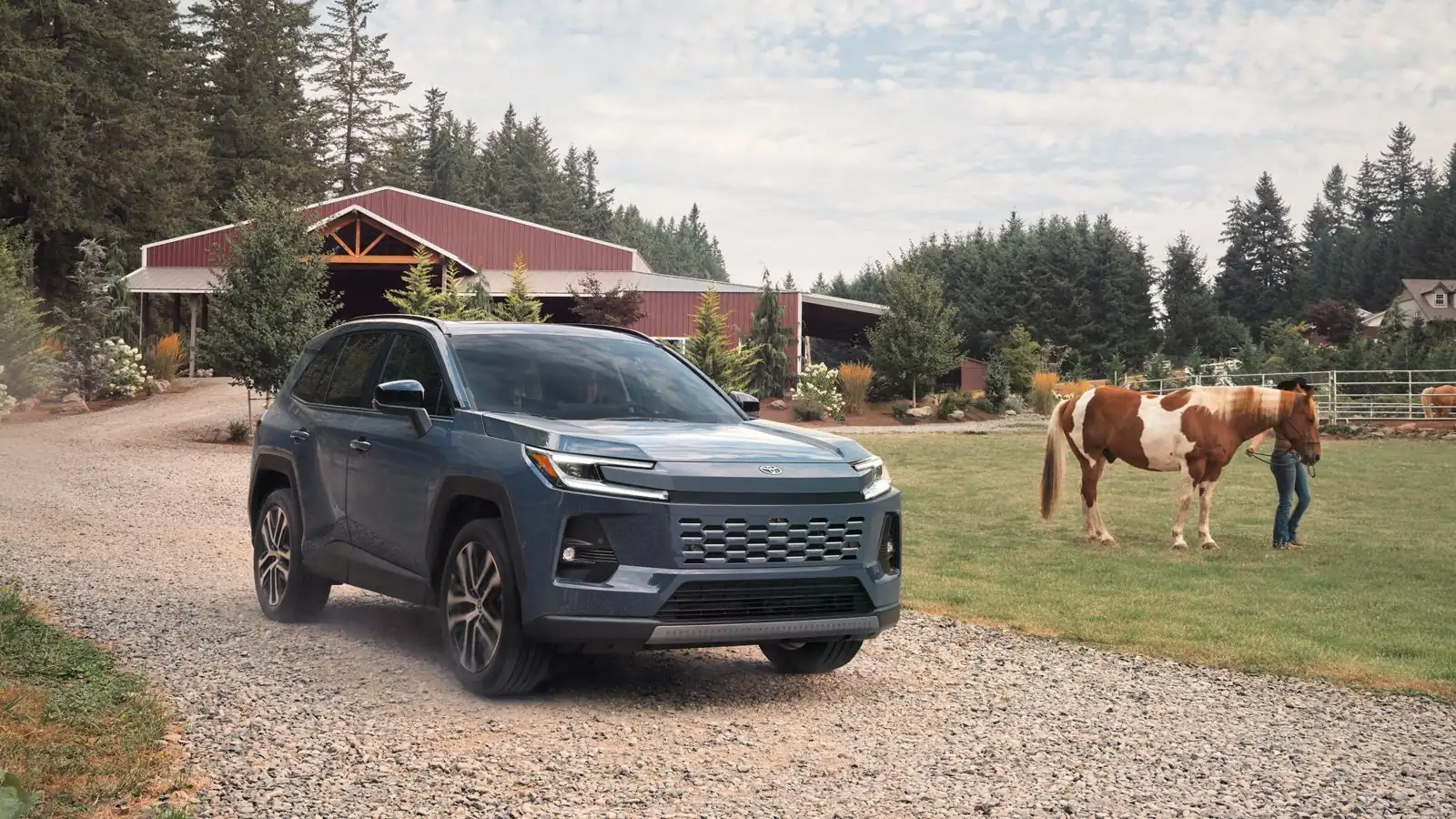
The gas RAV4 is reliable, but three powertrain eras need different proof
The Toyota RAV4 earns a strong overall rating through durable engines, available AWD, abundant parts, and broad service knowledge. RepairPal rates it 4.0 out of 5, ranks it third among 26 compact SUVs, and reports about $429 in average annual repair cost.
The average hides three gas-era questions. Some 2006 to 2008 four-cylinder cars can use oil, some 2013 to 2015 six-speed cars can shudder under light throttle, and 2019 examples need a complete eight-speed road test plus campaign verification.
These concerns do not make every RAV4 risky. They make the engine code, model year, repair history, and road behavior more useful than a general brand reputation.
The gas RAV4 is a dependable used SUV after its exact era has passed the one test that matters for that powertrain.
The 2AZ-FE oil problem belongs to 2006 to 2008, not every RAV4
Some 2006 to 2008 four-cylinder RAV4s use Toyota's 2.4-liter 2AZ-FE, an engine associated with excessive oil consumption. Piston-ring deposits or wear can lower the level between services, risking timing noise, plug fouling, catalyst damage, and engine wear when owners fail to top it up.
Check the dipstick before the engine runs and ask how much oil is added between changes. A freshly changed and filled crankcase cannot answer that question without invoices, consumption-test paperwork, or a seller who tracked top-ups.
Look for smoke after idle, oily deposits, repeated spark-plug work, catalytic-converter codes, or documented piston repairs. A repaired car with stable oil level can be acceptable, while an untouched car needs a price that reflects uncertainty.
Later engines should still have their oil checked, but they do not inherit this exact problem by name alone. Containing the concern to its engine prevents an old issue from distorting the value of every newer RAV4.
Six-speed converter shudder can be identified before purchase
Some 2013 to 2015 RAV4s can develop torque-converter shudder during light acceleration at suburban speeds. Toyota bulletin T-SB-0023-15 describes an intermittent vibration under light load at roughly 25 to 50 mph and identifies production-change VINs for affected configurations.
The symptom can feel like driving over a brief strip of rough pavement after the vehicle is warm. Reproduce that speed and throttle window instead of treating one hard acceleration as a complete transmission test.
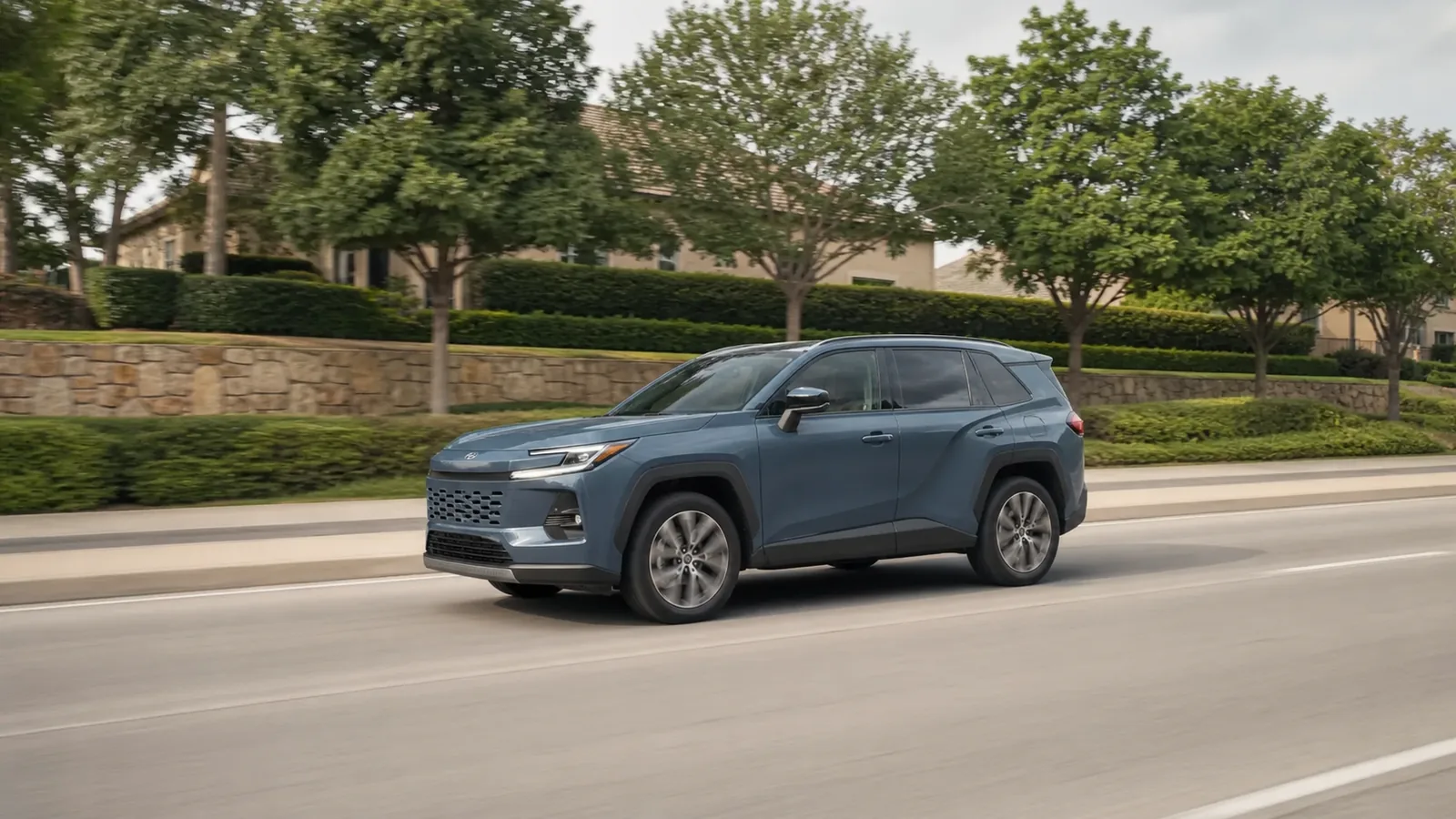
Reproduce the condition with gentle throttle on a level road, then repeat it after the transmission is fully warm. A vibration tied to engine load rather than wheel speed deserves diagnosis, because tires, engine mounts, and driveline parts can imitate the sensation.
Shudder evidence
- Road condition
- Smooth level pavement at steady light throttle
- Symptom
- Rapid vibration that appears under load and then fades
- Records
- Correct fluid, Toyota service information, converter work
- Buyer response
- Diagnose before purchase, do not guess from feel alone
Toyota service information described repair paths for affected vehicles. Ask whether any converter, software, or fluid work was completed and require an invoice that names the repair.
The 2019 eight-speed and first-year campaigns require a complete road test
The 2019 redesign introduced an eight-speed automatic and new vehicle electronics. Some owners reported hesitation, abrupt low-speed shifts, or calibration behavior, so a short drive around a parking lot is not enough.
Start cold, test reverse and drive engagement, crawl in traffic, roll back onto the throttle, merge firmly, and cruise at highway speed. The transmission should become more predictable as it warms rather than produce repeated bangs, flare, or delayed response.
- 2019Redesign launch, verify transmission behavior and all campaigns
- 2020-2021More production maturity, still confirm updates by VIN
- 2022-newerLater fifth-generation gas cars, inspect condition and software normally
A completed software update can explain improved behavior, but it cannot prove that a harsh unit is healthy. Treat persistent symptoms as a diagnostic problem instead of accepting that every eight-speed behaves that way.
The 2019 car can be a rational value when the full drive is clean and VIN records are complete. Its first-year status is a prompt for evidence, not an automatic rejection.
Battery-fire recall work and ordinary EVAP faults have different stakes
Toyota and NHTSA warned about a fire risk involving replacement 12-volt batteries whose dimensions could allow the positive terminal to contact the hold-down hardware during hard cornering. Verify the recall remedy by VIN because this safety concern is separate from battery age or starting performance.
An EVAP code may come from a loose cap, purge valve, hose, or leak. It deserves diagnosis, but it does not carry the same immediate stake as unresolved battery-retention recall work.
| Evidence | Main stake | Buyer action |
|---|---|---|
| Open 12-volt battery recall | Fire risk | Complete remedy before normal use |
| EVAP code | Emissions and possible drivability | Diagnose and price repair |
| Low engine oil on 2AZ-FE | Engine damage | Establish consumption before purchase |
| Persistent transmission shudder | Driveline repair | Diagnose before agreeing on price |
Do not let the word battery send a gas-RAV4 shopper into hybrid research. This recall concerns the conventional 12-volt battery and its retention hardware.
A $429 repair average does not erase age, AWD, and neglect
RepairPal's roughly $429 annual average compares the RAV4 favorably with other compact SUVs. The figure cannot predict a first year containing four tires, brakes, struts, wheel bearings, fluid services, and an overdue repair.
AWD adds a rear driveline and makes matched tires more important. Check equal size and similar tread depth, listen during tight turns, and inspect underneath for leaks, impact damage, and corrosion.
Age can matter more than mileage when rubber, cooling components, suspension, and electrical connections deteriorate. Build a reserve from the inspection and price every overdue item before comparing listings.
The safest gas RAV4 combines the right era with verifiable repairs
A clean 2016 to 2018 gas RAV4 offers a mature version of the fourth generation without the early 2AZ-FE oil issue. A later fifth-generation car can also be strong when its transmission behavior and VIN history are clean.
Older and 2019 cars remain possible purchases when their specific evidence is unusually good. Documented piston work, converter replacement, or campaign completion can make a repaired example more predictable than an untouched one.
Keep hybrid fuel-tank, cable, and traction-battery questions out of this decision unless the vehicle is actually a hybrid. The gas model has its own evidence and should be judged on it.
The safest gas RAV4 is the one whose engine era, road behavior, and repair invoices all tell the same story.
Towing, cooling, and cargo use change the wear pattern
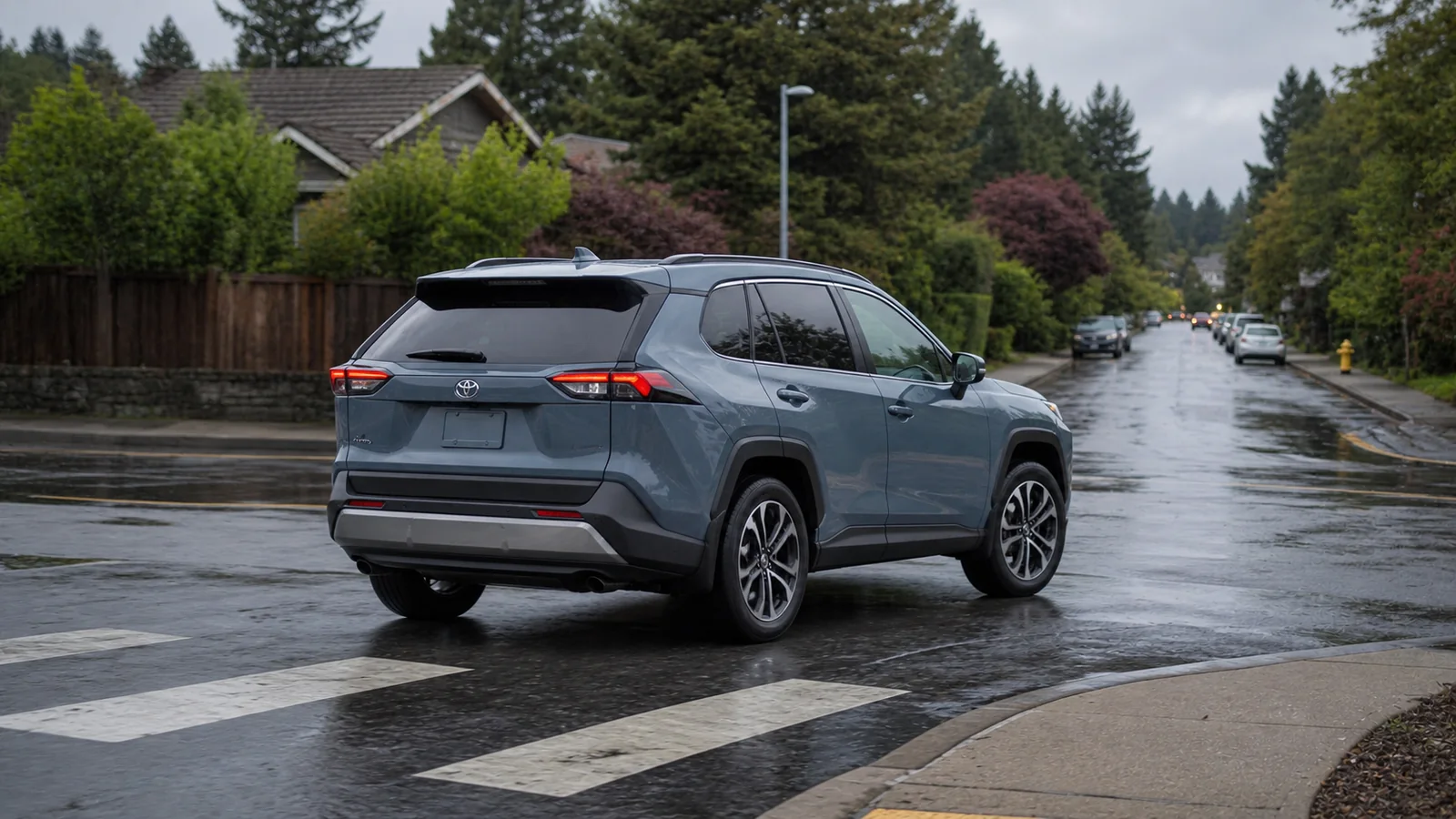
Towing and cargo history can change wear even when the RAV4 stayed within its ratings. Repeated heat, steep grades, and a loaded rear axle work the cooling system, brakes, tires, and transmission harder than an unloaded highway commute.
Look for a transmission cooler, trailer wiring, scuffed cargo trim, and wear around the receiver because each clue adds context without proving abuse. The useful question is whether the service file accounts for the extra heat and weight that those clues suggest.
Run the heater during the road test and inspect coolant reservoirs again after shutdown. Stable cabin heat, clean coolant, no dried residue, and a pressure test when leakage is suspected provide more evidence than a temperature gauge that stayed normal for twenty minutes.
Check hitch installation, rear ride height, brake vibration, coolant condition, and transmission behavior when the vehicle appears to have pulled a trailer. A clean receiver is not proof of light use, but worn hardware and sagging suspension provide useful context.
Body repairs and water intrusion can undermine a sound powertrain
Body repairs deserve careful review on later RAV4s because front sensors and camera calibration support driver-assistance functions. Verify invoices after windshield or bumper work and test every warning indicator rather than assuming a clean dashboard means the system was calibrated.
The final price should include overdue maintenance and visible wear before any reliability rating enters the comparison. A documented higher-mile RAV4 can be safer than a lower-mile one that needs tires, brakes, fluids, recall work, and a transmission diagnosis at once.
A professional inspection should name the engine, reproduce any vibration, measure tire tread, scan all modules, and inspect structural metal. That report turns a broad reputation into a finite list of costs and stop conditions.
Cooling-system history is important on every era because overheating can turn an otherwise durable engine into a poor purchase. Check reservoir level, hose condition, radiator seams, water-pump evidence, heater output, and any invoice that mentions repeated coolant loss.
A clean temperature gauge during one drive cannot prove that an intermittent leak is solved. Dried coolant residue, a sweet smell after shutdown, or a recently replaced cap without a larger diagnosis deserves a pressure test.
Steering, suspension, and cargo-floor evidence expose hidden damage
Steering and suspension behavior also help separate normal age from structural or collision trouble. The RAV4 should track consistently, absorb bumps without repeated bouncing, and brake without pulling or transmitting a strong vibration through the wheel.
Listen for wheel-bearing noise at a steady road speed, then make gentle lane changes to see whether the sound changes with load. A pull, steering-wheel vibration, or uneven tire wear can point toward alignment, suspension, bearing, or collision work.
Compare left and right ride height on level ground and inspect control arms, struts, bushings, and subframe mounting points. Fresh parts are useful when invoices explain them, while isolated new hardware beside bent or corroded metal deserves a closer structural check.
Chassis evidence
- Wheel bearing
- Noise changes as side load changes
- Alignment
- Steering pull or uneven tire wear
- Suspension
- Uneven ride height or repeated bouncing
- Structure
- Bent, corroded, or mismatched mounting hardware
Inspect the cargo floor and spare-wheel area for moisture, repair seams, and missing fasteners. Water intrusion after liftgate, rear-body, roof, or glass work can affect wiring and corrosion long before it creates an obvious cabin warning.
Compare complete vehicles rather than model years alone
| Evidence | Cost question | Decision |
|---|---|---|
| Tires and brakes | Due now or measured healthy? | Add immediate work to the price |
| Cooling residue | Active leak or old trace? | Pressure-test before purchase |
| Converter vibration | Reproduced at 25 to 50 mph? | Require a diagnosis and estimate |
| Campaign record | Open or completed by VIN? | Complete safety work before use |
Use the asking price to compare complete vehicles rather than model years alone. A mature 2017 that needs tires, brakes, struts, and cooling work may cost more during year one than a documented 2019 whose updates are complete and whose road behavior is clean.
The best evidence is agreement between a cold test, a warm road test, the scan, the underbody, and the invoices. When one source contradicts the others, pause the purchase until an independent shop explains why.
A RAV4 with a hitch should be judged by heat evidence, not by the hitch alone. Dark fluid, cooling residue, brake vibration, rear sag, and tires near their load limit show whether repeated hauling was matched by maintenance.
The 2013 to 2015 converter test needs light throttle after full warm-up because the bulletin condition appears in a narrow operating window. A hard merge can feel normal while a steady 35 mph climb reveals the vibration, so the drive route should include both.
Later driver-assistance systems add a documentation question after glass or bumper work. A calibration invoice and normal scan are stronger evidence than a warning-free dashboard immediately after codes were cleared.
Open the spare-wheel well after rain or a wash and inspect seams, connectors, and sound insulation for moisture. A leak from liftgate, roof, glass, or body repairs can create electrical trouble months before the carpet smells damp.
Finally, compare the quote for every overdue item with the price difference to a cleaner vehicle. Tires, brakes, cooling work, a converter diagnosis, and recall completion can turn the cheaper listing into the more expensive first year.
Ask the inspecting shop to photograph any oil residue, coolant trace, corrosion, or damaged underbody hardware. Images provide a durable baseline for later maintenance and prevent a vague observation from becoming an argument after purchase.
Sources
- Rating and repair data from RepairPal.
- Model-year patterns from CarComplaints.
- Toyota converter-shudder information in service bulletin T-SB-0023-15.
- NHTSA's RAV4 battery-fire recall alert.