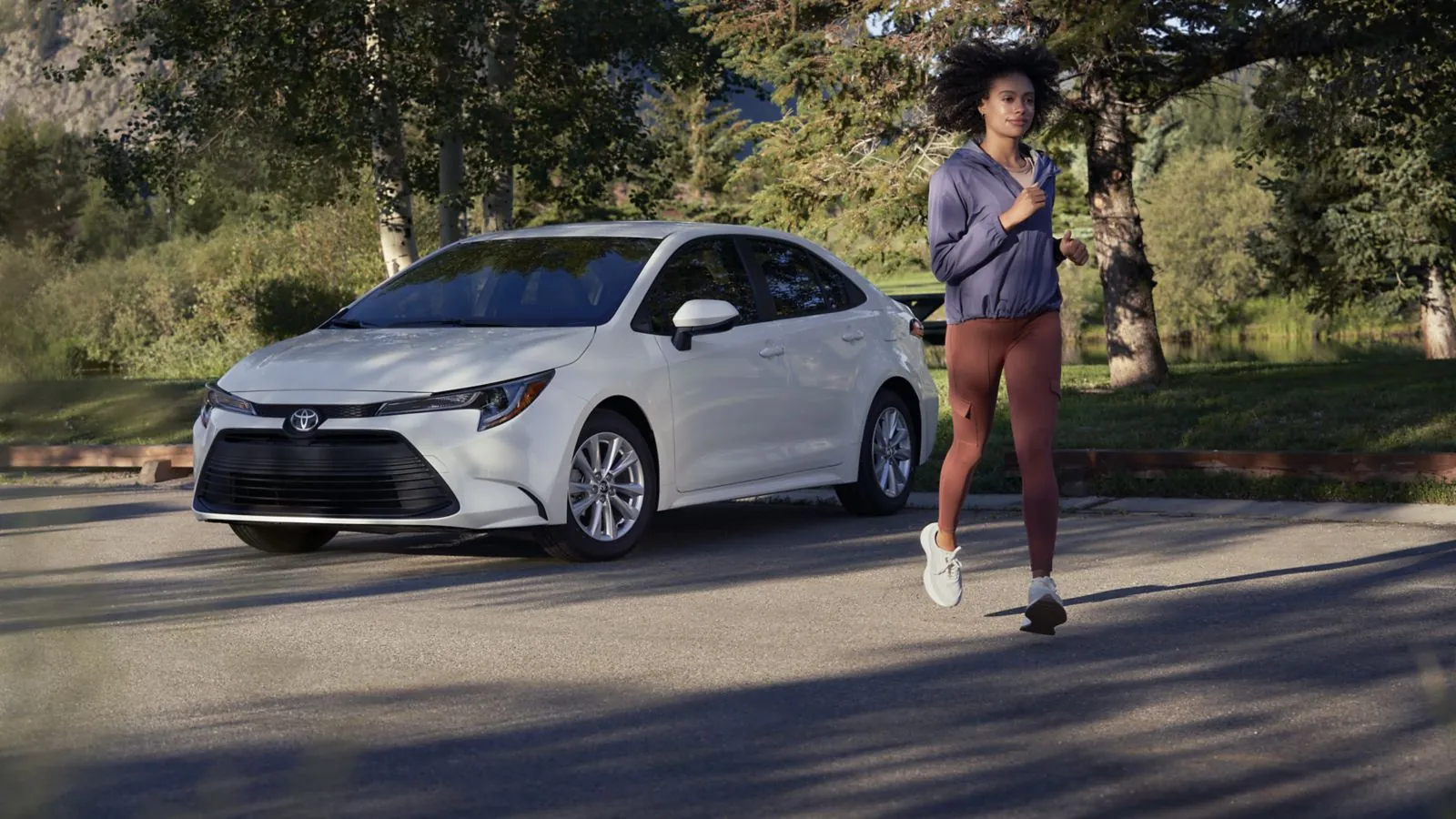
Corolla reliability is real, but the XRS is not the base car
The Toyota Corolla has earned its reputation through simple mainstream engines, inexpensive consumables, and enormous parts availability. RepairPal rates it 4.5 out of 5 and reports an average annual repair cost of about $362, placing it among the least expensive compact cars to keep.
That record mainly describes ordinary commuter versions. The 2009 and 2010 XRS used Toyota's 2.4-liter 2AZ-FE engine, which carries an oil-consumption history that should not be applied to every Corolla with the same model year.
A Corolla can commonly run beyond 200,000 miles when oil, coolant, transmission fluid, and rust prevention are handled on time. That useful lifespan comes from repeated modest service rather than a mechanical exemption from wear.
Treat the Corolla as reliable after you identify its engine and confirm its service history, not before.
Engine code separates the 2AZ-FE oil risk from ordinary Corollas
The rare XRS is the important exception because its 2AZ-FE is related to engines involved in Toyota oil-consumption service programs. Worn or sticking piston rings can allow oil to enter the combustion chambers, lowering the dipstick between services and eventually affecting spark plugs or the catalytic converter.
The ordinary 1.8-liter Corolla does not inherit that exact risk simply because it wears the same body. Verify the VIN and engine label, since online listings often identify only the trim and can be wrong.
| Version | Main concern | Evidence to request |
|---|---|---|
| 2009-2010 XRS 2.4L | Oil consumption | Dipstick level, top-up history, repair invoices |
| Mainstream 1.8L | Normal age and service wear | Regular oil and coolant records |
| Later 2.0L | Direct-injection and service history | Prompt oil changes and clean cold start |
| Hybrid | Cooling path and warning history | Hybrid scan, 12-volt battery condition |
Check the oil before the seller starts the engine, then look for smoke after a long idle and ask whether oil was added between changes. A freshly filled crankcase proves little when the seller cannot describe the rate of use.
An XRS with documented piston work and stable oil level may still be worthwhile because it is a distinct, more powerful version. An XRS with low oil and no invoices is a different risk from a normal 1.8-liter commuter.
A cold 2014 CVT tells more than the transmission's reputation
The 2014 model introduced a continuously variable transmission to the U.S. Corolla line, making it the year that deserves the most careful CVT drive. First-year calibration and service history matter, while later examples benefited from accumulated production experience.
Toyota later opened Special Service Campaign JSD for certain 2014 to 2017 Corollas to update CVT software. Check the VIN for completion because a campaign record answers the calibration question, while the road test still has to rule out mechanical wear.
A CVT does not create conventional gear changes, so a steady engine note under acceleration is normal. Shudder when pulling away, delayed engagement, a flare without matching acceleration, or a hot-transmission warning is not normal.
Drive the car before it has warmed up, repeat low-speed acceleration after twenty minutes, and hold light throttle on a gradual incline. These conditions reveal behavior a five-minute loop around a dealer block may miss.
Fluid invoices should show the correct Toyota-specified product and a sensible service history. A high-mileage car with no transmission record is not automatically failed, but the missing evidence belongs in the price and inspection decision.
EVAP faults and high-mileage shifts are repair clues, not a death sentence
Many Corolla complaints concern warning lights, mounts, wheel bearings, struts, batteries, and other age-related parts. These issues can cost money without threatening the engine's basic lifespan, so severity matters more than the length of the complaint list.
Common symptom and meaning
- Check-engine light after refueling
- Test the cap, purge valve, and EVAP system
- Vibration at idle
- Inspect engine mounts before blaming the engine
- Humming that follows road speed
- Check wheel bearings and tire wear
- Clunk over bumps
- Inspect struts, links, and bushings
- Slow cranking or warning lights
- Test the 12-volt battery and charging system
An EVAP code should be diagnosed because several faults can trigger the same light. A seller who cleared the code without providing the scan result has removed evidence rather than repaired the car.
High-mileage suspension wear can also reveal how the car was treated. Four matching tires, even wear, and recent quality struts are better ownership clues than fresh detailing over cheap mismatched rubber.
Why a $362 annual average can hide one neglected Corolla
The roughly $362 RepairPal average is a useful population measure because it confirms the Corolla's routine repair burden is low. It does not say a neglected example will cost $362 during your first year.
A cheap older Corolla may need tires, brakes, struts, wheel bearings, fluids, a battery, and an air-conditioning repair close together. None is surprising alone, but the combined first-year bill can exceed the premium for a better car.
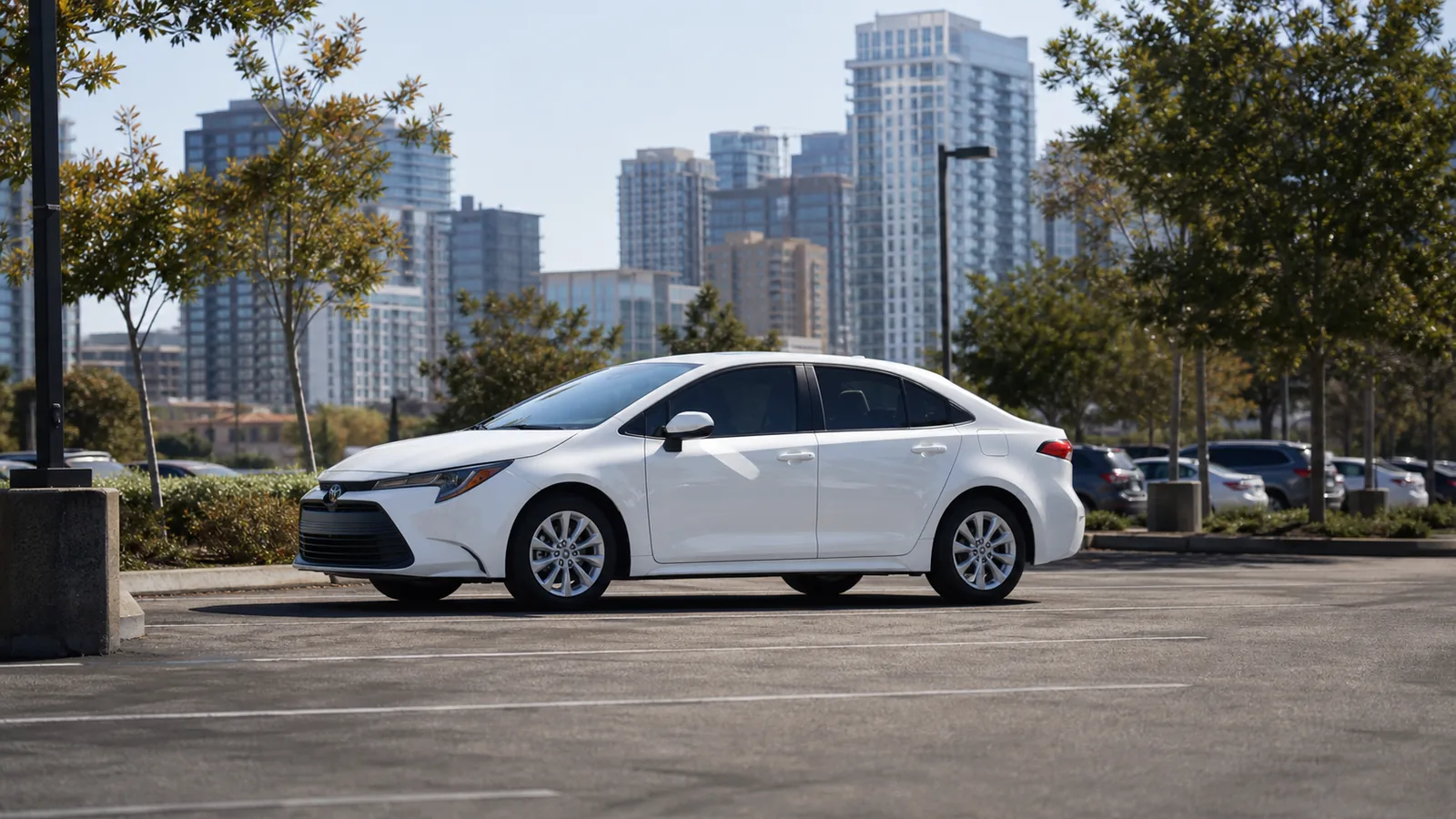
Build the budget from the inspection, not from the rating. Price every overdue item before negotiating, then keep a reserve for one problem the inspection cannot predict.
The average works best as a comparison between models. The individual Corolla still needs to prove that its previous owner did not postpone several years of inexpensive work for you to pay at once.
What 200,000 miles requires from oil, coolant, CVT fluid, and rust prevention
A Corolla reaches 200,000 miles through ordinary intervals repeated for a long time. Oil protects the timing system and rings, coolant controls corrosion and temperature, transmission fluid supports smooth operation, and brake fluid protects hydraulic components.
Records should follow the odometer rather than appear only before the sale. A folder showing steady work from several shops is more persuasive than one fresh multipoint inspection with no earlier history.
- Every service intervalOil level checked and oil changed for actual use
- As scheduledCoolant and brake fluid renewed, leaks corrected
- During long ownershipCVT or automatic fluid serviced with correct fluid
- Every winter seasonRoad salt washed from the underbody
- Before saleTires, brakes, battery, and codes independently checked
Climate can end the car before mileage does. Inspect the subframes, brake and fuel lines, pinch welds, and rear suspension mounting areas on any Corolla that lived where roads are salted.
Highway mileage is often easier on a car than repeated cold starts and short errands. Use history does not replace inspection, but it explains why two Corollas with the same odometer can have different remaining life.
A maintained 140,000-mile car with clean fluids and a sound body can be safer than a 70,000-mile car with rusty structure and missing records. The odometer sets context while the evidence decides condition.
The lowest-risk Corolla is identified by records, not trim
Most risk-sensitive buyers should start with a mainstream naturally aspirated Corolla that starts cleanly, drives smoothly, and has a continuous service file. The specification is simple, shops know it, and replacement parts are available at several price levels.
A 2014 CVT car is not an automatic rejection when it behaves correctly cold and warm and has documented service. The XRS can also be a deliberate enthusiast choice when oil consumption has been checked and priced honestly.
- Buy when the engine identity matches the listing and oil level is stable
- Buy when the CVT behaves consistently through a full drive
- Negotiate normal tires, brakes, mounts, and suspension wear
- Leave when warning codes were recently cleared without a diagnosis
- Leave an oil-using XRS when the seller has no repair evidence
The safest Corolla is the ordinary one whose condition proves that an owner funded its ordinary maintenance.
Deferred maintenance is the real threat to low-cost Corolla ownership
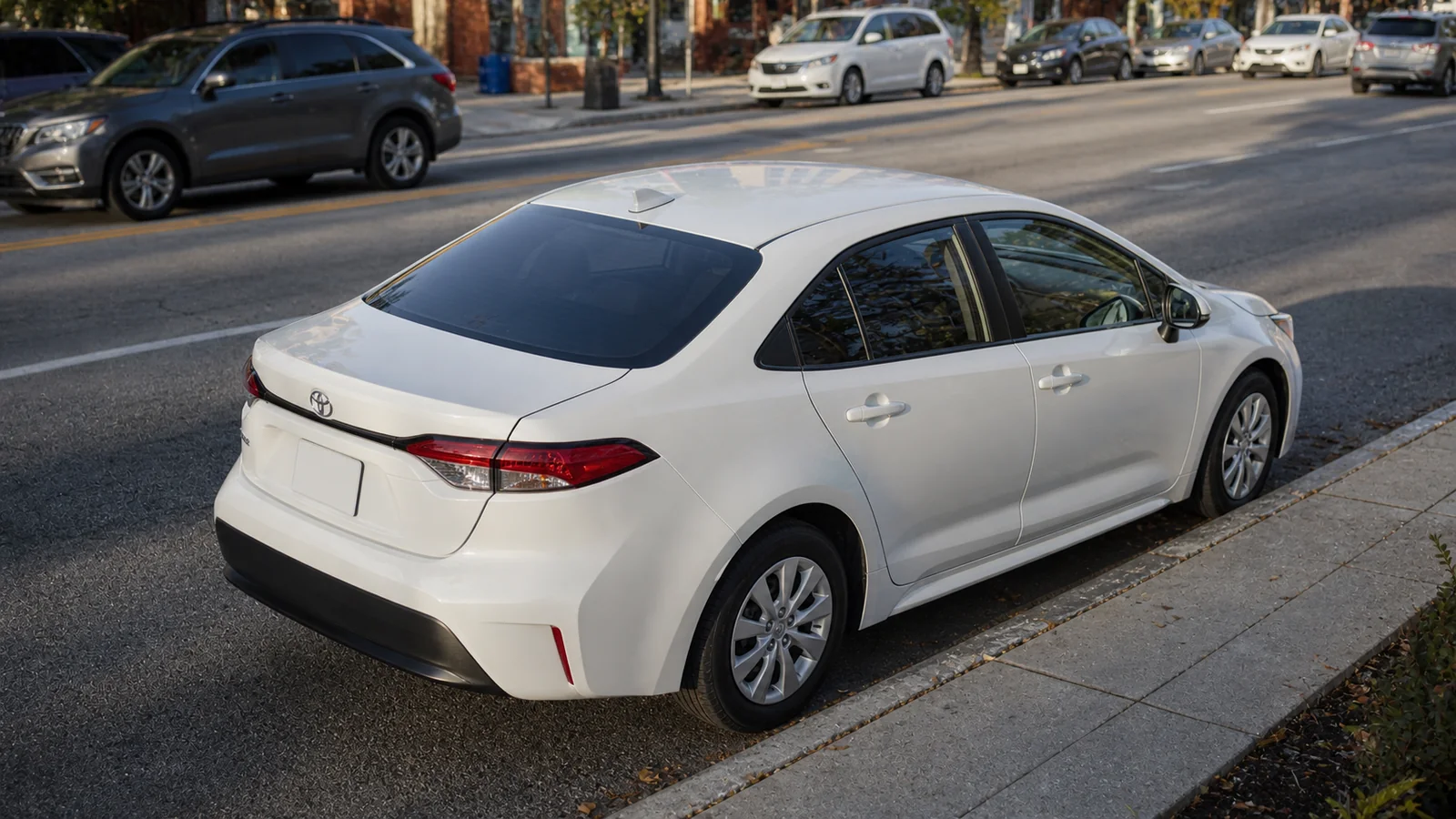
Corolla reliability also makes neglected cars deceptively easy to sell. An engine may start and idle well despite overdue coolant, old brake fluid, weak struts, and tires near their age limit, so the test drive can feel acceptable while the first-year bill keeps growing.
Compare the tire date codes, brake measurements, battery date, coolant condition, and scheduled services with the asking price. These items do not condemn the model, but they determine whether a cheap listing is actually cheaper than the better-maintained car nearby.
Add the cost of overdue fluids, tires, brakes, mounts, and suspension before comparing the listing with another Corolla. Several modest jobs arriving together are the common way a low-cost car creates an expensive first year.
A continuous service file also shows whether warning lights returned after a purge valve, battery, or transmission visit. Repeated codes after parts replacement point to an unresolved diagnosis, while one completed repair with normal operation is ordinary aging.
Body repairs and commercial use can outweigh the odometer
Accident repairs matter because the Corolla's resale value can put marginal body work back on the road. Look for overspray, uneven gaps, mismatched glass, damp carpet, steering pull, and driver-assistance warnings that appear after the system runs its checks.
A professional inspection is especially valuable on a car purchased for low-cost commuting. Spending once to measure fluids, brakes, tires, structural metal, and stored codes protects the exact financial advantage that brought most buyers to the Corolla.
The Corolla's simplicity makes a complete baseline service affordable, but the order matters. Correct safety items, low fluids, active leaks, warning codes, and worn tires before spending on trim, wheels, audio, or cosmetic restoration.
A compression or leak-down test is not necessary for every Corolla. It becomes useful when the cold start is uneven, oil use is unclear, one plug looks different, or the service file shows overheating.
Commercial duty and long storage leave different evidence
Cabin condition can reveal use that the odometer does not explain. Excessive pedal wear, a collapsed driver's seat, delivery equipment marks, or several replacement keys can justify asking whether the car accumulated commercial or stop-and-go duty.
That history is not an automatic rejection, but it changes which fluids and wear parts deserve measurement. A commercial-use Corolla with meticulous service can still be safer than a privately owned car that sat, overheated, or missed years of maintenance.
A Corolla Hybrid adds a traction battery and power electronics, but it does not inherit the XRS oil-consumption question or the 2014 launch-year CVT campaign. Scan the hybrid controls, inspect the battery cooling intake, and load-test the 12-volt battery instead of applying gas-model symptoms to it.
Long periods of storage create a different pattern from heavy commuting. Old fuel, surface-rusted brakes, flat-spotted tires, rodent damage, and a repeatedly discharged battery can make a low-mileage car less ready than its odometer suggests.
Ask whether the car spent its life on salted roads, in coastal air, or under intense sun because each environment attacks different materials. Structural corrosion is the walk-away concern, while faded trim or a weathered steering wheel mainly changes price and comfort.
When two cars pass the mechanical checks, choose the one with the cleaner body and longer paper trail. Those qualities protect resale value and reduce the chance that a hidden collision or neglected interval becomes your first major expense.
Verify the maintenance schedule against the exact model year because fluid specifications and inspection intervals can change between generations.
Sources
- Reliability rating and repair-cost average from RepairPal.
- Model-year complaint patterns from CarComplaints.
- Toyota oil-consumption coverage in Warranty Policy Bulletin POL14-12.
- Toyota CVT update details in Special Service Campaign JSD.
- Recall status should be checked by VIN at NHTSA.