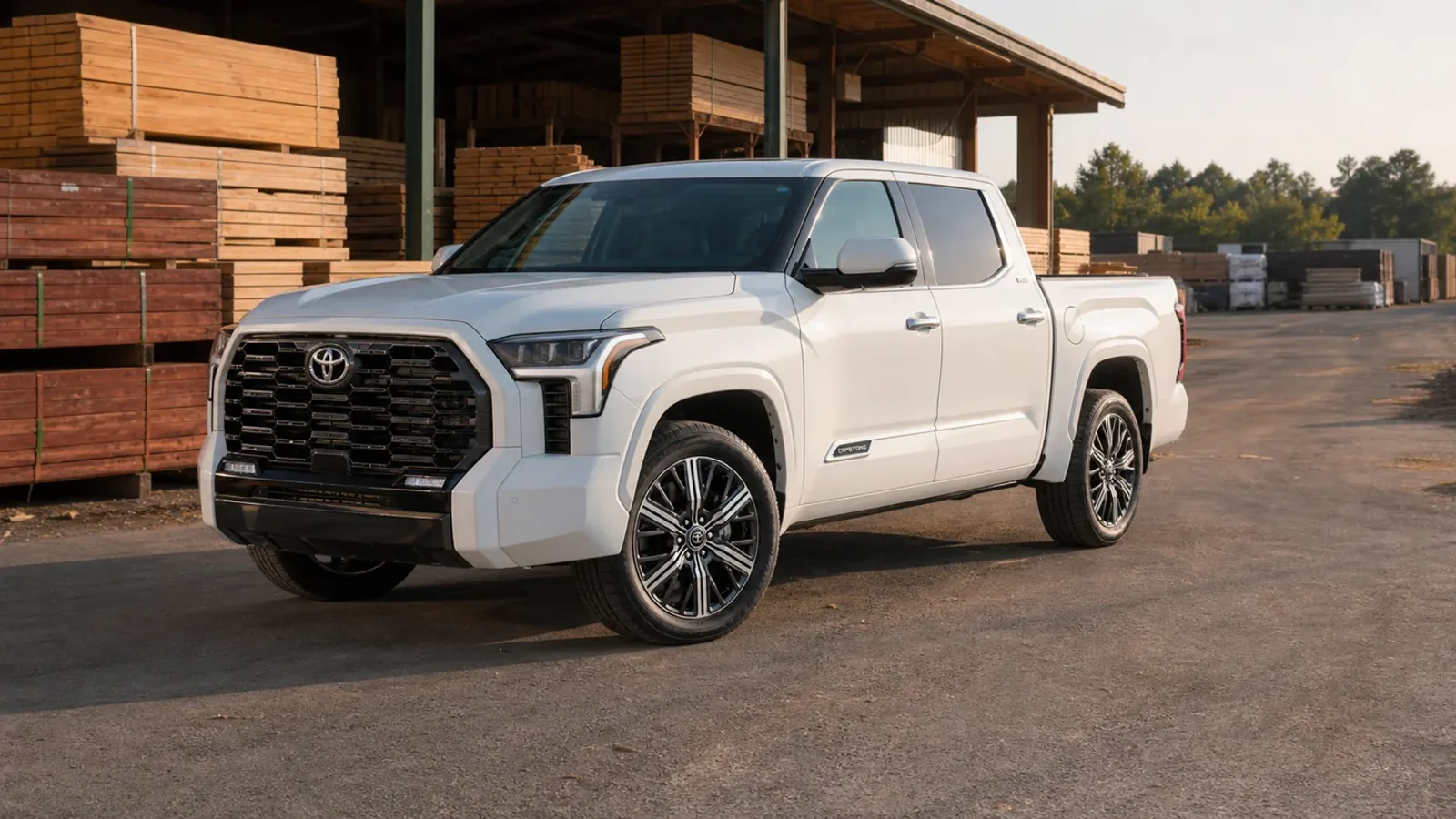
Which Toyota Tundra years should you avoid first?
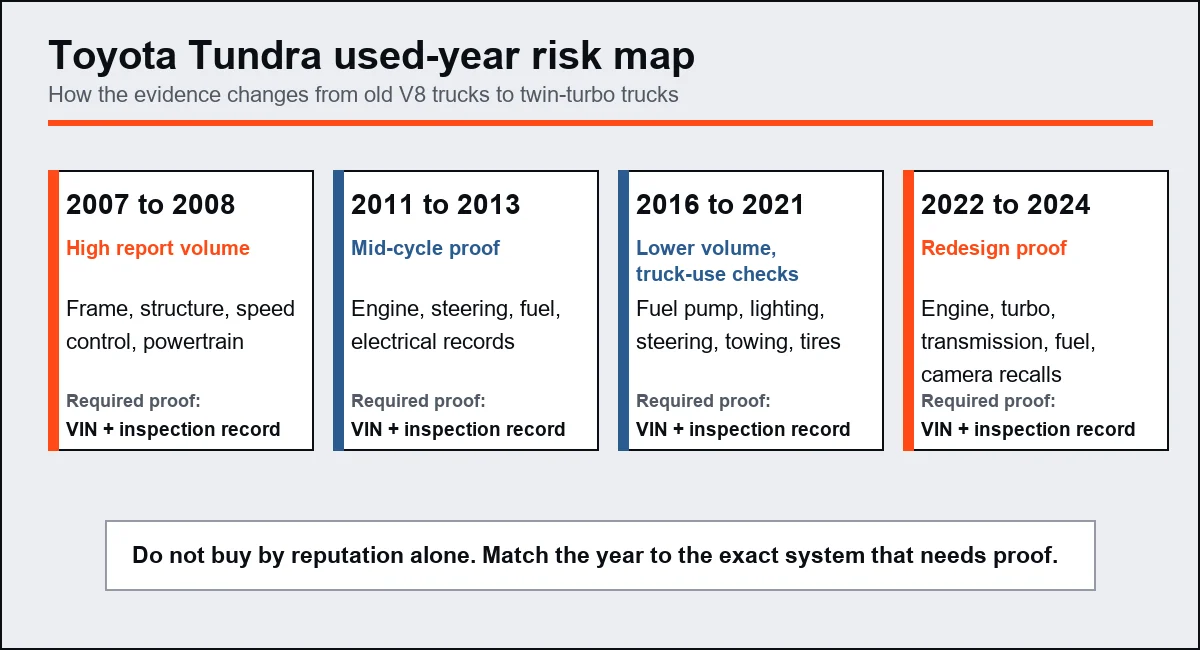
Start with extra caution on 2007, 2008, 2022, 2023, and 2024 Toyota Tundra listings. Those years combine high current NHTSA complaint volume with systems that can change a used-truck deal quickly.
The older warning is about the second-generation V8 truck aging into frame, structure, speed-control, powertrain, steering, suspension, tire, and brake checks. The newer warning is about the redesigned twin-turbo truck, where engine, powertrain, fuel, camera, transmission, and software proof matter more than Toyota reputation.
| Year group | Starting verdict | Main evidence | Required proof |
|---|---|---|---|
| 2007 to 2008 | Avoid first unless documentation is unusually strong | 389 complaints for 2007 and 326 for 2008, led by powertrain, structure, speed-control, suspension, and engine categories | Frame, rust, steering, speed-control, powertrain, suspension, tire, brake, and VIN proof |
| 2011 to 2013 | Inspect as mid-cycle proof years | 134 complaints for 2011, 154 for 2012, and 84 for 2013, with engine, steering, fuel, electrical, and structure evidence | Engine records, fuel behavior, steering feel, electrical scan, cold start, hot idle, and underbody check |
| 2016 to 2021 | Better starting point with truck-use checks | Lower current complaint totals than the worst groups, but fuel pump, lighting, steering, brakes, towing, tires, and 4WD still matter | Fuel-pump campaign status, lighting, steering, brake, tire, towing, 4WD, service, and scan proof |
| 2022 to 2024 | Modern caution group | 418 complaints for 2022, 382 for 2023, and 313 for 2024, with engine and powertrain reports standing out | VIN campaign status, engine remedy record, transmission software, fuel line, reverse camera, tire, warranty, and scan proof |
The table is a screening filter. A clean 2012 with full records can be a smarter buy than a 2023 with open engine questions and a seller who cannot show dealer history.
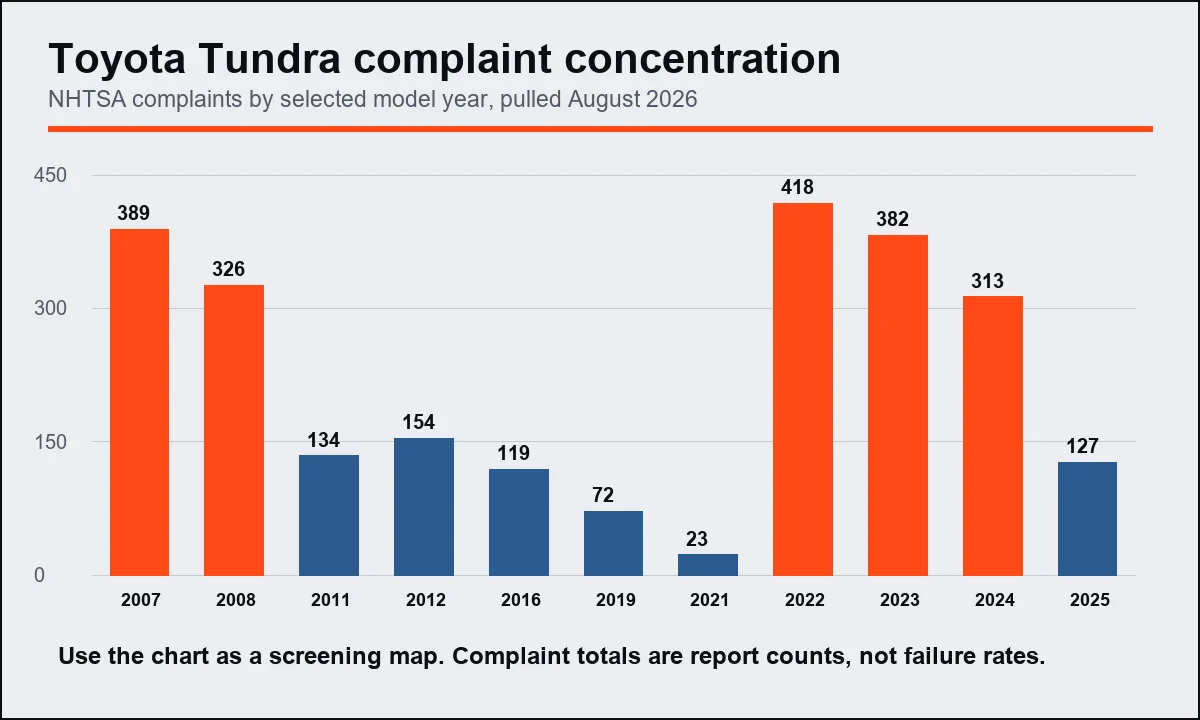
Complaint totals are not failure rates. They show where owners report problems, but they do not adjust for mileage, workload, climate, towing, modified tires, service quality, or how many trucks are still on the road.
Use the year list to decide which Tundras deserve the deepest inspection, then let VIN status, frame condition, engine behavior, transmission behavior, tire condition, towing evidence, scan data, and service records decide the exact truck.
Why 2007 and 2008 are the first old-V8 Tundra years to question
The worst old-V8 Toyota Tundra years in this review are 2007 and 2008 because they carry the highest complaint volume before the modern redesign. Current NHTSA data returns 389 complaints for 2007 and 326 for 2008.
The 2007 mix is broad enough that a quick drive is not enough. Powertrain leads with 49 reports, structure and vehicle speed control each show 41, suspension shows 38, and engine and cooling shows 23.
The 2008 pattern shifts the first question toward throttle behavior and body condition. Vehicle speed control leads with 49 reports, while structure, engine, and powertrain reports keep the inspection broader than one system.
- 2007Redesign year with high complaint volume across powertrain, structure, speed-control, suspension, and engine categories
- 2008Continued high complaint volume, with speed-control and structure reports still prominent
- 2009Complaint total drops sharply to 38, but frame, powertrain, airbag, tire, fuel, and electrical evidence still need inspection
- 2010NHTSA complaint pull returned no complaints in this data run, but recall and condition proof still matter on an old truck
The timeline matters because 2007 and 2008 are not only old trucks now. They are also early years of the larger second-generation Tundra, so age, corrosion, towing load, and redesign-era complaints can stack into one inspection.
NHTSA recall records add real checks for this group. A 2007 or 2008 truck can fall into power steering gear, accelerator pedal, seat heater, window switch, tire-pressure monitoring, wheel hardware, and label campaigns depending on equipment and population.
Do not let the 5.7-liter V8 reputation make you skip the lower half of the truck. Inspect frame rails, crossmembers, cab mounts, bed mounts, brake lines, fuel lines, steering rack area, suspension arms, shocks, tires, hitch hardware, and any undercoating that looks newer than the surrounding metal.
A good 2007 or 2008 Tundra should feel boring. Walk away from frame scale that flakes in sheets, unexplained speed-control symptoms, powertrain hesitation, warning lights, steering fluid leaks, loose suspension, mismatched tires, or a seller who will not allow a lift inspection.
Why 2022 to 2024 need the strictest modern proof
The 2022 to 2024 Tundra years need a different kind of caution because they are not simply old and worn. They are the redesigned twin-turbo era, and current complaint totals are high for newer used trucks.
Current NHTSA complaint data returns 418 complaints for 2022, 382 for 2023, and 313 for 2024. Engine is the leading category in all three years, with 76 engine reports for 2022, 68 for 2023, and 65 for 2024.
The powertrain signal is also strong. Current data shows 37 powertrain reports for 2022, 27 for 2023, and 34 for 2024, plus fuel or propulsion reports and mixed engine-powertrain complaints across the same years.
NHTSA recall data gives the modern check a concrete shape. The 2022 year includes rear camera software, axle shaft, parking assist, instrument panel, electronic parking brake, engine hard-parts, spare-tire, fuel-line, and tonneau-cover actions by affected population.
The 2023 year keeps many of those questions alive. Recall records include instrument cluster software, accessory tonneau cover, spare tire, fuel tube or line evidence, engine hard-parts, camera, and label actions by affected population.
The 2024 year adds its own current-status checks. NHTSA records include transmission control software for unexpected movement in neutral, engine hard-parts, backup camera software, reverse lights, tires or sidewall, and load-label actions by affected population.
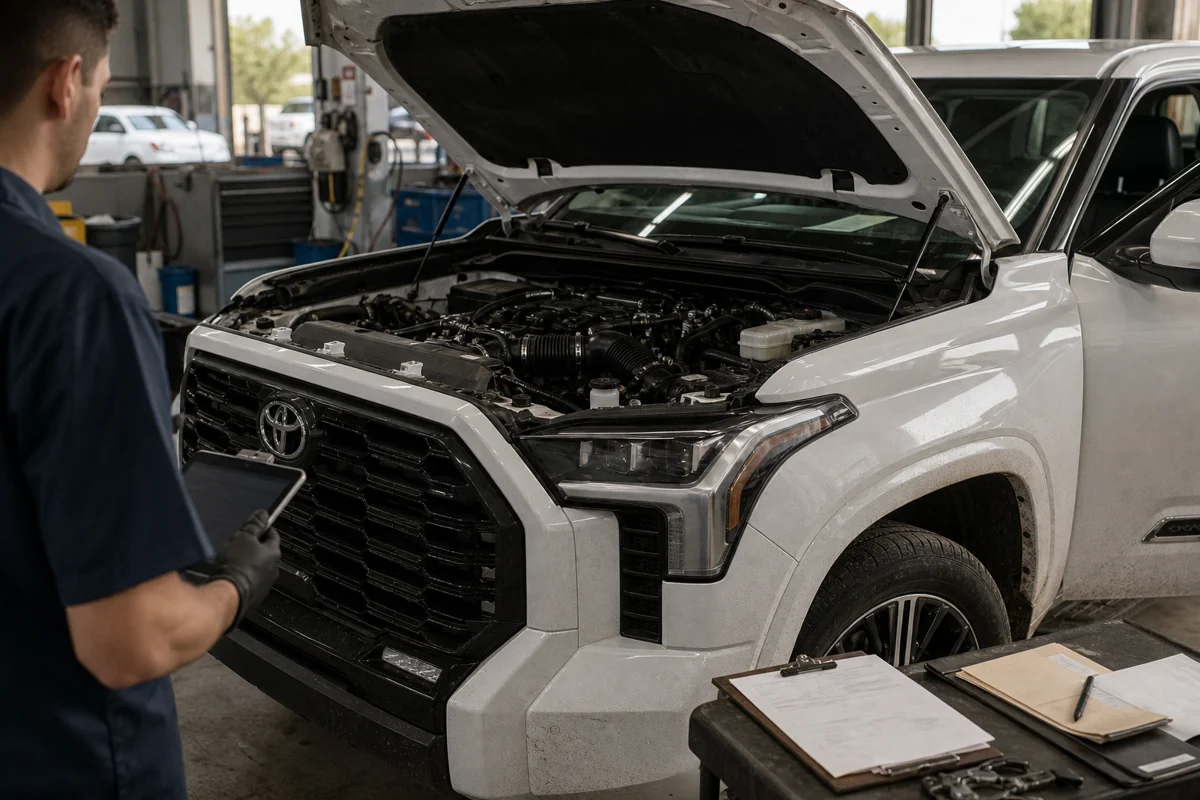
The engine issue is the deal breaker when proof is weak. If the truck has an affected VIN, the record should show the official remedy path, the date, the mileage, the parts or repair detail, and the warranty note.
A clean newer Tundra should start cold without knock, rough running, smoke, warning lights, or hesitation. The scan should show no hidden engine, fuel, transmission, camera, or driver-assist faults that the seller cannot explain.
What about 2011 to 2013 Tundras?
The 2011 to 2013 Tundra years sit between the two obvious caution zones. They are not as loud as 2007 and 2008, but they still need engine, fuel, steering, electrical, and structure proof.
Current NHTSA data returns 134 complaints for 2011, 154 for 2012, and 84 for 2013. Engine leads 2011 with 21 reports, then engine leads 2012 with 33 and 2013 with 19.
That does not make every 2011 to 2013 truck risky. It means you should treat engine condition and records as the center of the inspection instead of assuming the V8 badge tells the whole story.
Look for oil service, coolant condition, cold-start noise, hot idle, fuel smell, steering feel, charging behavior, electrical warnings, tire condition, and clean underbody evidence. A truck that towed often should have fluid records that match the job.
A seller with clear records can make these years attractive. A seller with vague maintenance, fresh undercoating, worn tires, hidden towing hardware, or cleared codes should lose the Toyota premium.
Why 2016 to 2021 are often better starting points, with checks
The 2016 to 2021 Tundras are often better used starting points because the complaint totals are lower than the high-warning groups in this pull. Current data returns 119 complaints for 2016, 78 for 2017, 99 for 2018, 72 for 2019, 45 for 2020, and 23 for 2021.
These are still full-size pickup trucks, so condition can beat model year. Towing, payload, tire load rating, brake wear, suspension sag, differential service, cooling behavior, and accident history matter more than a neat listing photo.
Recall history also stays relevant. NHTSA data for 2018 to 2021 includes headlight circuit actions for certain trucks, and 2019 to 2020 trucks can fall into the low-pressure fuel pump population.
Check the VIN on the day you buy. A completed fuel-pump or lighting campaign is normal evidence, while an open campaign should be handled before delivery or priced into the deal.
This group works best when the truck is stock or lightly used. Oversized tires, wheel spacers, lift kits, hard trailer use, unverified accessory wiring, and neglected fluid service can make a better year behave like a worse buy.
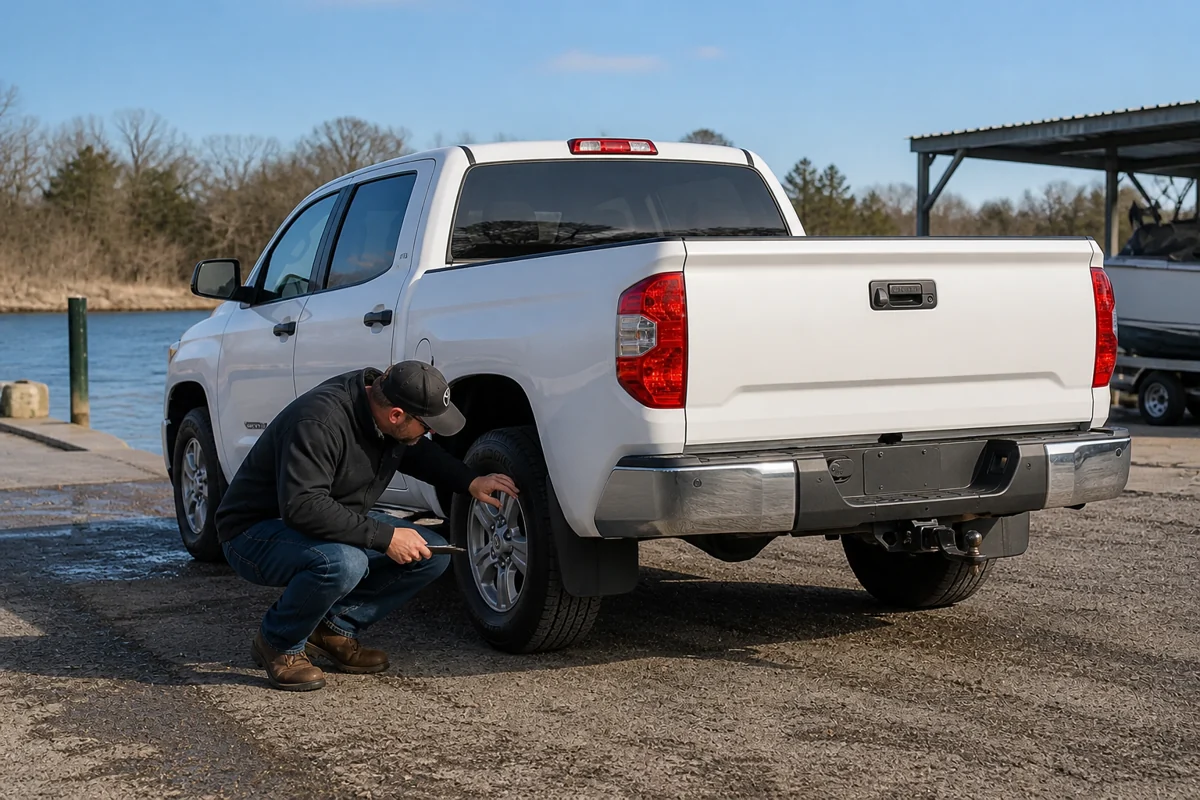
Frame, tires, towing, and 4WD decide many Tundra deals
A Tundra is usually bought for work, towing, family hauling, or long highway mileage. That job changes the inspection because tires, brakes, cooling, suspension, frame condition, and driveline behavior carry real money risk.
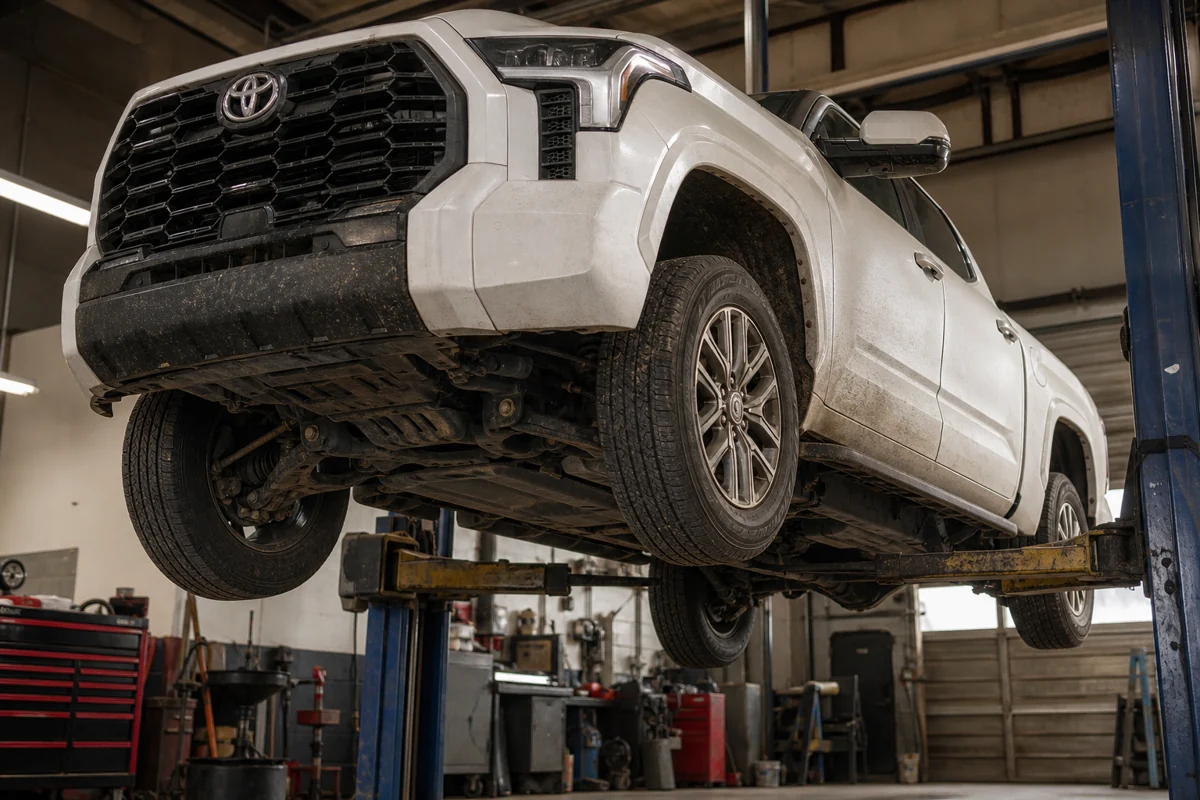
Start under the truck before discussing trim. Frame corrosion, bent brackets, leaking shocks, brake-line rust, differential seepage, damaged skid plates, loose hitch hardware, old tire date codes, and uneven tire wear can turn a fair listing into an expensive repair.
Towing hardware needs context. A receiver, brake controller, and trailer wiring are not bad, but they should come with transmission, differential, brake, tire, cooling, and service records.
Four-wheel drive also needs a real test. Shift through the modes where conditions allow, listen for binding or grinding, and make sure warning lights stay off after the system engages and disengages.
Tire pressure matters more on a truck than buyers often admit. Check tire pressure when the truck is cold, then compare tire size, load rating, wear pattern, and alignment behavior against the truck's workload.
Should you avoid 2025 Toyota Tundras?
Do not treat the 2025 Tundra as a mature used-year verdict yet. It is a current-status year with early NHTSA reports, open warranty context, and recall evidence that should be checked by VIN.
Current NHTSA complaint data returns 127 complaints for 2025 in this pull. Engine and powertrain each show 11 reports, vehicle speed control shows 9, and fuel or propulsion appears in several complaint combinations.
NHTSA recall records for 2025 include reverse light, rearview image software, camera software for certain Panoramic View Monitor trucks, and load-label actions by population. Those are not reasons to reject every 2025, but they are reasons to print the VIN result before price talk.
A nearly new truck should have the easiest paper trail. Ask for warranty start date, dealer service history, open and completed campaign status, scan data, tire condition, accessory list, and any collision or buyback disclosure.
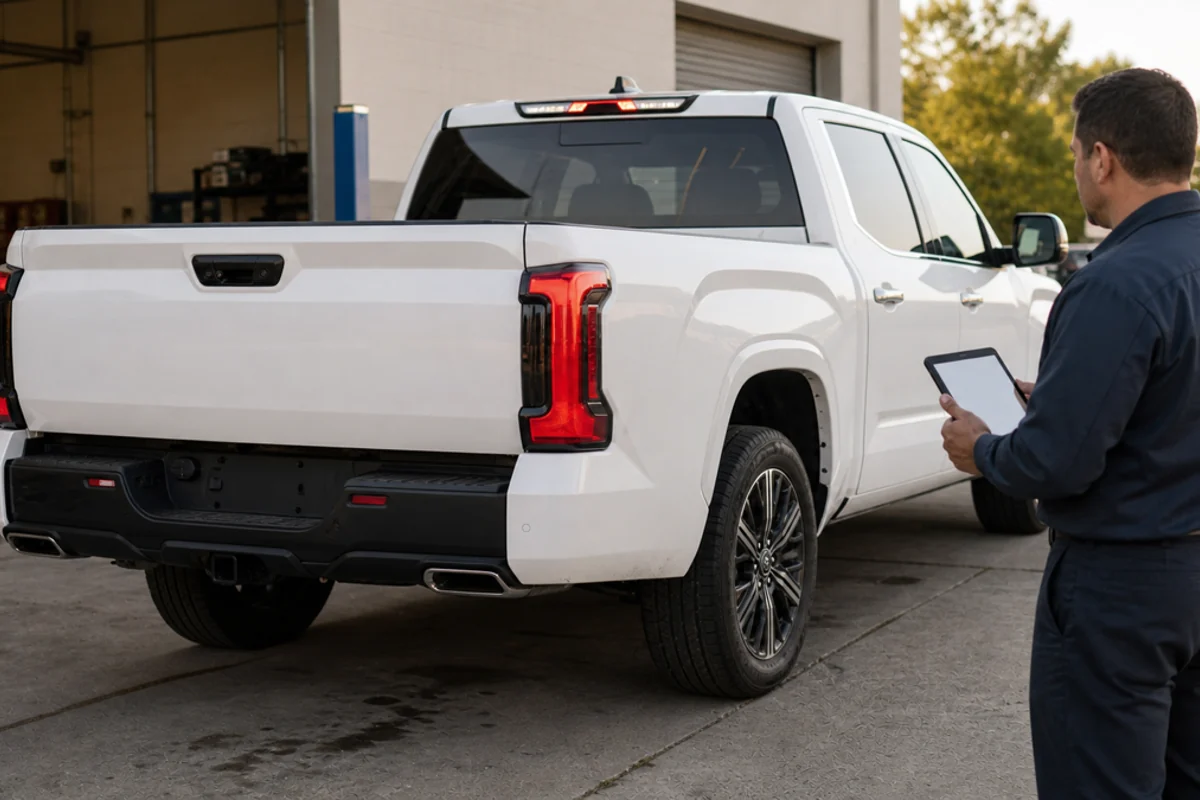
Reject a 2025 when the seller wants a near-new price but cannot produce near-new proof. Warranty value only helps you if the truck's records, symptoms, and VIN status are clean.
Which Toyota Tundra years are better used starting points?
Better Tundra starting points are documented 2016 to 2021 V8 trucks, plus carefully verified 2025 trucks when warranty and campaign status are clean. Some 2011 to 2013 trucks can also be smart buys when engine, fuel, steering, electrical, and underbody evidence is strong.
The broader Toyota Tundra reliability picture supports a split-generation answer. Older V8 trucks carry the mature long-life reputation, while newer twin-turbo trucks need tighter VIN, remedy, oil, scan, and warranty evidence.
Powertrain choice matters in the newer years. The gas powertrain keeps the simpler nonhybrid layout, while the hybrid system adds torque and complexity that should come with clear warranty and service evidence.
Use the better-year list to decide which trucks deserve inspection, not which truck to buy unseen. VIN status, frame condition, engine behavior, transmission behavior, tires, 4WD, towing history, scan data, oil records, and seller transparency still decide the exact deal.
If two Tundras look equally clean, choose the one with better proof before you choose the higher trim. A lower-trim truck with boring records can be smarter than a loaded truck with open campaigns and unexplained engine symptoms.
What proof makes a risky Toyota Tundra worth buying?
A risky Tundra can move forward only when the proof matches the year. For 2007 and 2008, that means frame, rust, steering, speed-control, powertrain, suspension, tire, brake, window switch, accelerator pedal, and VIN evidence.
For 2011 to 2013, the proof shifts toward engine records, fuel behavior, steering feel, electrical scan, cold start, hot idle, and towing use. For 2022 to 2024, it shifts toward engine campaign status, fuel-line evidence, transmission software, camera software, reverse lights, tire status, oil history, scan data, and warranty records.
Tundra proof points
- VIN status
- Print the current Toyota recall result on the day you buy
- 2007 to 2008
- Verify frame, rust, steering, speed-control, powertrain, suspension, brakes, tires, and underbody condition
- 2011 to 2013
- Check engine records, fuel behavior, steering feel, electrical scan, cold start, hot idle, towing evidence, and service history
- 2016 to 2021
- Confirm fuel-pump, lighting, steering, towing, tires, brakes, 4WD, differential service, and scan data
- 2022 to 2025
- Confirm engine campaign status, remedy record, fuel line, transmission software, reverse camera, reverse lights, tires, warranty, oil history, and scan data
Do not reject every 2007, 2008, 2012, 2022, 2023, 2024, or 2025 Tundra automatically. A documented truck with clean VIN evidence, stable drivetrain behavior, fair tires, complete records, and a realistic price can still be worth buying.
Do reject uncertainty when the model year already tells you where to look. The year filter points you toward the right truck, but frame, engine, transmission, fuel, steering, brake, tire, towing, 4WD, VIN, scan, warranty, and road-test evidence finish it.