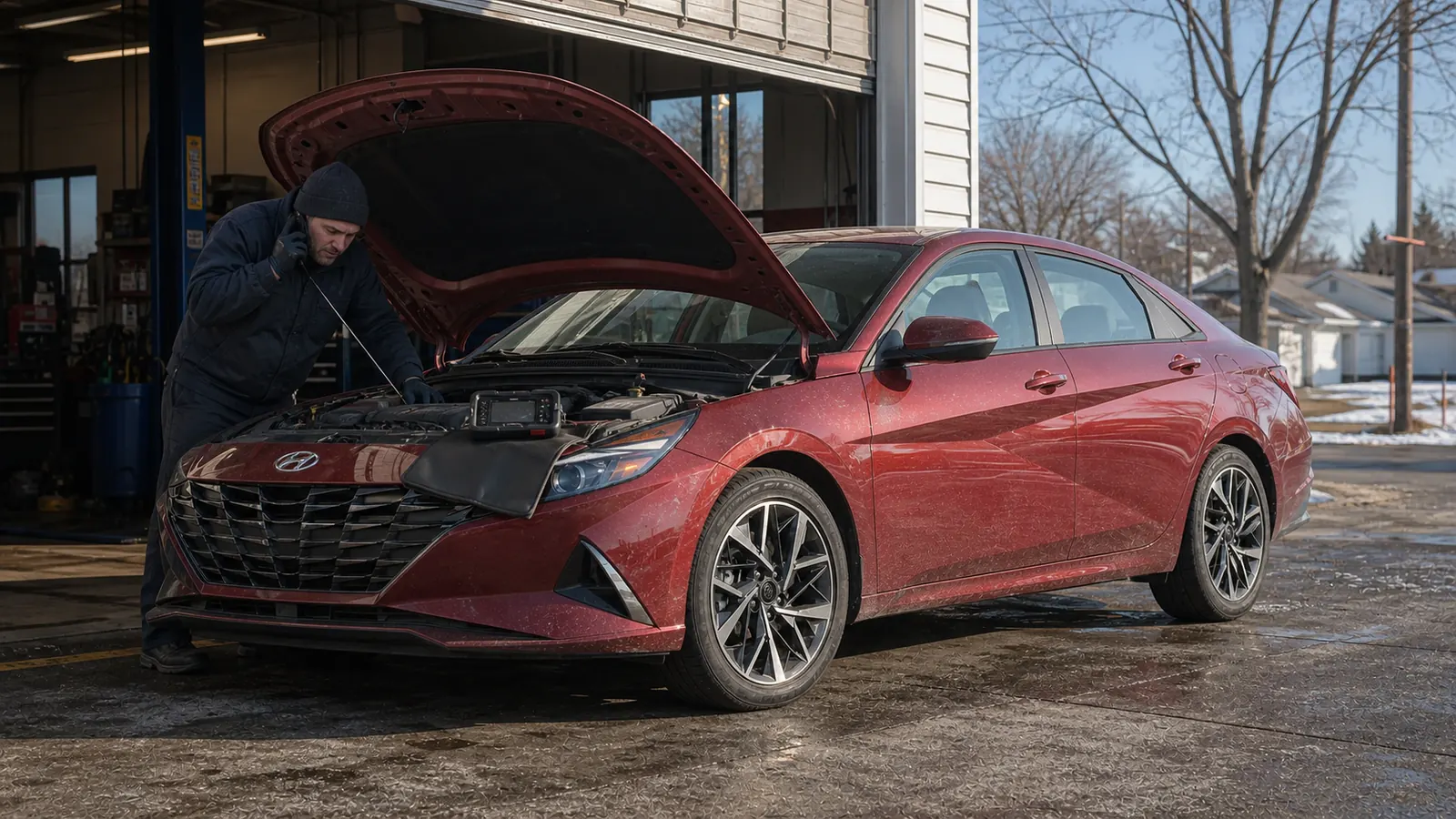
Two Nu engines create two Elantra risk groups
The Elantra's problem is not bad luck spread evenly across its life. It is concentrated in the engine, and it lands hardest on specific years.
CarComplaints lists engine problems as the worst category for the model, and RepairPal rates the car about average overall, which is the trap: the average score hides a handful of years that are much worse than the rest.
The trouble runs through two engine families, and the failure is different in each:
Model-year risk map
- 2011-2016
- Nu 1.8L engine: ticking, connecting-rod knock, bearing wear, and oil sludge, now the subject of a class-action suit
- 2013
- The worst year overall: engine failure and ticking, plus real-world mileage well under the EPA figures
- 2014
- Engine stalling and dying while driving, one of the costliest repairs owners reported
- 2017
- Loss of power and random misfires on the redesigned car
- 2019-2020
- Nu 2.0L engine under NHTSA recall for oil-ring damage that can seize a connecting rod
- 2021+
- The current generation, the safest used years to target
Piston slap differs from the 2019-2020 oil-ring recall
The 2013 Elantra is the one to avoid outright.
It is the most-complained-about model year the car has ever had, and the complaints are the expensive kind: engine failure, a persistent ticking noise, and gas mileage that came in well below the advertised numbers.
Hyundai was forced to restate the fuel-economy ratings on many 2012-2013 cars and reimburse owners.
If a listing is a 2013, the safe move is to walk, not haggle.
The wider pattern is the Nu 1.8L engine used from 2011 through 2016. Owners report a constant tick that turns into a connecting-rod knock, bearing failure, and oil sludge, and the engine can consume oil fast enough to starve itself between changes.
A class-action lawsuit covers these cars. A 2014 in particular drew complaints about the engine stalling or dying while driving, which is both dangerous and one of the priciest fixes owners listed, with repair estimates that ran into the thousands.
On a car this cheap to buy, an engine that expensive to fix is the whole risk.
| Year or group | Starting verdict | Evidence | Required check |
|---|---|---|---|
| 2011-2012 | Inspect carefully | Nu 1.8L piston-slap and bearing-wear history | Cold noise, oil level, and warranty record |
| 2013 | Avoid unexplained engine noise | Highest complaint concentration and costly failures | Cold start, scan, and replacement invoice |
| 2014-2016 | Inspect carefully | Nu 1.8L concern continues | Oil use, knock, sludge, and service history |
| 2017 | Inspect transition year | Redesign drew power-loss and misfire reports | Full-load drive and code scan |
| 2018 | Consider | Later sixth-generation year | Maintenance, theft protection, and recall status |
| 2019-2020 2.0L | Avoid unresolved recall | Piston oil-ring damage can scuff bores and seize bearings | Recall completion and engine condition |
| 2021+ | Consider by VIN | Newer generation with lower age burden | Immobilizer, fire recall, and complete inspection |
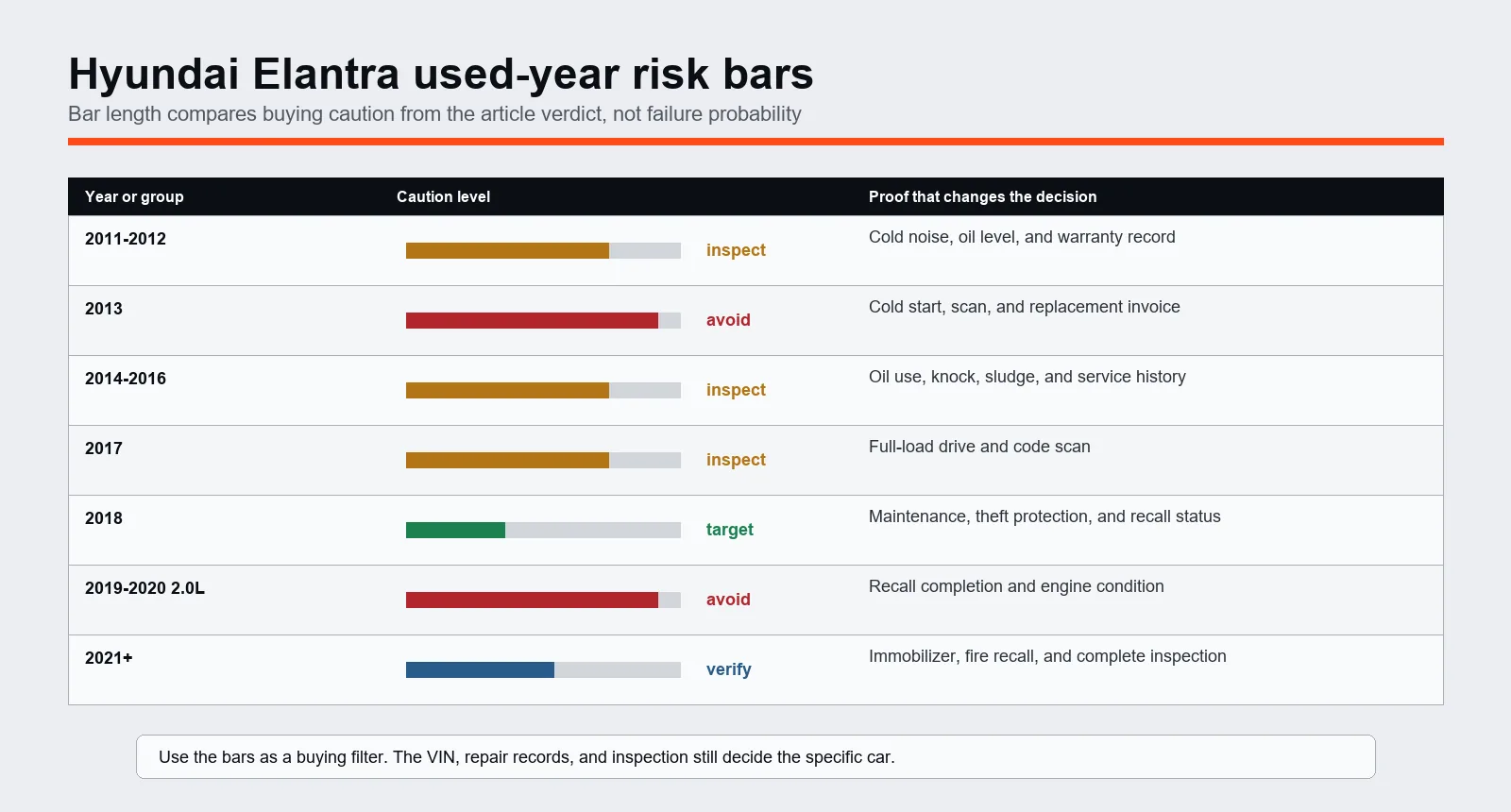
This Elantra table keeps the 1.8L warranty issue separate from the 2.0L recall.
Neither row supplies a fleet-wide failure rate.
Move a vehicle forward only when its VIN, repair history, and physical condition support the row.
The 2017 redesign needs a full-load test
The 2017 car, the first of the sixth generation, had its own issue: owners reported the engine losing power and misfiring at random, which is unsettling at highway speed.
It is not in the same league as the 2013, but it is a year to approach with a careful test drive and a scan for stored misfire codes.
A 2018 of the same generation, after the first-year bugs were sorted, is a calmer used pick if you want an earlier car.
Later Elantras still need theft and fire checks
An Elantra's engine code and recall history answer more than a general reliability grade.
Use the filter after the cold-start evidence and VIN record are available.
A newer Elantra moves beyond the Nu 1.8L pattern but keeps VIN and theft checks. The current generation launched for 2021 and moved past the worst of the older engine faults, and it undercuts most rivals on price while packing more standard equipment.
Two cautions still apply. First, the IVT, which is Hyundai's version of a continuously variable transmission, is the subject of a class-action suit covering 2020-and-newer gas cars, so buy on records and a smooth test drive.
Second, early 2021 cars can lack an engine immobilizer, which is why the Elantra became one of the most-stolen cars in the country.
A late-2022 or newer Elantra with the immobilizer is the sweet spot for most buyers.
If you want more space and a smoother engine, the Hyundai Sonata is the next step up in the same Hyundai lineup.
Listen cold, scan warm, and verify the VIN
Listen from a true cold start. A seller who warms the engine before arrival removes the best chance to hear upper-engine piston slap or lower-engine bearing knock.
Hyundai's Nu 1.8L warranty bulletin describes piston-slap coverage for certain 2011-2016 cars in cold-weather states. The separate 2019-2020 oil-ring recall still requires its own VIN confirmation.
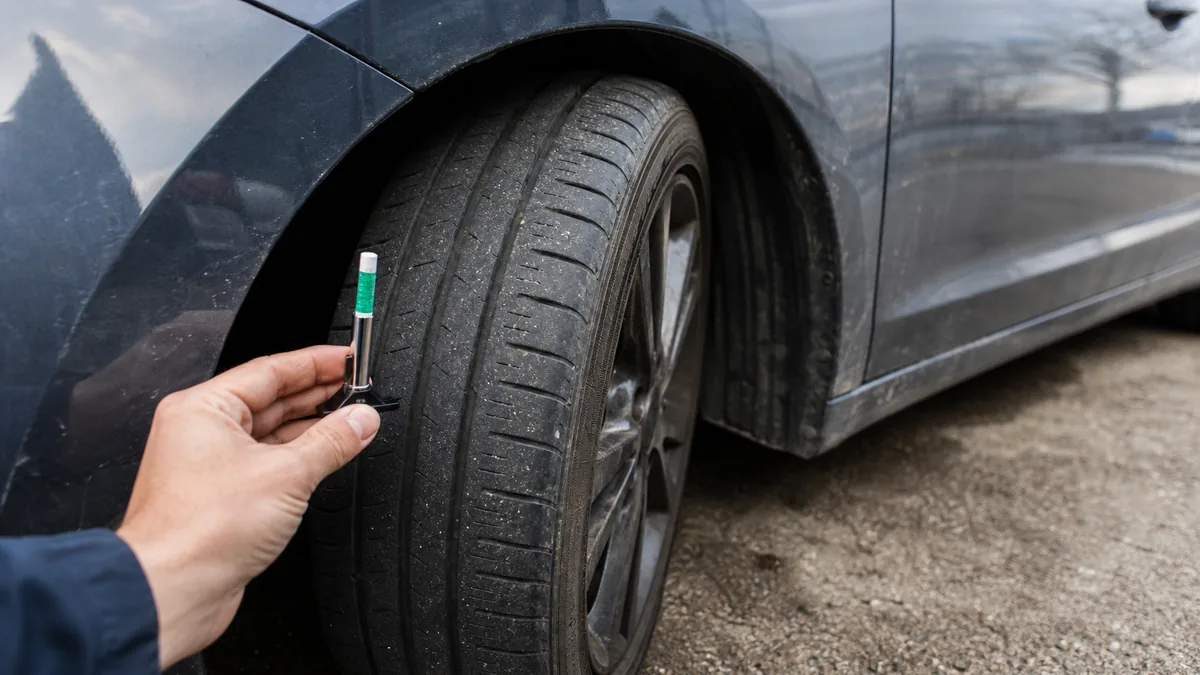
Use the Elantra profile to identify the engine before interpreting a tick. Fuel injectors can make a regular clicking sound, while piston slap is heavier when cold and bearing knock follows engine load.
Record the sound from startup through warm idle so a Hyundai specialist can hear the change rather than relying on the seller's description.
Collect the engine evidence in this sequence:
- Confirm the engine is cold before startup
- Check oil level, oil-change intervals, and any top-off pattern
- Scan for misfire, knock-sensor, and catalyst codes
- Verify engine recall and immobilizer work by VIN
- Compare the car with the Hyundai range, gas sedan field, and used-car paperwork checks
Missing paperwork does not prove that a repair was unnecessary. Reject the car when cold noise, oil history, and Hyundai records point in different directions.
Engine replacement paperwork must answer four questions
On a Nu-engine Elantra, ask which engine failed, why it failed, who supplied the replacement, and how many miles the new unit has covered.
A warranty authorization or detailed invoice is stronger than a handwritten note. The record should connect to the VIN and list the long block or short block when applicable.
An engine replacement can improve the case, but only when the cause and installed unit are clear.
For the 2019-2020 oil-ring recall group, confirm the VIN result and completed remedy through the NHTSA record cited above.
For earlier piston-slap concerns, start the engine cold and listen through the first warm-up.
A quiet warm idle cannot recreate that evidence. Check oil level, exhaust smoke, misfire history, and debris or metallic sparkle in the drained-oil record if one exists.
Evidence that improves an Elantra
- Engine work
- VIN-linked invoice, unit type, mileage, and warranty
- Recall group
- Completed VIN remedy with dealer record
- Cold operation
- No persistent knock, smoke, or warning light
- Road test
- Stable power under load and clean scan results
Theft exposure and insurance belong in the purchase math
Some Elantras face a separate theft-risk and insurance question that does not come from the engine. Verify the exact vehicle's immobilizer or campaign status, then obtain an insurance quote before agreeing to the price.
A clean engine inspection cannot offset a policy that is unavailable or unusually expensive in the buyer's ZIP code.
Keep this check tied to the VIN and insurer rather than assuming every year receives the same treatment.
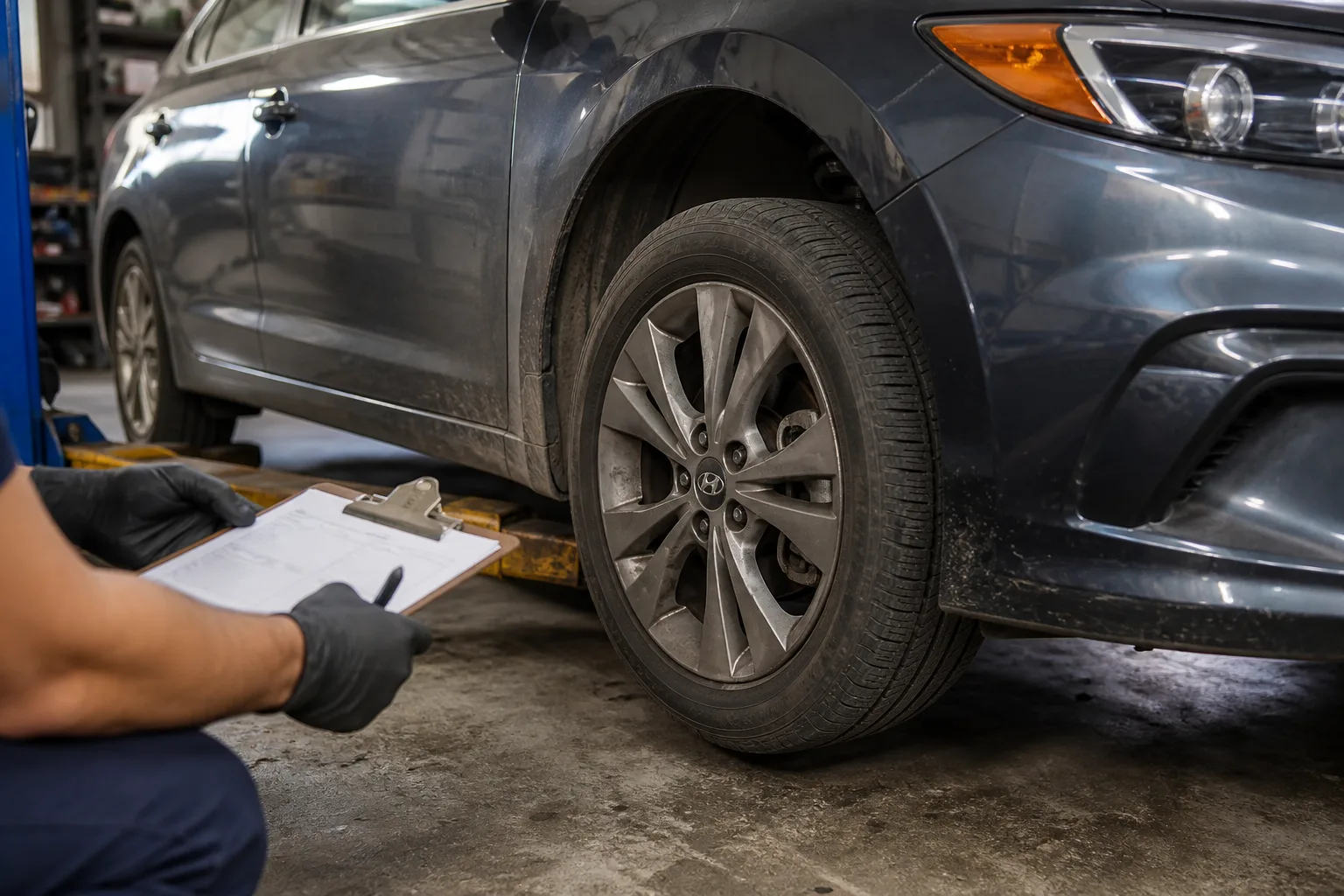
Inspect ordinary wear after the engine and insurance gates. Test steering, brakes, A/C, windows, and every key.
Scan all modules and look underneath for impact repairs or fluid leaks.
A lower asking price is useful only after the engine history and insurance cost are known.
If either remains uncertain, the discount is compensation for risk rather than evidence of value.
Make the Elantra offer depend on a few verifiable items:
- Record the VIN before checking engine and theft campaigns
- Require a cold start after the car has sat overnight
- Compare oil level with the stated service interval
- Load the engine on a safe uphill drive and watch for knock or hesitation
- Confirm every supplied key, alarm feature, and insurer requirement
- Scan engine, transmission, ABS, airbag, and steering modules
A compression or leak-down test is appropriate when persistent knock, smoke, misfire, or oil loss remains.
An insurer quote should be obtained before a deposit, not after delivery.
These checks answer different costs.
The purchase works only when both the mechanical evidence and the ownership cost fit the buyer's budget.
Confirm any remaining engine warranty coverage in writing and learn which owner, mileage, maintenance, and transfer conditions apply. Coverage language can change the value of a replaced engine, but it should never be assumed from the model year.
Also inspect the catalytic converter when oil use or misfire has been reported, since prolonged burning can damage emissions hardware.
A clean tailpipe alone cannot answer that question. Scan data and a proper exhaust inspection provide better evidence.
Separate current engine health from future warranty assumptions
A healthy cold start and clean scan describe the engine today. Warranty paperwork describes who may pay if a covered failure happens later.
Keep those questions separate. Confirm the exact coverage terms with the provider, including mileage, time, maintenance proof, ownership transfer, and excluded causes.
Do not add assumed warranty value to the offer.
The mechanical inspection still needs to address persistent knock, oil loss, misfire, exhaust smoke, and catalyst condition. A replacement engine with complete records can be attractive, but it should be judged from installation mileage forward.
Review every oil service after replacement and ask whether cooling, fuel, or ignition faults were corrected at the same time.
A strong file contains:
- VIN-linked campaign and engine-replacement records
- Current cold-start and full-temperature scan results
- Oil level history since the installed engine
- Written warranty terms, if coverage remains
- Insurance confirmation for the exact VIN
If warranty eligibility is uncertain, price the car as though the buyer will pay for repairs.
Coverage should reduce a verified risk, not hide an undiagnosed symptom.
The safer Elantra is mechanically sound without relying on a future claim, with warranty support treated as a secondary benefit.