Ram
Ram builds full-size trucks known for the smoothest ride and the nicest cabin in the class. Browse our reviewed Ram models by towing, payload, and cost to own.
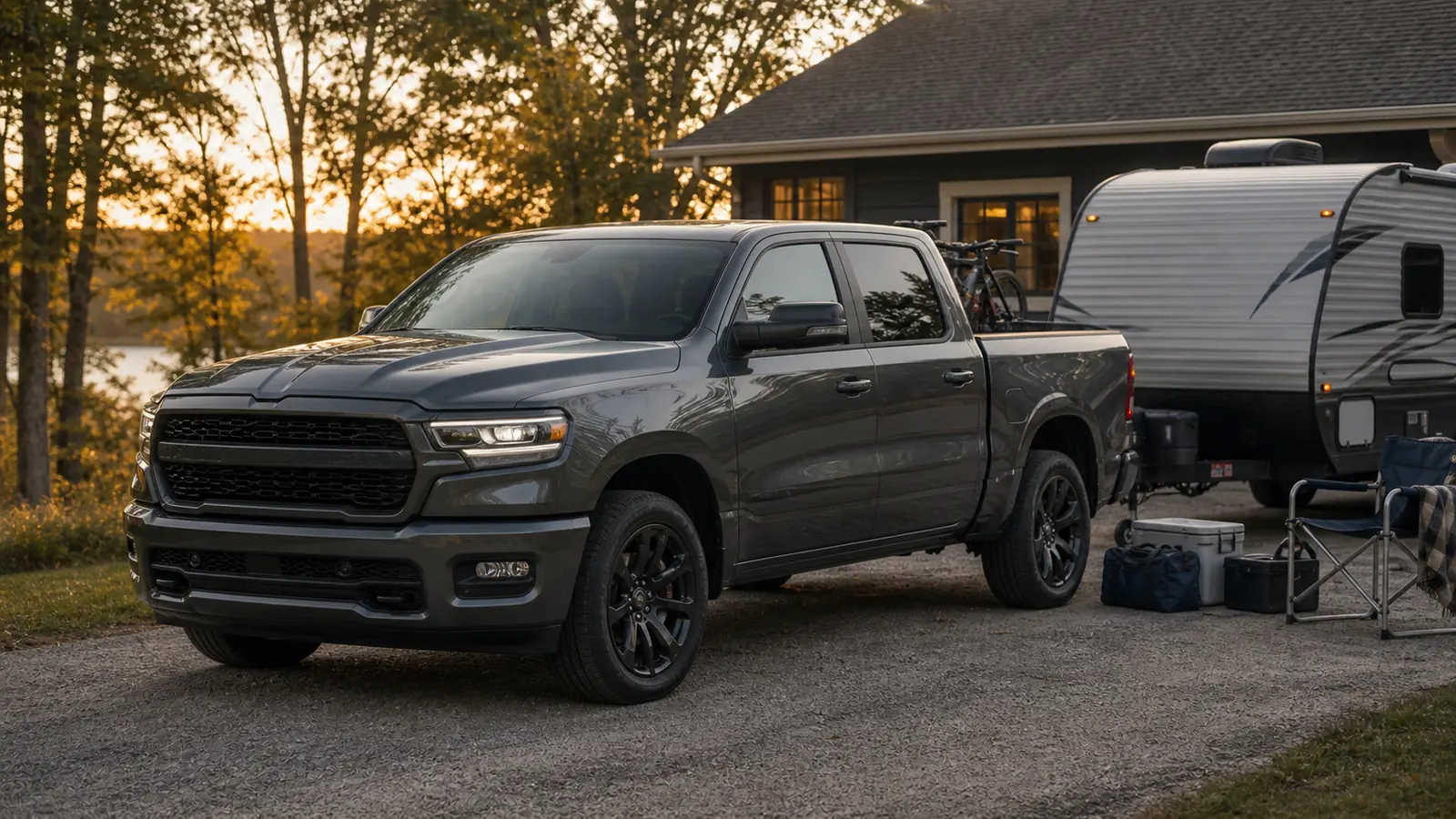
Ram 1500
1500 · $42,000-$90,000The Ram 1500 is the full-size pickup for buyers who care about ride comfort as much as towing and bed…
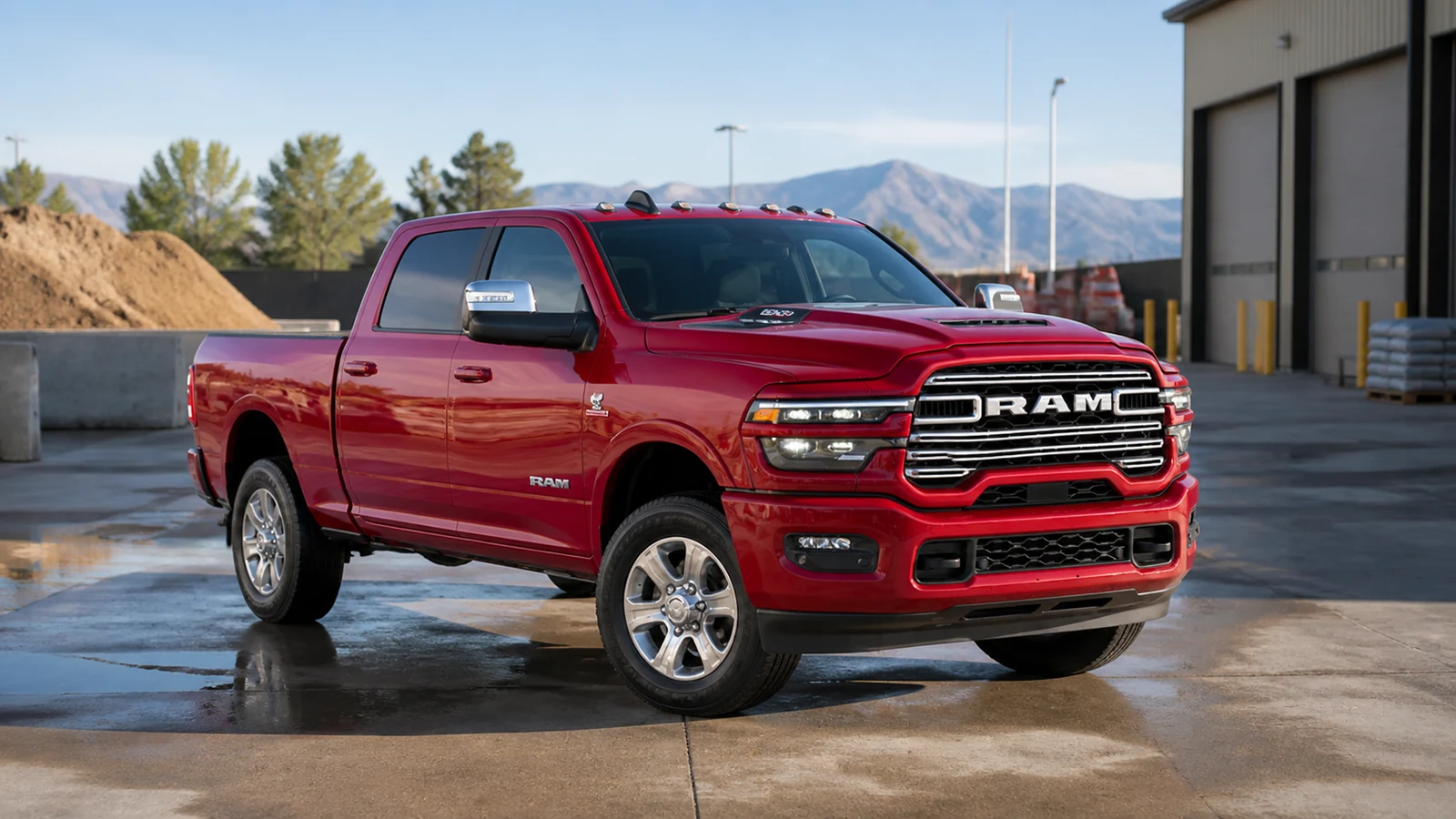
Ram 2500
2500 · Build-specificThe 2027 Ram 2500 is a factory-bed, single-rear-wheel heavy-duty pickup offered with gas or Cummins diesel…
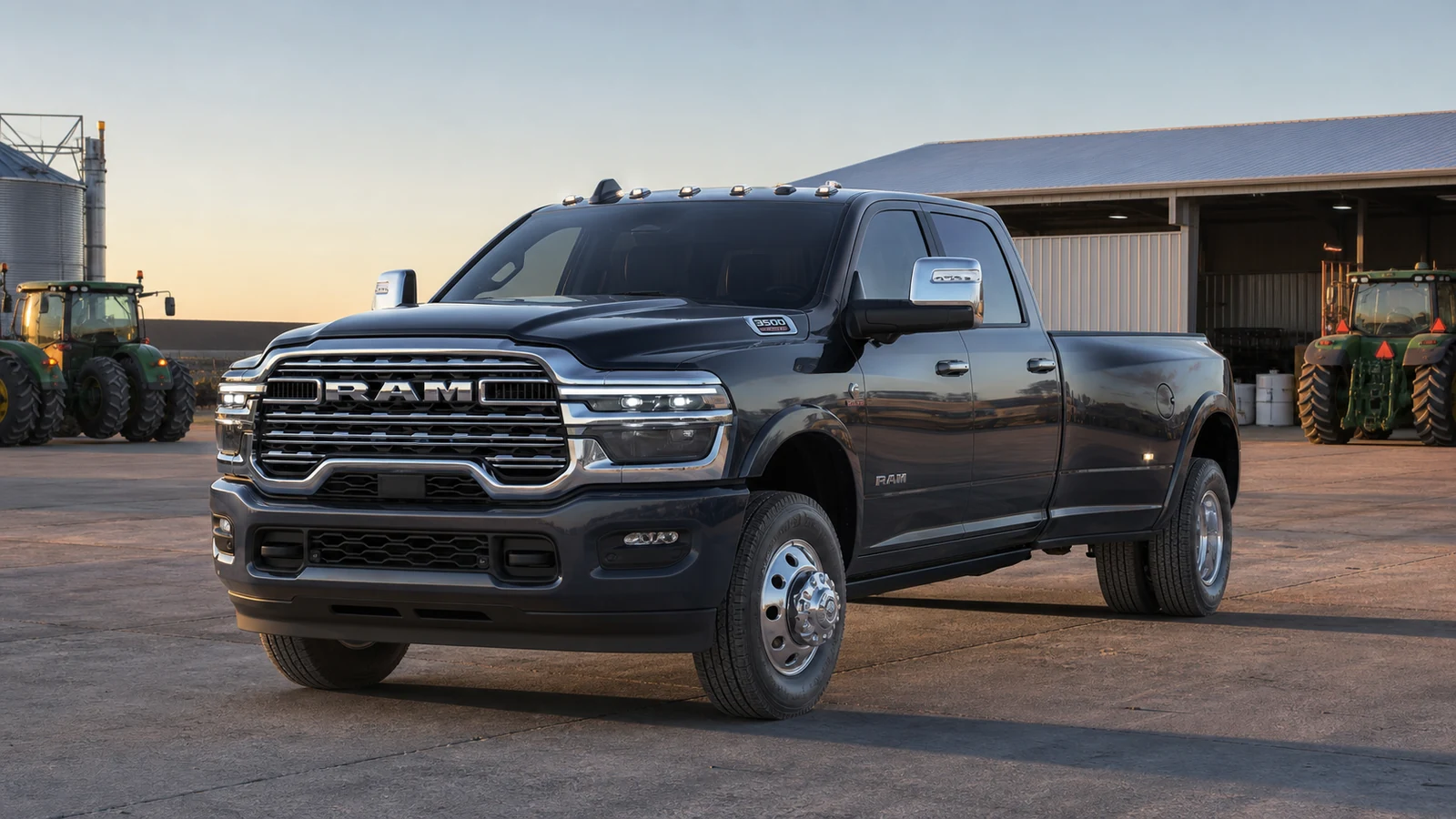
Ram 3500
3500 · Build-specificThe 2027 Ram 3500 is the factory-bed pickup, not a Ram 2500 or chassis cab. Its central decision is whether…
Ram builds full-size trucks that feel less like work equipment and more like the nicest room in your house.
Ram made its name by fixing the two things buyers complained about most in a pickup: a jittery ride and a plain cabin.
Today a Ram rides smoother and looks richer inside than almost anything else with a bed. Here is what the badge gets you, using the truck the lineup is built around, and where a Ford or Chevy still has an answer.
Why a Ram rides smoother than rival trucks
Most half-ton pickups still hang leaf springs under the rear axle, a cheap and tough setup that also transmits every road seam into the cab.
Ram switched the Ram 1500 to coil springs at the back, and an air suspension is available on top of that. The result is a truck that soaks up broken pavement the way a large sedan does.
That soft ride is the whole point of the Ram brand.
A Ram gives you the smoothest ride in the full-size class, which matters most if the truck doubles as your daily driver and family car.
The trade is that a coil-and-air rear end is more complex than a leaf spring, so long-term upkeep is something to weigh if you keep trucks past 150,000 miles.
The cabin sets the class benchmark
Open the door and the 1500 reads more like a luxury SUV than a work truck.
Higher trims wrap the cabin in real wood and stitched leather, and the available tall portrait touchscreen anchors the dash. Even mid-level trucks feel a step above the plastic-heavy interiors that pickups shipped with for decades.
Space is the other half of the cabin story.
The crew-cab 1500 cabin gives back-seat passengers limousine legroom, and it seats five adults in comfort, which is why it earns a spot among practical 5-seater family haulers. If interior quality sits near the top of your list, the Ram is the full-size truck to beat.
What the 1500 tows and hauls
A half-ton like the 1500 covers the jobs most owners actually have: a boat, a camper, a loaded bed of mulch or lumber.
Properly equipped, full-size half-tons tow in the neighborhood of 11,000 to 12,000 pounds and carry around 1,700 to 2,300 pounds of payload, depending on cab, bed, and axle.
Two rules about that payload keep you out of trouble.
Towing capacity and payload move in opposite directions as you add cab size and four-wheel drive, so a truck built to tow the most is rarely the one that hauls the most in the bed.
Match the axle ratio and configuration to your heaviest regular load, because the window sticker number assumes a stripped, single-cab setup you probably will not buy. If you routinely pull more than a half-ton handles, step up to a heavy-duty truck instead.
Gas power and when four-wheel drive earns its keep
The 1500 is a gas pickup, and its engine choice sets both the tow rating and the fuel bill.
The best engine combinations return mileage in the mid-20s on the highway, strong for a truck this size, while the punchiest engines trade some economy for pulling power.
Every 1500 drives the rear wheels by default, and rear-wheel drive is the right pick if you tow on pavement and live where winters are mild.
Four-wheel drive is optional and worth the money if you work off pavement, launch a boat down a slick ramp, or see real snow. It adds cost and shaves a little payload, so skip it if your miles are dry highway.
Ram versus F-150 and Silverado
The three big half-tons split the field cleanly, and the Ram sits in the middle of them.
The Ford F-150 is the sales leader and the towing and engine-choice champion, with a hybrid and a full electric version the Ram cannot match.
The Chevrolet Silverado undercuts both on price and offers a diesel, but its cabin trails the Ram on materials and ride.
| Truck | Its strength | Watch-out |
|---|---|---|
| Ram 1500 | Smoothest ride, richest cabin | Complex rear suspension over time |
| Ford F-150 | Most engines, hybrid and EV, top tow | Interiors vary widely by trim |
| Chevrolet Silverado | Sharp pricing, diesel option | Plainer cabin, firmer ride |
Buyers who put comfort first tend to land on the Ram. Those who tow at the limit or want electrified options lean Ford, and value shoppers cross-shop Chevrolet.
Driving all three is worth the afternoon, because the gap between the Ram, the Ford, and the Chevrolet is narrower than any loyalist will admit.
Who should buy a Ram 1500
The 1500 suits the buyer who wants one truck to tow the camper on weekends and carry the family the rest of the week without punishing anyone's spine.
Pros
- Smoothest ride in the full-size class
- Cabin quality that shames most SUVs
- Roomy crew cab seats five in comfort
Cons
- Complex coil and air suspension to maintain long term
- Tops out near $90,000 on loaded trims
- No hybrid or electric version yet
If you need maximum towing, the widest engine menu, or an electrified truck, look at the F-150 first. If your budget is tight, the Silverado starts lower.
For everyone who wants a truck that does real work and still feels good to live in, the Ram earns the money.
How we review Rams
Every Ram profile here is scored on the same measures as its rivals: real fuel economy, tow and payload ratings, reliability history, safety scores, and five-year cost to own. We read EPA and NHTSA data alongside long-term reliability records.
A reviewing expert signs off on every Ram model's buying advice before it goes live.
Start with the Ram 1500 itself, or size it up against the F-150 reliability record to see how the two big trucks hold up over the years you plan to own one.
Frequently Asked Questions
What makes a Ram ride better than other trucks?
How much can a Ram 1500 tow?
Is the Ram 1500 better than the Ford F-150?
Does the Ram 1500 come in four-wheel drive?
How much does a Ram 1500 cost?
See how Ram stacks up
Put these models against their rivals side by side, then read the full research-first review before you buy.
Compare cars